How To Overwinter Tuberous Begonias In Michigan Without Losing The Tubers
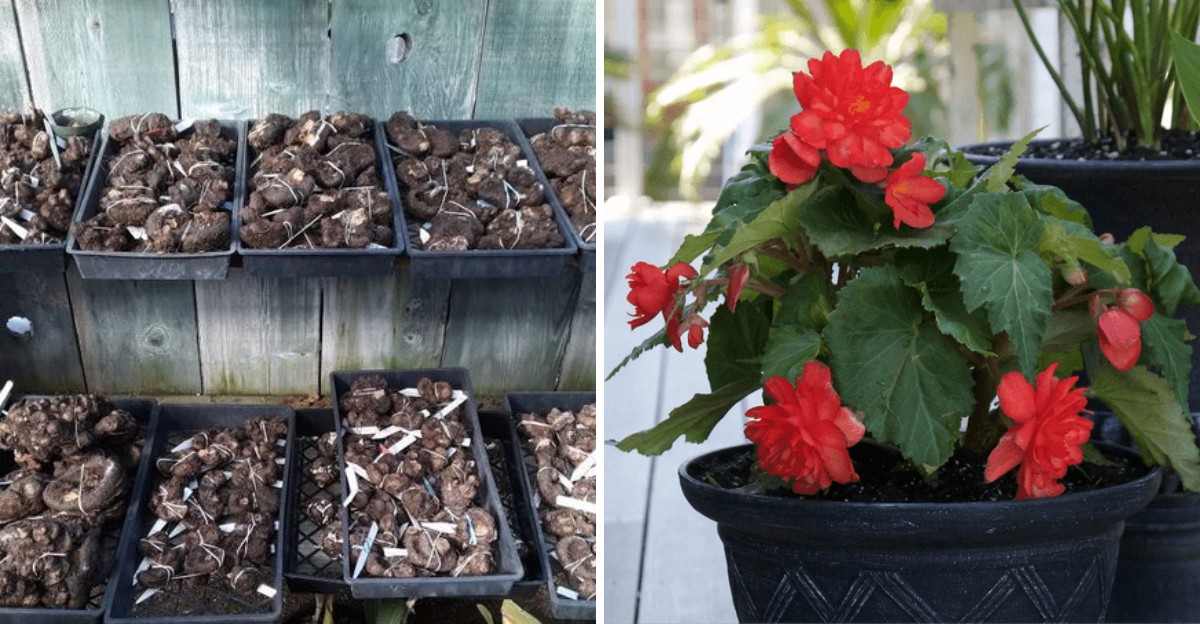
Some of the showiest summer flowers on a shady porch grow from a lumpy brown disc that looks like a forgotten cookie. That plain little disc can keep blooming for years if you treat it right.
The parent plants come from the cool, misty Andes Mountains of South America. Frost is not part of their plan. In Michigan, our first fall freeze can turn those lush stems to mush overnight.
I know how frustrating it can be when you spend all summer babying a plant, then watch it collapse after one cold night. I tend to think the real loss happens later, though. Most tubers fail in storage, quietly rotting or shriveling in a box nobody checks.
One thing I love about gardening is how small habits change everything. The real question is which habits matter most when snow piles up outside your window.
1. That Lumpy Begonia Tuber Holds More Than You Expect
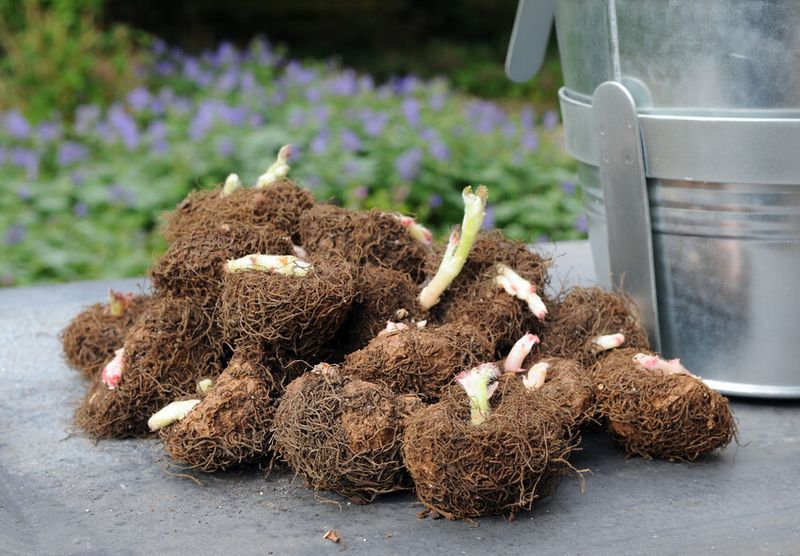
Flip a begonia tuber over and you will see something odd. One side is rounded, and the other side has a shallow dip like a saucer. That hollow top is where next year’s shoots grow.
Inside that disc, the plant stores sugars and starches it built up all summer. Those reserves fuel spring growth before roots can feed the plant. A healthy tuber can bloom for several seasons, often getting bigger and producing more flowers each year.
The catch is simple. Tuberous begonias are not winter hardy anywhere in the state, since they are tender plants usually listed for Zones 9 to 11. Michigan sits mostly in Zones 4 through 6, so frozen ground will turn tubers soft and useless.
So the goal of overwintering is not keeping leaves alive. You are protecting that stored energy so it stays firm, dry, and ready. Think of it like saving a battery for later.
Fun fact: many of the big, rose-like begonias sold today trace back to plant hunters who collected wild species in the Andes during the 1800s.
Breeders in Europe crossed them into the ruffled beauties we know now. Saving yours keeps a little piece of that history going.
2. Dig Begonia Tubers Right After A Light Frost Nips The Leaves
Timing is your first big win. Across much of Michigan, the first fall frost lands between late September and mid-October, with the Upper Peninsula often seeing it earlier. Watch the forecast closely once nights dip into the 40s.
Many extension guides suggest lifting the plants after a light frost blackens the top growth, but before a hard freeze reaches the soil. A light frost tells the plant to shut down. Still, do not wait for ground that is frozen solid.
Start a few inches away from the stem with a garden fork. Loosen a wide circle of soil, then gently lift from below. Tubers bruise easily, and a nick becomes an open door for rot.
Got begonias in pots or hanging baskets? That makes life easier. You can slide the whole container into a garage or porch before frost and let the foliage fade there.
Shake off loose soil, but skip the hose. Washing adds moisture you will spend weeks trying to remove. Leave a few inches of stem attached for now, since it will dry and pop off on its own later.
3. A Few Weeks Of Curing Toughens The Tuber Skin
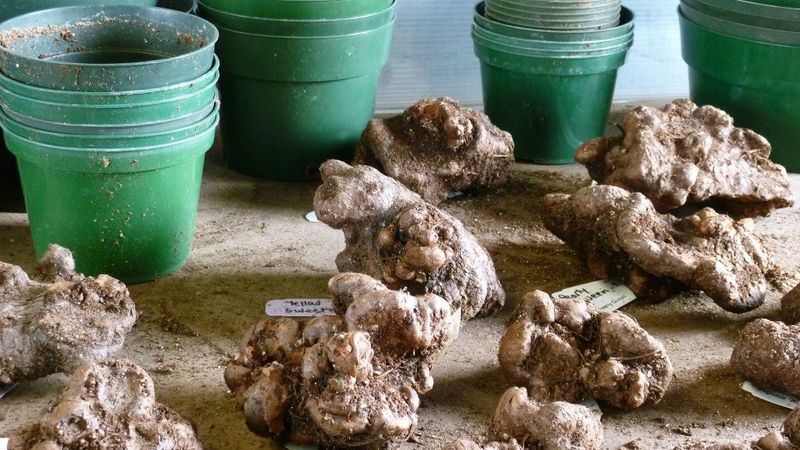
Patience feels boring, but it pays off here. Freshly dug tubers are full of moisture, and stuffing them straight into a box invites mold.
Spread them in a single layer on newspaper or a screen. Pick a dry, airy, frost-free spot out of direct sun, like a garage shelf or a spare room. Let them sit for about one to three weeks.
During this curing time, the outer skin firms up and the leftover stems wither. When a stem pulls away with a gentle tug, the tuber is ready. If it resists, give it more time instead of yanking, because tearing leaves a wound.
Once dry, brush away crumbly soil with your fingers or a soft brush. A thin layer left behind is fine.
Some gardeners dust tubers with a garden fungicide or sulfur powder at this stage. Iowa State and other university sources mention it as an option, especially if you had leaf disease during summer. Read the label first and wear gloves.
I like to sort tubers by color during curing, writing names on paper bags. Next spring you will thank yourself when planning combinations.
4. Cool, Dark Storage Around 40 To 50 Degrees Keeps Tubers Firm
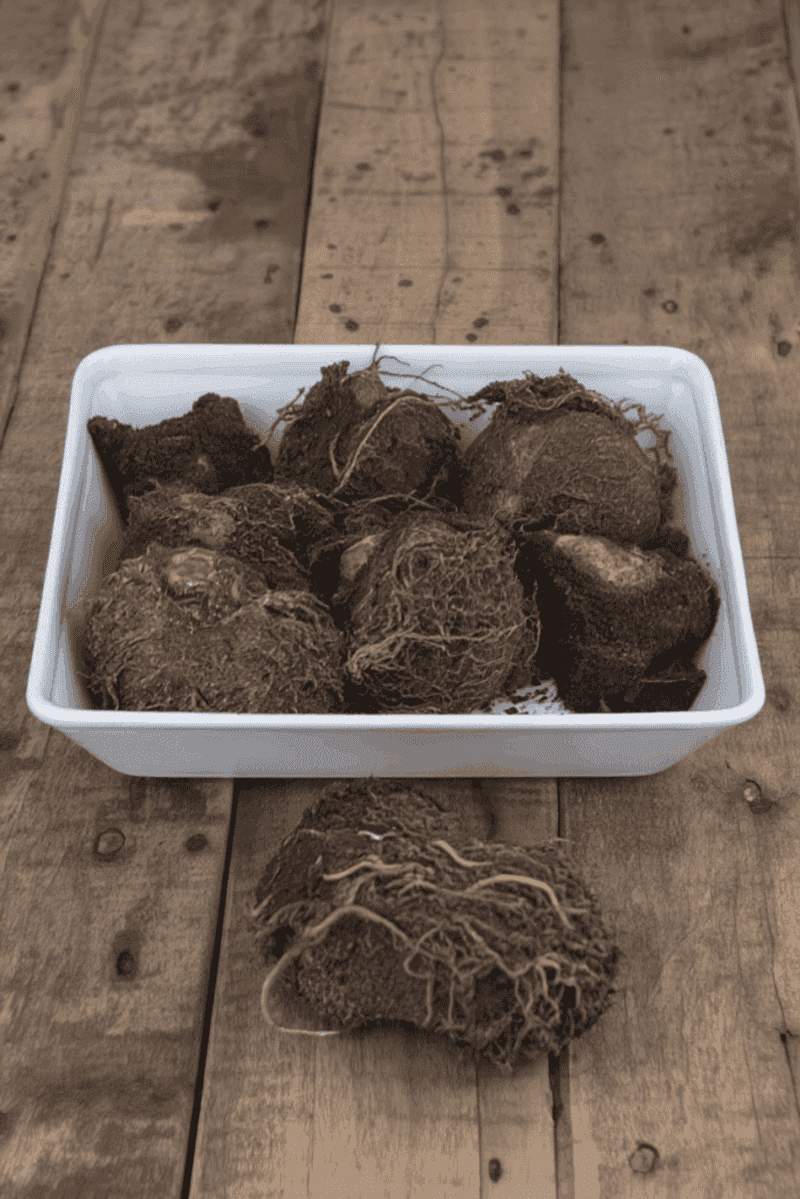
Basements earn their keep in winter. Most guides, including university extensions, recommend storing begonia tubers somewhere cool, dark, and frost-free, ideally around 40 to 50 degrees Fahrenheit.
Warmer than that, and tubers may sprout too early or dry out fast. Colder, especially near freezing, and the tissue can be damaged. An unheated basement corner, cool closet, or insulated crawl space often works well.
Nestle the tubers in a packing material so they do not touch. Good choices include dry peat moss, vermiculite, coarse sand, or wood shavings. Cardboard boxes, paper bags, or mesh bags let air move.
Skip sealed plastic bags and tubs. Trapped humidity is one of the quickest routes to rot. If you must use plastic, poke plenty of holes.
A cheap thermometer on the shelf is worth having. Furnaces, dryers, and water heaters create warm pockets you might not notice. Moving the box a few feet can make a real difference.
Attached garages can work in milder parts of the state, but they often drop below freezing during a January cold snap. If yours does, bring the box inside to a cooler interior room.
5. Soft Or Moldy Begonia Tubers Need To Go Right Away
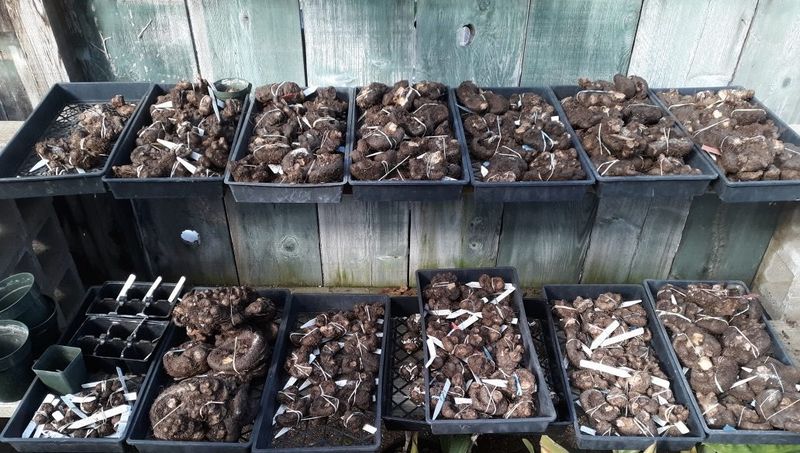
Out of sight should not mean out of mind. Set a reminder to peek at your tubers once a month from November through February.
Give each one a gentle squeeze. Healthy tubers feel firm, a bit like a raw potato. Mushy spots, fuzzy gray or white mold, or a sour smell mean trouble.
Remove any rotting tuber at once and toss it in the trash, not the compost. Rot spreads fast in a crowded box. Swap out damp packing material around it too.
Small surface spots can sometimes be trimmed. Cut back to clean, firm tissue with a sharp knife, then let the cut dry for a day or two before returning it.
Shriveling is the opposite problem. A wrinkled tuber has lost too much water, often from warm, dry air. Lightly mist the packing material, not the tuber itself, and check again in a couple of weeks.
Honestly, these quick checks are my favorite winter chore. Holding a firm, healthy tuber in January feels like a tiny promise of summer color. It takes five minutes and saves plenty of heartbreak.
6. Hollow Side Up Is How Begonia Tubers Wake Up In Spring
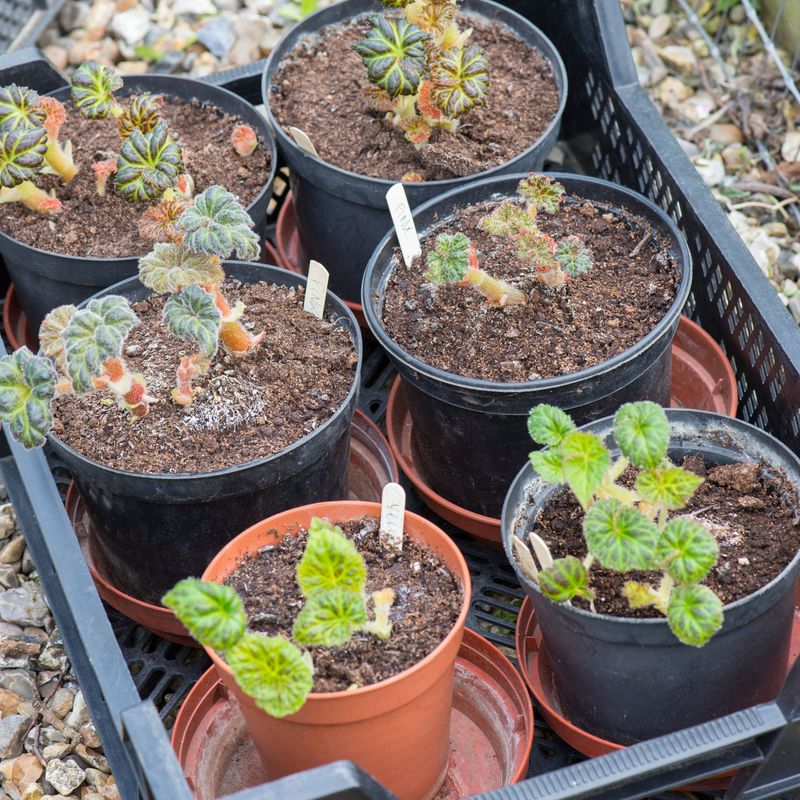
Late winter brings the fun part. Around March in most of Michigan, roughly eight to ten weeks before your last frost, pull the tubers out to start them indoors.
Look for tiny pink buds on the hollow top. Those little bumps show which side faces up. Planting upside down is the most common slip, so take a second look.
Fill shallow trays or pots with a light, well-draining potting mix. Press each tuber in hollow side up, barely covered or with the top just peeking out. Many growers avoid burying the crown deeply, since water sitting in that dip can cause rot.
Keep them somewhere warm, around 65 to 70 degrees. Bright, indirect light from a window or grow light works nicely. Water lightly, keeping the mix barely damp until shoots appear.
Once leaves unfold, you can water a bit more and move each sprout into its own larger pot. Pinching off the first flower buds is optional, but it helps the plant build roots.
Watching those first shoots break through feels a lot like spotting crocuses after a long winter. The wait suddenly seems worth it.
7. Young Begonia Plants Need A Slow Move Outdoors
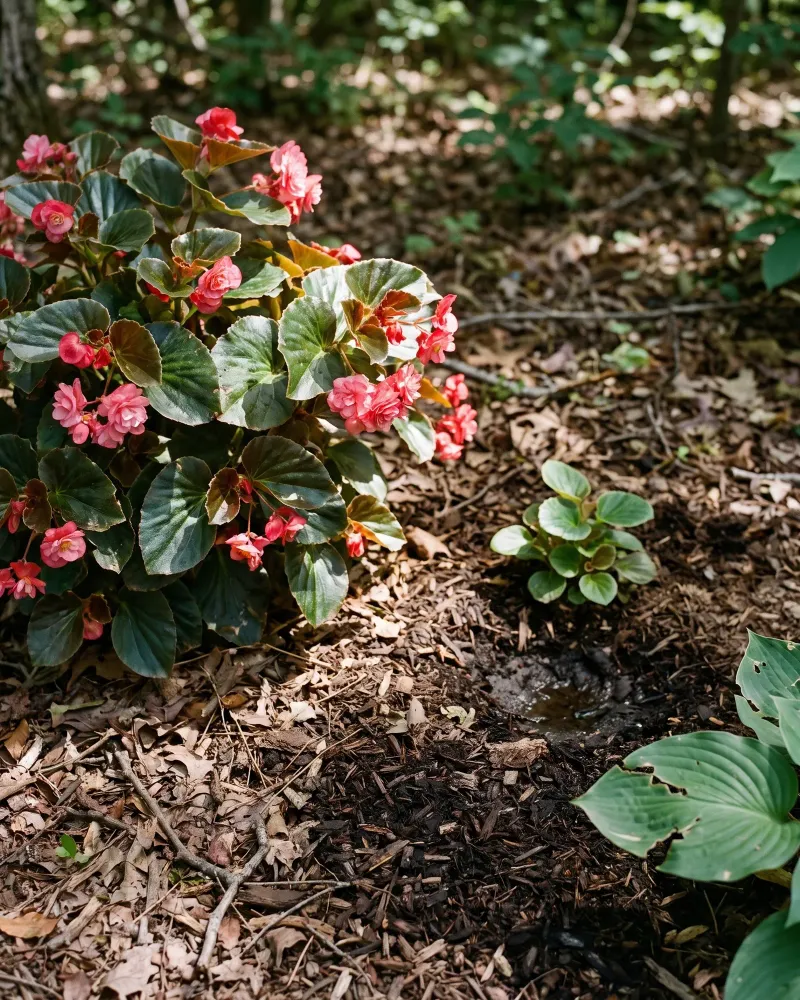
Spring in Michigan loves to tease. A warm week in early May can flip into a frosty night without much warning.
Hold off on planting outside until frost danger has passed and nights stay above 50 degrees. In southern Michigan, that often means late May. Northern areas and the Upper Peninsula may need to wait until early June.
Harden off your plants for about a week or two first. Start with an hour or two outside in full shade, then slowly lengthen the time. Bring them in on chilly or windy nights.
Begonia leaves scorch quickly in hot sun. Pick a spot with morning light and afternoon shade, such as the east side of a house or under a tall tree.
Stems are brittle, so handle gently and stake taller types. Plant in loose, rich soil that drains well, at the same depth they grew indoors.
Feed lightly every couple of weeks with a balanced fertilizer once they settle in. Water when the top inch of soil feels dry. Soon those plump buds will open into blooms the size of your palm.
8. Healthy Tubers Can Bring Bigger Begonia Blooms Year After Year
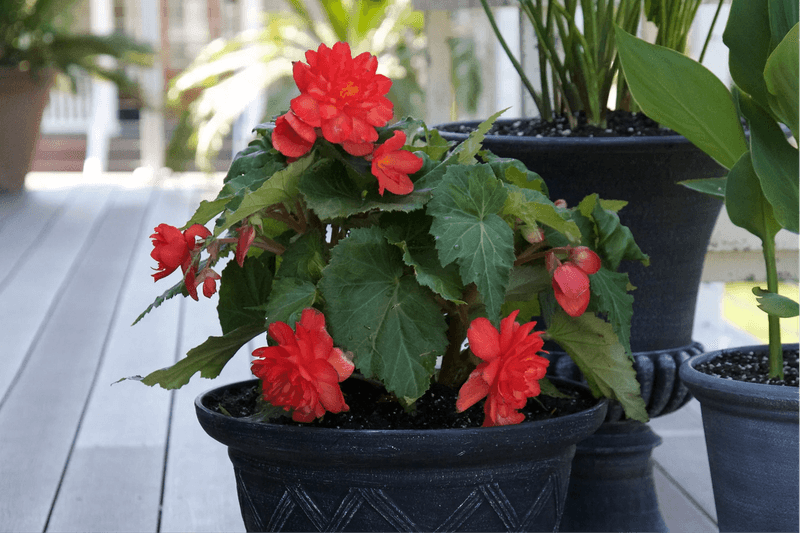
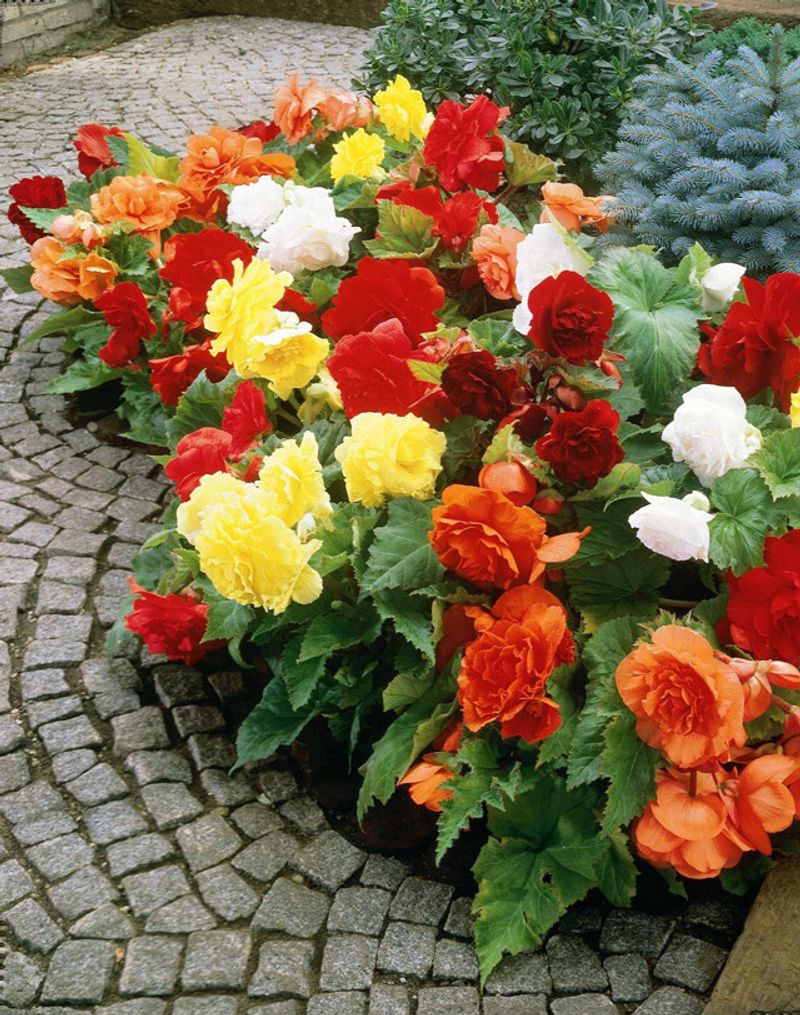
Saving tubers is a small habit with a big payoff. A begonia you carry through winter often comes back larger, with more stems and more flowers than the year before.
To keep the cycle going, care starts in late summer. Ease off fertilizer by early September so the plant focuses on storing energy. Water steadily but avoid soggy soil, since healthy foliage builds a stronger tuber.
Keep simple notes in a notebook or phone. Jot down when you dug, where you stored them, and how many made it to spring. Patterns show up quickly.
Do not panic if you lose one or two. Even experienced growers see a few tubers fade over the years, especially older ones. Starting fresh with a couple of new tubers each spring keeps your collection lively.
Very large tubers can sometimes be cut into sections in spring, each with at least one bud. Let the cuts dry before planting.
My best advice is to keep it simple. Lift before hard frost, dry them well, store them cool, and check monthly. Do that, and your shady corners will glow again next summer.