How To Keep Raised Garden Beds Productive In California During The Cool Season
Carrots pulled from cold soil can taste noticeably sweeter than summer carrots. The roots store more sugar as temperatures drop, and I still grin every time a January harvest proves it.
Most of the country spends winter staring at seed catalogs. Here in California, many gardeners get a second growing season instead, with rain doing some of the watering and pests taking a long break.
I believe this is the most relaxing stretch of the gardening year. The weeds slow down, the sun feels kind, and your raised beds can stay packed with crunchy, leafy food.
Still, cool-season success takes a few smart moves. Shorter days, surprise frosts, hungry snails, and soggy storms can quietly stall a bed that looked great in October. So what separates a thriving winter bed from one that just sits there?
Shorter Days Change How Your Raised Bed Vegetables Grow
Sunlight is the quiet boss of the cool season. Around the winter solstice, California gets roughly 9.5 to 10 hours of daylight, and plants grow much more slowly as a result.
That slowdown surprises many gardeners. A lettuce that matured in 45 days in spring might need 60 or more days in December. UC Master Gardeners suggest getting most cool-season crops in the ground between September and early November, so roots and leaves are established before growth crawls.
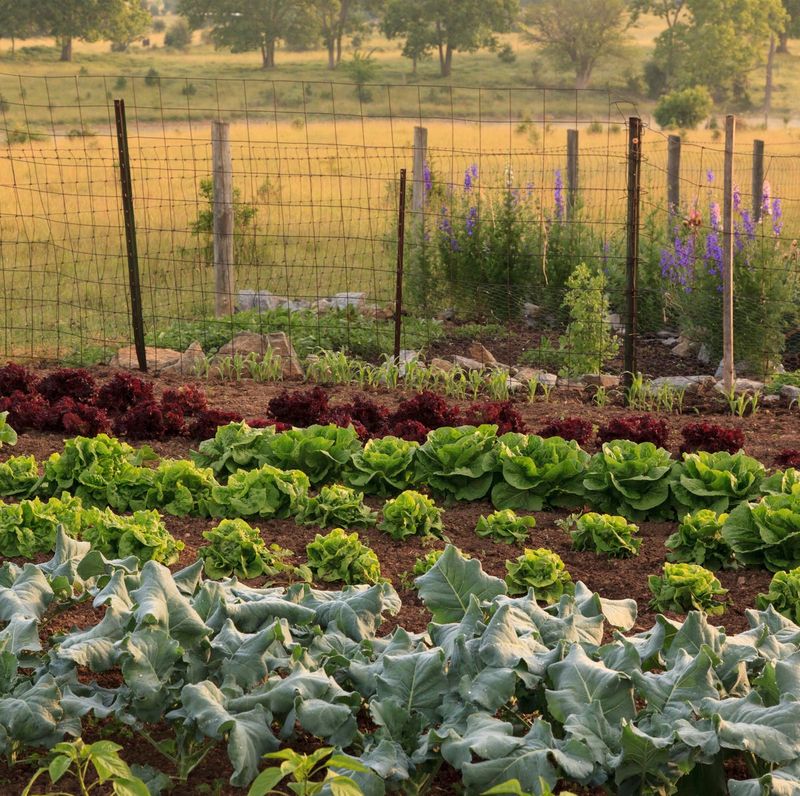
You can work with this timing instead of fighting it. Plant transplants of broccoli, cabbage, and kale in early fall, then sow quick crops like radishes and spinach around them. By the darkest weeks, your bed should already be full and simply holding its harvest.
Placement matters too. The low winter sun casts longer shadows, so a bed that got full sun in July may sit in shade by December. Walk your yard at midday and watch where light lands.
I like to move tall crops like peas and fava beans to the north side of the bed. Shorter greens then stay in the sunshine. Small layout tweaks like that can mean noticeably bigger harvests during the slowest months.
Plant Kale, Broccoli, And Carrots That Actually Love Chilly Weather
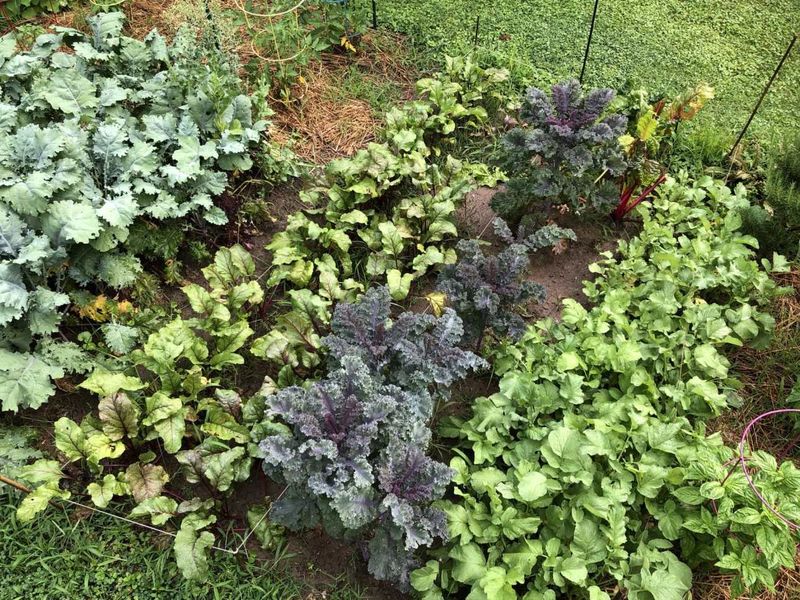
Choosing the right crops does most of the heavy lifting. Cool-season vegetables grow best when daytime temperatures sit between about 55 and 75 degrees, which describes much of California from fall through early spring.
Leafy greens top my list. Lettuce, spinach, Swiss chard, arugula, and kale grow steadily without the bolting that ruins them in summer heat. Kale even gets sweeter after a light frost, because the leaves convert starches into sugars.
Root crops are another easy win. Carrots, beets, radishes, and turnips appreciate the loose soil of a raised bed, which lets roots grow straight and smooth. Sow seeds directly, since most root crops dislike being transplanted.
Then come the brassicas. Broccoli, cabbage, cauliflower, and Brussels sprouts usually perform better as transplants set out in fall. Cabbage worms are far less active once temperatures cool, so leaves stay cleaner.
Do not skip peas, garlic, onions, and fava beans either. Garlic planted in October or November will be ready by early summer. Herbs like cilantro and parsley also thrive now, while cilantro bolts quickly when it gets hot.
Fun fact: fava beans add nitrogen to soil through bacteria living in their root nodules.
A Fresh Layer Of Compost Wakes Up Tired Raised Bed Soil
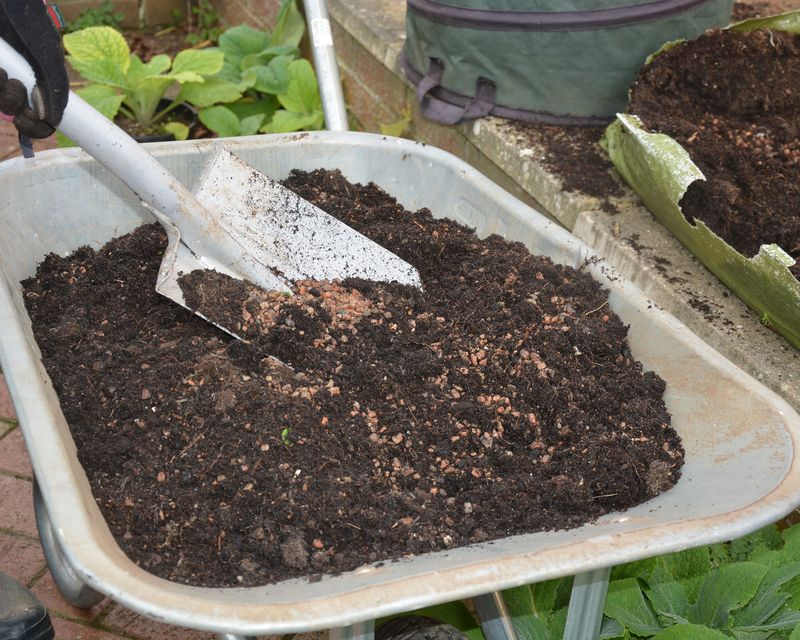
Summer tomatoes and squash are hungry plants, and they leave raised bed soil worn out. Before fall planting, your bed probably needs a refill.
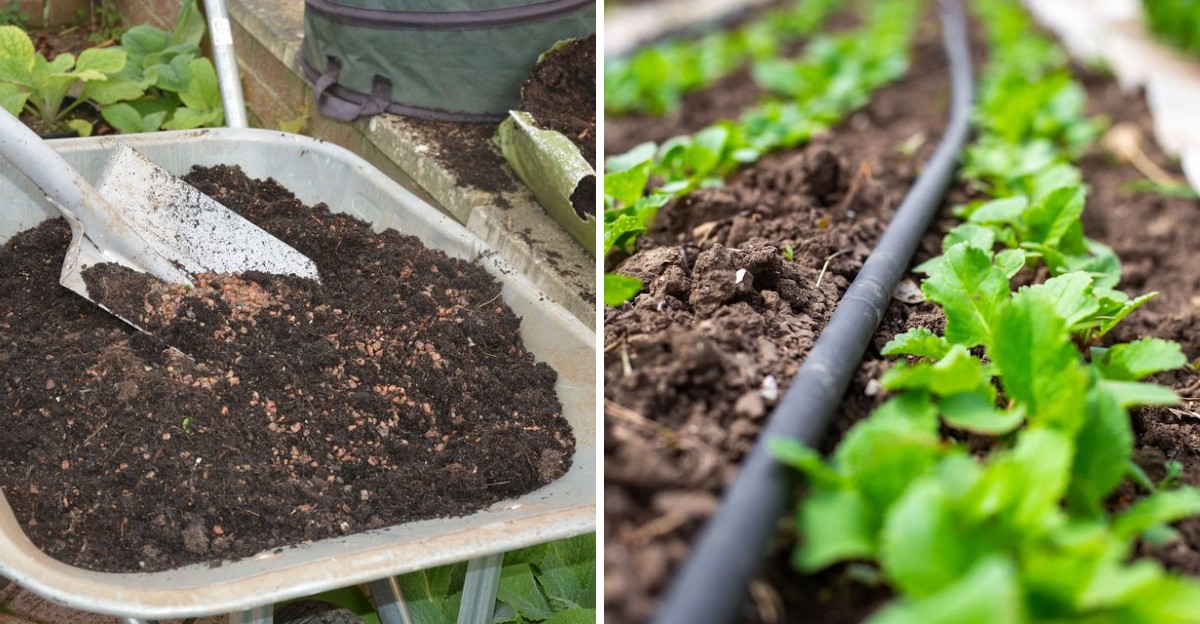
Raised bed soil also settles over time. Organic matter breaks down, so the soil level often drops several inches each year. Topping it up with 2 to 3 inches of quality compost restores both volume and nutrients.
I gently mix the compost into the top few inches with a hand fork. Deep digging is unnecessary and can disturb the helpful fungi and worms already working underground.
Leafy greens and brassicas need steady nitrogen to grow well. A balanced organic fertilizer mixed in at planting helps, followed by a light feeding every four to six weeks for heavy feeders like broccoli and cabbage.
Cold soil slows the microbes that release nutrients from organic fertilizers. That explains why some winter greens look pale even in rich beds. A liquid fish or seaweed fertilizer can give them a quicker boost during cold stretches.
For new beds, many California nurseries recommend a blend of roughly one-third topsoil, one-third compost, and one-third coarse material. Avoid filling beds with straight bagged potting mix, which can shrink and dry out fast.
Drip Lines Need A Winter Schedule Change After The Rains Arrive
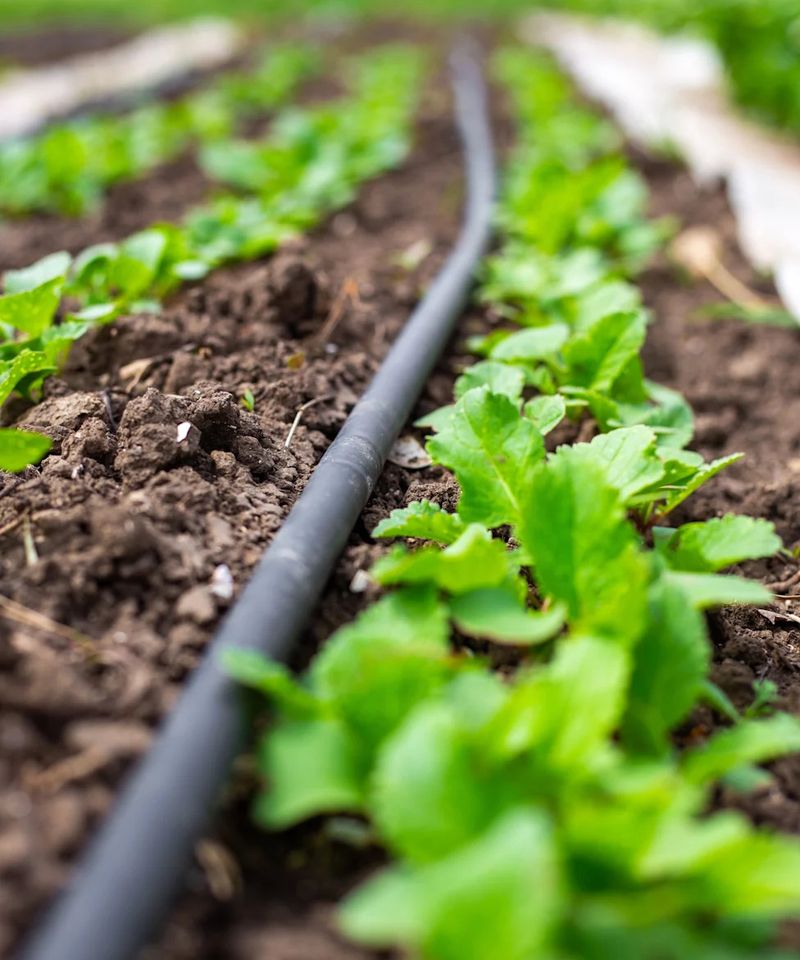
Rain changes everything in a raised bed. Most of California gets the bulk of its yearly rainfall between November and March, so summer watering schedules quickly become too much.
Overwatered winter beds struggle. Cool soil dries slowly, and constantly soggy roots invite rot and fungal problems. Plants may wilt and yellow even though the soil is wet.
Checking by hand works best. Push a finger one to two inches into the soil. If it feels dry, water deeply. If it feels damp, wait a few more days.
Drip irrigation stays my favorite tool all year. It sends water straight to roots and keeps leaves dry, which reduces mildew on lettuce and peas. A timer set for early morning gives foliage time to dry during the day.
Many California water districts encourage turning irrigation off after a good storm. A rain sensor or smart controller can handle that switch for you. In inland valleys, dry winds sometimes follow storms, so stay flexible.
Raised beds still dry faster than ground soil during long dry spells. Southern California winters can bring weeks without rain, so keep watching rather than switching your system off for the season.
Frost Cloth And Hoops Can Rescue Lettuce On Freezing Nights
Clear, calm nights bring the biggest frost risk. Without clouds acting like a blanket, heat escapes quickly, and temperatures near the ground can drop below freezing.
Risk varies a lot across the state. Coastal gardens rarely freeze, while the Central Valley, high desert, and foothills often see several frosty mornings each winter. Check your local forecast and note your area’s typical first frost date.
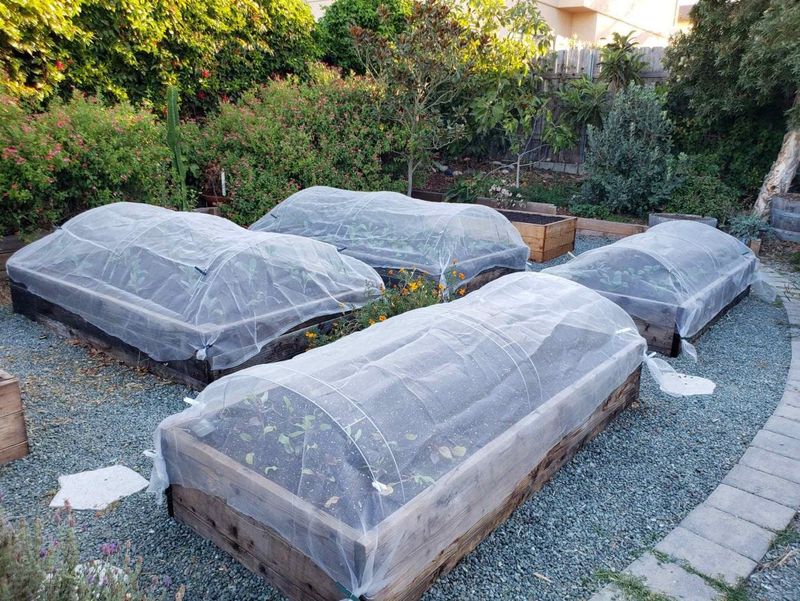
Covering plants before sunset holds in the warmth stored by soil during the day. Lightweight frost cloth, also called row cover, can protect plants by several degrees. Old sheets work in a pinch, but avoid plastic touching leaves, since it transfers cold.
Hoops make the job much easier. Bend PVC pipe or wire into arches over the bed, then clip the fabric on. Let the cover reach the soil on all sides to trap heat.
Water the soil a day before a cold night. Moist soil holds and releases heat better than dry soil.
Remove or vent covers once temperatures rise the next morning. Most hardy crops like kale and cabbage handle light frost fine, while young lettuce and peas in bloom need more help.
Snails And Slugs Come Out To Party When Winter Rains Hit
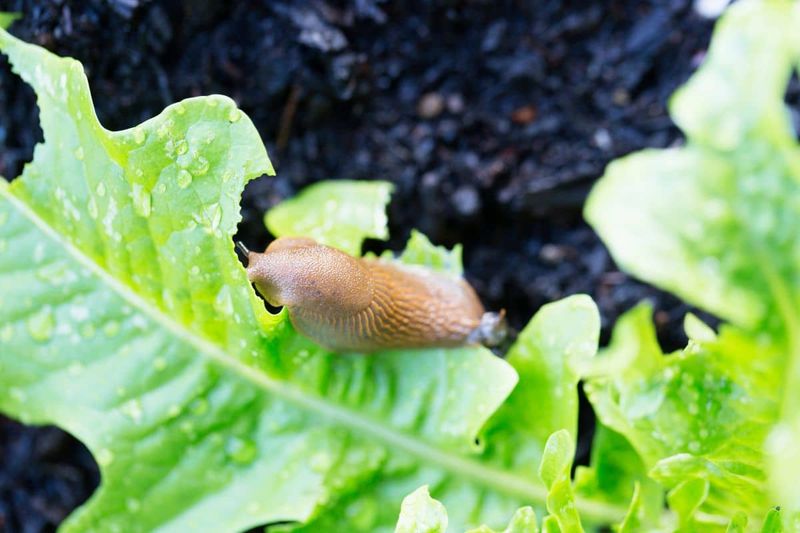
Grab a flashlight on a rainy night and peek at your lettuce. You may spot a crowd of brown garden snails munching away.
Cool, wet weather is prime time for these pests in California. UC IPM notes the brown garden snail is a common European species that thrives in irrigated gardens and rainy seasons. Seedlings often vanish overnight, leaving only silvery slime trails behind.
Handpicking works surprisingly well. Check in the evening or early morning for a week or two, then repeat as needed. Boards laid on the soil create hiding spots you can lift and clear each morning.
Copper tape around the bed edges acts as a barrier, since contact with copper repels snails. Keep it clean and make sure no leaves hang over the edge to form a bridge.
Iron phosphate baits are a lower-toxicity option for edible gardens. Scatter them lightly around plants after rain.
Other pests stay quieter now, though aphids may cluster on kale and broccoli. A strong spray of water knocks many off. Lining new beds with quarter-inch hardware cloth keeps gophers from tunneling up into your roots.
Sowing Spinach And Radishes Every Few Weeks Keeps Harvests Coming
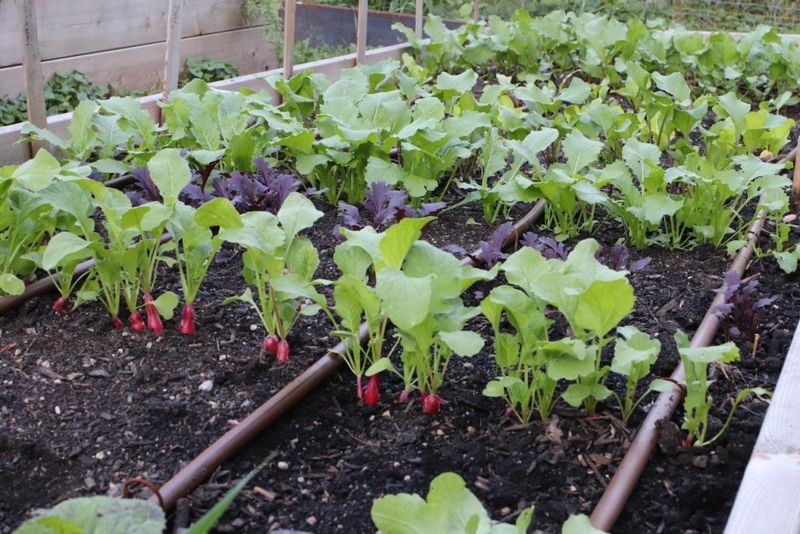
Ten heads of lettuce maturing on the same day sounds fun until you are giving salads to the whole street. Staggered planting solves that problem.
Succession planting means sowing small batches every two to three weeks. Instead of one big harvest, you get a steady supply of greens and roots across the season. Fast crops like radishes, arugula, spinach, and baby lettuce work best for this.
Keep in mind that late plantings grow slower. A radish that matures in 25 days in October might need 40 days in January. In mild coastal and Southern California areas, sowing can continue through winter, while colder inland gardens may pause during December and January.
Fill gaps as soon as they appear. When you pull beets, tuck spinach seedlings into the open spot. Keeping every inch working makes a raised bed far more productive.
Cut-and-come-again harvesting stretches things even further. Pick outer leaves of lettuce, chard, and kale while leaving the center growing.
Personally, I keep a small notebook clipped near the bed. Writing down sowing dates helps me see what worked, and next fall my timing gets a little smarter.