8 Things Wisconsin Gardeners Can Do This Fall To Keep Japanese Beetles Away Next Summer
Japanese beetles arrive in July, settle in quickly, and feast on your favorite plants. Roses lose their petals and bean leaves turn lacy before you finish your morning coffee.
Wisconsin gardeners know this scene well, with shiny metallic-green bodies and copper wing covers gleaming in the sun.
The good news is that fall is the perfect time to get ahead of them. Right now, the next generation of beetles is living quietly underground as grubs, and your garden is calm enough for thoughtful planning.
A few simple steps this season can reduce beetle pressure significantly next summer. These strategies are gentle, affordable, and easy to fit into your fall routine.
Some work underground, some prepare your tools, and some reshape your garden for the future. Pick one or combine several, and your Wisconsin garden will head into winter with a real plan.
Hand-Pick Grubs Into Soapy Water This Fall
Fall is a wonderful time to get a head start on next summer’s beetles, and hand-picking still has a place in your plan.
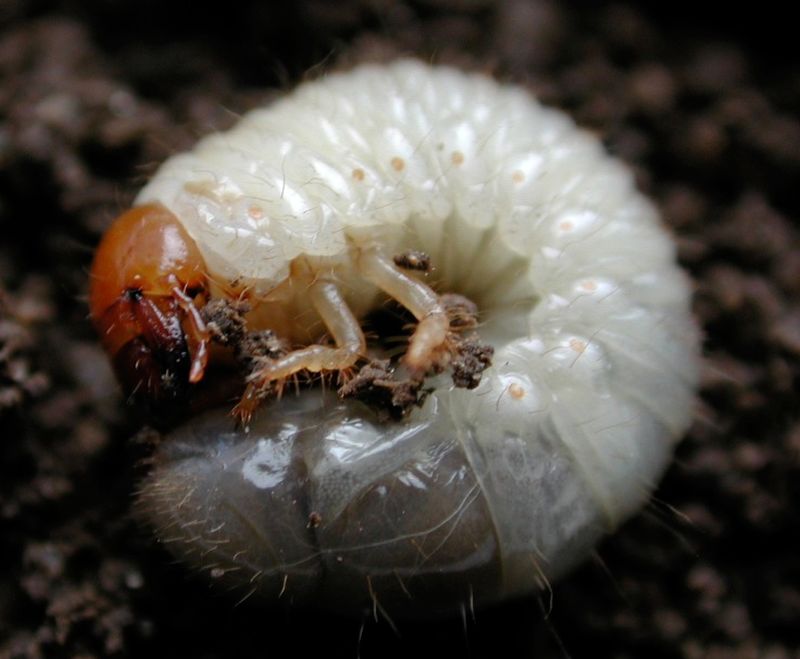
Most adults are gone by now, but their young are living just beneath the surface, feeding on grass roots before winter arrives. Finding them now means fewer beetles emerging next July.
You do not need special tools. Grab a bucket, fill it with warm water, and add a few drops of dish soap. The soap breaks the surface tension so anything that falls in cannot climb back out.
Pick a mild afternoon in September or early October, while the soil is still workable. As you divide perennials, plant bulbs, or turn over a bed, watch for plump, cream-colored, C-shaped grubs with brown heads.
Gently drop each one into the bucket. Wearing garden gloves keeps things comfortable for anyone who feels squeamish.
You can also check your lawn. Cut a one-foot square of sod on three sides, peel it back, and count the grubs you see.
A few are normal and harmless. If you find ten or more, that patch deserves extra attention from the other methods in this list.
Birds love the leftovers, so you can leave a few grubs on the open soil for robins to find. It also gives you a real picture of what is happening underground.
A short sweep through each bed during fall cleanup tells you where to focus next. Ten quiet minutes now can make next summer far more peaceful for your roses and beans.
Clean, Mend, And Store Row Covers For Next Summer
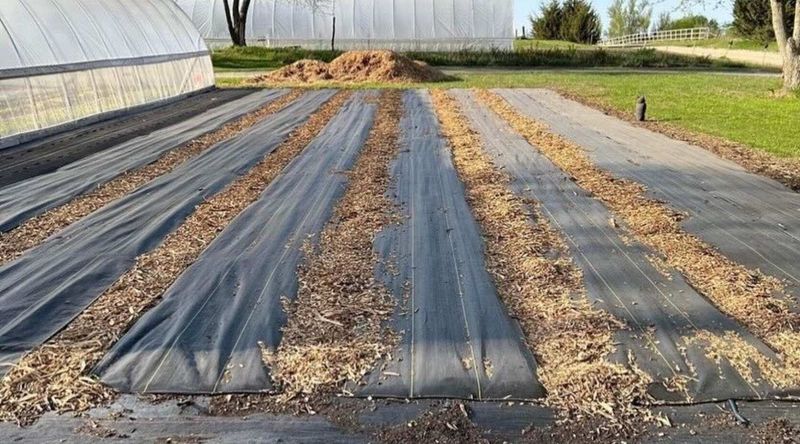
Row covers are one of the most dependable barriers against Japanese beetles, and fall is the perfect season to get them ready. Beetles arrive in early July, so having covers clean, mended, and waiting makes that first week of summer much easier.
Start by taking your covers off any beds that are finished for the year. Shake off soil and debris, then rinse them with a hose and let them dry completely in the sun. Storing them damp can lead to mildew, which shortens their life.
Walk along each piece and look for small tears or thin spots. A bit of garden tape or a few stitches will fix most of them.
If a cover has seen better days, fall is a good time to shop, since garden centers often discount supplies at the end of the season.
Measure your beds while the plants are still in view. Make a note of which crops need coverage next summer, such as raspberries, green beans, and sweet corn. Mesh netting is a nice option for hot Wisconsin summers because it allows extra airflow.
Fold the covers loosely and keep them in a lidded bin in a dry garage or shed. Label the bin so you can find it easily in June.
When next July arrives, you will install covers before the first beetles appear. Remember to lift them briefly in the morning so bees can visit flowering crops such as squash. A little preparation now turns a busy summer chore into a quick, easy task.
Use Neem Oil As A Fall Soil Drench
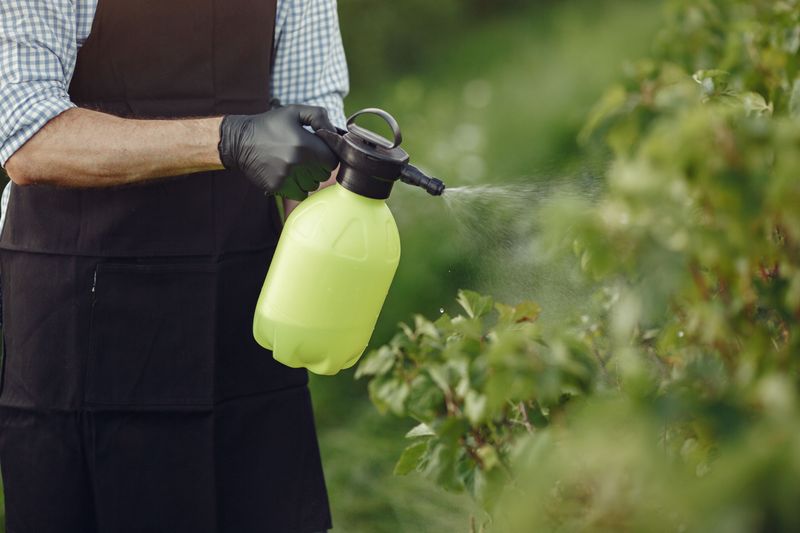
Neem oil comes from the seeds of the neem tree and has been used as a natural pest deterrent for centuries. It is a popular organic option, and fall gives you a chance to use it in a new way: as a soil drench aimed at grubs.
The active compound in neem oil, azadirachtin, interferes with the feeding and growth of many insects. Some gardeners report that a fall drench makes grubs less active, though research on its effectiveness against Japanese beetle grubs is mixed.
Think of it as a helpful supporting step rather than a complete solution. Mix neem oil with water and a small amount of liquid dish soap so it blends well. Shake the container often, because oil and water separate quickly.
Always read the product label first, since dilution ratios differ from brand to brand, and confirm that the product is labeled for soil use.
Apply it in early fall while grubs are still feeding near the surface, ideally in the evening. Water the area lightly afterward so the mixture reaches the root zone.
Lawn edges and beds that had heavy beetle activity this summer are the best places to focus.
Neem is considered gentle for people and pets when used as directed, which makes it a comfortable choice around edible gardens. Keep any leftover concentrate in a cool, dark spot so it stays fresh.
Pairing neem with other soil-level methods in this list gives you layered protection. Each small step adds up, and by next July your garden will be better prepared.
Apply Milky Spore To Soil In Early Fall
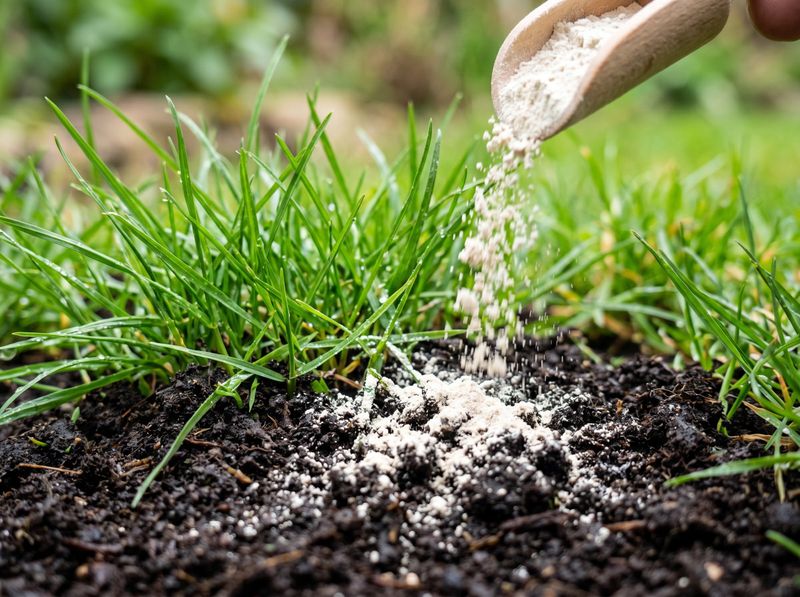
Milky spore is a low-effort, long-term option some Wisconsin gardeners try, though results can be inconsistent in cold climates.
It is a naturally occurring soil bacterium, Paenibacillus popilliae, that specifically targets Japanese beetle grubs. Once established, it can keep working for many years, though results vary with soil conditions and local climate.
The grubs living underground are the next generation of beetles. Reaching them in the soil interrupts the life cycle before they ever emerge, which is a powerful long-term strategy.
Early fall is the ideal time to apply. Grubs are actively feeding near the surface, which increases their contact with the bacterium, and the soil is still warm enough for the spores to settle in.
Aim for September, before the ground cools. Sprinkle the powder on your lawn or garden beds, then water lightly to help it move into the soil.
One application will not give instant results. Milky spore builds up gradually, typically over two to four or more years.
In Wisconsin’s cold climate, expect the longer end of that range, since the bacterium establishes more slowly in northern soils than in warmer states.
Think of this as an investment in future seasons. It is safe for children, pets, earthworms, and beneficial insects, and no protective gear is needed.
Coordinate with neighbors if you can, since grubs do not respect property lines. A neighborhood-wide effort multiplies the benefits and turns one garden project into a community success.
Introduce Beneficial Nematodes Before The Soil Cools
Beneath your garden soil, a natural process can work in your favor. Beneficial nematodes are tiny roundworms that seek out Japanese beetle grubs living underground. You cannot see them, but they are remarkably effective helpers.
These are not the kind of nematodes that bother plant roots. They are gentle partners for your garden that enter grubs and release bacteria that stop the grubs from feeding. The grubs stop developing within a few days, and the nematodes move on to find more.
Early fall is a great time to apply them, because grubs are still small and feeding close to the surface. Try to apply them in September, while soil temperatures remain mild. Once the ground turns cold, nematodes become less active, so do not wait too long.
Buy them from a reputable garden supplier and keep them refrigerated until you are ready. Mix them with water following the package directions and apply with a watering can or sprayer.
Moist soil gives the best results, so water the area beforehand. Early evening is ideal, since nematodes are sensitive to heat and direct sunlight.
Keep the soil lightly moist for a couple of weeks afterward so they stay active. Grub numbers often decline within two to four weeks in treated areas.
Nematodes pair beautifully with milky spore, since each supports the other underground. Together, they create soil-level protection that builds from year to year.
Plant Garlic, Catnip, And Scallions This Fall
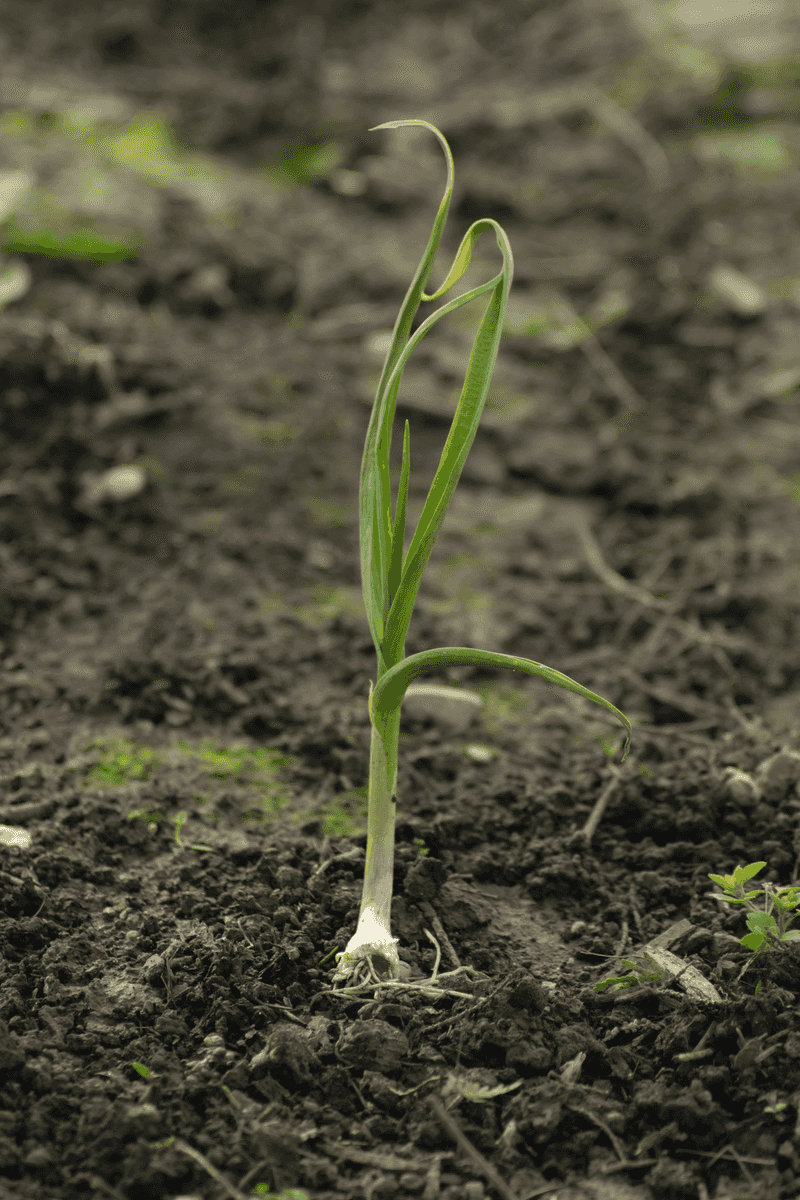
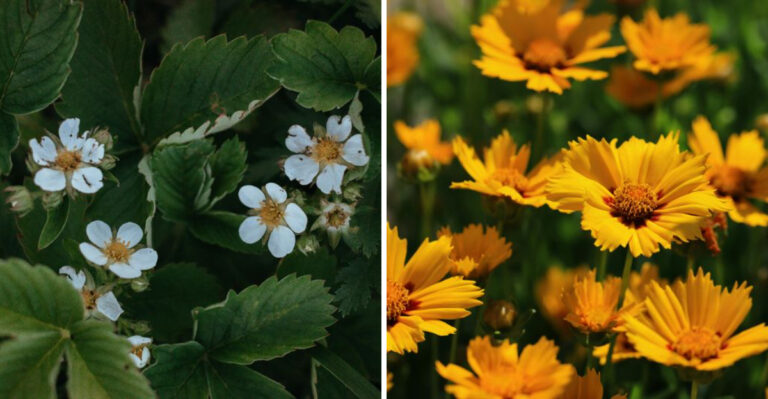
Your garden can work in your favor with the right plant companions. Certain plants give off scents that Japanese beetles find unappealing, and fall is a lovely time to plant several of them.
Garlic is the star of the season. Wisconsin gardeners plant it in October, a few weeks before the ground freezes, so it is ready to grow in spring.
Its sulfur compounds can make it harder for beetles to find their favorite host plants. Tuck cloves around roses, raspberries, and grapes for a layer of aromatic protection. Catnip is another popular choice. Many gardeners recommend it as a deterrent.
Its compound, nepetalactone, is a well-documented insect repellent, though most formal research has focused on mosquitoes and other insects rather than Japanese beetles.
Early fall is a good time to plant or divide catnip along garden borders, where it doubles as a pretty, fragrant edging.
Other hardy alliums are often grown alongside garlic for similar reasons. Plant them between rows of susceptible vegetables and flowers. They are easy to grow, delicious in the kitchen, and helpful in the garden.
Companion planting does not guarantee a beetle-free garden, but it meaningfully lowers their interest. Think of it as making your garden a little less inviting rather than building a wall.
As you plan your fall plantings, rotate these companions to new spots each year. Fresh placement keeps your natural defenses one step ahead and gives your garden a new look every season.
Welcome Birds With Fall Food, Water, And Shelter
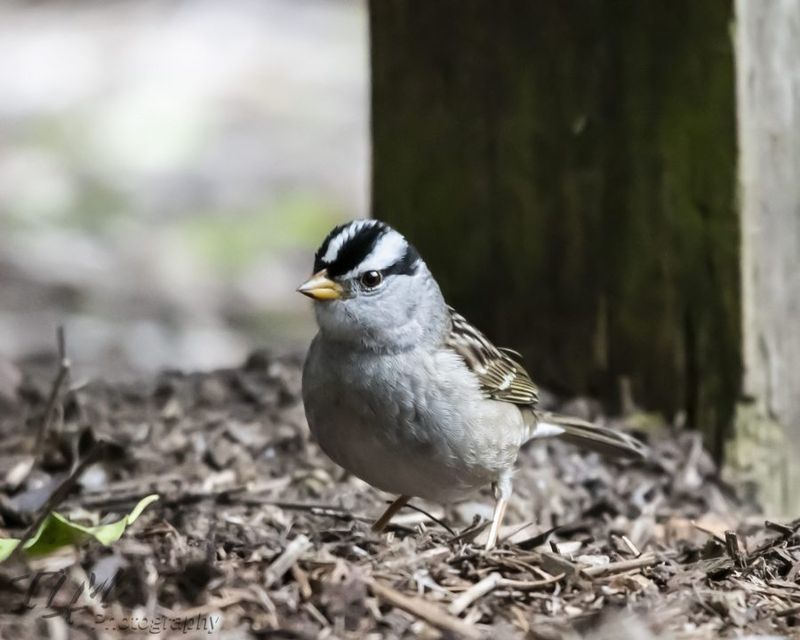
Birds are some of the most underrated allies in any garden plan. Robins, starlings, grackles, and catbirds enjoy Japanese beetles as part of their diet, and robins in particular probe lawns for grubs.
Fall is the ideal time to make your yard a place they want to return to. Begin by cleaning and refilling your birdbath. Fresh water attracts birds quickly, and many keep visiting through the cooler months.
Place it near the beds that struggled with beetles this summer so birds naturally patrol that area. A small heated bath can keep water available even after temperatures drop.
Bird feeders stocked with sunflower seeds or suet draw a wider variety of species. Once birds learn your yard is a reliable stop for food and water, they come back daily. Over time, they discover the grubs in your soil and add them to their menu.
Fall is also an excellent season to plant native shrubs and trees. They give birds safe perches and nesting spots, and they settle in well before winter. Consider leaving a few seed heads standing in your beds as natural snacks.
Cleaning your feeders every couple of weeks keeps visiting birds healthy. A yard with shelter, food, and water becomes a gathering place year after year.
This approach costs very little and adds beauty to your outdoor space. Watching birds work through your garden is a joy, and it is a win for the birds, your plants, and your mood.
Plant Beetle-Resistant Shrubs Like Boxwood Or Lilac This Fall
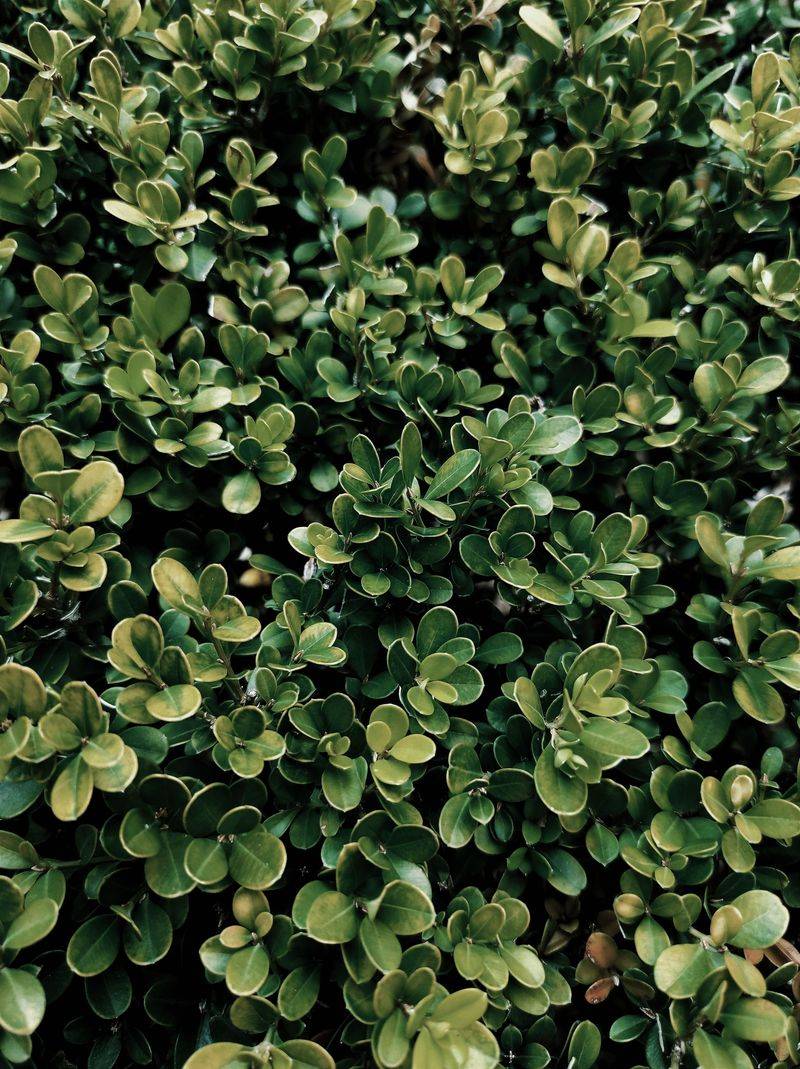
Sometimes the smartest defense is choosing plants that beetles simply do not prefer. Certain species have textures, scents, or chemistry that make them less appealing, and building your garden around them reduces the problem before it starts.
Fall is an excellent time to plant shrubs and trees in Wisconsin. Cooler air and warm soil help roots settle in, and many nurseries offer end-of-season prices. Aim to plant at least six weeks before the ground freezes so roots have time to establish.
Boxwood is a top choice. Its dense, leathery leaves have little appeal for Japanese beetles, which prefer soft and tender foliage.
It also provides year-round structure and greenery that anchors a garden design. Check that the variety you choose is suited to your Wisconsin hardiness zone.
Lilac is another great option that beetles tend to overlook. Its fragrant spring blooms welcome pollinators, and it adds beauty to the garden without becoming a favorite target for beetles.
Other resistant choices include forsythia, dogwood, oaks, and most ornamental grasses. Mixing these plants with your favorites lowers the overall beetle pressure across your yard.
This strategy pairs especially well with companion planting and row covers, and a garden with resistant plants as its backbone needs far less attention in summer.
Protecting your garden does not always mean responding to beetles after they arrive. Sometimes it means making thoughtful choices well ahead of time. A fall planting day can set you up for many easier summers to come.