The Glowing Red Illinois Hedge That Looks Festive But Hides A Warning
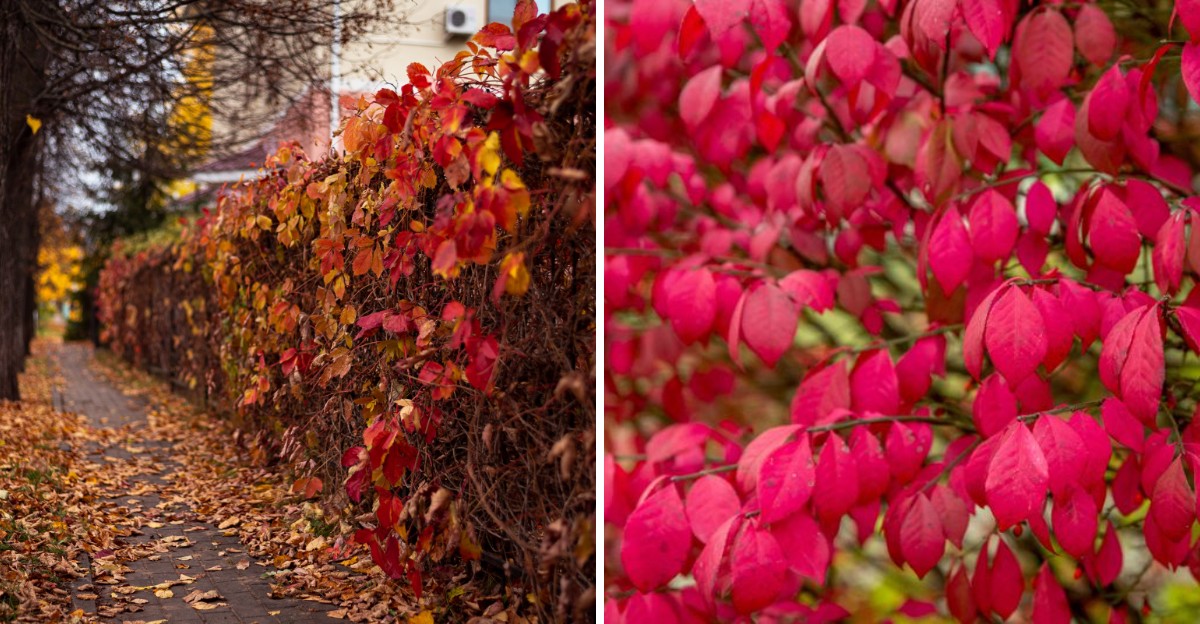
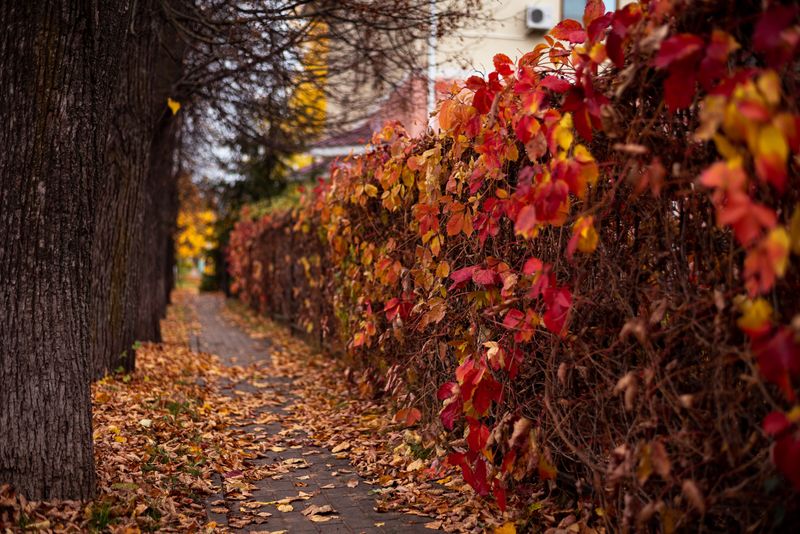
Every fall, a shrub with cork-covered twigs turns so red it almost looks lit from the inside. Some people swear it glows brighter than the maples. I used to slow my car down just to stare at it.
That same shrub arrived from Asia in the mid-1800s as a garden treasure. By 1973, botanists found it growing wild in Coles County, Illinois. Eleven years later, it had spread to 13 counties across Illinois.
I never planted one myself, but my yard sits close to a row of them. A friend pointed out tiny red seedlings popping up under a nearby oak. I am surprised how easily I missed them for years.
You might notice the same glowing hedges in parking lots, front yards, and school grounds this season.
They look ready for a holiday card. Nature experts, though, are urging gardeners to look past the beauty and face the cost of planting it.
That Fiery Red Hedge Has Been Escaping Into the Woods
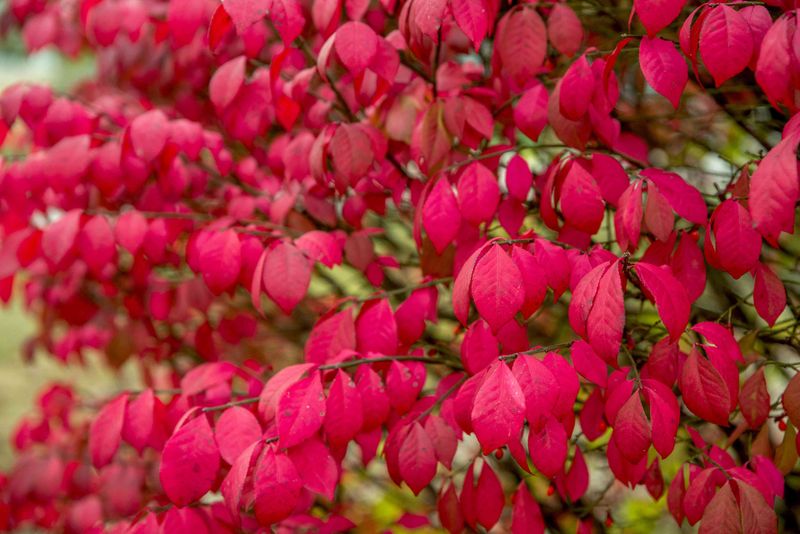
Walk a forest preserve trail in October and you might spot a pop of neon red under the oaks. That color often belongs to burning bush, also called winged euonymus (Euonymus alatus). It was planted in yards, but it did not stay there.
University of Illinois Extension lists this shrub as invasive. That means it spreads on its own from gardens into forests, old fields, and roadsides.
Once it settles in, it can form thick patches that crowd out the plants that belong in those woods.
The tricky part is how normal it looks. A hedge in a neighborhood seems harmless, and most people admire it.
Yet the plant can tolerate deep shade, which is rare for a showy shrub. That shade tolerance lets it creep under tall trees where few non-native plants can survive.
So the warning is not about poison or danger to your family. The concern is ecological. Burning bush slowly changes the makeup of natural areas, one seedling at a time.
Next time you see that blazing hedge, take a closer look at nearby woods. You may notice smaller red shrubs sprouting far from any planted row. Those wild seedlings tell the real story behind the festive glow.
Native Wildflowers and Tree Seedlings Lose the Shade Showdown
Spring wildflowers have a tight schedule. Plants like trillium and bloodroot bloom early, grabbing sunlight before the trees leaf out.
A dense burning bush thicket can steal that light and change the whole rhythm of the forest floor.
Burning bush leafs out early in spring and holds its leaves well into fall. That long season gives it a head start on many native plants.
It also competes for water and nutrients, which adds more pressure on the smaller plants below. Tree seedlings struggle too. Young oaks, hickories, and maples need room and light to grow.
When thickets block them, fewer young trees reach the canopy. Over decades, that can shift what the future forest looks like.
Native shrubs feel the squeeze as well. Plants like spicebush and native viburnums can get pushed aside.
Fewer native plants often means fewer caterpillars, bees, and other insects that depend on them.
Those insects matter more than people realize. Many songbirds feed their babies almost entirely on caterpillars.
A woodland packed with non-native shrubs can offer less food during nesting season. The bright fall color hides a quieter loss happening all year long.
Spot the Corky Wings Before You Buy a Burning Bush
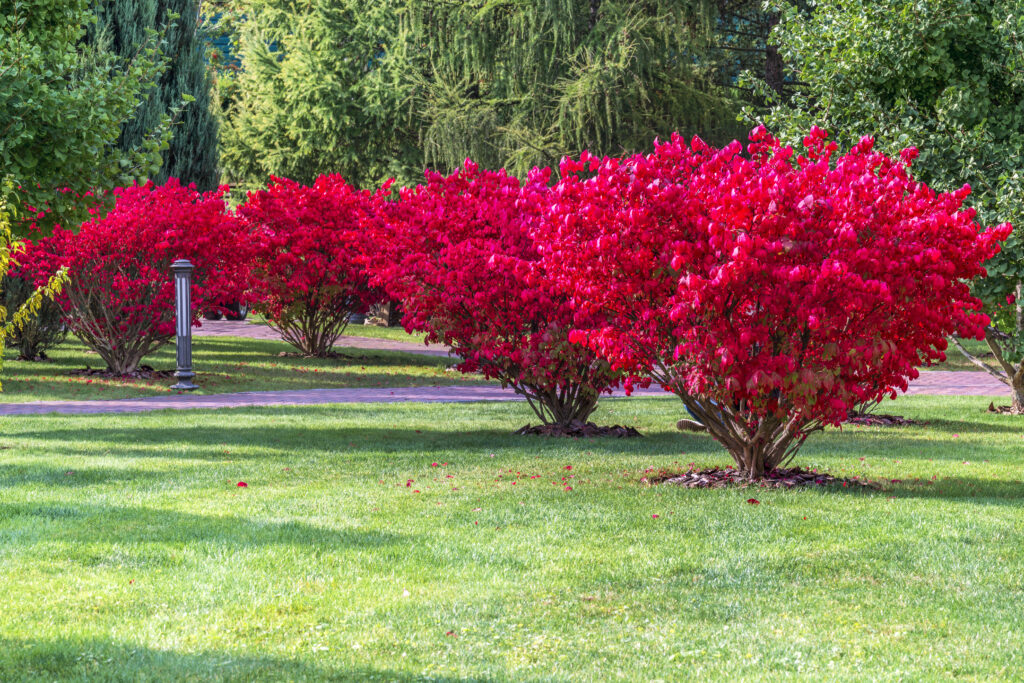
Honestly, the twigs are my favorite clue. Burning bush stems have flat, brown, corky ridges called wings. They run along the branches like tiny fins, which explains the name winged euonymus.
Leaves are small, about 1 to 2 inches long, with finely toothed edges. They grow in pairs across from each other on the stem. In fall they turn purplish red to scarlet, and the color is strongest in full sun.
Look for small red fruits in autumn too. They split open to show orange-red seeds and often hang on after the leaves drop. Many plants are sheared into neat boxes, but left alone they can reach 15 to 20 feet.
Here is a surprise for many shoppers. Burning bush is not regulated under the Illinois Exotic Weed Act.
Garden centers can still legally sell it, even though Extension specialists and conservation groups discourage planting it.
Compact cultivars like Compactus are often sold as a safer choice. Research shows many still produce seeds, so they can spread too.
Before you buy any red fall shrub, check the tag for Euonymus alatus. A quick look can save you years of pulling seedlings later.
Hungry Songbirds Carry Those Red Berries for Miles
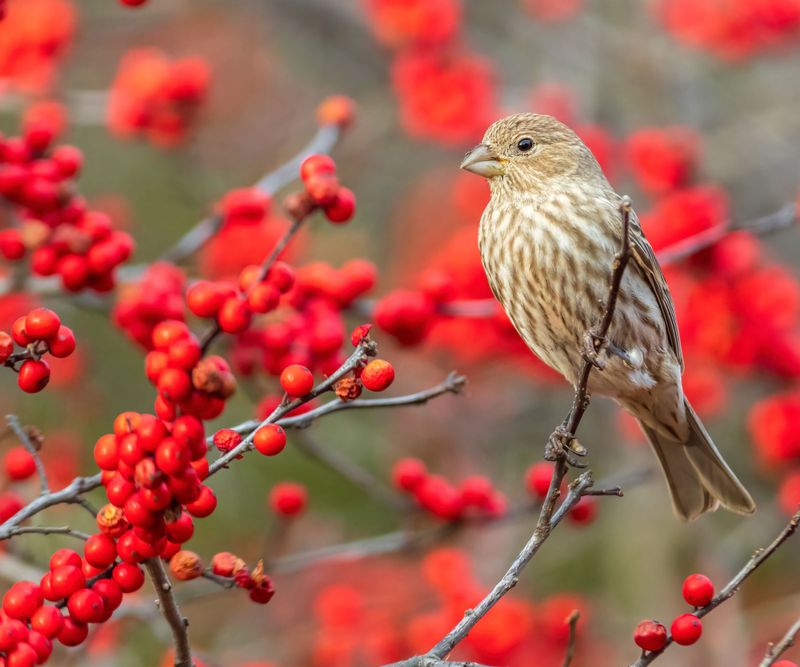
Robins and cedar waxwings know a snack when they see one. Those little red burning bush fruits hang right at eye level, glowing against bare branches. Birds gobble them up and fly off.
Seeds pass through the bird and land wherever it rests. That might be a forest edge, a fencerow, or a creek bank far from any yard. A single hedge can seed new plants across a surprising distance.
Researchers have looked at the quality of invasive berries compared to native ones. Some studies suggest fruits from many non-native shrubs carry less fat, which migrating birds need for energy.
Birds often seem to choose native fruits when both are available, though they still eat burning bush.
Think of it like a lunch of chips versus a full meal. The chips fill a gap, yet they do not fuel a long trip as well. Fall migrants need high-energy food to cross big distances.
You can help birds and your local woods at the same time. Swapping a burning bush for native berry shrubs gives birds better fuel. It also stops your yard from becoming a seed source for the next wild thicket.
Digging Out or Cutting Back an Established Burning Bush
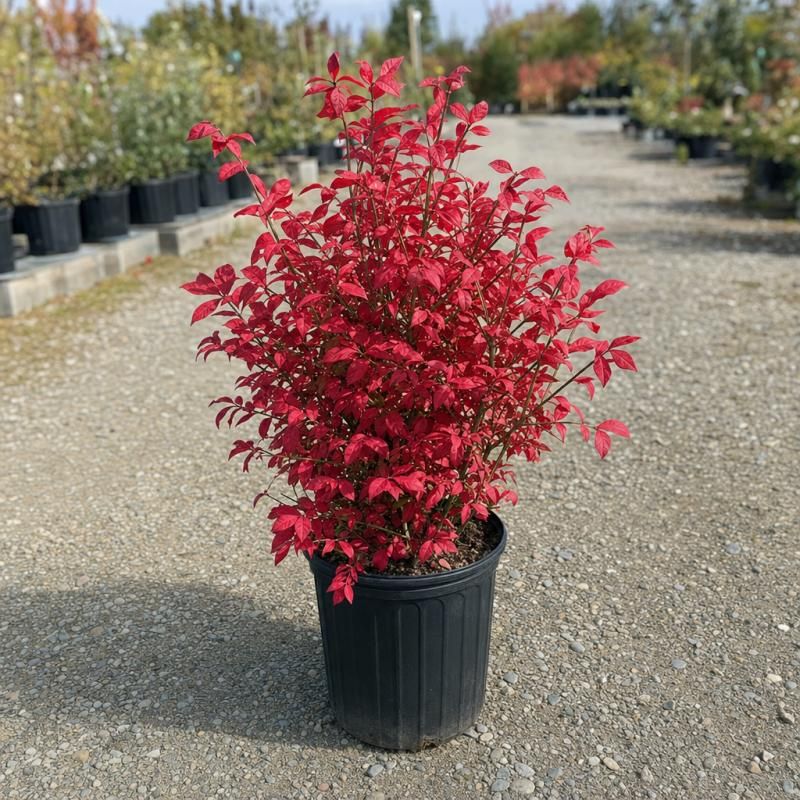
Got one already? No need to panic or feel guilty. Plenty of us inherited these hedges with a house, and removing them is very doable.
Small seedlings pull out easily, especially after a soaking rain. Grab them low and wiggle the roots free. Get as much root as you can, since leftover pieces may resprout.
Larger shrubs need more muscle. You can dig out the root ball with a shovel and a sturdy root saw.
Another option is cutting the stems near the ground and treating the fresh stump with an herbicide like glyphosate or triclopyr, which Extension sources list as effective.
Read the product label carefully and follow every instruction. Treat the stump right after cutting for the best results.
Fall is a handy time for cut-stump work because plants move resources down into their roots.
Watch out for seeds during removal. Bag any branches carrying fruit instead of tossing them on a brush pile.
If you cannot remove the shrub this year, shear it right after its tiny spring flowers fade. That step reduces berries and slows the spread while you plan a replacement.
Smooth Sumac and Chokeberry Bring Their Own Red Fall Glow
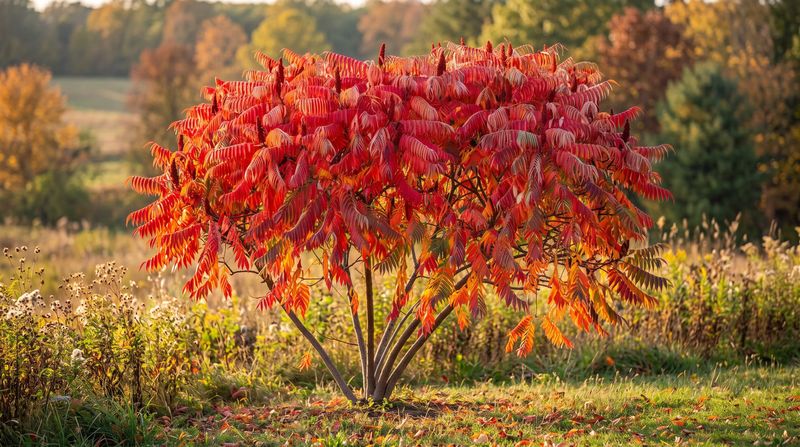
Want red without regret? Illinois has native shrubs that blaze just as brightly in October, and wildlife loves them.
Smooth sumac lights up in red-orange to scarlet. It handles dry, poor soil but wants full sun, and it can spread, so give it space.
Black chokeberry turns reddish orange to purple and holds dark berries that birds eat in winter.
Need something for shade? Eastern wahoo is a native cousin of burning bush with red to pink fall leaves and showy fruit. Spicebush glows bright yellow in deep shade and feeds the spicebush swallowtail butterfly.
Virginia sweetspire offers deep red leaves and white spring flower spikes, and it tolerates wet spots.
Native to areas just south of the state, it is widely grown and does well in many Illinois yards. Ninebark adds golden-bronze fall color and peeling bark for winter texture.
Allegheny serviceberry gives you white spring blooms, tasty June berries, and fiery fall leaves. Winterberry holly drops its leaves but keeps bright red berries into winter, which feels very festive.
Plant a male nearby so the females fruit. Ask local nurseries for straight species when possible, since they often support wildlife best.
Swapping One Red Hedge Helps Your Neighborhood Woods
Small choices add up. One hedge may not seem like much, but every burning bush produces seeds year after year. Replace it, and you remove a seed source for good.
Start with a simple plan this fall. Note which shrubs on your property have corky wings and red berries. Then pick native replacements that match the sun, shade, and soil in each spot.
Fall is a smart time to plant shrubs across most of the state. Cooler air and warm soil help roots settle in before winter.
Water new plants well until the ground freezes. Talk with neighbors too, in a friendly way. Many people simply do not know about the issue.
Sharing what you learned, or even trading cuttings of native plants, can spark real change on your street.
Local groups like the Illinois Extension Master Gardeners and county forest preserves often host workdays to pull invasive shrubs. Joining one is a fun way to learn identification in person.
The goal is not to give up color. It is to choose color that feeds birds, shelters insects, and keeps wild places healthy. That kind of red glow feels even better to look at.