Last Chance to Sow These 9 Wildflower Seeds in Florida For a Spring Bloom Display
Florida lawmakers named an official state wildflower in 1991, after road crews had sown it along highways for years.
Those golden roadside ribbons each spring started as tiny seeds scattered during cool months, long before anyone noticed them.
Many native wildflowers here actually prefer a winter start, because seedlings root deeply while temperatures stay mild and gentle. By the time summer heat arrives, those plants have already flowered and scattered fresh seed for next year.
I have to admit that my first packet sat forgotten in a drawer until almost too late. You might notice the same temptation, since cool mornings make sowing seeds feel like a job for later.
Across most of Florida, the sowing window for spring color narrows quickly once winter starts sliding toward warmer days. Get them in the ground soon, and you might have the highway crews wondering who stole their show.
1. Leavenworth’s Tickseed
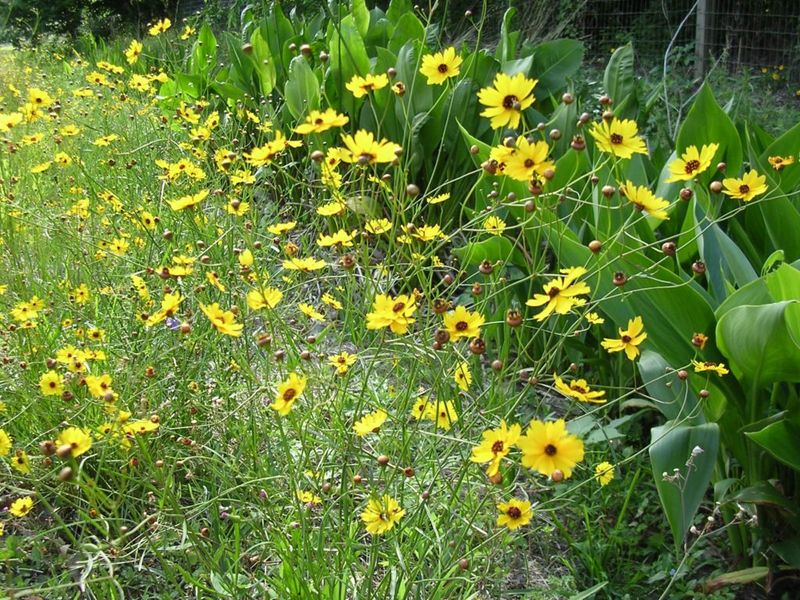
Few flowers can claim a home range almost limited to one state, yet this cheerful tickseed pulls it off. Its golden petals with toothed tips and dark brown centers light up wet ditches and sunny pastures each spring.
I love how this native annual handles soggy ground that sends many other wildflowers sulking into a slow decline. It belongs to the Coreopsis group, which became the official state wildflower in 1991 after years of roadside plantings.
You need to scatter seeds directly on bare, weed-free soil, then press them down gently without burying them deep. Light helps germination, so a quick tamp with your shoe works better than raking the seeds under a thick layer.
Late fall through early winter is the classic sowing window, giving seedlings cool months to build sturdy little rosettes. Keep the soil lightly moist for the first few weeks if winter rains turn stingy in your area.
Plants usually reach two to three feet tall and branch nicely, producing waves of blooms through spring into summer. Native bees and small butterflies visit often, and later the seeds feed finches and sparrows looking for easy snacks.
Personally, I leave a few plants standing after flowering so they drop seed for next year’s patch. That one lazy habit has given me a self-sowing meadow corner without buying another packet in years.
Buy seed from native growers when possible, since locally collected seed tends to match regional conditions far more closely. Your future pollinators will thank you with plenty of buzzing activity when the first yellow flowers open wide.
2. Lanceleaf Coreopsis
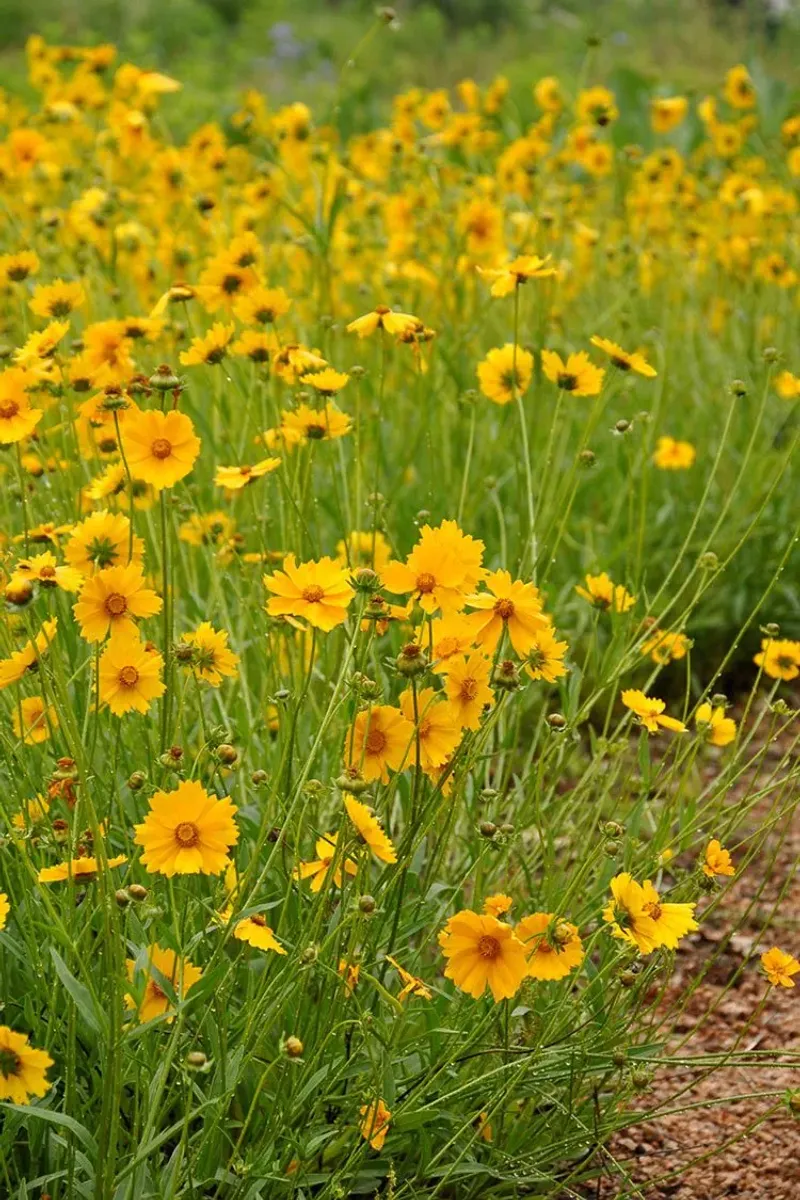
Long, narrow leaves gave this perky wildflower its name, but the bright yellow blooms steal every bit of attention. Each flower sits on a tall, bare stem, so blossoms seem to float above the foliage on breezy mornings.
Unlike its annual cousin, lanceleaf coreopsis is a perennial that can return for several years in the right spot. It grows naturally in north and central parts of the state, where winters bring a reliable bit of chill.
Sandy, well-drained soil suits it best, and full sun keeps the stems upright rather than floppy and stretched out. I have to admit it thrives on a bit of neglect, which makes it perfect for busy gardeners.
Sow seeds on the soil surface before winter ends, because they need light and some cool weather to sprout. Expect leafy clumps during the first season, with stronger blooming often arriving once roots settle in during year two.
Mature plants usually stand one to two feet tall, flowering from spring into early summer with steady cheer. Snipping spent blooms encourages more flowers, though leaving a few lets the seeds feed hungry songbirds later.
In South Florida, this species can struggle with heat and humidity, so Leavenworth’s tickseed is often the better pick. Northern gardeners, meanwhile, can mix both kinds for a longer stretch of sunny color along borders and paths.
What surprises me most is how many bees visit a single clump on warm afternoons in April. It feels like a little roadside celebration showing up right outside your kitchen window each year.
3. Black-Eyed Susan
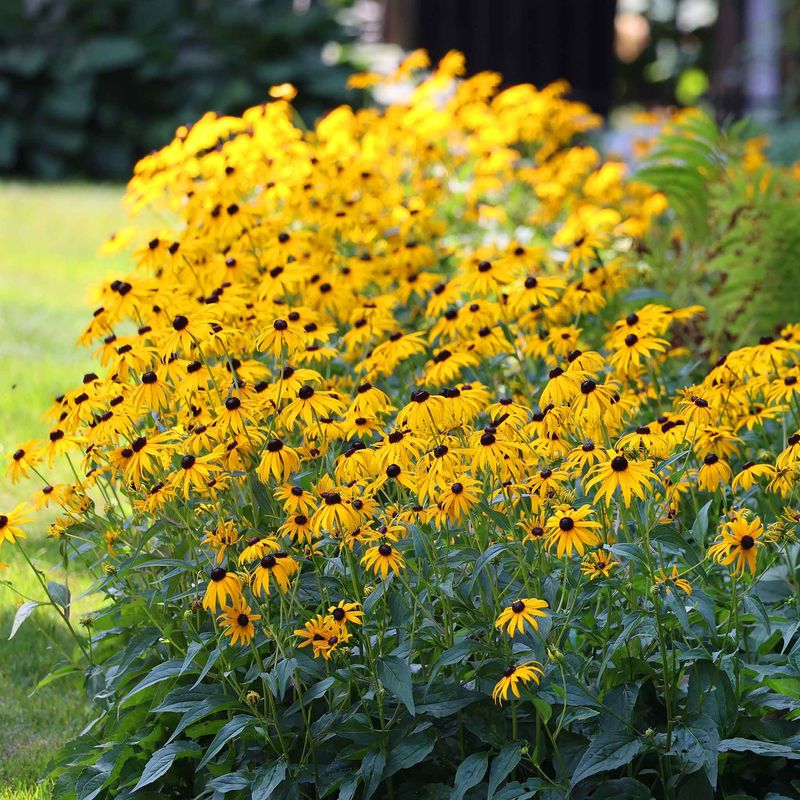
Kids often call it the flower with a chocolate button in the middle, and honestly that description fits perfectly. Those dark brown centers framed by golden petals make Rudbeckia hirta one of the easiest wildflowers to recognize anywhere.
It grows naturally across much of the state and often acts as a short-lived perennial or reseeding annual. In warmer areas, plants may bloom on and off for months, starting strong in late spring and early summer.
You need sunny, well-drained ground, though plants tolerate many soil types, including the sandy stuff common in many yards. Rich, constantly wet soil can lead to rot, so skip low spots that hold puddles after storms.
Scatter tiny seeds across loosened soil and press them in lightly, because they germinate best with light exposure. Fall and winter sowing gives seedlings time to form flat rosettes that power up when days grow longer.
Most plants reach one to three feet tall, with fuzzy stems and leaves that feel almost like soft sandpaper. Those bristly hairs help discourage some nibbling critters, though rabbits occasionally sample the young leaves anyway during winter.
I like how the blooms last in a vase, so cutting a handful barely dents the display. Pollinators such as native bees and small butterflies visit regularly, while goldfinches pick at the seed heads later.
Let some flowers go to seed if you want a free crop of seedlings popping up next season. Thin crowded clumps in early spring so each plant gets enough airflow to stay healthy through humid weather.
4. Blanketflower
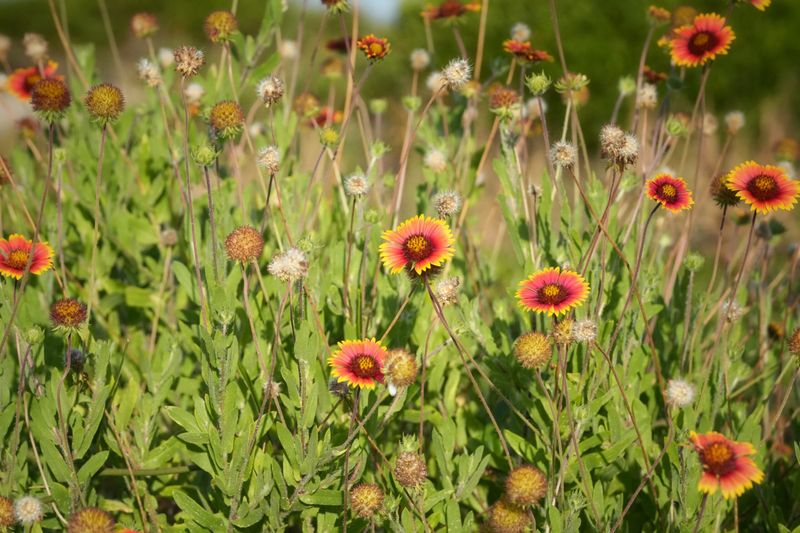
Fiery red petals dipped in bright yellow tips make this wildflower look like a tiny sunset on a stem. Gaillardia pulchella grows wild on sand dunes, which tells you plenty about how tough this little charmer really is.
Salty breezes and blazing sun rarely slow it down, making it a favorite for coastal yards and hot medians. Many gardeners call it Indian blanket or firewheel, but the common name blanketflower shows up on most seed packets.
You’re in for a big surprise if you pamper it, because rich soil and extra water usually cause floppy stems. Lean, sandy, well-drained ground keeps plants compact and loaded with flowers instead of extra soft leaves.
Sow seeds in fall or winter on bare soil, covering them very lightly or simply pressing them into place. Germination often happens within a couple of weeks when soil stays slightly moist and temperatures stay comfortable.
Plants typically grow one to two feet tall, spreading into mounds that bloom from spring well into summer. In warmer coastal spots, flowering may continue for much of the year, with breaks during the hottest stretches.
Personally, I adore watching butterflies land on the domed centers, which turn into fuzzy seed balls after petals drop. Leave those seed heads standing, since the plant reseeds readily and fills gaps without any extra effort from you.
Avoid buying hybrid perennial blanketflowers if you want the true native type adapted to local beaches and sandhills. Look specifically for Gaillardia pulchella on the label, and your sunniest corner will glow like a campfire all spring.
5. Lyreleaf Sage
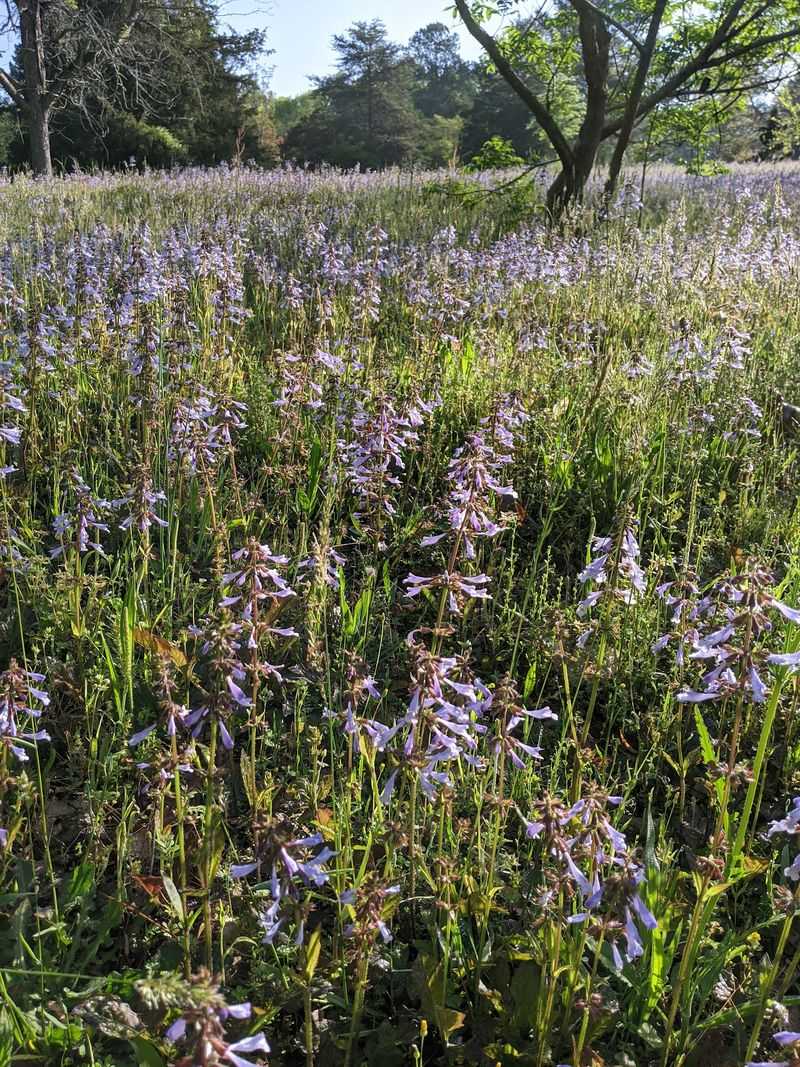
Long before the flowers appear, purple-blotched leaves hug the ground in neat rosettes shaped like little old harps. That harp shape, called a lyre, explains the name of Salvia lyrata, a native mint family member with real charm.
Pale lavender to blue tubular flowers rise on square stems in spring, usually reaching one to two feet tall. I believe it ranks among the most underrated wildflowers for lightly shaded edges and open woodland borders.
Partial shade or full sun both work, and the plant tolerates average soil better than many fussy perennials. It even handles occasional mowing, so some people let it spread through lawns for a springtime purple haze.
Sow seeds in fall or early winter, pressing them lightly into moist soil where they can see daylight. Seedlings form flat rosettes that stay green through mild winters, then send up flower spikes as days warm.
Bees adore the blooms, and hummingbirds sometimes stop by for a quick sip during their spring travels. Once flowering wraps up, the plant drops plenty of seed and often pops up in nearby beds next year.
You might notice it spreading more than expected, so pull extra seedlings if you want tidier garden borders. Luckily the shallow roots make thinning easy, and spare plants transplant well into other bare spots around your yard.
What surprises me most is how evergreen those rosettes stay, giving winter beds a welcome splash of burgundy color. Pair it with taller wildflowers so the low leaves form a tidy carpet beneath brighter summer bloomers.
6. Florida Greeneyes
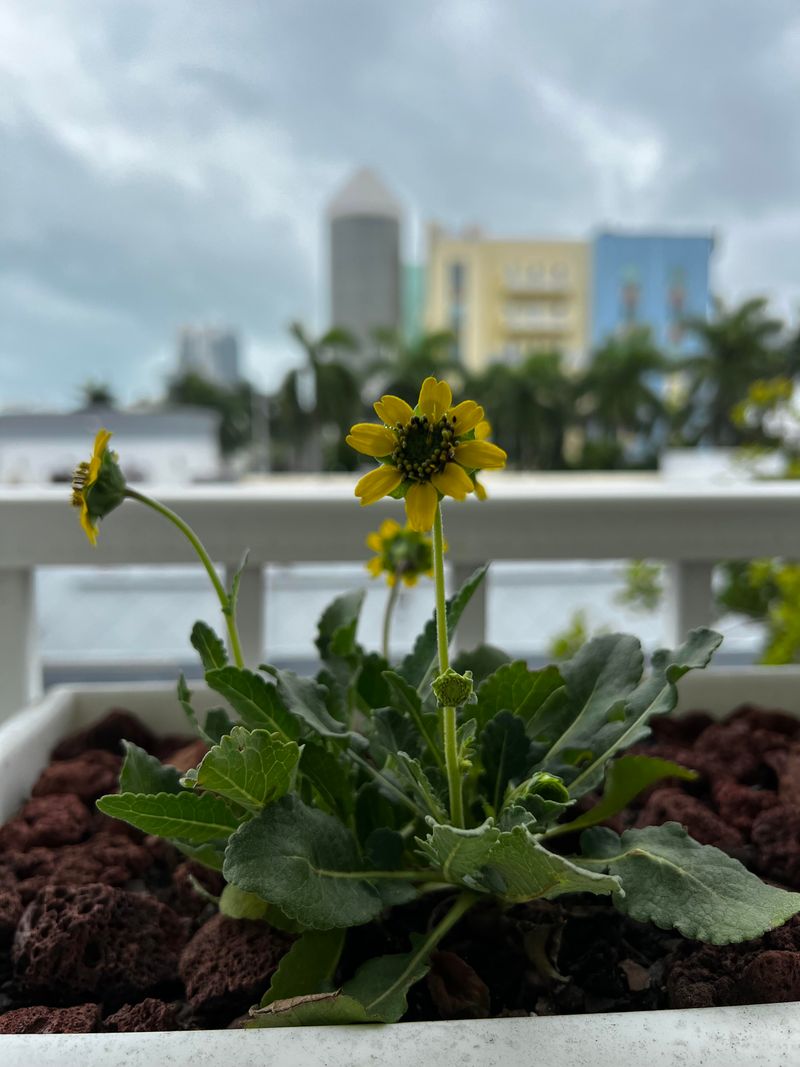
Pick a bloom and sniff the center, because many people say Florida greeneyes smells faintly like chocolate. That sweet surprise comes from a tough perennial found almost nowhere else, since Berlandiera subacaulis is largely endemic here.
Bright yellow petals surround a green center, which gives the plant its fun name and a slightly quirky look. Flowers sit on low stems about one foot tall, rising from a rosette of rough, lobed leaves.
Its thick taproot helps it handle drought once settled, which makes it a smart choice for sandy, sunny yards. I can’t imagine a better plant for that dry strip near the driveway where hoses rarely reach.
Seeds can be slower and less reliable than coreopsis, so sow them generously in fall or early winter. Press them lightly into bare sand, keep the area slightly moist, and stay patient during the first few weeks.
First-year plants may focus on roots, but established clumps flower from spring well into fall in many areas. In warmer southern spots, blooms can appear in almost any month, especially after a good soaking rain.
Native bees and butterflies visit the flowers often, and the seeds offer small snacks to ground-feeding birds. Avoid rich soil and heavy watering, because soggy conditions can cause the roots to rot over time.
Personally, I like tucking greeneyes beside low grasses so the yellow flowers peek through like little sunny faces. Nursery plants work too if seeds feel tricky, and they establish best when planted during cooler months.
7. Butterfly Milkweed
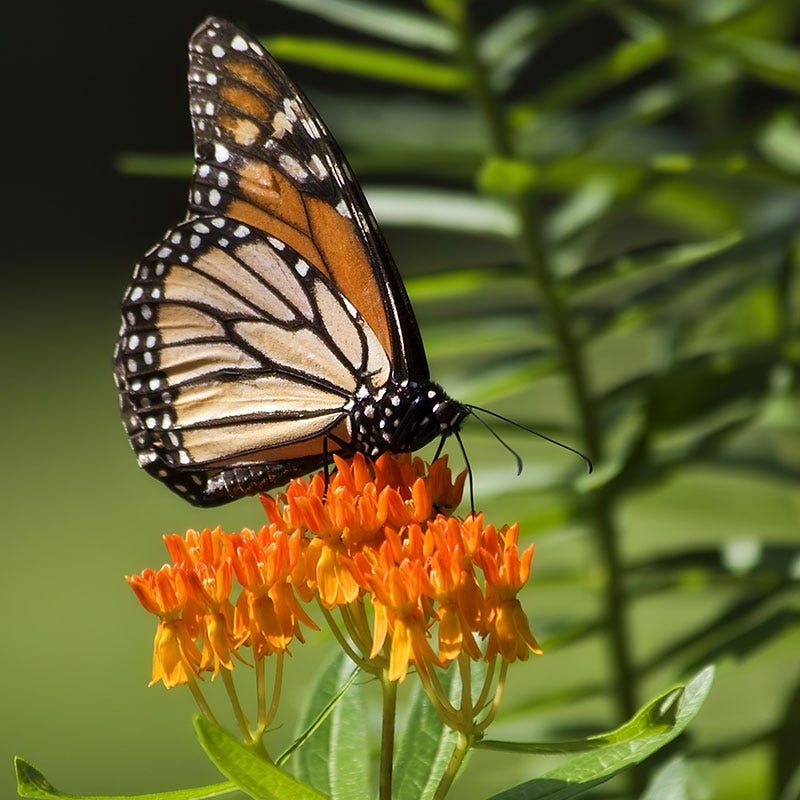
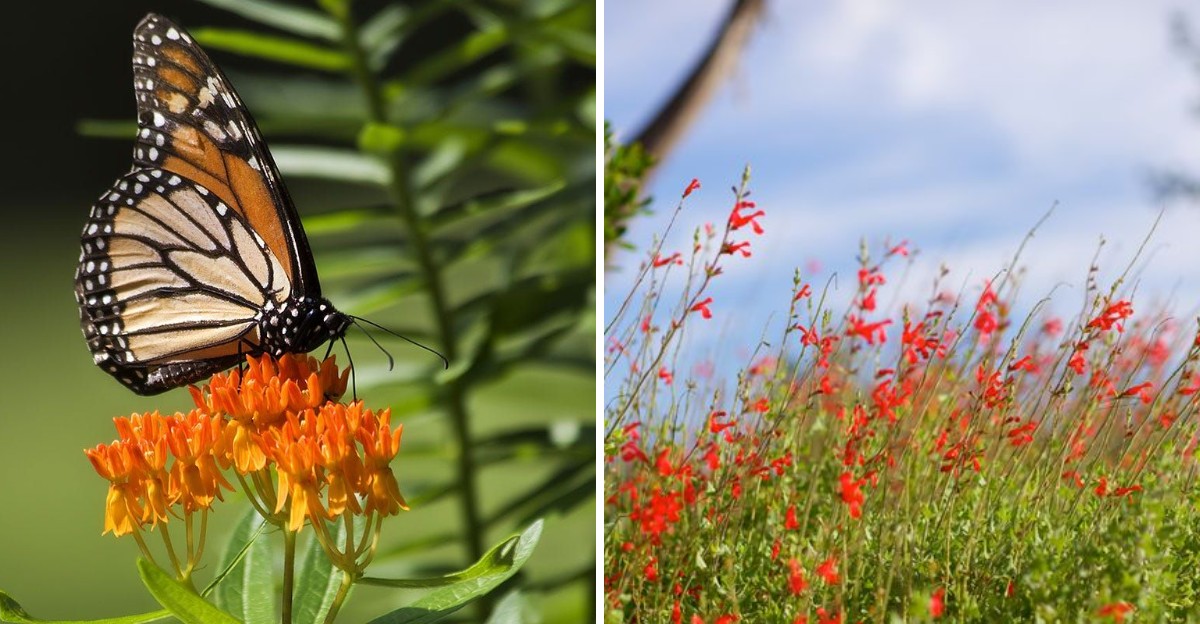
Monarch caterpillars munch only on milkweed leaves, so planting this orange beauty literally feeds the next butterfly generation. Clusters of bright orange flowers look almost too vivid to be wild, yet Asclepias tuberosa grows natively across the state.
Florida gardeners often face a choice between native milkweeds and tropical milkweed, a non-native species with known concerns. Experts generally recommend natives like this one, since tropical milkweed can encourage monarchs to stay and spread parasites.
You need patience here, because the seeds benefit from cool, moist conditions before they sprout reliably. Many growers also chill seeds in a damp paper towel inside the refrigerator for several weeks first.
Full sun and dry, sandy, well-drained soil make it happiest, while heavy wet ground often causes root problems. Plants usually reach one to two feet tall and develop a deep taproot, so choose their spot carefully.
That taproot makes transplanting tricky, which is another reason sowing seeds directly in place works so nicely. Seedlings grow slowly at first, and many plants wait until their second year to put on a real show.
Flowers typically open from late spring through summer, drawing busy bees and swallowtails along with hungry monarch caterpillars. Queen butterflies use it as a host plant too, so chewed leaves are a sign of success.
I have to admit I cheer every time I find a striped caterpillar munching away on those leaves. Skip pesticides nearby, and your milkweed patch can turn into a busy little butterfly nursery each year.
8. Tropical Sage
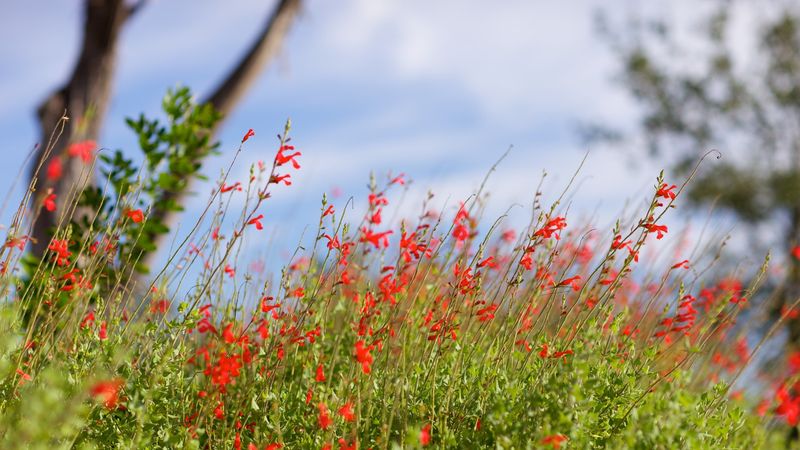
Hummingbirds spot red from impressive distances, and tropical sage flashes scarlet flowers that seem tailor-made for their long beaks. Despite the name, Salvia coccinea is a native wildflower found in many parts of the southeastern coastal plain.
I love how fast it grows from seed, often blooming within a couple months of sprouting in warm soil. Seeds sown in late winter can give you flowers by spring, with color continuing for much of the year.
Most plants grow two to three feet tall, with heart-shaped leaves and slender spikes of tubular red blossoms. Some seed strains also come in pink or white, though the classic red attracts the most hummingbird attention.
Full sun to part shade works fine, and it tolerates sandy soil along with occasional dry spells pretty well. A little afternoon shade can actually keep the leaves looking fresher during the hottest months of the year.
Scatter seeds on loosened soil and barely cover them, then keep things lightly moist until seedlings appear. Germination is usually quick, so this is one of the most forgiving choices for anyone sowing seeds late.
It reseeds freely, which means new plants may pop up in surprising places around your garden next season. Pull extras while they are small, or share them with neighbors who want a hummingbird magnet of their own.
In northern areas, frost may knock plants back, but fallen seeds usually sprout again once spring warms up. Cut leggy stems back by about a third in summer, and fresh flowering branches often follow within weeks.
9. Manyflower Beardtongue
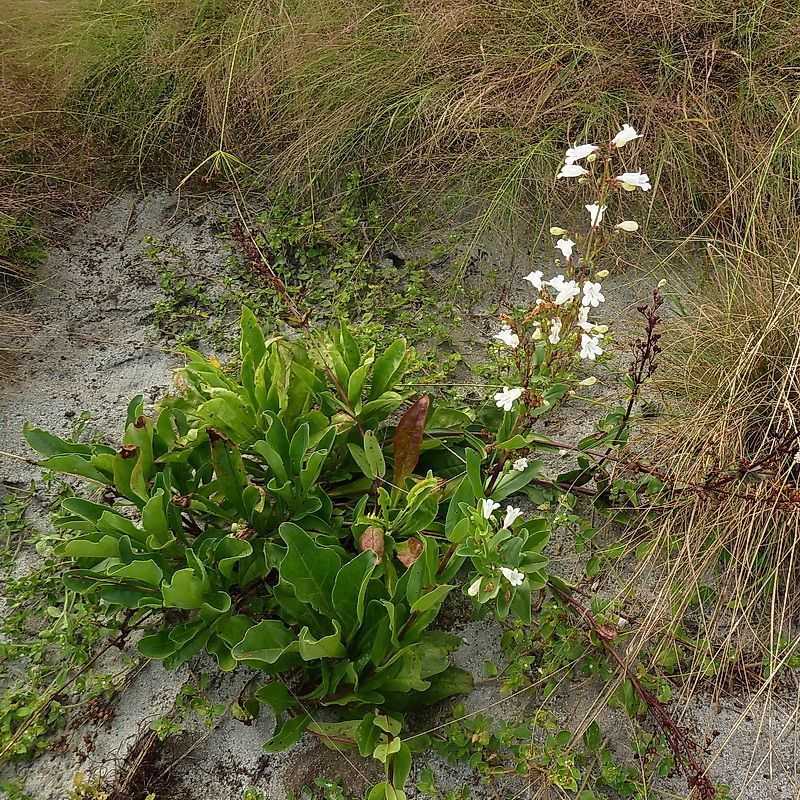
Peek inside a beardtongue flower and you will spot a fuzzy, sterile stamen that looks like a tiny bearded tongue. That odd little feature gave Penstemon multiflorus its common name, and it makes a fun discovery for curious kids.
Native mostly to Florida and nearby parts of Georgia and Alabama, this wildflower thrives in sandhills and pine flatwoods. Its tall stems hold dozens of white to pale lavender tubular flowers, often with faint purple lines inside.
Blooms usually open from late spring into summer, giving your meadow a fresh wave after the yellow wildflowers fade. Plants often reach two to three feet tall, with smooth leaves clustered near the base in winter.
You need lean, sandy, well-drained soil and plenty of sun, because rich or soggy ground can trigger root rot. I believe it shines brightest in dry, overlooked corners where thirstier flowers would wilt by midsummer.
Seeds germinate better after a cool, moist period, so sowing outdoors in fall or early winter helps naturally. Press them onto the surface without burying, since light exposure can improve sprouting for many penstemon species.
Bees crawl right inside those tubes for nectar, which is a delight to watch on calm spring mornings. First-year seedlings may stay small, so mark the spot and resist the urge to weed them out by mistake.
Seed can be harder to find than coreopsis, but native seed growers in the state sometimes offer it. When it does bloom, those airy white spires feel like a quiet reward for anyone patient enough to wait.