Feeding These Animals In Texas May Be Illegal Or Strongly Discouraged
In San Antonio, tossing a bucket of corn to backyard deer can earn you a fine from the city. That surprised me, because I grew up thinking a handful of feed was the friendliest gesture around.
Plenty of Texas towns now have rules against feeding certain wild visitors, and some state rules reach even further. Fines vary by city, yet the reasons behind them often sound surprisingly similar once you read the fine print.
I love sharing my garden with wildlife, and I bet you feel the same way about your own yard. Nobody warned me that a kind snack could turn a shy visitor into a bold, hungry problem.
So which backyard guests are off the menu in Texas, and which name might catch you off guard? Grab a glass of sweet tea, because a few names on this list may raise your eyebrows.
1. White-Tailed Deer Gathering Around A Corn Pile
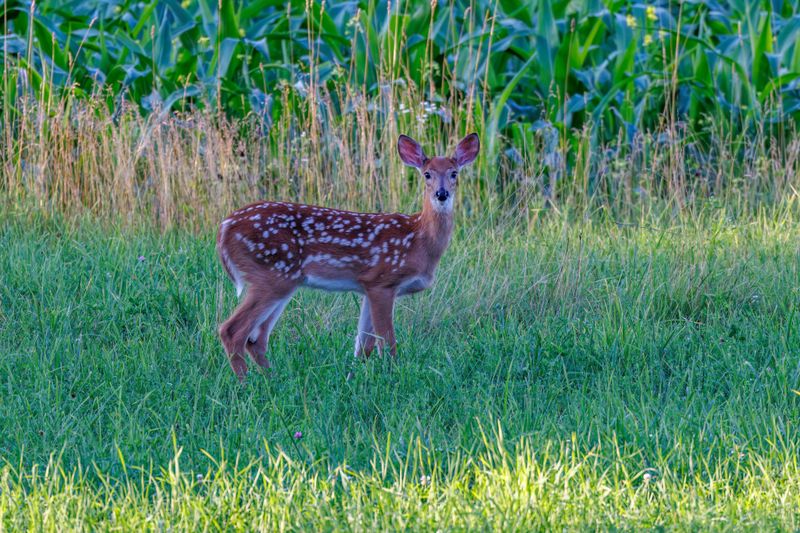
Those big brown eyes peeking over your fence at dawn are hard to resist, and I understand the urge.
Still, several Hill Country cities, including San Antonio and Lakeway, prohibit feeding white-tailed deer inside city limits.
Officials passed these rules after deer herds grew crowded in neighborhoods, chewing through landscapes and crossing busy roads. More deer near homes often means more car collisions, which puts both drivers and the animals at real risk.
Corn is the classic offering, yet it can upset a deer’s stomach when the animal is not used to it. Their four-chambered stomachs depend on microbes tuned to leafy browse and acorns, so sudden diet changes cause digestive trouble.
Feeding spots also pull deer nose to nose, which helps diseases spread faster through a local herd.
Chronic wasting disease has been found in parts of Texas, so wildlife biologists discourage anything that crowds deer together.
Fines differ from city to city, and some neighborhoods also have homeowner association rules with their own penalties. Before you set out anything, check your city code online or call your local animal services office for clarity.
I have found that deer-resistant natives like cenizo and lantana keep my flower beds looking good without nightly buffets.
Let deer find their own food in greenbelts, and enjoy them from your porch with a camera instead.
A trail camera aimed at the fence line gives you all the fun of watching without breaking any rules. Honestly, catching a spotted fawn on video beats watching hungry adults trample your tomato plants every single night.
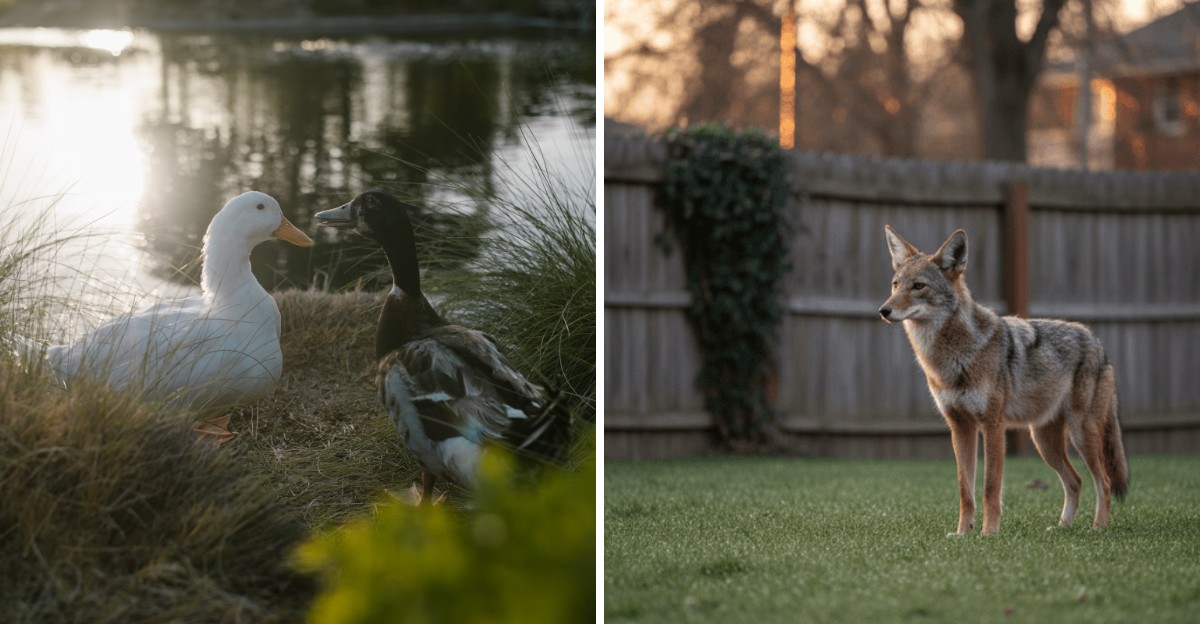
2. Mallard Ducks Begging For Bread At A Park Pond
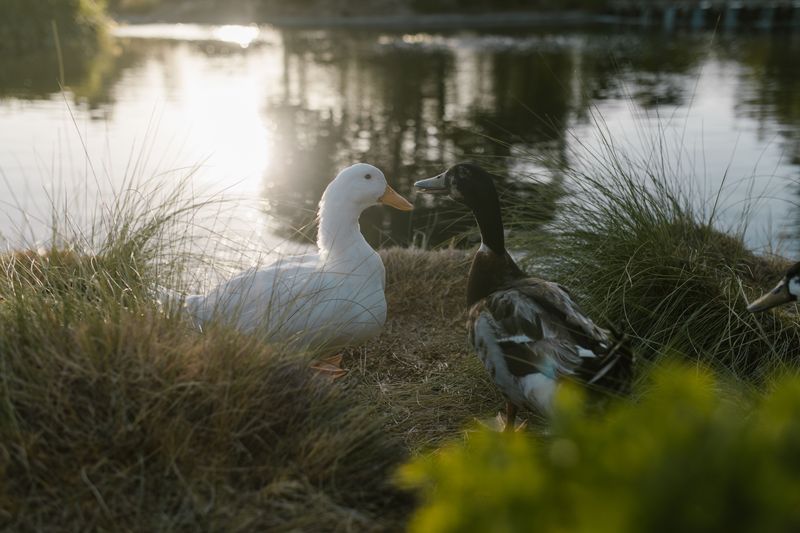
Tossing bread crusts to quacking ducks feels like a childhood rite of passage, and I have done it plenty.
Yet many city parks across the state post signs banning waterfowl feeding, and fines can follow if you ignore them.
New Braunfels and Bedford are two cities that have adopted rules limiting duck and goose feeding in public areas. If a pond borders your yard, similar ordinances might apply, so a quick code check is a smart move.
Bread fills a duck’s belly but offers little real nutrition, a bit like living on glazed donuts. Ducklings raised on too many carbs can develop angel wing, a condition where wing feathers twist outward and block flight.
Soggy leftovers also sink and rot, which feeds algae blooms and lowers water quality for fish and turtles. Crowds of ducks at one spot leave heavy droppings, and rats happily clean up whatever the birds leave behind.
Feeding stations also hold birds in one place, which can encourage disease spread like avian botulism during hot weather.
Wild mallards naturally eat aquatic plants and insects, so they usually manage fine without any handouts from us.
If you want to help, plant native rushes and sedges along your pond edge to give ducks natural cover. I love watching them dabble through those plants, tipping tails up as they hunt for snacks on their own.
Bring kids to the pond with binoculars and a bird guide, and turn feeding time into a fun spotting game.
You keep the magic of the visit while helping the ducks stay healthy and comfortably wary of people.
3. Canada Geese Crowding A Neighborhood Retention Pond
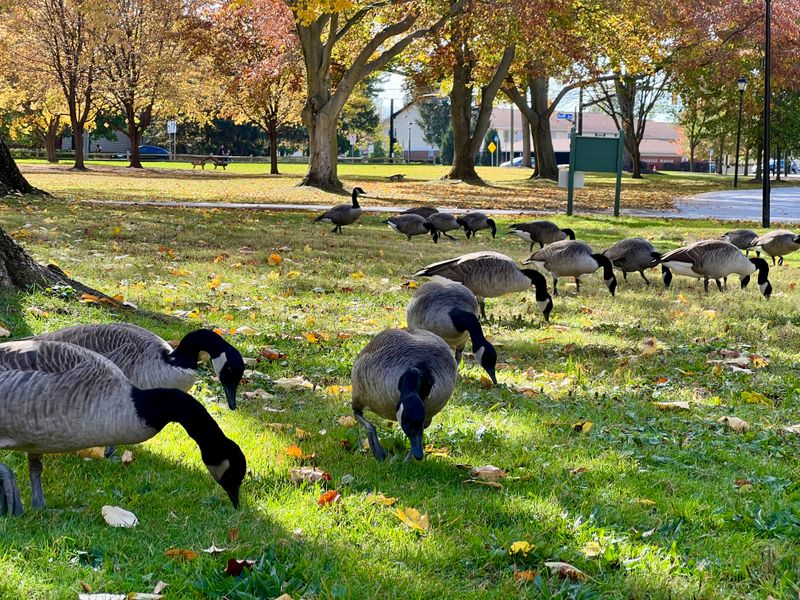
Few sounds announce a flock quite like the honking of Canada geese circling a neighborhood pond at sunset.
Feeding them may seem harmless, but several cities lump geese into the same waterfowl feeding bans as ducks.
Once geese learn that people mean free food, some skip their usual movements and settle in year round. Resident flocks can grow quickly, and a single goose leaves behind surprising amounts of droppings each day.
Those droppings wash into ponds and creeks, adding nutrients that fuel green algae and murky, smelly water.
Lawns and sidewalks near feeding spots get messy fast, which neighbors and park crews rarely appreciate.
Geese also get bold when they expect handouts, and nesting pairs in spring can hiss and charge curious people. I have been chased by an angry gander once, and I still remember sprinting across the grass in sandals.
Canada geese are protected under the federal Migratory Bird Treaty Act, so harming nests or birds requires special permits.
That protection means the best approach is prevention, which starts with keeping snacks away from the flock.
Tall native grasses along a shoreline can discourage geese, since they prefer open lawns with clear views of predators.
Letting a mowed strip near the water grow taller is an easy project you can start this weekend.
Watch them from a respectful distance and you will spot fascinating family behavior, like goslings marching single file. Without handouts, the flock behaves more naturally, and your pond edges stay far cleaner for everyone.
4. Masked Raccoon Raiding A Backyard Pet Food Bowl
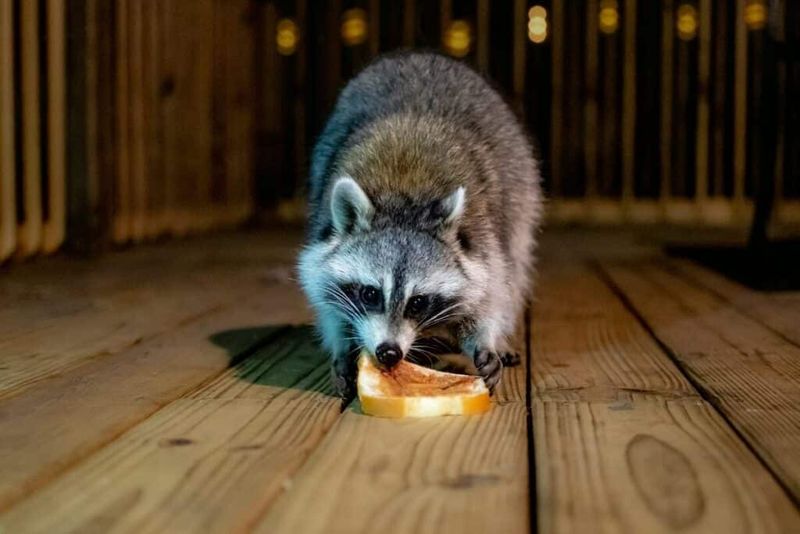
With tiny clever hands and a bandit mask, raccoons look like cartoon troublemakers sneaking across your patio at midnight.
Some cities include them in broad ordinances that ban intentionally feeding wild animals on private property.
Even accidental feeding counts in some codes, such as leaving pet food outside overnight where raccoons can reach it.
I learned this lesson when my cat’s bowl went empty every night and muddy paw prints covered the porch.
Raccoons can carry rabies and distemper, and both pose real health concerns for pets and people near feeding sites. Their droppings may hold raccoon roundworm eggs, which can survive in soil for years after the animal moves on.
Fed raccoons lose their caution and may push into garages or attics looking for more meals. Mothers often choose those cozy spaces for spring litters, which makes removal stressful and expensive for homeowners.
Secure trash cans with bungee cords or locking lids, and bring pet bowls inside before the sun goes down. Pick up fallen fruit from backyard trees too, since ripe figs and peaches act like a dinner bell.
If a raccoon seems wobbly or oddly friendly in daylight, keep your distance and call your local animal control office.
Daytime activity alone is not alarming, but strange behavior deserves a professional look rather than a friendly approach.
Honestly, raccoons are smart and resourceful enough to find natural food like crayfish and acorns on their own. Let them stay curious neighbors rather than spoiled guests, and your attic will thank you later.
5. Opossum Foraging Under A Garden Fruit Tree
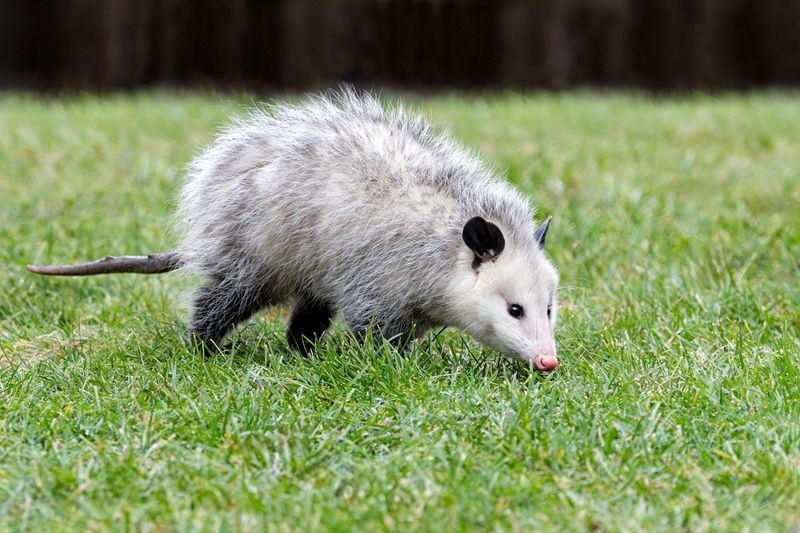
North America’s only marsupial waddles through backyards at night, often munching snails and fallen fruit you forgot to pick up. I have a soft spot for these grinning critters, even if their many teeth look a little dramatic.
Opossums have fifty teeth, more than any other North American land mammal, yet they mostly prefer bluffing over fighting.
Playing possum is an involuntary response, and a frightened animal can lie still for many minutes before slowly waking.
Despite their charm, many city ordinances that ban feeding wildlife do not carve out any exception for opossums.
Wildlife officials also discourage feeding them, since handouts can draw crowds of other animals to your yard.
Cat food and table scraps can unbalance an opossum’s diet, contributing to bone problems and unhealthy weight gain. Wildlife rehabbers often report metabolic bone disease in opossums fed poor diets by well-meaning people.
Fed opossums may also lose caution around people, which puts them closer to busy roads and curious dogs. A wild opossum that keeps its distance has a much better chance of thriving in your neighborhood.
Personally, I let them patrol my garden beds, where they snack on slugs and beetles without any encouragement. Keeping compost bins closed and pet food indoors stops accidental feeding while still letting them do helpful work.
If you find a baby opossum alone, contact a licensed wildlife rehabilitator rather than raising it yourself.
Rehabilitators know the right diets, and many states require special permits to keep wild animals in your care.
6. Coyote Trotting Through A Suburban Backyard
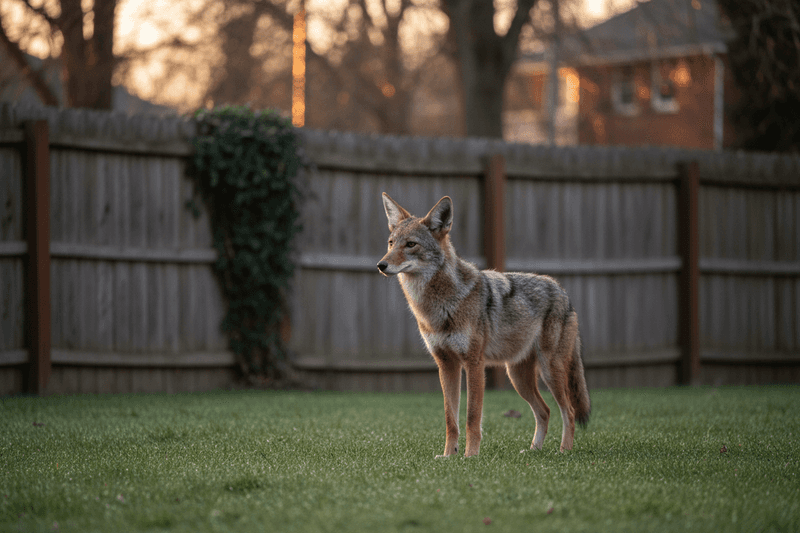
Spotting a coyote trotting down a suburban sidewalk at dawn feels thrilling and slightly unnerving at the very same time.
These clever canines live in nearly every Texas city, quietly hunting rodents and rabbits in greenbelts.
Many cities, including Dallas, urge residents not to feed coyotes, and some local codes make feeding them a citable offense.
Wildlife agencies agree that food from people is the biggest reason coyotes start causing neighborhood trouble.
Hand-fed coyotes quickly lose their natural fear, and bolder animals are more likely to approach pets and people. When a coyote becomes too comfortable, wildlife officials may need to remove it for public safety.
Accidental feeding happens more often than you might expect, especially with outdoor pet bowls and overflowing bird feeders. Spilled seed draws rodents, and rodents draw coyotes, so tidy feeding areas make a real difference.
Keep cats indoors and walk small dogs on short leashes, especially around dawn and dusk when coyotes are active. A fence at least six feet tall with a rolled top can help, though determined coyotes may still climb.
Hazing works well too, which simply means making yourself loud and big when a coyote lingers nearby. I keep a whistle by the back door, and a few sharp blasts usually send visitors trotting off.
Coyotes belong in our landscape, and their rodent control helps gardeners more than most people realize. Keeping them wary of humans is honestly the kindest thing you can do for them and for your neighbors.
7. American Alligator Basking On A Pond Bank
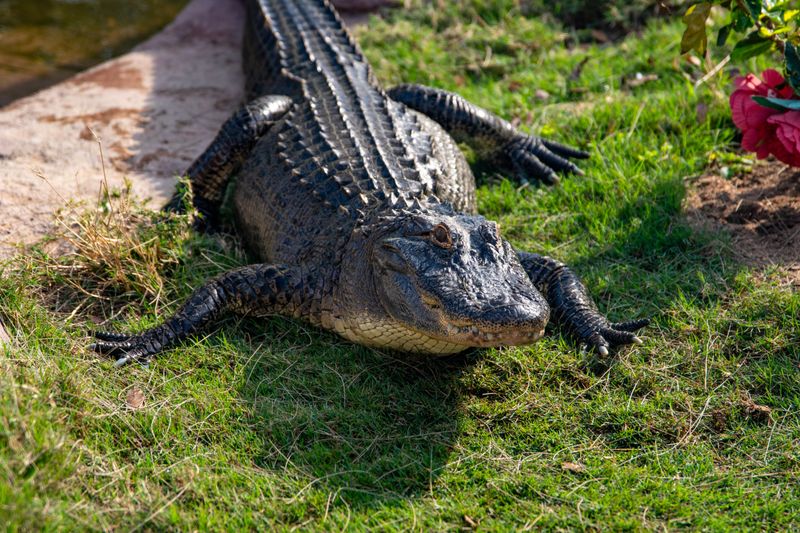
The one on this list with statewide teeth, literally, is the American alligator lounging on a sunny pond bank. Under Texas Parks and Wildlife rules, it is illegal to feed or harass a wild alligator anywhere in Texas.
Alligators live across many eastern and coastal counties, including Houston bayous and stock ponds near the Gulf Coast.
Homeowners with lakeside yards in those areas sometimes spot one sunning itself on the bank in warm weather.
Feeding teaches a gator to link humans with food, and that lesson is very hard to undo. A fed alligator may approach docks and backyards expecting snacks, which creates real danger for kids and pets.
Officials often have to remove nuisance alligators that lose their fear, so a single snack can cost the animal its home. Wildlife experts say a fed gator becomes a problem gator, and that phrase stuck with me for years.
Accidental feeding counts too, like tossing fish scraps into the water after cleaning a catch at the dock. Throw scraps in a trash can instead, and keep small pets away from the water’s edge during warmer months.
Stay at least thirty feet away from any alligator, and give extra space to females guarding nests in summer. Most gators are naturally shy and will slide into the water if you simply leave them alone.
Watching one glide through still water is a real treat, and binoculars give you a safe front-row seat. Honestly, respect from a distance makes the experience far better for you and for the gator.