Why Succulents Rot After Heavy Florida Rain and How to Prevent It
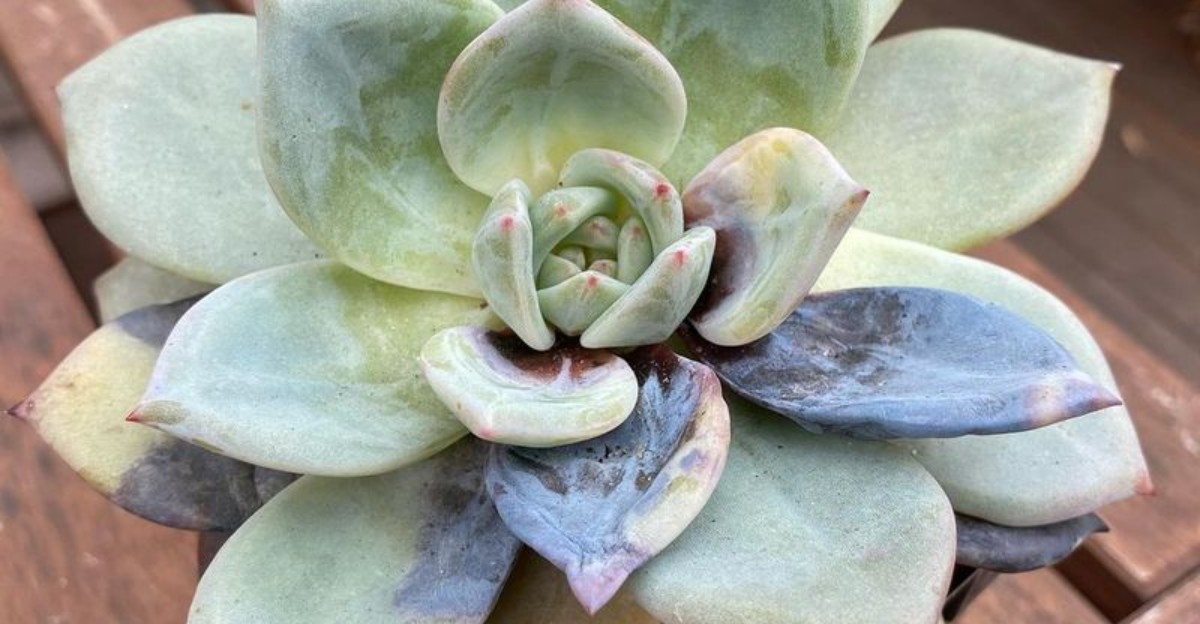
A plump, healthy-looking plant can turn to mush from the roots up while the leaves still look fine on top. I learned that the hard way after one stormy week in Florida.
The sneaky part is that the damage starts underground. Waterlogged soil pushes out the air that roots need, and certain water molds love those soggy conditions.
By the time you notice soft, see-through leaves, the trouble has often been brewing for days.
I’ve always found it a little funny that desert plants can laugh off our blazing sun, then crumble after a few inches of summer rain. You probably have a few in your yard or on your porch right now.
They can handle heat like champs.
A pot that sails through storm season and one that melts into a puddle of goo often look identical, right up until the rain starts.
1. Mushy Succulent Roots Tell the Real Story After a Storm
Roots breathe, and that surprises a lot of folks. Healthy succulent roots pull oxygen from tiny air pockets between soil particles.
When heavy rain fills every one of those pockets with water, the roots start to suffocate.
Stressed roots become an easy target for water molds such as Pythium and Phytophthora. University of Florida plant experts note that these organisms spread through wet soil and splashing water.
They thrive when soil stays soggy and warm, which describes a typical summer afternoon here pretty well.
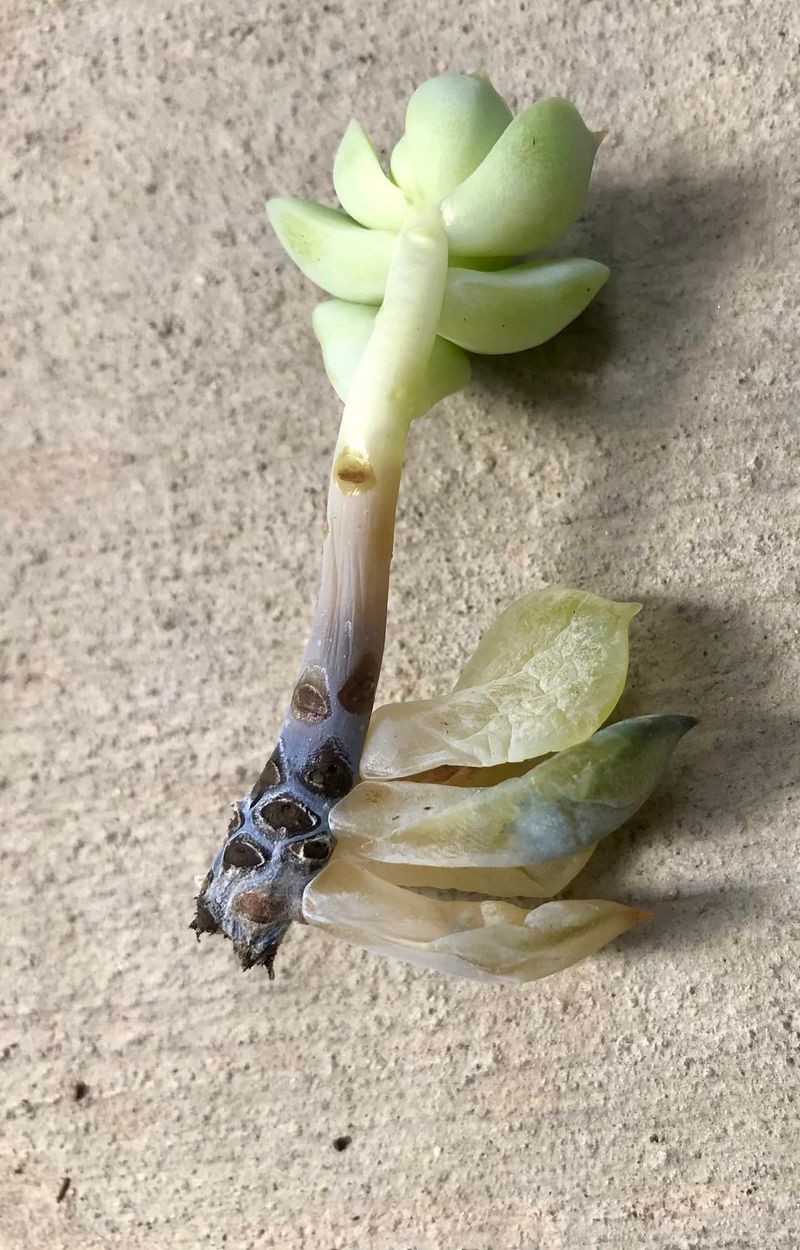
Once infected, roots turn brown or black and feel slimy. The rot can creep up into the stem, so the base of the plant softens first.
Leaves may then look yellow, translucent, or wrinkled, even though the plant had plenty of water.
That last part confuses many gardeners. A rotting succulent can look thirsty because damaged roots cannot move water up to the leaves anymore.
Adding more water at that point only makes things worse.
So the rain itself is rarely the villain. The real problem is soil that stays wet for days with no air.
Fix the drainage and airflow, and you solve most of the mystery before it starts.
2. A Gritty Soil Mix Keeps Succulent Roots Breathing
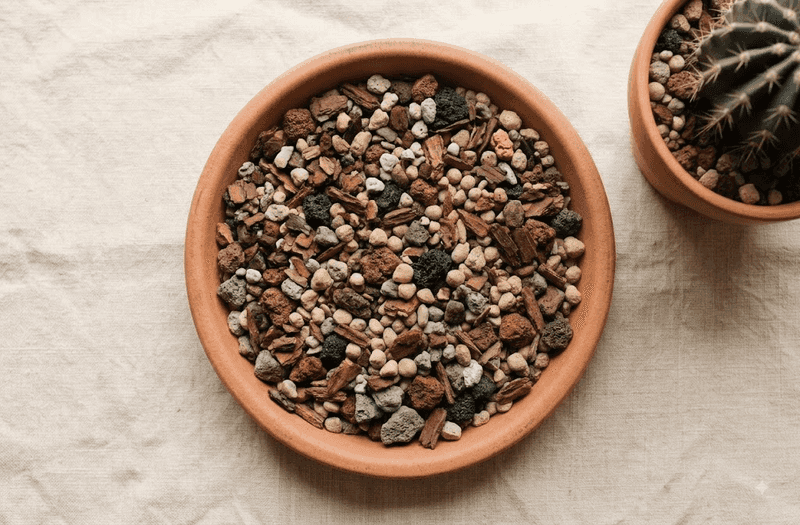
Give me a bag of pumice over fancy fertilizer any day. Soil is the single biggest factor in whether your succulents shrug off a downpour or sink into rot.
Regular garden soil and many standard potting mixes hold onto water like a sponge. That works great for tomatoes but not for an aloe or echeveria.
Succulents need a coarse mix that lets water rush through and drain away fast.
A simple recipe works well. Start with a quality cactus and succulent mix, then add pumice, perlite, or coarse horticultural sand until about half the blend is gritty material.
In very humid spots, many growers go even grittier.
Skip fine play sand, though. Those tiny particles pack down and can actually slow drainage.
Bigger particles create bigger air spaces, and those spaces are what save roots after a storm.
You can test your mix with a quick pour. Water should soak in right away and start dripping from the drainage hole within seconds.
If it puddles on top, your blend needs more grit. I like to repot older plants every year or two because organic material breaks down over time and the mix slowly gets heavier and wetter.
3. Move Potted Succulents Under the Porch Before the Afternoon Storms
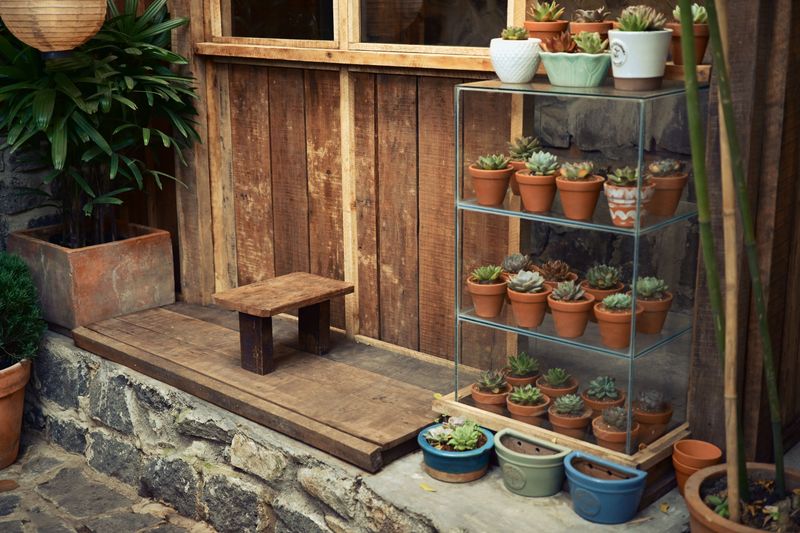
Summer thunderstorms here are about as reliable as the afternoon mail. The rainy season in Florida generally runs from late May through October, and a single storm can dump an inch or more in under an hour.
Even the best soil can get overwhelmed by back-to-back soakings. That is why I keep my favorite potted succulents under a covered porch for most of the wet season.
They still get bright light and fresh air, just without the daily drenching.
Not enough covered space? Try the eaves of your house, a carport edge, or a sturdy patio umbrella.
A spot with morning sun and some roof overhead works for many varieties.
Watch for one catch. Some sun-loving succulents can stretch or lose color if they move into deep shade.
Pick the brightest sheltered spot you can find, and move them back into full light once the rainy pattern eases in fall.
Wheeled plant caddies make heavy pots easier to shuffle around. They are a lifesaver for big agaves or jade plants.
A few minutes of rearranging in late spring can save you a whole season of soggy surprises.
4. Terra Cotta Pots Dry Out Faster Than Plastic Ones
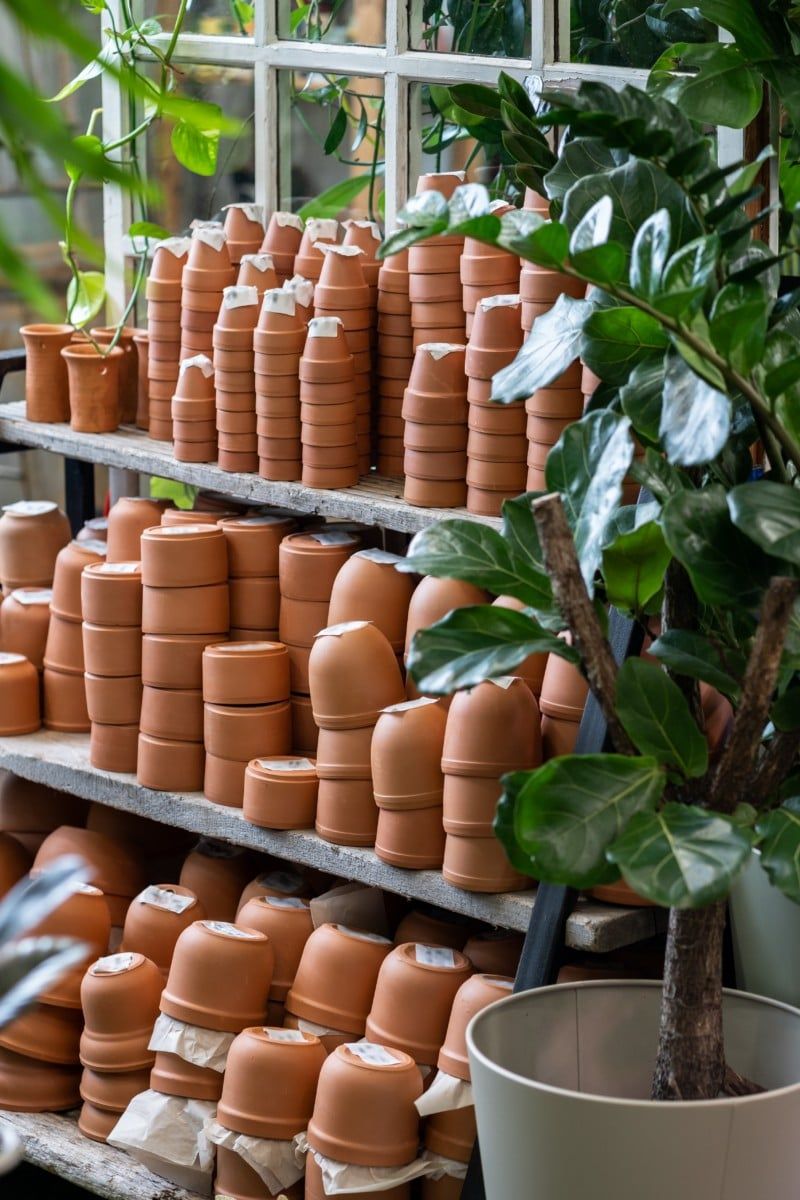
My grandmother swore by clay pots, and she was onto something. Unglazed terra cotta is porous, so moisture escapes through the walls as well as the soil surface.
Plastic and glazed ceramic pots trap water inside. After a heavy rain, soil in those containers can stay wet for days.
A clay pot of the same size often dries out noticeably faster, which gives roots their air back sooner.
Drainage holes matter even more than material, though. A pretty pot with no hole becomes a bathtub during a storm.
If you love a decorative container without one, use it as an outer sleeve and set a draining nursery pot inside.
Size plays a role too. An oversized pot holds lots of extra soil, and extra soil means extra water sitting around the roots.
Choose a container only slightly wider than the root ball.
Shallow, wide pots also suit many succulents because their roots tend to spread near the surface. Less depth means less soggy soil hanging out at the bottom.
Fun fact: terra cotta has been used for plant pots for thousands of years, so this trick has a long track record.
5. Pot Feet Keep Succulent Containers Out of Rain Puddles
Drainage holes only work if water has somewhere to go. Set a pot flat on a patio after a storm, and it can sit in a shallow puddle that wicks right back up into the soil.
Saucers cause the same headache. They catch rainwater and hold it against the bottom of the pot for hours.
During the rainy months, I either remove saucers or empty them right after every storm.
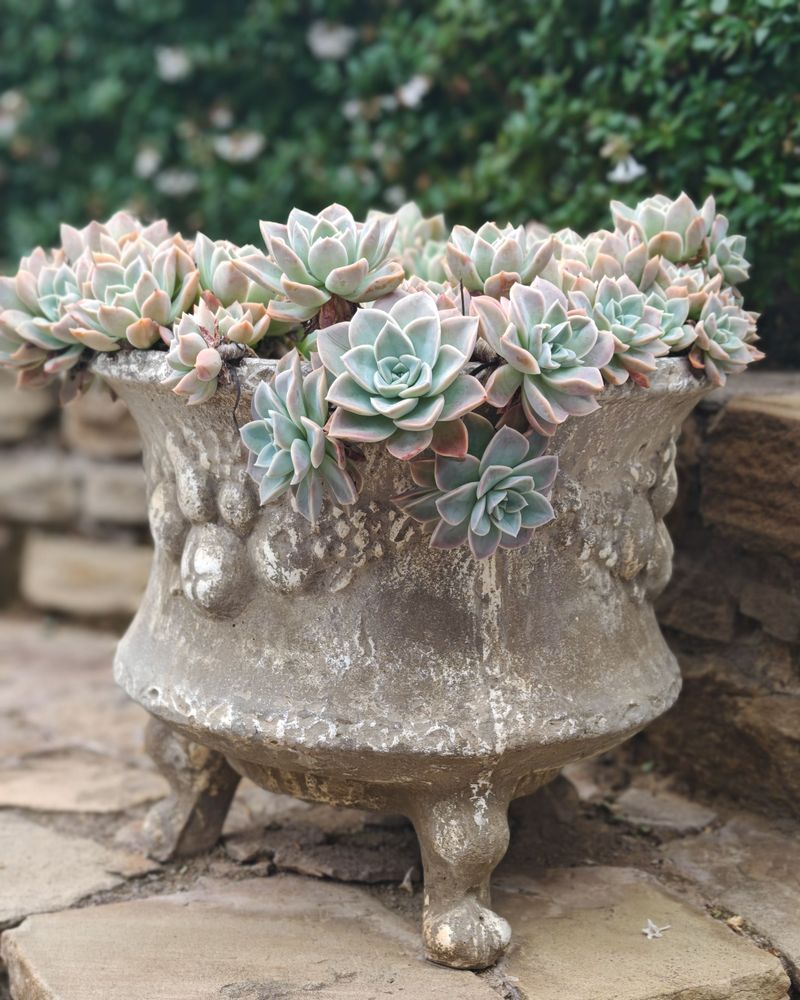
Pot feet are a cheap and easy fix. These little risers lift containers a half inch or so off the ground.
Water flows freely out the bottom, and air moves underneath to help the soil dry faster.
No pot feet handy? Small bricks, flat stones, or even a wire plant stand do the job.
Just make sure the pot sits level so it does not tip during gusty weather.
Plant stands and shelves bring an extra bonus. Raised pots stay farther from soil-splashing rain, which can carry water molds onto lower leaves.
They also tend to get better airflow on muggy days. It feels like a tiny detail, but I have watched it make a real difference across a whole summer.
6. Raised Beds and Mounds Help In-Ground Succulents Escape Standing Water
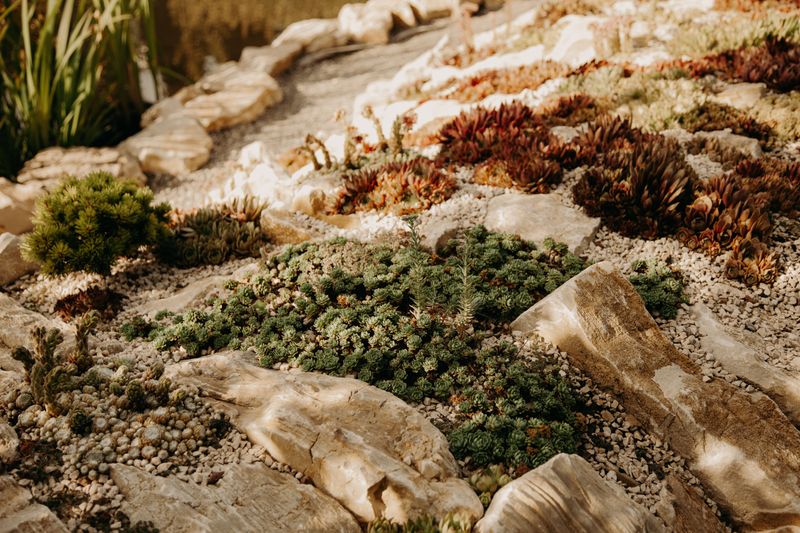
Ground-planted succulents cannot run for cover, so you have to plan their home carefully. Low spots that hold water after storms are rough territory for them.
Watch your yard during a heavy rain. Notice where puddles form and how long they last.
Those soggy corners are better suited to moisture-loving plants than to aloes or agaves.
For succulents, raised beds and mounds are your best friends. Building the soil up even 8 to 12 inches lifts roots above the wettest zone.
Mix in coarse material such as gravel or pumice to keep things loose.
Florida soils vary a lot. Sandy soils in many areas drain fast, while spots with clay, rock layers, or a high water table stay wet much longer.
Knowing your soil helps you decide how high to build.
Mulch choice matters too. Gravel or crushed stone dries quickly and keeps leaves off wet ground, while thick wood mulch holds moisture against stems.
You can also redirect downspouts and gutter runoff away from succulent beds. Native options like coontie or prickly pear often handle local conditions better than many imported desert plants.
7. Turn Off the Sprinklers When Summer Rain Waters Your Succulents
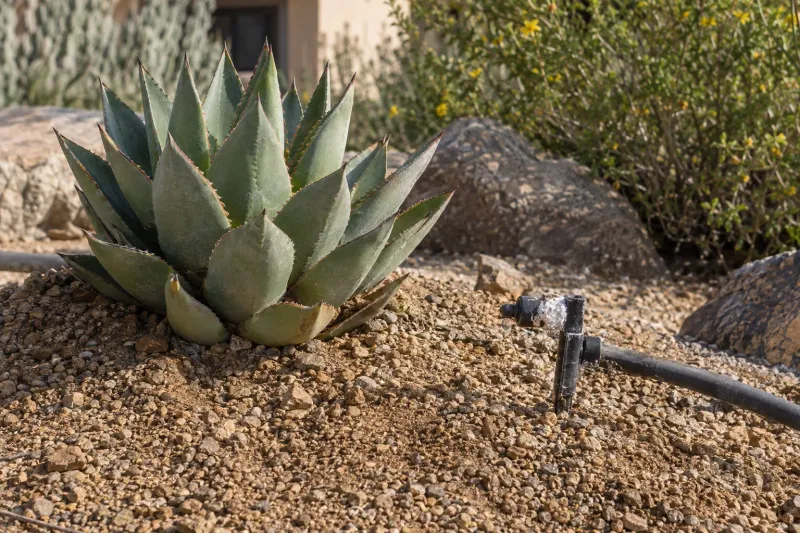
Sprinklers running in the middle of a rainstorm happen more than anyone likes to admit. For succulents, that extra water can tip a wet week into a rot problem.
During rainy months, most outdoor succulents get plenty from the sky. Many Florida counties also have watering rules, and adding a rain sensor to your irrigation system helps skip cycles after storms.
You can also set succulent zones to run rarely or not at all in summer.
Before you water anything, check the soil. Push a finger or wooden chopstick a couple of inches deep.
If it feels damp or comes out with soil stuck to it, wait.
Let the mix dry out well between waterings. Lift potted plants to judge weight, since a dry pot feels noticeably lighter.
That simple habit saves a lot of guesswork.
Watering early in the day helps too. Leaves and soil dry faster in morning sun, which gives fungi less time to settle in.
Watering in the evening, when humid air lingers overnight, gives those problems a head start. Think of the watering can as a backup plan from June through September.
8. Healthy Succulent Cuttings Can Give a Rotting Plant a Second Chance
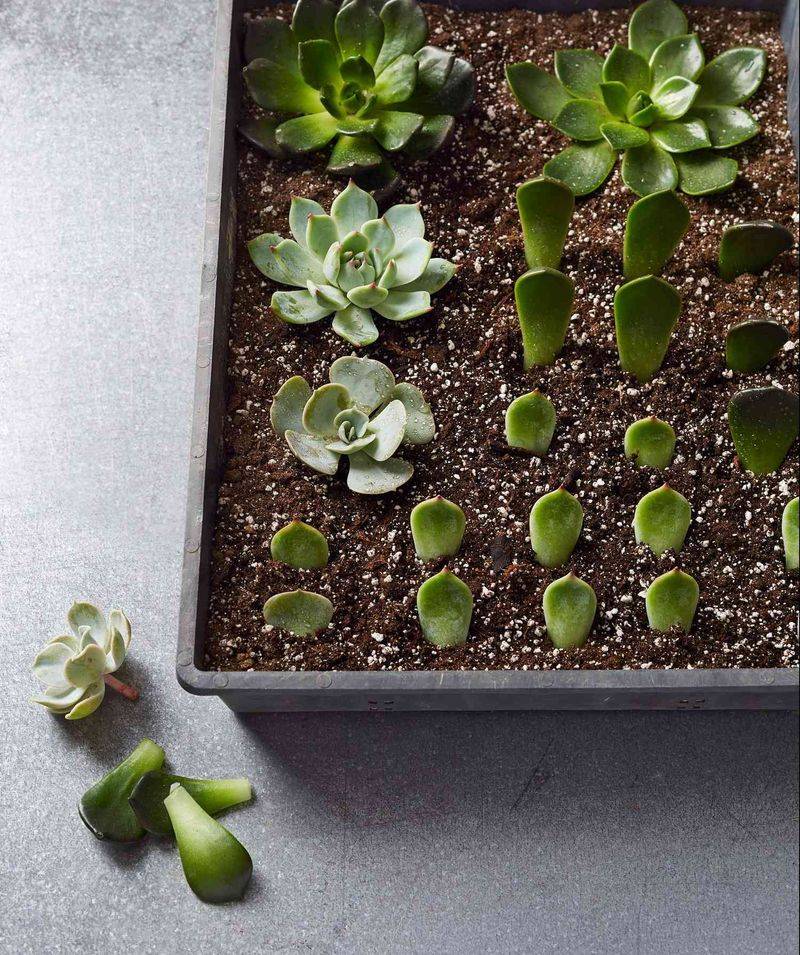
Rot does not have to be the end of the story. Many succulents grow happily from cuttings, so a sliver of healthy tissue can start a new plant.
First, spot the signs early. Watch for soft, translucent, or blackening leaves, especially near the base.
A mushy stem or a sour smell from the soil also points to rot.
Unpot the plant and inspect the roots. If only a few roots are damaged, trim them with clean, sharp shears and repot into fresh, dry, gritty mix.
Wipe your tools with a household disinfectant between cuts to avoid spreading trouble.
If the stem is rotting, cut well above the soft area until the inside looks firm and clean. Healthy leaves can be gently twisted off for propagation too.
Toss the rotted parts and old soil in the trash rather than the compost.
Let cuttings dry in a shaded, airy spot for several days until the ends form a callus. Then set them on fresh succulent mix and hold off watering until roots appear.
I keep a little tray of backups all summer. Losing one plant stings less when three baby clones are waiting in the wings.