The Stinky Orange Beetle Swarm Illinois Homeowners Cannot Escape
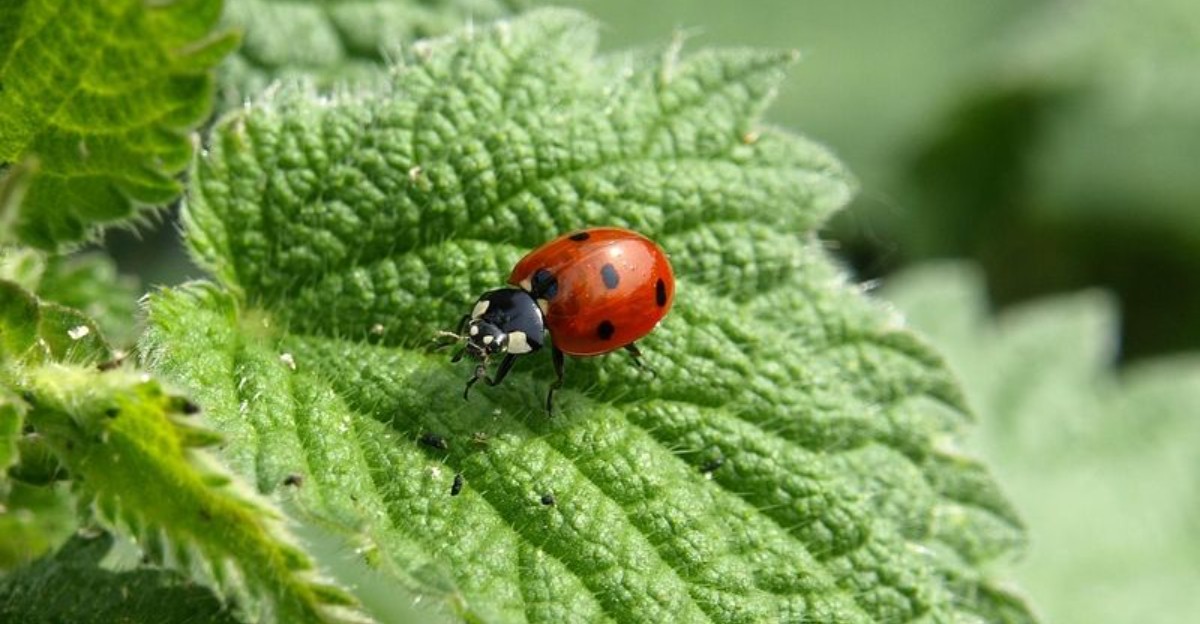
Some bugs bleed from their knees on purpose when you bother them. That yellow-orange ooze smells awful, tastes bitter to birds, and leaves stains on white window sills.
I learned this the hard way last October, when a sunny afternoon turned my south wall into a polka-dot carpet.
Hundreds of little orange domes crawled across the siding like they owned the place. A few even slipped past the window trim and showed up in my kitchen weeks later.
Here in Illinois, this crowd arrives every fall, and many folks blame the wrong insect. Across Illinois, you might notice them buzzing around lamps on a warm November day, long after you thought the season was over.
The answer traces back to a farm experiment from decades ago. These invaders didn’t pick your house by accident, and the story of how they got here explains everything.
Those Orange Spotted Beetles on Your Siding Have an Unexpected Backstory
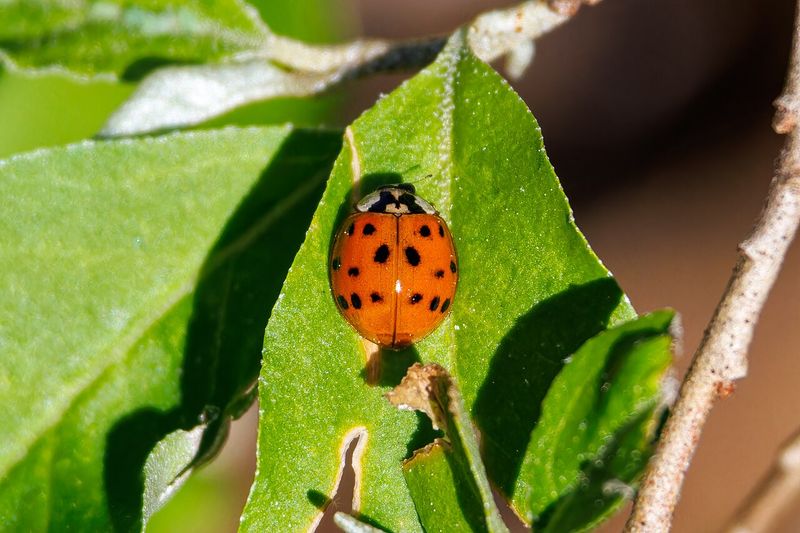
For much of the 20th century, the USDA and state agencies released multicolored Asian lady beetles in several states to munch on aphids in pecan orchards and other crops. Wild populations were confirmed in Louisiana in 1988, and they spread fast across the country.
Illinois got its share by the early 1990s. Today these orange or reddish beetles, sometimes spotless and sometimes covered in up to 19 black dots, rank among the most common fall invaders in the Midwest.
The stink comes from a defense trick called reflex bleeding. When you pinch, swat, or sweep one, it squeezes a yellow-orange fluid from its leg joints.
That liquid carries chemicals called methoxypyrazines, which smell musty and bitter and can stain light paint, fabric, and carpet.
I find it oddly impressive. A bug the size of a pencil eraser has its own chemical alarm system.
They do not damage wood, wiring, or insulation, and they do not breed inside your home over winter.
A few people react with allergy symptoms, and the beetles may give a small pinch on bare skin, but they are mostly a smelly nuisance rather than a real threat. Knowing that helps you stay calm when a dozen show up on the curtains.
Asian Lady Beetles Picked Your Sunny South Wall for a Reason
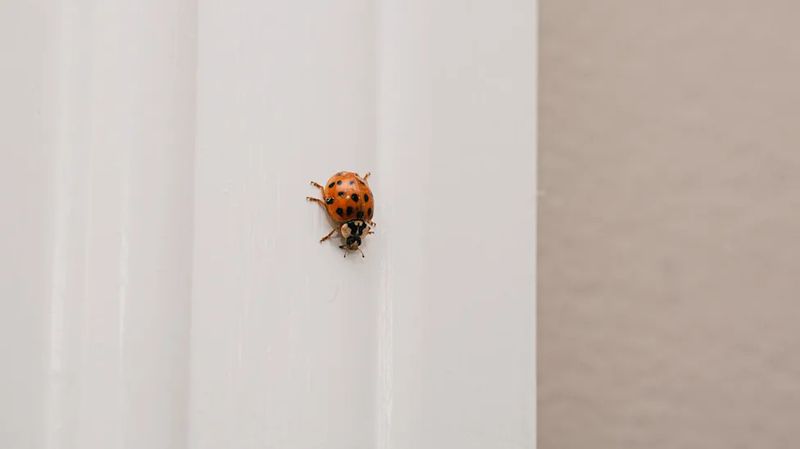
Sunshine is the magnet. On the first warm, bright days after a cold snap in late September or October, these beetles take flight and look for a winter hideout.
In their native range in eastern Asia, they gather on sunlit cliffs and rocky outcrops. Your house, especially a light-colored wall facing south or west, looks like the next best thing.
Researchers have found they favor surfaces that contrast with their surroundings, so a pale house near a wooded edge is a prime target.
Once they land, they release scents that signal other beetles to join in. That explains why one house gets crowded while the place next door seems quiet. Leftover chemical traces can even draw new beetles to the same spot the following fall.
From there, they crawl into gaps behind siding, window frames, soffits, and attic vents. Inside wall voids, they slow down and wait out winter in a resting state.
Mid-November is when many homeowners get confused. A sunny afternoon warms the walls, the beetles wake up, and they wander toward light inside the house.
They are not hatching there. They are simply lost and looking for a way back outside, and northern counties can see the big fall flights a bit earlier than southern ones.
Sealing Cracks Around Windows With Caulk Beats Any Spray Bottle
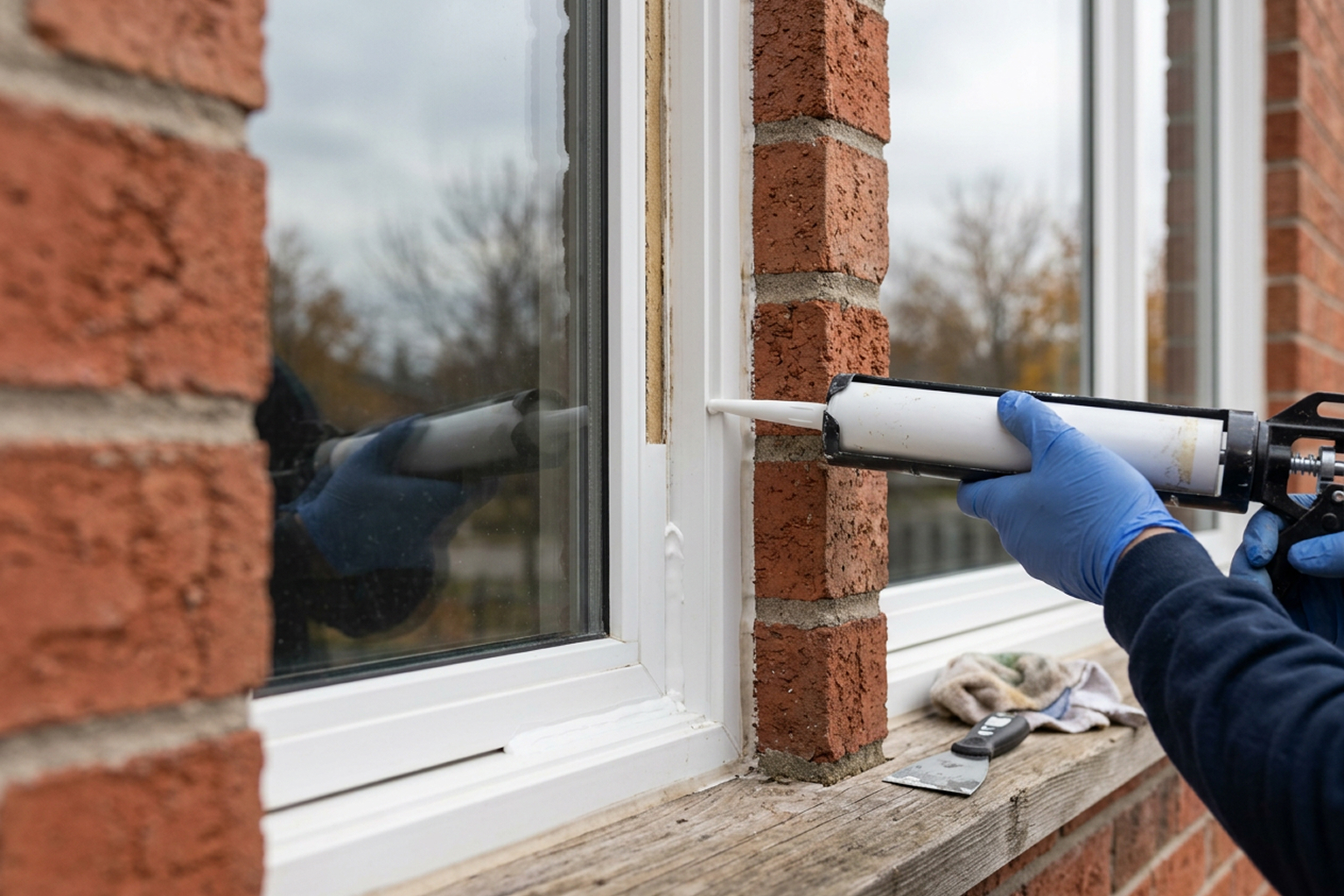
Caulk is not glamorous, but it does more than any can of bug spray. University of Illinois Extension and most entomologists agree that blocking entry points is the best long-term fix.
Walk around your house on a bright day and look for gaps you can slide a credit card into. Common trouble spots include window and door frames, spaces around outdoor faucets, dryer vents, cable lines, and the seam where siding meets the foundation.
Fill small cracks with a quality silicone or silicone-latex caulk. For larger openings around pipes, use expanding foam, copper mesh, or backer rod first. Add door sweeps, and patch torn window screens with fresh mesh.
Don’t skip the roofline. Soffits, fascia boards, and attic vents often have gaps, and fine screening behind vents keeps beetles out while still letting air move.
Indoor sprays and foggers are a waste of money here. The beetles hide in wall voids where sprays can’t reach, and you could end up with a pile of stinky bodies inside the walls that attract carpet beetles later.
Since it’s already November, focus on interior gaps now. Seal around window trim, baseboards, light fixtures, and ceiling fans to keep wanderers out of your living spaces.
A Vacuum Hose With a Nylon Stocking Saves Your Nose and Your Curtains
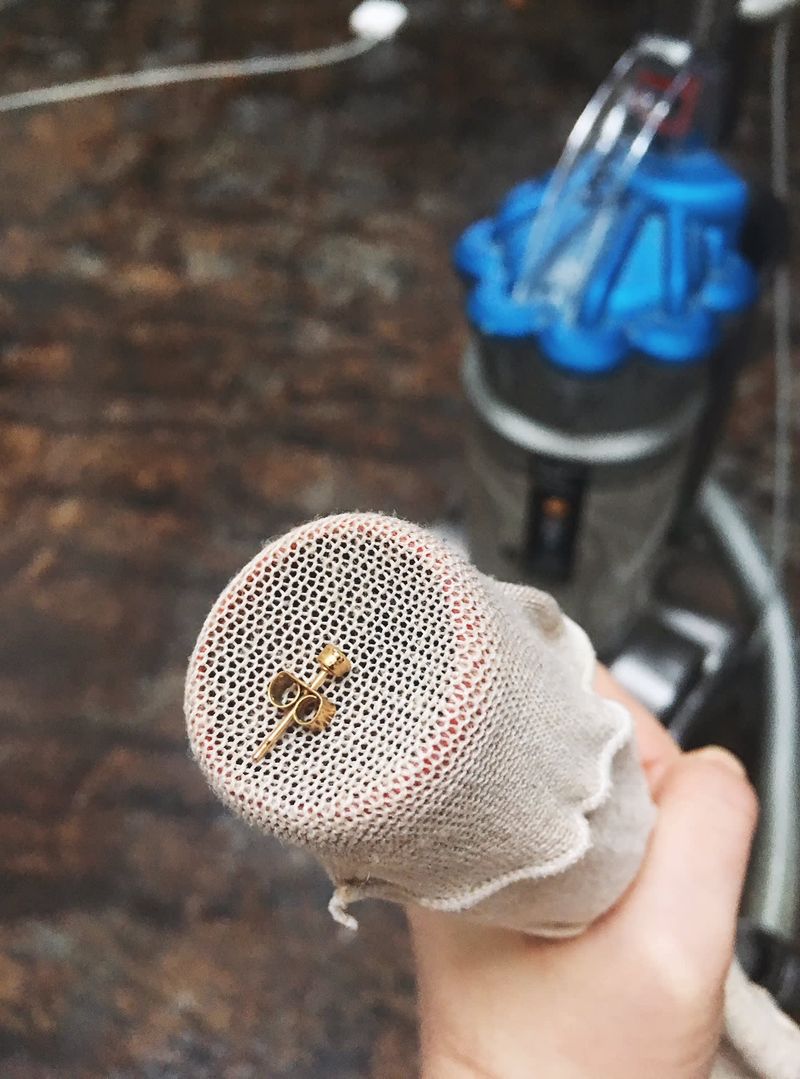
Grab the vacuum, not the paper towel. Squishing a lady beetle or stink bug releases that sour odor right onto your hands, and swatting them on a curtain can leave an orange stain that laughs at your laundry detergent.
My favorite trick is simple. Slip a knee-high nylon stocking into the end of the vacuum hose, then secure it with a rubber band.
The beetles collect in the stocking instead of the bag, and you can pull it out and tie it shut. Many folks dump the catch into a bucket of soapy water, which ends the problem fast. Others release the beetles outdoors, though in cold weather they rarely make it far.
If you use a regular household vacuum, empty it right away. The smell can cling to filters and bags for days, which is why some people keep a cheap shop vac just for bug duty.
A broom and dustpan works too. Sweep the beetles gently into a container of soapy water, and the soap breaks the surface tension so they can’t climb out.
Try a simple light trap in a dark room as well. Point a lamp into a foil pan of soapy water at night and check it each morning.
That Brown Shield-Shaped Stink Bug Is a Different Houseguest
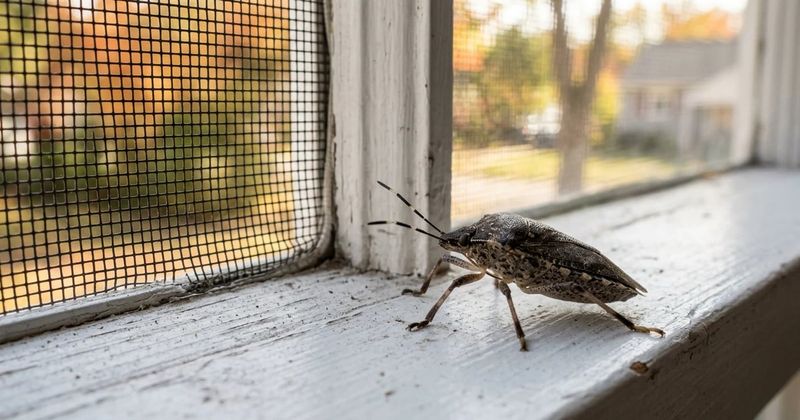
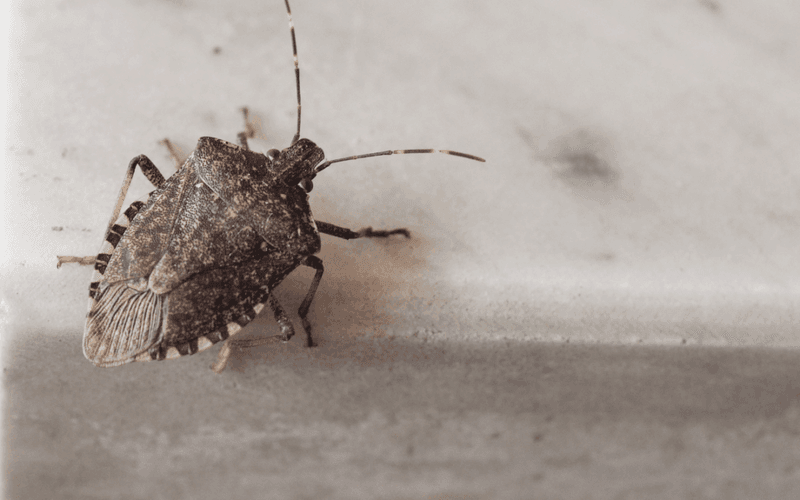
Not every smelly bug on your windowsill is orange. Plenty of Illinois homes also host the brown marmorated stink bug, an invasive insect from Asia first found in Pennsylvania in the late 1990s.
Adults are about half an inch to three quarters of an inch long and shaped like a little shield. Look for light and dark bands on the antennae and along the outer edge of the body.
Young nymphs are a mix of reddish orange and black, which is one reason people mix up all these critters.
A stink bug is not a beetle at all. It is a true bug with piercing, straw-like mouthparts, while lady beetles have hard rounded wing covers and chewing jaws.
Both insects follow the same fall script, though. Shorter days and cooler nights push them into a resting state called diapause, and they look for warm cracks in houses, garages, and barns.
Indoors, neither one feeds on your food, damages your house, or breeds over winter. The same prevention and vacuum tricks work for both.
A quick photo sent to your local Extension office can confirm which one you have if you’re unsure.
A Black M Marking Behind the Head Reveals Which Lady Beetle You Have
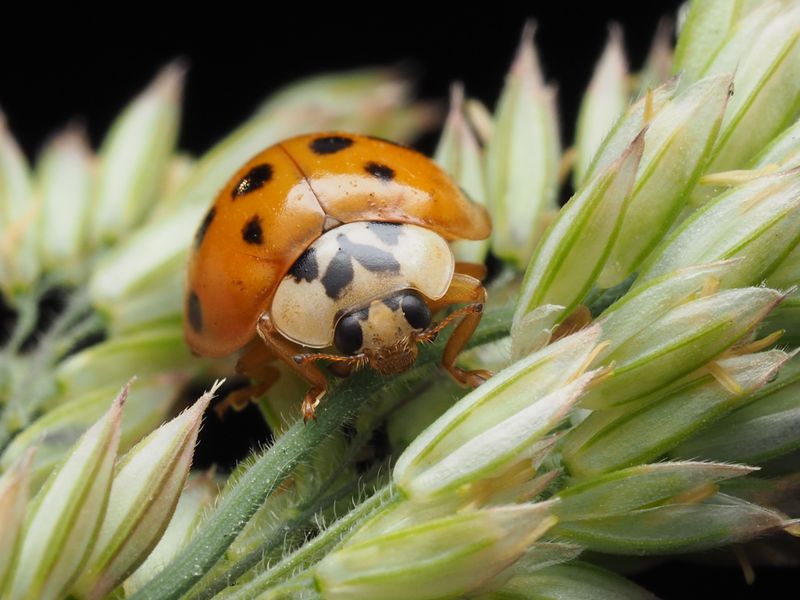
Turn your attention to the area right behind the beetle’s head, called the pronotum. On a multicolored Asian lady beetle, that white section usually shows a black mark shaped like an M or W, depending on which way you look at it.
Native lady beetles, like the convergent lady beetle and the spotted pink lady beetle, rarely gather on houses in big crowds. They usually spend winter outdoors under leaf litter or in sheltered spots.
Color won’t help much. Asian lady beetles come in pale yellow, tangerine, bright red, and occasionally black with red spots. Spot counts range from none to nineteen.
Size offers another clue. Asian lady beetles are about a quarter inch long, a touch bigger and more dome-shaped than many native species.
One more lookalike deserves a mention. Boxelder bugs, which are black with red-orange lines, also cluster on sunny walls in fall, especially near boxelder and maple trees. They don’t stink as much but can leave small stains.
I keep a magnifying glass by the back door just for this game. Kids love it, and it turns a gross moment into a quick science lesson about who’s actually visiting your home.
Lady Beetles Munching Aphids in Your Garden Are Summer Helpers
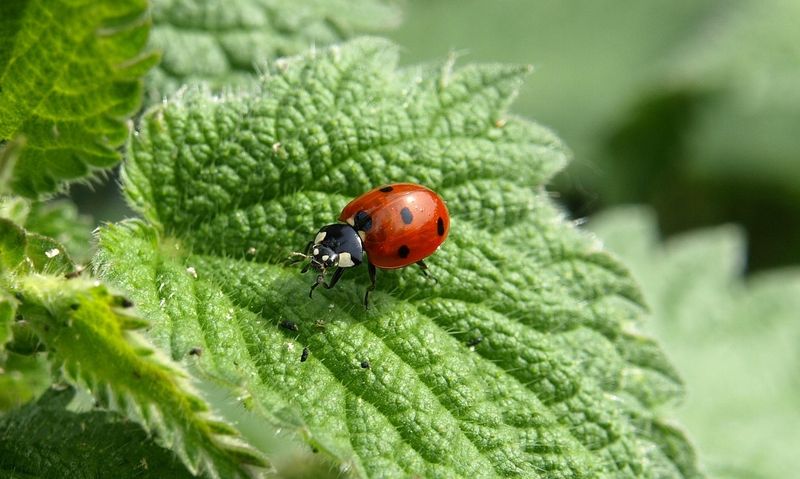
Strange as it sounds, the beetles crowding your siding were probably working for you all summer. A single Asian lady beetle can eat dozens of aphids a day, and the larvae are hungry little eaters too.
They help keep aphids, scale insects, and other soft-bodied pests down on roses, fruit trees, soybeans, and vegetable plants. Midwest farmers have counted on them to help control soybean aphids.
That’s one reason experts suggest you skip broad-spectrum insecticides on outdoor walls and gardens. Those sprays also hit parasitic wasps, lacewings, spiders, and native lady beetles that keep your garden balanced.
There is a downside. In late summer, Asian lady beetles sometimes chew into ripe, damaged fruit like grapes, raspberries, and pumpkins when aphids get scarce. Picking ripe fruit promptly and removing split or overripe pieces helps.
Brown marmorated stink bugs are a different story in the garden. They pierce tomatoes, peppers, apples, and sweet corn, leaving pitted, cloudy spots.
Hand-picking them into soapy water and covering prized fruit with mesh bags are simple fixes.
So when you see orange beetles on aphid-covered stems in July, let them work. Your effort belongs at the door, not in the garden.
Late August Screen Repairs and Door Sweeps Keep Next Fall’s Beetles Outside
Mark your calendar for late August. That’s the sweet spot for home prep, before the first big flights in late September and October.
Start with a slow walk around your house and finish any caulking, screen repair, and door sweep jobs. Install fine mesh behind attic and soffit vents if you haven’t already.
Consider your outdoor lighting too. Switching to yellow or warm LED bulbs, or using motion-activated fixtures, can attract fewer stink bugs and other night fliers.
If you’ve had heavy invasions for years, a licensed pest professional can apply an exterior perimeter treatment in early fall.
Timing matters, since the treatment works best before beetles slip inside. Ask about products labeled for this use and follow every label direction.
For the rest of this winter, keep your vacuum and stocking handy. Expect a few beetles to pop out on sunny days through March and April, then head back outside as spring warms up.
I’ve learned to accept a handful of visitors as part of living near Illinois fields and woods. With a bit of planning, you can turn a smelly swarm into a few stray guests that barely bother your afternoon.