Can You Burn Leaves in North Carolina? The Answer Depends on Your County
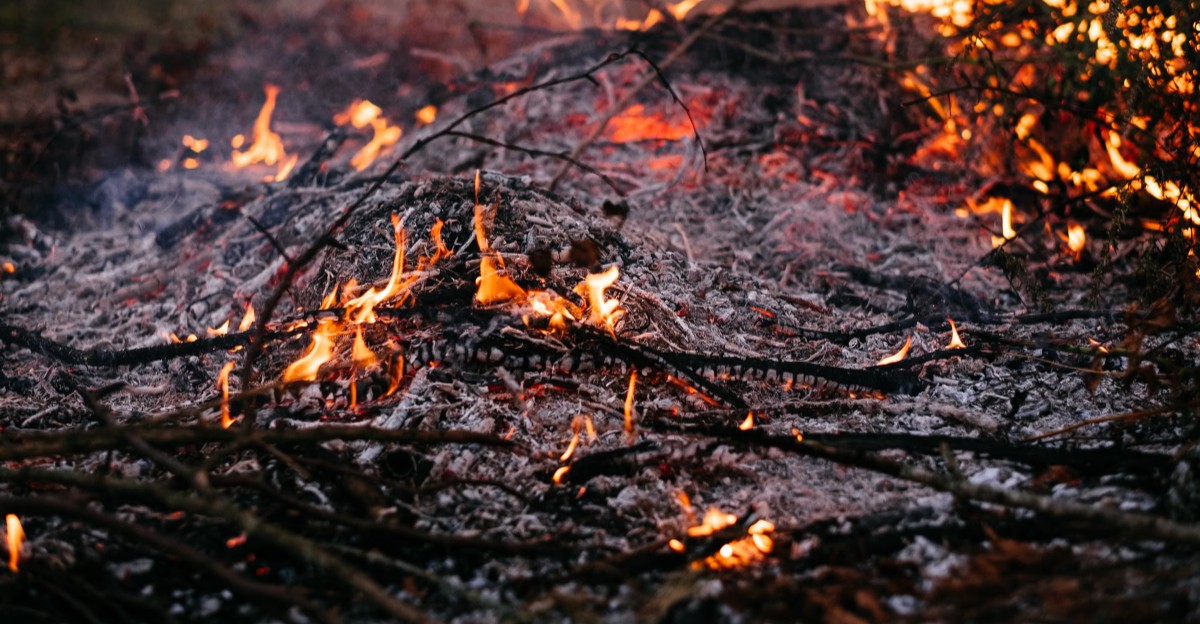
A pile of oak leaves can be perfectly legal to burn on one side of a county line and earn you a fine on the other.
That surprised me the first time I learned it. The smoke smells like every childhood fall I remember, yet the rules behind it read like a patchwork quilt stitched by dozens of different hands.
In North Carolina, a backyard fire answers to the state, the forest service, your county, and sometimes your town. Each one can add its own twist, from permit rules to strict hours to outright bans in city limits.
I know how frustrating it can be when you rake for hours and then freeze, match in hand, wondering if you are about to break a law. The real question is who gets the final word on your leaf pile, and the answer might live closer to home than you think.
1. That Raked Leaf Pile Is Not Banned Statewide, but There Is a Catch
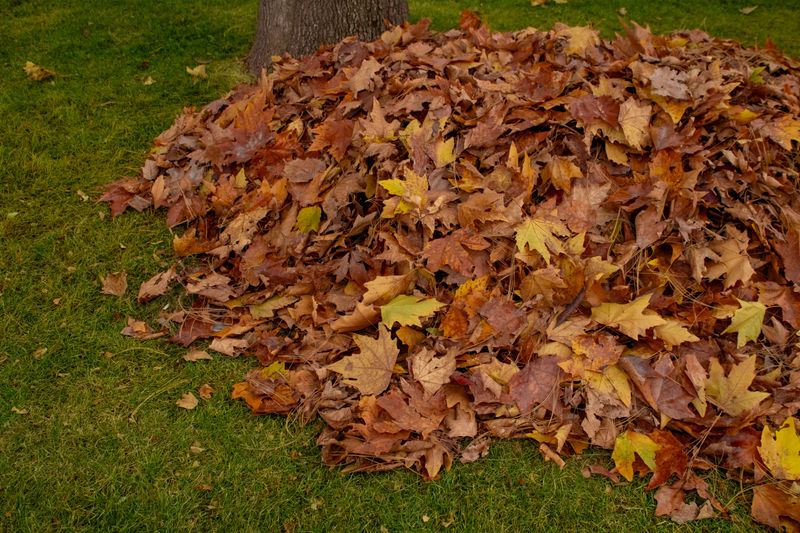
Good old fallen leaves sit in a special category under state air quality rules. North Carolina does not ban burning leaves everywhere, which surprises a lot of folks who assume it is flat-out illegal.
The catch is about what goes in the pile. State rules allow burning natural vegetation like leaves, limbs, and brush that grew on the property where you burn it. Anything man-made is off limits, including trash, plastic, tires, treated lumber, and household garbage.
There is another twist many people miss. The state rule says residential yard waste burning is allowed only when no public pickup service is available. If your town runs a curbside leaf truck, that alone may mean you should not burn.
I like to think of the state rules as the floor, not the ceiling. They set the minimum standards, and everything else stacks on top of them. So yes, burning leaves can be legal in many rural spots.
Still, the pile must be pure yard debris from your own land, and you need to clear several more hurdles before striking a match. Those hurdles come from the forest service, the air quality forecast, and most of all, your local government.
2. Your County Ordinance Gets the Last Word on Leaf Fires
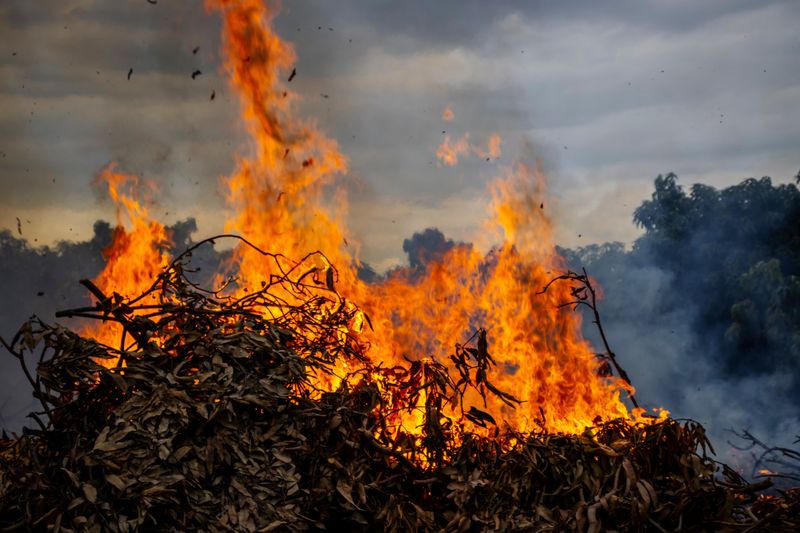
Local ordinances are the heart of this whole story. State law lets counties, cities, and towns pass stricter rules on open burning, and many of them do.
Inside most city limits, burning leaves is often prohibited outright. Towns tend to offer leaf collection instead, and smoke drifting into a neighbor’s bedroom window causes real headaches in tight neighborhoods.
Some towns, like Canton in the mountains, publish their own burning rules, so a quick look at your town website pays off.
Counties vary too. Some require a local permit from the fire marshal in addition to any state paperwork. Others limit burning to certain days, set pile size limits, or require someone to stay with the fire the entire time.
My best advice is simple. Call your county fire marshal or check your county website before you burn, because two neighboring counties can have very different answers.
Homeowners associations can add one more layer. Even if the county allows burning, your HOA covenants may forbid it, and those rules can carry their own penalties.
One phone call can save you a fine, a visit from the fire department, and an awkward chat with the neighbors.
3. A Free N.C. Forest Service Burn Permit Is Often Required
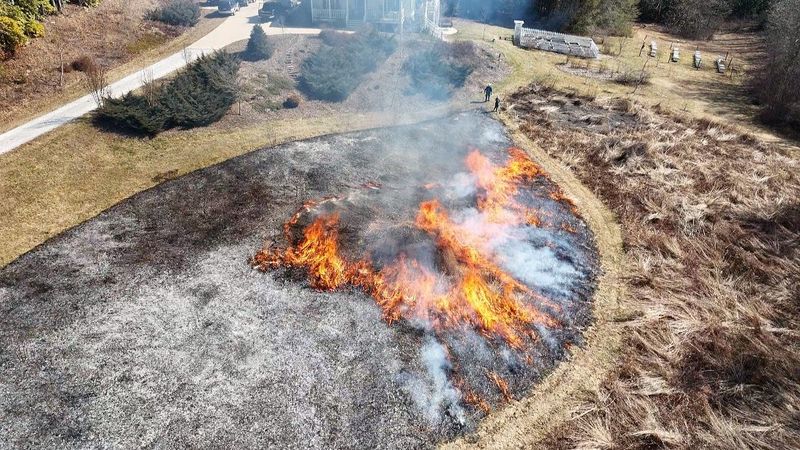
Getting a burn permit in North Carolina costs nothing, and it takes just a few minutes. The N.C. Forest Service issues them online, at many local businesses that serve as permit agents, and at county forestry offices.
State law requires a permit for open burning within 500 feet of woodlands protected by the forest service. That covers a huge share of rural yards, since so many homes sit near patches of trees.
A permit works more like a heads-up than a request. It tells forestry staff that you plan to burn, so they know a smoke column near your place is not a runaway wildfire.
Permits are valid for a set window of time, so read the dates carefully. They also become void the moment a burn ban takes effect.
Here is something many people do not realize. Getting a state permit does not override county or city rules. If your town forbids burning, the forest service permit will not save you from a local citation.
Keep your permit handy while you burn, either printed or on your phone. If a ranger or deputy stops by, you can show it right away and get back to tending your fire.
4. Check the Air Quality Forecast Before the Smoke Rises
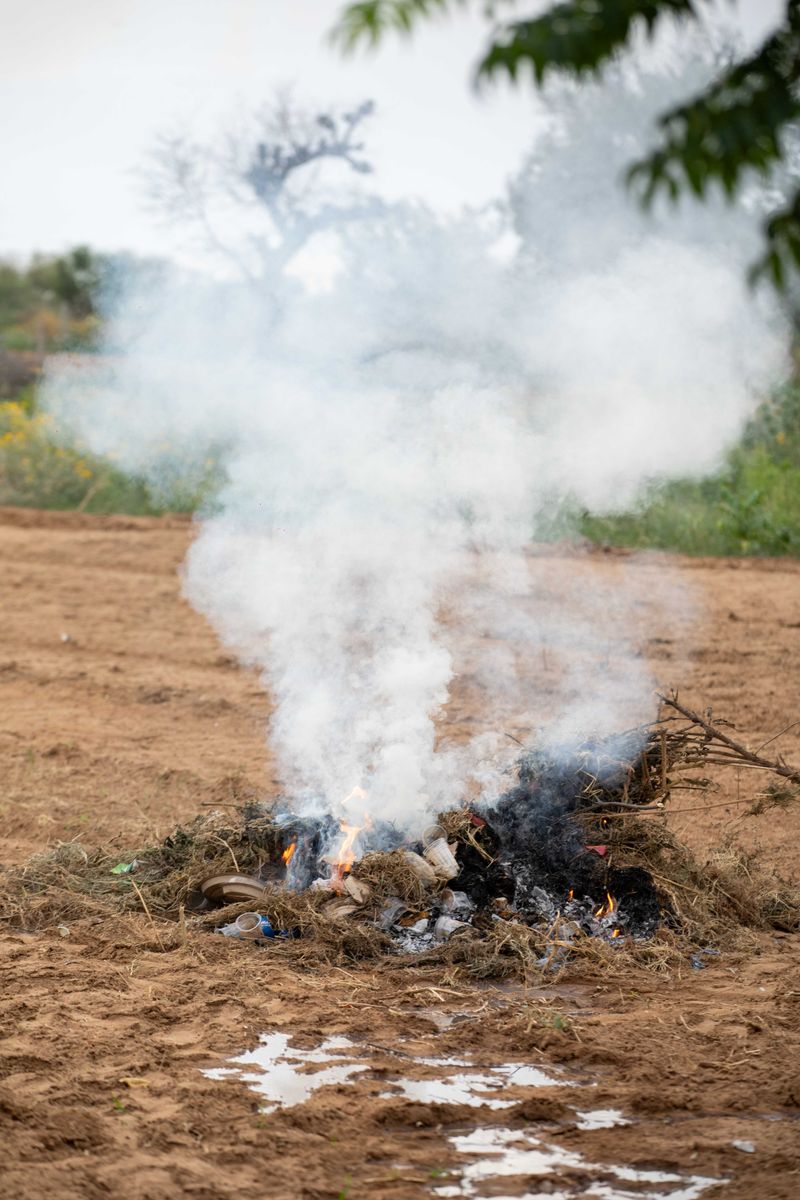
Smoke does not stay in your yard. It drifts across roads, into open windows, and into the lungs of people with asthma, which is exactly why the state watches air quality so closely.
Under rules enforced by the North Carolina Division of Air Quality, residential yard waste fires are allowed only when the air quality forecast for your area is Code Green or Code Yellow. If the forecast reads Code Orange or worse, the burn should wait.
You can find the daily forecast on the state air quality website or on many weather apps. I check it the same way I check for rain before planting, quickly and every single time.
Wind matters as well. Calm days let smoke hang low near the ground, while gusty days carry sparks toward trouble. A light, steady breeze blowing away from homes is the sweet spot.
Damp leaves create a surprising amount of thick, gray smoke. Letting your pile dry for a few days helps it burn cleaner and faster.
Being a considerate burner keeps neighbors happy, too. Many complaints to fire departments start with smoke, not flames, so a little planning keeps everyone breathing easier.
5. Daylight Hours and Safe Distances Keep a Brush Fire Legal
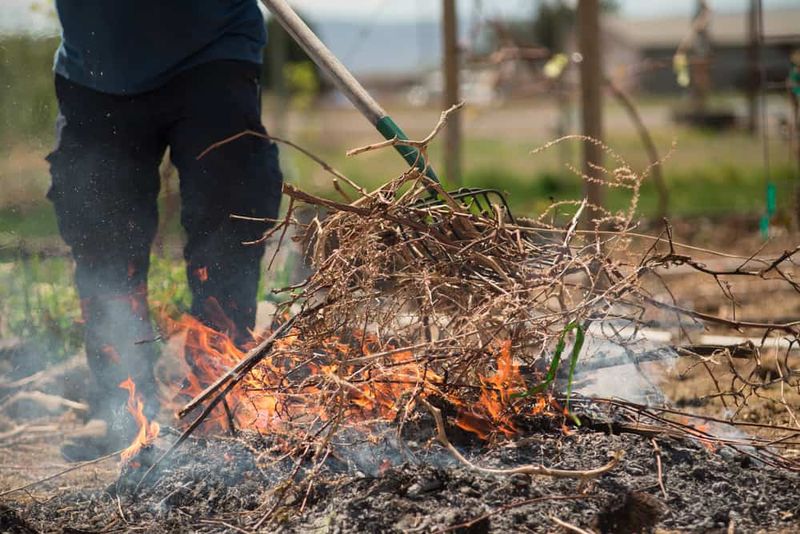
Timing is a big deal with yard waste fires. State air rules say you may start burning only after 8 a.m. and must stop adding material by 6 p.m. Distance rules matter just as much.
The state’s 500-foot distance from occupied buildings and 250-foot distance from public roads apply to land clearing fires, not backyard leaf piles. Even so, keeping smoke well away from neighbors’ homes and nearby roads is the safe and courteous choice.
Smoke blowing over a highway can blind drivers in seconds. That rule exists for good reason, so watch the wind direction before you light.
A few safety habits make a big difference. Clear a wide ring of bare dirt around the pile, keep a charged garden hose and a rake within reach, and stay with the fire until the last ember is out.
Small piles beat big ones. Feeding leaves in gradually keeps flames manageable and cuts the smoke.
When the work is done, drown the ashes and stir them. Hidden embers can smolder for hours and flare up later, which is how many escaped yard fires start long after people head inside.
6. A Burn Ban Cancels Every Leaf Fire Plan Instantly
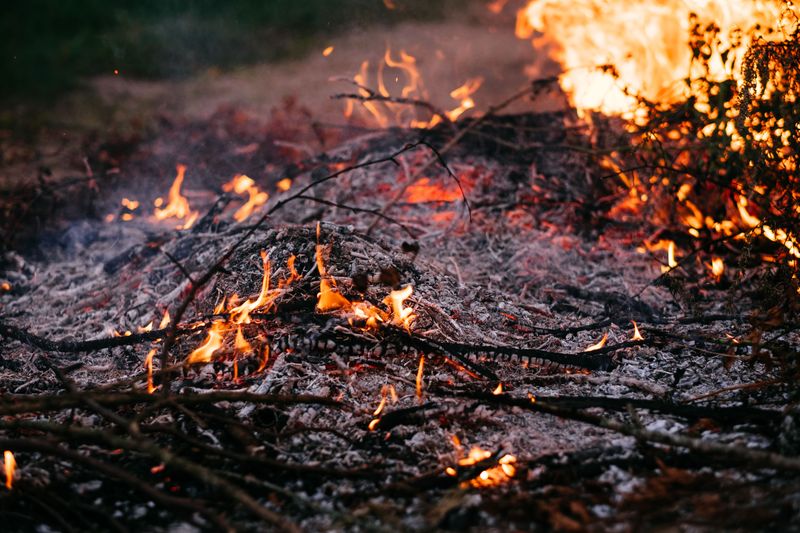
Dry autumn weeks bring a familiar headline across the state. A burn ban can arrive quickly when drought, low humidity, and wind line up.
The N.C. Forest Service can ban open burning in specific counties or statewide. Local fire marshals can issue their own bans too.
Once a ban starts, all existing permits are canceled, and burning becomes illegal until officials lift it.
Fall and spring are the busiest wildfire seasons here. Leaves are crunchy, grass is dormant, and a single stray spark can race into the woods.
Breaking a ban is costly. Violators can face fines plus court costs, and anyone whose fire escapes may be billed for the cost of putting it out. That bill can grow far larger than any fine.
The coast has extra rules of its own. A group of eastern counties considered high hazard for wildfire, such as Brunswick and Carteret, have stricter permit requirements because of their flammable pocosin and pine landscapes.
Before you burn, check the forest service website or your county emergency management page that same morning. Bans can begin overnight, and yesterday’s green light may already be red.
7. Plastic Bags and Trash Turn a Leaf Fire Into a Fine
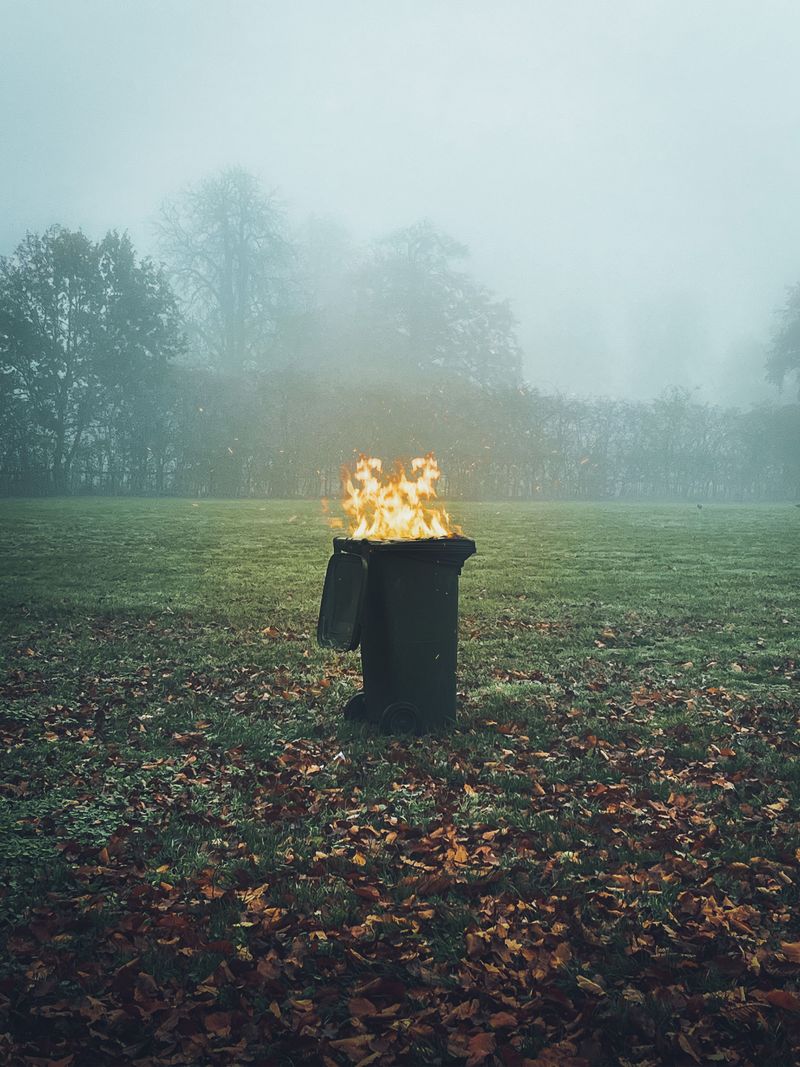
Plenty of well-meaning folks toss a few extras onto the pile. A pizza box here, an old fence board there, maybe the plastic bag the leaves came in.
That habit lands people in real trouble. State rules prohibit burning household trash, plastics, tires, painted or treated wood, and construction debris. Burning these can release harmful chemicals into the air and leave toxic ash in your soil.
Treated lumber deserves special caution. Older pressure-treated wood may contain arsenic compounds, and smoke from it is something no gardener wants near a vegetable bed.
Leaves hauled in from someone else’s property are also off limits. The rule covers vegetation grown on your own land, not the neighbor’s bags or a load from across town.
Fines from the Division of Air Quality for illegal burning can be steep, and local penalties may pile on top. Repeat problems can grow costlier.
Keep your fire simple. Leaves, twigs, and small branches from your own yard should be the only fuel, and anything else belongs in the trash, recycling bin, or a county convenience center.
8. Shredded Leaves Make Free Mulch and Compost for Your Garden
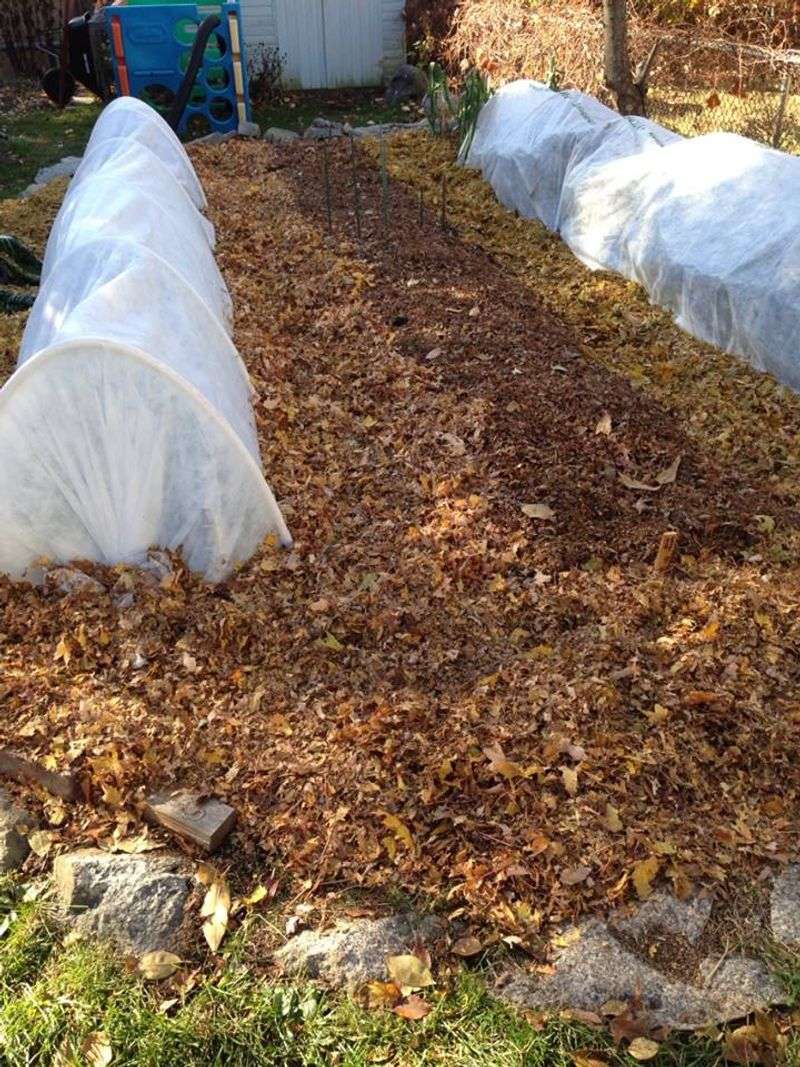
Honestly, burning those leaves sends free fertilizer up in smoke. Fallen leaves hold minerals that trees pulled from deep in the soil, and your garden would love them back.
Mowing over leaves on the lawn is the easiest option. NC State Extension notes that shredded leaves break down quickly and feed the grass when you mow them in place.
Leaf mulch is another winner. Shred leaves with a mower, then spread a few inches around shrubs and perennial beds to hold moisture and calm winter temperature swings.
Composting turns leaves into rich, crumbly soil. Mix brown leaves with green material like grass clippings or kitchen scraps, keep the pile damp, and turn it now and then.
Leaf mold is my favorite lazy trick. Pile wet leaves in a wire bin, walk away for a year or so, and you get a dark, earthy soil booster.
Many towns also offer curbside leaf vacuums or drop-off sites, and some give the finished mulch back to residents. Whatever you choose, check your county rules first, then pick the option that keeps your yard tidy and your soil happy.