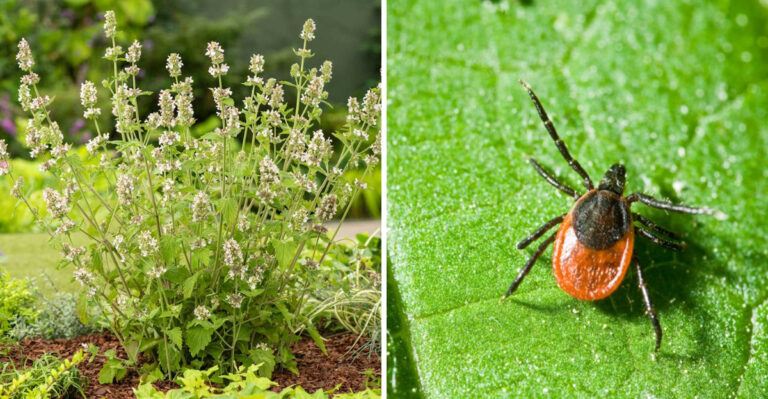
This Mouse-Sized Pennsylvania Animal Has A Venomous Bite, And It Could Be Hiding Under Your Mulch
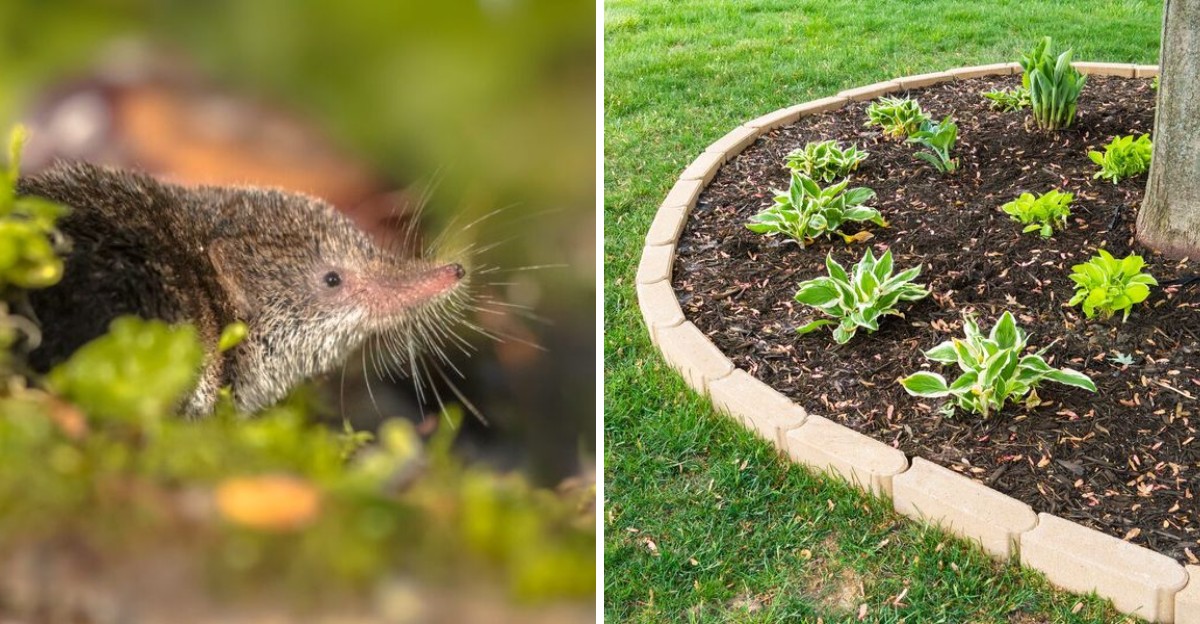
A furry animal about the size of a mouse can make venom in its spit. It lives in Pennsylvania, and it may be tunneling under your flower beds right now.
Nobody warned me that a garden critter this tiny could paralyze its dinner. It has teeth tinted a rusty red and eyes almost too small to see. It also eats so much that it barely stops to rest.
I used to blame every little rustle in my mulch on mice. Then I learned that some of those quick gray blurs were something else. Personally, I think this little hunter deserves far more credit than it gets.
The most surprising part is how helpful it can be for your plants. So should you worry, cheer, or simply wear thicker gloves next time you dig?
That Gray Blur In Your Mulch Bed May Not Be A Mouse
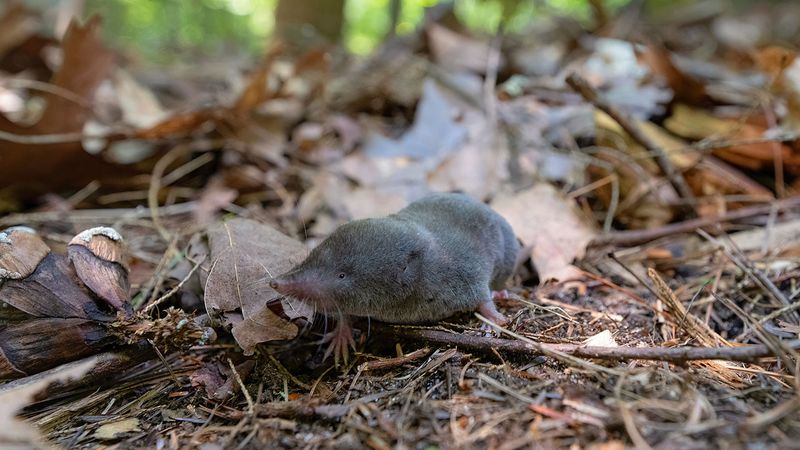
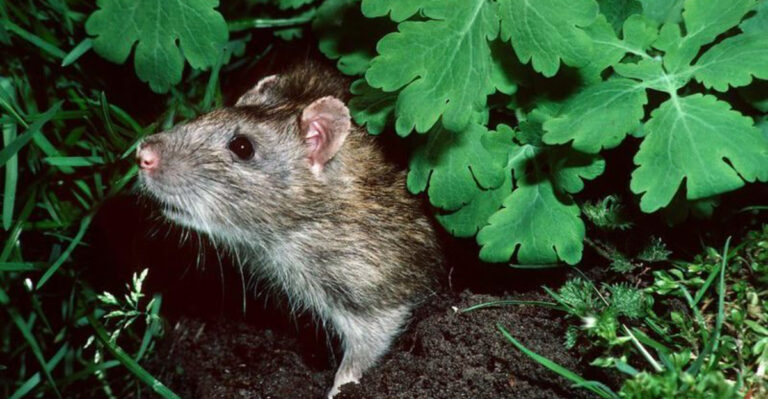
Take a closer look at the next small gray critter darting through your garden. A long, pointed snout and a stubby tail are big clues. Mice have big ears, big eyes, and long tails, but this animal has almost none of that.
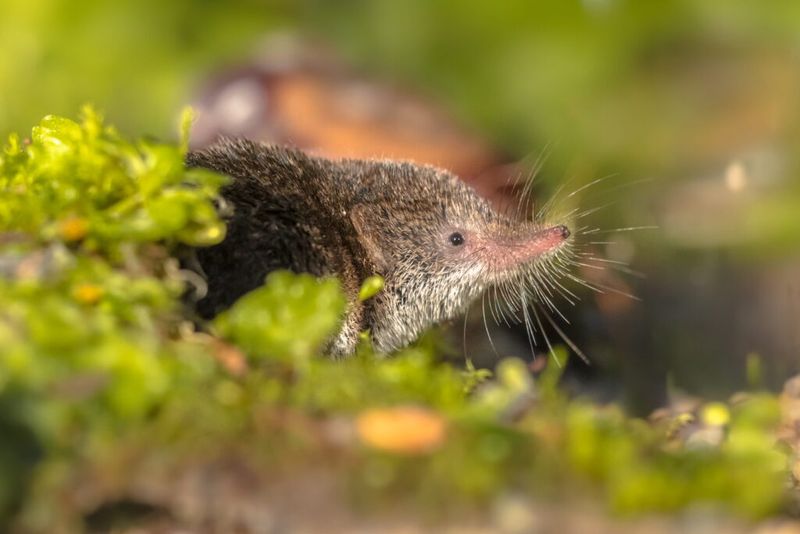
Meet the culprit, the northern short-tailed shrew. It is about 4 to 5 inches long, including a tail of only an inch or so.
Its fur is soft, thick, and slate gray, a lot like velvet. The eyes are so small they hide in the fur, and the ears barely show at all.
Shrews are not rodents. They belong to a group of insect-eating mammals related to moles. That means they do not gnaw on your bulbs or chew wires like mice often do.
Pennsylvania Game Commission sources list this shrew as one of the most common small mammals in the state. Even so, most people rarely see one. It spends much of its life under leaves, soil, snow, and mulch.
Here is a quick tip I love. If you find one, check the teeth from a safe distance in a photo. Shrews have teeth with reddish-brown tips, caused by iron in the enamel.
Venomous Shrew Saliva Works Like A Tiny Paralyzing Potion
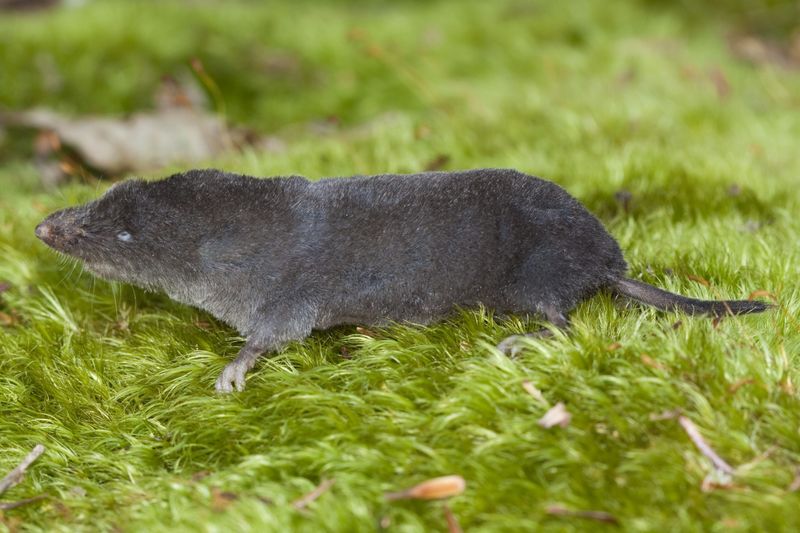
Venomous mammals are rare, and one of them lives in Pennsylvania backyards. The northern short-tailed shrew has glands below its jaw that make toxic saliva. When it bites, that saliva flows into the wound along grooves near its lower front teeth.
The venom contains a protein called blarina toxin. Scientists have found it works on the nervous system of small prey. It can slow or paralyze insects, worms, snails, and even small mice or frogs.
Here is the clever part. A paralyzed meal stays fresh, so the shrew can store food for later. Researchers have found caches of stunned beetles and snails tucked into shrew tunnels.
This trick makes sense when you see how tiny the shrew is. It weighs about as much as two or three quarters. Without venom, tackling a big slug or a mouse would be a real struggle.
I find it amazing that such a small animal carries chemistry this advanced. Scientists are even studying shrew venom proteins for possible medical uses, including research on pain and some cancers.
So the next time you spot a tunnel in your mulch, remember there may be a tiny chemist working below.
A Shrew Bite Stings But Rarely Causes Serious Trouble
So, should you panic about a shrew bite? Not at all. For people, the bite is mostly a painful nuisance rather than a medical emergency.
People who have been bitten often describe burning pain and some swelling near the bite. The discomfort may last for several days in some reports.
The amount of venom is tiny compared to a human body, so serious reactions are uncommon.
Bites mostly happen when someone grabs or traps a shrew. These animals do not hunt people. They bite in self-defense, just like most wild creatures would.
If a bite does happen, wash it well with soap and warm water. Keep an eye on it for redness, heat, or pus, which can point to infection. Call your doctor if swelling grows, or if you have health concerns or allergies.
Shrews can carry rabies in rare cases, like any mammal. Pennsylvania health officials advise reporting any wild mammal bite to a doctor, who can decide on next steps.
My simple rule is easy to follow. Wear sturdy gloves when digging in mulch, and never pick up a shrew with bare hands. That one habit takes care of almost all the risk.
Thick Mulch And Leaf Litter Make A Shrew Paradise
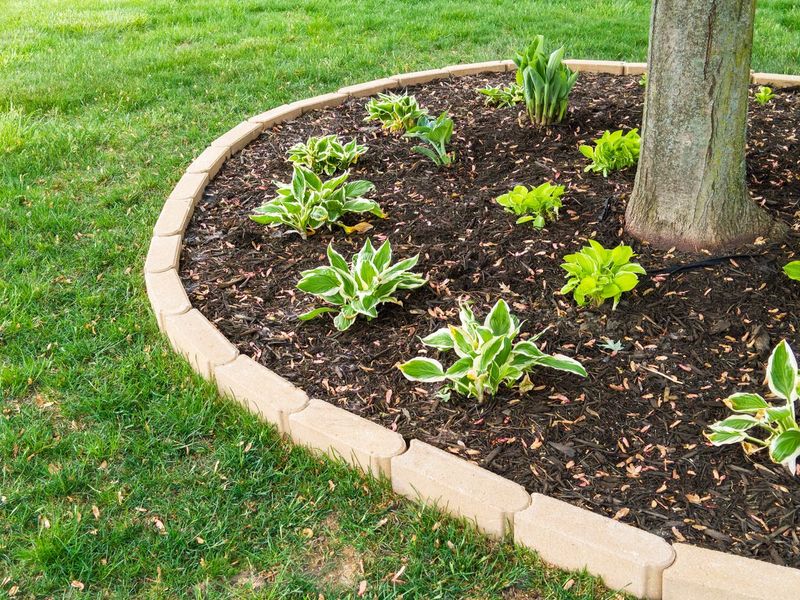
If my garden had a real estate listing for shrews, the mulch beds would sell first. Shrews love cool, damp, cover-rich ground. Loose mulch and leaf litter give them shelter, moisture, and lots of food in one spot.
These animals are semi-fossorial. That word simply means they spend much of their time digging just under the surface. They also borrow tunnels made by moles and mice.
Shrews lose moisture fast, so damp spots matter to them. A thick, moist layer of mulch keeps them comfortable. It also draws in earthworms, slugs, and beetle larvae, which are on the shrew menu.
You might spot small holes, about the size of a fingertip, along the edge of a bed. Shallow ridges in soft soil can also hint at a shrew highway. Piles of leaves near fences and woodpiles are other favorite hangouts.
Shrews stay active all year in Pennsylvania. They do not hibernate, so they keep hunting under snow during the cold months.
In spring and fall, you may notice them more when you rake or refresh mulch. Knowing their favorite spots helps you dig with a bit more care and fewer surprises.
Slugs And Grubs Fear This Tiny Garden Hunter
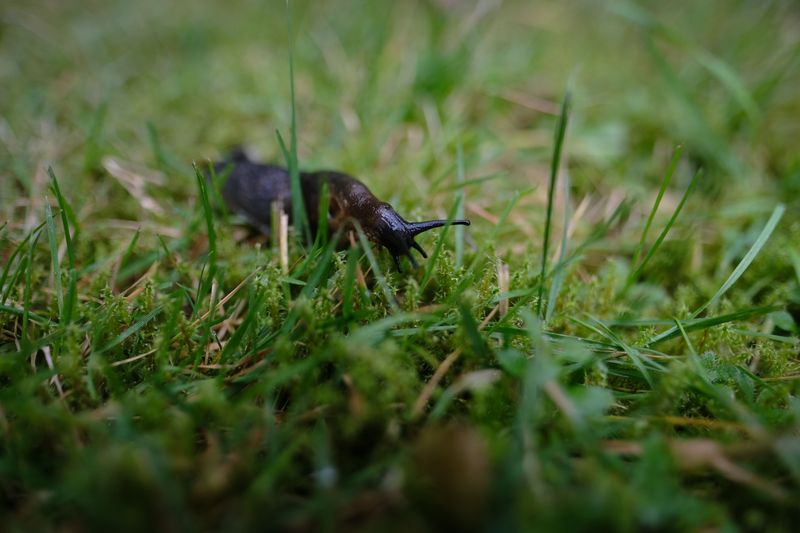
Believe it or not, this little biter might be one of the best pest controllers in your yard. Shrews have a very fast metabolism. They need to eat often, so they hunt almost around the clock.
Wildlife sources report that a northern short-tailed shrew can eat about its own body weight or more in food each day. Some estimates run even higher in cold weather. That adds up to a lot of bugs.
Their menu includes plenty of garden troublemakers. Slugs, snails, cutworms, beetle grubs, and many insect larvae all make the list. They will also eat earthworms, which I admit is less exciting.
Shrews sometimes go after young mice and voles too. Voles can chew roots and bark, so a shrew nearby may help keep their numbers lower.
Research also shows shrews eat seeds and a little plant matter, but they do not raid gardens the way rodents do.
I have stopped seeing every tunnel as a threat. If the holes are tiny and nothing is chewing my plants, I let things be. My hostas have looked healthier since I started thinking this way.
That Musky Smell Near Your Flower Beds Has A Source
Ever noticed your cat catch something small, then leave it uneaten on the porch? There is a good chance it was a shrew. These animals have scent glands that give off a strong, musky odor.
That smell helps shrews mark their space and avoid each other. They are mostly solitary and defend small home areas. The scent also makes them taste bad to many predators.
Cats and dogs often catch shrews but leave them behind because of that flavor. Owls, snakes, hawks, and foxes still eat them, though. Owls in particular have a weak sense of smell, so they do not mind.
You may notice a faint musky scent while turning soil or lifting a board in the garden. It is not harmful, just a sign that a shrew has passed through. Wear gloves and wash up afterward, and the odor fades quickly.
A quick pet tip helps here. Keep cats indoors when you can, which protects shrews and songbirds.
If your dog mouths a shrew, rinse its mouth and watch for drooling, which can happen from the bad taste. Call your vet if your pet seems unwell after a shrew encounter.
Sharing Your Mulched Garden With Shrews Is Easier Than You Think
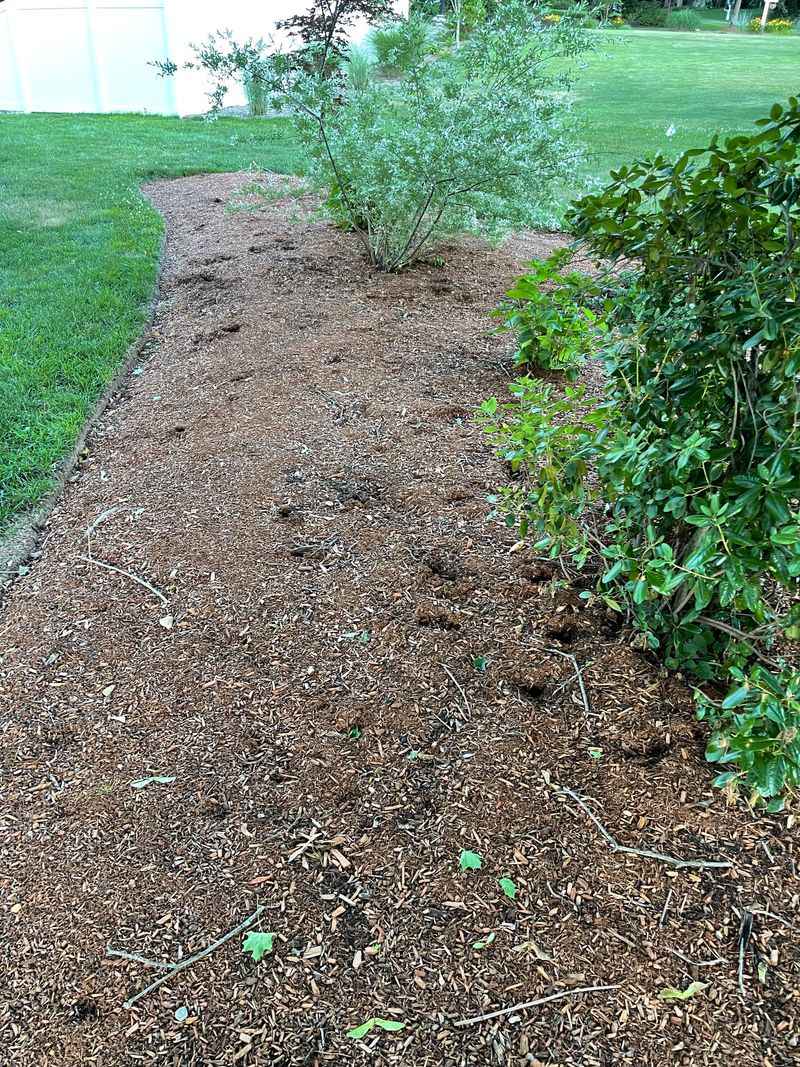
You will love how little effort this takes. Coexisting with shrews mostly means smart habits, not traps or poisons. In fact, poison baits put pets, owls, and other wildlife at real risk.
Start with your mulch depth. Two to three inches is plenty for most beds, according to Penn State Extension advice. Thicker layers hold extra moisture and can attract more critters near your home’s foundation.
Keep mulch a few inches away from tree trunks and house walls. That helps your plants and discourages shrews from wandering indoors.
Seal small gaps around doors and basement windows if one has slipped inside before. When working in beds, follow these simple steps:
Wear thick gloves when digging deep or pulling up leaf piles. Rake slowly so any shrew has time to scurry off. Leave a quiet corner of leaves or a brush pile if you want to support helpful wildlife.
If one ends up in your garage or basement, open a door and give it space. It will usually find its way out.
My takeaway is simple. Respect the bite, admire the hunter, and let this tiny Pennsylvania native keep doing its pest patrol.