What Georgia Homeowners Can Do When A Neighbor’s Tree Roots Start Damaging Their Yard
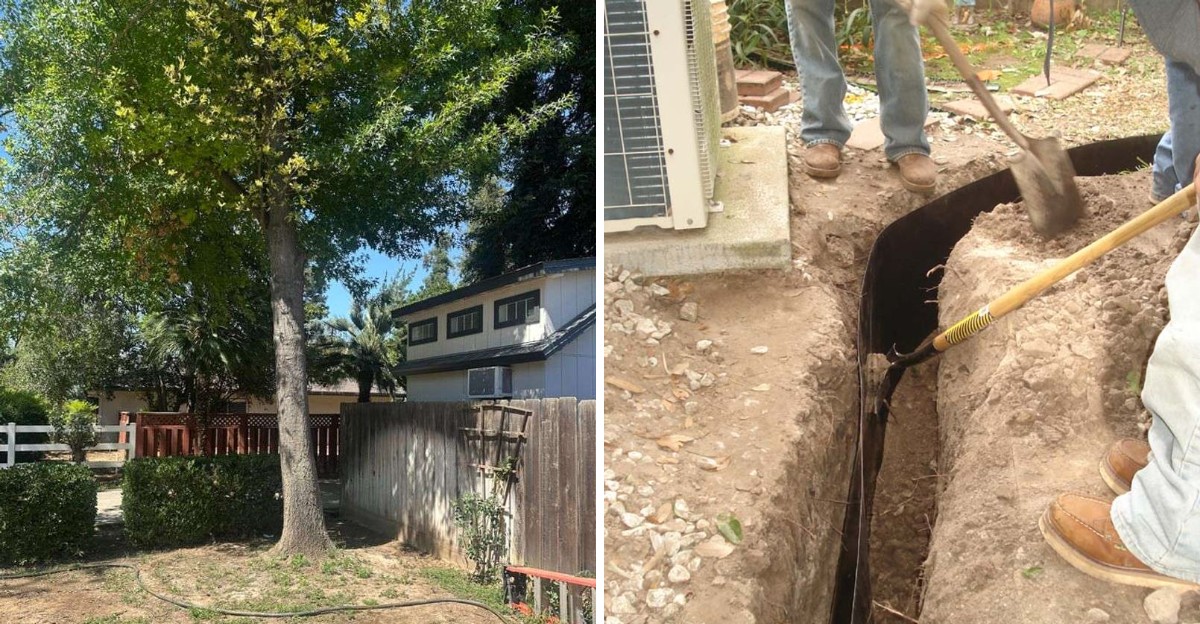
Shade tree roots can stretch two to three times wider than their leafy crowns. Most of them sit in the top foot or so of soil, right where your lawn, flower beds, and walkway live.
That lumpy patch in your grass might actually belong to the tree next door. I learned this the hard way when my tidy vegetable bed started growing woody cables thicker than my thumb.
In Georgia, red clay, long hot summers, and thirsty oaks make this a pretty common backyard puzzle. Roots go where water and air are easy to find, and a well-watered garden is basically a buffet.
You do have options, and some of them cost nothing more than a friendly chat over the fence. Others come with legal fine print that I wish someone had shown me sooner.
Knowing where to begin can help you avoid turning a root problem into a much bigger dispute.
1. Those Neighbor Tree Roots Are Following Water, Not Picking A Fight
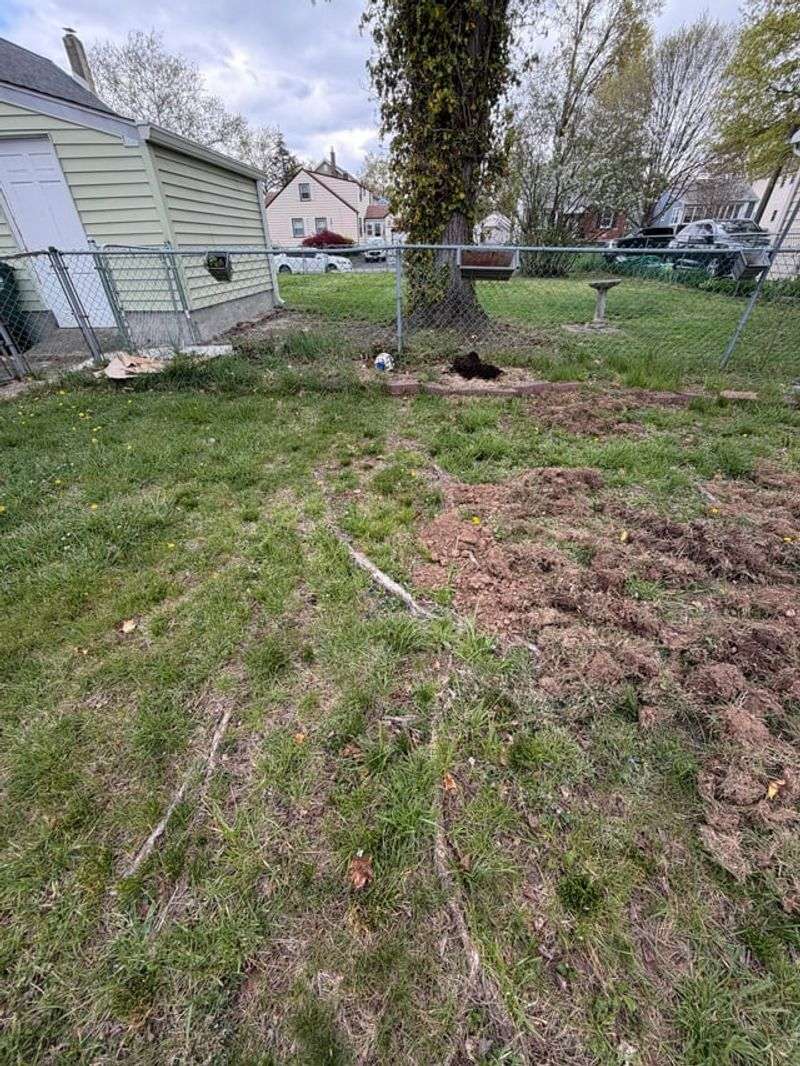
Roots are not villains with a plan. They are opportunists that grow wherever soil stays moist, loose, and full of oxygen.
Your watered lawn, soft garden beds, and the gravel under your pavers are perfect targets.
Heavy clay soil holds water near the surface, so roots stay shallow and spread sideways instead of diving deep.
University extension experts note that most tree roots live in the top 12 to 18 inches of soil. They can also reach far past the edge of the branches, sometimes two or three times the canopy width.
Some trees are known for bolder root habits. Water oaks, willow oaks, sweetgums, silver maples, and willows often show up in complaints about lifted walks and lumpy lawns.
Roots also tend to exploit weak spots rather than smash through solid surfaces. A small crack in a patio slab or a loose joint in an old pipe gives them a doorway, and they thicken from there.
Knowing this helps you stay calm. The tree is just doing what trees do, and your neighbor probably has no idea it is happening.
That mindset makes every next step easier, from the first conversation to any repairs you plan.
2. Georgia Lets You Trim Roots At The Property Line, With A Catch
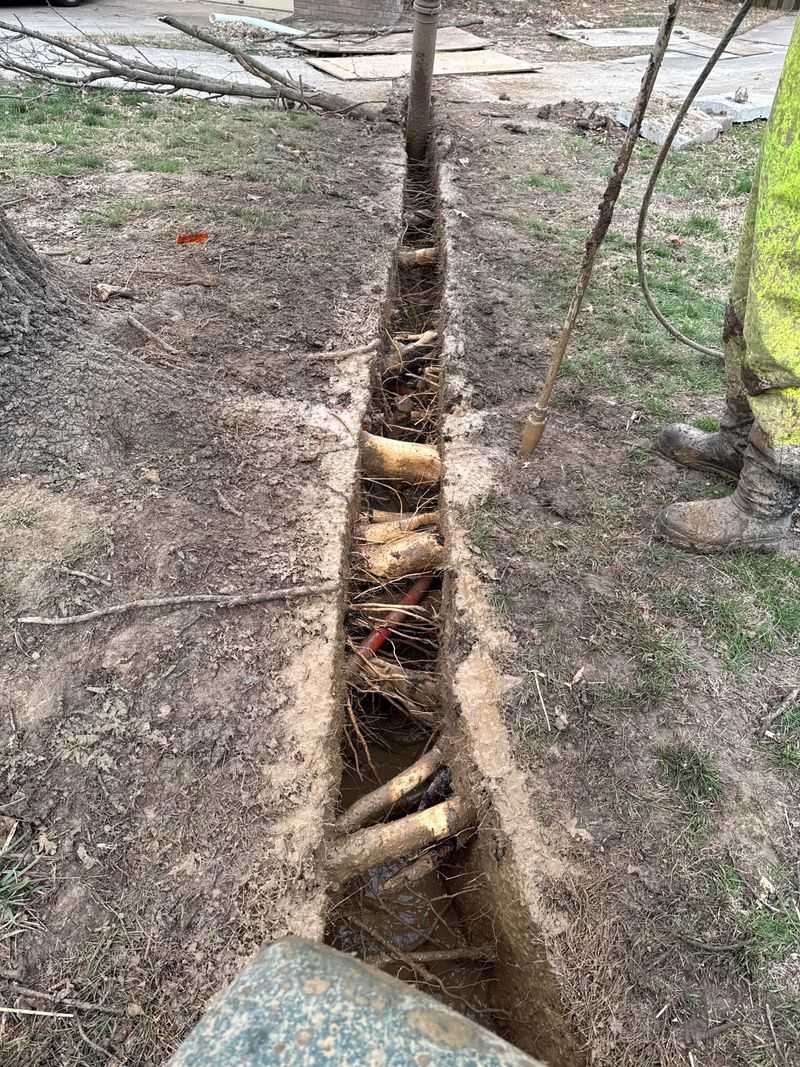
Most Georgia courts follow what lawyers call the self-help rule. In plain words, you can usually trim roots and branches that cross onto your land, right up to the property line, at your own cost.
The catch is a big one. You cannot go onto your neighbor’s land to do it, and you cannot harm the tree’s overall health or stability.
Cutting a large root close to the trunk can make a tree weak or unstable.
If that tree later falls or declines because of your cutting, you could be held responsible for the loss.
Georgia law can also allow extra damages when someone wrongfully cuts or harms trees that belong to another person. That is a strong reason to cut carefully and keep records.
Some cities add their own layer of rules. Atlanta, Decatur, and several other communities have tree protection ordinances, so call your local planning office before major root work.
Personally, I would treat the property line like a soft boundary, not a target. Small roots are usually fine to trim, but anything as thick as your wrist deserves a second opinion first.
A quick check now can save a costly legal mess later.
3. A Friendly Talk Over The Backyard Fence Usually Beats A Lawyer’s Letter
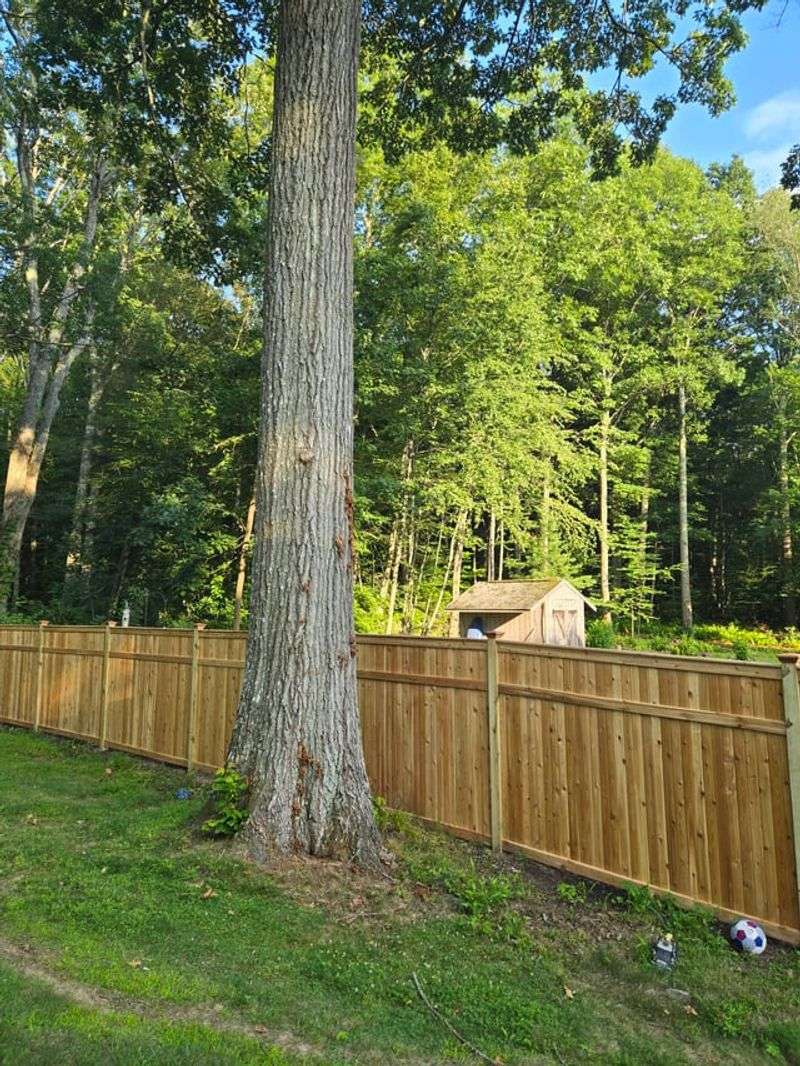
Most neighbors are not hiding a root problem on purpose. They usually have no clue their tree is lifting your stepping stones.
Knock on the door with a calm tone and a simple story. Show them the bumps, the cracked edging, or the roots poking through your mulch.
Bring ideas, not demands.
You might suggest splitting the cost of an arborist visit, or ask if they mind you trimming small roots on your side.
Personally, I like offering a little something, like garden tomatoes or a plate of cookies. It sounds small, but it sets a warm tone for a talk that could get touchy.
Listen to their side too. Maybe they love that tree because their kids grew up climbing it, and that matters to them.
If the chat goes well, follow up with a short, friendly text or email that sums up what you both agreed on. That written note helps everyone remember the plan.
If the talk goes poorly, stay polite anyway. A respectful record of your efforts looks much better later than an angry exchange in the driveway.
4. Snap Photos Of Lifted Pavers And Root-Torn Lawn Right Away
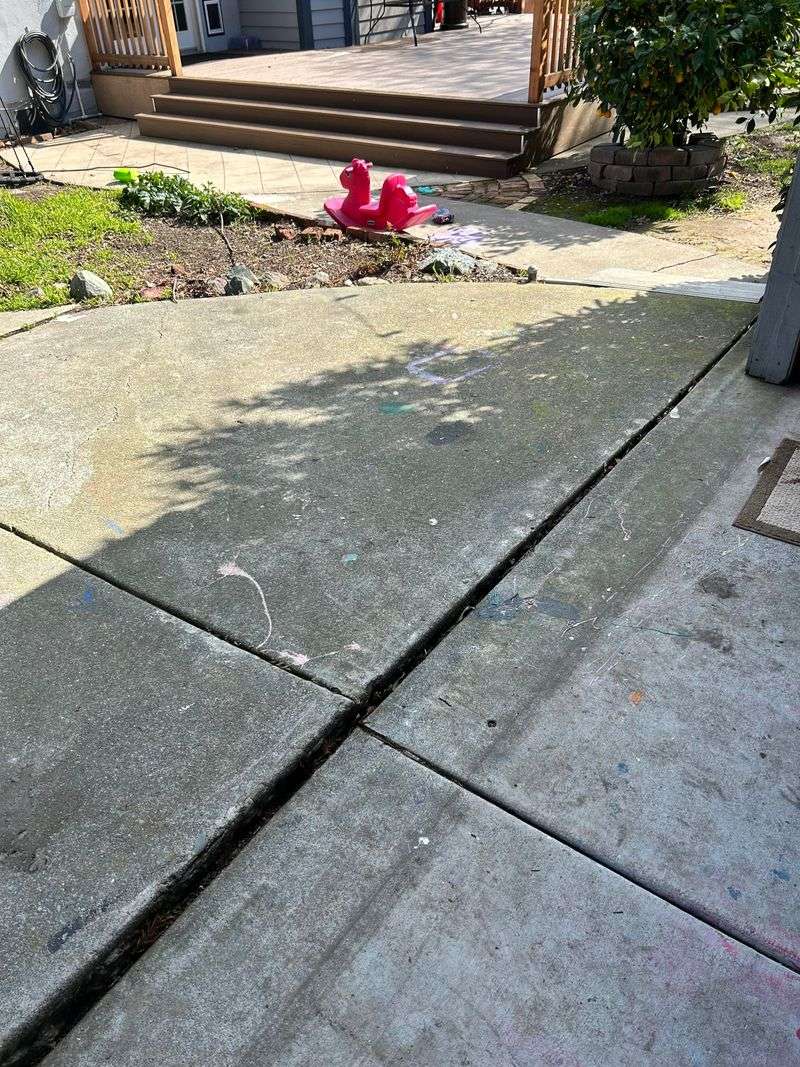
Your phone camera might be the most useful tool in this whole situation. Clear, dated photos turn a vague complaint into solid evidence.
Take wide shots that show the tree, the fence line, and your yard together.
Then move in close on lifted pavers, cracked edging, heaved walkways, or roots tunneling through flower beds.
A tape measure in the frame helps a lot. It shows how thick the roots are and how far they reach past the property line.
Repeat the photos every few months from the same spots. Changes over time tell a much clearer story than one picture ever could.
Keep receipts for repairs, plant replacements, and any professional visits. Save copies of texts, emails, or letters you send your neighbor about the problem.
Also note signs that the tree itself might be unhealthy. Mushrooms at the base, large hollow spots, peeling bark, or a sudden lean can matter if a hazard question ever comes up.
I keep a simple folder on my computer labeled with the address and year. It feels a little dorky, yet it makes conversations with insurers, arborists, or a judge much smoother.
5. A Certified Arborist Should Size Up Those Roots Before You Dig
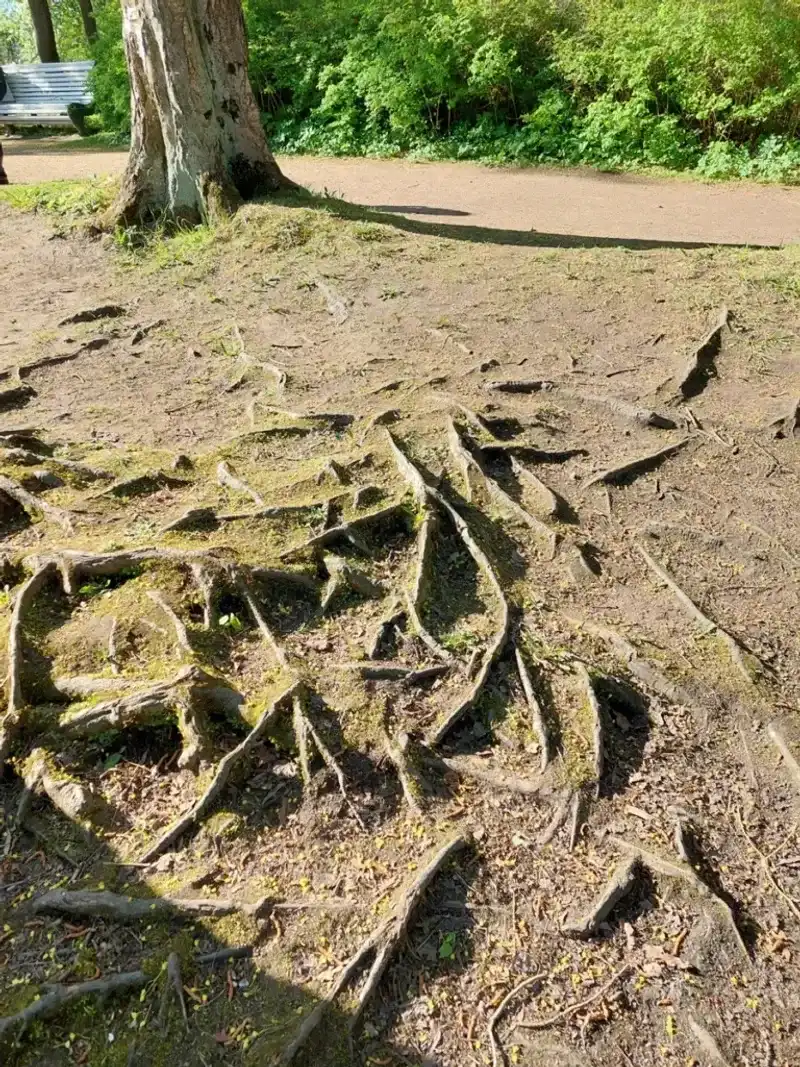
Hiring a tree expert might seem unnecessary for an uneven lawn, but it can be money well spent once roots grow thicker than a garden hose.
Look for an ISA Certified Arborist, which means the person passed an exam from the International Society of Arboriculture. The ISA website has a search tool to find one near you.
An arborist can tell you which roots are safe to trim and which ones hold the tree upright. Many use air tools to expose roots gently without tearing them apart.
A common guideline is to avoid cutting roots within a distance of about three to five times the trunk diameter. So a two-foot-wide trunk could need a no-cut zone of six to ten feet.
Ask for a written report. That document helps when you talk with your neighbor, your insurer, or a city permit office.
An arborist can also spot decay or disease you might miss.
If the tree is truly a hazard, that report becomes powerful support for asking your neighbor to act.
Many companies offer consultations for a modest fee, and some neighbors will happily split that cost with you.
6. Root Barriers Can Steer Roots Away From Beds And Walkways
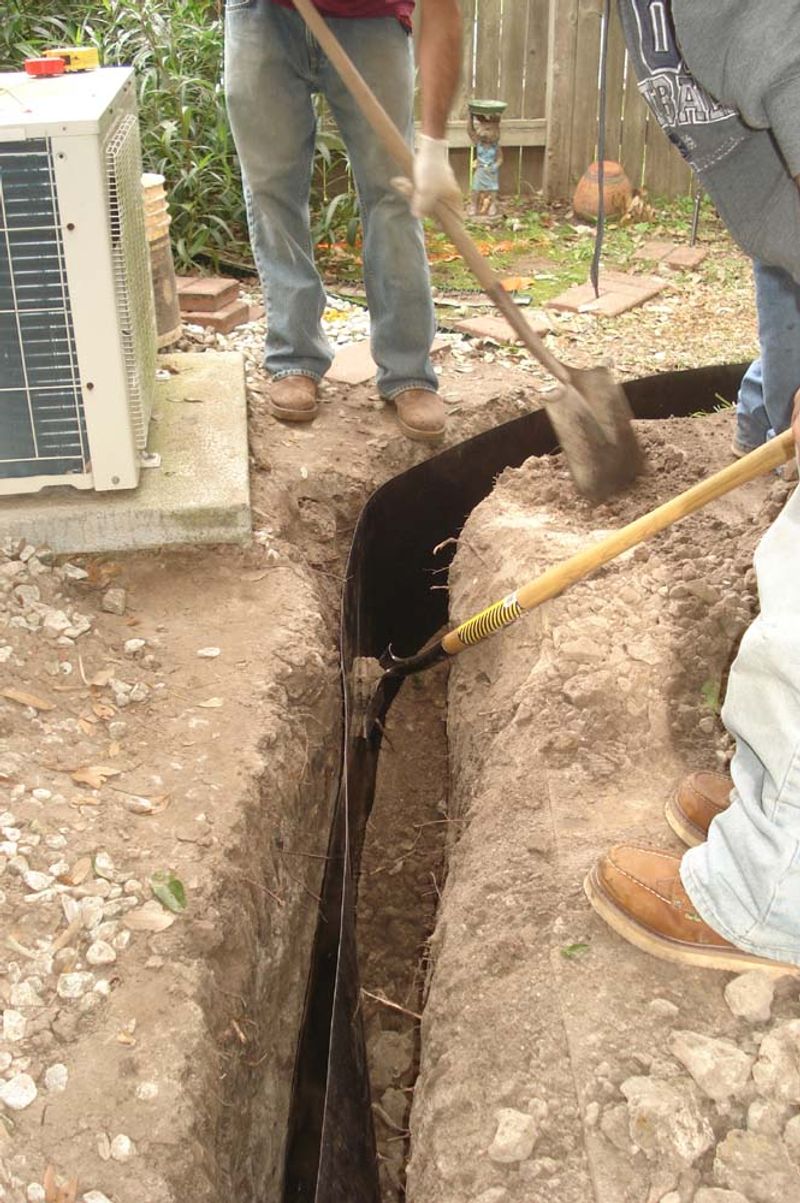
A root barrier works like a polite underground detour sign. It does not stop the tree from growing, but it nudges roots downward and away from your favorite spaces.
Most barriers are rigid plastic panels or heavy sheets set upright in a narrow trench.
Many have ridges that guide roots down instead of letting them circle around.
Depth matters a lot. Installers often go somewhere between 18 and 36 inches, and sometimes deeper, based on the tree type and soil.
Leave the top edge an inch or so above the ground. Otherwise, sneaky roots can hop right over it.
Barriers work best as prevention. They are less helpful once big roots are already under your patio, and trenching near a mature tree can cut important roots if done carelessly.
That is why I would put the barrier on your side, well away from the trunk, and ask an arborist where to dig. Doing it along a new garden bed or fresh walkway is a smart move.
Pair the barrier with deep, less frequent watering of your own plants. Roots get less reason to wander when surface soil is not constantly soggy.
7. Clogged Sewer Lines And Cracked Slabs Need A Closer Look
Slow drains and gurgling toilets can be more than a plumbing annoyance.
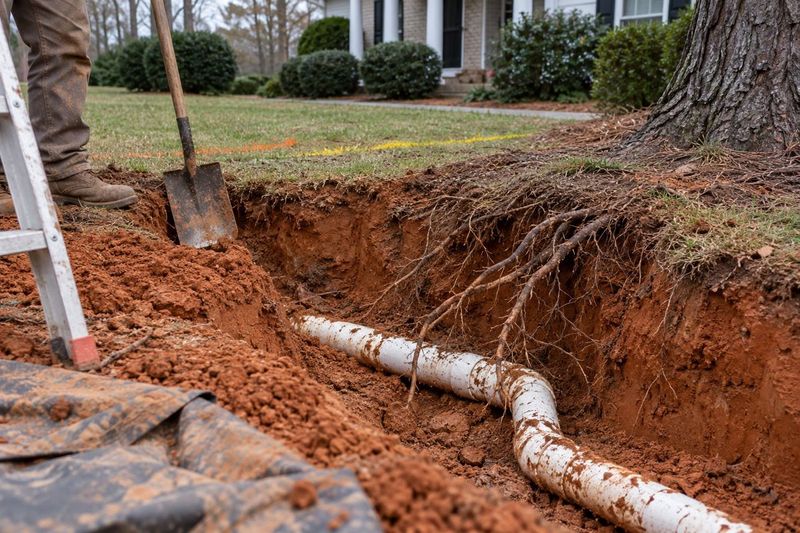
Tree roots love older sewer lines, especially clay pipes with leaky joints.
Roots sense the moisture and slip into tiny gaps. Once inside, they grow into thick mats that catch debris and back up your line.
A plumber with a sewer camera can show you exactly where roots got in. That video is also great evidence if the roots trace back to your neighbor’s tree.
Cracked driveways, sticking doors, or new gaps around windows are trickier. Clay soil shrinks and swells with dry and wet seasons, so roots are not the only suspect.
A structural engineer or foundation specialist can sort normal settling from root-related movement. Please do not assume the tree is guilty without that check.
Insurance is another surprise for many homeowners. Standard policies often exclude gradual root damage, though some cover sudden events or offer service line add-ons.
Read your policy and call your agent before filing anything. Knowing your coverage helps you plan repairs and decide whether a claim against the neighbor even makes sense.
8. Mediation And Magistrate Court Are Your Backup Plan For A Problem Tree
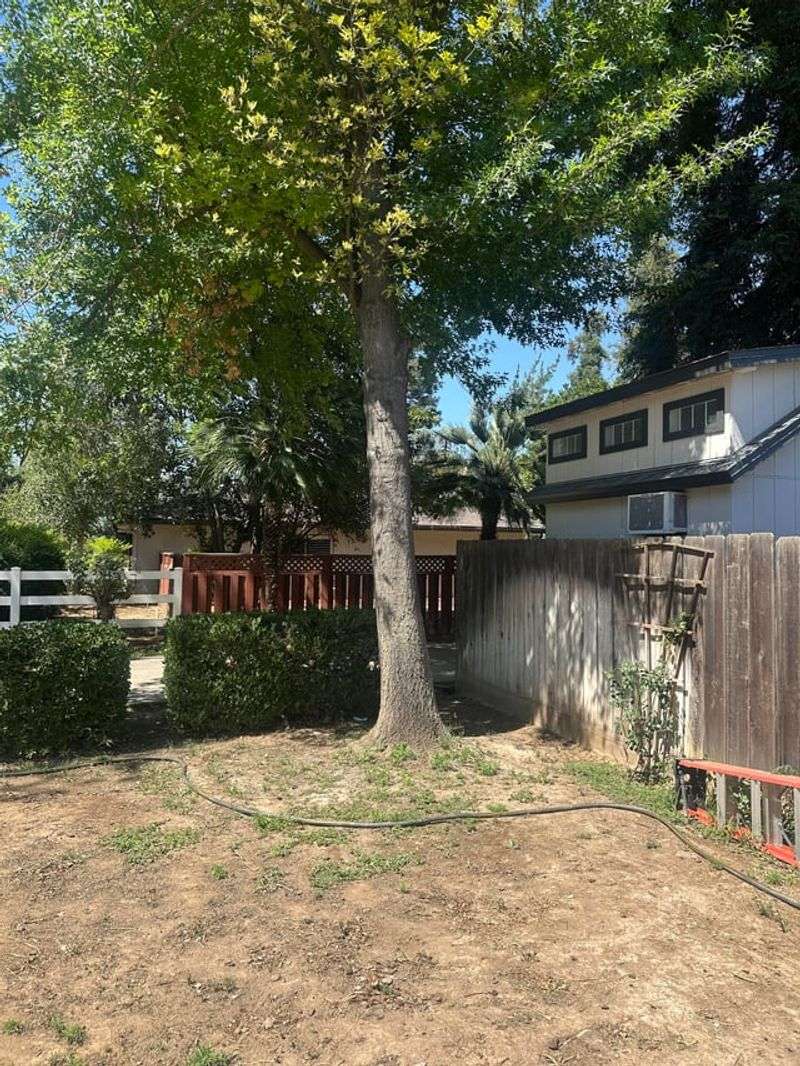
Sometimes friendly talks stall, and that is okay. You still have calm, structured options before anything gets heated.
Many counties offer community mediation programs, often at low or no cost.
A neutral mediator helps you and your neighbor find a fair deal, like sharing arborist fees or removing a struggling tree.
If mediation fails, send a polite letter by certified mail. List the damage, attach photos, and suggest a reasonable solution with a clear timeline.
For money claims, Georgia magistrate courts handle cases up to $15,000 without requiring a lawyer. That covers many repair bills for patios, lawns, and garden beds.
Liability is not automatic, though. Courts often look at whether the owner knew or should have known the tree was causing harm or was unsafe, so your records really matter.
For bigger claims or foundation damage, a local real estate attorney is worth a call. Rules can shift by city and case details.
My honest takeaway is simple. Document early, talk kindly, get expert opinions, and use the courts only as a last step, because you will still share a fence tomorrow.