Your Neighbor’s Tree Roots Are Cracking Your Driveway in New York. Who Pays for the Damage?
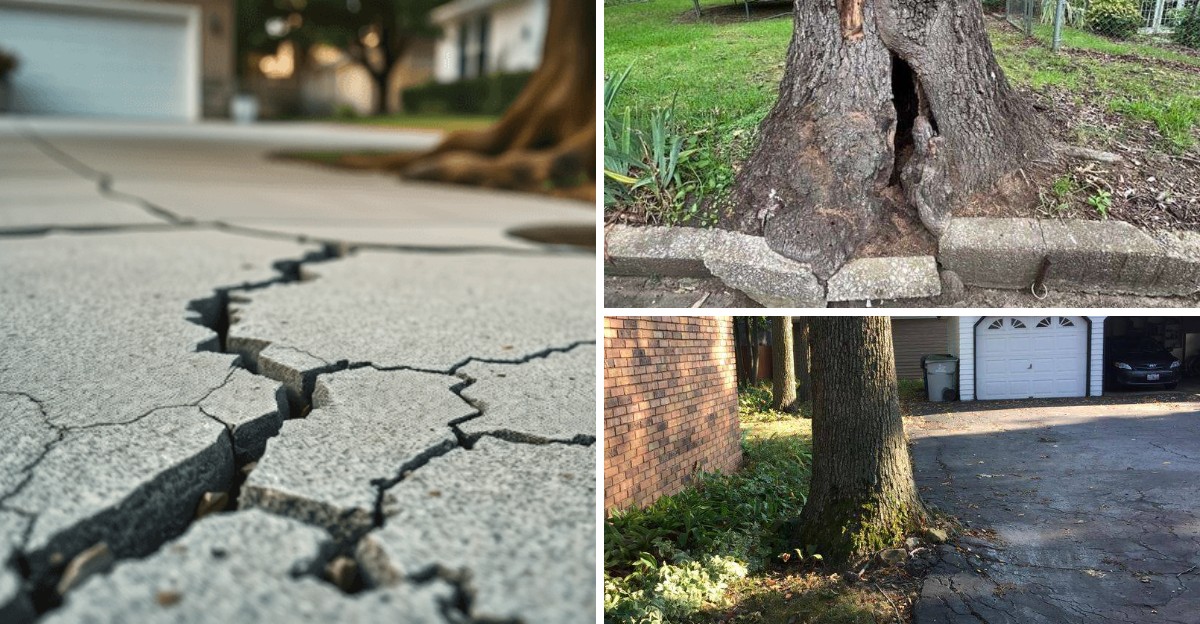
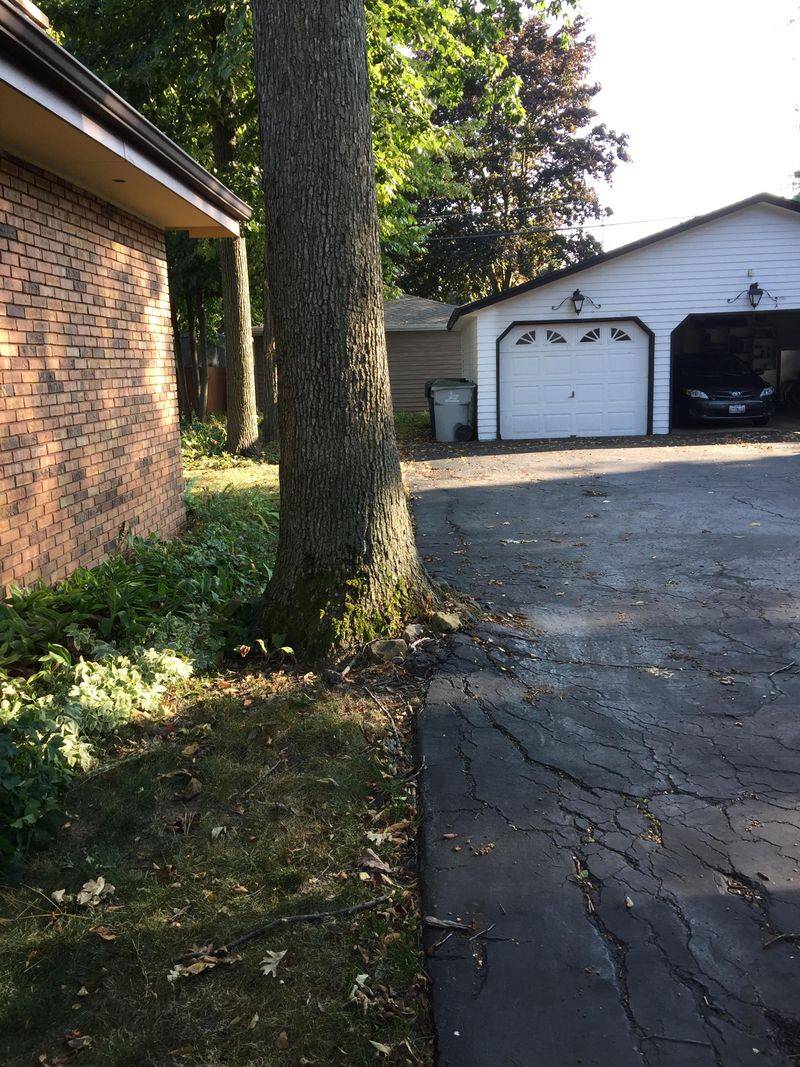
A single tree root growing beneath pavement can push upward with enough steady pressure to lift and crack a concrete slab. Roots do this slowly, often over many years, so the damage can creep up on you.
In my own yard, I learned this the hard way. A hairline crack turned into a ridge, and the ridge turned into a lip that caught my snow shovel every winter morning. The tree causing it was not even mine.
In New York, the answer to who pays surprises plenty of homeowners. Owning the trunk does not automatically mean owning every problem the roots create. Courts look closely at what the owner knew and when they knew it.
For what it’s worth, the rules give you more power than you might expect. They also come with one big catch that could cost you serious money if you rush in with a saw. So who actually covers that repair bill?
That Lifted Driveway Slab Has a Story Written Under the Tree Roots
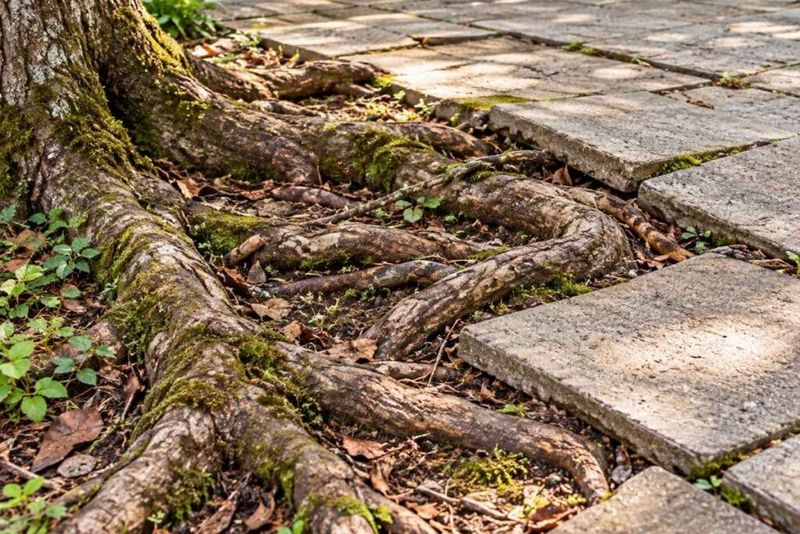
Roots are opportunists. They chase water, oxygen, and loose soil, and the ground under a driveway often holds moisture longer than open lawn nearby.
Once a root slips under the pavement, it thickens year after year. That slow growth acts like a jack, nudging slabs upward until they crack, tilt, or form a trip-worthy ridge.
Shallow-rooted species like silver maple and Norway maple are frequent offenders in older neighborhoods.
Before you blame anyone, figure out whose tree it really is. In New York, a tree belongs to the person whose land holds the trunk.
Branches and roots crossing the line do not change that.
If the trunk sits right on the boundary, it may be a shared boundary tree. That situation calls for a different conversation, since both owners usually have a stake in it.
A quick look at your property survey can settle the question. Many homeowners find a copy in their closing paperwork, or they request one from the county clerk.
Also check whether the tree stands near the curb. Street trees in New York City are city property, and many villages and towns manage their own trees along public strips.
Knowing the true owner keeps you from chasing the wrong person. It also shapes every step that comes next, from trimming rights to any possible claim.
A Healthy Neighbor Tree Usually Means You Cover the Driveway Repair
Brace yourself, because this part stings a little. Under New York law, a tree owner is generally not liable for damage caused by a healthy tree simply because its roots crossed the line.
Courts in the state have long treated ordinary root growth as a natural process. Unless the owner did something wrong, the cost of fixing your driveway often lands on you.
The key word is negligence. To make your neighbor pay, you typically need to show the tree was defective, diseased, or dangerous, and that the owner knew or should have known about it.
Lawyers call that second part constructive knowledge. It means the problem was obvious enough that a reasonable person would have noticed and acted.
Visible warning signs can help prove that point. Think large cavities, mushrooms or conks at the base, a heavy lean, leafless or decaying limbs, or earlier branch failures.
Some courts have also treated serious root damage as a private nuisance. Even then, many decisions still lean on proof that the owner failed to act after learning about the harm.
So the honest answer is often frustrating. A perfectly healthy tree doing what trees do rarely creates automatic liability, but a neglected one with clear warnings can shift the bill.
Cutting Roots at the Property Line Is Allowed, With Rules Attached
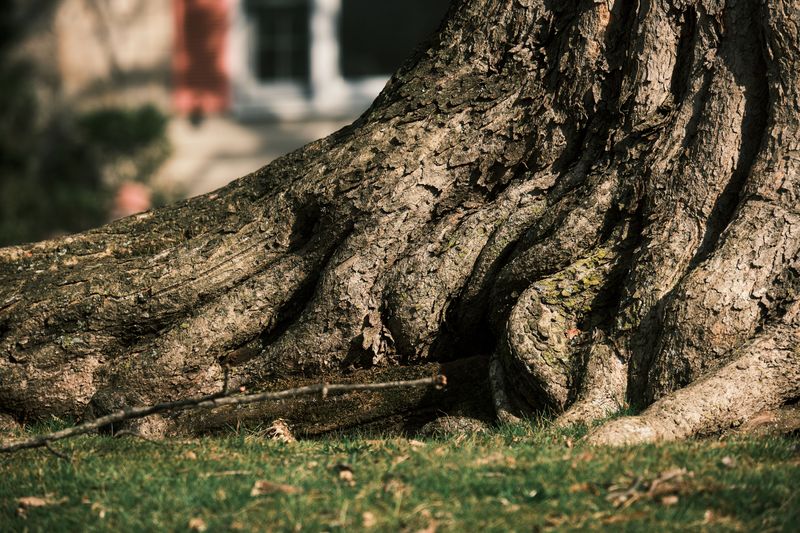
Self-help is the legal term, and it sounds empowering for good reason. New York lets you trim roots and branches that cross onto your land, right up to the property line.
There are three main rules. You pay for the work, you stay on your own side, and you do not harm the tree itself.
That last rule matters more than people expect. Cut too many major roots, and the tree may decline or become unstable in a storm.
If that happens, your neighbor could sue under Real Property Actions and Proceedings Law section 861. Courts can award treble stumpage value or 250 dollars per tree, whichever is greater, plus other damages in some cases.
Arborists generally warn against cutting large roots close to the trunk. Many use a guideline of staying several times the trunk diameter away from the base before severing anything big.
Timing helps too. Late fall through early spring, while the tree is dormant, often puts less stress on it than midsummer heat and drought.
A clean cut with a root saw heals better than ripping roots with an excavator. If roots are thicker than your wrist, hire a certified arborist before touching them.
Photos of Cracked Pavement and Exposed Roots Build Your Case
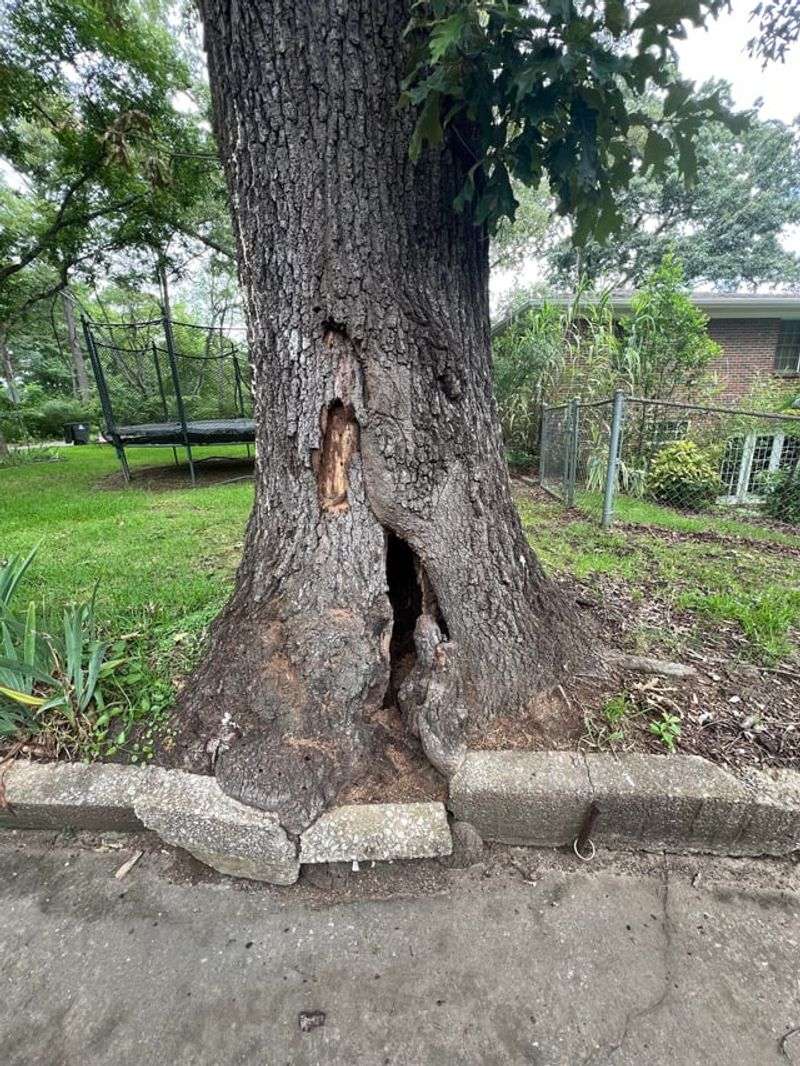
Grab your phone before you grab a shovel. Good records can make or break any request for payment later.
Take dated photos of every crack, bump, and exposed root. Lay a tape measure across the worst spots so the size of the damage is clear.
Shoot the tree too. Close-ups of fungus, hollow spots, peeling bark, or decaying branches can support a claim that the tree was unhealthy.
Return every few months and repeat the same angles. A series of photos shows the problem growing, which helps prove it was not a one-time surprise.
Next, put your concerns in writing. A polite letter or email that describes the damage and asks your neighbor to look into the tree creates a clear record of notice.
Notice matters because negligence often hinges on what the owner knew. A friendly chat over the fence is nice, but a written message carries far more weight in court.
Keep repair estimates, receipts, and any arborist reports in one folder. Organized paperwork also helps if you file with insurance or bring the matter to small claims court, which in New York handles cases up to set dollar limits depending on the court.
A Certified Arborist Can Read the Tree Better Than Anyone
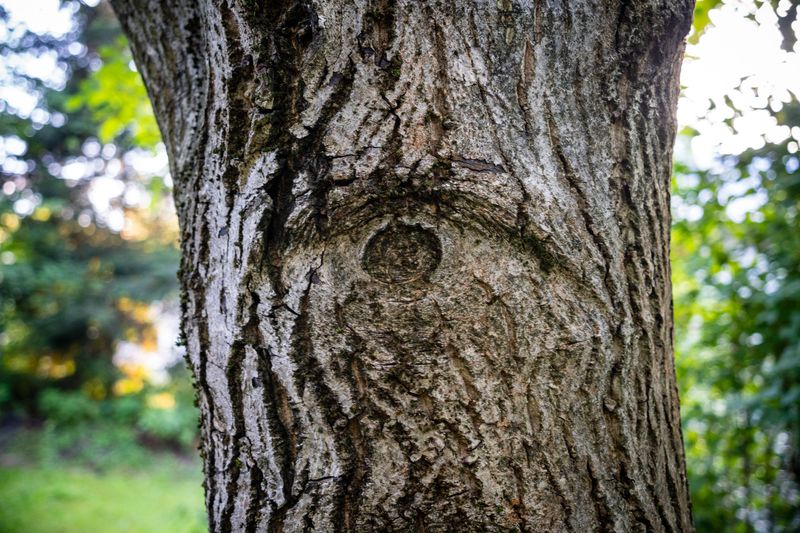
Trees keep secrets, but arborists know how to coax them out. A certified arborist can identify the species, judge its health, and map where the troublesome roots likely run.
Look for credentials from the International Society of Arboriculture. Some pros also hold the Tree Risk Assessment Qualification, which focuses on spotting hazards.
A written report does double duty. It guides safe root pruning, and it can serve as evidence if the tree shows decay or structural defects.
Ask the arborist which roots are safe to cut. Removing a key structural root on one side can tip the balance of a big tree, especially in soggy spring soil.
They may suggest alternatives too. Air spading exposes roots with compressed air, letting crews see exactly what they are cutting without tearing everything apart.
Costs vary across the state, with prices in New York City and Long Island often running higher than upstate. A basic inspection usually costs far less than a new driveway.
Consider inviting your neighbor to share the visit. Splitting the fee keeps things fair, and hearing the same expert advice together tends to calm tense feelings fast.
Street Trees and Village Rules Can Change Who Pays
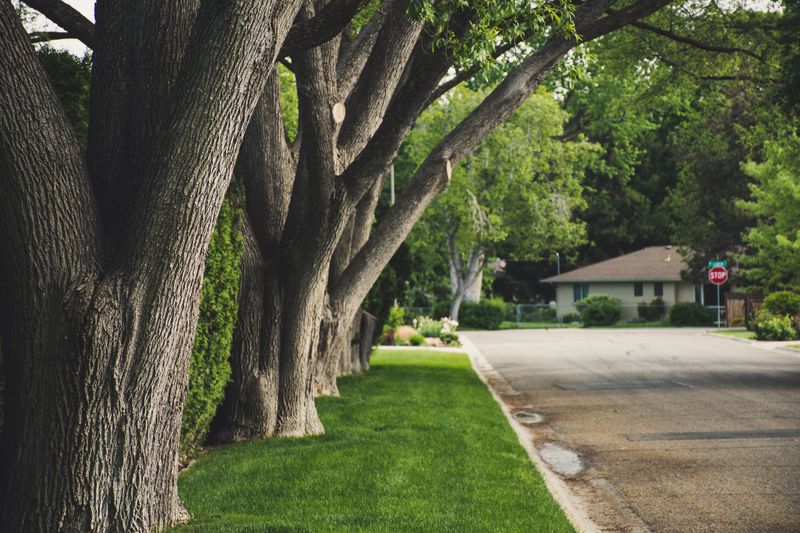
Plot twist time. That tree you thought belonged to your neighbor might actually belong to the city or village.
In New York City, street trees are managed by NYC Parks. Homeowners need a permit before pruning or cutting roots of a city tree, and unauthorized work can bring fines.
NYC Parks also runs a Trees and Sidewalks program that repairs some sidewalks damaged by street trees at residential properties. Driveways on private land are a separate matter, so check what is covered.
Outside the five boroughs, rules vary town by town. Places like Scarsdale and many Long Island villages have tree ordinances that restrict removal or heavy pruning.
Some municipalities require permits even for trees on private property above a certain trunk size. Ignoring those rules can lead to penalties that cost more than the driveway fix.
Before any work, call your local building department or public works office. Ask who owns the tree, whether permits are needed, and if any repair programs exist.
Filing a claim against a city or village has strict deadlines. A notice of claim against a municipality is often due within 90 days, so move quickly if a public tree is involved.
Homeowners Insurance Might Not Love Those Root-Cracked Driveways
Insurance feels like the obvious safety net. Unfortunately, many policies treat slow root damage as gradual wear, not a covered sudden event.
Standard homeowners policies usually cover sudden losses, like a tree crashing onto a garage in a storm. Creeping cracks from roots over ten years often fall under exclusions for settling or deterioration.
Read your policy for words like wear and tear, settling, and cracking. Those clauses typically explain why root claims get denied.
Still, a quick call to your agent costs nothing. Some policies differ, and an adjuster can tell you exactly where you stand.
If a healthy tree falls during an act of nature, your own insurance generally handles damage to your property. When the tree was clearly decayed and the owner ignored warnings, insurers may pursue the neighbor’s carrier.
Your neighbor’s liability coverage might respond if negligence is proven. That is another reason your written notice and photos matter so much.
Keep expectations realistic. Many homeowners end up paying for driveway repairs themselves, then focusing on preventing a repeat with smarter rebuilding choices.
Root Barriers and a Friendly Chat Keep Future Driveways Flat
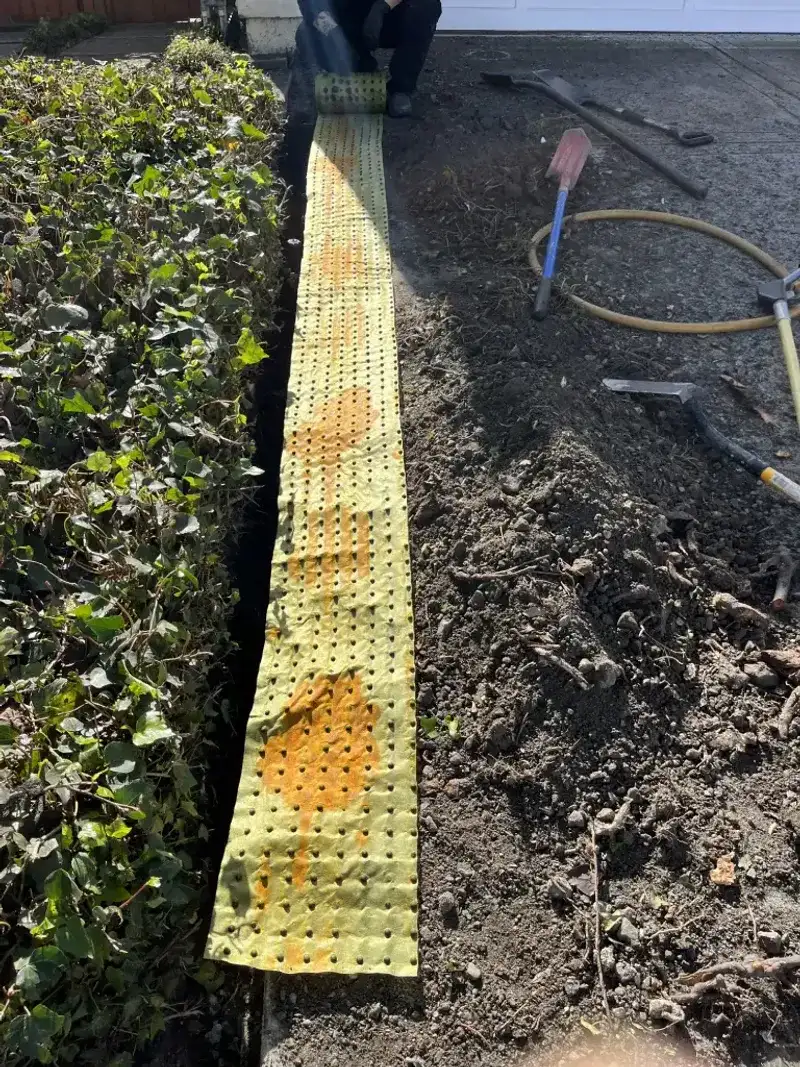
Prevention is cheaper than a lawsuit, and far less stressful. If you are replacing a damaged driveway, use the chance to block future roots.
Vertical root barriers are rigid panels buried along the driveway edge. They steer roots downward and away, often reaching 18 to 24 inches deep.
They are not perfect, since roots can sometimes travel beneath them. Paired with careful root pruning, though, they can buy many years of smooth pavement.
Ask your contractor about a thicker base of compacted gravel and reinforced concrete. Some homeowners switch to permeable pavers, which can be lifted and reset if roots return.
Spring and fall are good windows for this work in New York, before summer heat and after the ground thaws. Avoid frozen ground, which makes trenching and compacting difficult.
Then there is the human side. A calm conversation, maybe over coffee on the porch, solves more tree disputes than any court filing.
Offer options rather than demands, like sharing arborist costs or pruning together. Your neighbor probably loves that tree as much as you love your driveway, and finding middle ground keeps both standing strong.