What To Do With Your Pomegranate Tree In California In November
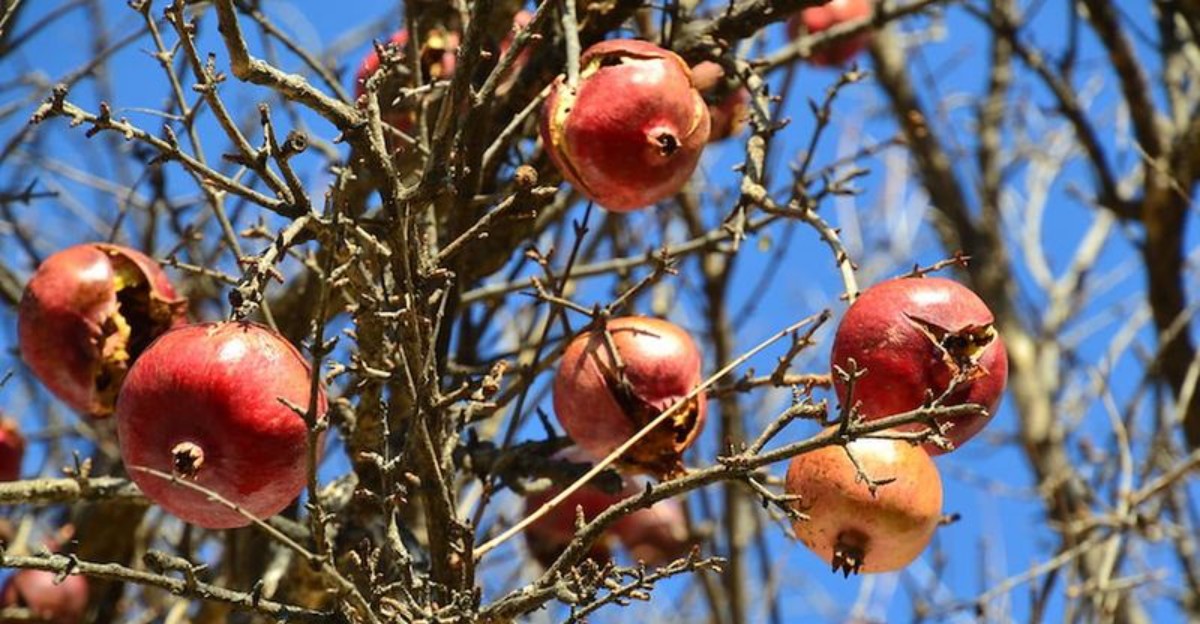
Pomegranates can look ready for the kitchen long before every fruit has reached its best flavor.
In California, November often brings the final stretch of harvest, along with cooler nights, falling leaves, and a few garden chores that deserve careful timing.
I love the change in a pomegranate tree this time of year. Its bright fruit stands out against fading foliage, while bare branches gradually reveal their shape and make small problems easier to spot.
Harvesting is only part of the work. Adjusting irrigation, clearing fallen fruit, and protecting young trees from chilly nights can help them enter winter in better condition. Meanwhile, the pruning shears and fertilizer bag can usually wait.
A lighter routine often suits this tough fruit tree best during late autumn. Which November tasks will give yours the strongest start when spring returns?
Those Heavy Pomegranates Hanging On Your Branches Are Sending You Signals
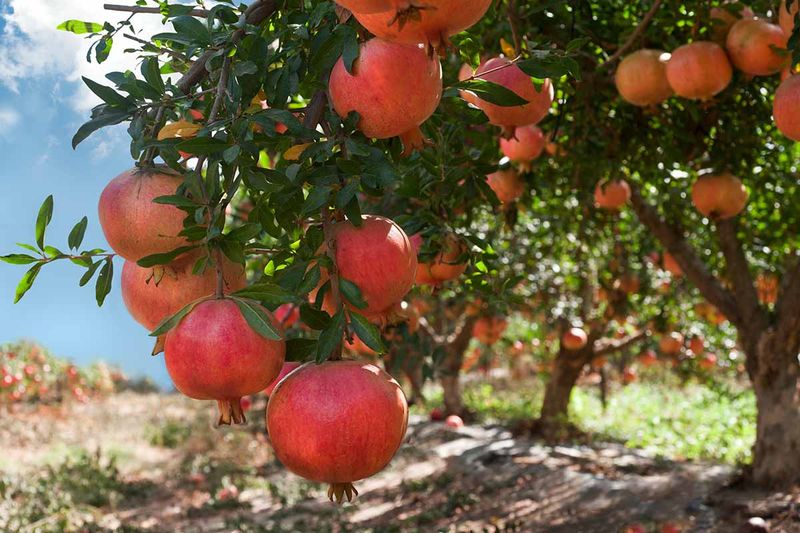
Ripe pomegranates have a way of telling you they are ready, if you know the language. Most California varieties, including the popular Wonderful, ripen between late September and December. November is often right in the sweet spot.
Color is your first clue. The skin shifts from green to deep red, pink, or rich yellow, depending on the variety. A ripe fruit also feels heavy for its size, like a softball filled with juice.
Give it a gentle flick with your finger. Many gardeners notice a slightly metallic, firm sound when the fruit is ready. The rounded sides may also flatten a bit as the seeds swell inside.
Timing matters here, because pomegranates do not keep ripening after you pick them. A fruit picked early stays sour, no matter how long it sits on your counter. Taste one before harvesting the whole tree.
Use hand pruners or clippers and cut the stem close to the fruit. Pulling can tear branches and bruise the skin. Whole pomegranates store well in the fridge for up to two months, so you can enjoy those ruby seeds through the holidays and beyond.
Split Pomegranate Fruit Often Starts With The Watering Hose
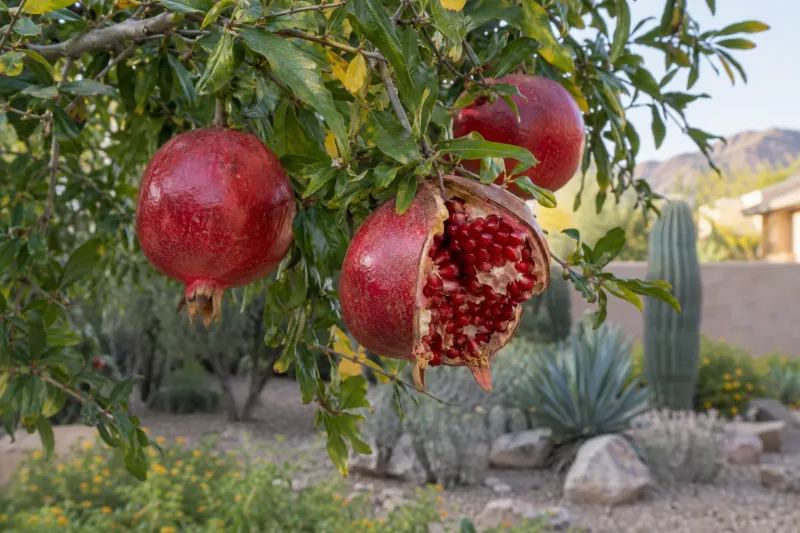
Nothing stings quite like finding a gorgeous fruit cracked wide open the morning after you watered. Splitting happens when the inner seeds suddenly swell with moisture faster than the tough skin can stretch. Uneven watering is one of the most common triggers.
By November, your tree needs much less water than it did in August. Shorter days and cooler air mean the soil stays damp longer. Cutting back on irrigation also helps new shoots firm up before winter arrives.
Aim for steady, moderate moisture instead of big swings. If fruit is still on the tree, water deeply but less often, letting the top few inches of soil dry between sessions. A finger poked into the dirt makes a handy moisture gauge.
Fall rain adds a twist. A sudden storm after a long dry stretch can split fruit no matter how careful you are. That is one more reason to pick ripe pomegranates before a big rain is forecast.
Once the harvest is finished and winter rains settle in, many established trees in the ground need little or no extra water until spring. Container trees are the exception, so check those pots every week or two.
Fallen Pomegranates Under The Tree Invite Leaffooted Bugs To Stay
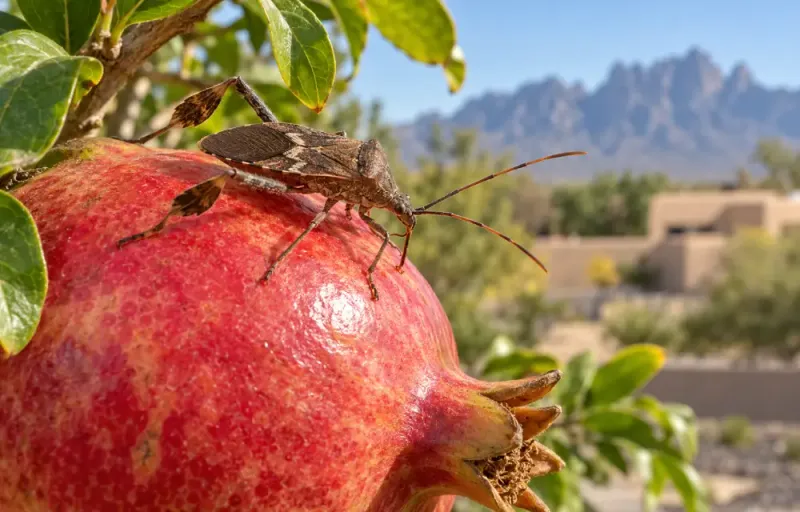
Meet the most annoying guest at the pomegranate party, the leaffooted bug. You can spot it by the flat, leaf-like flaps on its back legs. UC Integrated Pest Management lists it as a major pomegranate pest in California.
These bugs pierce the fruit and suck out juice. That feeding can lead to discolored seeds and opens the door to rot. Cracked and fallen fruit becomes a buffet for them late in the season.
Your best move this month is simple cleanup. Pick up dropped pomegranates and remove split or shriveled fruit still clinging to the branches. Bag it up for the trash instead of tossing it on a compost pile near the tree.
As weather cools, adult leaffooted bugs gather in groups to spend winter in sheltered spots. Woodpiles, dense shrubs, and juniper or cypress hedges are favorite hideouts. Knocking clusters into a bucket of soapy water during cold mornings, when they move slowly, can reduce next year’s crowd.
Raking leaves and old fruit also helps limit fungal spores that linger on debris. A tidy space under the canopy makes spring a lot easier for both you and your tree.
Put Those Pruning Shears Down Until Late Winter
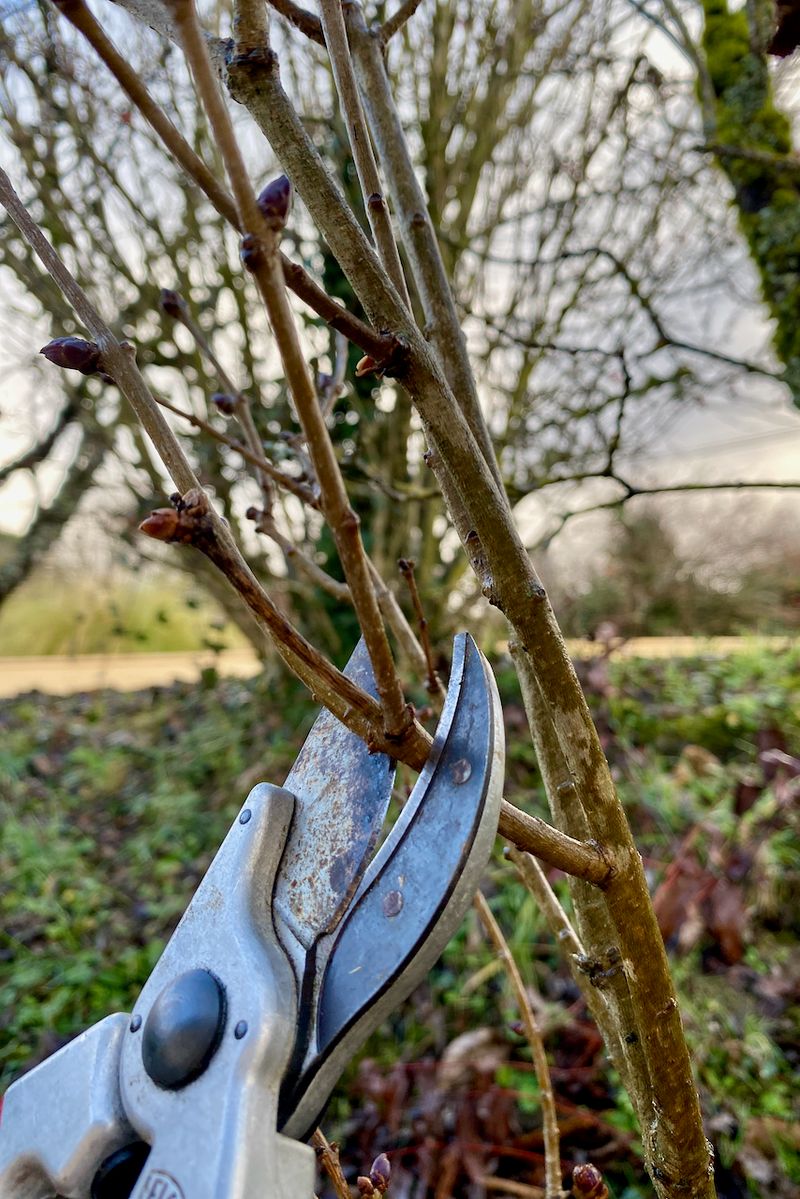
I get it. After the harvest, the tree looks shaggy, and those long shoots seem to be begging for a haircut. Hold that urge for a few more months.
Heavy pruning in fall can push the tree to sprout fresh, tender growth. Those soft shoots are easily hurt by frost, especially in inland valleys and foothill areas. UC experts generally recommend major pruning in late winter, just before buds break.
That timing has another perk. Pomegranates bear fruit on short spurs along older wood, and winter pruning lets you see the structure clearly once leaves drop. You can shape the tree and thin crowded branches with confidence.
Small fixes are fine right now. Snip out broken branches, limbs rubbing against each other, or anything with obvious disease. Clip away suckers sprouting from the base if you prefer a single-trunk tree.
Keep a few notes while the leaves are still on. Mark branches that produced well or ones that seem to shade the center too much. When late winter arrives, you will have a game plan instead of guessing, and the tree will reward that patience with healthier growth.
Skip The Fertilizer Bag And Let Your Pomegranate Rest
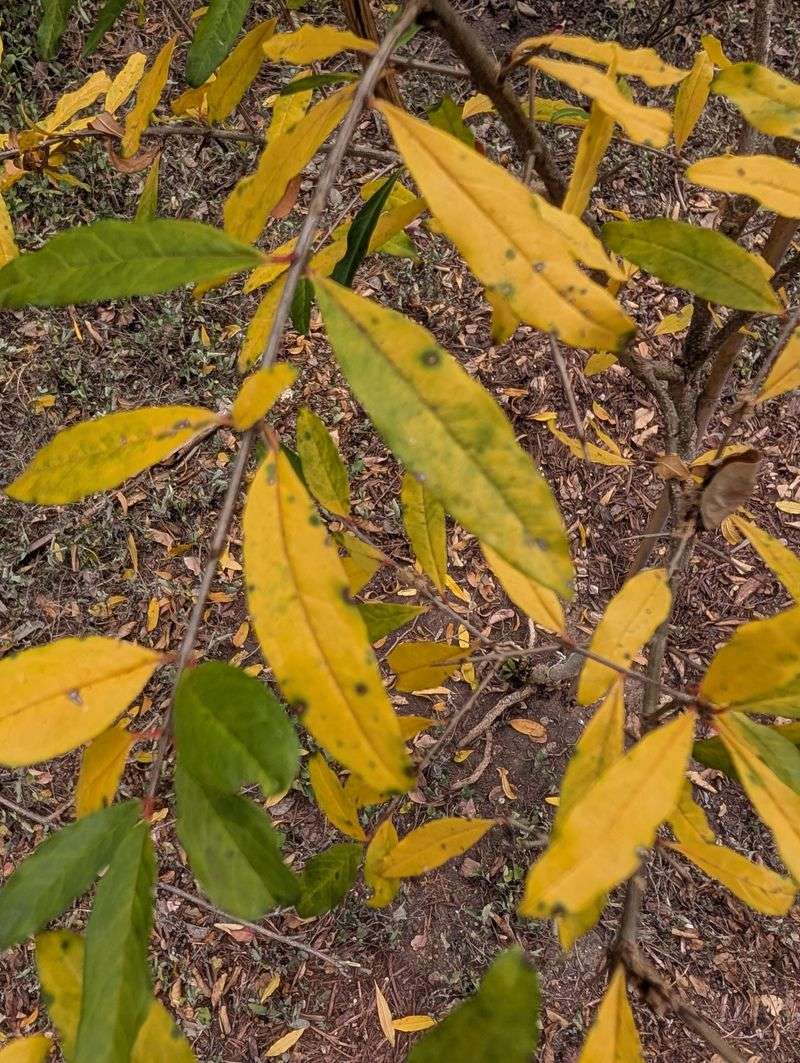
Here is one chore you can cross off without guilt. Pomegranates are tough, thrifty plants that rarely need much feeding. In November, they need none at all.
Fertilizer pushes growth, and growth is the last thing your tree wants right now. It is getting ready to drop its leaves and settle into winter rest. Feeding now can trigger soft shoots that struggle when nights turn cold.
Save your fertilizer for late winter or early spring, right before new leaves appear. A light, balanced product works well for young trees. Mature trees in decent soil often do fine with just a layer of compost each year.
Watch the nitrogen. Too much creates a big, leafy tree with fewer flowers and less fruit. Many gardeners learn that lesson the hard way after a bushy summer with only a handful of pomegranates.
Fun fact for your next garden chat. Pomegranates have grown in dry regions of the Middle East and Asia for thousands of years, often in poor, rocky soil. That history explains why they handle lean conditions so well. Your tree is built to thrive on a modest diet, so let it relax.
A Blanket Of Mulch Keeps Pomegranate Roots Cozy On Chilly Nights
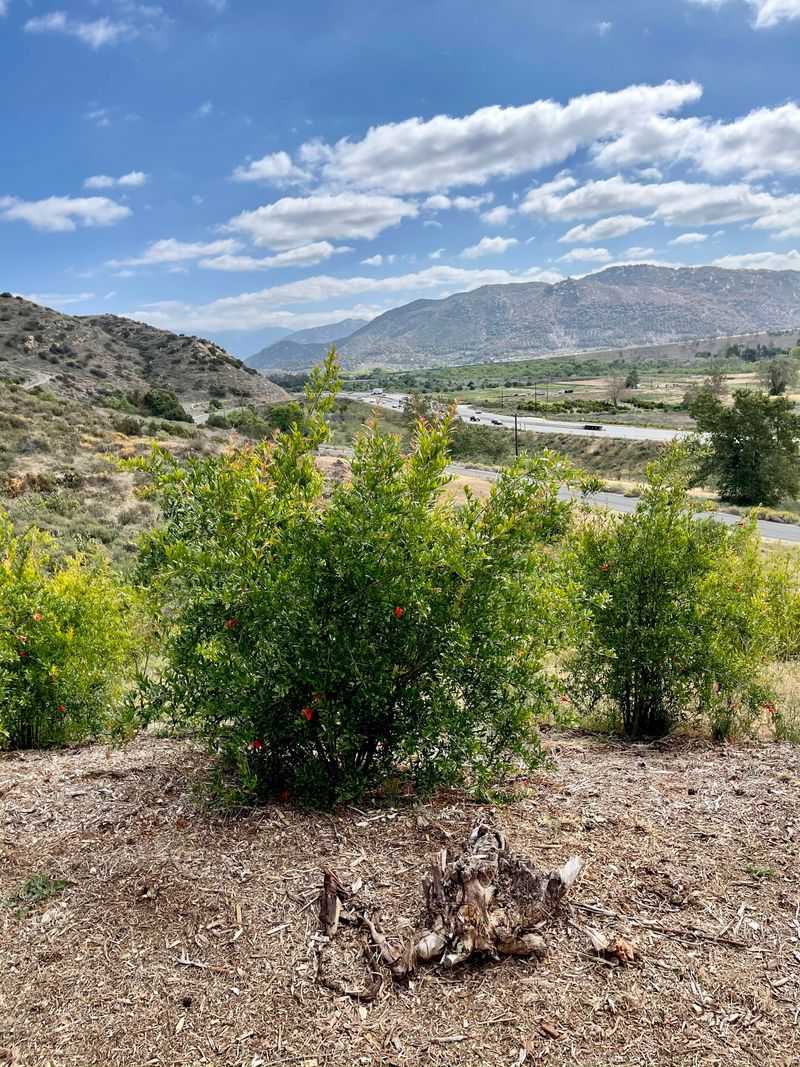
Coastal gardeners might shrug at winter, but inland valleys and higher elevations can see real frost. Established pomegranates handle temperatures down to roughly the low teens. Young trees and potted ones are far more sensitive.
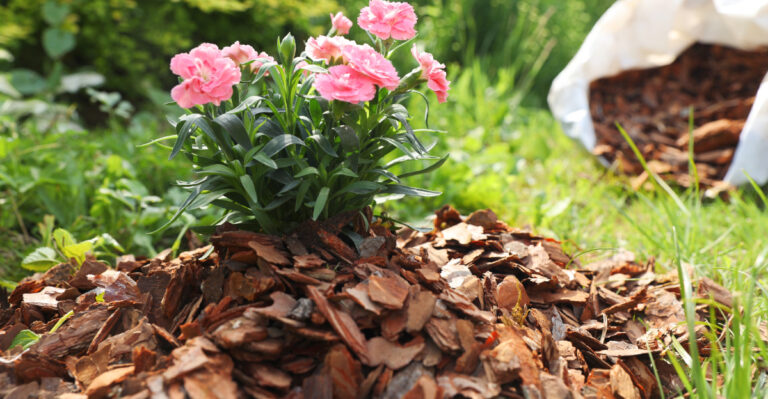
Mulch is your easy insurance policy. Spread two to four inches of wood chips, shredded bark, or compost around the base. It keeps soil temperatures steadier and holds moisture during dry winter spells.
Leave a gap of several inches between the mulch and the trunk. Piling material against the bark can trap moisture and invite rot. Think of it as a donut, not a volcano.
Container trees deserve extra attention. Roots in pots feel cold far more than roots in the ground. On frosty nights, roll them next to a south-facing wall or into an unheated garage.
For small trees in the ground, a frost cloth draped to the soil on cold nights helps trap warmth. Remove it during the day so the tree gets light and air. Moist soil also holds heat better than dry soil, so a watering before a predicted freeze can give roots a little extra protection.
Bare Pomegranate Branches Make Spotting Trouble Easier Than Ever
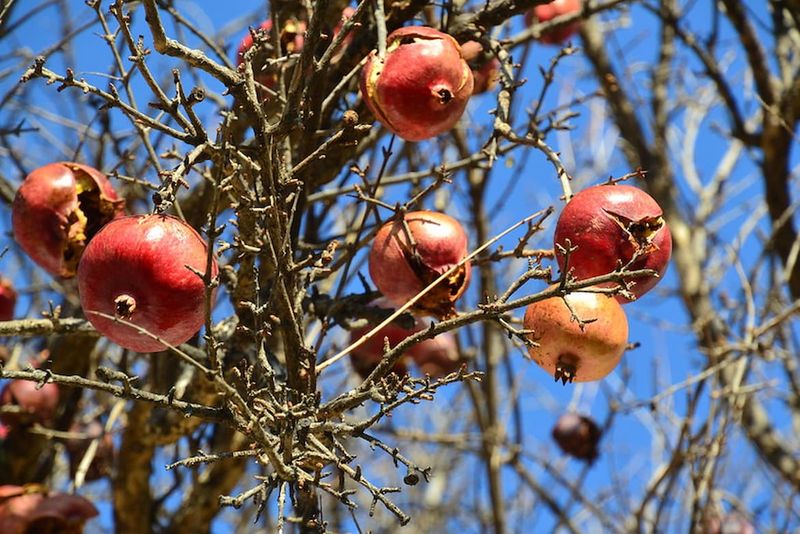
November is a perfect month for detective work. As leaves fall, branches and leftover fruit become easier to inspect. A quick walk around your tree now can save headaches next season.
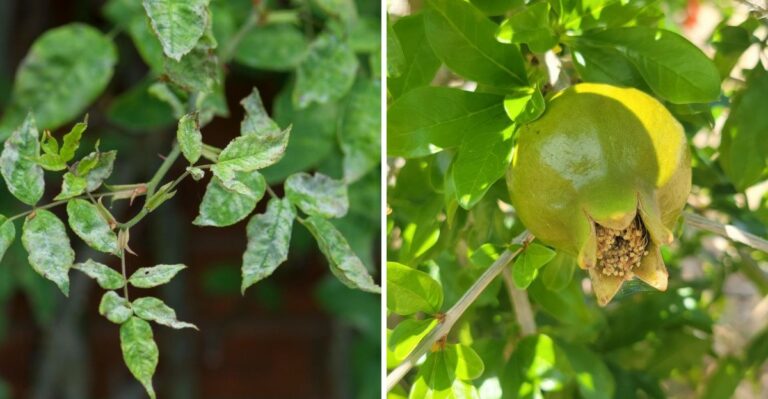
Look closely at any remaining fruit. Pomegranates sometimes develop heart rot, a fungal problem that leaves the inside brown and mushy while the outside looks fairly normal. Fruit that feels oddly light or shows dark patches is worth tossing.
Scan the bark and branch tips too. Sunken spots, oozing areas, or cracked wood can signal canker problems. Aphids and whiteflies may linger on late shoots in mild coastal areas.
Keep notes on what you find. Writing down which branches had split fruit or bug damage helps you plan pruning and cleanup later. A simple phone photo works as a garden journal.
My favorite takeaway is this. A pomegranate tree in fall asks for a light touch, not a busy schedule. Harvest at the right moment, ease up on water, clean up fallen fruit, and save pruning and feeding for late winter.
Follow that rhythm, and your tree will likely greet next summer with bright orange-red blossoms and a strong start on another sweet crop.