7 Animals Quietly Hibernating Around Maryland Homes This Winter
Somewhere under a Maryland lawn, a heart is beating only about five times a minute right now. That sleepy heart belongs to a backyard neighbor you have probably watched munching clover all summer long.
Plenty of other creatures are tucked under leaf piles and loose soil just a few steps from your door. Some of them slow their bodies so much that they barely breathe until the warm weather returns.
Not going to lie, I used to rake every last leaf off my beds before the first frost arrived. I learned the hard way that my tidy habit was evicting guests I actually wanted in my Maryland garden.
So who exactly is snoozing under your shed or beneath that soggy pile of mulch out back? A few of these sleepers might surprise you, and one of them spends the winter frozen solid.
1. Groundhogs Snoozing Deep In Backyard Burrows
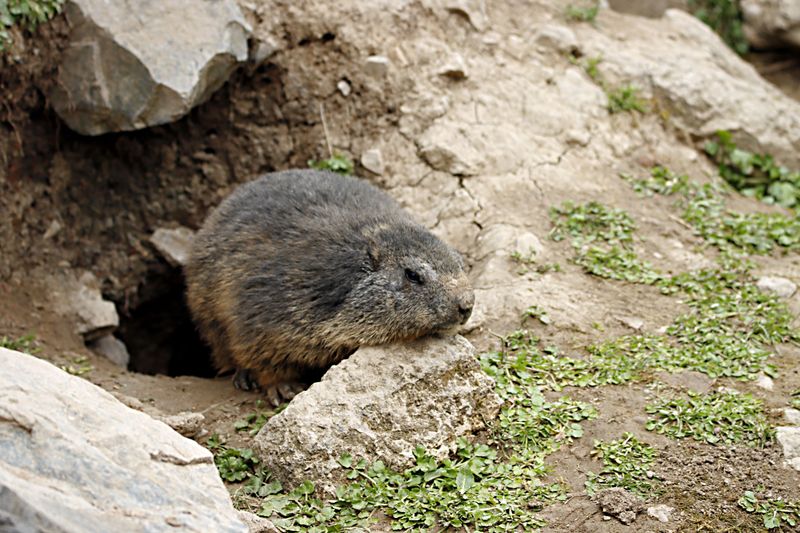
Few garden visitors frustrate me more than a groundhog chomping my beans, yet its winter trick amazes me. Woodchucks are among the few true hibernators around our homes, sleeping deeply from late fall into early spring.
Inside a sealed winter chamber, the heart rate of a groundhog drops from about eighty beats to around five. Body temperature falls sharply too, sometimes reaching the high thirties Fahrenheit while the animal lives on stored fat.
Their burrows can stretch dozens of feet, with several entrances hidden under sheds and brushy fence lines. Many groundhogs build a separate winter den, often in wooded edges where the soil drains a bit better.
Empty burrows rarely stay empty for long, since foxes and skunks happily move into these ready-made shelters. I have learned to respect those holes, even when one sits a little too close to my tomato bed.
Males often wake first, sometimes in February, to wander and check on nearby females before settling back down. That early stroll has little to do with weather forecasts, no matter what the famous Pennsylvania celebrity claims.
Winter is actually a smart time to plan garden protection because the sleeping tenants are not feeding yet. Mark burrow openings now, then add sturdy fencing buried about a foot deep before spring greens appear.
Avoid sealing an active burrow in winter, since trapping a hibernating animal underground causes needless suffering. Let them wake and wander first, then gently encourage them to relocate before your vegetable season begins.
2. Big Brown Bats Tucked Inside Attics And Walls
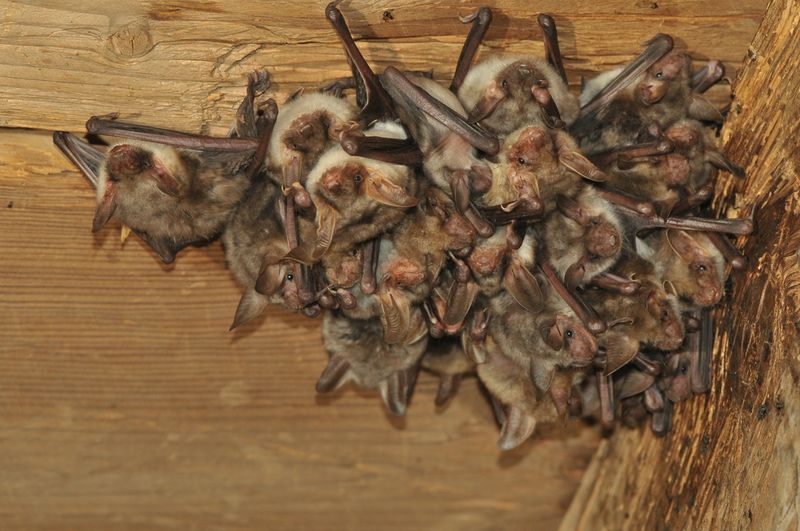
Of all the bats in Maryland, the big brown bat is the one most likely to winter inside buildings. Some spend the cold months wedged into attics and wall gaps while most relatives head for caves and mines.
I will admit the first scratchy sound above my ceiling sent my imagination racing toward much bigger critters. Turned out a small bat was shifting position, which these hardy flyers occasionally do during long winter naps.
Big brown bats handle cooler, drier spots better than many species, so unheated attics suit them surprisingly well. During hibernation their heart rate and breathing slow dramatically, letting stored fat stretch across several months.
Every unnecessary wake-up burns precious energy, and insects to refuel on are scarce until spring returns. That is why disturbing or evicting a hibernating bat can leave it too weak to survive the season.
Rather than sealing holes now, wait until bats leave on their own, usually in spring or fall. Wildlife officials recommend skipping exclusion during summer pup season too, since flightless babies stay behind in roosts.
A licensed wildlife professional can install one-way exit devices at the right time, which is safer for everyone. Please avoid handling a bat with bare hands, because bats can carry rabies and bites are easy to miss.
Once spring arrives, these bats return to hunting beetles and moths over our yards on warm evenings. A bat house mounted high on a sunny wall gives them a welcome option outside your attic.
3. Eastern Chipmunks Napping Beside Hidden Seed Stashes
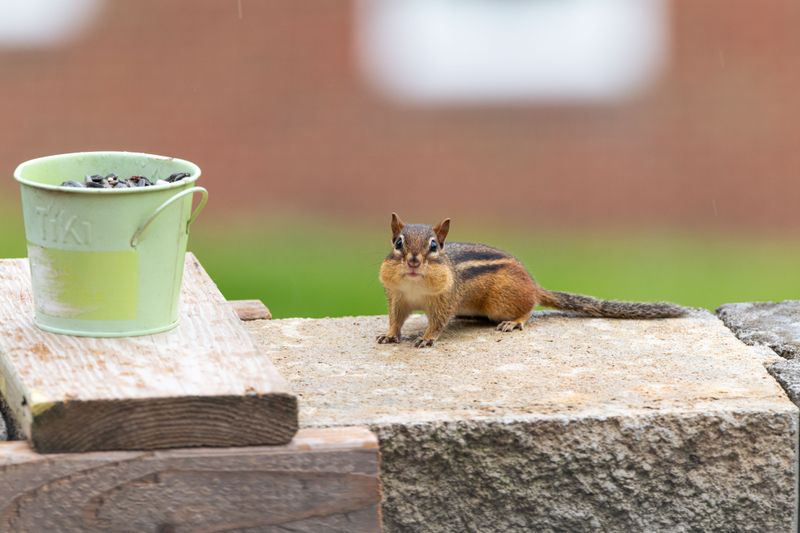
Those cheeky striped sprinters that raid your bird feeder all autumn are hoarding food for a very good reason. Eastern chipmunks spend winter underground, but they do not rely on body fat the way groundhogs do.
Instead, they slip into stretches of torpor, waking every few days to snack from a private pantry. Scientists consider them light hibernators, since their sleep is broken up by these regular meal breaks.
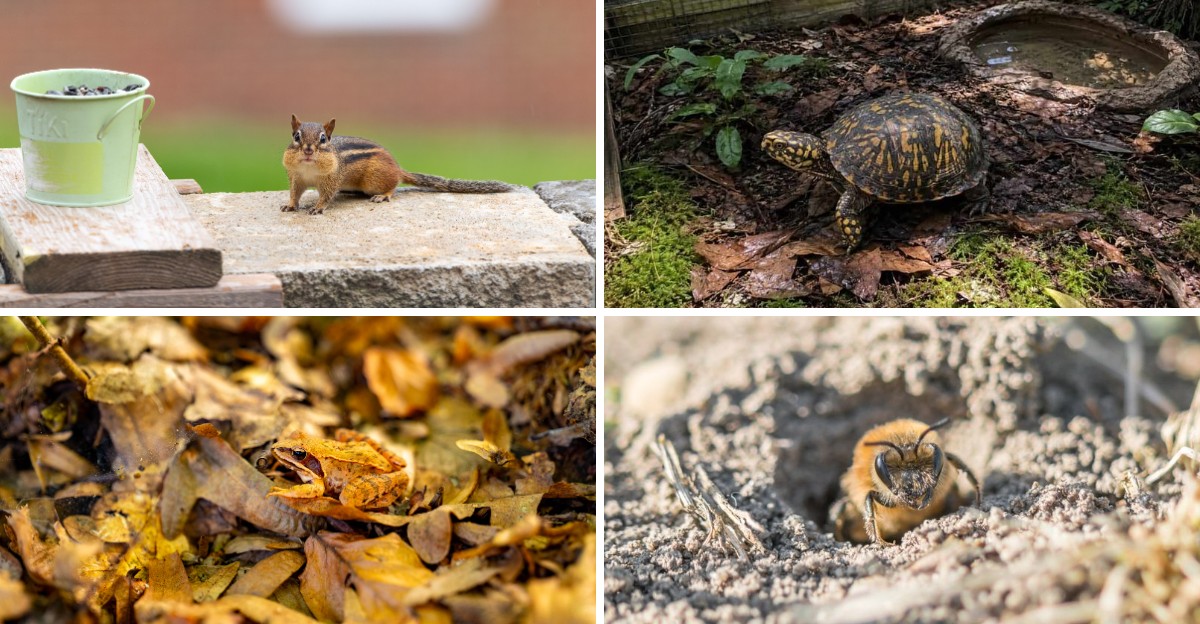
Each burrow can run up to thirty feet long, with tidy side chambers for nesting and storing seeds. Clever diggers carry the loose soil away in their cheeks, so the entrance looks like a tiny hole.
I once found a perfect round opening near my stone wall with no dirt pile anywhere in sight. Turns out that tidy little doorway is a classic chipmunk signature, and now I spot them everywhere.
On mild sunny days, you may catch one popping out briefly before scurrying back below the frozen ground. Seeing a chipmunk in January is not unusual, so there is no need to worry about its health.
Gardeners should know that chipmunk tunnels near patios and retaining walls can loosen soil over several years. Keeping spilled birdseed cleaned up reduces the buffet that draws them close to your foundation in the first place.
When fall planting returns, tuck tulip bulbs inside wire cages, because hungry chipmunks love digging them up. Daffodils make a smarter choice anyway, since chipmunks and most other rodents leave those bitter bulbs alone.
4. Eastern Box Turtles Burrowed Under Leaf Litter
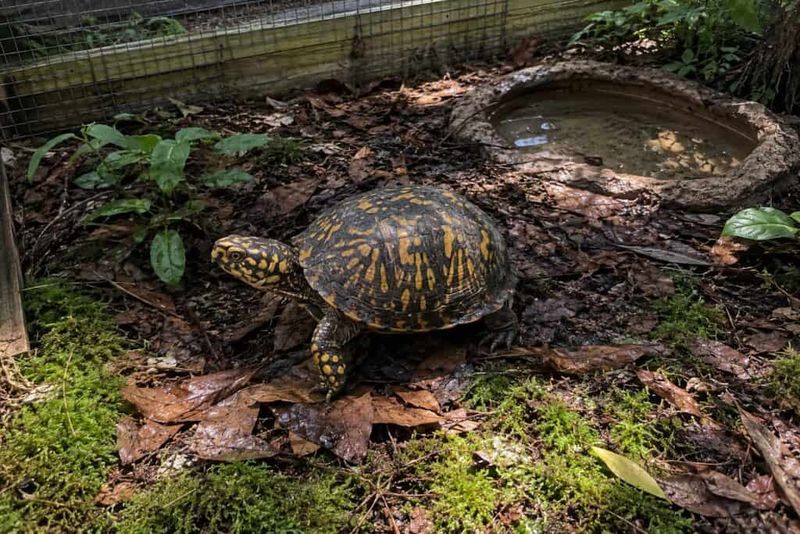
A hinged lower shell lets the eastern box turtle close up like a tiny treasure chest during winter rest. Around mid-fall, these reptiles dig into loose soil and leaf litter, often in woodsy corners near homes.
Reptiles brumate rather than hibernate, which simply means their cold-blooded bodies slow down with the chilly soil. Most box turtles settle a few inches down, though some burrow deeper as temperatures keep dropping.
Researchers have found they can tolerate brief freezing of some body fluids, which helps during sudden cold snaps. Still, a shallow spot that freezes hard for too long can be risky, so cover matters a lot.
Honestly, this is my favorite excuse for leaving fallen leaves under shrubs instead of bagging every last one. A thick layer insulates the ground beautifully and gives any sleeping turtle an extra blanket against winter winds.
Be careful with shovels and tillers in shady beds, especially during late winter and early spring cleanup. Turtles often stay buried until April, and a sluggish one cannot move away from a mower blade.
Box turtles can live well beyond fifty years, and many spend their whole lives within a small home range. Moving one to a new place often confuses it, so leave any turtle you find right where it belongs.
Populations across Maryland face pressure from road traffic and habitat loss, making backyard shelter more valuable each year. A messy corner with logs and leaves might be the best gift your garden ever gives.
5. Wood Frogs Frozen Solid Beneath Backyard Leaves
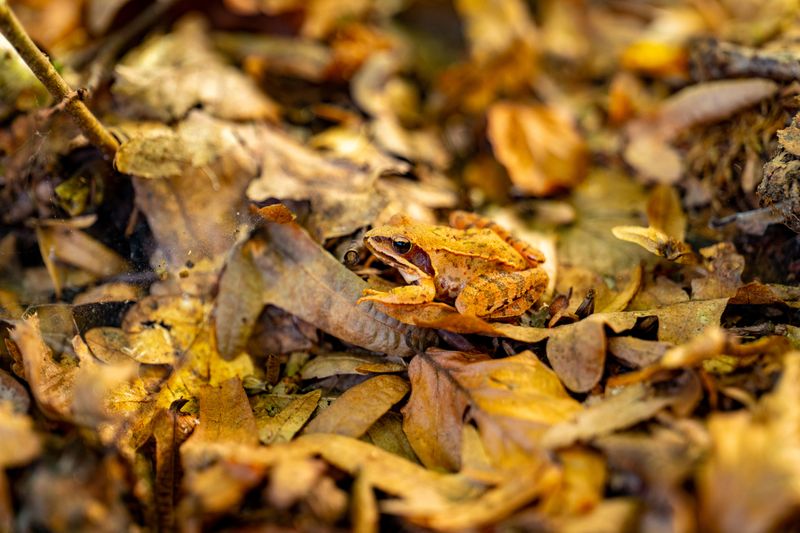
A frog with no heartbeat and ice in its belly sounds alarming, yet wood frogs handle it easily. These masked brown amphibians freeze over winter right under the leaf litter in shady yards and woodlots.
Rather than burrowing deep, wood frogs settle just beneath leaves or logs, where the ground often freezes. Their livers flood the blood with glucose, a sugar that protects cells while ice forms around the organs.
Roughly two-thirds of the water in their bodies can turn to ice, and their hearts stop beating. When the frog thaws, the heart restarts on its own, which still sounds like science fiction to me.
I only learned this after nearly raking a stiff little frog into my compost bin one chilly afternoon. Now I leave a leafy strip along my wooded edge, and I check before raking anything there.
Please resist warming up a frozen frog you find, since it is handling winter exactly as nature intended. Gently cover it back with leaves, then walk away and let the season do its slow work.
Wood frogs are often among the first to wake, heading for vernal pools on rainy late-winter nights. Their chorus sounds a lot like quacking ducks, so many folks hear them without ever realizing it.
Keeping temporary puddles and shallow woodland pools free of fish and chemicals helps their eggs hatch each spring. Skip pesticides near damp low spots in your yard, because thin amphibian skin absorbs chemicals very easily.
6. Garter Snakes Curled Together In Underground Dens
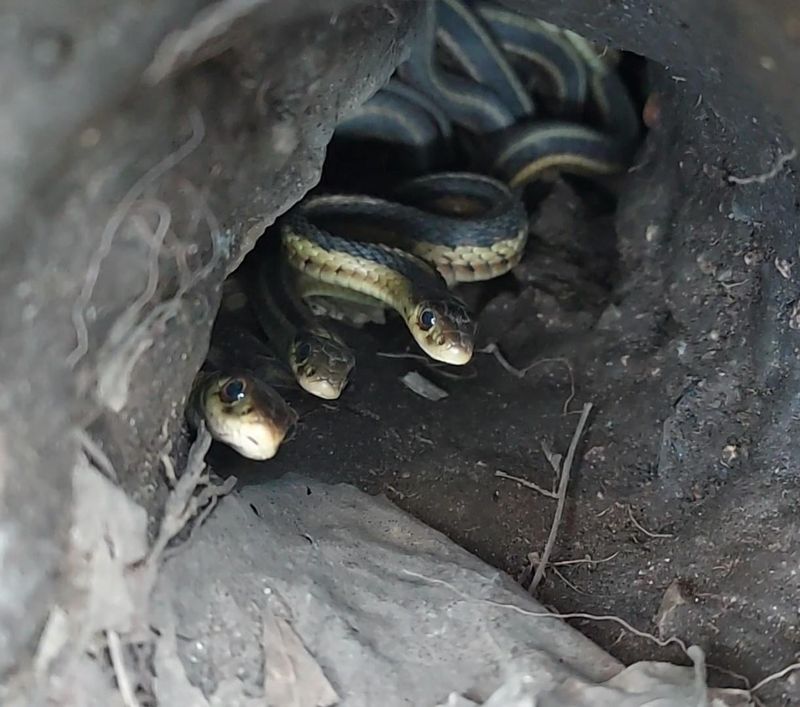
Dozens of garter snakes sometimes share one winter den, tangled together in a surprisingly cozy pile underground. In Maryland, the eastern garter snake is a familiar yard visitor that brumates from late fall into spring.
These dens, called hibernacula, might be old rodent burrows or deep cracks along a stone foundation. Snakes need spots that stay above freezing, so they often slip below the frost line to rest.
Don’t laugh, but I once jumped a foot when a sleepy garter snake slid out from my compost pile. It was a warm February day, and the snake was soaking up sunshine before heading back under.
Garter snakes are mostly harmless to people, though a grabbed one may bite or release smelly musk. Gardeners love them for good reason, since they happily gobble up slugs that chew holes in our tender lettuce leaves.
Leaving a rock pile or a few stacked logs in a sunny corner gives them shelter and basking spots. Place it well away from your doors, since you probably prefer snakes in the garden rather than the basement.
If snakes keep showing up indoors, seal foundation gaps in late spring after they have left their dens. Sealing in winter could trap them inside, which helps nobody and creates a bigger headache later.
Look for their yellowish stripes running down the back, which help separate them from other local snakes. Learning to recognize this friendly neighbor makes spring yard work feel a whole lot calmer for jumpy gardeners like me.
7. Bumble Bee Queens Sleeping Alone In Garden Soil
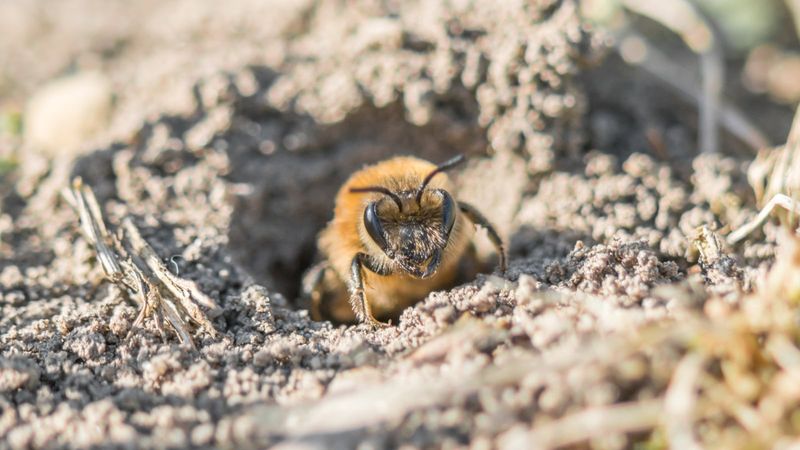
Only the newly mated queens from each bumble bee colony make it through winter, resting alone underground. The workers and old queen fade away in fall, leaving these young royals to carry on the family.
Each queen digs a small chamber a few inches deep, often in loose soil on a shady slope. Some choose cozy spots under leaf litter or tuck themselves beneath the edge of a compost heap.
Inside that chamber she enters a dormant state called diapause, living off fat reserves built up in late summer. Her whole future colony depends on her staying undisturbed until the soil warms again in spring.
I’m a sucker for tidy beds, but I now leave a few bare patches of soil alone all winter. Heavy mulch and constant digging can make it harder for queens to find safe overwintering sites.
Hold off on turning the soil in shady beds until spring has properly arrived and the ground has warmed. Queens usually emerge between March and April in the Mid-Atlantic region, depending on how quickly temperatures climb each year.
A big fuzzy bee zigzagging low over the lawn in early spring is likely a queen searching for a nest. She will need early flowers right away, so native bloomers like red maple and wild columbine are lifesavers.
Maryland gardeners can also plant spring ephemerals such as Virginia bluebells to feed these hungry early risers. Every queen that wakes up healthy could launch a colony that pollinates your tomatoes and squash this summer.