Cozy Blanket Of Fallen Leaves On Your Illinois Lawn May Be Doing Something You Never Expected
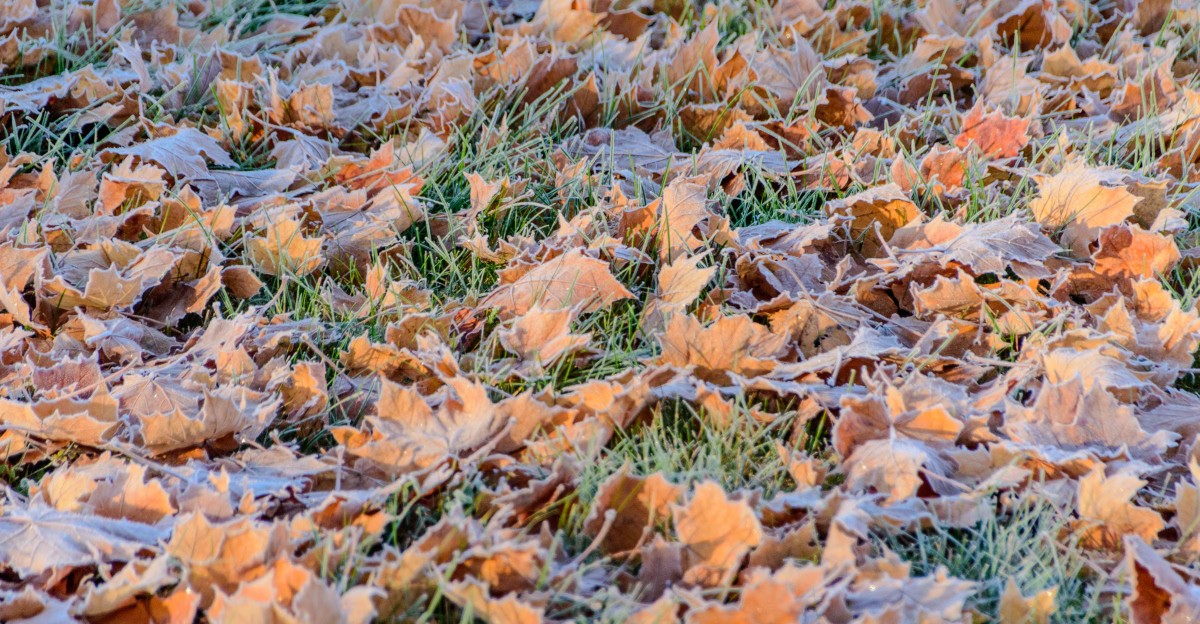
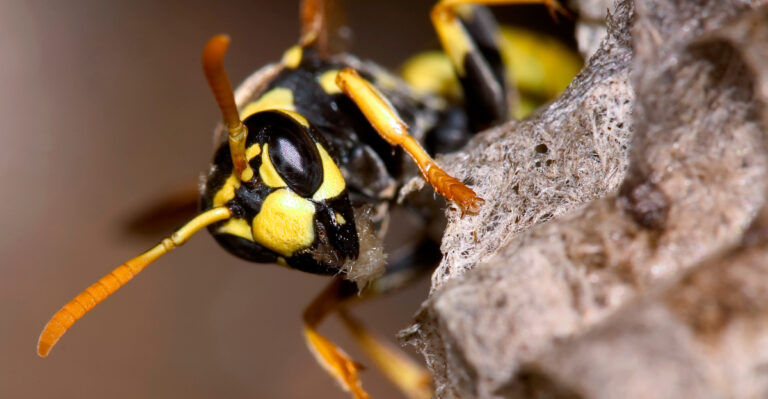
A queen bumble bee may be sleeping under the leaves you plan to rake this weekend. She digs just below the soil surface and leans on that crunchy layer to stay snug until spring.
I learned this after years of hauling bag after bag to the curb. Then university researchers handed me evidence that changed how I see fall cleanup in Illinois.
Those crimson and gold piles are working hard. They feed soil, shelter caterpillars and beetles, and even help keep streams across Illinois cleaner.
Stop treating leaves like trash, and you might notice more fireflies and butterflies next summer.
Still, a thick, soggy mat can wreck your grass. The line between helpful blanket and lawn smotherer turned out to be simpler than I expected, and it might save your back too.
Those Crunchy Oak and Maple Leaves Are Quietly Feeding Your Grass
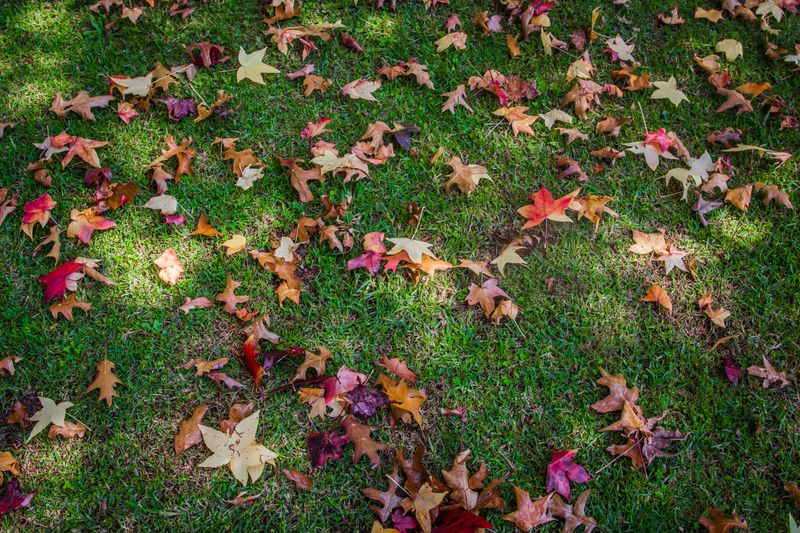
Last October I ran my mower over a carpet of maple leaves, and within a week the bits had nearly disappeared. Earthworms and soil microbes had pulled them down and started eating.
University of Illinois Extension educators recommend this exact move. When you mow a light layer of dry leaves, the small pieces settle between grass blades and break down over the winter.
As they decay, they add organic matter and return small amounts of nitrogen, phosphorus, and potassium to the soil.
A mulching mower does the job best, but a regular mower works too. Make two or three passes until the pieces are about the size of a dime.
Mow when leaves are dry, since wet ones clump and clog the deck.
Research from Michigan State University found that mulching leaves into turf did not harm lawn quality, and some plots greened up nicely the next spring. Some studies even noticed fewer dandelions, though results vary.
The trick is balance. You want to see grass peeking through the shredded leaves once you finish.
If the lawn disappears under a brown layer, you have more than the turf can handle, and the extra leaves need a new home.
A Sleeping Queen Bumble Bee Could Be Hiding Under That Leaf Pile
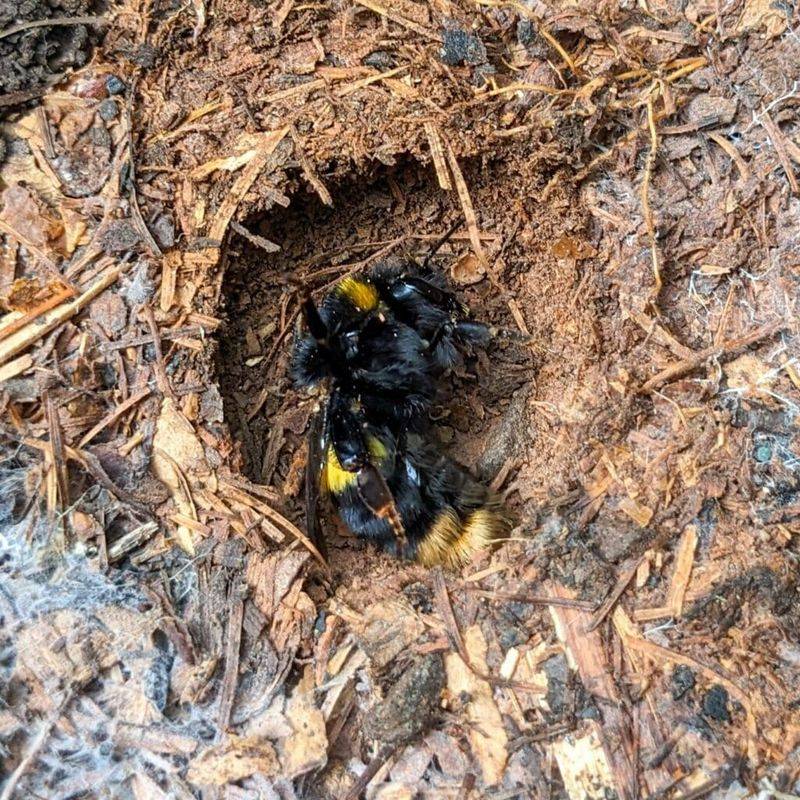
Who knew a soggy pile of leaves could be a five-star hotel? For a lot of tiny creatures across Illinois, it is exactly that.
Queen bumble bees spend winter just under the soil surface, often in loose ground beneath leaf litter. The leaves act like a cozy quilt, buffering cold snaps and keeping moisture steady.
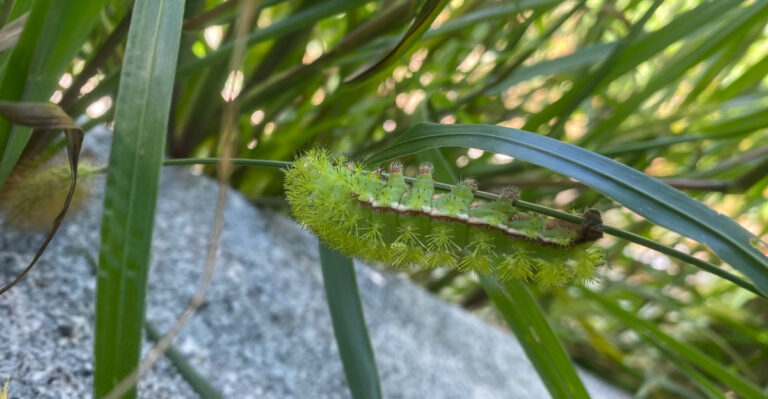
Many moths and butterflies in Illinois also overwinter there as eggs, caterpillars, or pupae. Luna moth cocoons and swallowtail chrysalises can blend right in with brown leaves.
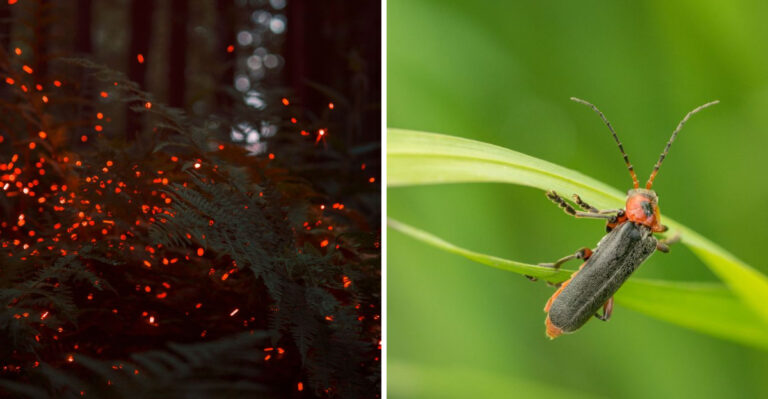
Firefly larvae love this layer as well. They hunt slugs and snails in damp leaf litter, then grow into the blinking beetles that light up summer evenings.
Spiders, ground beetles, and other helpful hunters bunk there too. Birds like robins and wrens then pick through those leaves for food in early spring, when meals are scarce.
You do not need to turn your whole Illinois yard into a wild patch. Leaving leaves under trees, along fence lines, and in flower beds gives these critters plenty of shelter.
The Chicago Botanic Garden and local forest preserves encourage this simple habit. When spring arrives, wait until daytime temps stay near 50 degrees before tidying up, so sleepy guests have time to move out.
Raking Extra Leaves Into Flower Beds Makes Free Winter Mulch
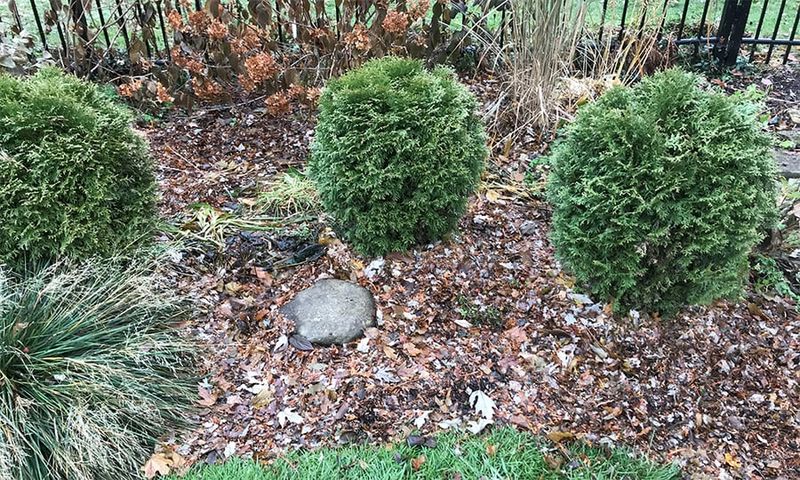
Here comes my favorite money saver. Instead of buying bags of bark mulch in spring, I scoop up extra leaves and tuck them around my perennials.
A layer of shredded leaves about two to three inches deep works wonders in garden beds. It holds soil moisture, blocks many weed seeds from sprouting, and softens wild temperature swings.
That last part matters a lot in Illinois, where winter can bounce from frigid to mild in a single week.
Those swings cause freeze-thaw cycles that can heave shallow-rooted plants like coral bells right out of the ground. A leaf blanket keeps soil temperature steadier and roots more settled.
Shredding helps here too. Whole leaves, especially big maple ones, can mat into a wet sheet that keeps water and air from reaching the soil. Run them over with the mower first, or use a leaf shredder.
Keep the mulch a couple of inches away from tree trunks and woody stems. Piling leaves against bark holds moisture and invites rot and nibbling voles.
By spring, much of that layer will have softened into dark, crumbly material. You can leave it in place or gently work it into the top of the soil.
Heavy Clay Soil Gets a Makeover From Decaying Leaves
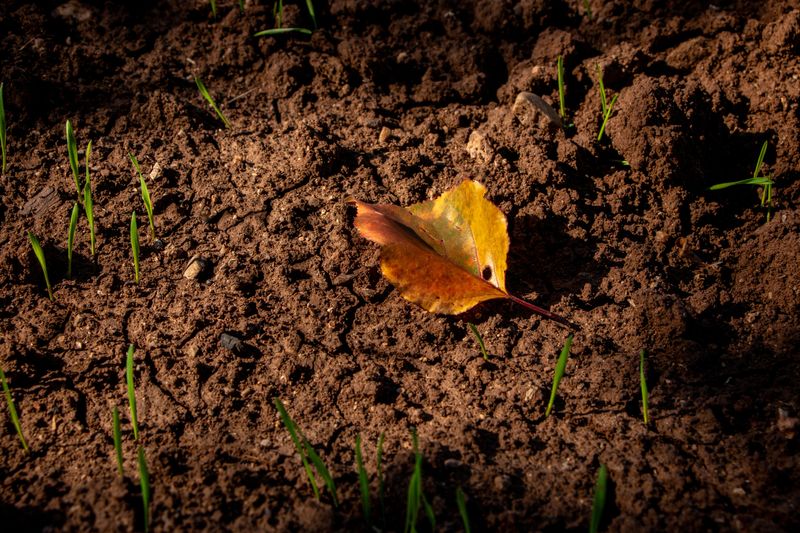
Anyone who has tried digging in sticky Illinois clay knows the struggle. My first shovel in our backyard felt like scooping cold brownie batter.
Leaves turned out to be my secret weapon. As they break down, they become organic matter, the dark spongy stuff that makes soil healthy.
In clay, organic matter helps tiny particles clump into crumbs, creating spaces for air and water to move. Roots can then push deeper with less effort.
Sandy soils benefit in the opposite way. The same organic matter acts like a sponge, helping fast-draining sand hold onto water and nutrients longer.
Leaves also feed the underground crowd. Earthworms drag leaf bits down into their tunnels, mixing and loosening soil as they go. Fungi and bacteria finish the job, slowly releasing nutrients plants can use.
Fun fact: one large shade tree can drop hundreds of pounds of leaves in a single fall. That is a lot of free soil food landing in your yard each year.
To give your veggie garden a boost, spread shredded leaves on empty beds in fall and turn them in lightly. By planting time, the soil often feels noticeably softer and easier to work.
Leaves in the Street Gutter Can Send Phosphorus to Local Rivers
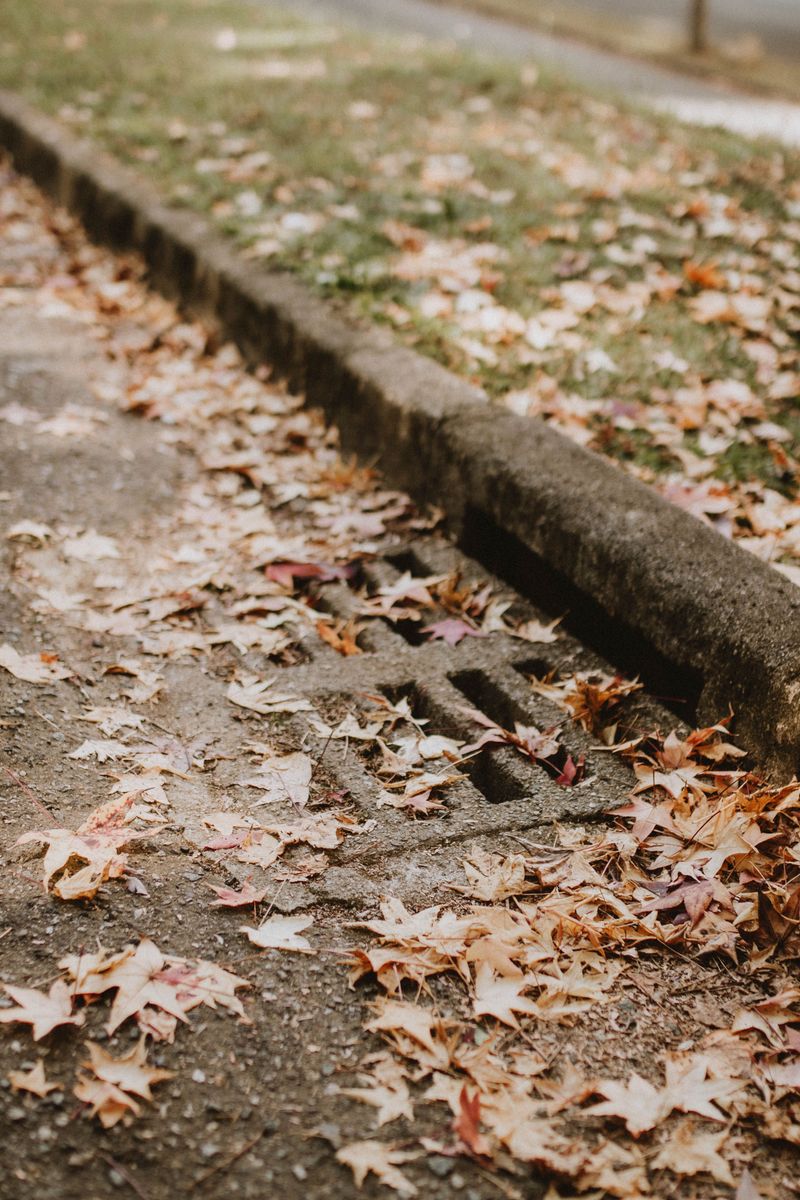
This one surprised me most. Leaves left in the gutter can actually affect the water quality of nearby lakes and streams.
When rain soaks leaves piled at the curb, it pulls out phosphorus, a nutrient stored in the leaf tissue. That tea-colored water flows into storm drains, which usually lead straight to creeks and rivers without any treatment.
Research in Wisconsin found that fall leaves are a major source of phosphorus in urban stormwater.
Extra phosphorus feeds algae. Large algae blooms can cloud water, lower oxygen levels, and cause trouble for fish and other aquatic life.
University of Illinois Extension water quality specialists encourage homeowners to keep leaves out of streets for this reason.
Some towns still offer curbside leaf pickup, so check your local rules before changing habits. If your village collects leaves in the street, try to set them out right before pickup day, not weeks ahead.
Keeping leaves on your own property is the simplest fix. Mow them into the lawn, pile them in beds, or compost them.
You also cut down on clogged drains and puddles at the curb, which your neighbors will appreciate during those soggy November storms.
A Thick Wet Mat of Leaves Can Smother Your Lawn and Invite Snow Mold
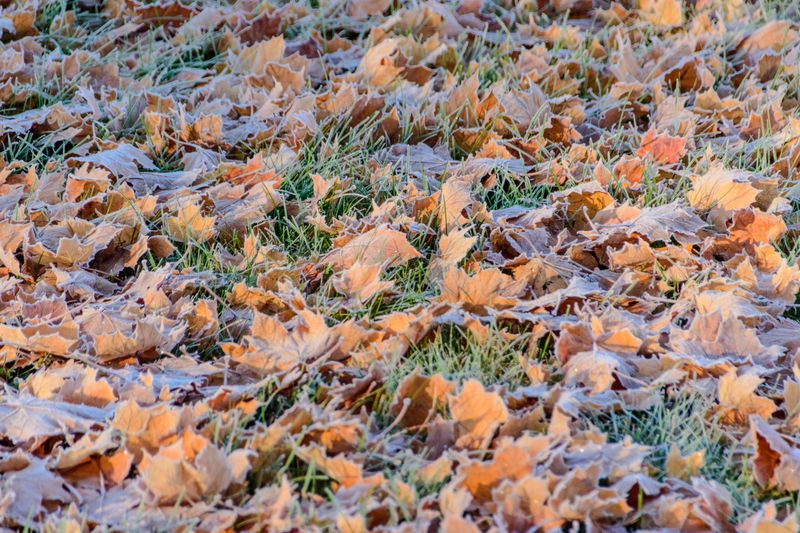
Okay, a little honesty time. Leaves are wonderful, but a heavy, soggy layer sitting on grass all winter can cause problems.
Whole leaves that pile up thick block sunlight from reaching the turf. Grass still needs light in fall to store energy for winter. Under a dense mat, blades can thin out and turn yellow.
Moisture is the other concern. A wet layer of leaves, especially under snow cover, creates a damp, dark space where snow mold fungi thrive.
In spring, you might spot gray or pinkish circular patches where the grass looks matted and crusty. Most lawns recover with light raking, but it sets them back. So how much is too much? A handy rule many lawn experts share is simple.
After mowing, you should see more grass than leaves. If more than half the lawn is hidden, move the extras to beds or a compost pile.
Watch spots under big oaks and maples, where leaves drop in layers. You may need to mow those areas every week or so during peak leaf fall.
A quick final pass in late November, after most trees are bare, keeps the lawn breathing into winter.
Turn Your Leaf Pile Into Compost or Rich Leaf Mold for Next Spring
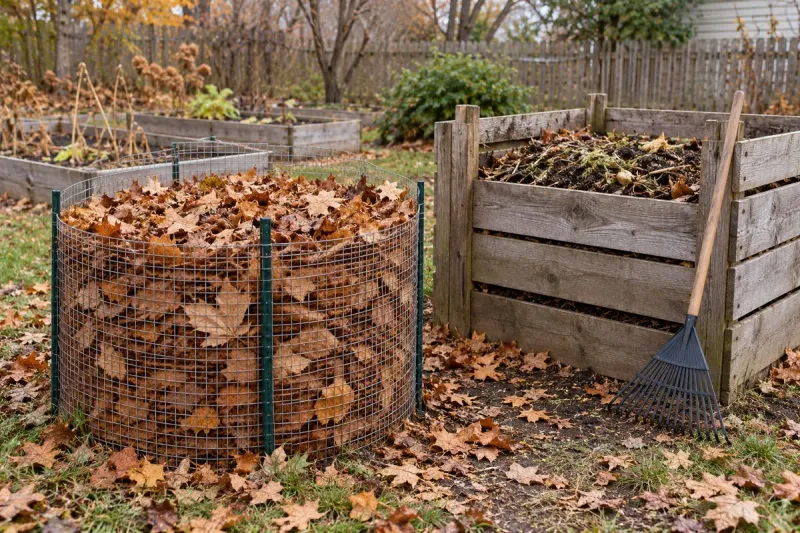
My leaf strategy now has three parts, and my back thanks me every November. Mow some, mulch some, and save the rest for a slow, earthy treasure.
Leaf mold is the easiest compost project around. Pile shredded leaves inside a simple circle of chicken wire or a spare corner of the yard.
Keep the pile moist, like a wrung-out sponge, and let fungi do the work. In one to two years, you get dark, crumbly material that holds water beautifully in pots and beds.
Want faster results? Mix leaves into a regular compost bin with green materials such as grass clippings or vegetable scraps.
Leaves are rich in carbon, so they balance nitrogen-heavy greens well. Turning the pile every few weeks speeds things up.
Save a few bags of dry leaves too. They make a handy brown layer to add to compost all summer long.
One quick caution: skip leaves from diseased trees, such as those with heavy tar spot or scab, if you plan to mulch prized plants nearby. Otherwise, these leaves are a gift. Give them a job this fall, and your garden and backyard wildlife will reward you next spring.