The Texas Trees That Attract The Most Pests
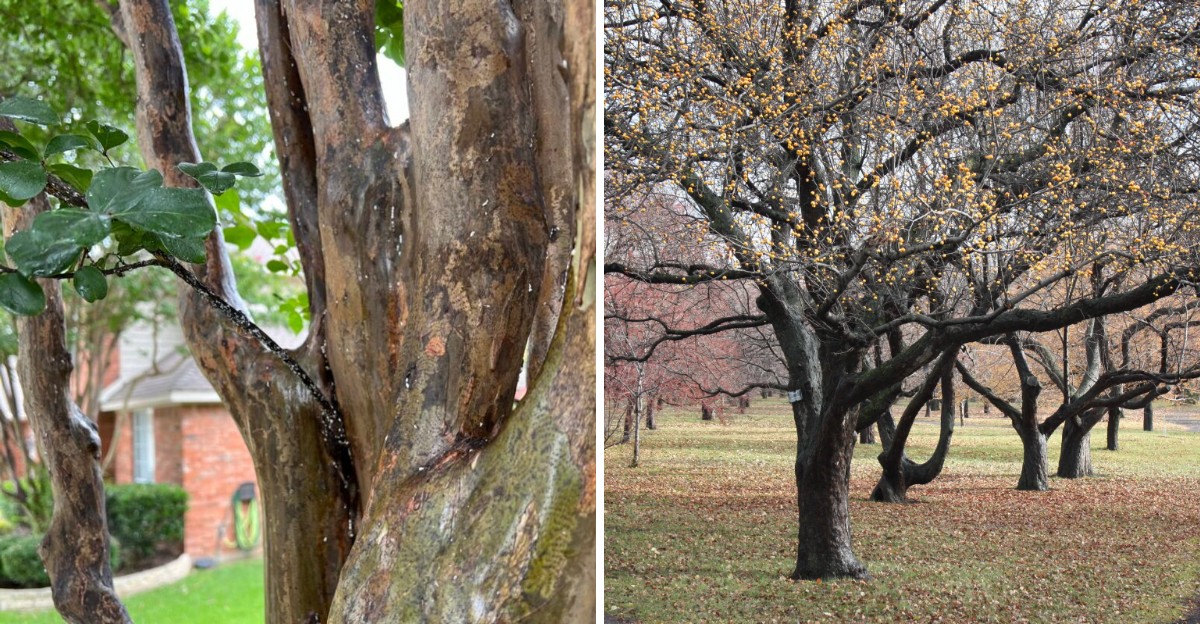
A tiny white bug found on Texas trees leaks bright pink juice when you squish it with your fingernail. I learned that the hard way, and my thumb looked like I had been picking berries all afternoon.
That colorful little critter is just one of many freeloaders that move into backyard shade trees every year. Some arrive as beetles from overseas, while others are fungi that sneak in through fresh pruning cuts.
Personally, I believe knowing which trees draw the biggest bug crowds can save you real money and heartache. You might notice warning signs long before a tree looks sick, if you know where to look.
Some of the trees on this list are Texas favorites that line streets and shade countless front porches. So which beloved backyard giant is quietly hosting the biggest party of hungry pests right now?
1. Ash Trees
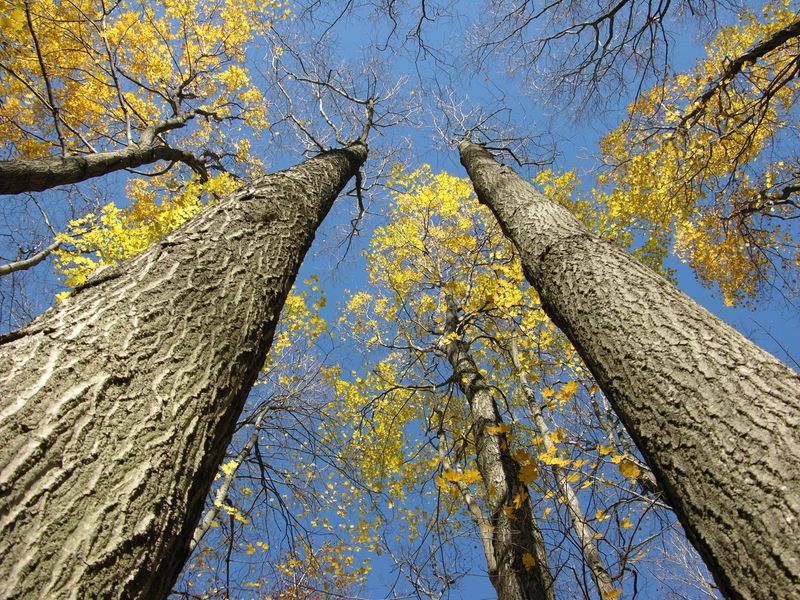
Shiny metallic green beetles smaller than a penny have turned ash trees into one of the riskiest yard picks. I used to admire their tall, tidy crowns, until I saw what these borers do under the bark.
The emerald ash borer, or Agrilus planipennis, came from Asia and was first found in Texas in 2016. Officials spotted it in Harrison County, and it has since turned up in many more counties.
Larvae carve winding tunnels just beneath the bark, which blocks the flow of water and nutrients upward. Infested trees often decline quickly, sometimes within two to five years after the first beetles arrive.
Take a closer look at the trunk for tiny D-shaped exit holes about an eighth of an inch wide. Woodpeckers flaking off bark and thinning leaves near the top are other clues worth reporting quickly.
To my surprise, all sixteen native ash species in the United States can fall victim to this beetle. That includes green ash, a classic shade tree planted along countless city streets during past decades.
You need to avoid moving firewood between counties, since hidden larvae can hitch rides inside cut logs. Buy wood near where you plan to burn it, and encourage friends to follow the same habit.
Valuable ash trees in affected areas can sometimes be protected with trunk treatments applied by certified arborists. If you are planting something new, I suggest choosing a different native shade tree instead of ash.
2. Live Oaks And Red Oaks

Sap beetles follow a sweet, fruity smell to fungal mats, then carry spores to fresh wounds on oaks. I find it wild that something smelling so pleasant can cause so much trouble in a neighborhood.
Oak wilt, caused by the fungus Bretziella fagacearum, clogs the water-carrying system inside susceptible oak trees. It is considered one of the most serious tree diseases in the country, especially in Central Texas.
Red oaks, such as Shumard and Buckley oak, can decline within just weeks once the fungus takes hold. Those same red oaks may grow spore-filled mats under cracked bark, which is where beetles find them.
Live oaks often share connected root systems, so the disease can travel underground from tree to tree. Whole groups of neighboring live oaks can struggle together, forming slowly expanding patches of bare canopy.
Grab your calendar, because timing matters most when you prune any oak tree growing in your yard. Forest service experts suggest skipping oak pruning from February through June, when beetles are most active.
If you must trim during that window, paint each fresh cut right away with a simple wound dressing. Even damage from lawn mowers or storms deserves a quick coat of paint to keep beetles away.
Oaks also host aphids and leaf rollers, though these pests usually cause smaller, mostly cosmetic problems. Watch for firewood too, since infected red oak logs can carry the fungus to brand new neighborhoods.
3. Pecan Trees
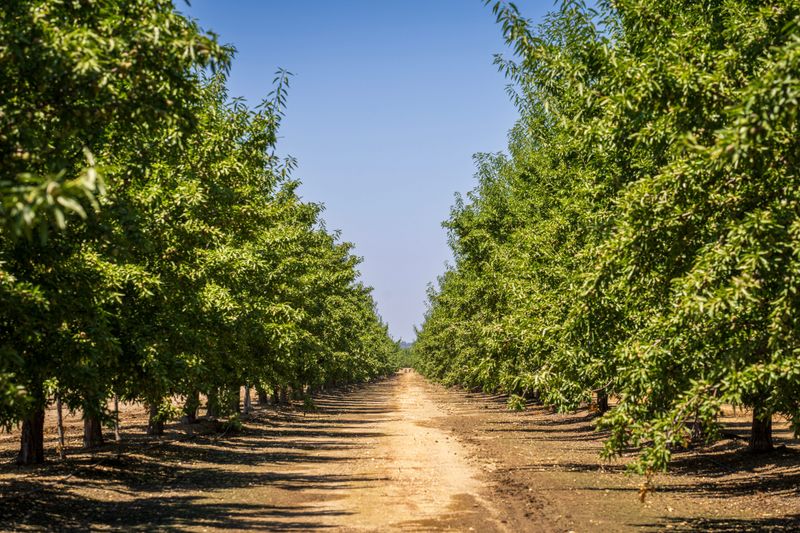
Our official state tree is also a magnet for hungry insects and stubborn fungi that love its nuts. Honestly, I adore a buttery pecan pie, so watching pests grab the harvest first feels personal.
Pecan scab, caused by the fungus Venturia effusa, leaves black spots on tender leaves and developing nut shucks. Humid spots like East Texas see the worst outbreaks, and badly infected nuts may drop or stay small.
Choosing scab-resistant varieties, like Elliot or Kanza, is one of the smartest moves for home growers. Raking up fallen leaves and shucks in winter also cuts down on fungus waiting for spring rains.
Then there is the pecan nut casebearer, a small moth larva that bores into tiny developing nuts in spring. One larva can feed on several nuts in a cluster, so damage adds up surprisingly fast.
Black pecan aphids are another headache, and even small numbers can turn leaves yellow and cause early leaf drop. Yellow aphids mostly leave behind sticky honeydew, which feeds a sooty black mold on leaves below.
Pecan weevils lay eggs inside developing nuts during late summer, and the grubs eat the kernels from within. Finding small round holes in fall pecans usually means grubs have chewed out and dropped into the soil.
For big backyard trees, your county extension office can share local spray timing and pheromone trap tips. I truly believe a little planning brings home far more pecans for your family’s holiday baking.
4. Crape Myrtles
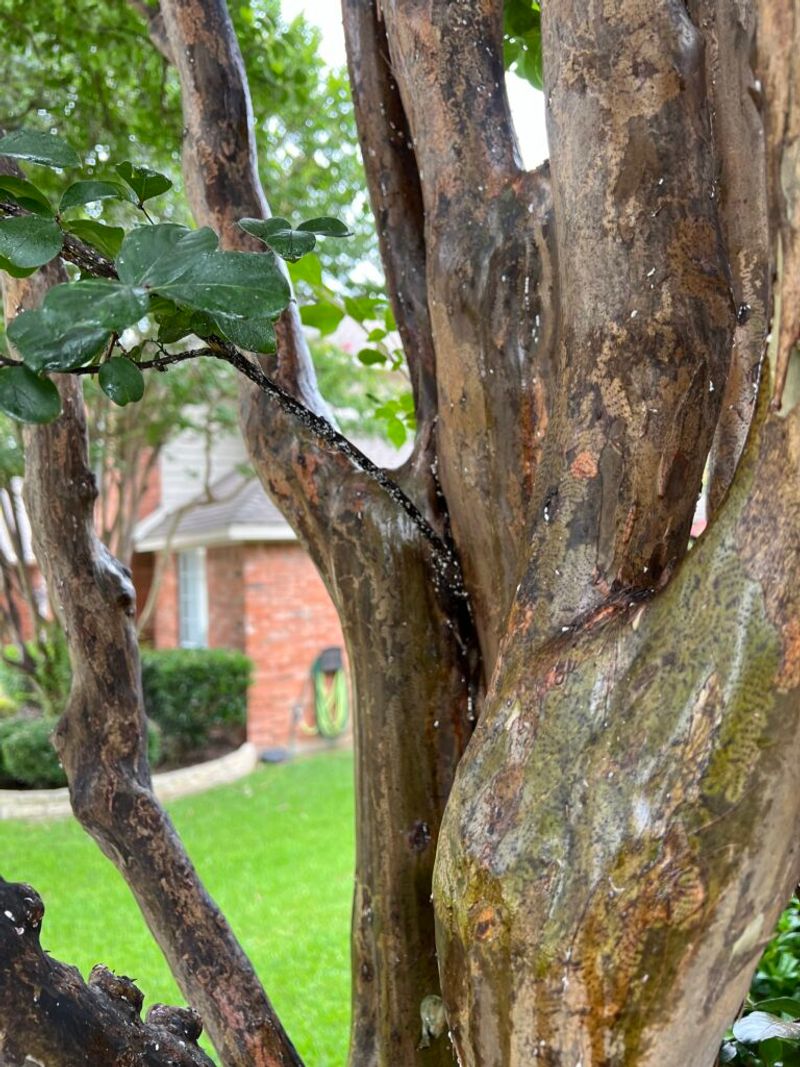
Those white, fuzzy spots crusting your crape myrtle branches are not mildew, and they bleed pink when crushed. Crape myrtle bark scale, Acanthococcus lagerstroemiae, is an invasive felt scale first found in Richardson in 2004.
Since then, it has spread across much of the southern United States, including the busy Austin area. I have to admit, spotting it on my favorite pink crape myrtle made my heart sink a little.
Both the scale and crape myrtle aphids drip sticky honeydew, which coats bark and anything parked below. Black sooty mold then grows on that sugary film, turning smooth, pretty bark into a grimy mess.
Heavy infestations can mean fewer and smaller blooms, which defeats the whole point of growing crape myrtles. Plants may also look weaker overall, especially after long stretches of summer heat and dry soil.
You’ll love how easy the first step is, since a soft brush and soapy water remove plenty of scale. Gently scrub the trunk and lower limbs you can reach, which also clears away some sooty mold.
Extension experts note that a soil-applied systemic insecticide can help with tough cases when used as labeled. Apply it after blooming ends, so pollinators visiting flowers are much less likely to be harmed.
Inspect new crape myrtles before buying, because infested nursery plants are one way this scale moves around. Avoid heavy topping too, since those knobby cuts stress the tree without solving any pest problems.
5. Elm Trees
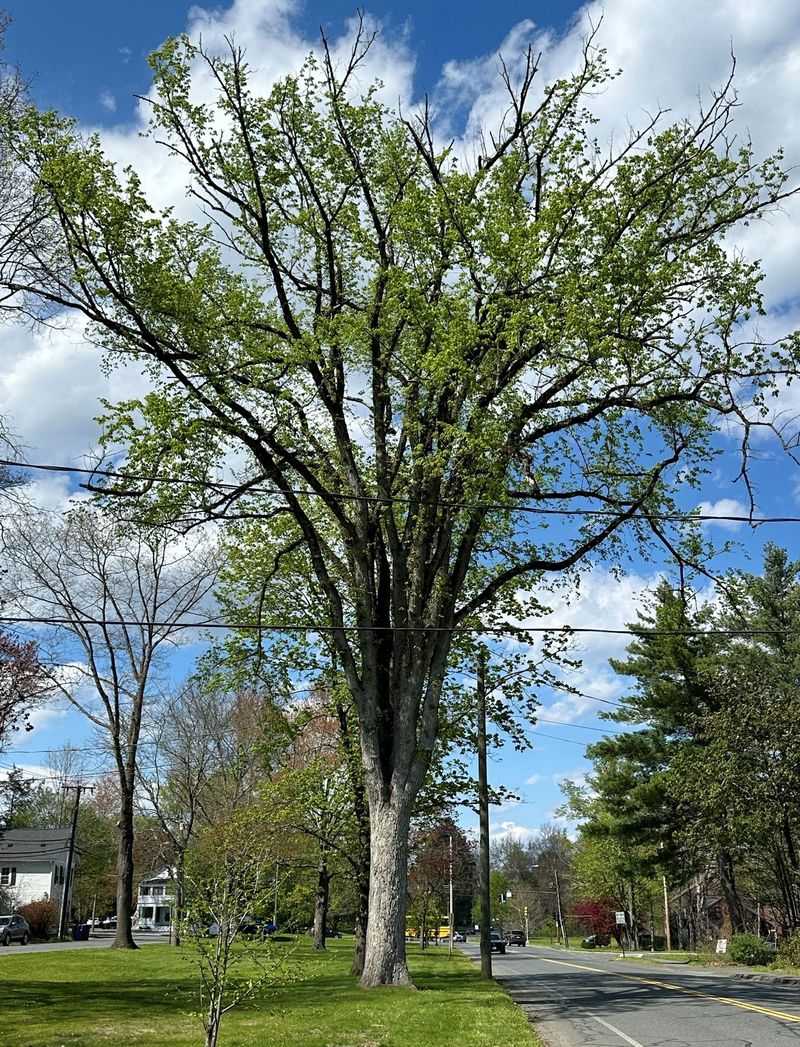
Hold an elm leaf up to the sunlight, and you might see a lacy window left by tiny grubs. Elm leaf beetles, Xanthogaleruca luteola, are the culprits behind that skeleton look, and they feed on many elm species.
Adults chew small round holes in leaves, while the yellow-and-black striped larvae do the heavier damage. They scrape away the soft leaf tissue and leave only veins, so leaves turn brown and papery.
Some coastal parts of the state see up to three generations in one season, which gives elms very little rest. Repeated leaf loss stresses trees, leaving them open to borers and diseases that move in afterward.
Funny enough, these beetles sometimes wander indoors in fall, hunting for a cozy spot to spend winter. They do not bite or damage your home, but finding them on window sills gets old fast.
Check the base of the trunk in early summer for clusters of bright yellow pupae gathered in bark cracks. Larvae crawl down the trunk to pupate, so that spot gives you a great chance to control them.
Sweeping or vacuuming up those pupae is simple, and a trunk band of insecticide can help in bad years. Keeping elms watered during dry spells also helps them push out new leaves after a rough attack.
Cedar elm, a tough native shade tree, can still host these beetles, though it handles summer heat beautifully. I would still plant one, as long as I kept a watchful eye on its leaves each spring.
6. Cypress Trees
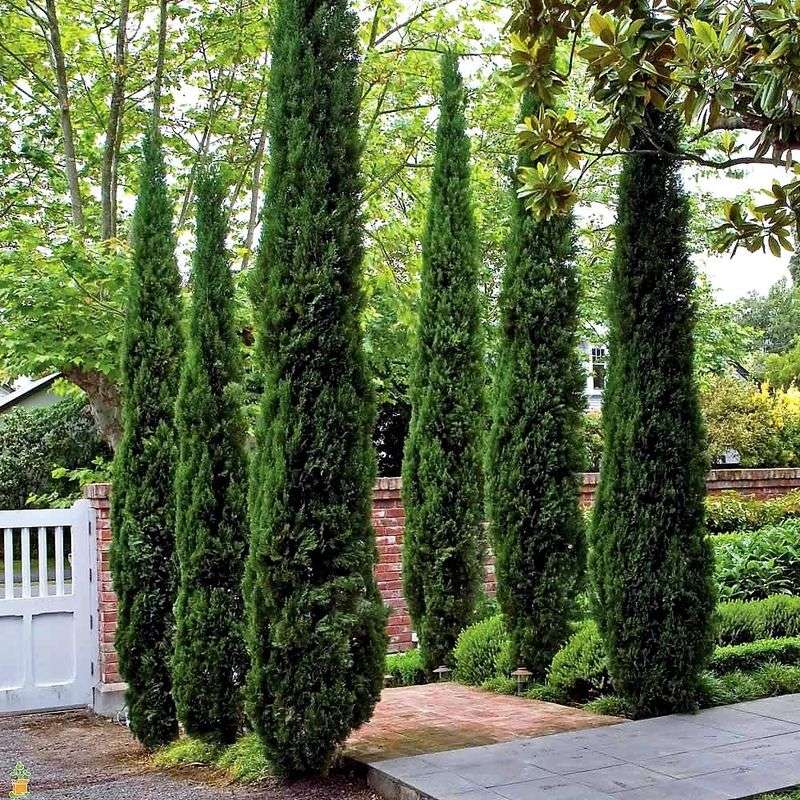
Rusty brown branches popping up on an otherwise green cypress hedge are a classic warning sign worth taking seriously.
Leyland and Italian cypress often suffer from Seiridium canker, and Arizona cypress shares the same weakness.
The fungus causes sunken, oozing cankers that leak sticky resin down the trunk and along affected branches. Over time, those cankers can girdle limbs, so the foliage beyond them turns reddish brown and drops.
Nobody warned me that summer heat and heavy clay soil could make these trees such easy targets. Stressed cypresses in North and Central Texas often show the most canker damage after drought years.
Leyland cypress in particular struggles with hot, dry summers, which is why many local arborists discourage planting it. The fungus usually enters through wounds, so careless pruning or string trimmer nicks can open the door.
Prune out infected branches several inches below the canker during dry weather, then clean your tools afterward. A quick wipe with household disinfectant between cuts helps keep spores from spreading to healthy branches.
Spider mites also love cypresses during long hot spells, leaving the foliage looking speckled and faded. Shake a branch over white paper, and tiny moving specks will tell you mites have moved in.
Deep watering every couple of weeks during drought keeps cypresses less stressed and better able to resist disease. Personally, I think spacing them out with good airflow beats cramming them into a tight privacy wall.
7. Hackberry Trees
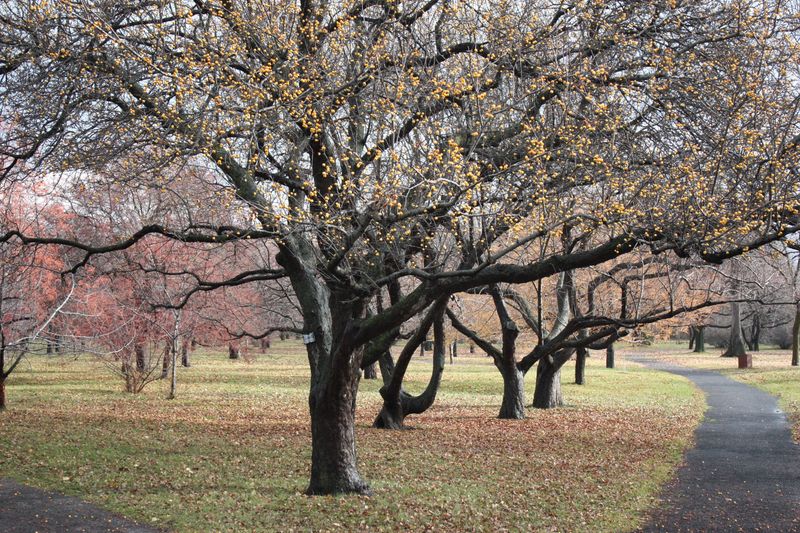
Ever parked under a hackberry and come back to a windshield speckled with sticky, shiny dots? That glossy mess is honeydew, a sugary waste left by aphids feeding on sap in the leaves above.
Hackberries, including Celtis occidentalis and the common southern sugarberry, Celtis laevigata, are favorite aphid hangouts across Central Texas.
Heavy feeding can curl and yellow leaves, though healthy trees usually shrug off the damage just fine.
Black sooty mold grows on that honeydew, coating leaves and any patio furniture sitting directly underneath. A strong spray from the garden hose knocks many aphids loose and rinses away some of the goo.
Lady beetles and lacewings love feasting on aphids, so skipping broad sprays lets these helpers do the work. I enjoy watching the ladybug larvae, which look like tiny orange-and-black alligators marching along each branch.
Hackberry leafrollers are small caterpillars that fold leaves into snug tubes and munch safely inside them. Their damage looks messy, but it rarely causes serious harm to an otherwise healthy, established tree.
Believe it or not, hackberry emperor butterflies also raise their caterpillars on these leaves every year. Their nibbling is mostly cosmetic, and the adults are fun to watch sipping tree sap and overripe fruit.
Hackberry nipple galls, little bumps on leaves caused by tiny psyllids, are another common sight on these trees. In my view, all that busy wildlife makes hackberries worth keeping, as long as nothing precious sits underneath.