7 Things To Do In Your Pennsylvania Garden Before November Ends
Bumblebee queens spend winter alone, tucked a few inches under loose soil or leaf litter in quiet garden corners. Every worker bee from last summer is gone, so next year’s colony rests on that single sleeping queen.
Nobody warned me that my tidy fall habits could disturb guests like that, hiding right under my rake. Penn State Extension now encourages gardeners to leave some cover, and I have to admit that idea surprised me.
You might notice your Pennsylvania yard slowing down, but the ground often stays workable well into late November. Cool soil, softer light, and fewer bugs make this stretch one of my favorite times to putter around outside.
I truly believe a few smart chores right now can save you weeks of frustration once spring arrives in Pennsylvania.
1. Shredded Leaves Make Cozy Mulch For Sleepy Roots
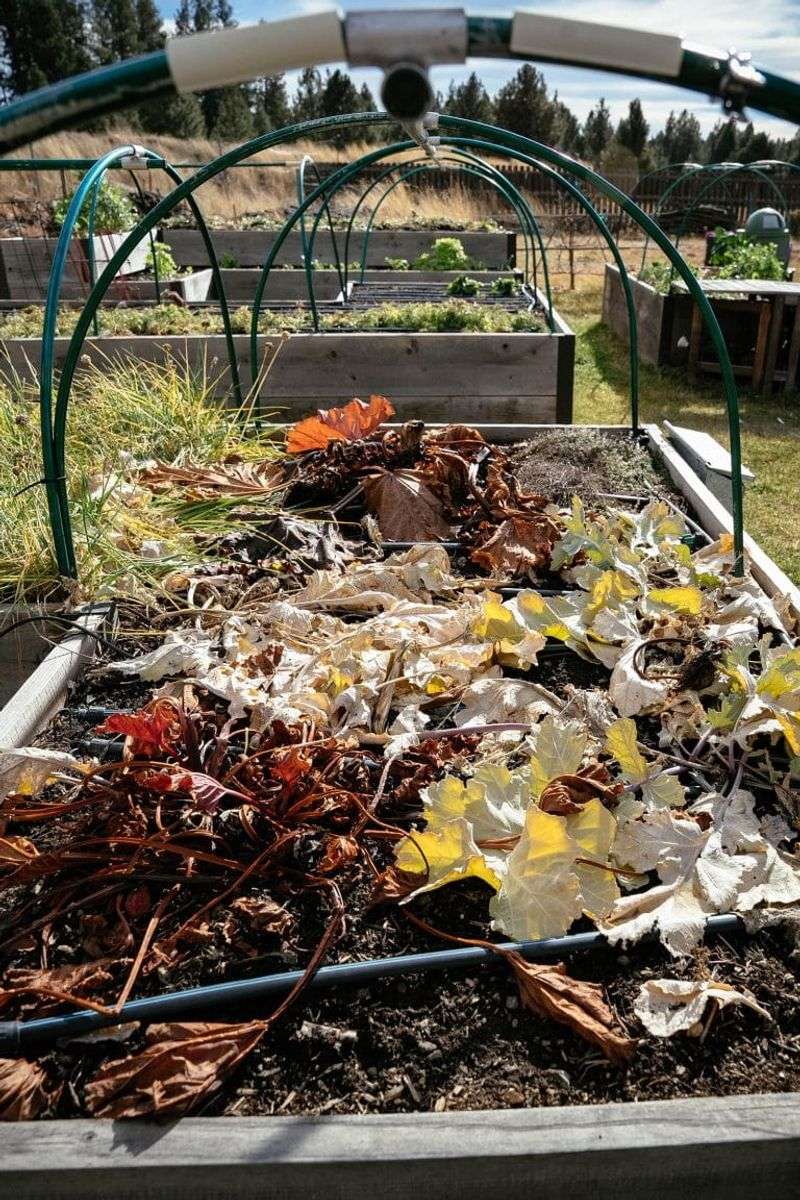
Free mulch literally falls from the sky every autumn, and I still laugh at how many people bag it for the curb. Those crunchy oak and maple leaves can shield roots better than many products sold in shiny bags.
Running a mower over the pile first makes a huge difference, since whole leaves can mat together like wet paper.
Shredded pieces let air and water move through, and they break down much faster in spring than whole ones.
Penn State Extension suggests waiting until the ground freezes before adding winter mulch around tender perennials and young shrubs.
The goal is keeping soil steadily cold, which helps prevent repeated thawing that can heave plants right out of the ground.
Aim for roughly two to four inches over perennial beds, and keep a small gap around stems and trunks. Mulch piled against bark holds moisture there, and that damp spot can invite rot along with nibbling rodents.
Vegetable beds love the same treatment, and you can mix shredded leaves with clean straw for a lighter blanket. Come spring, I simply rake some aside for planting and work the rest into the soil as food.
Extra leaves belong in the compost pile, where they balance kitchen scraps and fresh green clippings very nicely.
Brown leaves add carbon, while greens bring nitrogen, and that mix produces dark, crumbly compost by next summer.
2. Tuck Daffodil And Tulip Bulbs Into Cool Soil
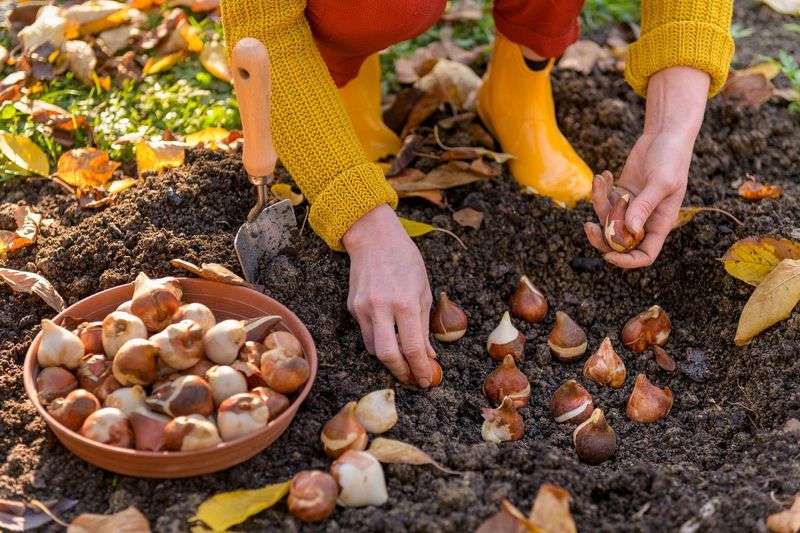
Tulips actually need a long winter chill before they bloom, which makes late fall planting a clever bit of timing. Those papery brown bulbs look plain in your palm, yet each one holds a tiny flower waiting inside.
Planting can continue as long as you can still dig, and many Pennsylvania gardeners tuck bulbs in through November.
Soil temperatures still allow roots to form before the hard freeze, and those roots help bulbs settle in well.
Pick a sunny spot with soil that drains well, because soggy ground causes bulbs to rot during winter. A simple rule I follow is digging each hole about two to three times as deep as the bulb’s height.
Point the narrow tip upward, cover the bulb with soil, then water once to settle everything around it. Spacing them three to six inches apart in loose clusters creates a natural look that rows rarely match.
Squirrels in my Pennsylvania yard treat fresh tulip beds like a buffet, so I lay chicken wire over the planting area.
Daffodils are a smart choice for pesky diggers, since squirrels and deer usually leave those toxic bulbs alone.
Crocus and grape hyacinth add early color, and they slip easily between bigger bulbs in the same bed. You’ll wonder why you didn’t try this sooner when purple blooms poke through the last patches of snow.
3. Leave Coneflower Seed Heads Standing For Hungry Finches
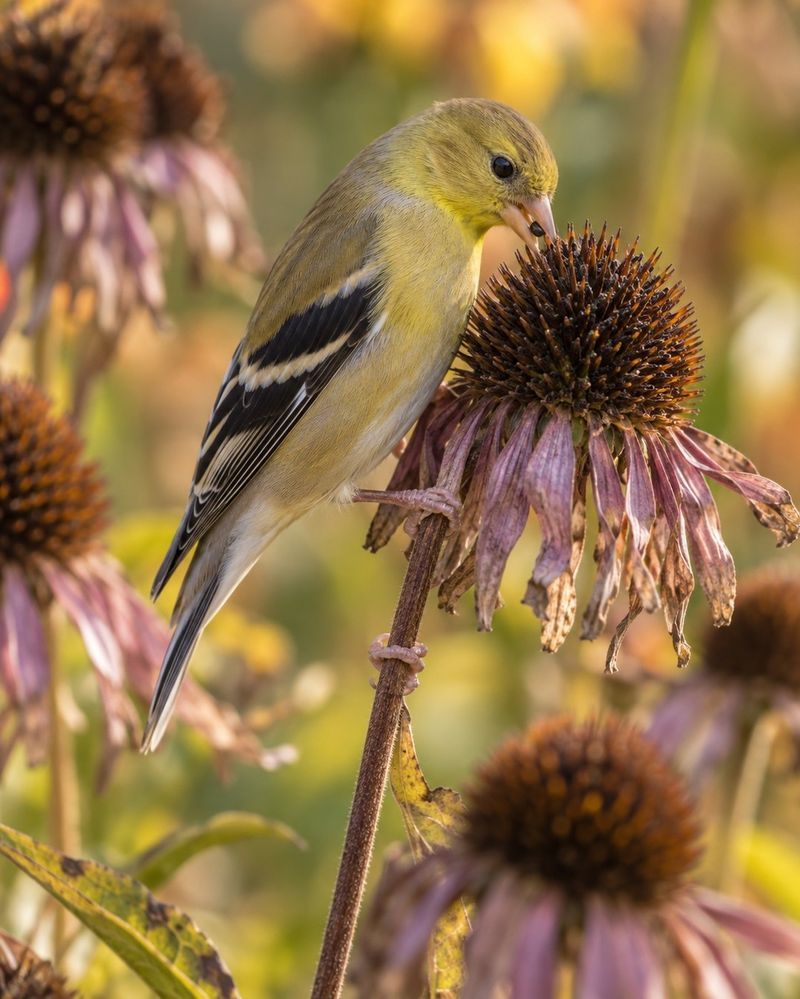
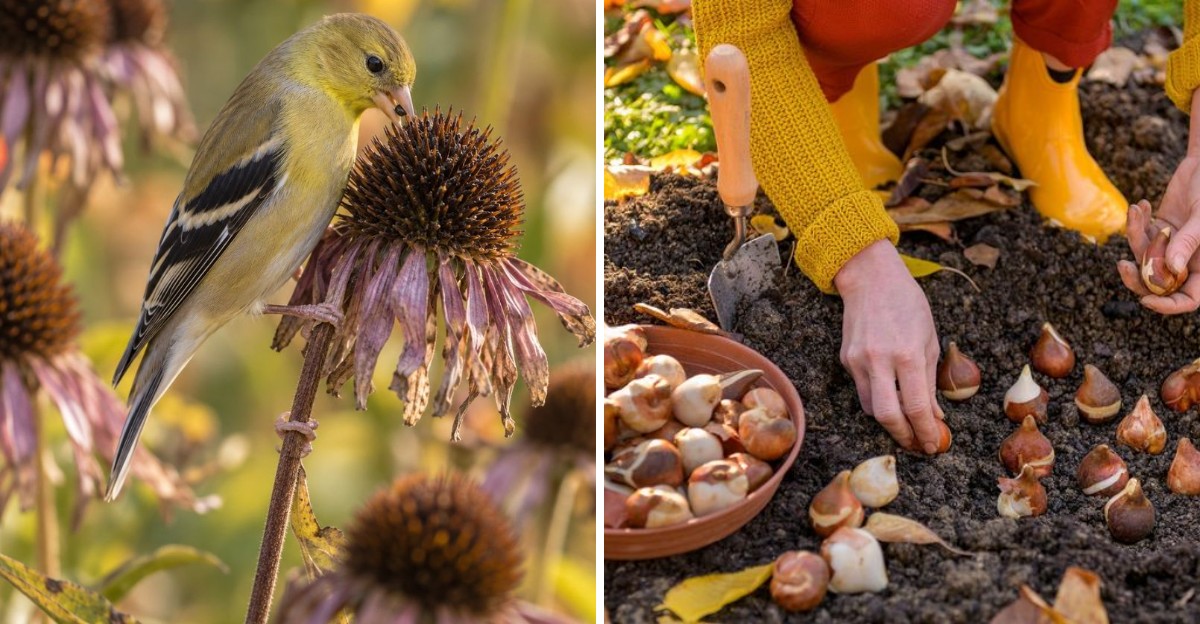
Goldfinches will happily hang upside down on old coneflower heads, picking out seeds one by one like tiny acrobats.
Watching that show from my kitchen window convinced me that a perfectly bare garden is overrated.
Plenty of native perennials offer winter food and shelter, including purple coneflower and black-eyed Susan with their sturdy seed heads.
Hollow stems also give some native bees a protected spot to spend the cold months until spring warms things up.
Cleanup still matters, though, especially for plants that struggled with disease during the summer.
Peonies with leaf blotch or tomatoes with blight should come out now, since those problems can survive the winter on old foliage.
Healthy trimmings go straight to my compost pile, while anything spotted or moldy gets bagged and sent away with trash. Home piles rarely heat up enough to handle diseased material, so I would rather avoid that risk entirely.
Weeds deserve one last look before the ground freezes, because many keep growing during mild fall weather. Pulling them now prevents a fresh batch of seeds from waiting in your soil when spring planting begins next year.
Spent annuals like marigolds and zinnias can come out too, unless birds are still visiting them for food.
I like leaving a few clumps standing in corners, and the frosty seed heads look surprisingly pretty in morning light.
4. Clean And Sharpen Your Pruners Before Winter Storage
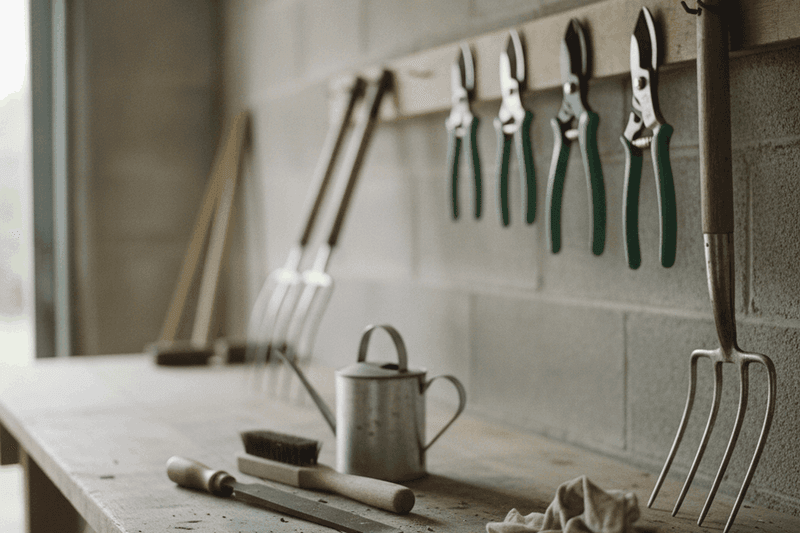
Rust works quietly all winter, and a muddy shovel left in a damp shed can look sad by March. I learned that lesson the hard way after finding my favorite pruners stuck shut with orange crust.
Start by scraping caked dirt off shovels and hoes with a stiff wire brush or an old putty knife. Wash the metal in warm soapy water afterward, then dry each tool well before moving on to sharpening.
Pruners and loppers deserve a few strokes with a sharpening file or stone along their beveled edge. Sharp blades make clean cuts that heal faster on plants, while dull ones tend to crush and tear stems.
Wipe metal parts with a light coat of oil once they’re clean, since that thin layer helps block moisture. Wooden handles appreciate attention too, so sand rough spots and rub in linseed oil to keep them smooth.
Garden hoses need draining before hard freezes, because trapped water expands as ice and can split the rubber.
Coil them loosely and store them indoors, then shut off and drain outdoor spigots that are not frost-proof.
Personally, I keep a small bucket of sand mixed with oil in my shed for quick cleanings. Plunging a shovel in a few times scrubs the blade, and that habit makes spring digging feel wonderfully easy again.
5. Fill Feeders With Sunflower Seeds For Winter Cardinals
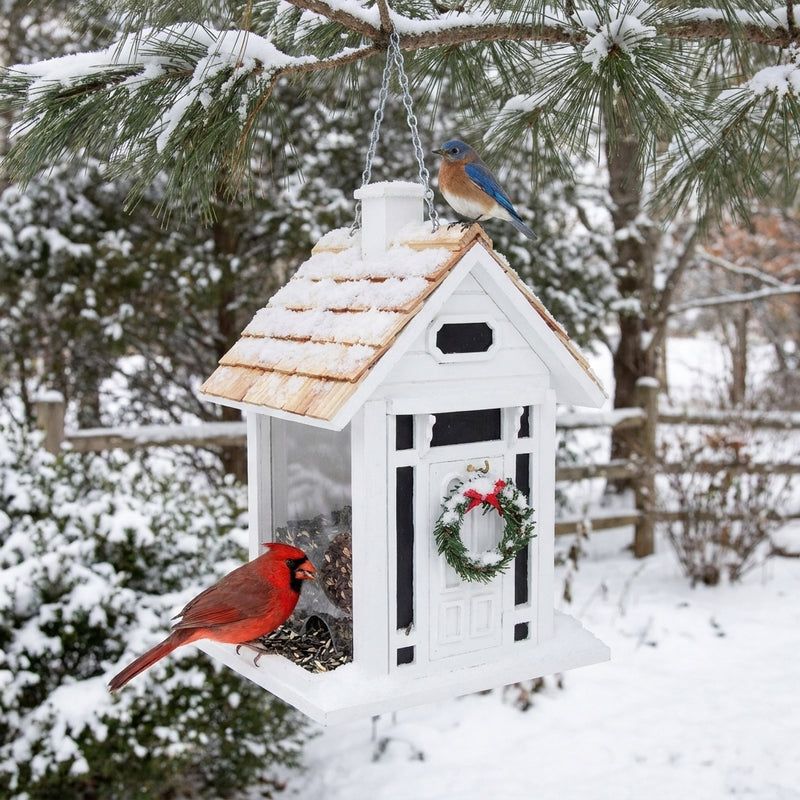
Black-capped chickadees can hide hundreds of seeds in a day and remember many of those hiding spots later. Little brains like that deserve a reliable snack bar, and November is a fine time to start one.
Black oil sunflower seeds attract the widest variety of birds, including cardinals, chickadees, titmice, and finches. The thin shells crack easily for small beaks, and the oily center offers plenty of energy on chilly days.
Suet cakes draw woodpeckers and nuthatches, which need rich fat during cold months when insects are hard to find. Cold weather keeps suet firm, so late fall through early spring is the best season for offering it.
Fresh water matters as much as food, and birds need it for drinking and keeping feathers clean. A heated birdbath keeps water open on freezing mornings, and I’m amazed how many visitors line up at mine.
Place feeders near dense shrubs or evergreens so birds can dart to cover when hawks swoop past.
Keeping them roughly ten feet from thick bushes also gives birds space to spot sneaky cats before they pounce.
Clean feeders every couple of weeks with hot soapy water, since moldy seed can spread illness among birds.
Watching a scarlet cardinal against fresh snow makes that small chore feel completely worth the effort, at least to me.
6. Wrap Young Tree Trunks And Boxwoods In Burlap
Rabbits that ignored your young apple tree all summer may suddenly find its bark delicious once snow covers the grass. I once lost a whole ring of bark on a cherry sapling before I figured that out.
Hungry voles and rabbits chew bark low on trunks, so a cylinder of hardware cloth around young trees helps a lot. Push the bottom into the soil slightly and make it tall enough to rise above expected snow depth.
Broadleaf evergreens like boxwoods and rhododendrons keep their leaves all winter, and those leaves lose water on windy days.
Frozen ground stops roots from replacing that moisture, which leads to brown, scorched foliage gardeners call winter burn.
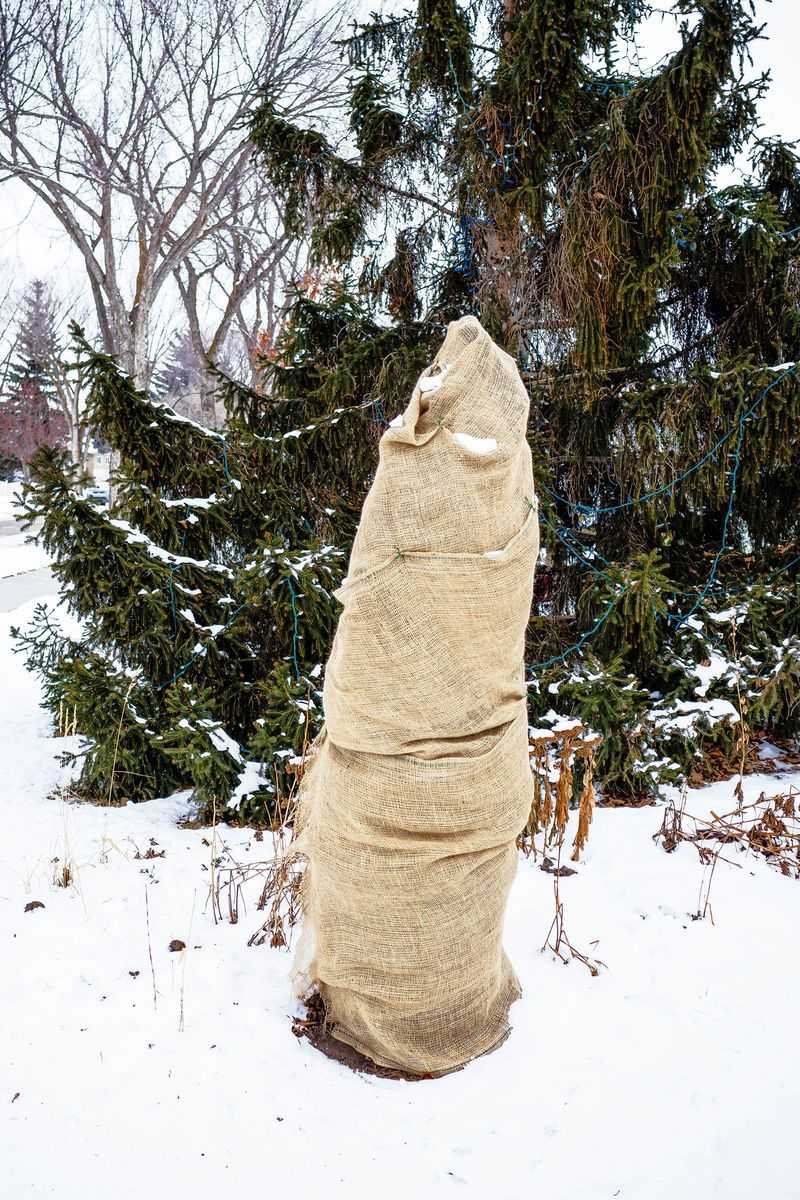
A simple burlap screen on the windy side blocks harsh gusts while still letting air move around the shrub.
Avoid wrapping plastic directly around plants, because it can trap heat on sunny days and cause even more damage.
Deep watering before the ground freezes helps evergreens enter winter well hydrated, especially after a dry fall. Give newly planted trees and shrubs a long soak whenever the soil feels dry a few inches down.
Potted perennials need extra help, since their roots sit above ground with very little insulation from cold air.
Group containers against a sheltered wall, or bury pots in a garden bed so the soil keeps roots snug.
7. Send A Soil Sample To Penn State Extension
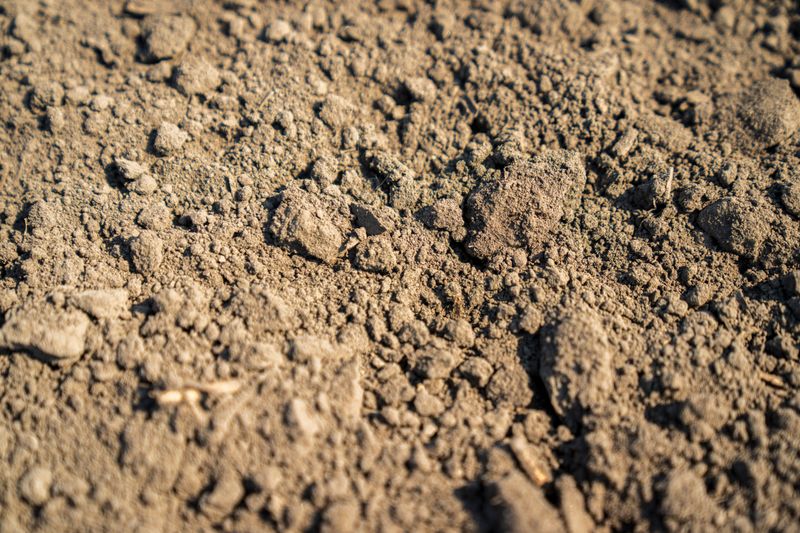
A small bag of dirt mailed to a lab can tell you more than years of guessing at the garden center. Penn State’s Agricultural Analytical Services Lab sells soil test kits that many county extension offices also carry.
Results show your soil pH along with key nutrients, and they include fertilizer and lime suggestions for your plants.
I have to admit my first test surprised me, because my soil already had far more phosphorus than needed.
Collect samples by digging small scoops from several spots in one bed, then mixing them together in a bucket.
Skip spots near compost piles or fresh fertilizer, since those areas can give misleading numbers that confuse your plans.
Fall is a smart time for testing, because lime needs several months to change soil pH gradually. Adding it now means the soil may be closer to target levels by the time spring seeds go in.
Spreading an inch or two of finished compost over empty beds feeds soil life throughout the colder months.
Earthworms and microbes slowly pull that material downward, and the soil often feels softer when you dig next spring.
Cereal rye sown in early fall makes a sturdy cover crop that holds soil against winter rain and wind. Late November is often too cold for new sowing, so keep compost or leaf mulch on bare beds instead.