Brown Pine Needles Piling Up On Your Texas Lawn? Here’s What To Do
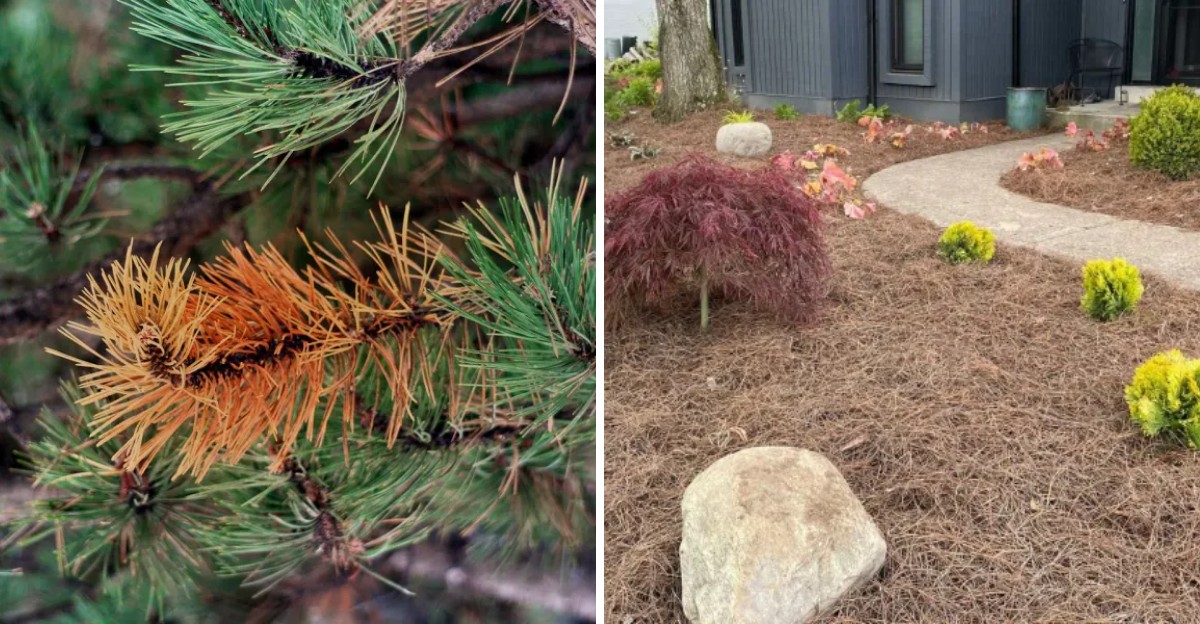
Pine trees shed needles every single year, even though we call them evergreens. Some pines hold each needle for two to five years, then let the oldest ones go in a rusty brown shower.
I used to panic every time my yard turned crunchy and copper colored. To my surprise, the tree was usually fine. It was simply cleaning out its old wardrobe.
Still, not every brown needle tells a happy story. Hot, dry summers in Texas can stress pines, and certain beetles love a tree that is already struggling. Telling the difference matters for your tree and for the grass underneath.
So what do you do with that growing reddish carpet? Rake it, mulch it, or worry about it? The answer depends on where the brown shows up on the branches, and that small clue reveals more than you might expect.
1. Where The Brown Pine Needles Sit On The Branch Says A Lot
Grab a ladder or just step back and squint at your pine tree. The location of the brown needles is your first and best clue.
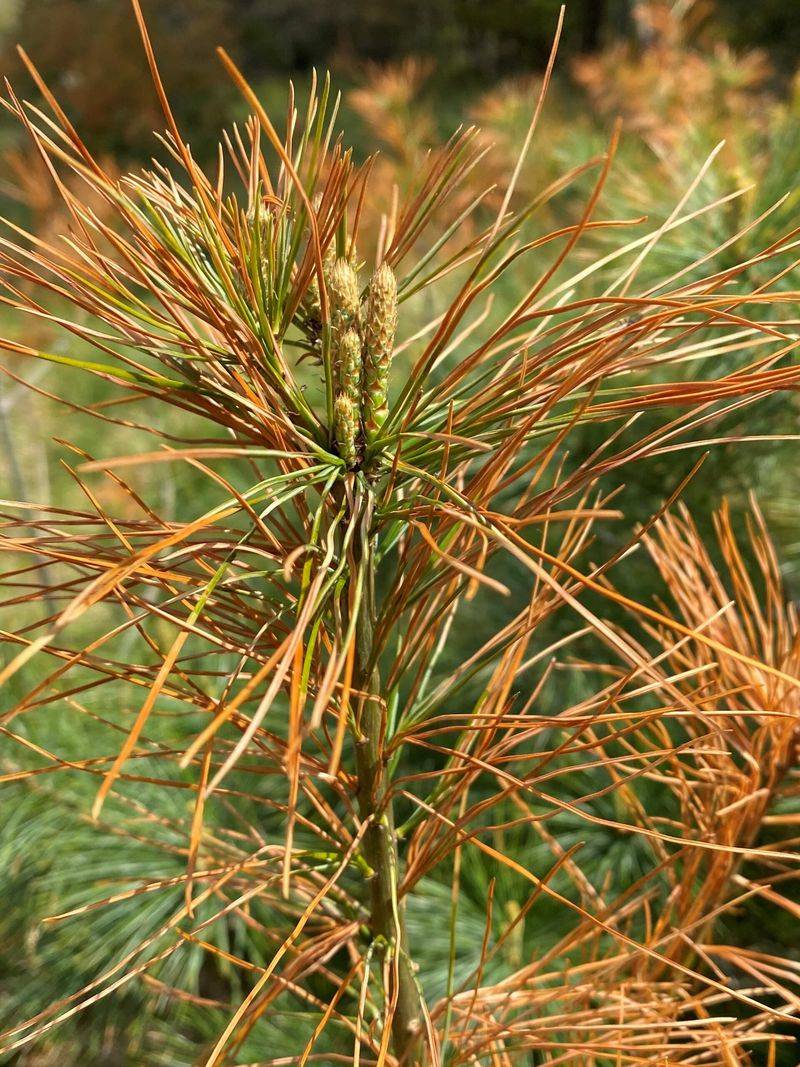
Healthy pines drop their oldest needles on a regular schedule. Those older needles sit on the inside of the branches, closer to the trunk.
When they turn yellow or brown while the tips stay bright green, you are most likely seeing normal seasonal needle drop.
Texas A&M experts note that this shedding often peaks in late summer and fall. Loblolly, shortleaf, and slash pines across East Texas commonly put on this show.
Some years look heavier than others, especially after a hot, dry summer pushes the tree to let go a little early.
Brown tips tell a different tale. If the newest growth at the ends of the branches is turning color, something else could be going on. Drought, disease, or insects become the bigger suspects.
Whole sections of the crown fading at once also deserve attention. A tree that turns from green to yellow to reddish brown over a few weeks needs a closer look soon.
So before you reach for a rake, take one quiet minute to study the branches. That glance helps you decide what comes next.
2. Raking Up That Pine Straw Carpet Keeps Your Grass Breathing
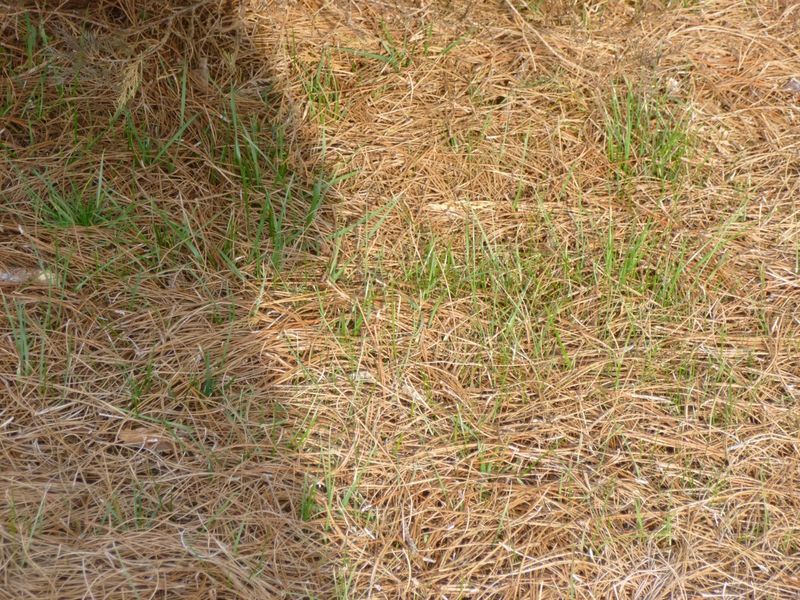
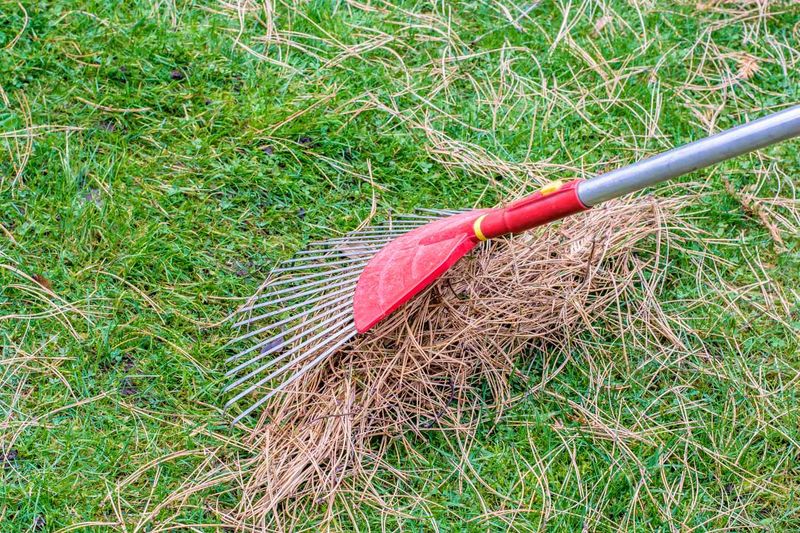
Grass is a sun lover, plain and simple. A thick, matted layer of pine needles blocks light, traps moisture, and slows airflow right where your turf needs it most.
A light sprinkle of needles rarely causes trouble. Once the layer gets deep enough to hide the blades, though, St. Augustine, Bermuda, and zoysia lawns can thin out and turn yellow in patches.
Shade from the pine already makes life tough for many Texas grasses, so the extra blanket adds stress.
A spring-tine leaf rake does the job nicely without tearing up the turf. For big yards, a leaf blower set on a moderate speed can push needles into piles fast. Some folks run a mower with a bagger to scoop them up in one pass.
Plan your main cleanup in fall when shedding peaks, then do a quick follow-up in spring. Rake every week or two during heavy drop seasons so the job stays small.
Personally, I find this chore oddly relaxing. The needles are light, they rake easily, and they smell wonderful. Better yet, you get a free supply of mulch for later.
3. Fallen Pine Needles Make Fantastic Mulch For Your Flower Beds
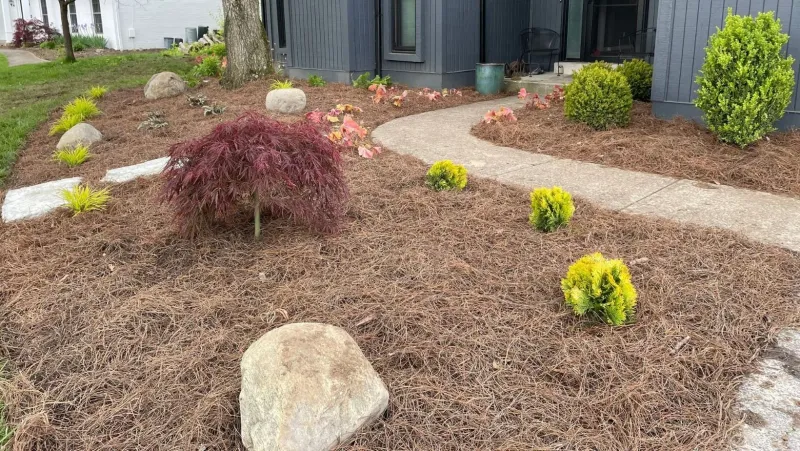
Southern gardeners have a nickname for those needles. They call them pine straw, and nurseries happily sell it by the bale.
Why buy it when your tree drops it for free? Pine straw knits together into a loose mat that stays put on slopes.
It holds moisture in the soil, shades out many weed seeds, and keeps roots cooler during scorching Texas afternoons.
Spread it about two to four inches deep in flower beds, around shrubs, and under trees. Keep it a few inches away from stems and trunks so air can move and bark stays dry. Fluff it now and then, and top it off as it settles.
Azaleas, blueberries, and camellias look especially happy with pine straw around them. Vegetable beds and perennial borders benefit too.
Here is a fun twist on an old myth. Fresh needles are mildly acidic, yet studies show they barely change soil pH as they break down. Extension specialists say you can use them around most plants without worry.
One caution matters, though. Dry pine straw catches fire easily, so keep thick layers a few feet away from your house, fences, and grills.
4. Long Dry Spells Can Make Thirsty Pine Trees Drop Extra Needles
Remember the summer of 2011? Many East Texas pine lovers do, because that historic drought left countless trees browning, thinning, and struggling for years afterward.
Pines respond to dry soil by shedding needles to save water. A tree under drought stress may drop more needles than usual, drop them earlier, or show browning on newer growth too.
The effects can linger, since stressed roots take time to recover. Deep, slow watering helps a lot during long dry stretches.
Let a soaker hose or a gently running hose soak the ground under the outer edge of the branches, not just near the trunk. That outer zone, called the dripline, is where many feeder roots live.
Aim for a thorough soak every couple of weeks during drought, then let the soil dry somewhat between waterings. Frequent shallow sprinkles encourage weak, shallow roots instead.
Check your city’s watering rules first. Many Texas towns set restrictions in summer, though hand watering or soaker hoses often get more flexibility.
A layer of mulch over the root zone helps hold that precious moisture. Your own fallen needles work beautifully here, as long as you keep them pulled back from the trunk.
5. Pitch Tubes On Pine Bark Can Signal Hungry Beetles
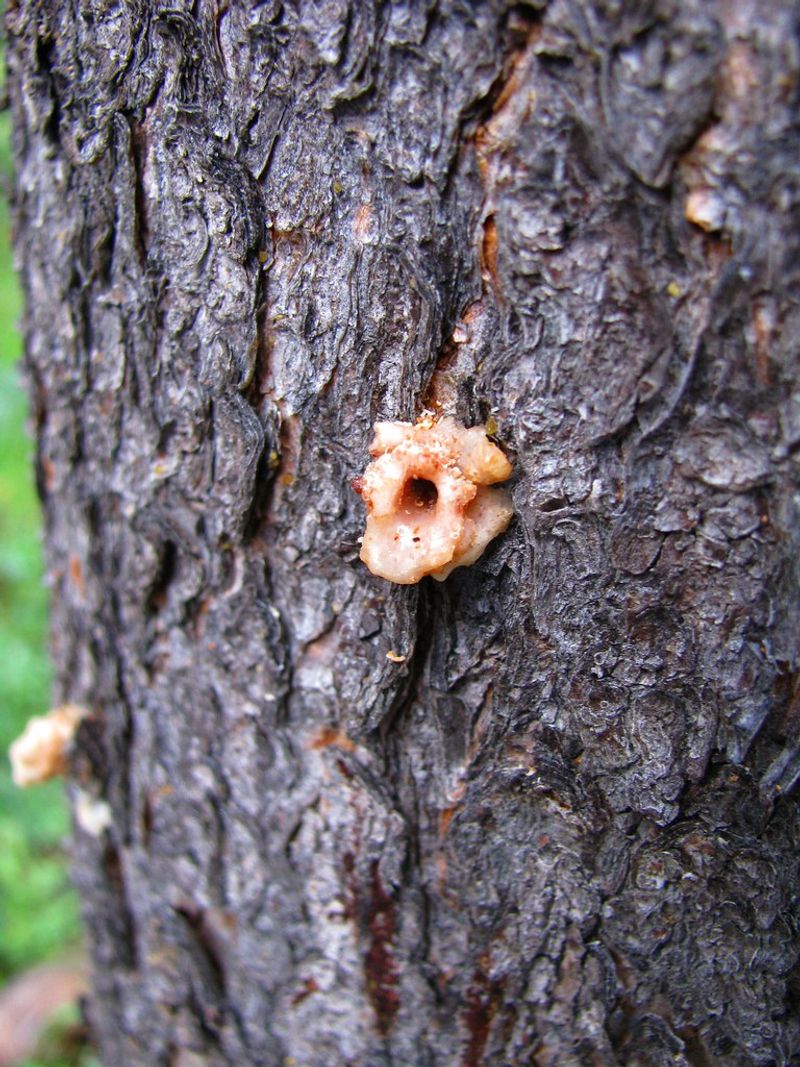
Small blobs of sap on pine bark look harmless at first. Those popcorn-sized lumps, called pitch tubes, can be a warning that bark beetles are tunneling inside.
Southern pine beetles and Ips engraver beetles are the main troublemakers in Texas. According to the Texas A&M Forest Service, they mostly go after trees already weakened by drought, lightning, storms, root damage, or construction nearby.
Watch for a few telltale signs together. Look for reddish dust in bark cracks, tiny holes in the trunk, and needles that turn yellow and then reddish brown across the crown within weeks.
Unlike normal shedding, this browning covers the whole tree or large parts of it.
Act quickly if you spot these clues. Beetles can move from one infested pine to healthy neighbors nearby, especially during warm months.
A certified arborist can confirm what is going on and recommend next steps. Heavily infested trees usually need prompt removal, and the wood should be taken away or handled properly so beetles do not spread.
Prevention is your best friend. Keep pines watered during droughts, avoid wounding trunks with mowers, and protect root zones from heavy equipment or soil piled on top.
6. Fungal Needle Blights Leave Telltale Spots And Bands
Grab a magnifying glass for this one. Some of the most helpful clues are smaller than a grain of rice.
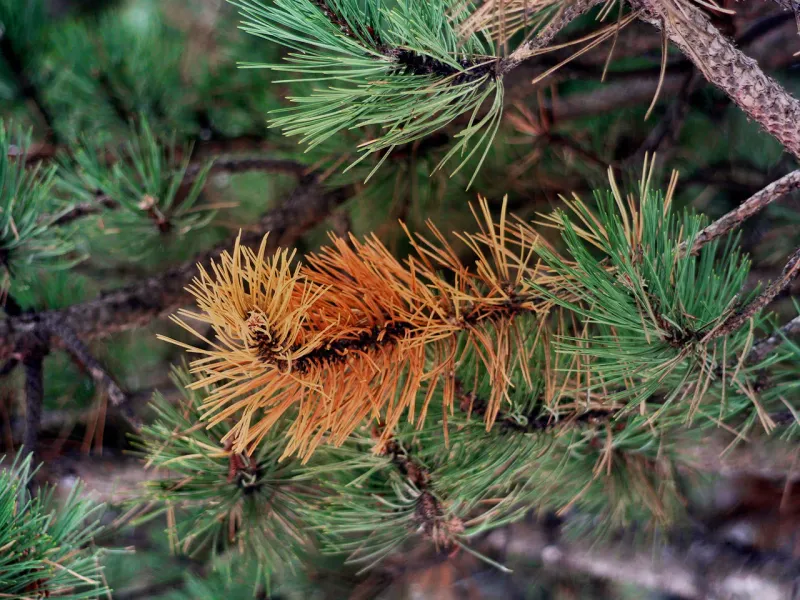
Several fungal diseases attack pine needles in Texas. Diplodia tip blight stunts new shoots and turns them brown, often with tiny black specks near the base of needles and on cones.
Brown spot needle blight leaves yellow spots and brown bands that spread until the needle tip browns.
These diseases tend to show up after wet springs and on stressed or crowded trees. Japanese black pine and Austrian pine are known to be sensitive to tip blight in Texas landscapes.
Cleanup goes a long way here. Rake and bag infected needles and cones rather than using them as mulch. Prune out browned shoot tips during dry weather, and clean your pruners between cuts with a household disinfectant.
Improving airflow helps needles dry faster. Thin nearby crowded plants, and water at the soil level instead of spraying the canopy.
Fungicides exist for some needle diseases, yet timing is tricky and results vary on big trees. Contact your county AgriLife Extension office for a diagnosis before buying products, since correct identification saves money and effort.
7. A Little Year-Round Care Keeps Your Pine Tree Green And Strong
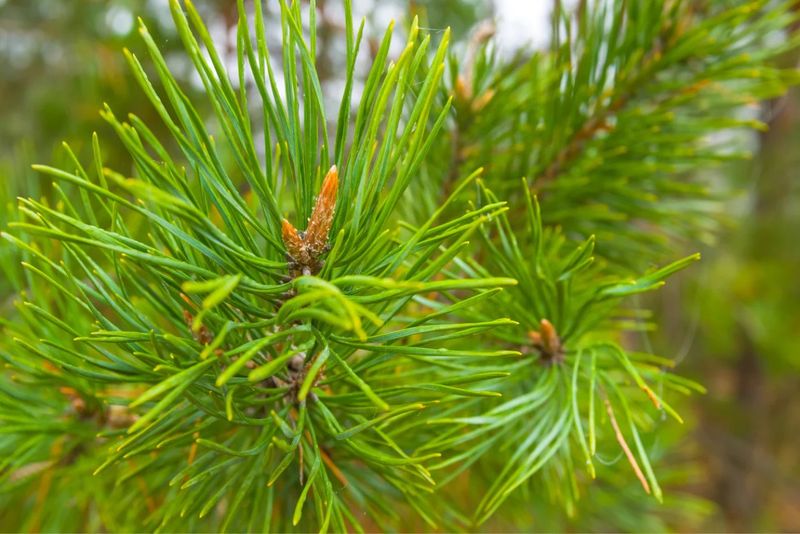
Healthy pines handle heat, storms, and pests far better than stressed ones. A few simple habits can tip the odds in your favor.
Start with the root zone. Pine roots spread wide and shallow, often well past the branch tips.
Avoid parking cars, piling soil, or digging trenches under the tree, since compacted or damaged roots weaken the whole pine.
Next, build a mulch ring. Spread two to three inches of pine straw or bark over as much of the root area as you can.
Keep it a few inches away from the trunk, and replace grass there to reduce mower bumps and trimmer nicks.
Water deeply during dry spells, especially in summer and early fall. Skip heavy fertilizer unless a soil test shows a real need, because extra nitrogen can push weak growth.
Schedule a yearly check by a certified arborist, especially for big trees near your home. They can spot early trouble, remove hazardous limbs, and advise on storm safety.
Most of all, relax a little each fall. Brown needles inside a green crown are mostly a sign of a normal tree. Rake them, reuse them, and enjoy that piney scent.