Before Planting a Florida Shade Tree in an HOA Yard This Fall, Check These Restrictions
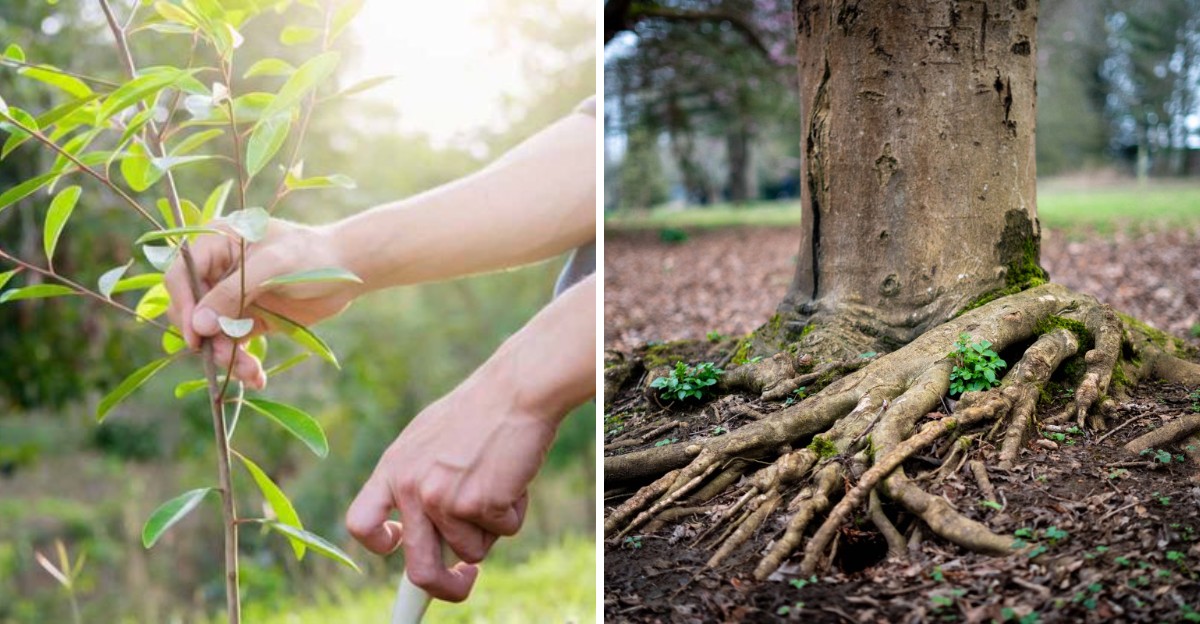
A single new tree in the wrong spot can earn a homeowner daily fines of up to $100 under state HOA law, with totals that can reach $1,000. That is a pricey lesson for something you planted to make your yard nicer.
Personally, I find it wild that a sapling barely taller than a mailbox can trigger letters, hearings, and a removal demand. Yet it happens across Florida every year, mostly because someone skipped one form.
Fall is prime planting season here, so nurseries are packed and shovels are busy. Cooler air, softer sun, and warm soil give young roots a real head start before summer heat returns.
I believe the smartest gardeners do a little paperwork before they dig. The rules might be friendlier than you expect, and a few of them could even work in your favor.
But what does your association really control?
1. That Little Sapling in Your Front Yard Might Need a Permission Slip
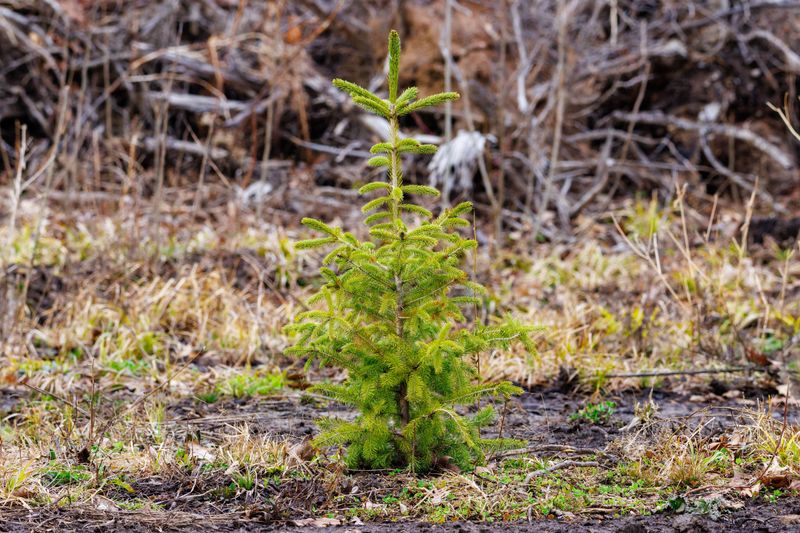
Most homeowners are surprised to learn that a tree counts as a home improvement. In many Florida communities, the governing documents treat new trees like fences or paint colors.
Your declaration of covenants likely says any change to the exterior look of your lot needs written approval first. That often includes trees, especially in front yards or spots visible from the street, a lake, or a common area.
Some associations also cover backyards, so check before assuming you are in the clear.
Skipping approval can get expensive. Florida Statute 720.305 lets an association fine up to $100 per violation, with continuing fines capped at $1,000 in total unless your documents say otherwise.
Fines need notice and a chance for a hearing before an independent committee, but that process still costs you time and stress.
The bigger headache is a removal demand. Pulling out a tree you paid for, watered, and babied for months is a sad chore.
Before buying anything, open your covenants and search for words like landscaping, alterations, trees, and architectural review. Ten minutes of reading now can save you a lot of digging later.
If anything is unclear, email your management company and ask directly. A written answer is worth keeping.
2. Your Architectural Review Committee Wants to See the Tree Plan First
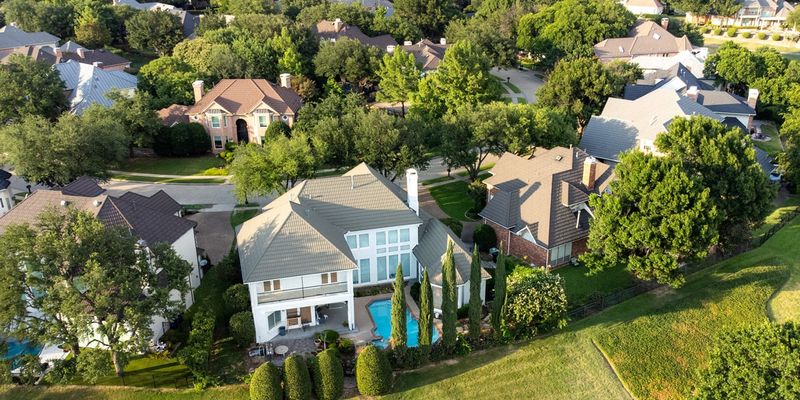
Consider the Architectural Review Committee your gatekeeper with a clipboard. Its job is to keep the neighborhood looking consistent, and your tree application lands on its desk.
A strong request answers questions before anyone asks them. Include the species name, both common and scientific, plus its expected mature height and canopy width.
Add a simple sketch showing where the tree goes, with distances to your house, driveway, sidewalk, and property lines.
Photos of the planting spot help a lot. So does a quick note on why you picked this tree, such as shade for a hot west wall.
Timing matters too. Many committees meet once a month, and some documents give them 30 to 60 days to respond.
If you want a tree in the ground during the cool months, submit your packet in early fall.
Keep copies of everything you send, along with any emails and the final approval letter. If a board member changes or a neighbor complains years later, that paper trail protects you.
I like to treat the application like a friendly pitch. A neat, complete request feels easy to approve, and a messy one invites delays and follow-up questions you could have avoided.
3. Florida-Friendly Landscaping Law Gives Native Tree Lovers Some Backup
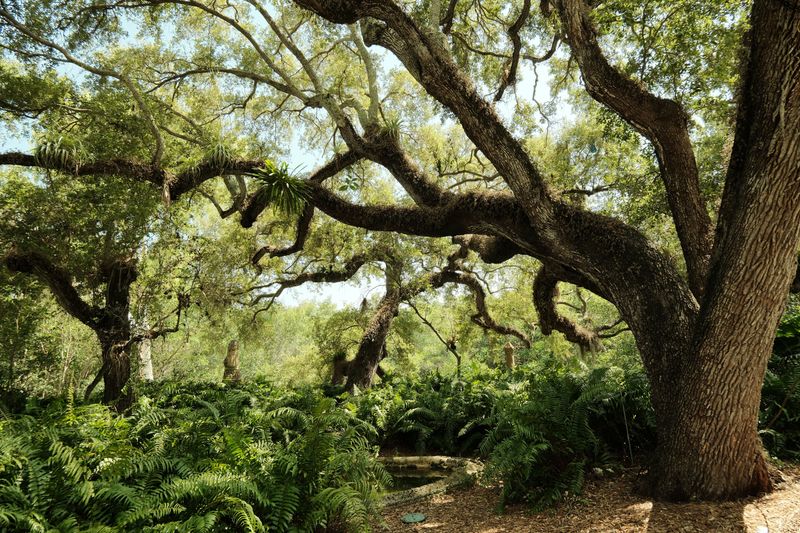
State law has your back here, at least partly. Florida Statute 720.3075 says HOA documents cannot prohibit homeowners from using Florida-Friendly Landscaping on their property.
Florida-Friendly Landscaping is a program from the University of Florida IFAS Extension. It follows nine principles, including right plant in the right place, efficient watering, smart fertilizing, mulching, and attracting wildlife.
A well chosen native shade tree fits those ideas beautifully.
Now for the fine print. The law does not let you plant anything, anywhere, without asking.
Associations can still require approval through their review process and can enforce reasonable rules on placement, size, and appearance.
In practice, this means your board probably cannot say no simply because a tree is native or water-wise. It can say no if that tree sits too close to a sidewalk or clashes with clear written standards.
Mention the statute politely in your application if your plan follows Florida-Friendly principles. Linking to the UF/IFAS Florida-Friendly Landscaping website shows you did your homework.
Personally, I think this law is one of the best tools a gardener in a planned community can have. Use it as a conversation starter, not a weapon, and things tend to go more smoothly.
4. Approved Tree Lists Often Decide Between a Live Oak and a Smaller Pick
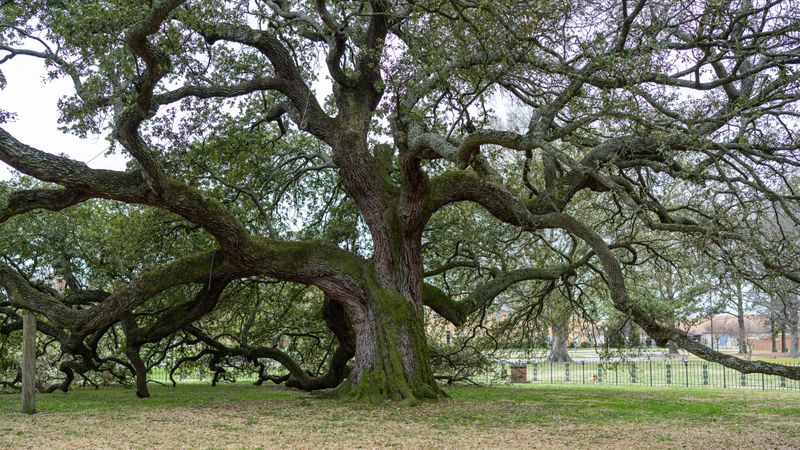
Plenty of associations keep a list of approved and prohibited trees, and it can be surprisingly specific. Some even assign one species per street so the neighborhood looks planned.
Size is the usual reason. A southern live oak can spread 60 to 100 feet wide, which is wonderful in a big lot and troublesome on a narrow one.
For smaller yards, boards often favor medium trees like sweetbay magnolia, winged elm, or American hophornbeam.
Other native options that often appear on lists include bald cypress, red maple, and southern magnolia. Red maple and bald cypress enjoy moist soil, so they suit yards near ponds or low spots.
Expect some trees to be banned outright. Invasive species listed by the Invasive Species Council, like Brazilian pepper and camphor tree, should stay out of your cart regardless of HOA rules.
Messy trees can also make the no list. Fruit drop, heavy seed pods, or aggressive surface roots worry boards that maintain shared sidewalks.
If your dream tree is missing, ask whether the list can be updated. Bringing UF/IFAS fact sheets on size and growth habit can turn a polite request into an approved one.
Lists do change when homeowners speak up.
5. Power Lines, Sidewalks, and Setbacks Can Push Your Tree Back a Few Feet
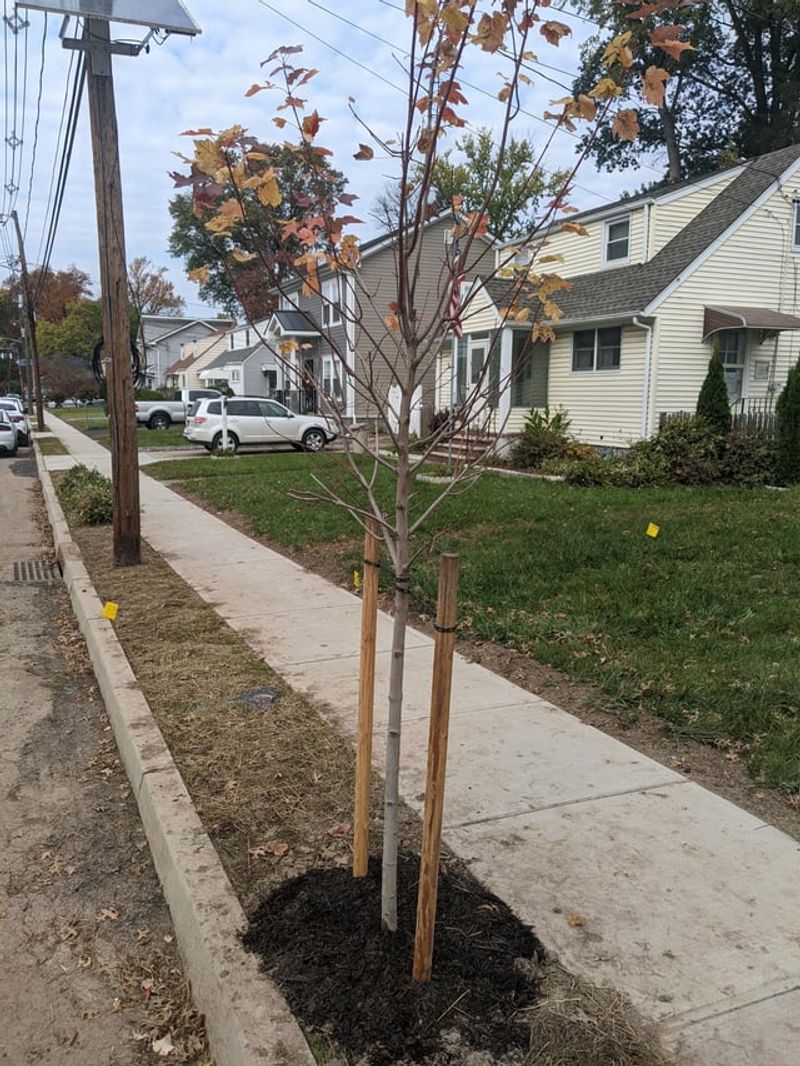
Overhead wires are one of the first things to look at. Utilities such as FPL and Duke Energy share right tree, right place guidance that keeps tall trees well away from power lines.
A common rule of thumb is to plant only small trees, under about 25 feet tall, near lines. Larger shade trees usually belong 35 to 50 feet or more away, depending on mature height.
Ignoring this can lead to harsh utility pruning that leaves your tree lopsided.
Underground lines matter just as much. Call 811 at least two full business days before digging so crews can mark buried gas, electric, and water lines for free.
Your HOA may add its own setbacks too. Many communities require trees to sit a set distance from sidewalks, driveways, foundations, and property lines.
Big roots near concrete can lift slabs, and the board usually wants to avoid that repair bill.
Easements deserve a quick check. Drainage and utility easements along lot edges often limit what you can plant.
Grab a tape measure and walk your yard with your plat map. Mark the open zone with stakes or flags, and you will quickly see where a big tree truly fits.
6. Fall Planting Gives Florida Tree Roots a Cozy Head Start
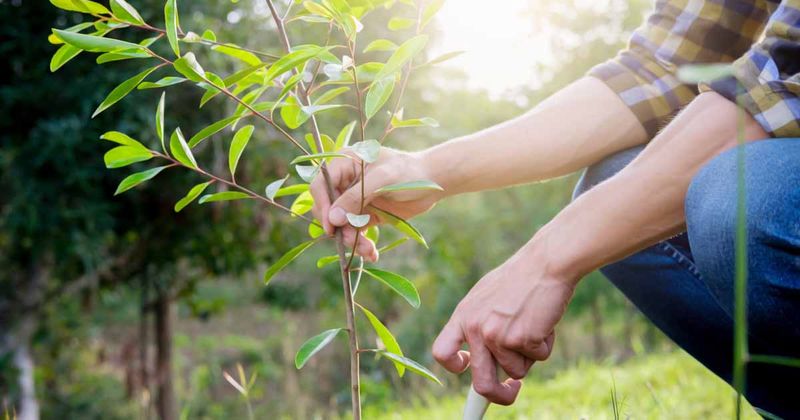
Autumn really is a sweet spot for planting trees in this state. Air temperatures ease up, but the soil stays warm enough for roots to keep growing through much of the winter.
UF/IFAS experts note that roots stay active when soil temperatures remain above roughly 55 degrees. In Central and South Florida, that often lasts most of the cool season.
North Florida gets chillier, but fall planting still works well there since trees go into winter with time to settle.
Less heat means less stress. A new tree loses less water through its leaves, so it can focus on spreading roots instead of just surviving.
One catch is that fall and winter are often the dry season, especially in South Florida. You may need to water more than you expect.
UF/IFAS suggests frequent watering right after planting, often every day for the first week or two, then tapering off. Larger trees need a longer schedule, sometimes several months.
Check any local watering restrictions from your water management district. Many allow extra watering for new plantings for a limited time.
A little planning keeps your tree happy and keeps you on good terms with both the HOA and the county.
7. Find the Root Flare Before You Backfill the Planting Hole
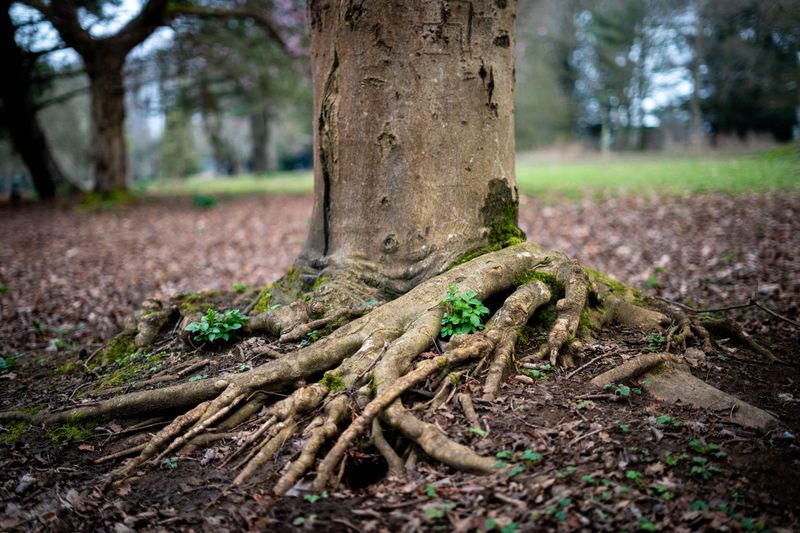
Planting depth trips up more gardeners than almost anything else. A tree buried too deep often struggles for years, and the cause can be hard to spot later.
Start by finding the root flare, where the trunk widens into the first large roots. Nursery trees sometimes have extra soil piled on top, so gently scrape it away until you see the flare.
Dig a hole two to three times wider than the root ball but no deeper than the ball itself. The flare should sit at or slightly above the surrounding soil once you finish.
Loosen or cut any roots circling the outside of the ball. Then backfill with the native soil you removed, watering as you go to settle air pockets.
Skip heavy amendments in the hole. UF/IFAS research shows roots grow better when the backfill matches the surrounding soil.
Finish with a wide ring of organic mulch about three inches deep. Keep it a few inches away from the trunk, since mulch piled against bark invites moisture problems.
Remove nursery tags and wires so they do not girdle the trunk. A tidy, well planted tree also looks great to any board member driving by.
8. A Friendly Chat With Your HOA Board Keeps That Shade Tree Growing for Years
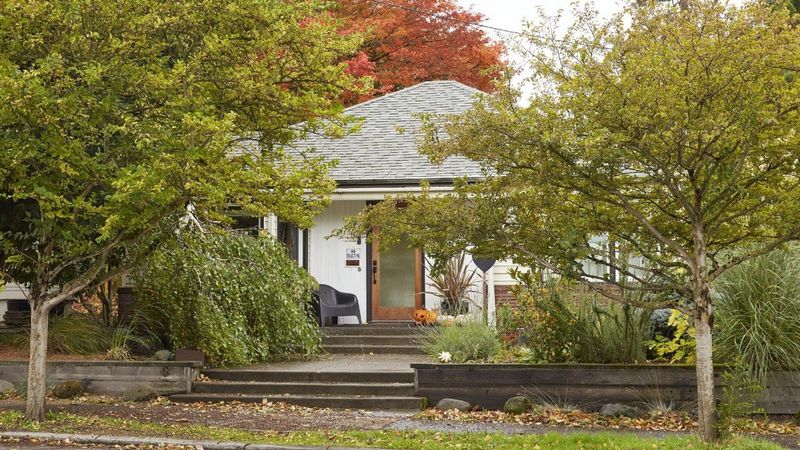
Some of the happiest trees in any neighborhood started with a simple conversation. A quick call or email to your manager can clear up questions before you spend money.
Ask for three things up front: the declaration of covenants, the architectural guidelines, and any separate tree or landscape policy. Florida law gives owners the right to inspect association records, so this is a fair request.
Also ask who maintains the tree after planting. Some communities handle pruning in front yards, while others leave it all to you, and that answer affects your budget.
Attend a board or committee meeting if you can. Putting a face to the application makes approval feel more personal, and you may learn about upcoming rule changes.
Once approved, plant exactly what was approved. Swapping species or shifting the spot can restart the whole process.
Keep a simple folder with your approval letter, receipts, photos of planting day, and notes on watering. If ownership changes or disputes pop up, that folder answers questions quickly.
I can’t imagine a better reward than sitting under your own shade on a hot afternoon years from now. A bit of patience this fall makes that day possible.