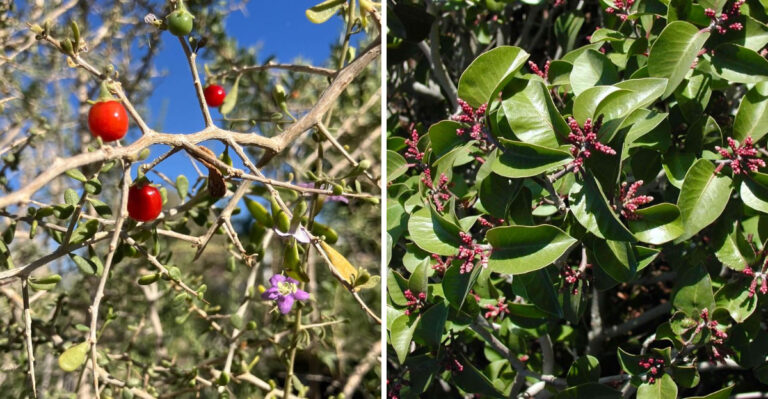
9 Strong Scents That Draw Coyotes Into Arizona Yards
Desert song dogs around Phoenix, Arizona happily snack on fallen dates and juicy grapefruit lying under backyard trees. Their noses work far better than ours, so one forgotten snack can announce dinner across the whole block.
Wildlife biologists describe these clever canines as opportunists that follow food smells straight into quiet suburban neighborhoods. October makes things livelier, because young animals born last spring are now wandering off to find their own territories.
I have to admit my own compost pile once hosted a midnight visitor that left tidy paw prints everywhere. You might notice similar clues in your yard, like tipped bins or shallow digging near the vegetable beds.
Living in Arizona means sharing space with wildlife, but we still choose which smells we offer our wild neighbors. So which everyday odors are quietly sending out invitations, and how many drift from your own backyard tonight?
1. Grill Grease And Meat Scraps

That smoky Saturday cookout smells amazing to you, and it smells even better to a hungry coyote downwind. Grease soaks into drip trays and patio pavers, where the scent lingers for days after the party ends.
Coyotes are mostly carnivores, so fat and protein rank near the top of their wish list. Arizona Game and Fish often lists barbecue grills among the common attractants found around suburban homes.
I learned to scrape my grates while they are still warm, because cooled grease clings like stubborn glue. Emptying the drip tray into a sealed bag takes two minutes and removes the strongest lingering smell.
Meat scraps belong in the trash on pickup morning, not sitting in an outdoor can for a week. Wrapping bones in a double bag helps contain the odor until the truck finally rolls down your street.
October evenings are perfect for grilling outside, so this season brings more cookouts and more drifting aromas. Cover the grill once it cools, since a snug cover keeps curious noses from licking greasy surfaces overnight.
You might also hose down the patio where juices dripped during cooking and serving. A quick rinse with a little dish soap breaks down fats that coyotes would otherwise find hours later.
2. Outdoor Pet Food Bowls
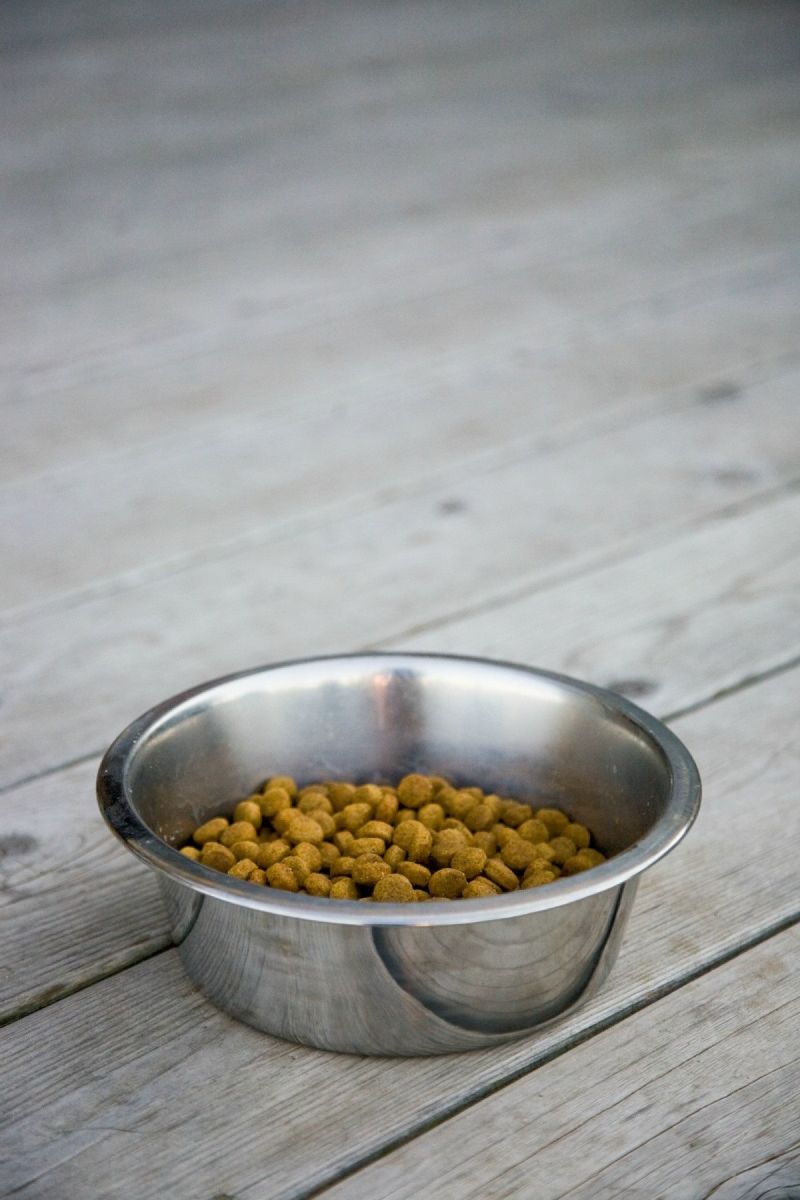
A half-full bowl of kibble on the porch works like an open restaurant sign for every wandering coyote nearby. Pet food is dense, salty, and easy to find, which makes it a dream meal for opportunists.
Wet food smells even stronger, especially after it sits in warm afternoon air for a while. Even in October, desert afternoons often stay warm enough to send that meaty aroma drifting across fences.
Personally, I switched to feeding my dog indoors after spotting tracks beside the empty bowl one morning. Coyotes that find food once tend to return, and repeated visits can make them bolder around people.
Feral cat feeding stations create similar trouble, even when neighbors mean well and only want to help. Leftover food attracts coyotes directly, and it also draws the very cats that coyotes may target as prey.
Bring bowls inside right after mealtime, including the water dish if it holds crumbs or gravy residue. Store kibble bags in sealed bins inside the garage, since paper sacks leak scent and tear easily.
You need to remember that a single missed bowl teaches a lasting lesson to a smart animal. Consistency matters more than any gadget, so make indoor feeding a habit the whole family follows daily.
3. Fallen Citrus And Ripe Dates
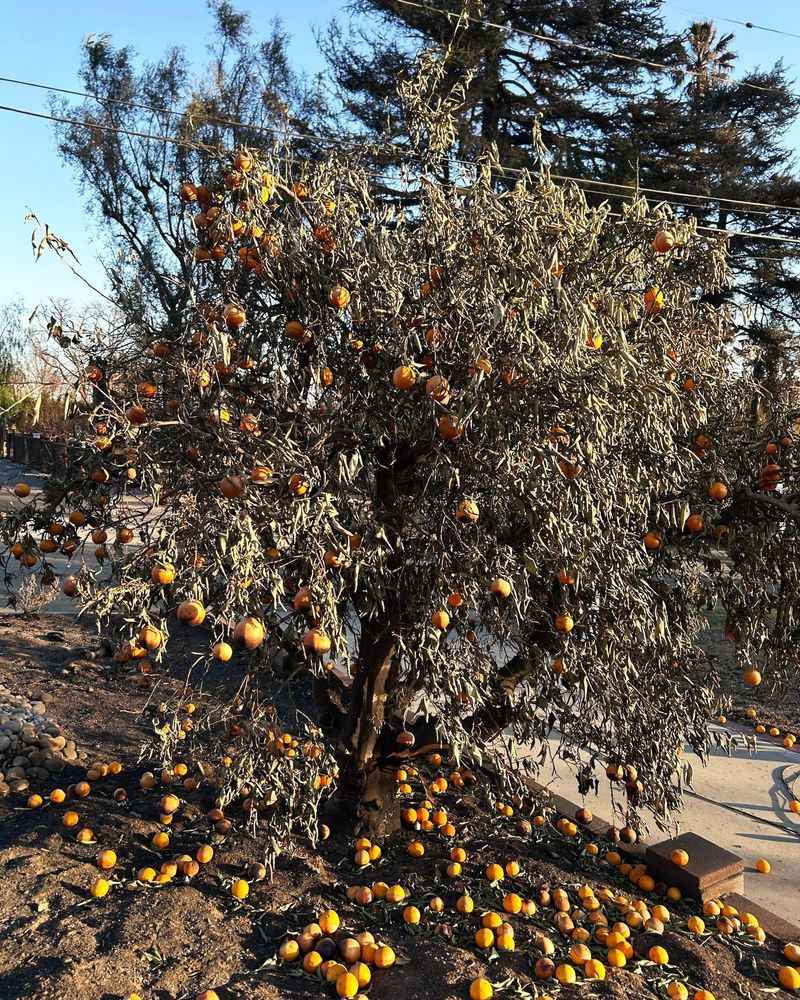
Plenty of folks are shocked to learn coyotes eat fruit, but these canines love a sweet snack. Fallen grapefruit, oranges, and sticky ripe dates all show up regularly in their varied desert diet.
Fruit that splits on the ground releases a sugary, fermented smell that carries well on cool fall nights. Date palms drop ripe fruit through autumn, and early citrus begins coloring up as the season moves along.
I love my backyard grapefruit tree, though I admit the windfalls pile up faster than I can gather them. Raking under the canopy every few days keeps the ground cleaner and the nighttime visitors far less interested.
Prickly pear pads produce tasty fruit called tunas, and coyotes happily nibble those ruby treats as well. If you grow native prickly pear, pick ripe fruit for jelly before wildlife claims the whole harvest.
Fallen fruit also feeds roof rats, which brings another reason for coyotes to patrol under your trees. Cleaning up drops helps break that chain and keeps rodents from settling into your citrus canopy.
Compost the fruit only in a closed bin, or bag it for the trash on collection day. Sharing extra harvest with neighbors or food banks feels much better than feeding a midnight crowd of critters.
4. Unsecured Garbage Cans

Few smells travel quite like a trash can baking in the desert sun before pickup day arrives. Food wrappers, chicken bones, and leftover takeout combine into an aroma that coyotes find hard to resist.
A loose lid gives a determined animal easy access, and a tipped can spreads scraps across the driveway. Many city wildlife guides in the Valley rank open garbage among the top reasons coyotes linger in neighborhoods.
What surprises me most is how a single greasy pizza box can perfume an entire side yard. Rinsing food containers before tossing them sounds fussy, yet it noticeably reduces the smell drifting from the bin.
Wait until the morning of collection to roll cans to the curb, rather than leaving them out overnight. Coyotes do much of their foraging after dark, so nighttime curbside cans offer them an easy buffet.
Bungee cords or locking lids help keep raccoons, javelinas, and coyotes out of household trash. Storing cans in a garage or behind a sturdy gate adds another helpful layer of protection for your home.
A sprinkle of baking soda in the bottom of the bin can tame lingering odors between washings. Scrubbing the can with soapy water each month keeps old spills from building up into a stronger beacon.
5. Open Kitchen Scrap Compost Piles
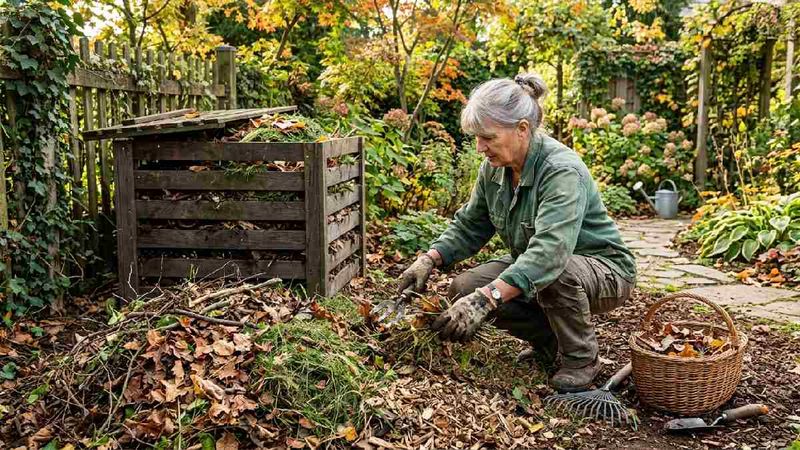
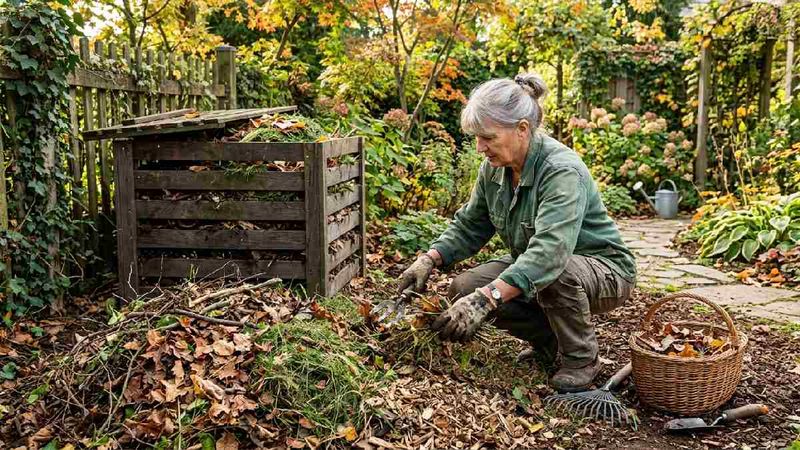
Compost is a gardener’s treasure, yet an open heap can turn into a late-night snack bar for wildlife. Melon rinds, eggshells, and leftover tortillas release smells that curious coyotes happily investigate after sunset.
I adore turning kitchen scraps into rich soil for my tomatoes and peppers each fall planting season. Still, I moved everything into an enclosed tumbler after finding my heap scattered across the garden path.
Meat, dairy, and oily foods attract the most attention, so leave those items out of home compost. University extension guides recommend sticking with plant scraps, coffee grounds, and dry leaves for safer, cleaner results.
Burying fresh scraps under a layer of brown material helps mask the scent and speeds decomposition too. Dry palo verde leaves or shredded paper work nicely as a cover in desert gardens with limited mulch.
October is a great month to restart compost, since cooler temperatures make turning the pile far less sweaty. Keep the heap moist like a wrung-out sponge, because balanced compost breaks down faster and smells much milder.
Closed bins with secure lids or hardware cloth bottoms stop digging from below as well as above. Your garden still gets that dark, crumbly soil, and the neighborhood coyotes find nothing worth their effort.
6. Bone Meal And Fish Fertilizer
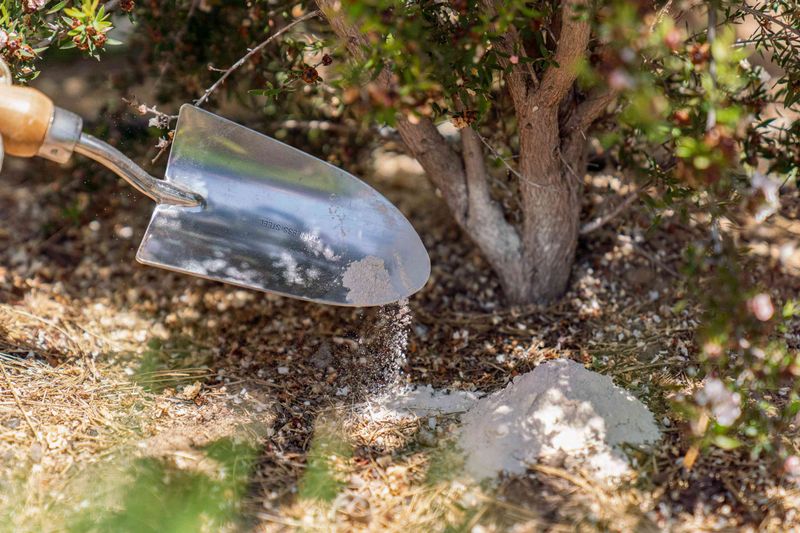
Organic fertilizers feed your plants beautifully, but some of them smell like a feast to a canine nose. Bone meal, blood meal, and fish emulsion come from animal products, and coyotes notice them quickly.
Gardeners sometimes discover freshly dug holes right where they worked bone meal into new planting beds. Dogs are famous for this behavior, and wild canines share the same strong interest in meaty soil amendments.
I believe fall planting season is the riskiest time, since October is when many of us prep vegetable beds. Fresh fertilizer sits near the surface, and cool evenings bring coyotes out to explore quiet gardens.
Mixing these products deeply into the soil, then watering thoroughly, helps reduce the strongest odors right away. Covering newly planted beds with mulch or bird netting adds a simple barrier against curious late-night digging.
Plant-based fertilizers, like alfalfa meal or well-aged compost, offer a smart alternative with much milder smells. Balanced granular fertilizers work well for many desert gardens and rarely tempt wildlife into the beds.
Store open bags in sealed bins inside the garage, because torn packaging leaks scent all season long. You will protect your seedlings from digging paws and keep your garden looking tidy through the cooler months.
7. Spilled Birdseed And Rodents
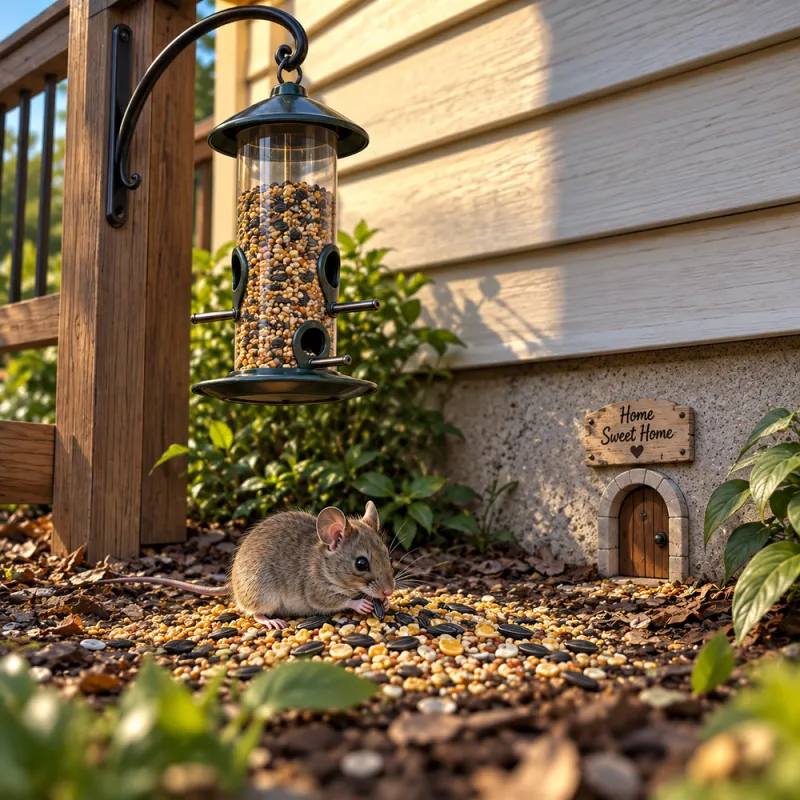
Your bird feeder might be feeding far more than finches and quail when seed piles up underneath. Spilled millet and sunflower hulls attract mice, pack rats, and rabbits, and those critters carry their own smells.
Coyotes rely heavily on rodents and rabbits, so a busy patch of small prey draws them closer. I like to think of it as a food chain that starts with a few scattered seeds on gravel.
Honestly, I enjoy watching Gambel’s quail scurry under my feeder each morning in their bobbing little groups. Still, I now use a seed tray to catch spills, and the late-night rodent traffic has calmed down considerably.
Sweeping or raking beneath feeders every few days keeps leftovers from building into a rodent buffet. Hulled seed blends create less mess, since birds have no shells to drop onto the ground below.
Thick brush piles and stacked lumber give rodents shelter, which makes your yard even more appealing to coyotes. Trimming dense growth near the house also reduces hiding spots for scorpions, which many desert homeowners appreciate.
Native plants that produce seeds naturally can feed birds without the heavy spills of a hanging feeder. Desert marigold and brittlebush offer cheerful blooms and seeds, letting birds forage the way nature intended.
8. Backyard Chicken Coops
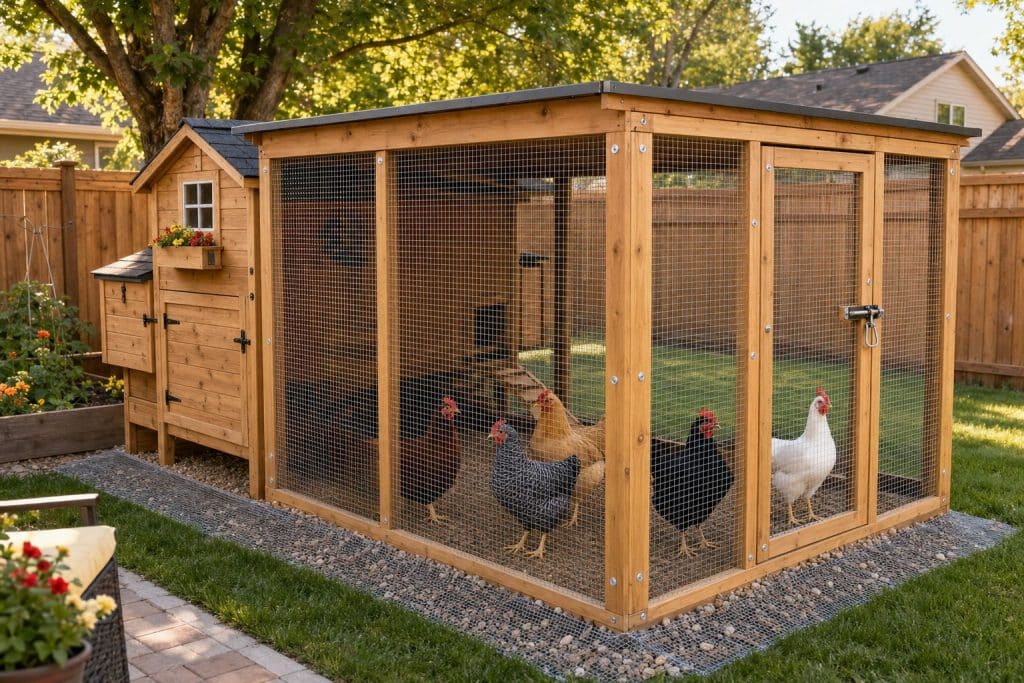
Backyard hens bring fresh eggs and endless entertainment, yet their coop sends a powerful message to passing coyotes. Feathers, droppings, and spilled feed create a mix of smells that suggests an easy meal nearby.
Coyotes are skilled at testing weak spots, from loose wire to gaps beneath the run’s walls. Many keepers learn this lesson the hard way, losing a hen during dusk when the door stayed open.
I can’t imagine raising chickens without a sturdy hardware cloth run, since chicken wire bends far too easily. Burying an apron of wire along the edges helps stop digging, which coyotes attempt surprisingly often.
Cleaning the coop regularly reduces the ammonia smell that drifts across the yard on still desert nights. Used bedding makes excellent compost material, but it belongs in a closed bin rather than an open pile.
Store chicken feed in metal containers with tight lids, since spilled grain attracts rodents along with larger predators. Collect eggs daily as well, because broken eggs add another tempting scent to the coop.
Lock your flock inside every evening before sunset, when coyote activity tends to pick up noticeably. Motion-activated lights near the coop may add an extra layer of discouragement for nighttime visitors.
9. Female Dogs In Heat
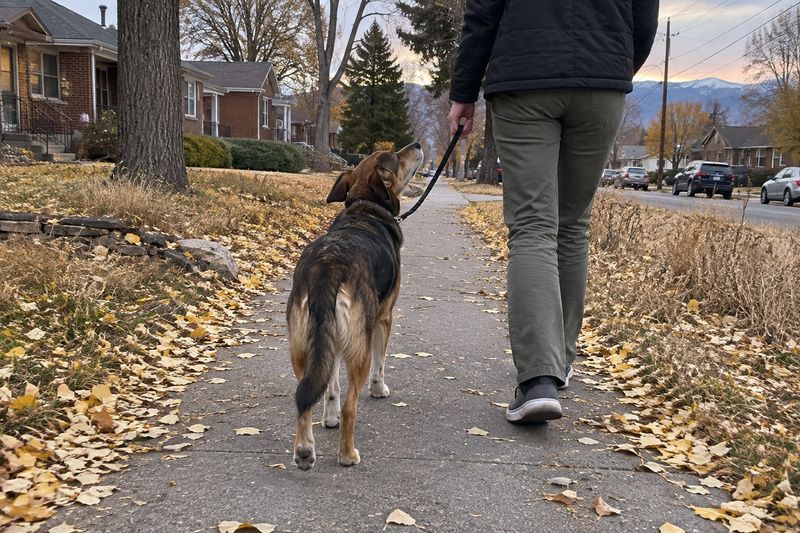
Few pet owners realize that an unspayed female dog can catch the attention of wild male coyotes. Coyotes and dogs are close relatives, and the scent of a dog in heat travels surprisingly well.
Wildlife agencies note that coyotes may approach yards where intact dogs live, especially around breeding season. Coyote mating typically happens in midwinter, so October offers a useful window to plan ahead for safety.
Personally, I find this one the most surprising entry, since nothing about it involves food at all. Still, curious visitors can lead to fights, injuries, or unwanted encounters with your beloved family dog.
Talk with your veterinarian about spaying, which removes the heat cycle and the scent that comes with it. Spaying also brings health benefits, and many local shelters offer low-cost options for budget-minded owners.
Small dogs face extra risk regardless of their reproductive status, so supervise them outdoors after dark. A leash and a porch light make evening potty breaks safer, especially along washes and desert edges.
Tall block walls help, though coyotes can climb or leap surprisingly high when properly motivated. Coyote rollers along the top of a wall make it harder for paws to grip and pull over.