7 Things You Should and Shouldn’t Do to Arizona Ash Trees Before Winter
Some desert shade trees can hold off dropping their leaves until well after Thanksgiving in the low desert. Those late golden leaves often hang on long after the calendar says that autumn has officially arrived.
This tree also grows surprisingly fast, sometimes adding several feet each year when it gets steady water. It handles winter lows near zero degrees, which helps explain why it shows up across so much of Arizona.
I have to admit, I used to ignore my shade tree once the brutal summer heat finally eased up. You might notice the same habit in your own yard, since cooler October days make chores feel optional.
What surprises me most is how much quiet work happens underground while the canopy slowly turns yellow. A few smart moves in Arizona this month can shape how your tree looks next spring, so which ones matter?
1. Deep Watering Arizona Ash Roots In October
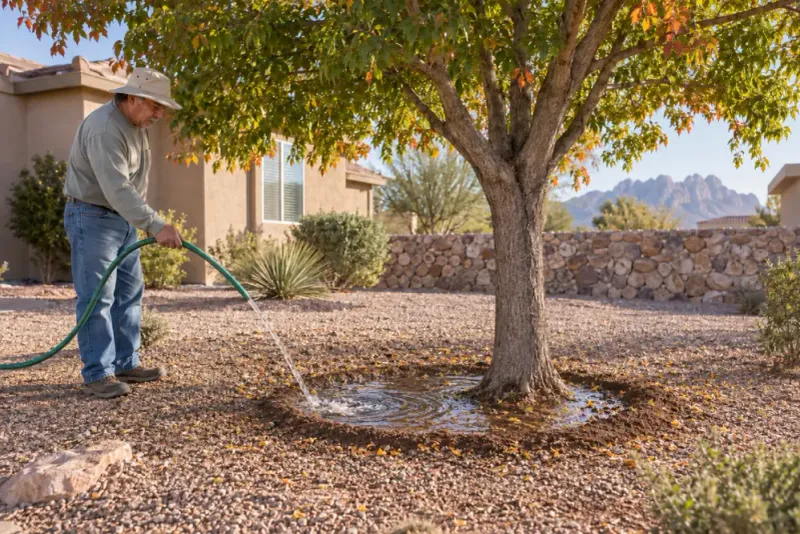
Roots keep sipping water long after the leaves start turning gold, which still surprises plenty of desert gardeners. I love how a slow, steady soak in October sets the tree up for the drier months ahead.
Arizona ash, known to botanists as Fraxinus velutina, grows naturally along desert streams and canyon washes. That streamside history explains why it appreciates deep moisture far more than quick shallow sprinkles from a sprinkler head.
For established trees, many local guides suggest watering roughly every two to three weeks during fall. The goal is moisture reaching about two to three feet deep, which encourages strong roots and fewer surface roots.
Personally, I like running a hose at a slow trickle for several hours near the drip line. The drip line sits under the outer canopy edge, where many of the active feeder roots usually spread.
You can test your work by pushing a long screwdriver or soil probe into the ground afterward. If it slides in easily to about two feet, the soak reached the zone your tree actually uses.
2. Skip Heavy Pruning On Ash Branches This Fall
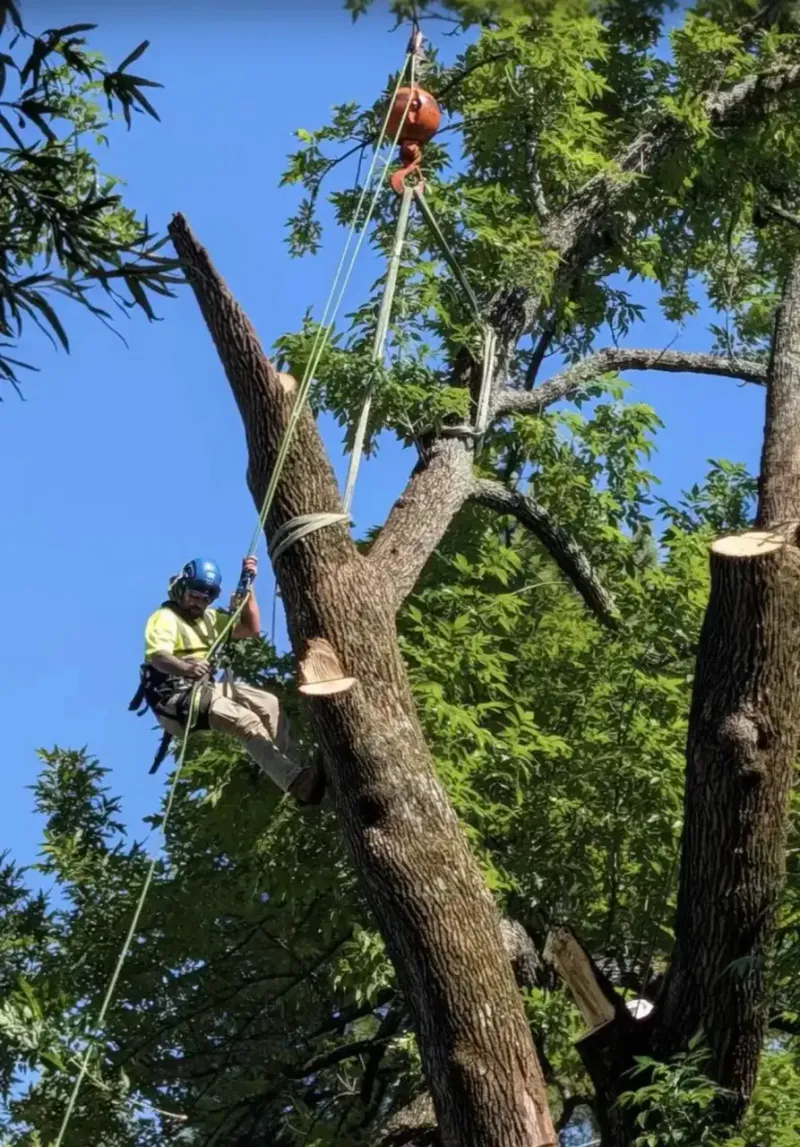
Grabbing the loppers in October feels productive, but your ash tree would honestly prefer that you wait. Big cuts right now can push fresh growth that cold nights later damage before it hardens off.
Fall is when the tree slowly pulls energy back toward its roots and trunk for the cooler months. Heavy pruning interrupts that process and leaves large wounds open during a season when healing moves slowly.
Most arborists recommend saving structural pruning for late winter, when the tree is dormant and leafless. Bare branches make problems much easier to see, and wounds start closing quickly once spring growth begins.
Light cleanup is still fine, especially broken limbs left behind by strong late summer monsoon storms. Removing those snapped branches now reduces rough wounds that can invite decay fungi into the softer wood.
I make every small cut just outside the branch collar, that slightly swollen ring near the trunk. Cutting flush against the trunk removes the tissue the tree relies on to seal its own wounds.
3. Yellow Ash Leaves With Green Veins Need Iron
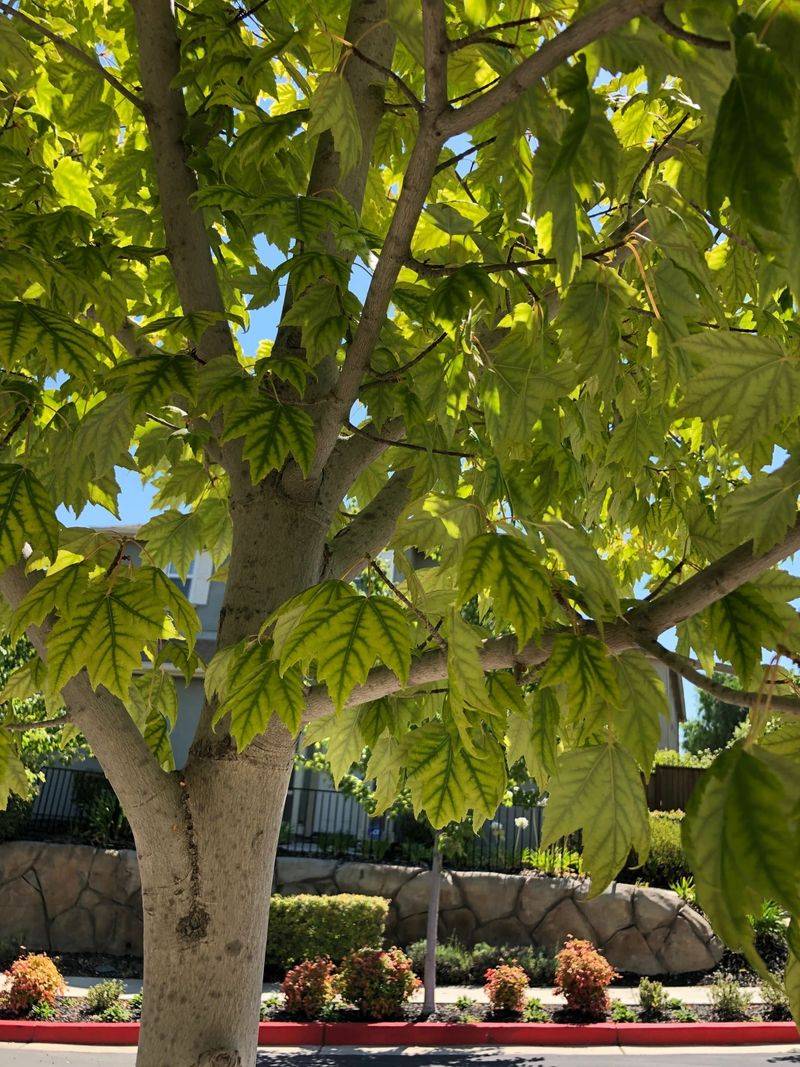
Yellow leaves with bright green veins look almost like stained glass, yet they usually signal a hungry tree. Iron chlorosis is common in our alkaline desert soils, where iron is present but hard for roots to absorb.
Arizona ash is one of the trees that often shows this pattern in caliche and high pH ground. Fall leaf color can blur the clues, so check foliage closely before the normal autumn yellowing spreads.
I like that a chelated iron product made for alkaline soil can help when chlorosis is confirmed. Follow the label carefully, because extra product rarely helps and can create new soil problems that you will regret later.
Many desert trees need very little general fertilizer, so skip heavy nitrogen feeding this late in the season. Soft new shoots pushed by nitrogen in October may struggle once the first real cold snap arrives.
You need to water well after any iron application so the product moves down toward active roots. A soil test from a local lab can also confirm whether pH is causing the trouble you see.
4. Keep Mulch Rings Away From The Ash Trunk
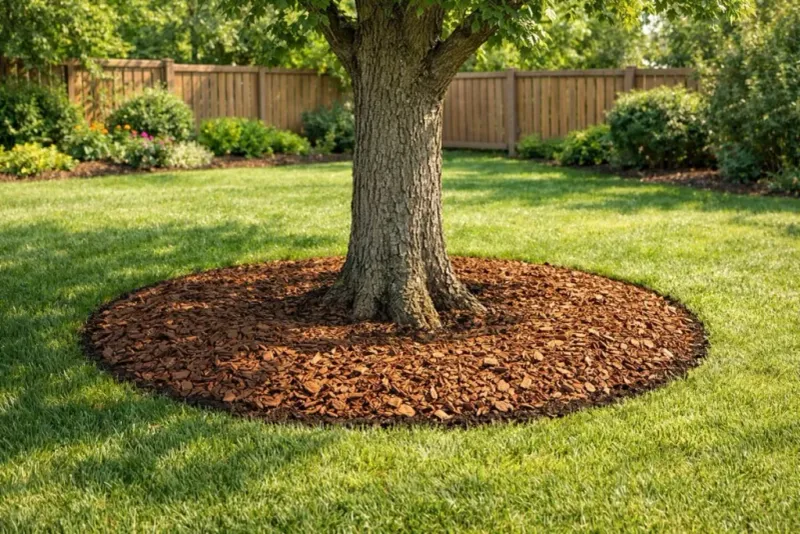
Mulch volcanoes piled high around tree trunks show up in neighborhoods everywhere, and they quietly cause plenty of trouble. That damp heap holds moisture against the bark, which can invite rot and chewing rodents near the base.
I prefer a wide, flat ring of wood chips that looks more like a doughnut than a mountain. Keep a gap of several inches between the mulch and the trunk so the bark can breathe and dry.
A layer around two to four inches deep is usually plenty for most desert yards and established trees. Spread it out toward the drip line, since that outer zone is where water and roots matter most.
You might notice the soil underneath stays cooler and holds moisture noticeably longer between your deep fall waterings. Coarse wood chips also break down slowly, feeding soil life and improving tired desert ground over several years.
Personally, I skip rock mulch right against trunks because stones soak up heat during warm afternoons. Organic mulch gives your ash a gentler root zone, and it looks tidy without much effort at all.
5. Inspect Ash Bark And Leaves For Pests
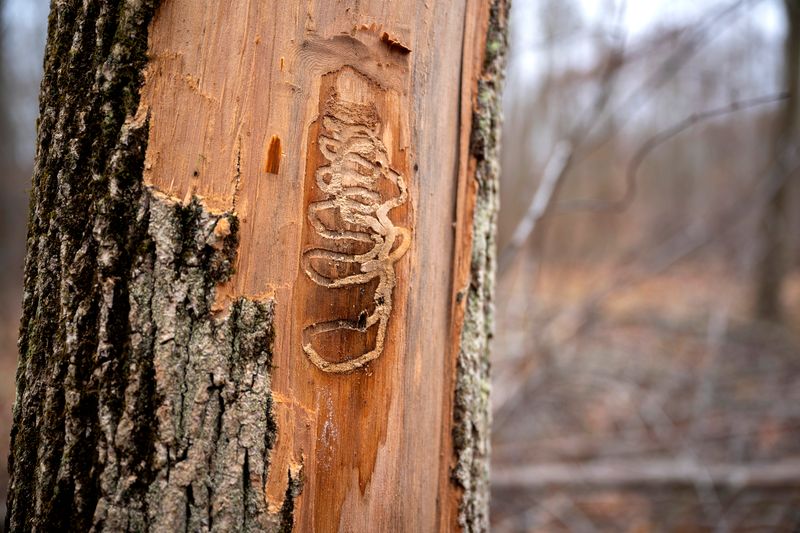
Fall is an easy time to play detective, because problems that hid under thick summer leaves become easier to spot. I like walking around my tree slowly with coffee, checking bark, branches, and leaves for anything unusual.
Arizona ash can face issues like ash decline, borers, and spider mites, especially when trees are stressed. Thin canopies, oozing bark, or small exit holes deserve a closer look instead of a quick shrug and a guess.
Emerald ash borer has caused serious losses in other states, but it has not been confirmed in Arizona. Moving firewood across regions is one way it spreads, so buying local firewood is a smart, simple habit.
You need to remember that healthy, well-watered trees usually resist insects better than thirsty, stressed ones. Steady deep watering and sensible pruning do more for pest control than most sprays you could buy.
If something looks off, a certified arborist or your county extension office can help identify the cause. Getting a correct diagnosis first saves money and keeps you from treating a problem the tree does not have.
6. Leave Fallen Ash Leaves For Garden Wildlife
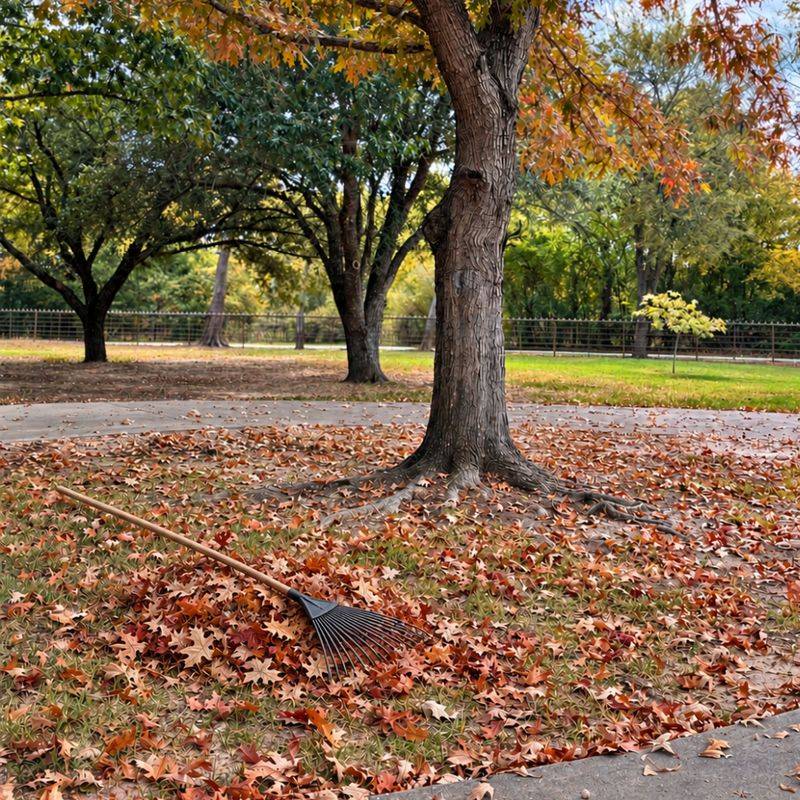
Raking every single leaf into a trash bag might feel tidy, but your garden critters may disagree. Fallen leaves tucked under shrubs create shelter for beetles, spiders, and the lizards that happily eat many garden pests.
I love how a thin layer of ash leaves breaks down quickly and feeds the soil food web. Earthworms and fungi turn that seasonal litter into richer soil, which helps your tree hold water a little better.
You do want to keep thick, damp leaf piles away from your house foundation and patio edges. Heavy piles near walls can give scorpions and other unwanted visitors a cozy hiding place close to your doors.
A smart compromise is moving leaves into planting beds or shredding them with a mower first. Shredded leaves settle flat, decompose faster, and look neater than whole leaves blowing around the yard.
Birds also forage through leaf litter, flipping pieces aside in search of insects during cooler months. Watching thrashers and towhees scratch around under your ash tree is honestly one of my favorite winter shows.
7. Shield Young Ash Saplings From Frost
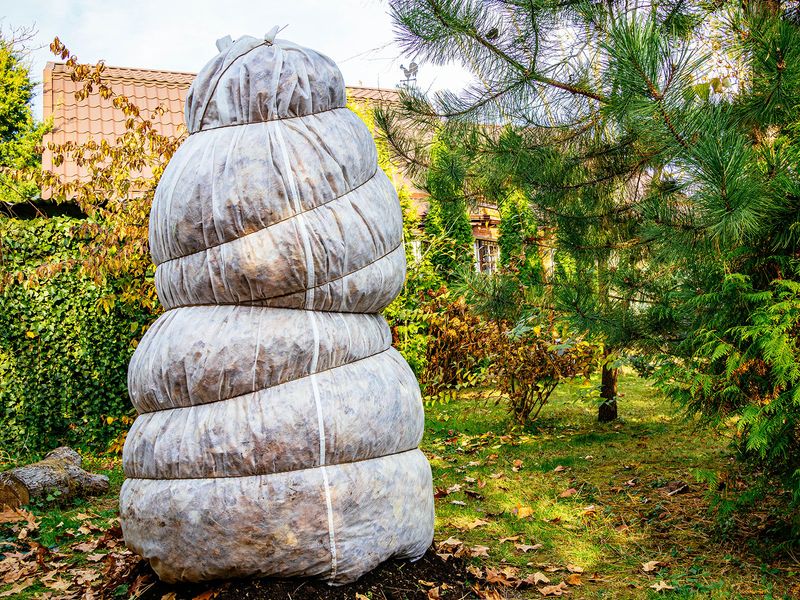
Mature Arizona ash trees shrug off hard freezes, but young saplings have not built that toughness yet. Thin bark and shallow roots make first and second year trees more sensitive to sudden cold nights.
October is a perfect month to plan ahead, since the first frosts often arrive later in the low desert. Higher towns like Flagstaff and Prescott can see freezing nights much earlier, so watch your local forecast closely.
Moist soil holds warmth better than dry soil, so water young trees a day or two before cold fronts. Avoid watering when temperatures are already near freezing, since icy, soggy ground offers roots little benefit.
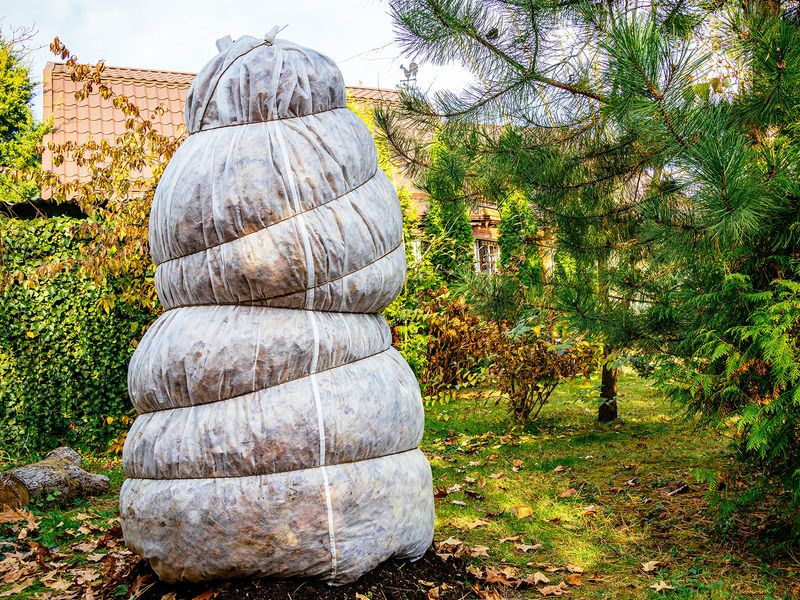
I keep frost cloth handy for tiny saplings planted in exposed spots with little nearby shelter. Drape it down to the ground in the evening, then remove it the next morning once air warms up.
Skip plastic sheeting, because it traps moisture and can actually transfer cold directly to the leaves. A little preparation now helps your young tree grow into the big shade maker you planted it to become.