How New York Apartment Gardeners Keep a Thanksgiving Cactus Blooming Through the Holiday
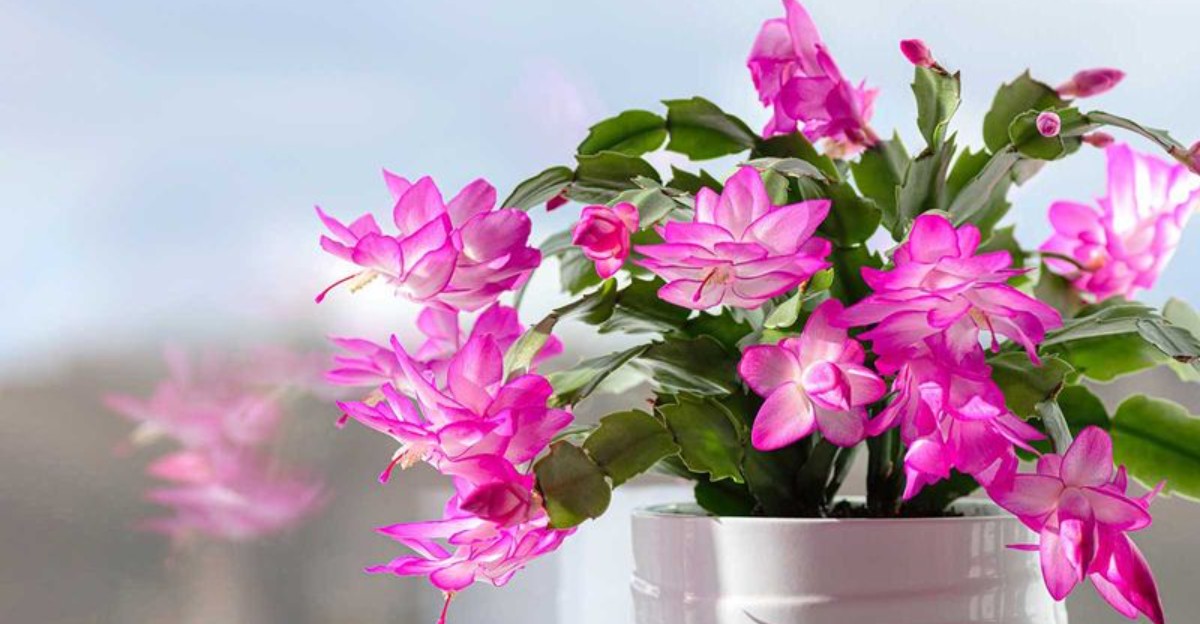
A single streetlight outside your window can cancel a whole season of flowers. That sounds dramatic, but one houseplant really does count the hours of darkness each night before it decides to bloom.
I love that this plant comes from the misty mountain forests of southeastern Brazil. It grows on tree branches there, not in sandy deserts. So the spiky name on the store tag is a bit of a fib.
City living makes things tricky. New York apartments come with clanking radiators, bright hallway lights, and air so dry in winter that your skin feels it too. Personally, I think that makes every bud you coax out feel like a small victory.
You might already own one that refuses to flower. Or maybe yours drops its buds right before guests arrive. What if the fix is simpler than a new pot or fancy food?
Those Claw-Shaped Cactus Stems Are Counting the Nights
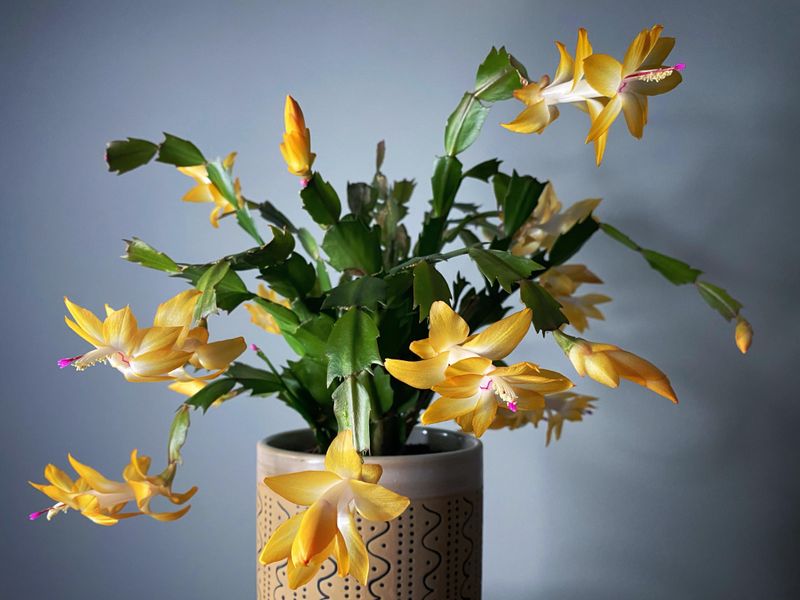
Your plant has a built-in calendar, and it runs on darkness. The Thanksgiving cactus, Schlumbergera truncata, is a short-day plant.
Long nights and cool air in autumn tell it to start making flower buds.
University extension experts, including those at Cornell and Minnesota, explain that buds form when nights stretch past about 12 hours. Cool temperatures help too.
Around 50 to 55 degrees at night can trigger buds even when the light schedule is not perfect.
Here is a quick way to confirm you have the right plant. Look at the flat stem segments.
Thanksgiving cacti have sharp, pointed teeth along the edges, a bit like little crab claws. Christmas cacti have smoother, rounded scallops instead.
That matters because timing differs. Thanksgiving types usually flower in late November, while Christmas types tend to bloom about a month later.
Many plants sold as Christmas cacti in stores are really Thanksgiving cacti, so check before you plan.
Inside a busy city apartment, the natural signals often get muddled. Lamps, TVs, and warm rooms can trick the plant into thinking summer never ended.
Once you understand that the plant reads light and temperature, the rest of the routine makes a lot more sense. Every tip that follows works with this simple natural rhythm, not against it.
A Dark Closet Might Be Your Cactus Buds’ Best Friend
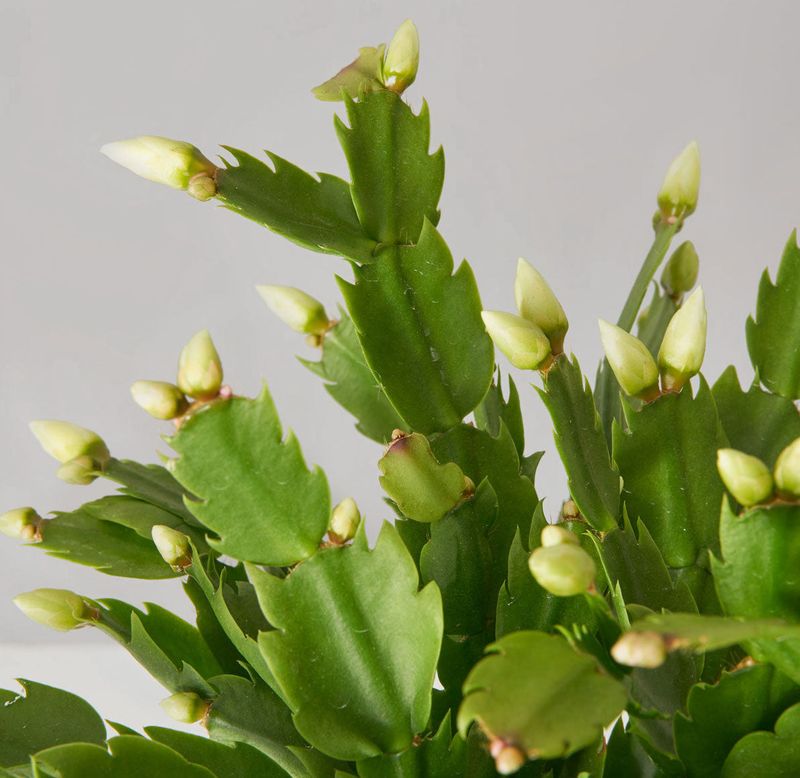
Darkness is the secret ingredient most city growers miss. For about six weeks, starting in late September or early October, give your plant 12 to 14 hours of steady darkness every night.
In a New York apartment, true darkness is harder to find than a cheap parking spot. Streetlights, neon signs, and a roommate flipping on the kitchen light can interrupt the plant’s night.
Even short bursts of light may delay buds.
A simple routine works well. Around 6 p.m., move the pot into a closet or an unused room.
Bring it back to a bright window around 8 a.m. If moving it daily feels like a chore, cover it with a cardboard box or a thick, dark cloth instead.
Keep the rest of the day bright, though. The plant still needs good light to build energy for flowers.
Skipping daytime light just leaves you with a sleepy plant and few buds.
After about six weeks, you should spot tiny pink or red nubs at the stem tips. That is your cue to relax the routine.
Once buds reach a decent size, the plant no longer needs its nightly closet trips. I find this the most satisfying moment of the whole season, honestly.
Cool Nights Near a Windowsill Help Thanksgiving Cactus Buds Form
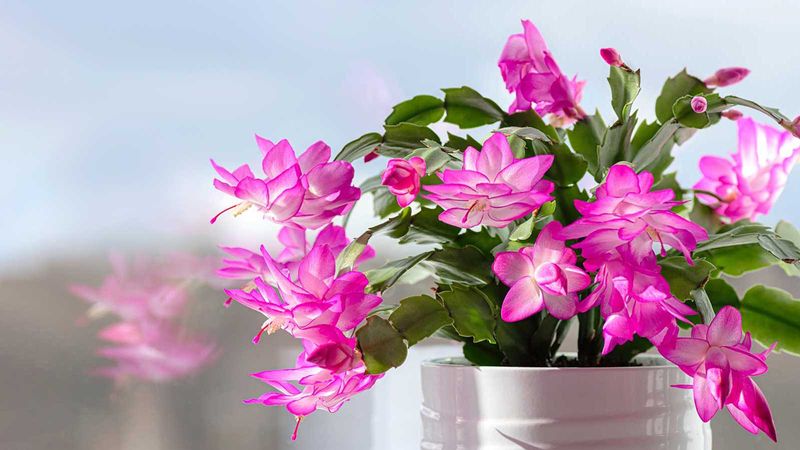
Cold air can actually be a gift. Thanksgiving cacti set buds more reliably when nights drop to roughly 55 to 60 degrees.
Some extension guides say nights near 50 degrees can trigger buds no matter the day length.
Many apartments run warm, especially once building heat kicks on in October. New York City rules require landlords to keep indoor temperatures at least 62 degrees overnight during heating season, and many buildings run much hotter.
So you may need to get creative.
A cool bedroom, a windowsill away from the radiator, or a spot near an older window often runs several degrees cooler. A cheap digital thermometer helps you find the chilliest safe corner.
You might be surprised how much temperatures vary around one room.
Just keep the plant above about 50 degrees. Frosty glass and icy drafts can harm the stems.
If leaves touch a freezing window on a raw November night, slide the pot back a few inches.
Daytime temperatures in the mid to upper 60s suit the plant nicely. That gentle swing between warm days and cool nights mimics autumn in its mountain home.
Pair cool nights with long darkness, and you give the plant two strong signals at once.
Sizzling Radiators Can Make Thanksgiving Cactus Buds Drop
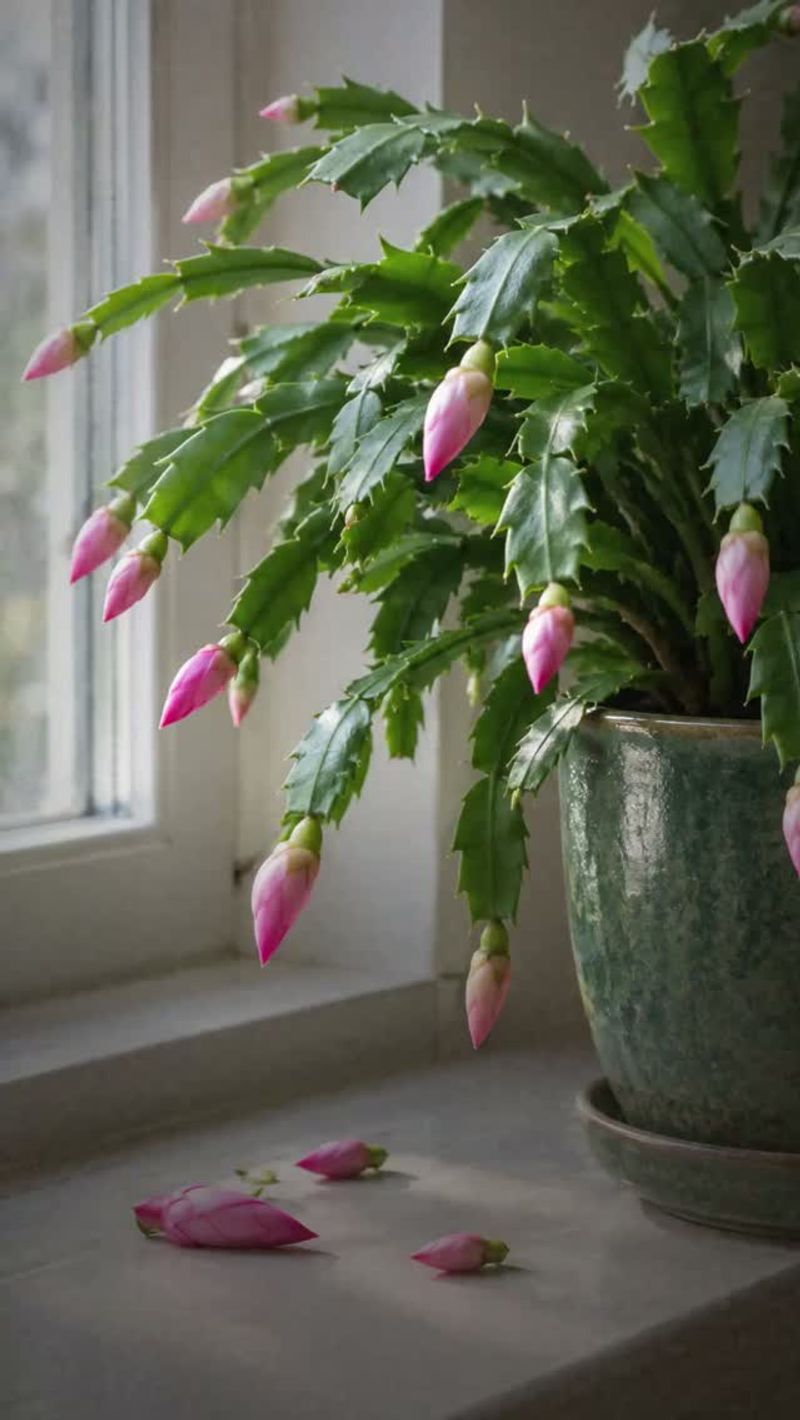
Few sounds say New York winter like a hissing steam radiator. Unfortunately, your cactus hates that sound almost as much as you love the warmth.
Hot, dry blasts near heaters are a leading cause of bud drop.
Bud drop means the plant forms buds, then lets them fall before they open. It is heartbreaking, especially a week before Thanksgiving dinner.
The usual triggers are sudden heat, cold drafts, dry soil, or moving the plant around.
Keep the pot at least a few feet from radiators, baseboard heaters, and forced-air vents. Windowsills directly above radiators are tempting because they get great light.
Sadly, the heat rising from below can bake the buds.
Drafts cause trouble too. Front doors in walk-up buildings, leaky air conditioner sleeves, and windows cracked open to cool an overheated apartment can all chill the plant suddenly.
Steady conditions matter more than perfect ones.
Here is a trick I like. If your best window sits above a radiator, place a small shelf or plant stand nearby instead.
You keep the light while dodging the heat. A piece of wood or a radiator cover can also deflect warm air away from the leaves.
Thanksgiving Cactus Soil Should Dry a Little Between Drinks
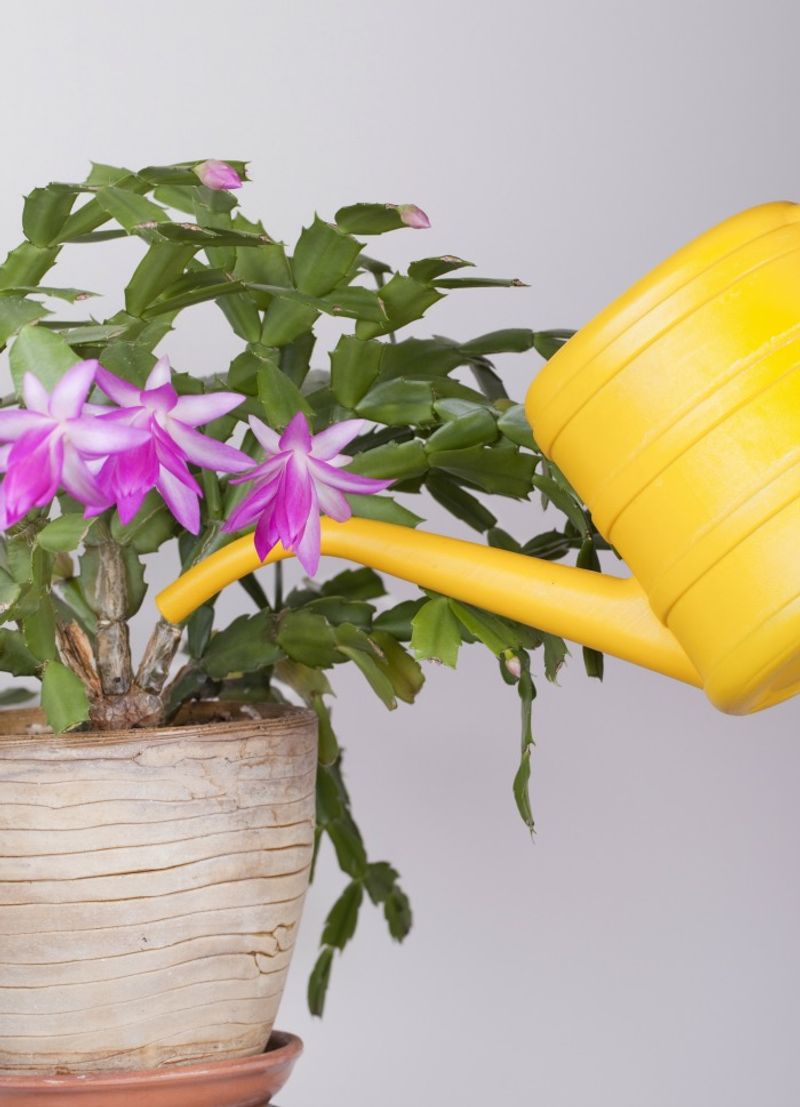
Despite the name, this plant is no camel. It enjoys regular moisture, but soggy roots invite rot fast.
Finding the middle ground is the trick.
During autumn bud setting, many extension sources suggest watering a bit less. Let the top inch or so of soil dry before you water again.
Push a finger into the pot to check, since surface soil can fool you.
When you water, do it thoroughly. Let water run out the drainage holes, then empty the saucer after 15 minutes or so.
Never leave the pot sitting in a puddle, especially in a cool room where soil dries slowly.
Once buds appear, keep moisture steady. A plant that swings from bone dry to soaking wet may shed its buds in protest.
Try checking the soil every few days rather than following a strict calendar.
Soil mix matters too. These forest plants like a loose, fast-draining blend.
A mix of regular potting soil with orchid bark or perlite works well. Terracotta pots also help extra water escape.
Hold off on fertilizer while buds form. Feeding usually belongs to spring and summer, when the plant is actively growing new stems.
A Pebble Tray Brings Rainforest Moisture to Your Cactus
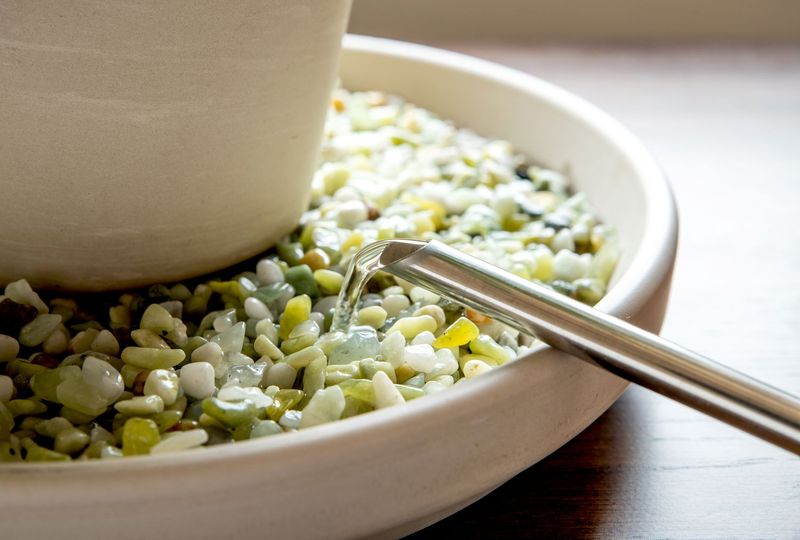
Steam heat can turn indoor air drier than some deserts. Indoor humidity in heated apartments often falls below 30 percent in winter.
That is rough on a plant that evolved in damp mountain forests.
Dry air may cause buds to shrivel or drop. Stems can also look limp or wrinkled.
A little extra moisture goes a long way.
The easiest fix is a pebble tray. Fill a shallow dish with gravel or pebbles, add water just below the top of the stones, and set the pot on top.
As water evaporates, it raises humidity right around the plant. Keep the pot bottom above the waterline.
Grouping plants together helps as well. Leaves release moisture, so a little cluster of houseplants creates its own humid pocket.
Your pothos and ferns can be helpful neighbors.
A small room humidifier is another solid choice, and your own skin and sinuses will thank you. Light misting gives a brief boost, though the effect fades quickly.
Fun fact: in the wild, these plants are epiphytes. They cling to tree branches and collect moisture from fog and rain.
A humid corner makes your apartment feel a bit more like home to them.
Leave Your Budding Thanksgiving Cactus in One Bright Spot
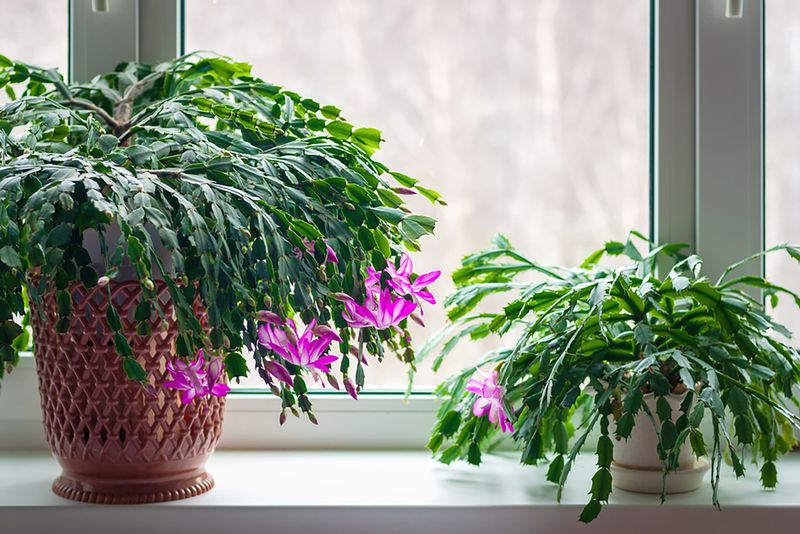
Patience pays off once buds show up. Moving a budding plant from room to room can stress it enough to drop flowers.
Pick a good spot and let it stay put.
Bright, indirect light works best. East-facing windows are ideal, offering gentle morning sun.
A south or west window can work if a sheer curtain softens harsh afternoon rays.
Many city apartments face brick walls or narrow airshafts. If your light is dim, an LED grow light can fill the gap during the day.
Just turn it off at night so the plant still gets its dark hours.
Resist the urge to rotate the pot constantly. Buds tend to turn toward the light.
Spinning the plant often may make them twist and fall. If you want even growth, rotate only before buds form.
Planning to use the plant as a holiday centerpiece? Move it to the table only for the big meal, then return it to its usual spot.
A few hours rarely cause trouble.
Wondering if it is safe around pets? The ASPCA lists Schlumbergera as nontoxic to cats and dogs, which makes it a friendly choice for crowded apartments.
After the Thanksgiving Cactus Flowers Fade, Next Year Begins
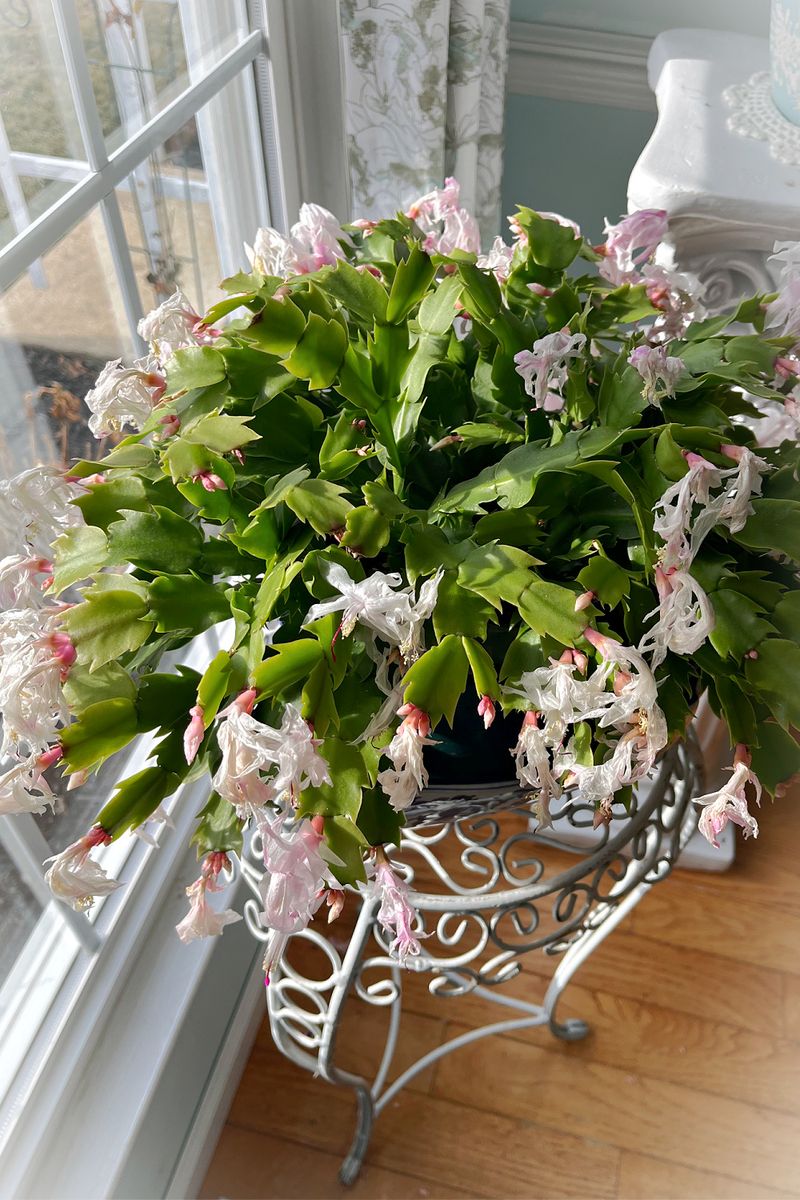
Flowers usually last a few weeks, and each bloom opens for several days. Enjoy the show, then get ready for a short rest period.
Your plant has worked hard.
After blooming, water a bit less for about a month. Let the plant sit in bright light at normal room temperature.
In spring, when new stem segments appear, start feeding with a balanced houseplant fertilizer every few weeks.
Spring is also the best time to repot, though these plants actually like being a little snug. Repot only every few years, moving up just one pot size.
Too much soil holds extra water.
Many New Yorkers move their plants outdoors in summer, onto balconies, terraces, or rooftop gardens. Keep them in bright shade and bring them inside before nights fall below 50 degrees.
Here is my favorite tip. Snap off a piece with two or three segments, let it dry for a day, and push it into moist potting mix.
It roots easily and makes a sweet gift.
These plants can live for decades. Some families share pieces of the same plant across generations.
Start your routine again in early fall, and the blooms can return each November.