That Fast-Moving Spider In Your Georgia Basement Is Venomous But Helps Control Pests
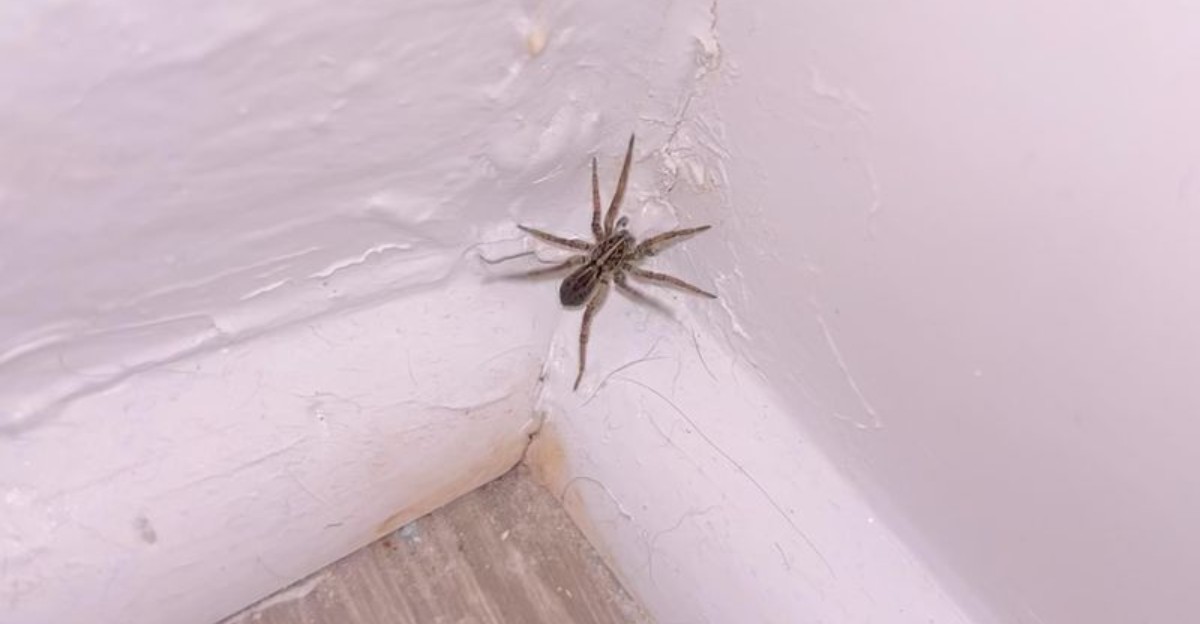
Some mothers in this family carry dozens of babies piled on their backs like a fuzzy backpack. The little ones ride along for about a week before scattering across the floor.
That same busy parent might be the shadow that just zipped past your water heater. It can move surprisingly fast, and it does carry venom.
I jumped the first time one raced across my Georgia basement steps.
You need to know one more thing, though. This critter spins no web and sets no trap.
It hunts on foot at night, often chasing down roaches, crickets, and other insects you probably want gone.
I used to grab a shoe on sight. Now I pause and take a closer look at those eyes shining back in the flashlight beam.
Could the scariest-looking guest in your basement be one of your hardest workers?
1. That Dash Across The Basement Floor Comes From A Spider On The Hunt
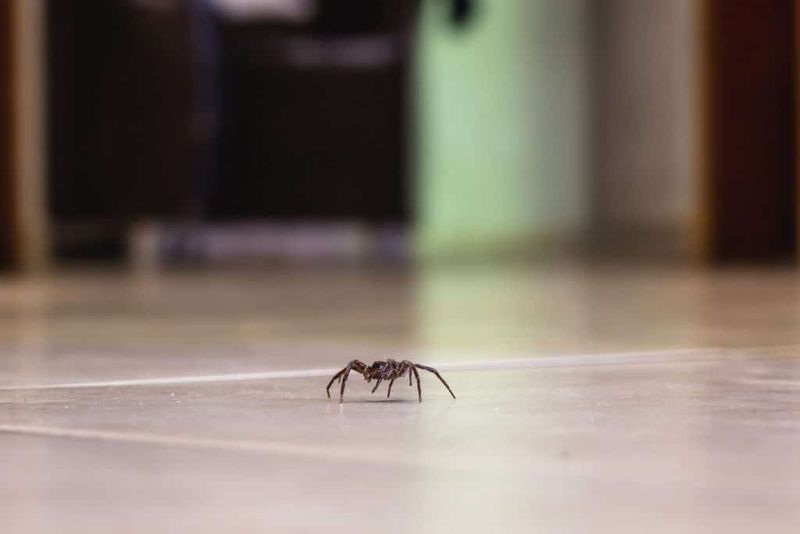
Flip on the basement light, and something brown and leggy bolts for the nearest shadow. That burst of speed is not panic so much as a hunting style.
Most spiders you know build webs and wait. This one skips the silk trap and patrols the ground instead, chasing down meals the old-fashioned way.
Its long, strong legs let it sprint, stop, and pounce in a blink.
Basements make a cozy hunting ground. They are dark, quiet, and often a little damp, which draws crickets, silverfish, and roaches.
Where the snacks gather, the hunter follows.
I find it helpful to think about what that quick runner is telling you. A spider racing along your baseboards usually means it found food nearby.
In other words, it is reporting on your insect situation without saying a word.
Night is prime time for this behavior. Many of these spiders rest in cracks or clutter during the day and come out after dark to roam.
So if you mostly see them when you flip on a late-night light, that matches their normal schedule.
Before reaching for a shoe, take a breath. That speedy shape might be doing a job you never hired anyone to do.
2. Wolf Spiders Eat The Roaches And Crickets You Can’t Stand
Meet the most likely suspect behind that basement sprint, the wolf spider. Georgia has many species in the family Lycosidae, and they show up in lawns, gardens, and homes all over the state.
Wolf spiders are generalist hunters. University extension experts describe them eating crickets, cockroaches, beetles, flies, ants, and even other spiders.
Basically, if it is small and moves, it might become dinner.
Here is why gardeners like them. Out in the yard, they patrol mulch and grass, snacking on insects that chew on plants.
Indoors, they pick off wandering bugs before those bugs settle in.
Of course, one spider will not solve a big roach problem. Think of it as a helpful neighbor, not a full pest control service.
Still, every cricket it catches is one less chirping under your stairs at midnight.
I like that they work for free and need no chemicals. They also leave no messy webs on your shelves or ceiling corners.
Fun fact for curious kids and adults alike. The name comes from an old idea that these spiders hunted in packs like wolves.
They actually hunt alone, but the speedy chase fits the name pretty well.
3. A Wolf Spider Bite Stings But Rarely Causes Real Trouble
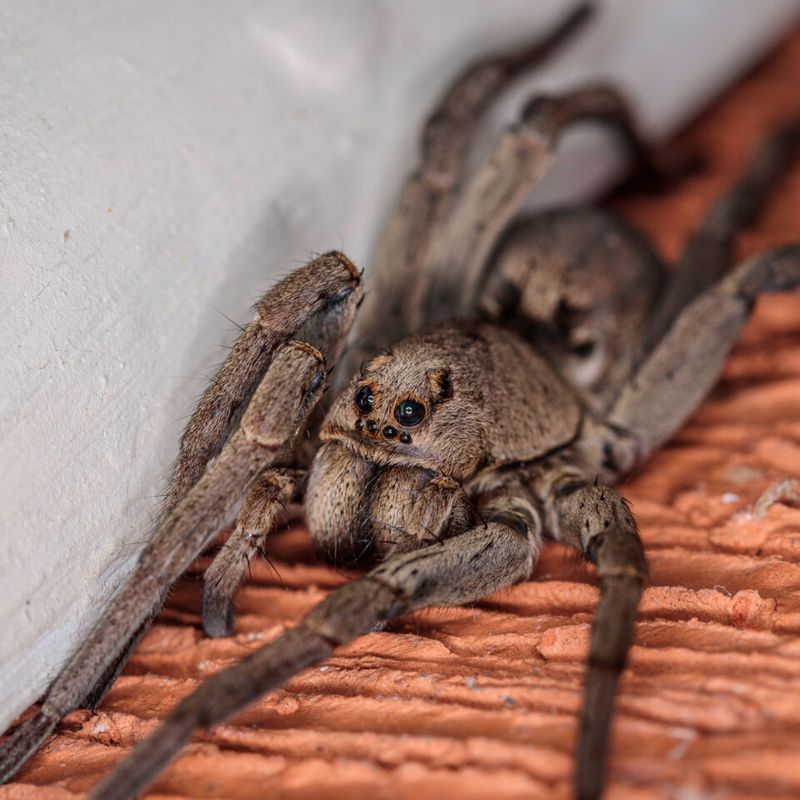
Yes, the venom part is true. Wolf spiders use venom to stop their prey, just like nearly all spiders do.
For people, though, the story is much calmer. Extension sources report that a bite usually feels like a bee sting, with some pain, redness, and swelling.
Those symptoms often fade within a few days.
These spiders are not looking for a fight. They prefer to run and hide, and most bites happen when someone presses on one by accident.
That might be when you slide a foot into a shoe or grab a box off the floor.
A few simple habits cut your risk way down. Shake out shoes and gloves stored in the basement or garage.
Wear gloves when moving firewood, boxes, or garden pots.
If a bite happens, wash the spot with soap and water. A cool pack can ease swelling and soreness.
Watch for anything unusual, though. Call a doctor if redness spreads, the pain grows worse, or someone has an allergic reaction like trouble breathing.
Kids, older adults, and people with health conditions deserve extra attention. Being calm and careful works better than being scared.
4. Those Glowing Eyes And Fuzzy Brown Stripes Give It Away
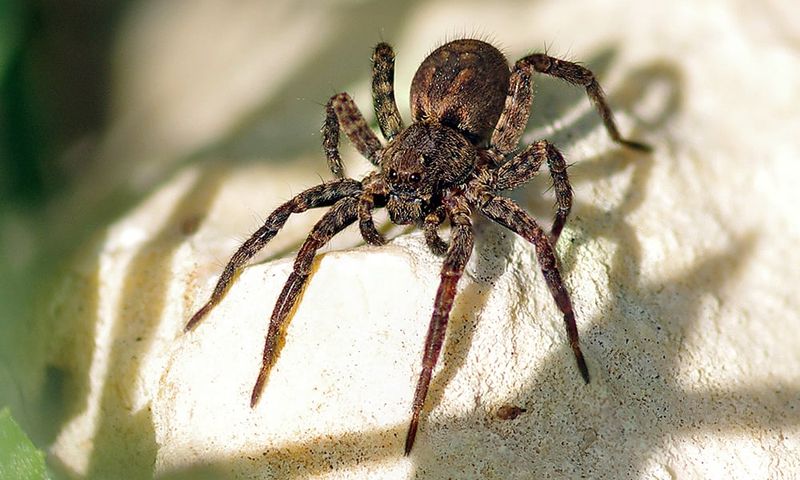
Grab a flashlight tonight and sweep it slowly across your lawn. Tiny green sparkles shining back at you are often wolf spider eyes reflecting the light.
That eye shine comes from a reflective layer behind some of their eyes. It is one of the coolest ways to spot them, and kids love trying it.
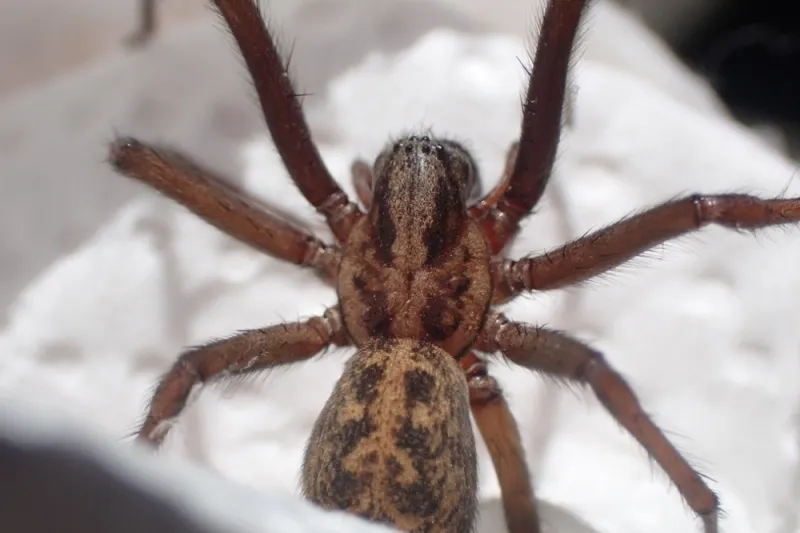
Up close, look for eight eyes in three rows. Two big eyes sit up front like headlights, with a row of small eyes below and two more on top.
That arrangement sets them apart from many other spiders.
Bodies are usually brown, gray, or tan with darker stripes or speckles. They look hairy and sturdy, with thick legs.
Some Georgia species stay small, while bigger ones can stretch over an inch with legs included.
Moms are easy to recognize too. Females drag a round silk egg sac attached to their back end.
After hatching, the babies climb onto her back for a ride.
Brown recluses can confuse people, so check closely. Recluses are smaller, smoother, and have a violin-shaped mark plus six eyes.
If you are unsure, snap a photo and ask your county extension office.
5. Mulch Beds And Woodpiles Pull These Hunters Toward Your House
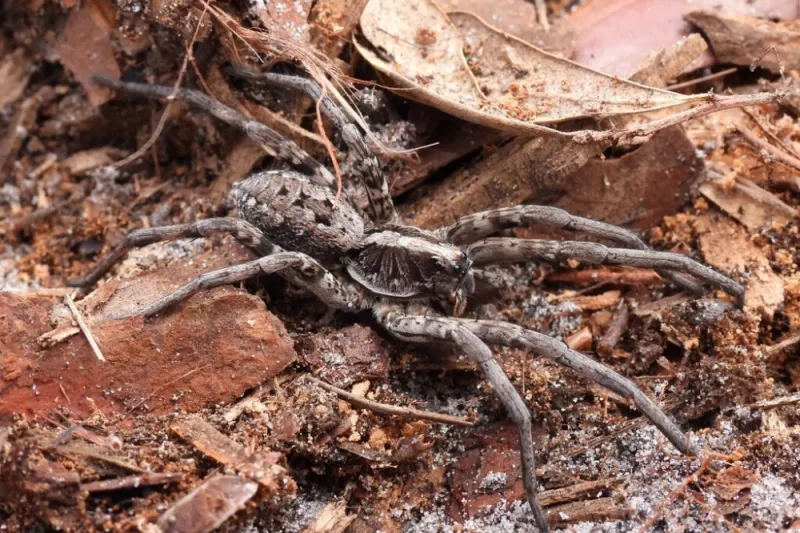
Outdoors is where wolf spiders truly belong. Pine straw, leaf litter, tall grass, rocks, and stacked firewood give them shelter and plenty of insects to chase.
Many Georgia yards have thick mulch beds snug against the foundation. That setup is lovely for azaleas and hostas.
It also creates a spider highway that ends right at your basement wall.
Weather nudges them inside too. Heavy summer storms can flood their hiding spots, and cooler fall nights send some wandering toward warmer, drier spaces.
A gap under a door or a crack near a pipe works as an open invitation.
Outdoor lights play a sneaky role. Porch bulbs attract moths and other night insects, which then attract hungry hunters.
Before long, the spiders are camping out near your doorway.
A few small tweaks can help. Pull mulch back a few inches from the foundation, and stack firewood away from the house.
Switching to yellow bug lights draws fewer insects.
I would not clear out every leaf pile, though. Wolf spiders in your garden beds are doing great work on plant-munching pests.
Keeping them out there rather than inside is the sweet spot.
6. Sealing Cracks And Clearing Clutter Keeps Spiders Outside Where They Belong
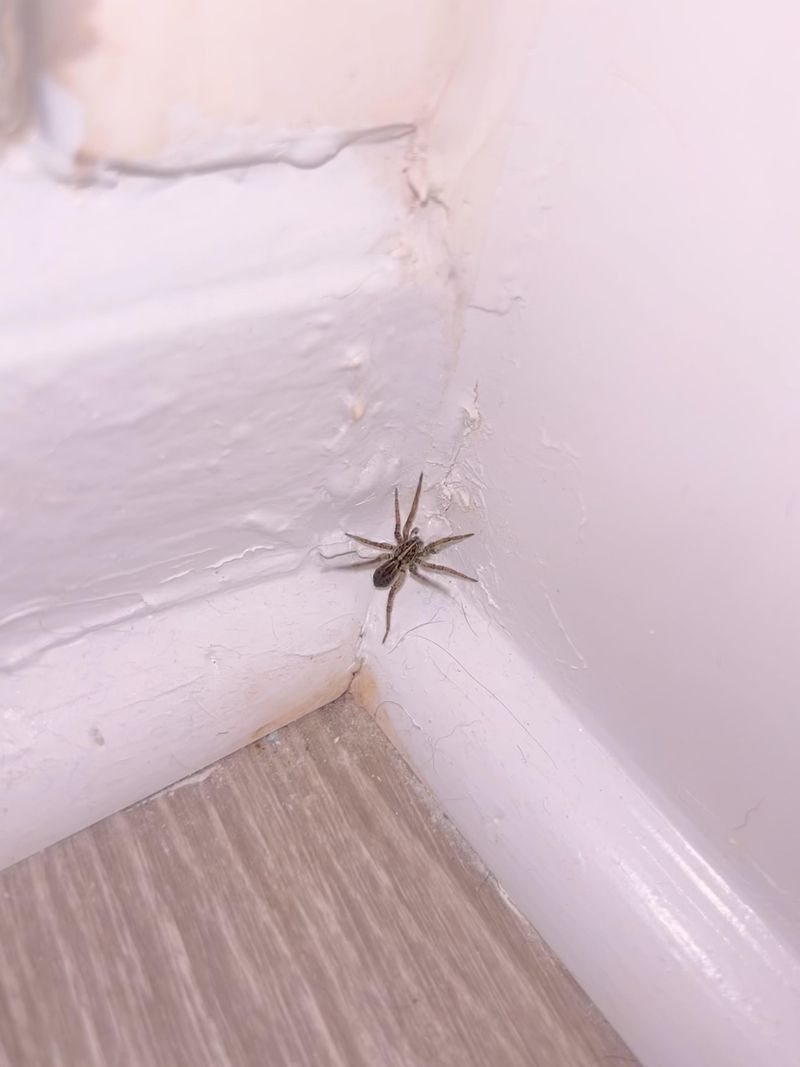
Spotting lots of spiders indoors usually points to a bigger clue. They are there because the food is there.
So the smartest move is to cut back on their insect buffet. Fix leaky pipes and run a dehumidifier to make your basement less appealing to crickets and silverfish.
Drier air helps a lot.
Next, check your entry points. Caulk cracks in foundation walls, add door sweeps, and fill gaps around pipes and wires.
Window screens without holes make a real difference too.
Clutter is a spider hotel. Cardboard boxes on the floor offer endless hiding spots, so switch to plastic bins with tight lids.
Keep stored items up on shelves when you can.
Sticky glue traps placed along walls can catch wanderers and show you where bugs travel. Check them often, since they also tell you which pests are around.
Spraying pesticides everywhere is rarely needed for wolf spiders. Extension experts note these spiders roam widely, so sprays often miss them.
Tidying up and sealing gaps tends to work better and keeps chemicals away from kids and pets.
7. A Cup And A Sheet Of Paper Can Send A Wolf Spider Back Outdoors
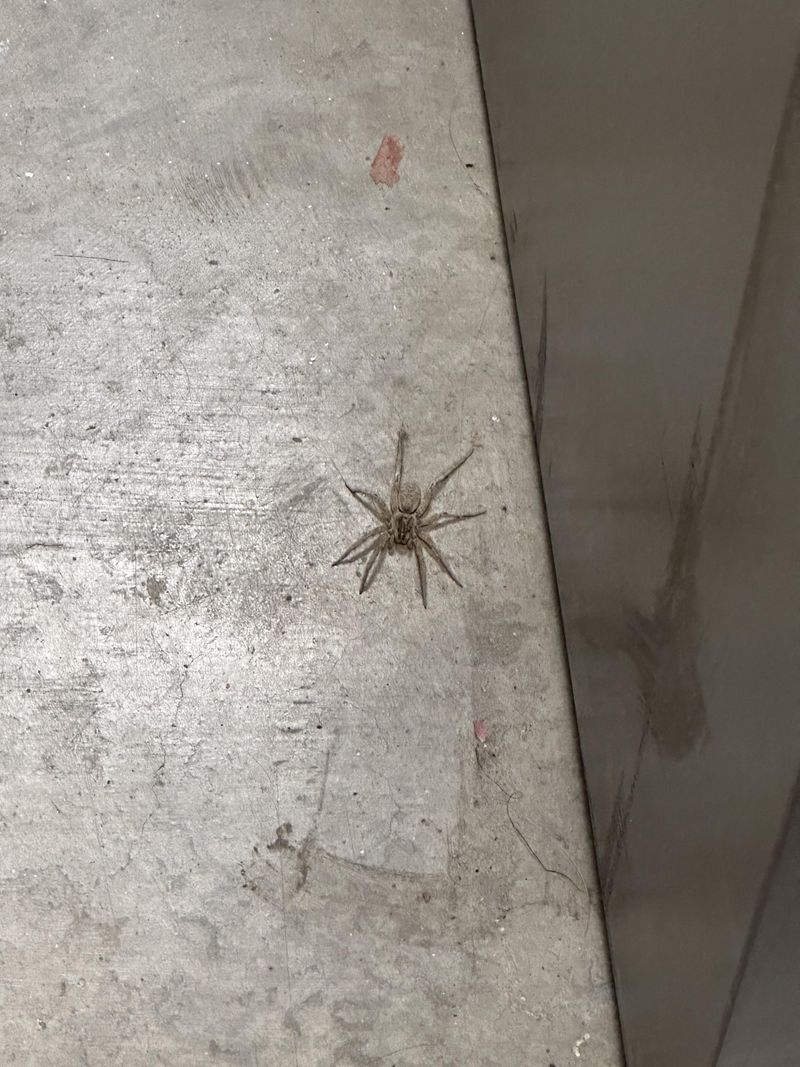
My favorite tool for a basement spider costs nothing. It is a clear cup and a piece of stiff paper.
Set the cup over the spider, slide the paper underneath, and walk it outside. Release it near a garden bed or leaf pile, a good distance from the door.
The spider goes back to hunting, and you get your basement back.
A single wolf spider indoors is no emergency. If it stays out of your way, you can even let it be.
It will likely munch on a few bugs and move along.
Things change when you see many spiders, or spiders show up often in living areas. That usually means a steady insect problem worth fixing.
A licensed pest professional or your UGA county extension agent can help you find the real source.
Reach out for identification help if you think you have spotted a brown recluse or widow. Those deserve more caution than a wolf spider.
At the end of the day, a little understanding goes a long way. That speedy brown hunter is part of a healthy yard.
Give it a lift outside, and let it keep working for you.