Why Creeping Charlie Keeps Returning In North Georgia Yards And The Fall Fix That Clears It
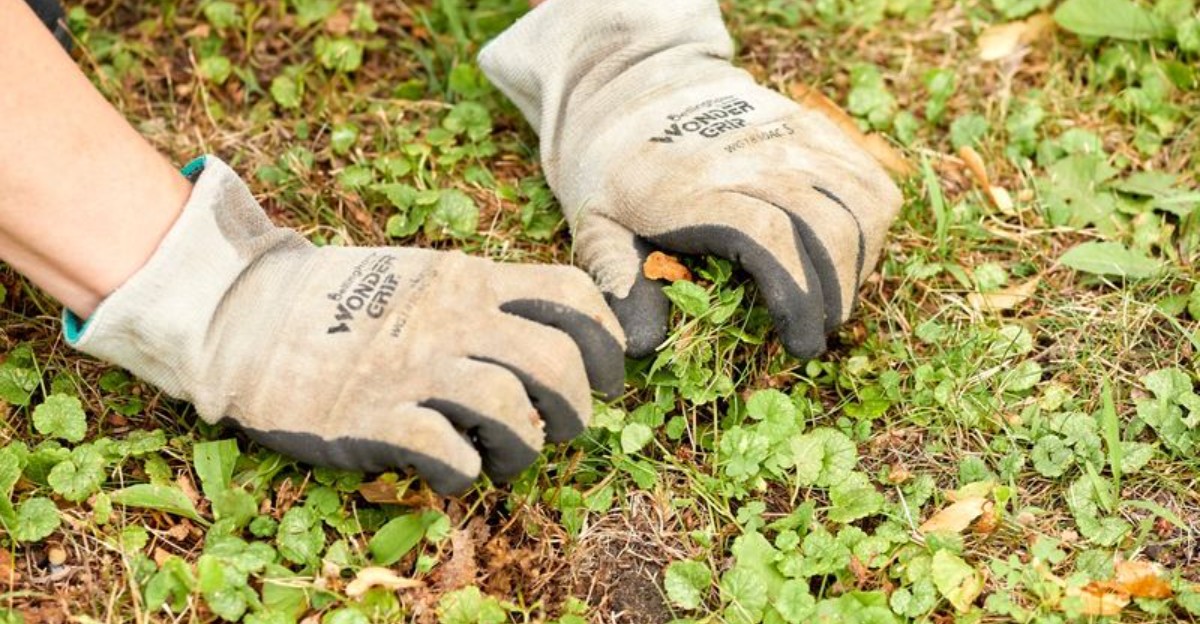
One small weed can send runners several feet across a lawn and plant new roots at nearly every leaf joint along the way. Crush a leaf and you get a sharp, minty smell, because this pest is a true member of the mint family.
I used to think my lawn was just patchy under the oaks. Then I noticed the scalloped leaves, the square stems, and the tiny purple flowers sneaking into every shady corner.
I felt a little outsmarted.
In North Georgia, our red clay, humid summers, and big shade trees hand this creeper a cozy home. You pull it in spring, and by June it has quietly reclaimed the same ground.
Sound familiar?
The twist is that the best moment to fight back arrives when most of us are raking leaves and putting the mower away. Cooler weather gives you an advantage against this stubborn weed, but timing your next move matters more than you might think.
1. Those Rooting Ground Ivy Runners Have A Sneaky Comeback Plan
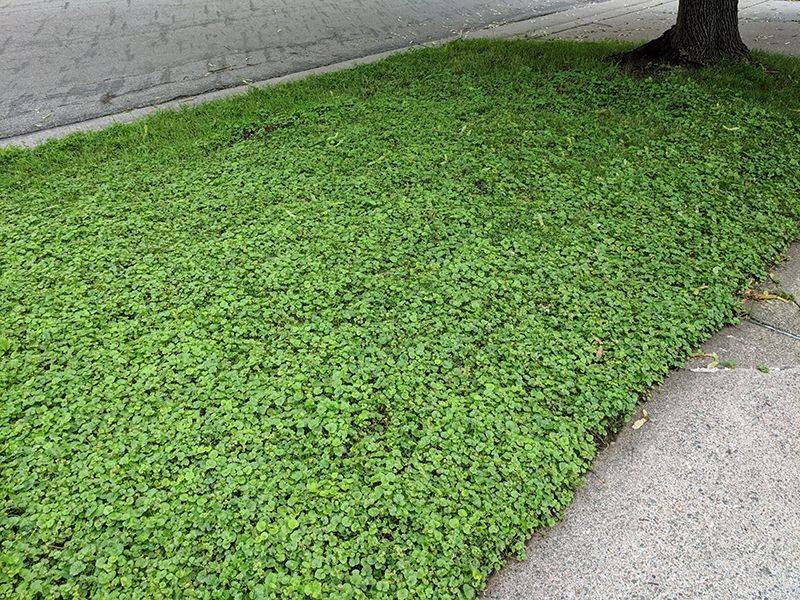
Ground ivy is a smart little traveler. Its stems, called stolons, crawl along the soil surface and can stretch several feet in a single season.
At each leaf node, the stem can drop new roots and start a fresh plant.
That habit explains most of the frustration. When you pull a patch, the stems often snap, and the leftover bits stay rooted in the soil.
A week or two later, those small pieces are pushing out new leaves as if nothing happened.
University extension services describe creeping Charlie as a tough perennial. The roots and stems survive winter, so the same plants return each spring instead of starting over from seed.
It does make seeds too, but its real strength is that web of rooted runners.
You can spot it by its round to kidney-shaped leaves with wavy, scalloped edges. The stems are square, a clue that it belongs to the mint family.
In spring, look for tiny purple, funnel-shaped flowers.
Once you understand the runner network, the comeback stops feeling like bad luck. Surface removal skips the hidden roots.
Lasting control has to reach the whole connected system, and that is where timing becomes your best tool.
2. Fall Herbicide Spraying Hits Creeping Charlie Right Where It Hurts
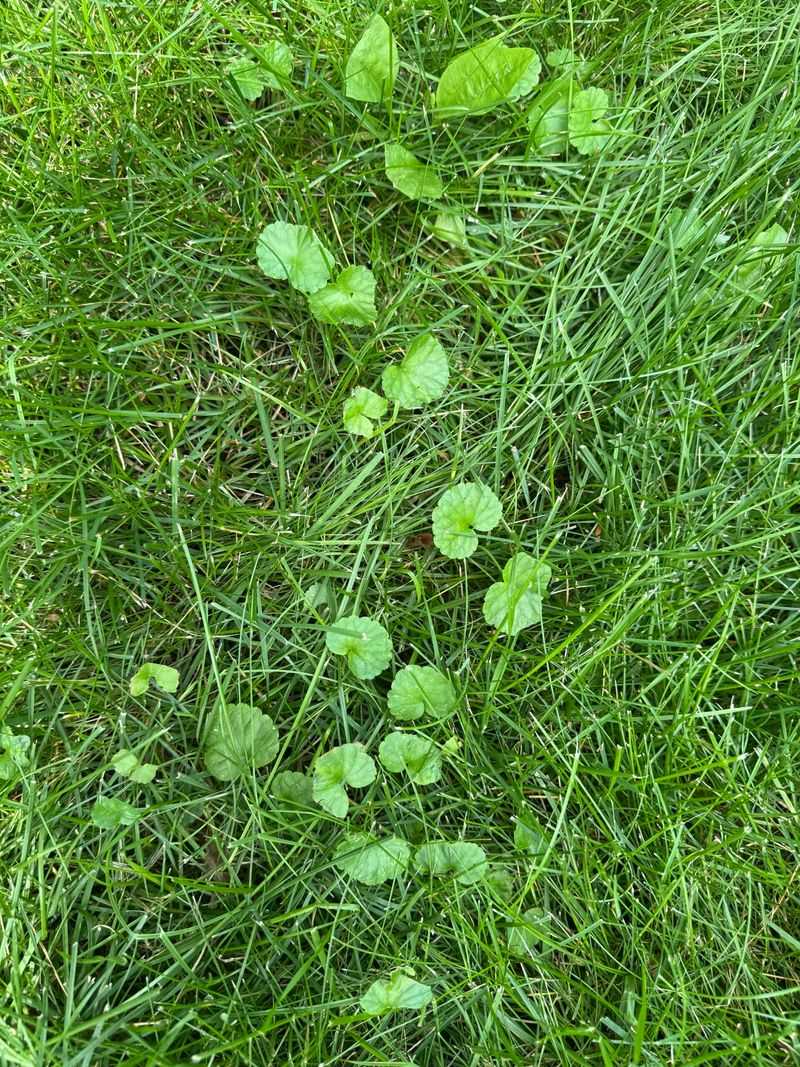
Autumn is when this weed starts packing for winter. As days cool, the plant moves sugars and stored energy down from its leaves into its roots and stolons.
A systemic herbicide sprayed then rides along with that flow.
That is why extension specialists, including those at the University of Minnesota and University of Illinois, point to fall as the most effective treatment window. In North Georgia, mid-September through November usually works well.
Many experts like spraying after the first light frost, while the leaves are still green and active.
Triclopyr is the active ingredient most often recommended for creeping Charlie. Products mixing 2,4-D, dicamba, and MCPP can help as well, though results vary more.
Look for labels that list ground ivy by name.
Here is the catch for Georgia lawns. Some products can harm St. Augustine, centipede, or other warm-season grasses, so read the label for your exact turf type.
Fescue lawns usually tolerate triclopyr, but always confirm before spraying.
I like spot treating patches rather than blanketing the whole yard. It uses less product, protects nearby flower beds, and keeps your focus where the weed truly grows.
3. A Second Spray About A Month Later Makes The Fix Stick
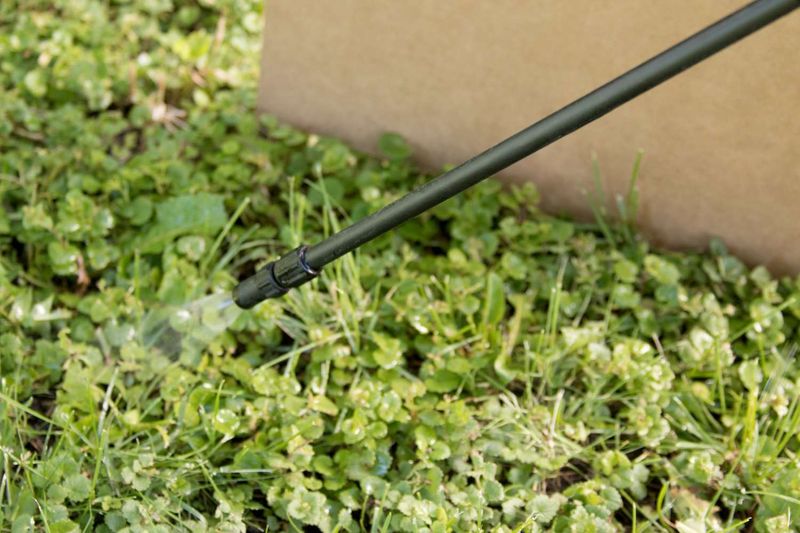
Patience pays off with this plant. After a fall spray, the leaves usually begin to yellow within about a week.
Full decline can take three to four weeks.
Heavy patches rarely give up after one round. Many lawn experts suggest two fall applications spaced roughly a month apart.
The second pass catches runners that were shaded or missed the first time.
Weather matters as much as the product. Spray on a calm, dry day when temperatures sit between about 50 and 85 degrees.
Make sure no rain is expected for at least a day so the herbicide stays on the leaves.
Mowing schedules play a role too. Skip mowing for a few days before and after treatment.
That leaves more leaf surface to absorb the product and more time for it to move down to the roots.
For spots where the weed outnumbers your grass, some homeowners choose a non-selective product like glyphosate and then reseed. It affects every plant it touches, so use it with care.
Follow every label direction, wear gloves, and keep kids and pets off treated areas until the spray has dried.
4. Red Georgia Clay And Thinning Fescue Roll Out A Welcome Mat
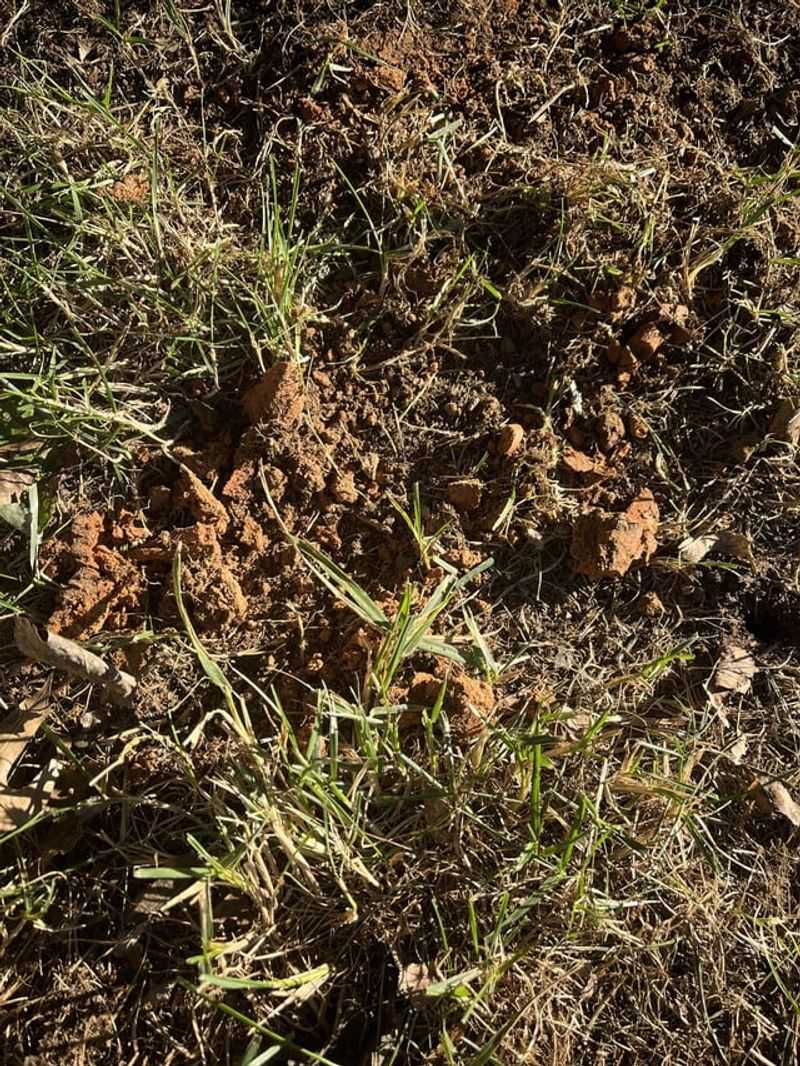
Dig into most North Georgia yards and you hit that famous red clay. It packs down tightly, drains slowly, and leaves grass roots short on air.
Weak turf leaves open doors.
Tall fescue is the go-to lawn grass in much of the region, but our hot, humid summers wear it down. By late August, many lawns show thin or bare spots.
Creeping Charlie happily slides into those gaps.
This weed loves moist, fertile, poorly drained soil. Low spots that stay soggy after storms are prime territory.
It grows fine in sun too, yet it usually beats grass most easily where the turf is already struggling.
Soil testing gives you real answers instead of guesses. The University of Georgia Cooperative Extension offers affordable soil tests through county offices.
The results tell you whether your clay needs lime and how much fertilizer your grass actually needs.
Core aeration in fall loosens compacted ground and helps water and air reach the roots. Pair it with fall overseeding, and fescue fills in thicker before spring.
Think of it as taking away the empty seats before an uninvited guest sits down again.
5. Overseeding Fescue In Autumn Builds A Thick Green Barrier
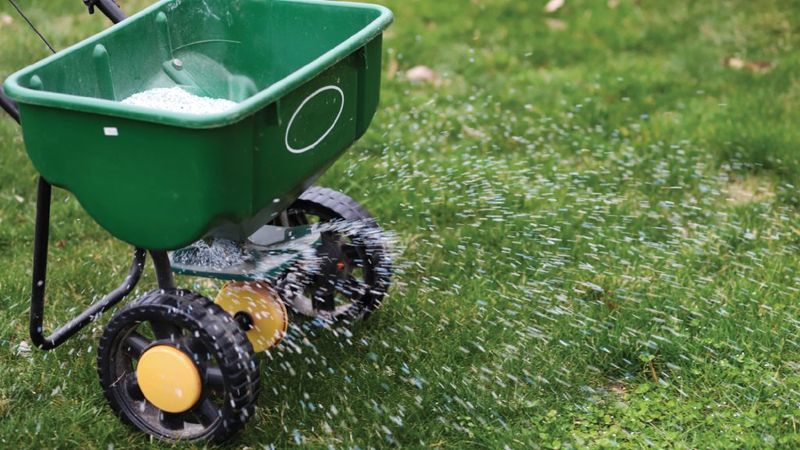
My favorite weed control tool costs less than most sprays. It is a bag of quality grass seed.
A dense lawn crowds out creeping Charlie by grabbing the light, water, and space it needs.
For fescue lawns in North Georgia, early fall is prime overseeding time. UGA turf experts generally recommend seeding from about mid-September into October, when soil is still warm and the air is cooling.
Seedlings get weeks to root before winter.
Timing with herbicides needs some planning. Many weed control products can harm new grass seedlings, so check the label for how long to wait.
Some homeowners spray first, wait the recommended time, then seed. Others seed early and treat later in fall after the new grass has been mowed a few times.
Keep fresh seed lightly moist with short, frequent watering until it sprouts. Then switch to deeper, less frequent watering.
Roots grow down when they have a reason to chase moisture.
Warm-season lawns like Bermuda or zoysia follow a different calendar. Those grasses thicken best during late spring and summer growth.
Fall is for weed control on those lawns, not for seeding.
6. Shady Spots Under Big Oaks Are Where Ground Ivy Wins
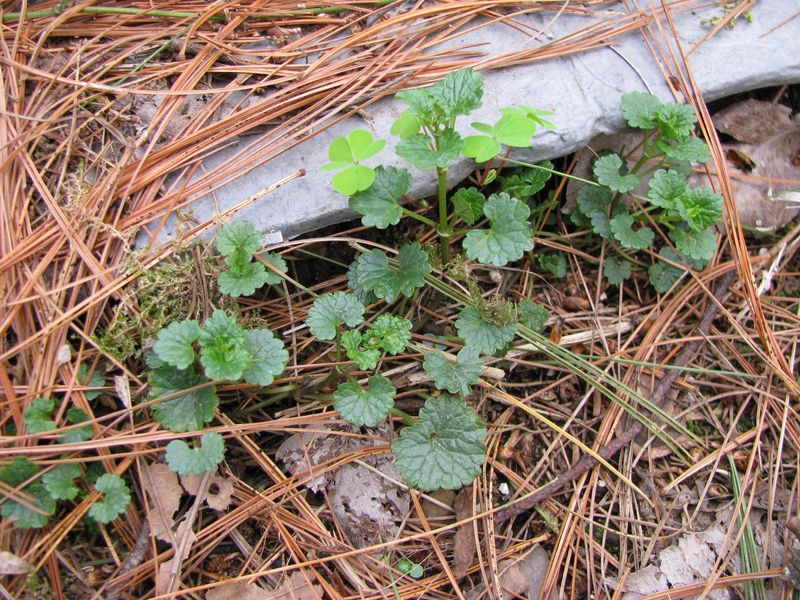
Walk your yard on a sunny afternoon and note the darkest corners. That is often exactly where ground ivy grows thickest.
It tolerates shade far better than most lawn grasses.
Even shade-friendly fescue needs a few hours of direct sun to stay dense. Under mature oaks, maples, and pines, the grass slowly thins out.
Creeping Charlie fills the space with ease.
Thinning a tree canopy can let in surprising amounts of light. Removing a few lower limbs or crowded branches helps turf recover.
For large trees, hire a certified arborist so the work stays safe and healthy for the tree.
Sometimes the smartest move is accepting that grass will not thrive there. Converting a deeply shaded area into a planting bed can end the fight.
Mulch, plus shade-loving native plants like Christmas fern, wild ginger, or native sedges, makes a handsome replacement.
Skip English ivy, vinca, and other invasive ground covers for these spots. Many escape into nearby woods.
Natives give you a tidy look while supporting local pollinators and wildlife, which feels like a far better trade than another season of weeding under the oaks.
7. Hand Pulling Small Ground Ivy Patches Works Only With Care
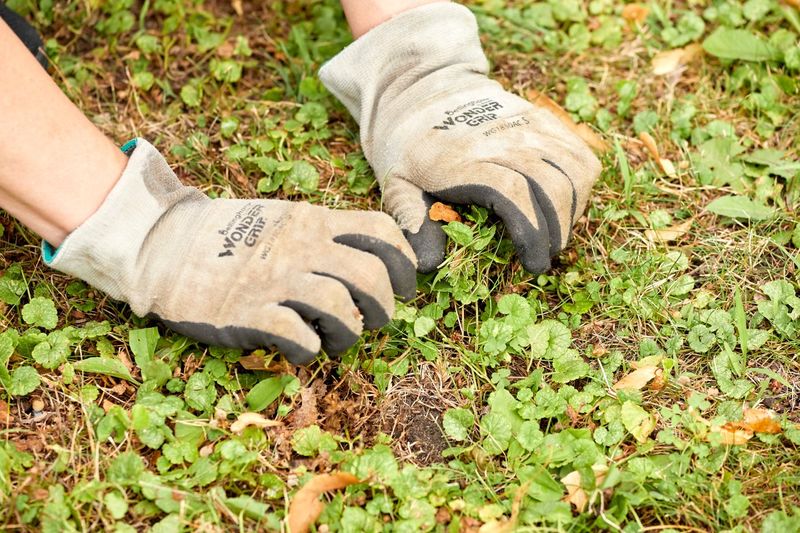
Got just a few small sprigs? Pulling can work for those.
The key is doing it slowly and thoroughly.
Wait until after a good rain, when the soil is soft. Grab a runner near its base and ease it up, following it along the ground.
A hand cultivator helps loosen roots without snapping stems.
Every broken piece left behind can root again. That is why pulling large patches often backfires.
You might spend a whole Saturday and still see new leaves popping up two weeks later.
Toss pulled plants in the trash rather than the compost bin. Home compost piles often do not get hot enough to stop rooted stems from coming back.
Spreading that compost later could replant the problem.
I find pulling most useful as follow-up work. After a fall treatment, check the edges of old patches in early spring.
Pull any stragglers while they are tiny and easy to handle.
Fun fact for the history buffs: before hops became common, people in England used ground ivy to flavor and clear their brews. That explains old nicknames like alehoof and tunhoof that still pop up in plant guides.
8. Mowing Fescue Tall And Edging Beds Keeps Creeping Charlie Out
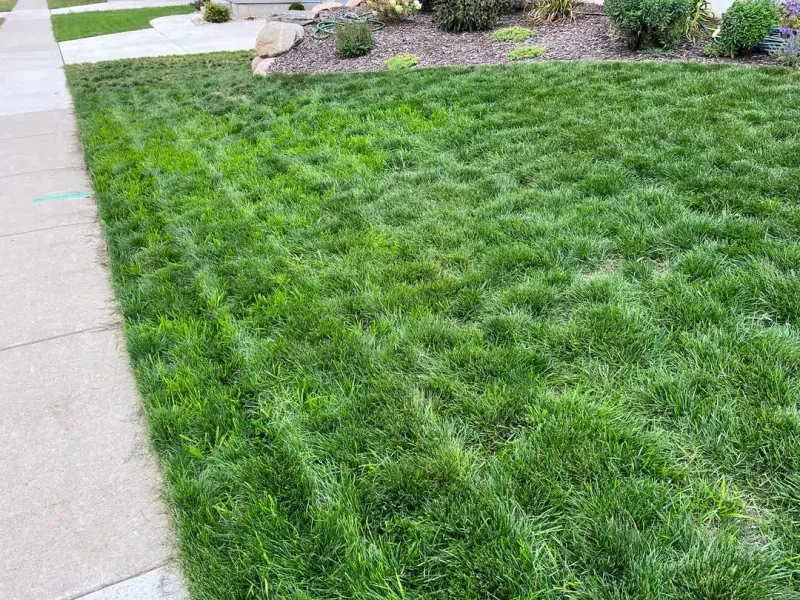
Clearing a patch feels great, but keeping it gone is the real victory. Long-term success comes from daily habits more than any single spray.
Raise your mower deck. For tall fescue, a height of about three to four inches shades the soil and makes life harder for low-growing weeds.
Short scalping lets light reach creeping runners.
Water deeply and less often. About an inch per week, including rain, is a common target for fescue during active growth.
Frequent light sprinkles keep the surface damp, and this weed adores damp surfaces.
Feed your lawn based on a soil test and the right season for your grass type. Fescue gets most of its fertilizer in fall in Georgia.
Overfeeding in summer can stress cool-season turf.
Crisp edges between lawn and beds slow runners from crawling into flower borders. A few inches of mulch inside beds makes stray stems easy to spot and pull.
Remember that creeping Charlie usually points to a weak spot in your lawn. Fix the shade, drainage, and thin turf, follow up with a fall treatment, and your North Georgia yard has a real shot at staying green and clear.