Wild Turkeys Are Roaming New York Neighborhoods This Thanksgiving. Here’s Why They’re Not Afraid of You
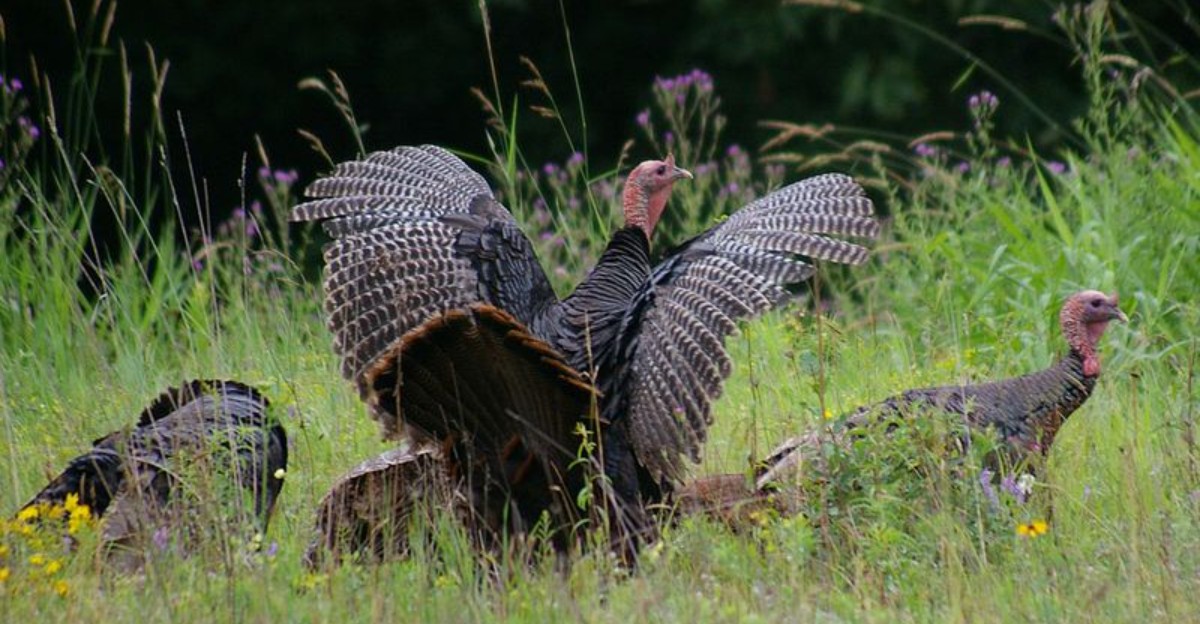
A bird that once vanished from the state now struts down sidewalks on Staten Island like it pays rent. By the mid-1800s, hunting and forest clearing had pushed it out of most of New York.
Today, wildlife officials estimate roughly 180,000 of them live across the state. Some even wander through Queens, the Bronx, and Long Island suburbs.
In my own yard, I’ve watched a small flock stroll past my raised beds with zero interest in me. They scratched through fallen leaves, gobbled a few acorns, and took their sweet time leaving. I felt like the guest.
So what changed? Why does a wild bird with sharp eyesight and strong legs act so relaxed around people, cars, and barking dogs? The answer says a lot about our neighborhoods, and maybe about us too.
Those Strutting Wild Turkeys Have a Comeback Story Behind Them
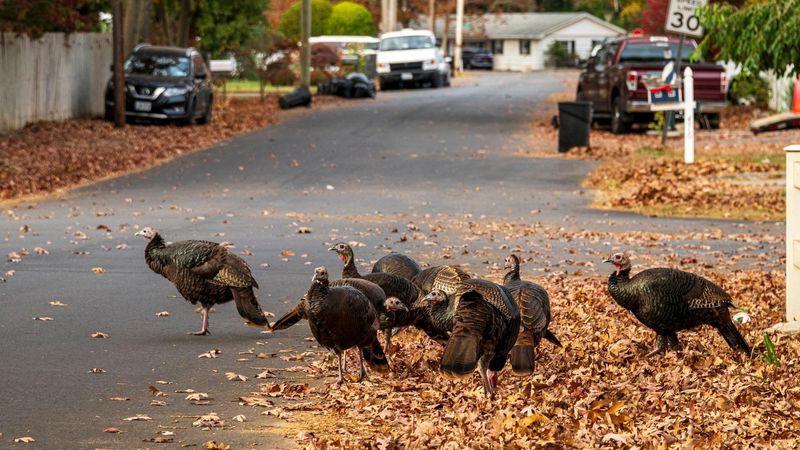
Few birds have pulled off a return quite like this one. Wild turkeys were mostly gone from New York by the 1840s, thanks to unregulated hunting and forests cleared for farms.
As old farm fields grew back into woods, turkeys from Pennsylvania drifted north in the late 1940s. The state wildlife department then helped by trapping wild birds and moving them to new areas in the 1950s and beyond.
Earlier attempts using farm-raised turkeys mostly failed, since those birds lacked wild instincts.
The plan worked. Turkeys now live in every county outside the core of New York City, and a few have settled inside city limits too.
Staten Island has a well-known population, and birds have been spotted in Queens and the Bronx.
Fun fact for your Thanksgiving table: Benjamin Franklin once praised the turkey as a more respectable bird than the bald eagle. He meant it as a jab at the eagle, but the turkey still earned the compliment.
So when a flock wanders past your mailbox, you’re looking at decades of careful conservation work. Their comfort around houses is part of that success.
Generations of birds have now hatched near roads, lawns, and people, so neighborhoods simply feel like home to them.
Neighborhood Turkeys Learn Fast That People Rarely Chase Them
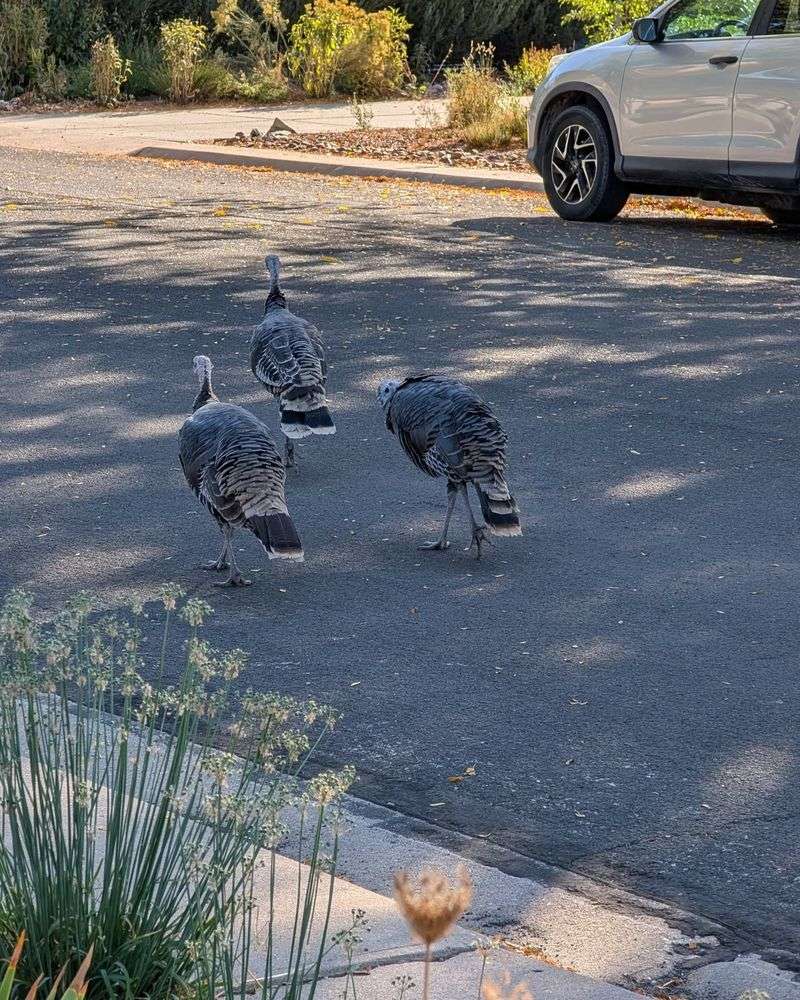
Turkeys are sharp learners, and they’re paying attention to you. A bird that crosses your yard every day and nothing bad happens slowly stops treating you as a threat.
Biologists call this habituation. Each calm encounter teaches the bird that people walking dogs, raking leaves, or unloading groceries pose little risk.
After weeks or months, the usual urge to run fades.
Hunting plays a role too. In rural New York, turkeys face a spring and fall season, so they stay wary of humans.
Hunting is restricted or banned in most towns and cities, which removes that lesson entirely for suburban flocks.
Young turkeys pick up attitudes from older flock members. If the hens act relaxed near houses, the poults grow up the same way.
That’s how boldness spreads through a local group over a few seasons.
For what it’s worth, this doesn’t mean turkeys are tame. They still have excellent eyesight and can run around 25 miles per hour or fly short bursts when spooked.
They’ve just decided you aren’t worth the effort of fleeing.
Understanding this helps explain why one flock bolts at your footsteps while another barely glances up. History with people shapes everything.
Acorns, Bird Feeders, and Lawns Keep Turkey Flocks Well Fed
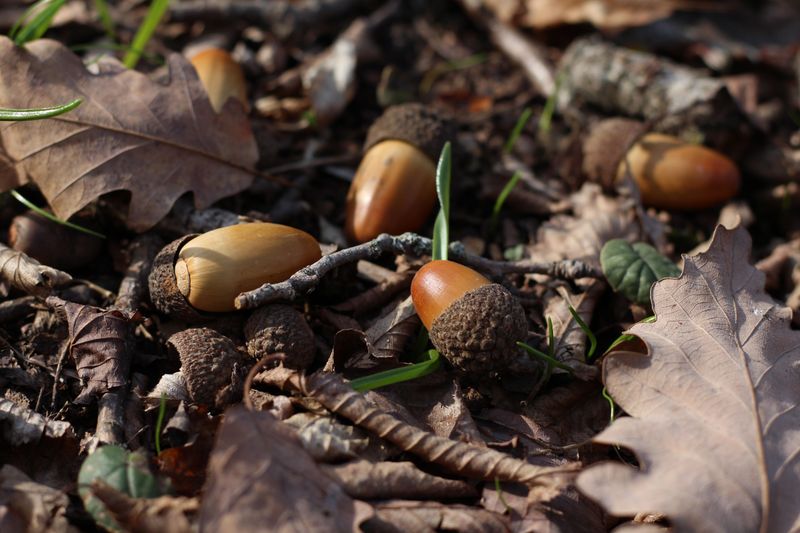
Ask any turkey what it wants, and the answer is snacks. These birds eat acorns, beechnuts, seeds, berries, grasses, and plenty of insects.
Suburbs serve up a surprising menu. Oak trees drop acorns all fall, ornamental shrubs hold berries, and lawns hide grubs and beetles.
Then there’s the bird feeder, which can scatter sunflower seeds and millet like a free buffet.
Don’t make my mistake. I once wondered why turkeys showed up at the same hour each morning, until I noticed the pile of spilled seed under my feeder.
They had my schedule figured out better than I did.
Easy food matters most in late fall and winter. Natural food gets scarce as snow covers the ground, so flocks look for reliable sources.
Neighborhoods with feeders, compost piles, and fallen fruit fit the bill nicely.
A few simple fixes help. Use a seed tray under feeders, rake up spilled seed, or take feeders down for a while if turkeys become regulars.
Pick up fallen apples and crabapples, and keep compost in a closed bin.
Pet food left on porches is another magnet. Feeding cats and dogs indoors removes a major turkey temptation.
Wooded Edges and Tall Trees Give Turkeys a Safe Place to Roost
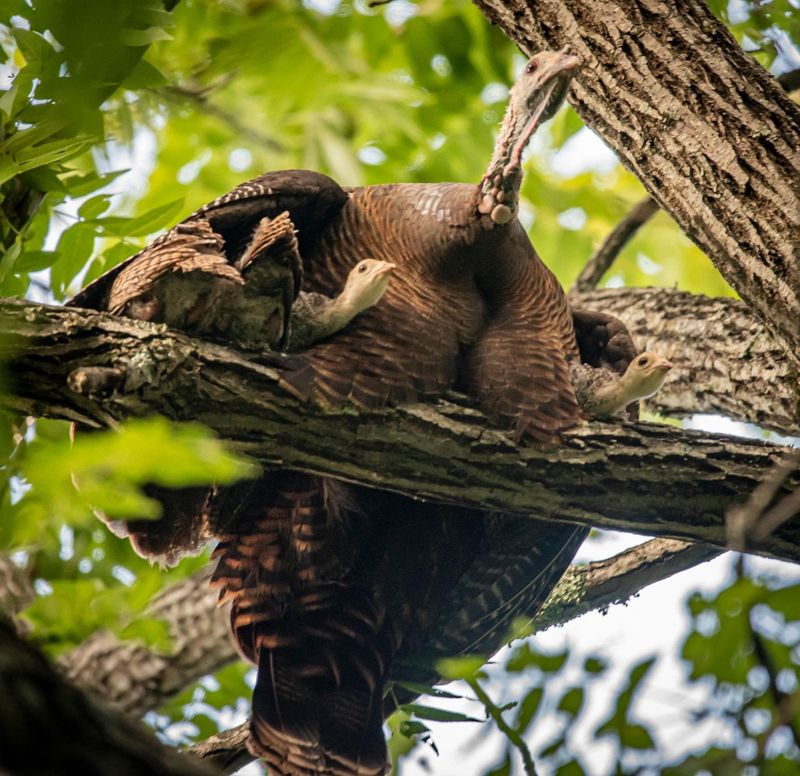
Here’s a detail many folks don’t expect. Those heavy birds fly up into trees at night to sleep, often 30 feet or more above the ground.
Turkeys love edge habitat, where open ground meets woods. They feed in fields and lawns during the day, then roost in tall trees after sunset.
Suburbs offer this mix almost everywhere, with parks, backyards, golf courses, cemeteries, and wooded lots stitched together.
Wildlife experts describe turkeys as habitat generalists. That means they adapt to many kinds of landscapes as long as food and cover are nearby.
A street lined with mature oaks next to a pocket park can be just as appealing as a forest clearing.
This setup explains why sightings cluster in certain neighborhoods. Areas near nature preserves, river corridors, or big parks tend to see the most turkey traffic.
If you want to spot them, look up around dusk. Watching a 15-pound bird flap into a high branch is pretty memorable.
Gardeners can help keep things balanced by avoiding feeding near roost trees. A flock with a cozy roost and a feeder next door has little reason to leave, and it may grow larger each winter.
Fewer Coyotes and Bobcats Mean Suburban Turkeys Relax More
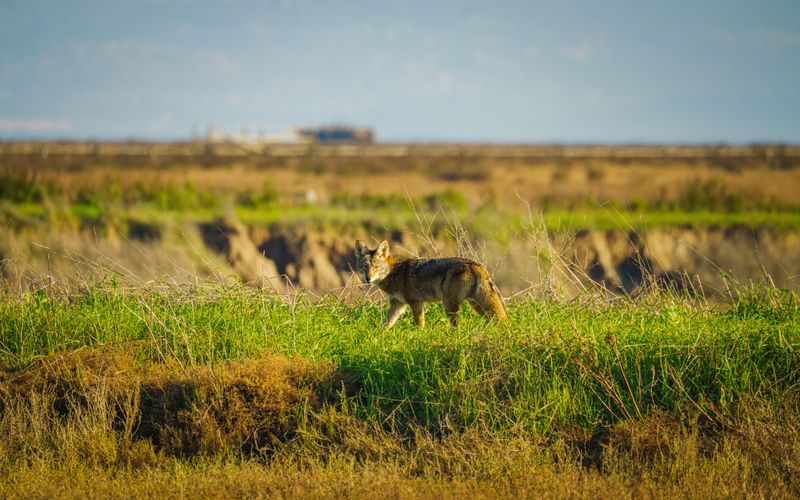
Out in the big woods, a turkey’s life is full of worry. Coyotes, bobcats, foxes, hawks, and owls all hunt turkeys or their eggs and chicks.
Neighborhoods change the math. Large predators are often less common around busy houses and roads, though coyotes do live in many New York suburbs and even parts of the city.
Still, overall pressure tends to be lighter.
Less danger means less stress. A bird that isn’t constantly scanning for danger has more time to eat, rest, and raise young.
Over time, that relaxed lifestyle shows up in how it reacts to you.
Nest predators are a different story. Raccoons, skunks, and opossums thrive near people and will raid turkey nests.
So suburban life isn’t a perfect paradise for these birds.
If you ask me, this mix explains a lot. Adult turkeys feel safer near homes, while their numbers still stay in check through nest losses and harsh winters.
Pet owners should take note. Loose dogs can chase and stress turkeys, and a big tom may stand his ground.
Keeping pets leashed or supervised when a flock is near keeps everyone calmer and avoids injuries on both sides.
Puffed-Up Toms Sometimes Treat People Like Rivals
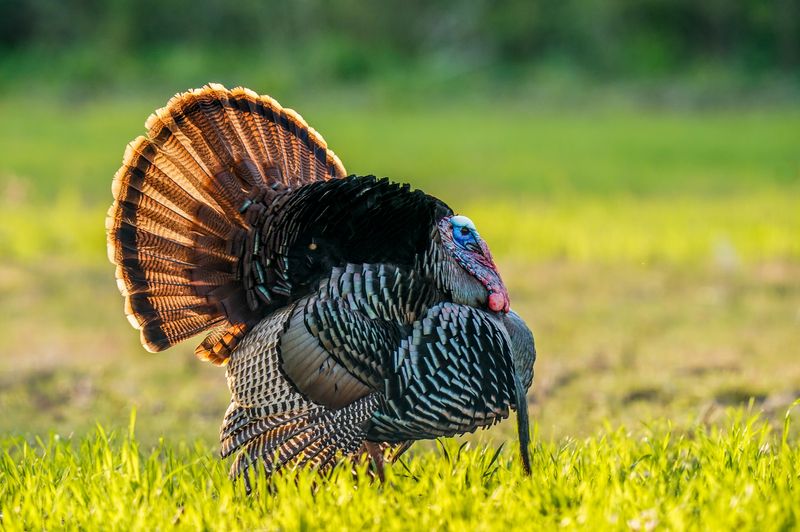
Most turkey encounters are peaceful, but a puffed-up tom can surprise you. Feathers fluffed, tail fanned, head glowing red and blue, he means business.
Wild turkeys have a strict pecking order. Birds sort out rank by strutting, chasing, and sometimes pecking.
When a turkey loses its fear of people, it may start treating humans as part of that order.
Problems peak during breeding season, which runs roughly from late winter through spring. Toms get territorial and may follow walkers, block doors, or peck at shiny cars and windows where they see their reflection.
Fall is usually calmer, though bold birds stay bold year-round.
Who gets targeted? Turkeys often push around people they see as lower in rank, like small kids or folks who back away.
Retreating can teach the bird it won.
So stand tall. Wave your arms, make noise, and don’t turn your back and run.
A firm stance tells the turkey you outrank it.
Covering reflective surfaces helps too. Draping a cloth over a side mirror or adding window decals can stop a tom from picking fights with his own image.
It saves your car’s paint and his pride.
A Garden Hose and a Firm Wave Keep Bold Turkeys in Check
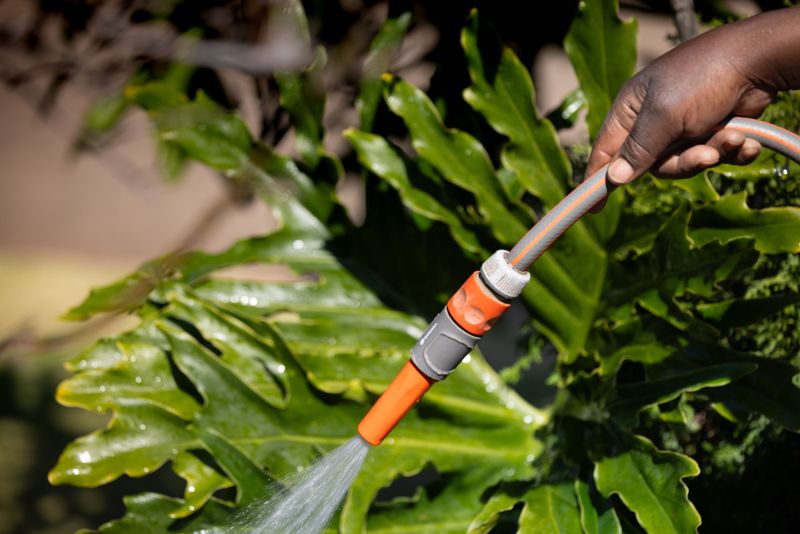
Gentle persistence works wonders with pushy birds. The goal is to make your yard a little less comfortable, not to harm anyone.
Start with food. The New York State Department of Environmental Conservation advises against feeding turkeys, since handouts cause most problem behavior.
Clean up spilled seed, secure trash, and bring pet food inside.
Next, try mild hazing. A short spray from a garden hose, a loud clap, an open umbrella, or a broom swept toward the bird all send a clear message.
Consistency matters most, so repeat it each time they linger.
Motion-activated sprinklers can guard garden beds without you standing watch. A dog on a leash barking from the porch also discourages visits.
Protect fall plantings with a bit of netting. Turkeys scratch through mulch looking for bugs and may dig up freshly planted garlic or bulbs.
Lightweight bird netting or a thin layer of chicken wire under mulch keeps them out.
Talk with neighbors too. One house putting out corn can undo all your effort down the street.
A shared plan makes a flock move along much faster.
Harming or trapping turkeys outside legal hunting rules isn’t allowed in New York. Call the DEC if a bird becomes dangerous.
Your Thanksgiving Turkey Sighting Is Worth Celebrating Responsibly
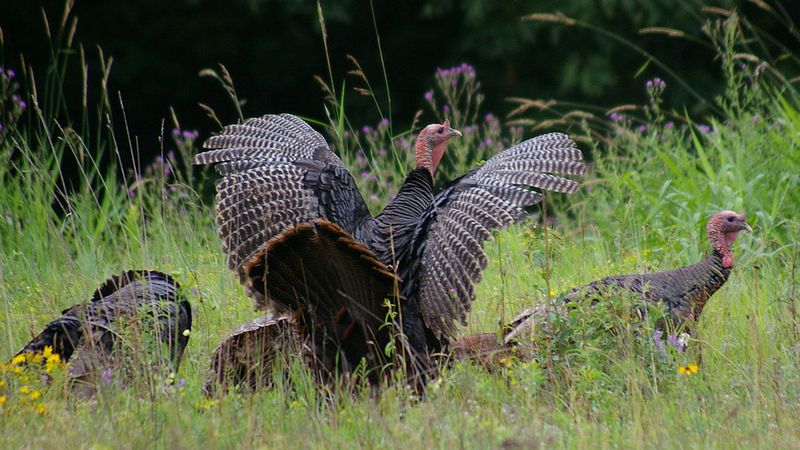
Seeing a flock of wild turkeys near Thanksgiving feels a bit like a holiday card come to life. Grab your camera, but give them space.
Enjoying them from a distance keeps both you and the birds healthy. A good rule is to stay far enough back that they keep feeding normally.
If they stop and stare or start moving off, you’re too close.
Your sightings can also help science. The DEC runs surveys where people report turkey flocks, especially summer broods.
Apps like eBird and iNaturalist let you log sightings too, adding useful data for researchers.
Think about your landscape as a whole. Native oaks, dogwoods, and viburnums feed turkeys and many songbirds naturally, without the dependency that feeders create.
Leaving some leaf litter in back corners supports insects, which helps the whole food web.
My garden taught me that sharing space works best with clear boundaries. Turkeys belong here, and they’re a sign of healthy, recovering wildlife populations.
So this holiday, raise a glass of cider to the bird that came back. Keep your feeders tidy, your pets close, and your camera ready.
With a little respect, these bold neighbors can stay wild, and you can keep enjoying the show.