7 Scents That Attract Bees and Wasps to Arizona Patios Even in Winter
A single honeybee can head out on sunny January afternoons once the air warms past about fifty-five degrees. In the low desert, those mild winter days arrive often enough to keep hungry insects buzzing around your chairs.
Many wasps shift their diets toward sugar as the year winds down, so sweet smells suddenly matter much more to them. Arizona patios rarely get a true winter break, which means the fragrance buffet can stay open for months.
I love watching pollinators work, but I have to admit a wasp near my iced tea tests my patience. You might notice the visitors favor certain pots and shrubs while ignoring other plants growing right beside them.
Some of the strongest lures in Arizona yards are plants many of us chose for their fragrance and cheerful color. Which ones are quietly sending out sweet invitations from your porch as the weather cools this month?
1. Sweet Alyssum
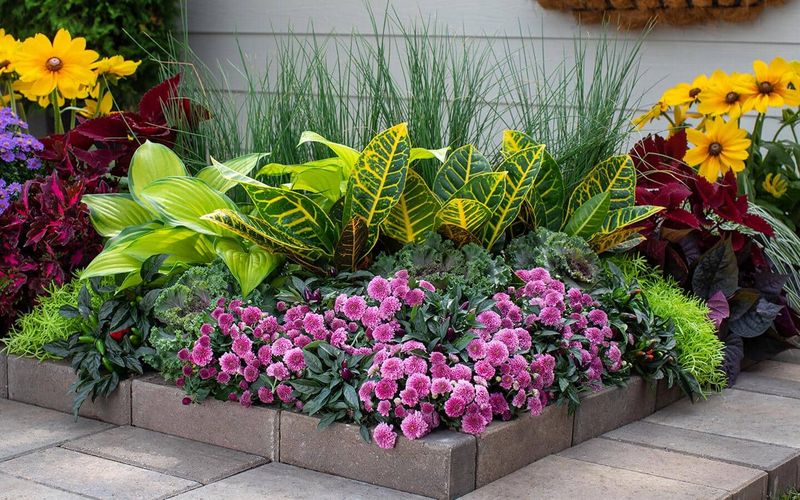
Those tiny white flowers measure about a fifth of an inch across, yet a full pot smells like warm honey on a still evening. I swear you can catch the perfume before you even notice the plant sitting by the door.
Sweet alyssum, Lobularia maritima, is a cool-season annual that low desert gardeners plant from October through March. October is the perfect month to tuck fresh transplants into containers, window boxes, and raised beds around your seating area.
Blooms usually begin in fall and keep going until late spring, when the heat finally sends the plants into decline. Their dense flower clusters draw honeybees, small native bees, hover flies, and the occasional wasp looking for a quick sugar snack.
Personally, I like alyssum as a living carpet near vegetable beds, where the hover flies it hosts help control aphids. You get pest control and pollination help without spraying anything, which feels like a fair trade for a little buzzing.
If you would rather keep insects away from the table, move the pots a few steps from where people sit. A sunny edge of the yard still lets the honey scent drift over without inviting bees into your lap.
Water regularly but lightly, since shallow roots dry out fast in breezy weather and sunny afternoons. A quick trim after the first big flush often encourages a second round of fragrant blooms by early spring.
2. Petunias
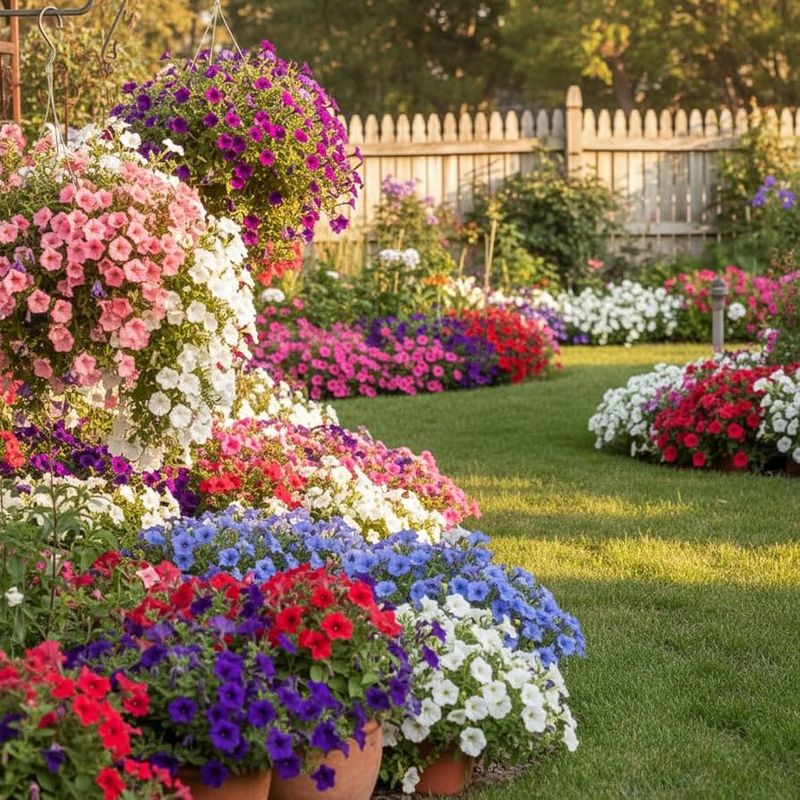
Evening is when many petunias release their strongest fragrance, especially the older purple and white types grown from heirloom seed. Sitting outside at dusk, you might notice a soft clove-like sweetness drifting from the hanging baskets.
In the low desert, petunias act as winter annuals rather than summer flowers, which surprises many gardeners who moved from colder states. Planting runs from September through March, so October gives you prime timing for fresh nursery packs.
Flowers usually open in fall, slow down during the coldest weeks, then explode again in March and April. Bees visit the trumpet-shaped blooms, and wasps sometimes investigate when sweet scents are scarce during cooler stretches of the season.
I have to admit petunias are thirstier than most patio plants, so they work best in pots near a hose. Group them together to save water, and choose a sunny spot with good drainage to prevent soggy roots.
Pinch spent blooms and leggy stems every week or two to keep plants bushy and covered in fresh flowers. Sticky foliage can collect dust, so an occasional gentle rinse in the morning keeps leaves looking clean and healthy.
Want fewer visitors at mealtimes? Place the baskets along a walkway rather than beside the dining table, and enjoy the bees from a comfortable distance.
3. Globemallow
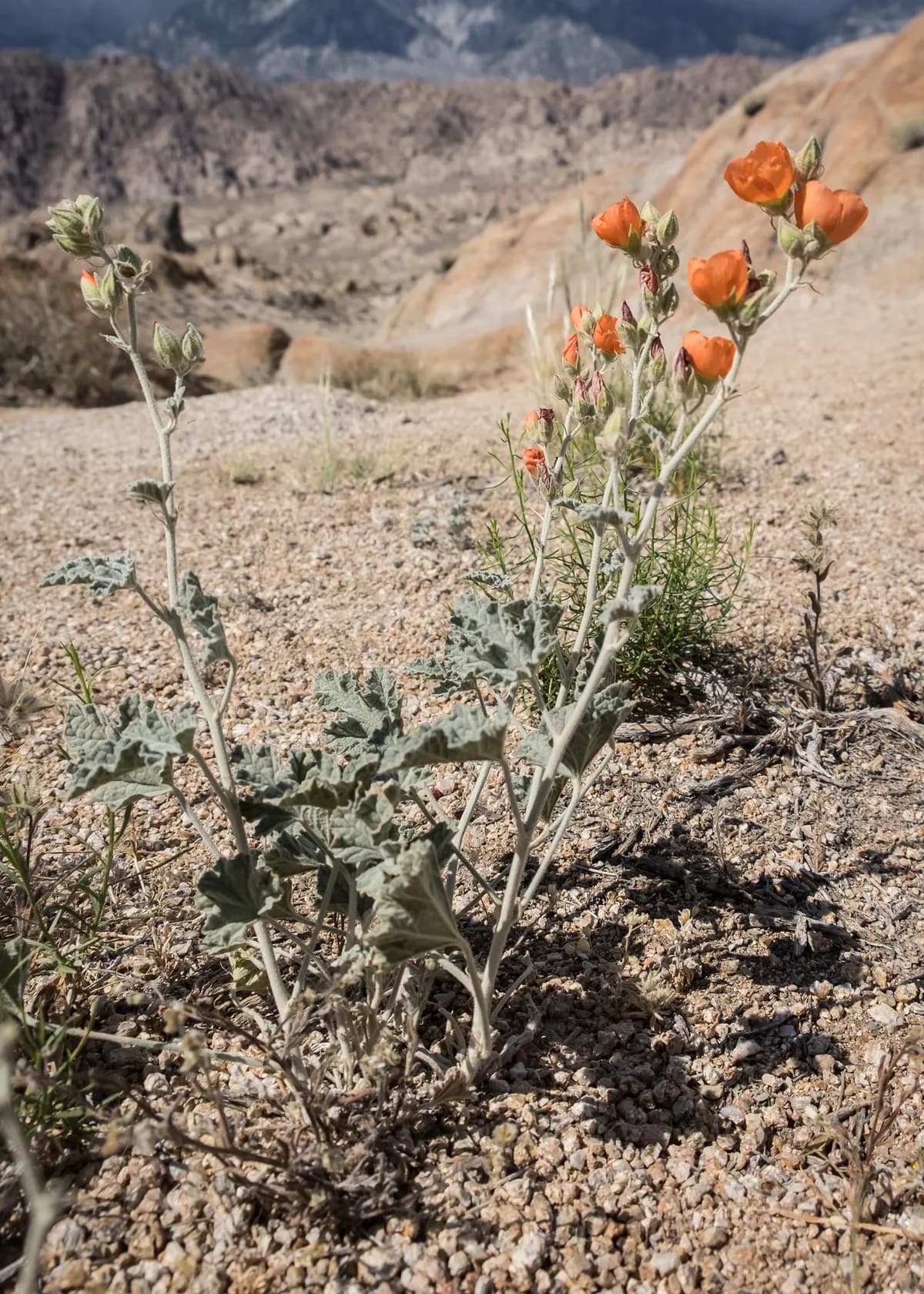
Native bees seem to treat globemallow flowers like tiny cozy cups, sometimes resting inside them as the sun warms the petals. I love spotting a sleepy bee tucked into an orange bloom on a cool morning.
Desert globemallow, Sphaeralcea ambigua, is a tough native perennial that forms a mound about three feet tall and wide. Flowers come in apricot orange most often, though nurseries also sell pink, red, lavender, and white selections.
Peak bloom arrives in spring, yet plants can flower on and off through much of the year after rain. That long season gives honeybees, native bees, and the occasional wasp a dependable snack when other flowers stay quiet.
October is an excellent time to plant, because cooler soil helps roots settle in before the next hot summer. Choose full sun, give deep water every week or two at first, then cut back once plants look established.
Fuzzy leaves can irritate sensitive skin and eyes, so wear gloves and sleeves when you prune in late spring. Cutting the plant back by about a third keeps it tidy and encourages fresh growth for the next season.
Because it rarely needs much water, globemallow fits beautifully into a low-maintenance yard that feeds wildlife. Plant it a short walk from your seating area so bees have room to work peacefully.
4. Desert Marigold
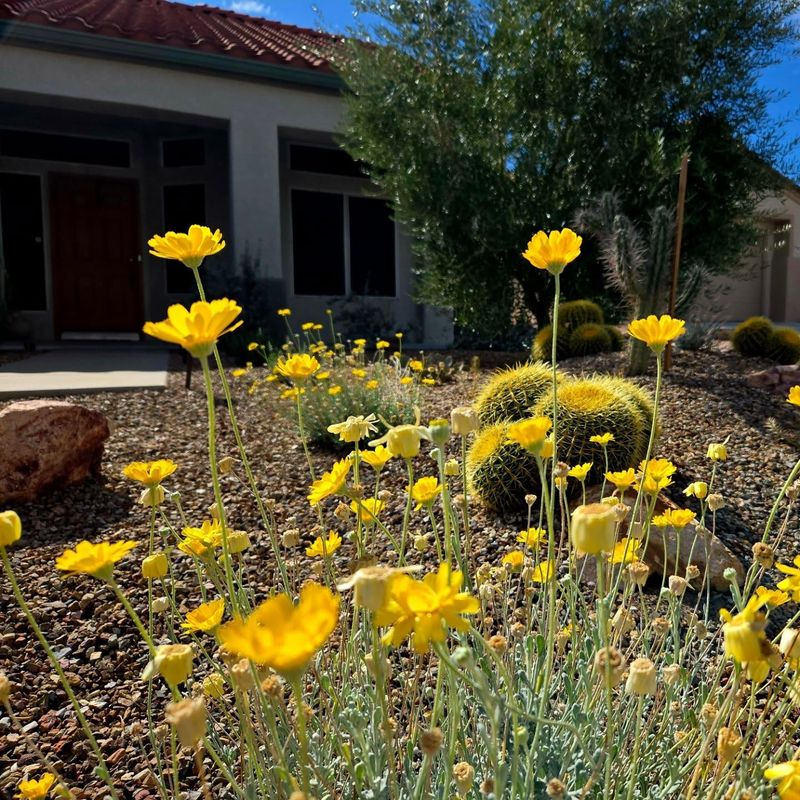
Few plants shine quite like desert marigold, whose lemon yellow daisies glow against woolly silver leaves even on gray winter days. You might catch a faint, warm scent when the sun heats a big clump of blossoms.
Baileya multiradiata is native to the Southwest and grows about a foot or a foot and a half tall. Blooms can appear for much of the year, with a strong show from late winter through spring.
Bees forage on the bright flowers, and butterflies show up often, while wasps may wander over during warm afternoons. Seeds also attract small birds, so letting a few heads mature turns your bed into a busy feeding stop.
Fall sowing works beautifully, so scatter seeds across loose, sunny soil this month and press them lightly into place. Winter rains or gentle watering usually wake them up, and seedlings often appear before the holidays arrive.
Overwatering is the most common mistake, since soggy soil quickly causes these short-lived plants to rot and decline. Gravel or sandy beds suit them best, and they reseed freely, so new plants replace older ones.
I believe every water-wise patio deserves a patch, because it blooms generously with almost no fuss. Keep it a few feet from doorways if you prefer bees busy in the garden rather than inside.
5. Brittlebush
Early settlers reportedly burned brittlebush resin as incense, and native peoples used the sticky sap as glue and varnish. That history gives this humble shrub a surprisingly rich story beyond its golden flowers.
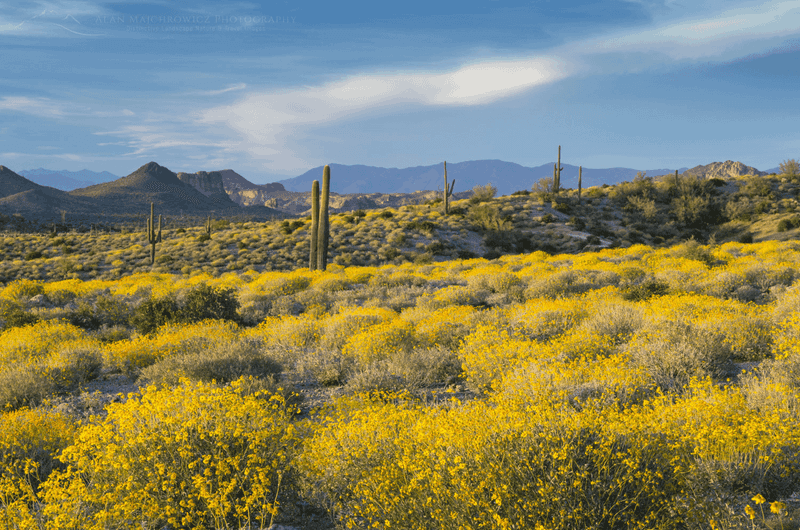
Encelia farinosa grows three to four feet tall and wide, with silvery leaves that reflect harsh sunlight. During long dry spells the leaves get even paler, which helps the plant save water in punishing heat.
Yellow daisies on tall stems arrive from late winter into spring, lighting up hillsides across the low desert. Many small native bees depend on the flowers, and wasps sometimes cruise through when warm afternoons wake them up.
I can’t imagine a lower-maintenance shrub for a sunny corner beside the patio wall or driveway. Brittlebush handles drought far better than extra water, so overwatering often causes floppy growth and a shorter life.
Plant in October so roots settle during the cooler months before summer returns. Water deeply every week or two at first, then taper off until rainfall handles most of the work.
After the flowers fade, trim the old stems to keep the mound neat and compact. Birds such as finches enjoy the seeds, so you might leave a few heads for feathered visitors before cutting back.
6. Black Dalea
Most desert shrubs rest during autumn, but black dalea saves its best purple show for exactly this time of year. I love how bees swarm the little flowers when much of the garden looks tired after summer.
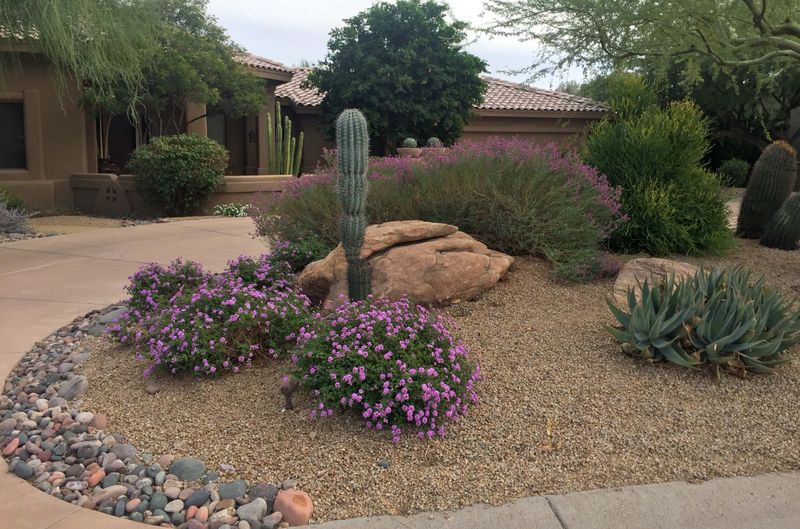
Dalea frutescens is a small native shrub that usually stays around two to three feet tall and wide. Its fine gray-green leaves give an airy, delicate texture that softens rocks, boulders, and gravel paths beautifully.
Rosy purple flowers with white accents usually open from late summer into fall, often peaking around October. Honeybees and native bees visit eagerly, and you might notice a few wasps checking the blooms on warm days too.
Like many plants in the pea family, black dalea partners with soil bacteria that help capture nitrogen from the air. That relationship lets the shrub thrive in poor, rocky ground where fussier plants often struggle to grow.
Plant in full sun with good drainage, then water deeply every week or two until roots are established. Mature shrubs need only occasional summer water, making them an easy choice for water-conscious homeowners.
Light pruning in late winter keeps the shape compact without sacrificing next fall’s flowers. Set it near a path rather than a seating nook so you can admire the bee traffic safely.
7. Sweet Acacia
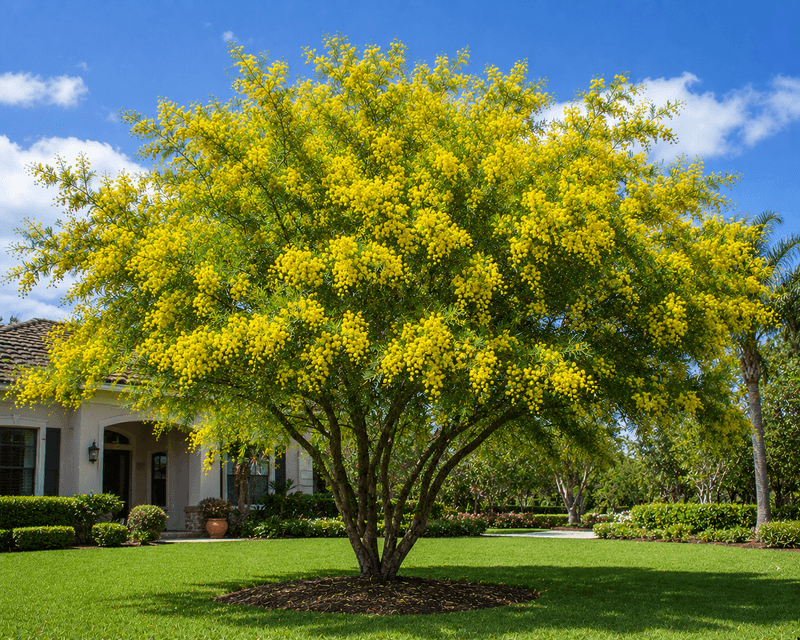
Perfume makers have grown sweet acacia for centuries, prizing its golden puffball flowers for their rich, powdery fragrance. You might smell a blooming tree from across the yard before you spot a single blossom.
Vachellia farnesiana, often still sold as Acacia farnesiana, is a small tree that reaches roughly fifteen to twenty feet. It handles heat and drought well, and in Phoenix it usually keeps its leaves through mild winters.
Flowers often appear from late winter into spring, sometimes earlier during warm stretches. Bees love those fragrant puffs, and wasps searching for sugar may visit when temperatures rise on sunny afternoons.
Personally, I think the scent alone earns it a spot, but thorny branches deserve careful placement. Plant it away from walkways and play areas, and wear thick gloves whenever you prune the lower limbs.
October is a fine planting month because cooler weather reduces stress on young roots. Water deeply and slowly, then stretch the schedule as the tree establishes over its first couple of years.
Dropped flowers and pods can make a little mess on patios, so give the tree some space from your seating. Plenty of sun and room to grow keep it healthy, fragrant, and buzzing with life season after season.