Bare-Root Season Is Almost Here: 9 Fruit Trees Arizona Gardeners Should Plant in December
Nurseries across the low desert are already penciling in delivery dates for leafless trees with naked roots wrapped in damp sawdust. Those bare sticks look humble, but they cost less than potted trees and often settle in faster once planted.
I have to admit, nothing beats tucking a dormant tree into cool December soil and watching it wake up months later. Arizona gardeners who plan now can pick the right varieties before the best ones sell out, so which trees deserve a spot in your yard?
1. Pomegranate
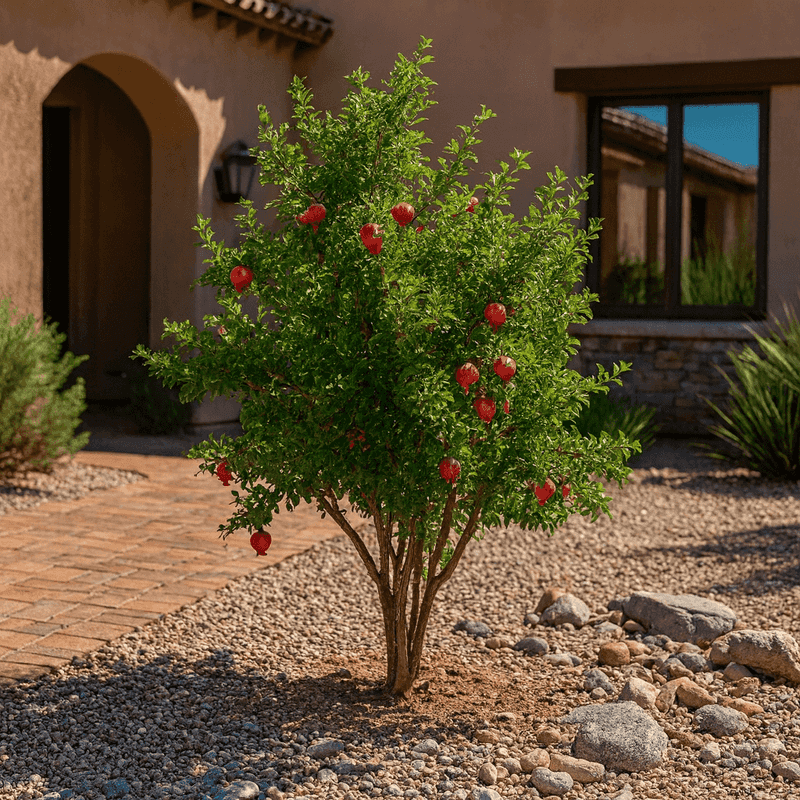
Hummingbirds treat pomegranate blossoms like a neighborhood snack bar, zipping between those bright orange-red flowers all spring long. I love how one shrub feeds the birds first and then feeds you later in fall.
Pomegranate, or Punica granatum, shrugs off heat and alkaline soil better than most fruit trees in the desert. University of Arizona Extension notes it handles winter lows near 10 degrees, which covers most of the state.
Plants usually reach six to twelve feet and grow as multi-trunked shrubs unless you train them into a tree. Their slightly thorny branches make a sturdy edible hedge along a sunny property line or wall.
December is a smart time to plant bare-root stock while the plant rests and the soil stays cool. Give it full sun, then water deeply and slowly so roots spread wide before summer arrives.
Fruit ripens from late summer into fall, and steady irrigation helps reduce cracked skins on the leathery fruit. Most varieties set fruit on their own, so one plant is plenty for a small yard.
Prune lightly in late winter to remove suckers and crossing stems around the base. Personally, I think few plants give back so much for so little fuss.
2. Fig
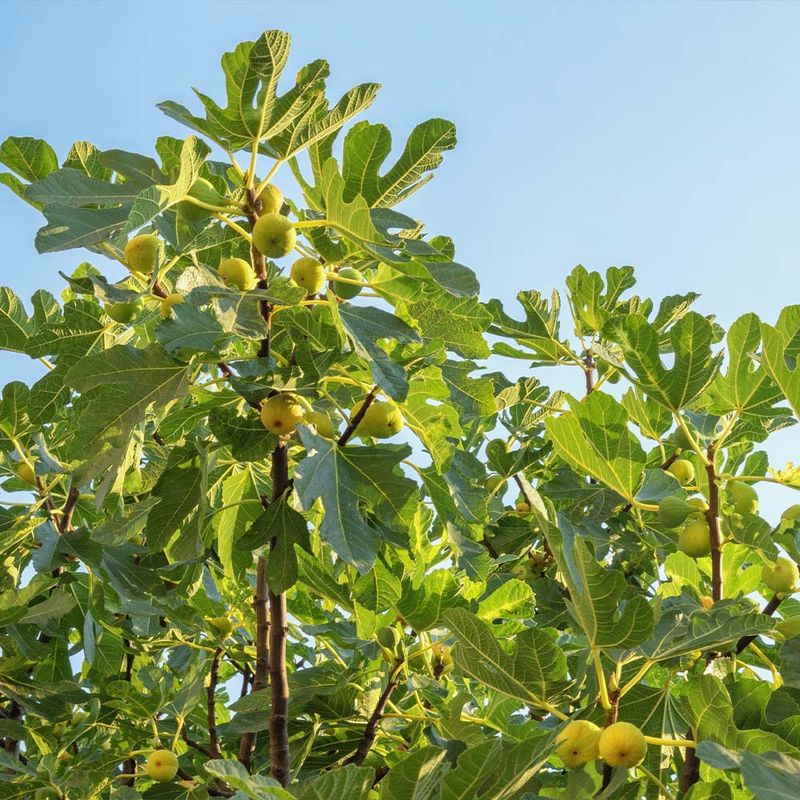
Hidden inside every fig is a cluster of tiny flowers, tucked away where you will rarely see them. Common figs grown in home gardens set fruit without any pollinator, which feels like a neat botanical trick.
Ficus carica has thrived in hot, dry places for thousands of years, so desert summers rarely faze it. Its chill needs run low, often well under 300 hours, which suits warm low-desert winters.
Many figs give two crops each year, starting with a small early batch called the breba crop. The main harvest follows in late summer, and varieties like Black Mission handle desert conditions nicely.
Plant your bare-root fig in December where it gets plenty of sun and room to spread. Trees can grow large, so plan space or prune yearly to keep fruit within easy reach.
Green fig beetles and birds love ripe figs as much as people do in late summer. Light netting over branches helps protect your share, and picking promptly keeps beetles from gathering.
I can’t imagine a sweeter reward than a warm fig eaten right off the branch. You might find yourself sharing extras with neighbors once a mature tree hits its stride.
3. Low-Chill Peach

A ripe peach in late spring feels like cheating the calendar, and low-chill varieties make that happen here. Desert Gold, Eva’s Pride and similar types need only a few hundred chill hours each winter.
Prunus persica trees bred for warm winters usually bloom in late winter and ripen fruit by late spring. That early timing lets you harvest much of the crop before the hottest weeks of summer arrive.
Bare-root peaches planted in December get several cool months to anchor roots before leaves push out. Choose full sun, good drainage, and a spot shielded from harsh reflected heat off west walls.
Most low-chill peaches set fruit on their own, so a single tree can fill your bowls. Thinning young fruit to a few inches apart gives you larger peaches and less strain on branches.
Early blossoms sometimes meet a surprise frost, so keep frost cloth handy for chilly February nights. Painting trunks with diluted white latex paint helps reduce sunscald on young, tender bark.
I believe peach trees reward attention more than almost any other fruit you can grow here. Prune each winter to an open center, and you will enjoy a tidy tree that is easy to pick.
4. Low-Chill Apple
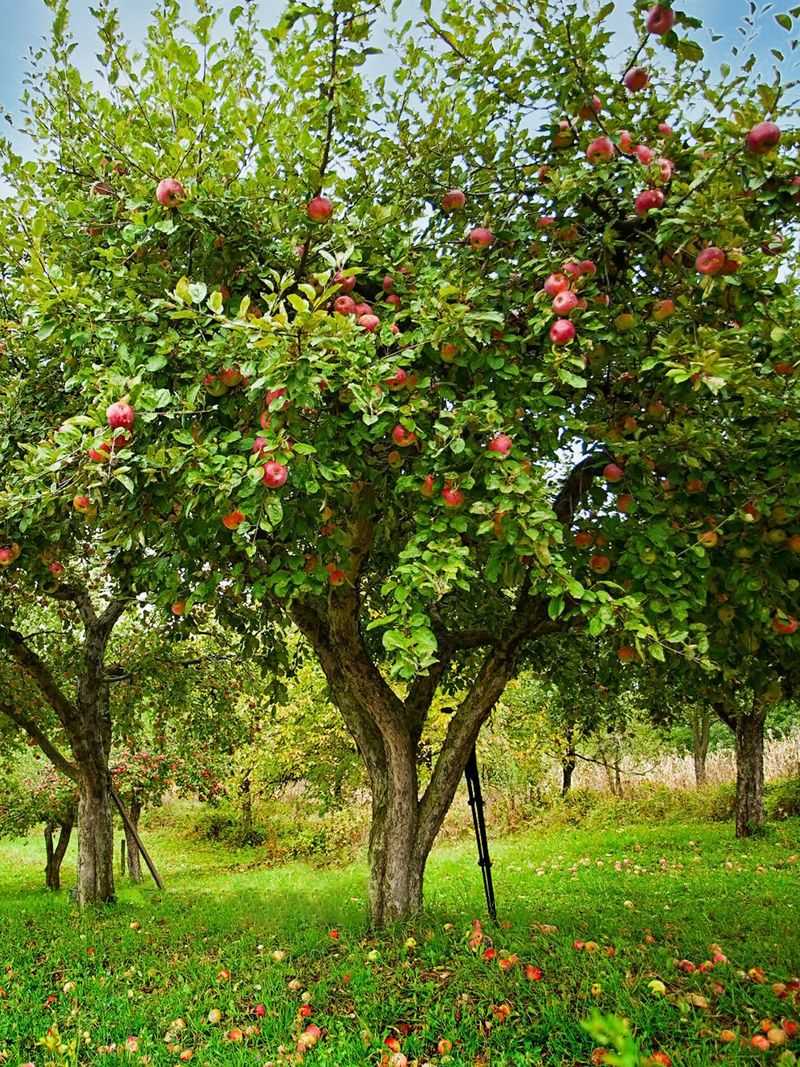
Apples growing next to saguaros sound like a mismatch, yet plenty of desert backyards prove otherwise each June. The secret lies in low-chill varieties such as Anna and Dorsett Golden, bred for mild winters.
These Malus domestica types need roughly a few hundred chill hours, far less than classic northern apples. Planting Anna with Dorsett Golden nearby usually improves pollination, since their bloom times overlap nicely.
December bare-root planting gives roots time to settle into cool soil before spring growth kicks in. Pick a sunny site, and consider a spot with light afternoon shade in the hottest neighborhoods.
Fruit often ripens from late May through June, ahead of the toughest summer heat in the low desert. You might notice the flavor runs sweet and mild, perfect for fresh eating or quick applesauce.
Codling moths can tunnel into apples, so pick up fallen fruit and monitor traps during spring. Whitewashing exposed trunks protects bark from sunscald, a common struggle for young trees in strong sun.
What surprises me most is how productive a single pair of trees can become in a few seasons. Thin crowded clusters each spring, and your apples will grow larger and crisper.
5. Jujube
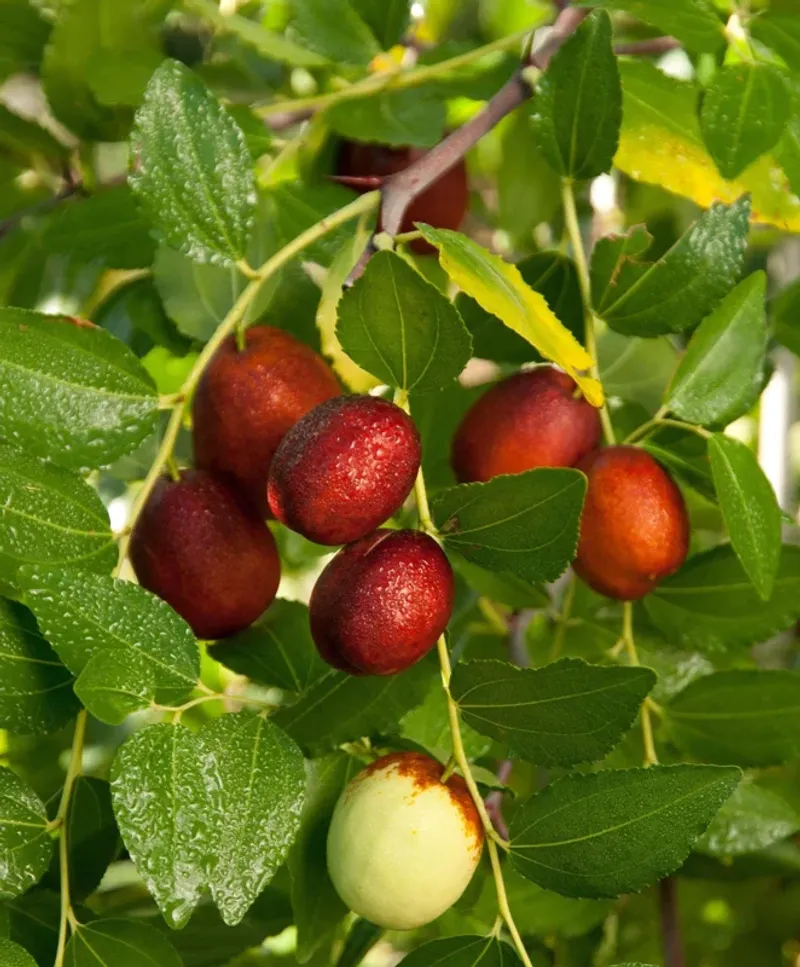
Bite into a half-ripe jujube and it crunches like a small apple, then turns chewy and datelike later. That double personality makes this ancient Chinese fruit one of my favorite discoveries for desert yards.
Ziziphus jujuba tolerates heat, drought, and alkaline soil with very little complaint once roots settle in. It grows across many elevations here, since its chill needs stay modest and its cold tolerance runs high.
Trees usually stay fifteen to thirty feet tall, with zigzag branches and glossy leaves that sparkle in sun. Some varieties carry thorns, so plant away from walkways if little hands play nearby.
Bare-root jujubes planted in December quickly develop deep roots that help them handle summer heat. Water deeply while young, then ease back, since established trees get by on surprisingly modest irrigation.
Tiny fragrant flowers appear in late spring and draw bees and helpful insects into your yard. Fruit ripens from late summer into fall, and varieties like Li and Lang are easy to find.
Serious pests rarely bother jujubes in the desert, which keeps spraying off your weekend chore list. Watch for root suckers, though, and clip them promptly so the tree keeps its tidy shape.
6. Low-Chill Apricot
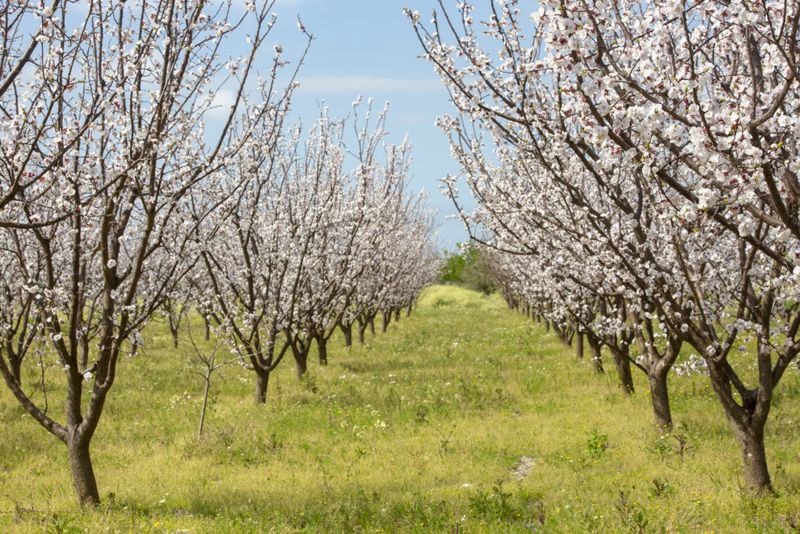
Fresh apricots rarely survive the drive from farm to grocery store with their full flavor intact. Growing your own means tasting that honeyed, slightly tangy bite the way it was meant to be.
Prunus armeniaca varieties like Gold Kist and Katy suit warm winters better than many older types. Their chill needs stay moderate, so they fit low-desert gardens and some warmer mid-elevation towns.
Apricots ask for full sun and soil that drains well, since soggy roots invite trouble quickly. Planting bare-root trees in December lets roots grow strong long before the first spring leaves unfold.
Bloom arrives early, and harvest often lands in May or June before the fiercest heat. Most popular varieties set fruit without a partner, which helps when yard space feels tight.
Early flowers can suffer from late frost, so drape frost cloth on cold nights during bloom season. Thin small fruit in spring, leaving several inches between each, for bigger apricots and sturdier limbs.
Sap oozing from bark, called gummosis, often signals stress from irregular watering or injury. Personally, I think a steady deep watering schedule solves more apricot problems than any spray bottle.
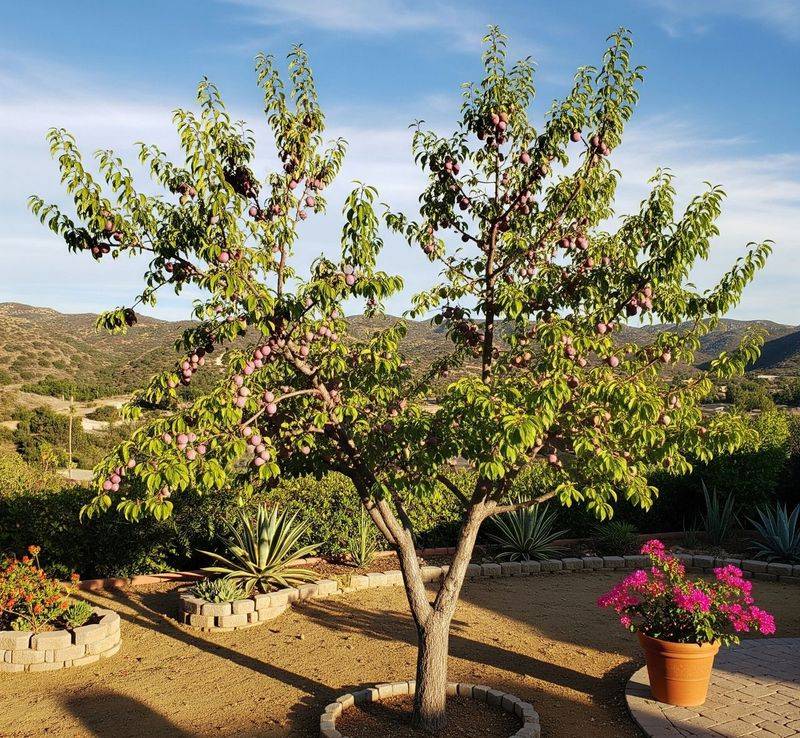
7. Low-Chill Plum
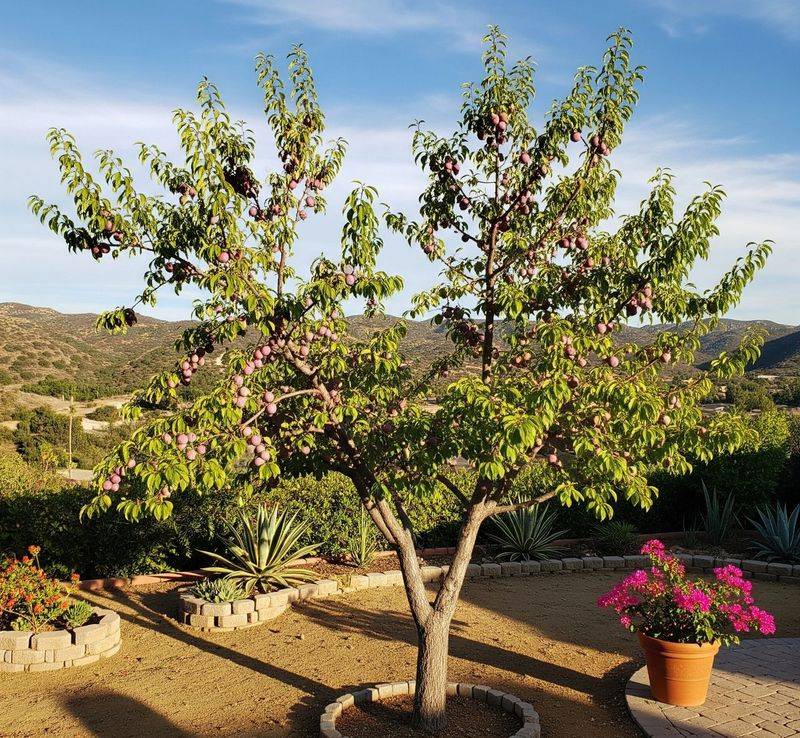
Santa Rosa plums have a tart skin and a sweet center that wakes up your whole mouth. Luther Burbank developed that famous variety over a century ago, and it still performs well in warm climates.
Japanese plums, Prunus salicina, generally need fewer chill hours than European types, making them better desert picks. Methley and Santa Rosa are common choices, and both can set fruit without a second tree.
Trees usually reach ten to fifteen feet, which keeps harvesting simple without tall ladders. Give them full sun but avoid blazing west walls, where reflected heat can scorch leaves and bark.
December bare-root planting gives roots a cool, quiet season to establish before blossoms open. Water deeply and less often, encouraging roots to reach down instead of staying near the surface.
Plum blossoms open early, so a sudden cold snap can reduce your crop that year. Stressed trees sometimes attract borers, and consistent watering is one of your best defenses against them.
Go easy on nitrogen fertilizer, since too much leads to leafy growth and fewer plums. I love how a well-pruned plum tree turns into a fruit-laden umbrella by early summer.
8. Low-Chill Pear
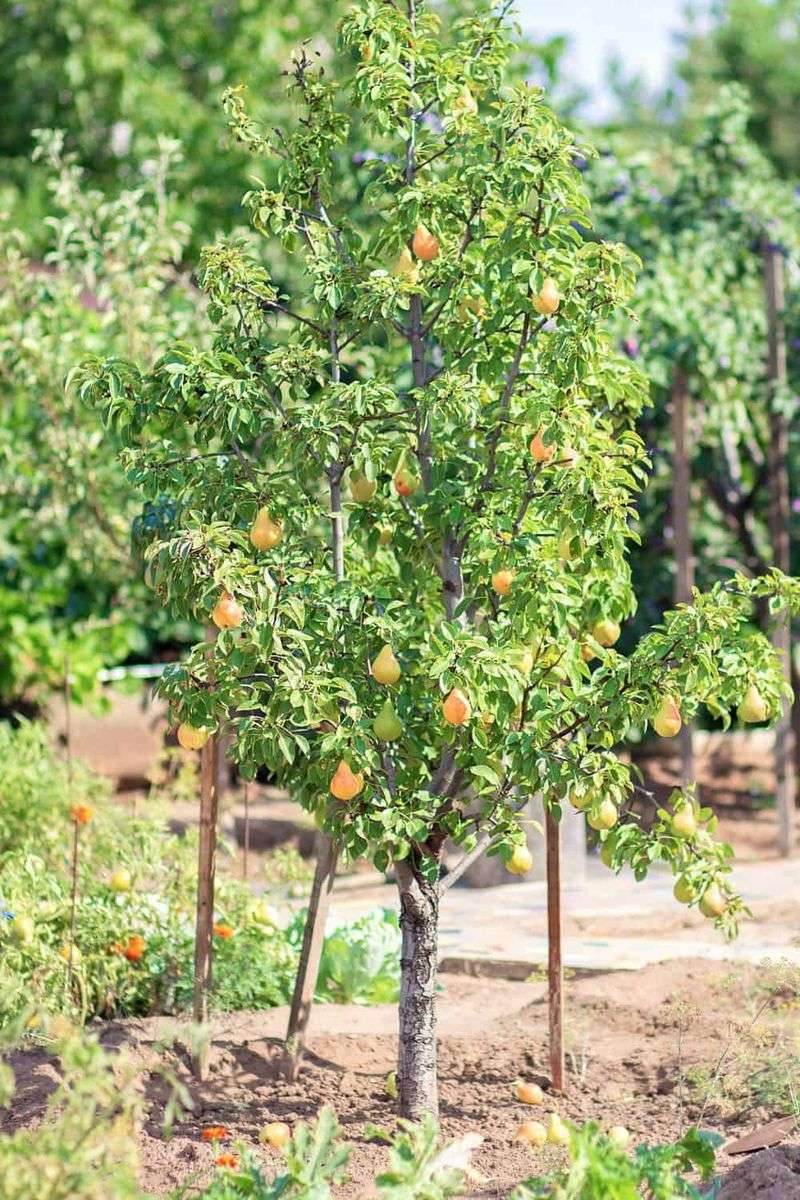
Most people link pears with cool orchards up north, so a desert pear harvest feels delightfully rebellious. Low-chill choices like Kieffer and certain Asian pears make that harvest possible in warm regions.
Pyrus trees generally tolerate heat and heavier soils better than many stone fruits do. Asian pears such as Shinseiki stay crisp and juicy, while Kieffer leans firm and great for cooking.
Many pears benefit from a pollination partner, so check bloom charts before you buy bare-root trees. Planting two compatible varieties in December often leads to fuller branches by late summer.
Choose a sunny spot with decent drainage and water deeply while the young tree settles in. You need to protect tender trunks from sunscald with diluted white paint during the first few years.
Fire blight is the main pear concern, showing up as blackened shoot tips after warm, wet spring weather. Prune infected twigs well below the damage and clean your pruners between cuts.
I like how pear trees grow upright, fitting nicely into narrow side yards and corners. Their spring blossoms also give bees an early meal when few other plants are flowering.
9. Persimmon
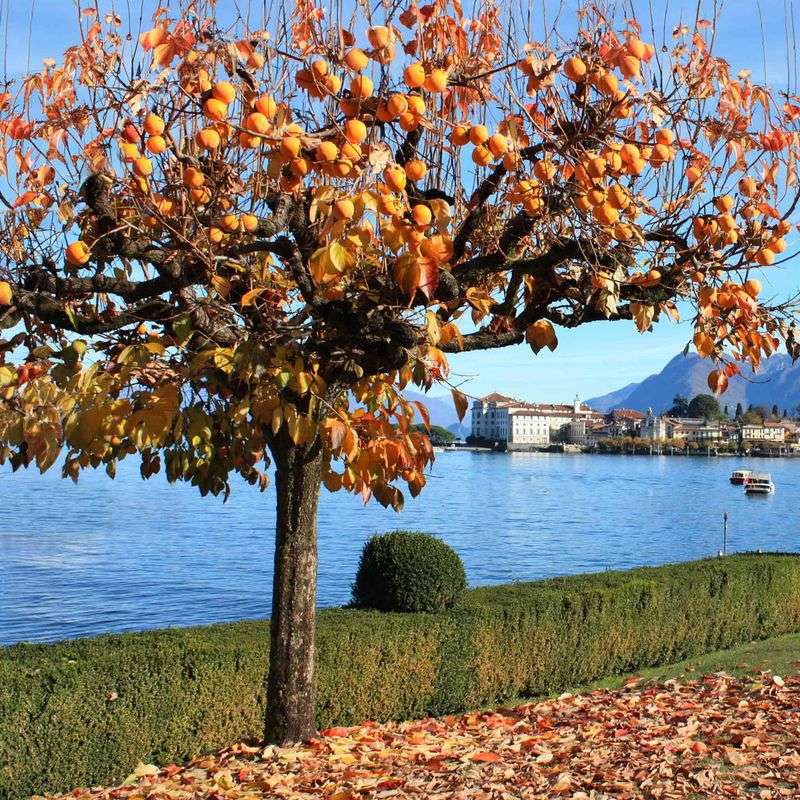
Persimmon leaves turn shades of orange and gold, giving desert yards a rare splash of real autumn color. Bright fruit often hangs on after leaves fall, like little lanterns decorating bare branches.
Asian persimmons, Diospyros kaki, need only modest winter chill and grow in many Arizona elevations. Fuyu is a popular nonastringent type, so you can eat it crisp like an apple.
Bare-root persimmons have a long taproot, so dig a deep hole and handle roots gently. Keep soil evenly moist during the first season, since young trees can sulk if they dry out.
Many Asian varieties set fruit without pollination, which keeps planting plans simple for small lots. Harvest usually arrives in fall, and fruit can ripen further indoors on a sunny counter.
Pests rarely trouble persimmons here, and established trees need very little fertilizer to thrive. Late fruit left on branches feeds birds when most other natural food sources run low.
You need a bit of patience, since grafted trees often take a few years to bear well. Personally, I think watching that first orange crop ripen makes every waiting season worthwhile.