Which Holiday Plants Are Safe Around Cats and Dogs in Michigan Homes and Which Aren’t
The famous red holiday plant blamed for pet poisonings earned its scary reputation from a rumor over a century old. Veterinary toxicologists now rank it as mildly irritating, which surprises nearly every pet owner I talk with each December.
Meanwhile, a few quieter greens hiding in wreaths and gift baskets can cause far more serious trouble for curious pets. One pretty bouquet favorite can even harm a cat’s kidneys through a little pollen licked from soft fur.
I love filling my Michigan living room with green things once the snow piles up against the windows. My cat, however, treats every new pot like a salad bar delivered just for her afternoon snack.
You might notice that long Michigan winters keep pets indoors and bored, right beside your festive decorations. So which holiday plants deserve a spot on your table, and which ones belong back at the store?
1. Poinsettia
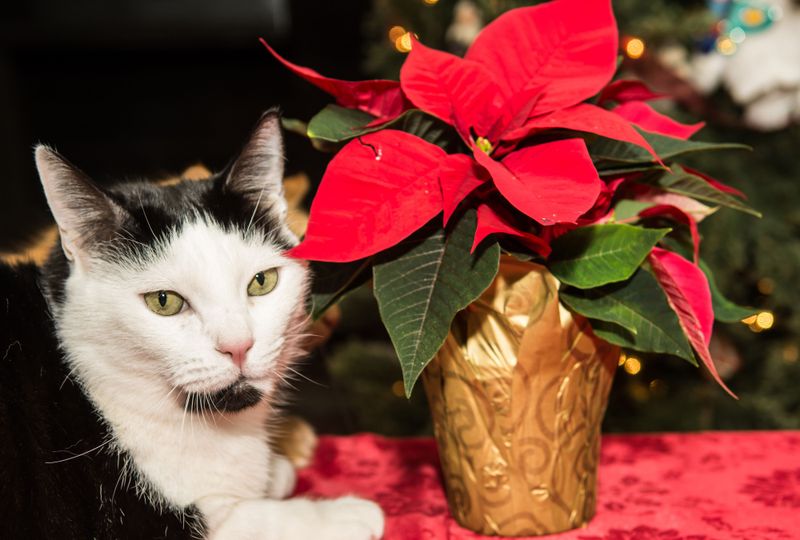
Few holiday plants carry a worse reputation than the poinsettia, yet the facts tell a much calmer story. Its milky white sap is the real troublemaker, and it mostly causes mild drooling or a grumpy stomach.
Researchers at Ohio State and poison control experts have found no solid evidence of serious poisoning in pets. The old rumor traces back to an unconfirmed story from Hawaii in 1919 that simply refused to fade.
If your dog chews a leaf, you might see extra drooling or a quick bout of vomiting afterward. Sap on the skin or around the eyes can also cause some redness and itching that fades with rinsing.
Most cases settle down on their own, so careful watching usually works better than panicking in the car. Call your vet if vomiting keeps going or your pet seems unusually tired and refuses food for hours.
Personally, I still keep my poinsettias on a high shelf, mostly to protect the plant from my cat. Those colorful bracts are leaves, not petals, and they bruise easily when a paw swats them around.
Poinsettias love bright indirect light and steady room temperatures between roughly 65 and 70 degrees during the day. Keep them away from icy drafts by doors, because they sulk and drop leaves when chilled.
Water when the soil surface feels dry, and remove decorative foil so water drains instead of pooling. That simple step keeps roots healthy and keeps puppies from drinking stale water collecting under the pot.
2. Holly
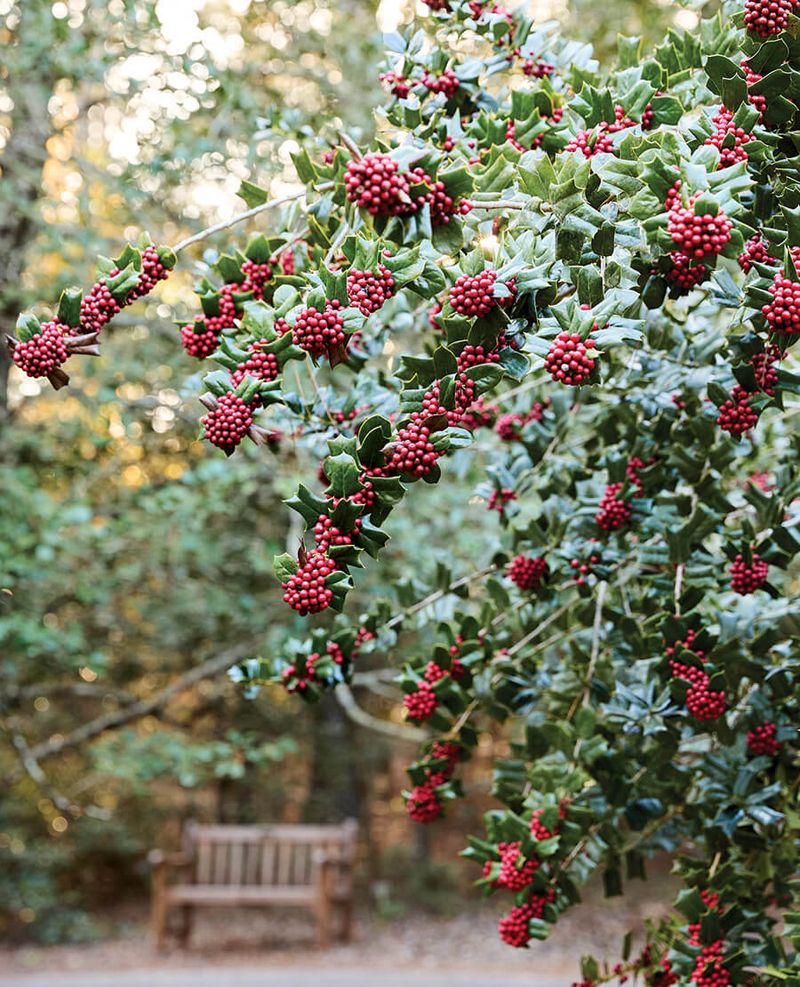
Those glossy red berries look like candy to a puppy, and that is exactly why holly needs watching. Holly contains saponins in its leaves and berries, which can upset the stomachs of both cats and dogs.
Most pets that nibble holly end up with vomiting and diarrhea, plus some obvious tummy discomfort for a while. The spiny leaf edges can also scratch tender gums, so many animals spit it out pretty quickly.
Toxicity is generally rated mild to moderate, but a dog that gobbles a big pile of berries needs attention. Call your vet or the ASPCA Animal Poison Control Center at 888-426-4435 if you suspect a large snack.
I have to admit that I love cutting fresh holly from the yard for my mantel each December. These days I tuck those sprigs high on the mantel, well above wagging tails and curious noses.
American holly, Ilex opaca, grows in southern Michigan gardens and handles sheltered spots in zones 5 and 6. Blue hollies and winterberry are also popular here, and winterberry drops its leaves to show off bright fruit.
Remember that berries only form on female plants, and they need a male pollinator growing somewhere nearby. Fallen berries in the yard can tempt dogs too, so rake them up during your winter walks around.
Indoors, good artificial holly gives you the same cheerful look without any crunchy temptation for your pets. Many realistic versions even pass the close-up test when guests lean in for a better look.
3. Mistletoe
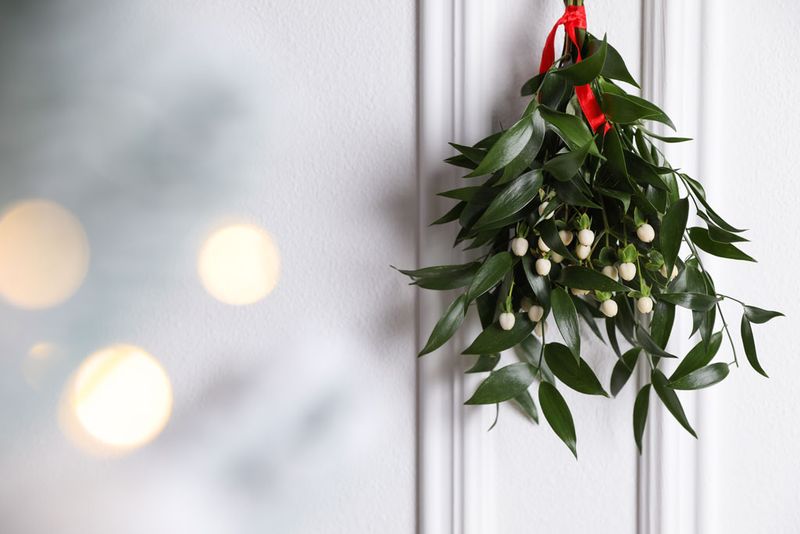
That little sprig hanging in the doorway has a much bigger reputation than its size suggests. Mistletoe can cause real problems for pets, and the type you bring home makes a big difference.
American mistletoe, Phoradendron leucarpum, usually causes milder stomach upset like vomiting and diarrhea in cats and dogs.
European mistletoe, Viscum album, contains stronger compounds and is considered more serious for curious animals by most veterinarians.
Large amounts can affect the heart and nervous system, leading to a slow heart rate or low blood pressure. Breathing trouble and seizures have been reported in severe cases, so quick action really matters here.
Fun fact: American mistletoe is a parasitic plant that steals water from tree branches across the southern states. It does not grow wild in Michigan, so the sprigs sold here usually travel a long way first.
What surprises me most is how high cats can leap when a dangling ornament catches their eye. A doorway sprig can seem safe until a fallen berry rolls under the couch and gets found later.
Hang mistletoe well above jumping range, and check the floor below it daily for dropped leaves or berries. Placing a small tray beneath it can catch debris before a nosy dog discovers the leftovers first.
Artificial mistletoe works beautifully and lasts for years, which also saves you money each holiday season. If you suspect your pet ate the real thing, call your vet right away instead of waiting.
4. Amaryllis
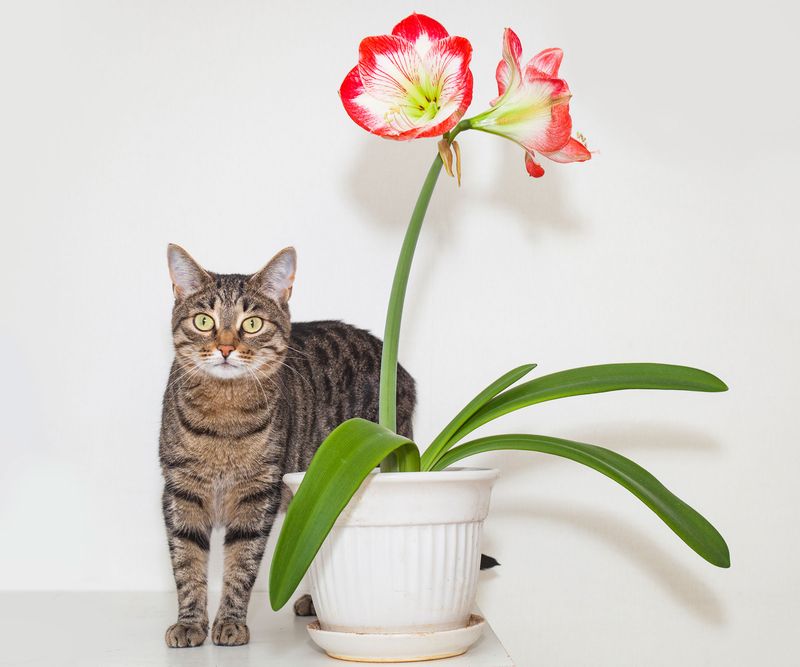
Huge trumpet blooms on a tall bare stalk make amaryllis one of winter’s showiest indoor flowers. Underneath that drama sits a plump bulb packed with lycorine and related alkaloids that upset pets.
Every part of the plant is considered toxic to cats and dogs, but the bulb holds the most. A dog that digs out and chews a bulb deserves a quick call to the vet.
Common signs include heavy drooling and vomiting, along with diarrhea and a noticeable drop in your pet’s energy. Tremors can appear with larger amounts, so please do not try home remedies or induce vomiting yourself.
Most holiday amaryllis sold in stores belongs to the Hippeastrum genus, a South American plant group. The true Amaryllis belladonna comes from South Africa, yet both carry similar warnings for pets and people.
I love how fast a bare bulb shoots up, sometimes blooming six to ten weeks after potting. Watching that stalk climb by inches each week is honestly my favorite part of the gloomy season.
Plant bulbs with the top third above the soil, and use a heavy pot that resists tipping. Water sparingly until growth starts, then keep it in bright light and rotate the pot every few days.
Set your amaryllis on a high table or windowsill that pets cannot reach with a quick jump. Store any leftover bulbs in a closed cabinet, because loose bulbs look a lot like dog toys.
5. True Lilies

Just a lick of pollen brushed onto a cat’s fur can be enough to harm its kidneys. True lilies rank among the most serious plant dangers for cats, and holiday bouquets often include them.
Easter lilies, stargazers, and Asiatic lilies belong to the Lilium group, and daylilies carry the same risk. Every part counts, including petals and leaves, plus the water sitting in the vase on your table.
Early signs in cats include vomiting and a sudden loss of appetite, often followed by sluggish behavior. Kidney damage can develop within one to three days, which is why waiting to see is risky.
Veterinarians stress that treatment works best when it begins within hours, ideally well before eighteen hours pass. Get your cat to a clinic right away if you even suspect a nibble or pollen grooming.
Dogs usually fare better, showing mild stomach upset rather than the kidney trouble cats face from lilies. Peace lilies and calla lilies are not true lilies, though they can still irritate mouths and cause drooling.
Honestly, I stopped accepting lily bouquets years ago because my cat inspects every new thing in the house. When friends bring flowers, I kindly ask them to skip lilies, and nobody has been offended yet.
Roses and sunflowers make lovely holiday arrangements, and both are listed as non-toxic for cats and dogs. Florists can easily swap lilies for these, so mention your pets when you place an order.
6. Cyclamen

Swept-back petals that look like tiny butterflies make cyclamen a cheerful pick for a winter windowsill. Below the soil hides a round tuber, and that tuber is the most toxic part for pets.
Cyclamen contains terpenoid saponins, which can cause drooling and vomiting even after a small nibble on leaves. Diarrhea often follows, and pets may seem uncomfortable for a while as their stomachs settle down.
Dogs that dig up and eat tubers face bigger risks, including heart rhythm changes and possible seizures. Call your veterinarian right away if anything below the soil line goes missing or looks chewed.
Florist cyclamen, Cyclamen persicum, prefers cool rooms, ideally around 50 to 65 degrees, to keep blooming for weeks. Warm, dry homes cause yellow leaves fast, so a chilly mudroom or bright entryway often suits it.
Water from the bottom by setting the pot in a saucer for about twenty minutes, then draining. Watering over the crown can cause rot, which is one more reason I love the saucer trick.
You need to watch pots on low shelves, because loose potting mix can tempt dogs that enjoy digging. A layer of decorative stones on top helps discourage paws while still letting water soak through easily.
If you love the look but worry about pets, a Christmas cactus delivers similar pink blooms safely. Both plants enjoy cool winter temperatures, so you can display them in the same sunny spot.
7. English Ivy
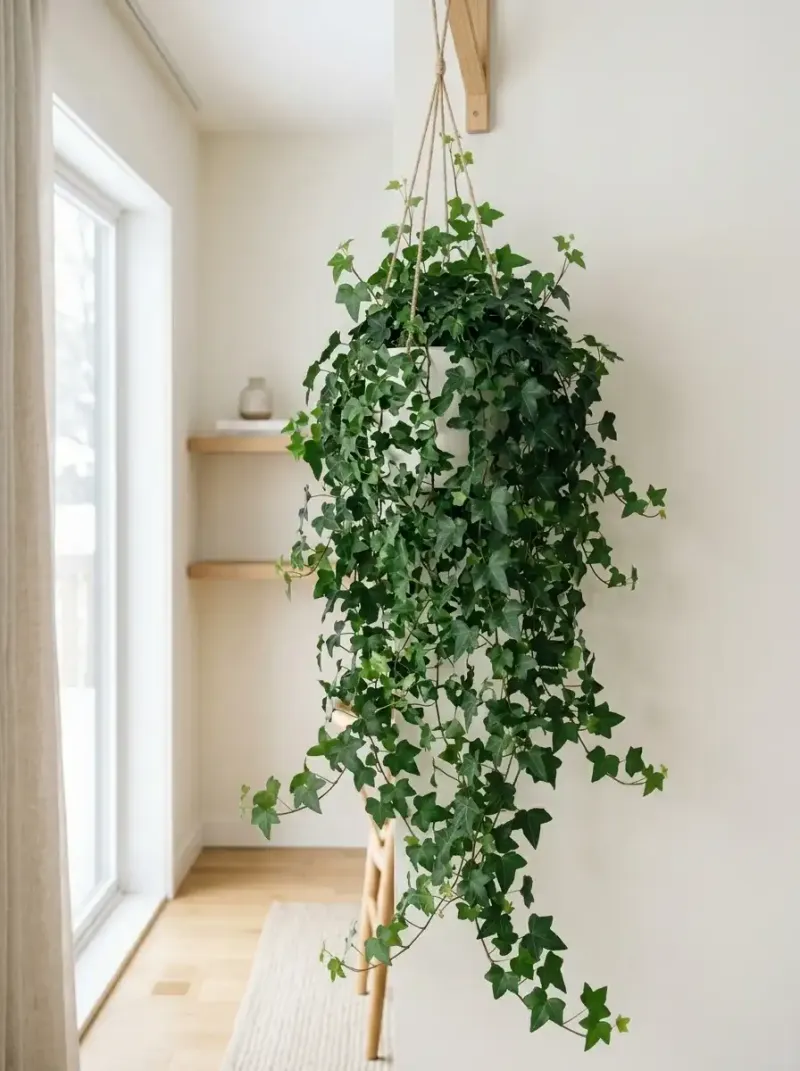
Trailing green ivy spilling out of a holiday basket looks charming, but pets should admire it from afar. English ivy, Hedera helix, contains triterpenoid saponins in its leaves, and the foliage tends to cause the most trouble.
Pets that chew ivy can show vomiting and drooling, often with belly pain and diarrhea afterward. Sap on skin may cause a rash, so wear gloves when trimming long vines for your wreaths.
Reactions vary with the amount eaten, so call your vet even if your dog only seemed to taste it. Small nibbles usually cause mild issues, but nobody wants to guess wrong during busy holiday weekends.
Here in the Great Lakes region, English ivy is also a garden concern beyond your living room. It can climb trees and smother native groundcovers, so many experts urge gardeners to avoid planting it outdoors.
I believe the smartest trailing swap is a spider plant, which the ASPCA lists as non-toxic. Its arching leaves and dangling babies give the same spilling look without the stomach worries for pets.
Hoya and Swedish ivy are other pet-friendly picks with cascading stems that suit hanging baskets nicely. Hang them high enough that playful cats cannot bat the trailing stems down to the floor.
If you already own English ivy, keep it in a hanging planter well above pet height indoors. Sweep up any fallen leaves after trimming, since dogs love investigating crunchy bits on the kitchen floor.
8. Jerusalem Cherry
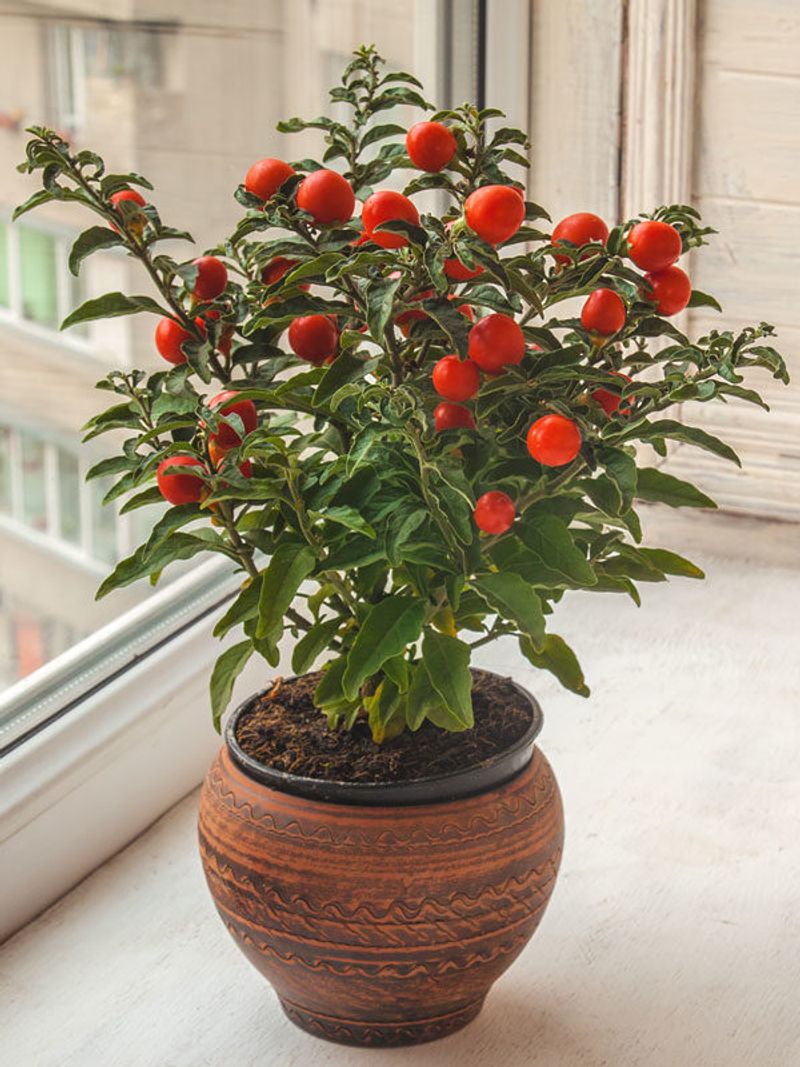
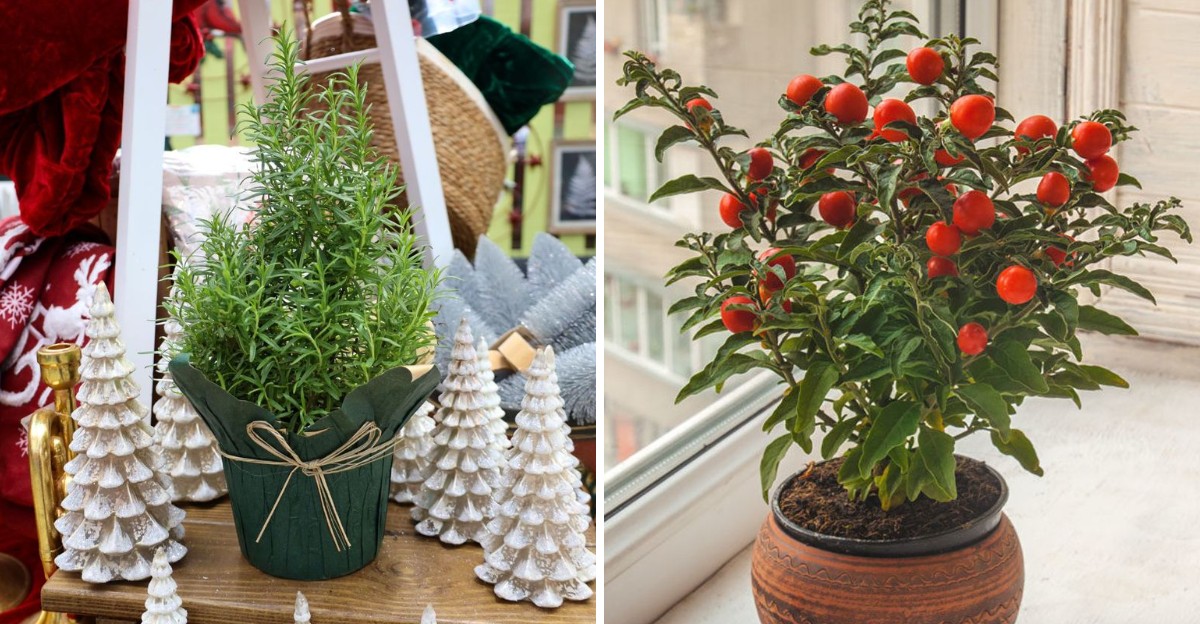
Tiny orange and red fruits that look like cherry tomatoes make this plant a holiday showstopper on shelves.
Jerusalem cherry, Solanum pseudocapsicum, belongs to the nightshade family, and that family connection explains the serious concern for pets.
Its berries and leaves contain solanine and related compounds that can upset the digestive system of cats and dogs. Vomiting and diarrhea are common signs, and some pets also drool heavily or seem unusually quiet.
Larger amounts may lead to weakness and a slowed heart rate, along with possible seizures in severe cases. Call your vet right away, because these symptoms can show up hours after the snack happened.
The fruit looks especially tempting to puppies, since it rolls around and drops right onto the floor when ripe. Kids are also drawn to the bright berries, so this plant raises concerns for the whole family.
Fun fact: the plant is also called winter cherry, and its fruit is not related to real cherries. Both nicknames come from its cheerful berries that ripen right around the darkest weeks of the year.
Personally, I skip this one in homes with pets, even though it looks lovely in a ceramic pot. In warm climates it can spread outdoors, so tossing old plants into compost piles is not wise.
For the same bright look, try artificial berry picks tucked into a wreath or a safe pine garland. A Christmas cactus with coral blooms can also bring that warm orange glow without any worry.
9. Paperwhite Narcissus
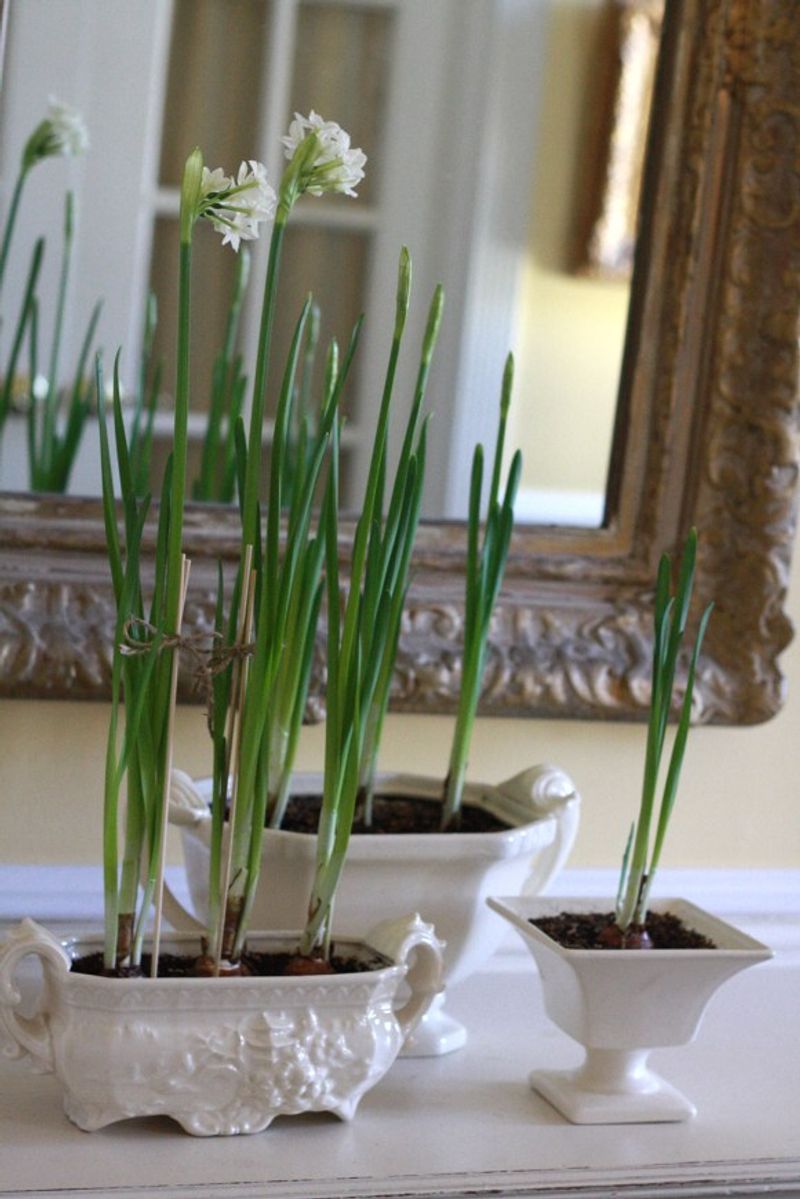
A bowl of paperwhites can perfume an entire room, and folks either love that musky scent or avoid it. These forced bulbs contain lycorine, the same troublesome alkaloid also found in amaryllis and garden daffodils.
Bulbs carry the highest concentration, and a dog chewing one can start vomiting and drooling fairly quickly. Bigger amounts may trigger tremors or low blood pressure, along with irregular heart rhythms in rare cases.
The water in a paperwhite bowl can also absorb compounds, so keep thirsty pets away from it. Cats that like drinking from odd places should not have access to forcing jars on counters.
Paperwhites need no chilling period, which makes them one of the easiest bulbs to force indoors each winter. Set bulbs on pebbles with water just touching their bases, and blooms appear in four to six weeks.
Tall stems tend to flop as they grow, so tie them loosely with ribbon around the middle. Cooler rooms with bright light also help keep paperwhites shorter and sturdier through their whole bloom time.
I like how quickly they turn a gray January kitchen into something that feels like early spring. Still, I place mine on top of the refrigerator, far away from my dog’s very curious nose.
If you want safe winter blooms instead, moth orchids and African violets give color without the risk. Call your vet or poison control if your pet chews a bulb or drinks from the bowl.
10. Christmas Rose
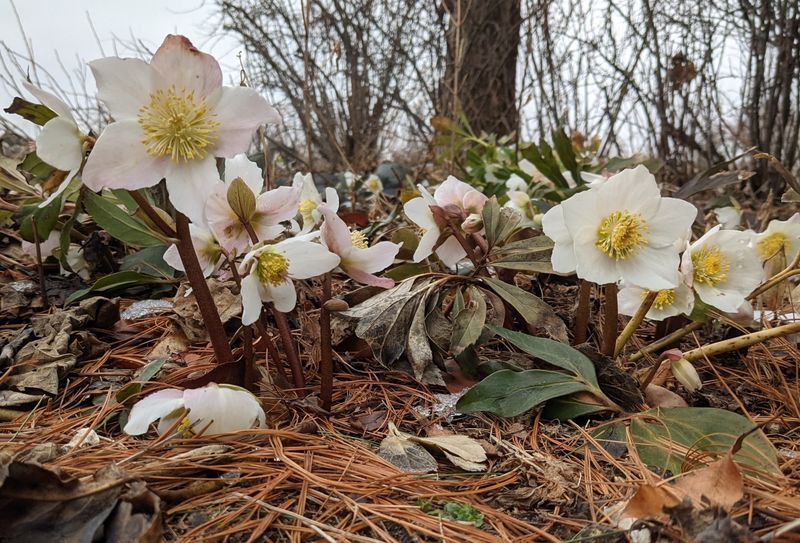
Blooming white through snow in some gardens, the Christmas rose earns its name with real winter grit. Helleborus niger is not a rose at all, but a member of the buttercup family with toxic compounds.
All parts contain glycosides and protoanemonin, which can irritate mouths and upset stomachs in cats and dogs. Pets may drool heavily or paw at their faces, then vomit after chewing on leaves or flowers.
Severe cases are uncommon because the bitter taste discourages big bites, but heart effects are possible. Call your vet promptly if you notice weakness or a pet that suddenly seems very depressed.
Hellebores are hardy in zones 4 through 8, so they grow well in many Michigan shade gardens. In our cold winters, they often bloom in late winter or early spring rather than right at Christmas.
Potted Christmas roses sold during the holidays can be planted outdoors once the ground thaws in spring. Choose a shady spot with rich, well-drained soil, and the plant may return reliably for many years.
I can’t imagine a winter garden without hellebores, yet I keep them away from my dog’s favorite path. Wear gloves when dividing or trimming them, since the sap can irritate sensitive skin on your hands.
Indoors, set potted hellebores on high stands, or enjoy them through the window from a safe distance. Silk versions also look surprisingly real in centerpieces where pets tend to snoop and sniff around the table.
11. Christmas Trees And Norfolk Island Pine
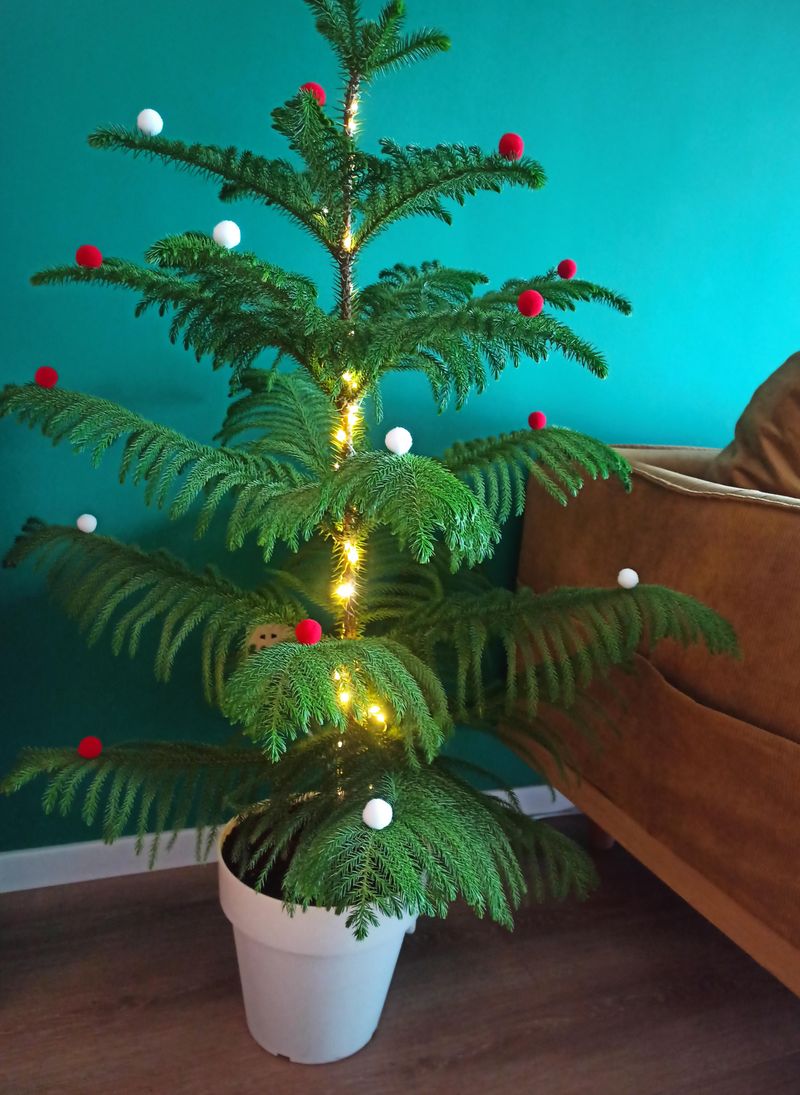
Michigan ranks among the top states for Christmas tree production, so many of us haul home a fresh fir. Real trees like firs and spruces are considered only mildly toxic, mainly through their oils and needles.
Chewing needles can irritate a pet’s mouth and upset the stomach, sometimes causing vomiting or drooling. Sharp needles are hard to digest, and swallowing many could cause irritation deeper in the digestive tract.
Norfolk Island pine, Araucaria heterophylla, is a popular tabletop tree that is not a true pine at all. The ASPCA lists it as non-toxic to cats and dogs, though chewing the needles can still cause mild stomach upset and some drooling.
Tree water is a sneaky hazard, since it can grow bacteria and collect preservatives or fertilizer. Cover the stand with a tree skirt or guard so pets cannot lap from it during the day.
You’re in for a big surprise if you underestimate a cat’s urge to climb a twinkling tree. Anchor the trunk to a wall hook or ceiling with fishing line so it cannot tip over.
Tinsel can cause intestinal blockages in cats, so I skip it and hang breakable ornaments higher up. Sweep up dropped needles daily, especially as a cut tree dries out during the weeks after you buy it.
Norfolk Island pines prefer bright light and steady humidity, so a pebble tray helps during dry heating season. Rotate the pot weekly so the tree grows evenly instead of leaning toward the nearest bright window.
12. Christmas Cactus
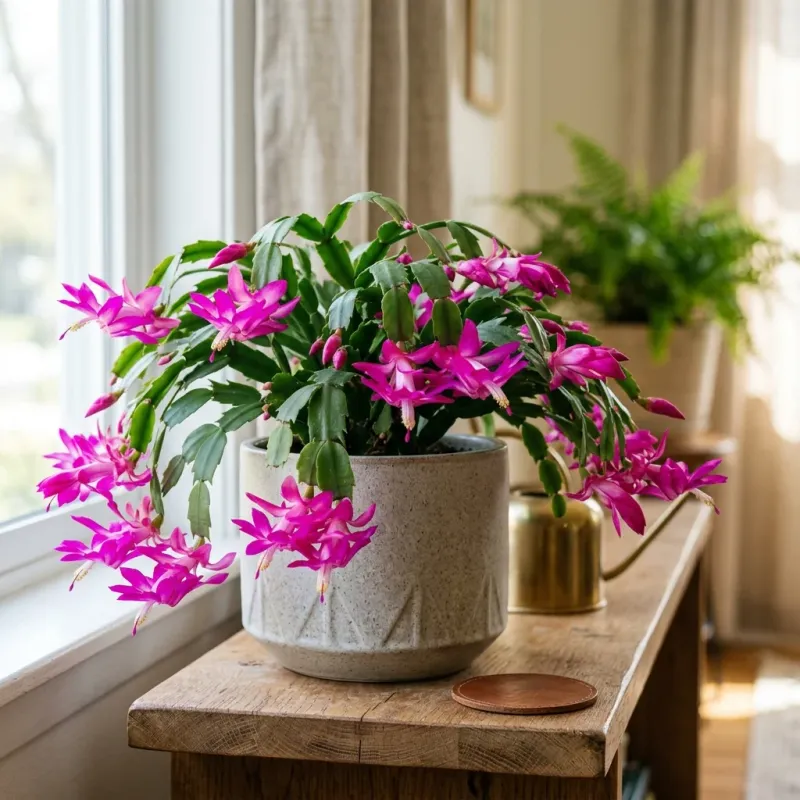
Bright pink blooms dangling from flat green stems make Christmas cactus a cheerful plant that pets can sniff. The ASPCA lists Schlumbergera as non-toxic to cats and dogs, which puts it on my favorite holiday list.
Unlike desert cacti, this one comes from rainforests in Brazil, where it grows on trees and rocks. It has no sharp spines, so curious noses and paws stay safe while exploring its arching stems.
Eating a lot of any plant can still cause mild vomiting or soft stools in some pets. Those symptoms usually pass quickly, but call your vet if the vomiting repeats or keeps going.
Thanksgiving cactus often blooms in November and gets sold as a Christmas cactus in many garden centers. Look at the stem segments, since Thanksgiving types have pointed teeth and Christmas types have rounder edges.
To get buds, give plants long nights of about thirteen hours and cool temperatures in fall. Moving buds or letting temperatures swing can make flowers drop, which disappoints me every single year.
Water when the top inch of soil feels dry, and let extra water drain from the pot. Bright indirect light keeps stems healthy, while harsh afternoon sun can turn them reddish and stressed.
I love how these plants get passed down through families, with some living for decades on windowsills. Cuttings root easily in moist soil, so you can share a piece with fellow pet lovers this season.
13. Rosemary
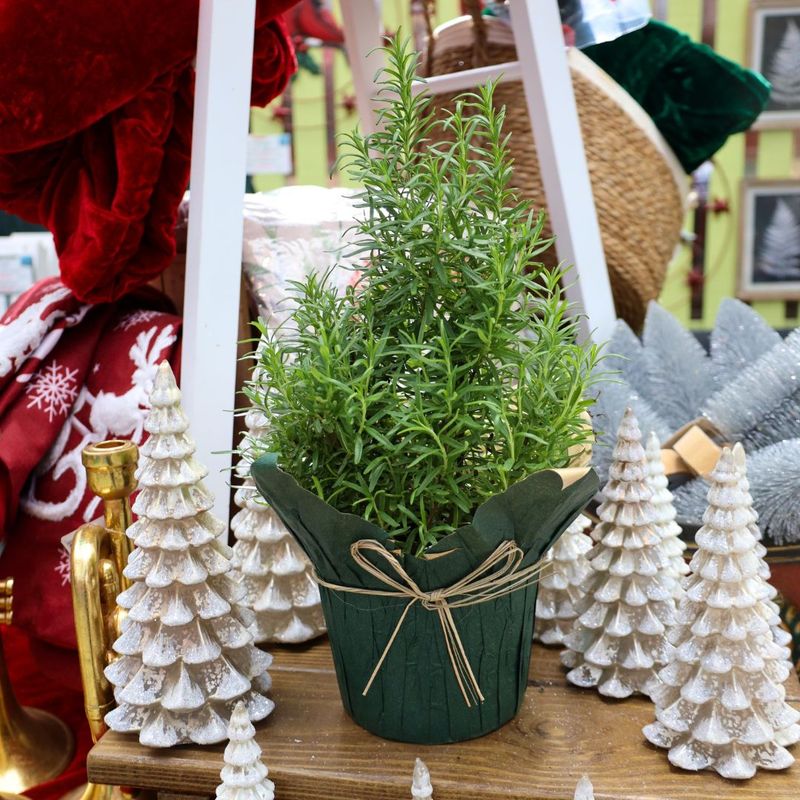
Those little cone-shaped rosemary trees in grocery stores smell like a holiday dinner every time you brush them. Even better, the ASPCA lists rosemary, also called Rosmarinus officinalis, as non-toxic to both cats and dogs in homes.
A pet that munches a big mouthful might get a mild stomachache, but serious trouble is not expected. Most cats sniff once and sneeze at the strong scent, then walk away looking slightly offended by it.
Rosemary is hardy only to about zone 7 or 8, so it cannot survive winters outdoors here. Bring potted plants inside before hard frost and plan to move them back outside after spring frost passes.
Indoors, rosemary struggles in dim rooms, so give it your sunniest south-facing window or a grow light. Dry indoor air and soggy soil are its biggest challenges during winter, especially near heating vents.
Let the top of the soil dry slightly between waterings, but do not let the whole pot go bone dry. Rosemary hides stress well, then suddenly drops needles, so check the soil with your finger often.
Personally, I snip sprigs from my rosemary tree for roasted potatoes, which feels like a clever holiday bonus. Light trimming also keeps the cone shape tidy, so you get dinner and decor from one plant.
Skip spraying it with artificial snow or glitter, since those decorations are not safe for pets to lick. A simple ribbon around the pot looks festive and keeps the plant clean and edible for you.
14. Moth Orchid
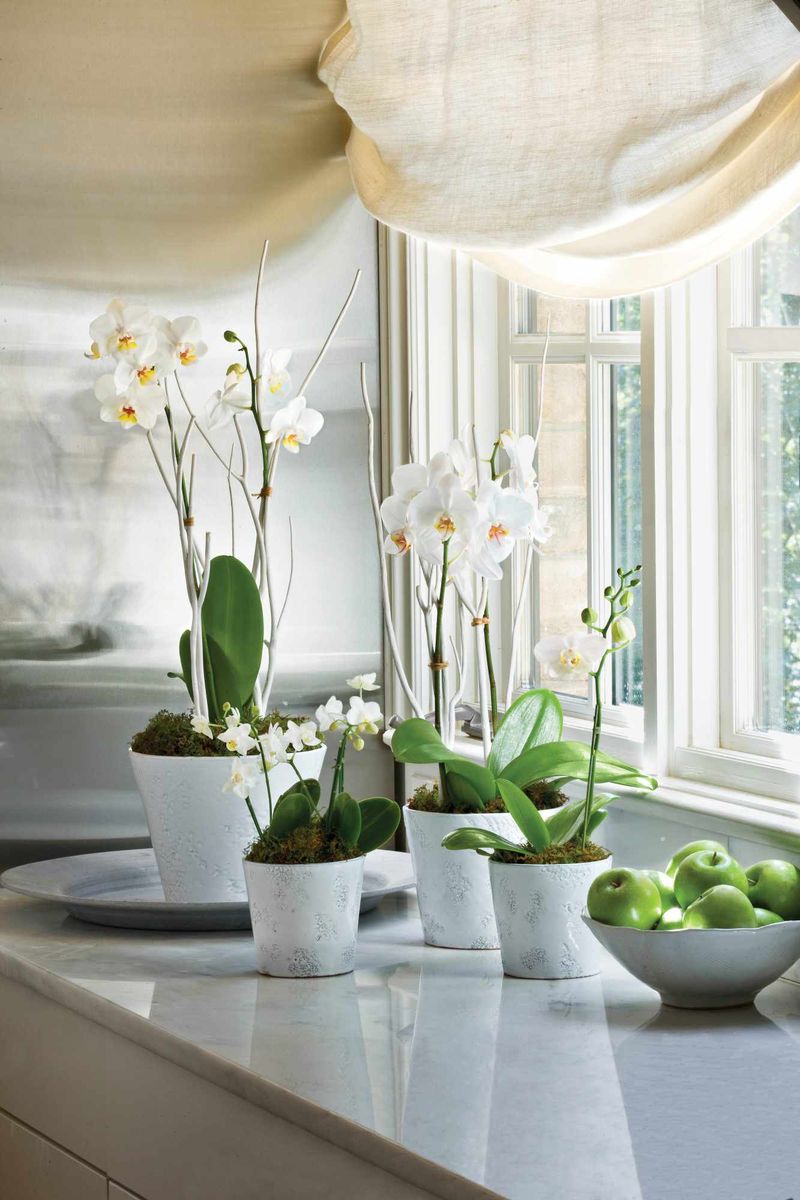
Graceful arching sprays of moth orchid blooms can last two or three months, which makes them amazing value. Phalaenopsis orchids are listed by the ASPCA as non-toxic to cats and dogs, so they make worry-free gifts.
If your cat nibbles a petal, simply remove any loose bits and keep an eye out for mild tummy upset. Serious reactions are not expected, though chewed leaves will leave scars on the plant for a long time.
In the wild, these orchids cling to tree bark in Southeast Asia rather than growing in regular soil. That habit explains why they prefer chunky bark mix and pots with plenty of drainage holes.
Water about once a week when the bark feels nearly dry, and let all extra water drain away fully. Ice cube watering is popular online, but many orchid experts suggest room temperature water poured through instead.
East windows suit moth orchids nicely, since gentle morning light helps them bloom without scorching their leaves. Cool nights in the fifties to low sixties help trigger new flower spikes in autumn and winter.
I have to admit that orchids intimidated me for years, until I learned they thrive on mild neglect. Now one sits on my bookshelf, blooming beside a sleeping cat who ignores it most days.
After flowers fade, you can trim the spike above a node and sometimes coax a second bloom. Keep the plant in a sturdy pot cover, because a tail flick can knock top-heavy orchids over.
15. African Violet
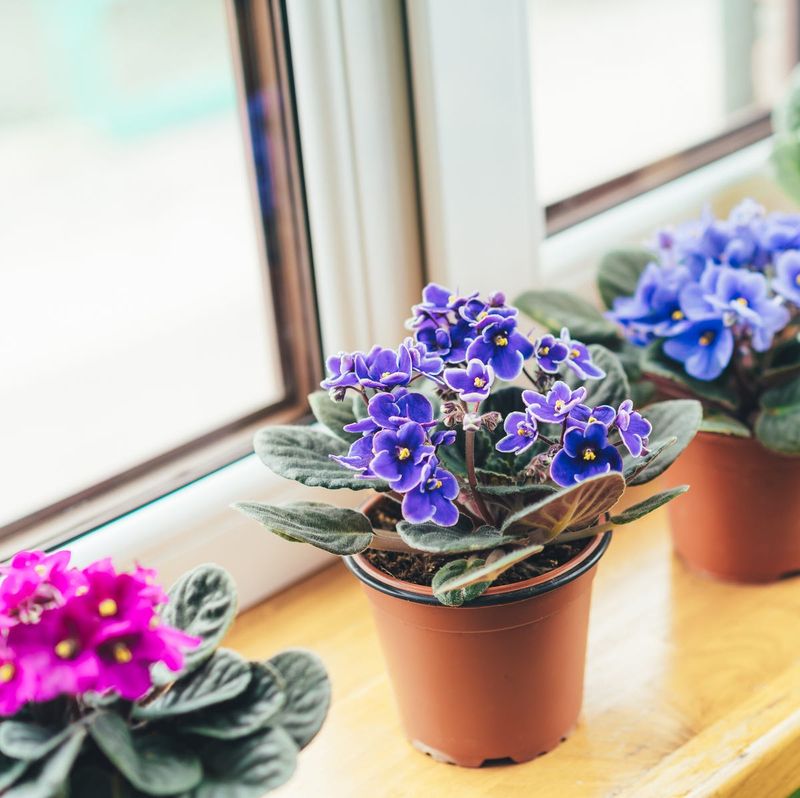
Fuzzy leaves and tiny purple flowers make African violets look like something from a grandmother’s windowsill, in the best way. The ASPCA lists Saintpaulia as non-toxic to cats and dogs, which makes them a smart pick.
A big munch on those soft leaves could cause slight stomach upset, but no toxic reaction is expected. Hairy leaves may also stick to a cat’s tongue, which might discourage repeat snacking pretty quickly.
These plants bloom year-round with the right care, so they brighten tables long after the holidays end. They come from the mountains of Tanzania and Kenya, where they grow in shady, humid spots.
Bright indirect light from an east or north window keeps them flowering without burning those soft leaves. In darker winter months, a simple LED grow light placed above them can keep buds coming steadily.
Water with room temperature water at the soil line or from below, keeping drops off the leaves. Cold water splashed on leaves can leave pale ring spots, which is a lesson many growers learn once.
You might notice blooms slowing if the pot gets too big, since violets flower best when snug. A small pot and a light feeding with African violet fertilizer usually encourages steady and cheerful color all winter.
I tuck mine on a narrow shelf, partly for my dog and partly because they look adorable lined up. Their compact size makes it easy to create a festive grouping without crowding counters or tables.
16. Parlor Palm
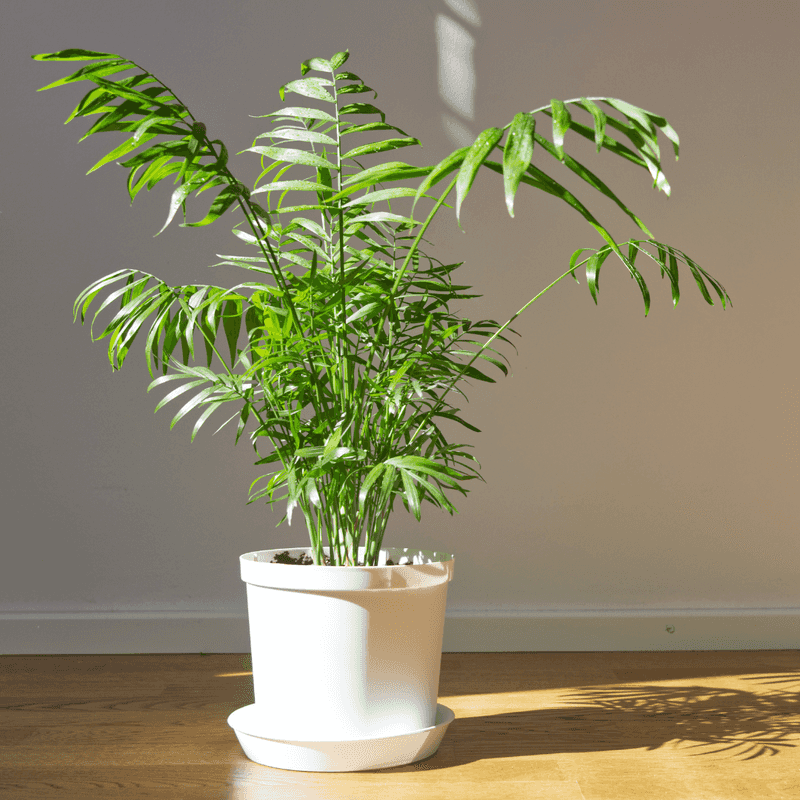
Victorian families loved the parlor palm so much that it took its common name from their sitting rooms. Chamaedorea elegans, sometimes sold as Neanthe Bella, is listed by the ASPCA as non-toxic to cats and dogs.
Cats often chew on its feathery fronds, and while that is not poisonous, it may cause mild vomiting. That reaction comes from the fiber rather than toxins, and it usually settles down on its own quickly.
Parlor palms handle low light better than most palms, which makes them perfect for Michigan’s gray winter days. A spot several feet from a bright window works well, since direct sun can scorch the fronds.
Water when the top inch of soil feels dry, and avoid letting the pot sit in standing water. Dry winter air can invite spider mites, so check the undersides of fronds every couple of weeks.
Fun fact: these slow growers often reach only two to four feet tall indoors, even after many years. Growers commonly plant several seedlings in one pot, which creates that full, bushy look you see in stores.
I believe a parlor palm dressed with a few soft ribbons makes a charming alternative tabletop tree. Skip heavy ornaments though, because the thin stems bend easily and can snap under too much weight.
If your cat treats it like a snack bar, try placing a pot of cat grass nearby as a distraction. Most kitties happily switch to the grass, and your palm gets a well-deserved break from the chewing.