Bobcats Are Back in Ohio – and Some Are Turning Up Closer to Homes
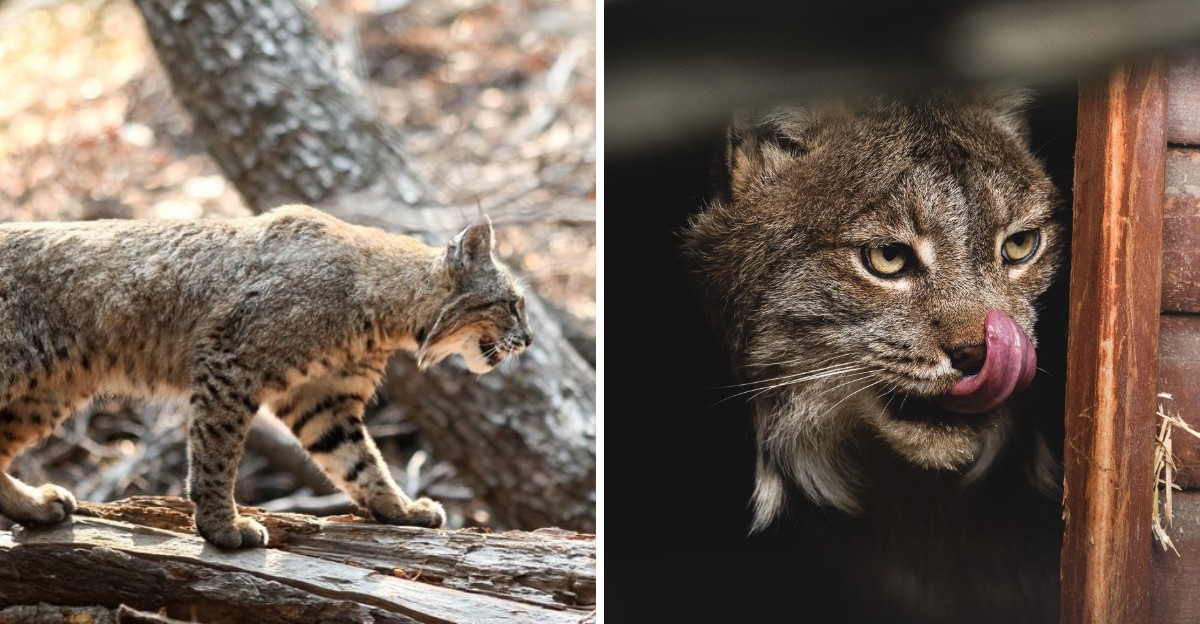
A wild cat vanished from the state for roughly 150 years, and now it is strolling past backyard trail cameras like it pays rent.
Ohio wildlife officials logged just a handful of verified sightings in the early 2000s. Recent years have brought hundreds of confirmed reports, mostly from the hilly southeast.
I can’t imagine a better reminder that woods can heal when we give them time.
Checking my camera after a quiet night has become one of my favorite little rituals. Most mornings it shows deer, raccoons, and one very bold opossum.
You’re in for a big surprise if a spotted face with tufted ears ever stares back at you.
Why would such shy hunters creep closer to porches, chicken coops, and garden beds? The answer has more to do with young cats, food, and cover than with anything scary.
What might be passing through your yard tonight?
That Spotted Cat With a Stubby Tail Has a Long Ohio Story
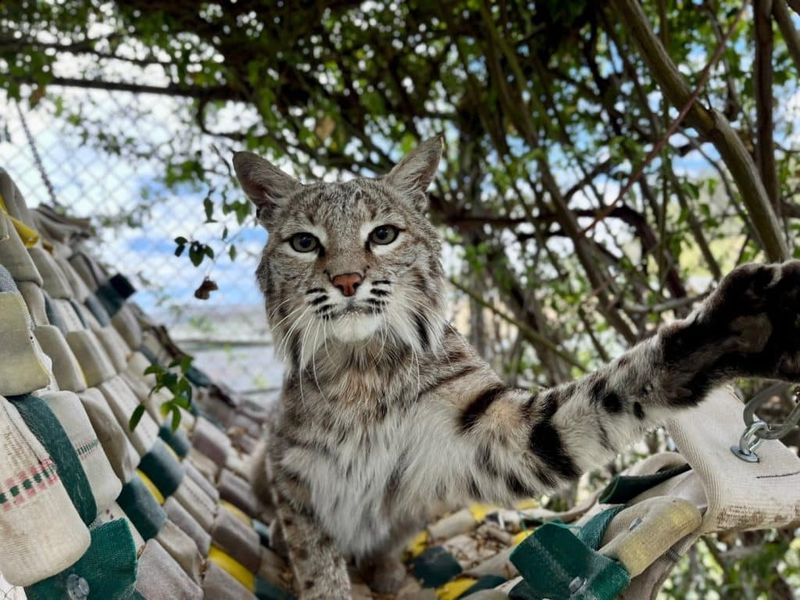
Once upon a time, bobcats roamed every corner of the state. By the mid-1800s, they were gone, pushed out as settlers cleared forests for farms and hunted predators hard.
For more than a century, people only told stories about them. Then, slowly, the cats started drifting back in.
The Ohio Department of Natural Resources (ODNR) tracked just a few verified sightings around 2001, and the count climbed steadily after that.
Recent years have brought hundreds of confirmed reports per year, a jaw-dropping jump. I still get goosebumps reading those numbers.
The bobcat is the only wild cat known to live and breed in the state today, so every sighting counts.
Most reports come from the forested hills of southeast Ohio. Still, verified sightings have popped up in many other counties, including spots near small towns and rural homes.
Bobcats were listed as endangered in the state for years. Their recovery was strong enough that they came off that list in 2014.
They remain protected, though, with no legal hunting or trapping season.
So that shadowy cat on your camera is no myth. It is part of one of the coolest wildlife comebacks happening in the Midwest right now.
Regrown Forests Rolled Out the Welcome Mat for Bobcats

Old farm fields don’t stay fields forever. Across southeast Ohio, many hilly farms were abandoned over the last century, and trees quietly took over.
Former strip mine lands were also reclaimed with grasses, shrubs, and young forest. That patchwork of thickets, woods, and open edges happens to be bobcat heaven.
Rabbits and mice love those edges, and bobcats love rabbits and mice.
Neighboring states helped too. Healthy bobcat populations in West Virginia, Kentucky, and Pennsylvania gave young cats a source to wander from.
Many crossed into the state on their own, with no restocking program needed.
Legal protection sealed the deal. Without hunting or trapping pressure, more kittens grew up and raised families of their own.
I find it hopeful that something as simple as letting land grow wild can bring back a top predator. Nobody planted bobcats.
People mostly stepped back and let habitat recover.
For gardeners, that’s a fun reminder. The brushy corners and native shrubs many of us love also feed the small animals bobcats hunt.
Your landscape is part of a bigger web than you might guess, even if you live miles from a state forest.
Young Bobcats Hit the Road Every Fall and Winter
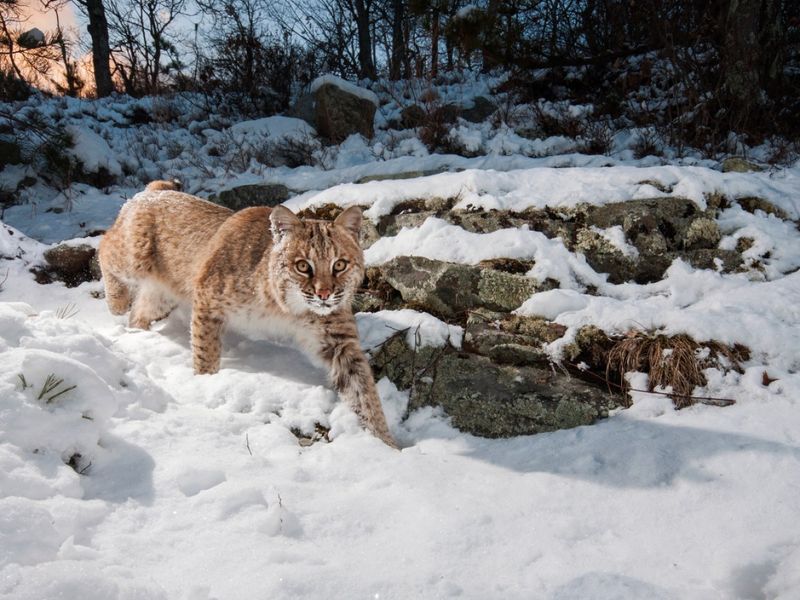
Teenagers move out, and bobcats are no different. Kittens stay with their mother through summer, then start heading off on their own as fall arrives.
ODNR notes that this dispersal often runs from about September into winter. A young cat may travel many miles hunting for an empty territory.
Along the way, it might cut through backyards, farm lanes, or the edge of a subdivision.
That’s one big reason sightings near homes can seem to spike in the colder months. The cats aren’t moving into town on purpose.
They’re passing through, looking for a quiet home range of their own.
Winter also makes them easier to spot. Bare trees and snowy ground leave fewer places to hide, and tracks show up clearly.
Breeding season adds more movement. Bobcats in our state typically mate in late winter, so adult males roam widely then too.
If you see one cross your driveway in November, take a breath and enjoy it. Odds are good it will keep moving within a day or two.
A lone bobcat trotting past is normal behavior, not a sign that something is wrong in your neighborhood.
Rabbits, Bird Feeders, and Brush Piles Can Draw a Bobcat Closer
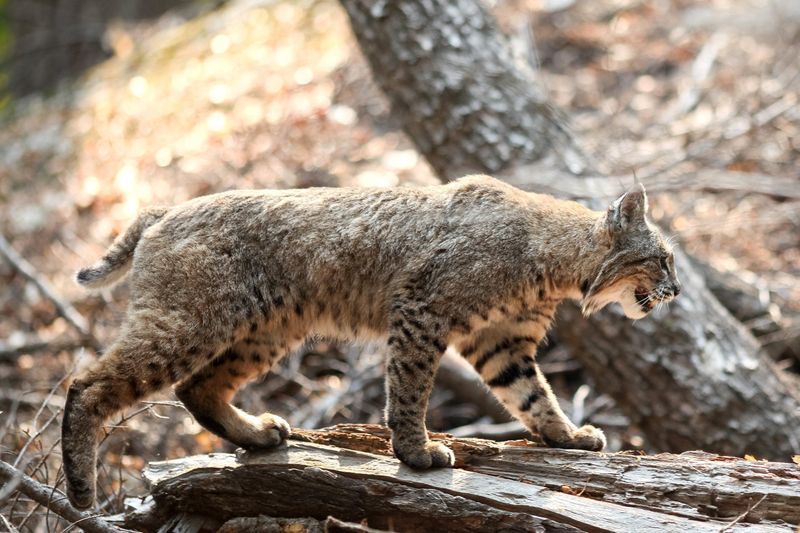
Follow the food, and you’ll usually find the bobcat. These cats mainly eat rabbits, squirrels, mice, voles, and other small critters, plus the occasional bird.
Here’s the funny twist for gardeners. That clover lawn bringing rabbits to your lettuce?
It also advertises dinner to a passing bobcat. Spilled seed under a bird feeder attracts rodents, and rodents attract predators.
Pet food left on porches is another magnet. It pulls in raccoons, mice, and sometimes the bobcats themselves.
Once a wild animal links people with easy meals, it may grow bolder than it should.
Cover matters too. Thick shrubs, tall weeds, woodpiles, and spaces under decks or sheds give a cautious cat somewhere to rest unseen.
I’m not suggesting you rip out every shrub or ditch your feeders. Native plantings and wildlife cover are wonderful for birds and pollinators.
A little tidying goes a long way, though.
Sweep up spilled seed, store feed in metal cans, and close off openings beneath porches. Doing those few chores can make your yard less tempting to bobcats while keeping it friendly for songbirds and butterflies.
Those Tufted Ears and Bobbed Tail Give the Bobcat Away
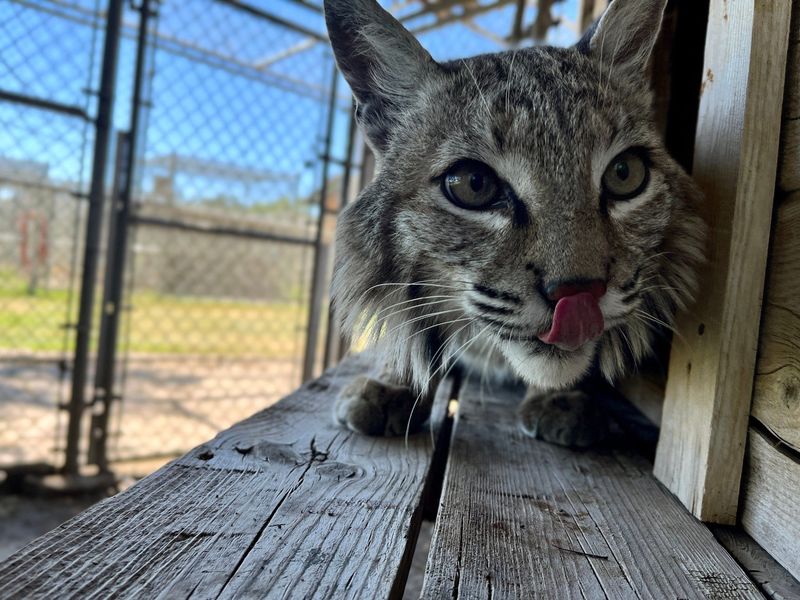
Plenty of “bobcats” turn out to be chunky barn cats. Mistakes are easy at dusk, so knowing a few clues really helps.
Start with size. A bobcat is roughly two to three times bigger than a typical house cat, standing taller on long legs.
Adults in Ohio generally weigh about 15 to 35 pounds, with males larger than females.
Next, check the tail. It’s short, usually around 5 to 7 inches, with a black tip on top and white underneath.
That stubby look earned the animal its name.
The ears are another giveaway. Look for pointed tips, often with small black tufts, plus a white spot on the back of each ear.
Many bobcats also wear a fluffy ruff along their cheeks.
Coats range from gray to reddish-brown, sprinkled with dark spots, especially on the belly and legs.
Did you know mountain lions don’t have breeding populations in Ohio? A long-tailed giant cat is extremely unlikely here.
If you capture a clear photo, ODNR welcomes reports. Your trail camera snapshot could help biologists track where bobcats are spreading.
Backyard Chickens and Small Pets Need a Little Extra Protection
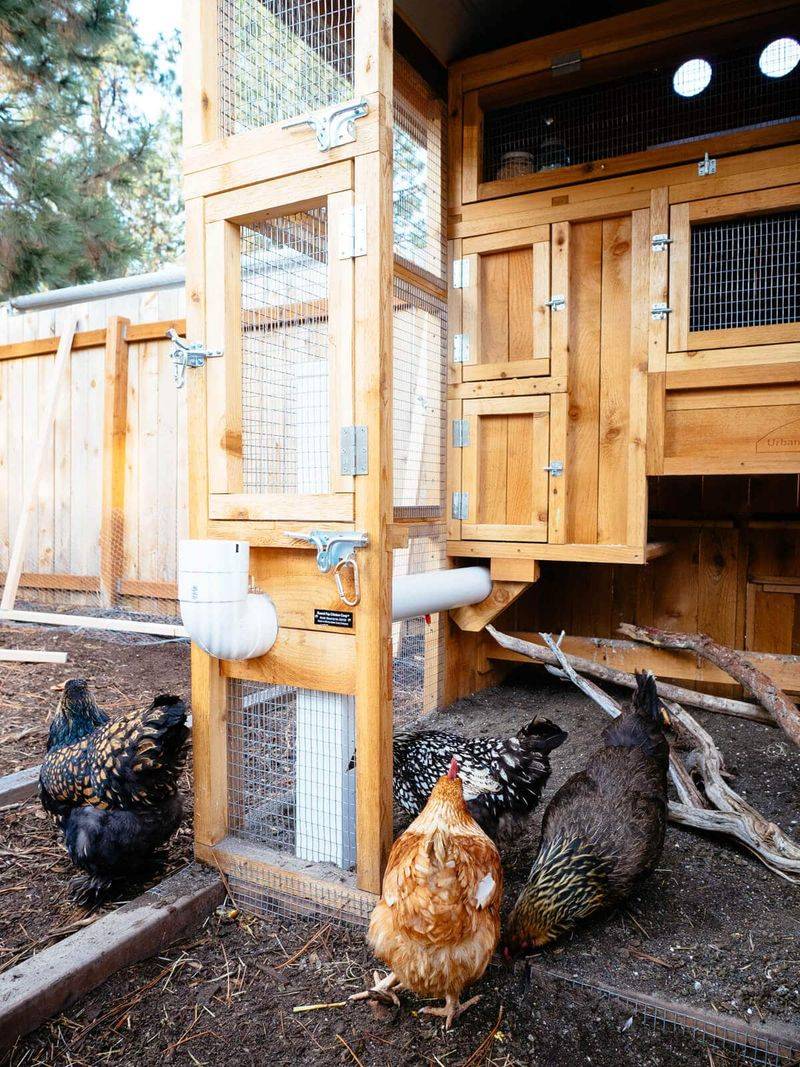
Let’s be honest about the one real worry. Bobcats rarely bother people, but a hungry one may grab a chicken, a rabbit in an outdoor hutch, or a very small cat.
A good coop beats worry every time. Lock chickens inside at night, since bobcats are most active around dawn, dusk, and after dark.
Use hardware cloth instead of chicken wire, which mostly keeps chickens in rather than predators out.
Cover the top of the run as well. Bobcats are excellent climbers and jumpers, and an open run is an invitation.
For pets, the simplest step works best. Keep cats indoors and walk small dogs on a leash, especially early and late in the day.
Bring pet dishes inside after meals.
Rabbit hutches and duck pens deserve sturdy latches and solid floors or buried wire.
I sleep better knowing my hens are tucked in behind a heavy door. These steps also protect against foxes, coyotes, raccoons, and owls, so the effort pays off several ways.
Keeping animals secure is smarter, and kinder, than hoping nothing wanders by.
Bright Lights and a Little Noise Keep a Bold Bobcat Wary
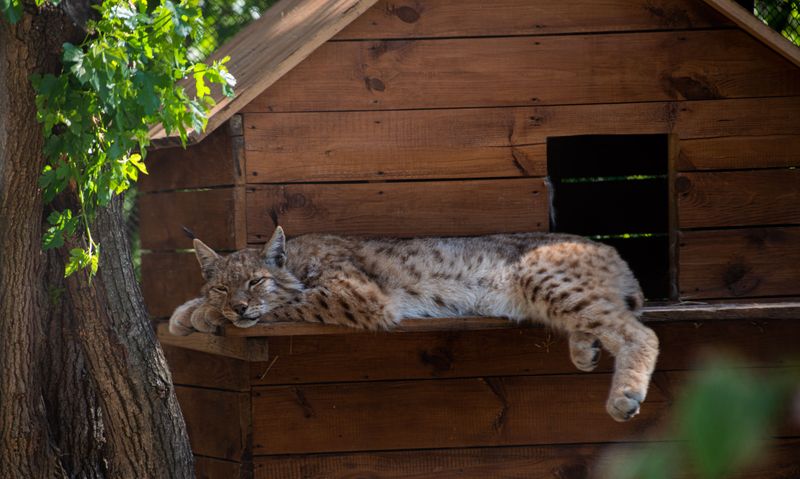
A healthy bobcat should want nothing to do with you. When one lingers in the open or seems too relaxed, gentle hazing helps reset its manners.
Wildlife experts suggest making yourself big and loud. Clap, shout, bang a pot lid, or spray it with a garden hose from a safe distance.
The goal is to remind it that people mean trouble, not snacks.
Motion-activated lights and sprinklers do similar work while you sleep. Startled cats usually choose a quieter route next time.
Trim low branches and clear thick brush close to the house so there are fewer hiding spots. Seal gaps under decks and sheds, where a bobcat might rest during the day.
Please don’t feed bobcats on purpose, even with good intentions. Fed wildlife can lose its natural caution, which often ends badly for the animal.
Keep in mind that bobcats are protected in Ohio. You can’t trap or harm one, and relocation isn’t a do-it-yourself project.
Making your property less inviting is the legal, effective, and humane way to encourage a visiting cat to move along.
Spotted a Bobcat Near Your Home? Report It and Enjoy the Moment
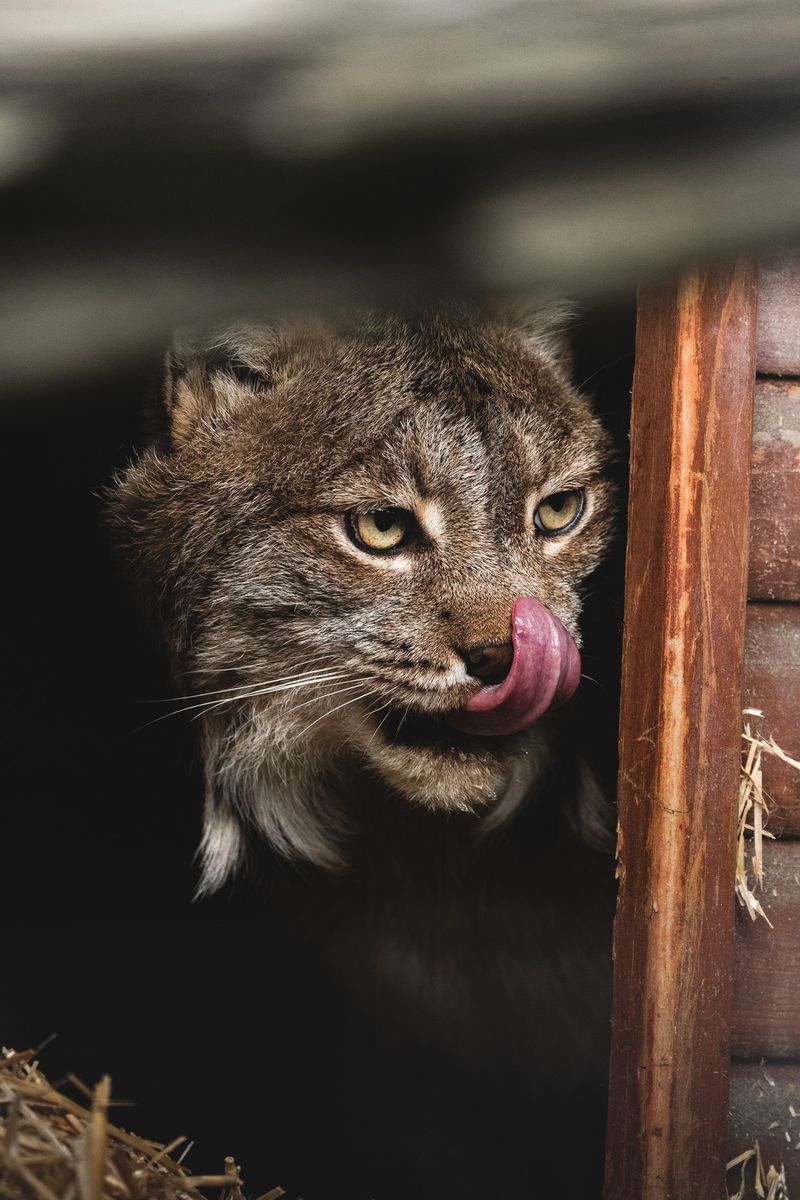
Count yourself lucky. Plenty of lifelong Ohioans have never laid eyes on a wild bobcat, so a sighting is something special.
Watch from a respectful distance and give the cat an easy escape path. Most will slip away within moments.
Grab a photo if you can, but skip the urge to follow it into the woods.
Next, share what you saw. ODNR collects bobcat observations online, and verified photos or videos help biologists map the population.
Trail camera clips, clear tracks, and even roadkill reports all add useful data.
Call your local ODNR Division of Wildlife office if a bobcat seems injured, sick, or unusually aggressive. Patchy fur, stumbling, or approaching people are reasons for an expert to step in.
Licensed wildlife rehabilitators can also offer advice.
Most of the time, though, no call is needed. A bobcat crossing your yard is simply living its life.
I like thinking of these cats as a report card for our land. Their return means forests, fields, and even our gardens are supporting a fuller web of life.
Secure the coop, tidy the feeder, and enjoy the wild neighbor.