Christmas Begonias Dropping Buds In Georgia Homes? The Indoor Temperature May Be To Blame
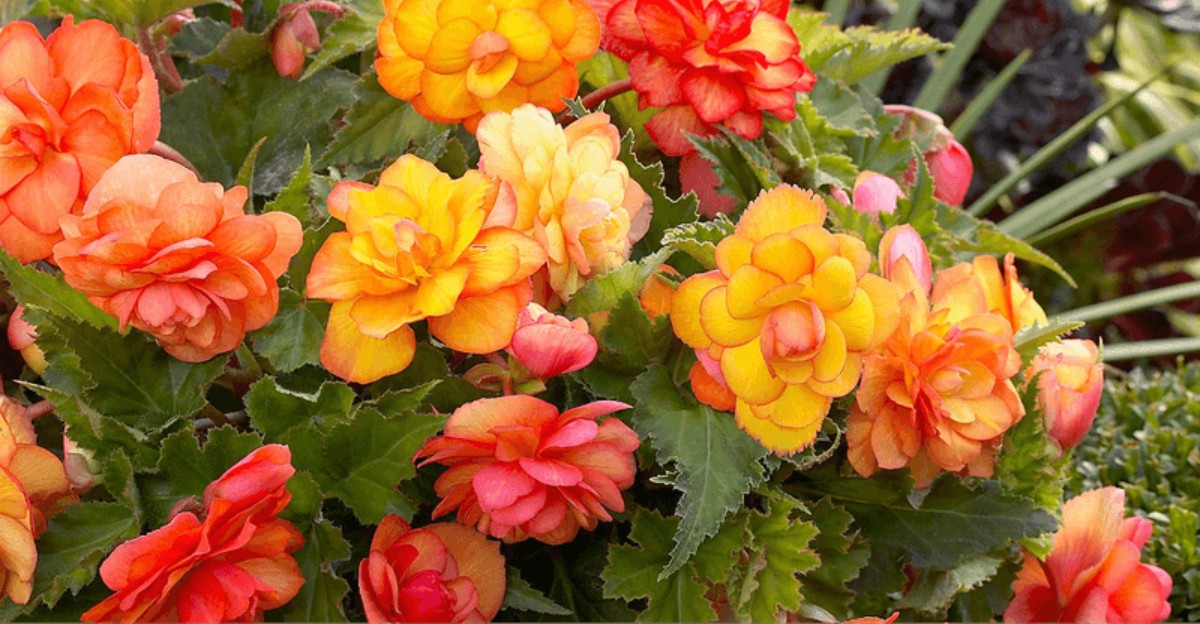
Flower buds can fall off a perfectly healthy plant just because a heater kicked on nearby. That still surprises me every winter.
Growers raise these holiday beauties in cool, carefully managed greenhouses. Then they ride home in a chilly car and land in a toasty living room.
I can’t imagine many houseplants enjoying that kind of whiplash.
Here in Georgia, our winters keep us guessing. One week brings frost in the mountains, and the next feels like spring in Savannah.
Furnaces run hard, then shut off, then run again. Indoor air turns dry and warm while windows stay cold to the touch.
You need to know one thing before you blame yourself. Those scattered buds on the tabletop are usually a message, not a failure.
Your cozy living room might be creating the very conditions that make those holiday flowers fall before they open.
1. Those Fallen Begonia Buds Are Sending You A Signal
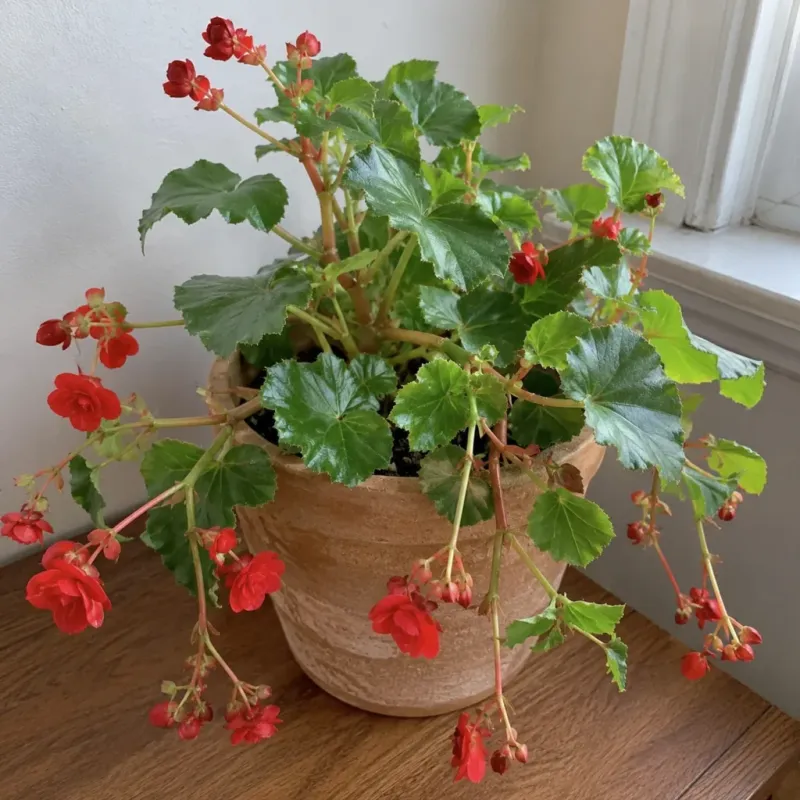
Buds don’t just tumble off for no reason. When a Christmas begonia, often sold as a Rieger or Begonia x hiemalis, drops its unopened flowers, it is reacting to stress.
The plant decides it can’t support those blooms right now, so it lets them go.
In most homes, the biggest trigger is temperature. Sudden swings, whether hot or cold, push these plants into a defensive mode.
A spot that feels pleasant to you at noon can turn stuffy at night when the heat runs, or chilly near a drafty window.
Personally, I think of bud drop as an early warning light on a dashboard. The plant is still alive and usually fixable.
It is simply telling you that something in its surroundings changed too fast.
Other stresses can play a role too. Uneven watering, dry air, and poor light all add pressure.
Often it is a mix of two or three problems at once.
Start your detective work with the thermostat, though. Notice where the plant sits, what blows on it, and how warm the room gets in the evening.
Those clues often point straight to the answer, and the fix tends to be simpler than you expect.
2. Cooler Rooms Keep Rieger Begonia Flowers Going Longer
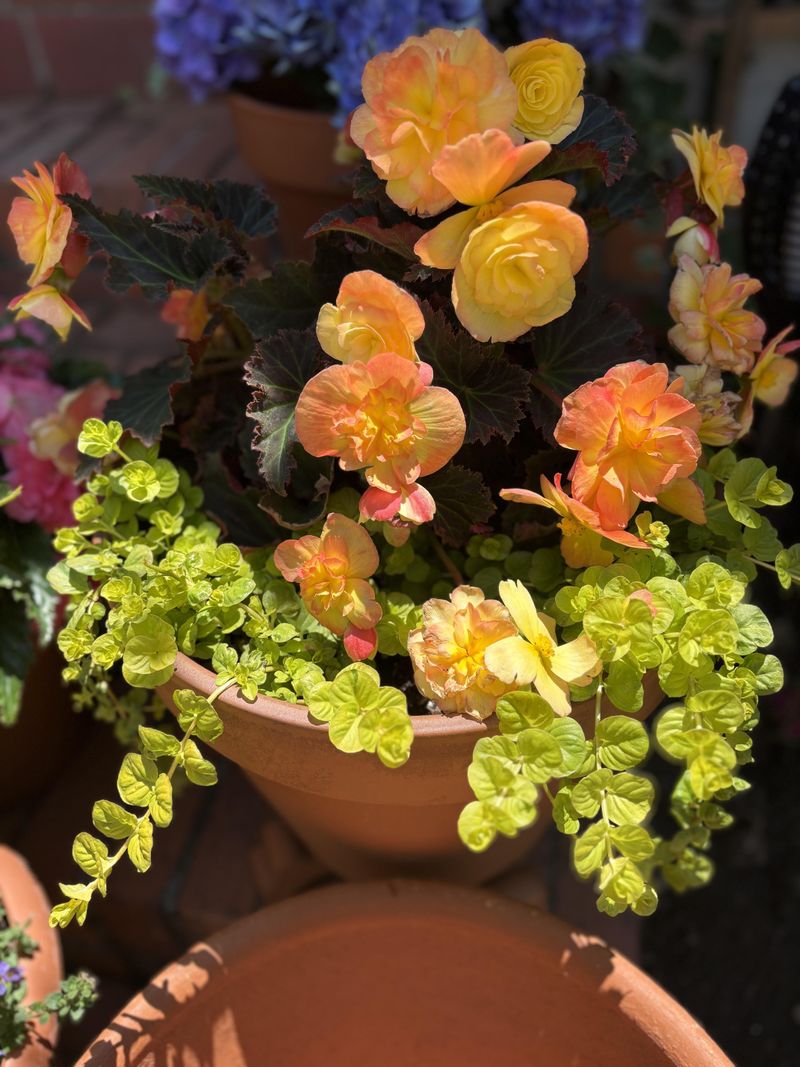
Cool is your friend here. Christmas begonias handle typical home temperatures between about 60 and 75 degrees, but their flowers last longest at the cooler end of that range.
Nights around 60 to 65 degrees seem to suit them best. Warm, stuffy rooms tend to shorten the bloom period and can make buds abort before they ever open.
So that toasty den with the fireplace may be the worst seat in the house.
A guest bedroom, a bright hallway, or a sunroom that stays mild often works better. Many Georgia families lower the thermostat at night anyway, which can help your plant without any extra effort.
Try this simple test. Set an inexpensive thermometer next to the pot for a few days.
Check it in the morning, the afternoon, and late evening.
If readings climb into the upper 70s or higher, move the plant somewhere cooler. If they drop below the mid-50s, it is too chilly.
You are aiming for steady and mild, not hot and not cold.
Honestly, I love how such a small change can stretch the show by weeks. A cooler spot is free, and your blooms will thank you.
3. Heating Vents And Drafty Doors Can Rattle A Holiday Begonia
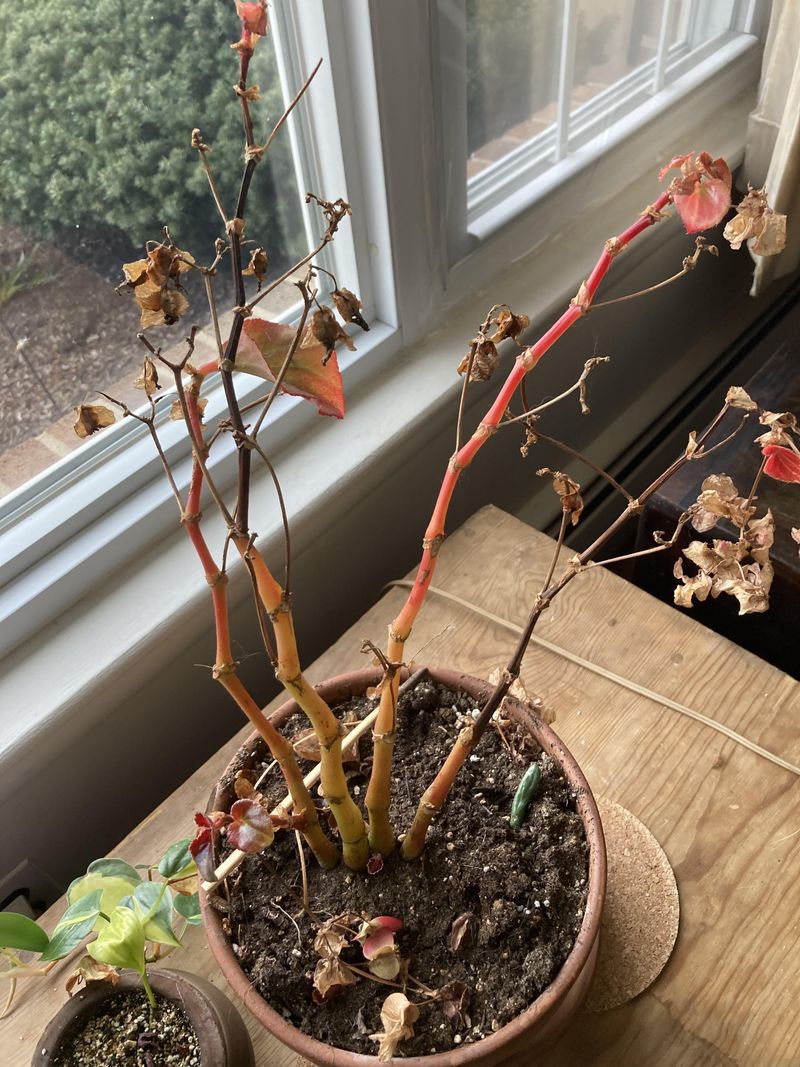
Blasts of hot air are rough on tender buds. A begonia sitting above a floor register or beside a space heater gets cooked every time the system kicks on, then cools down when it shuts off.
That up-and-down pattern is exactly the kind of swing that causes bud drop. Dry, heated air also pulls moisture from the leaves and petals quickly.
Cold drafts cause trouble from the other direction. A front door that opens to let in December air, or a single-pane window on a frosty north Georgia night, can chill foliage fast.
Leaves pressed against cold glass may even show damage.
So take a slow walk around your plant. Hold your hand near it when the heat runs.
Do you feel warm air moving? Check for chilly spots near doors and windows too.
The best location feels calm and still. Keep the pot a few feet away from vents, radiators, fireplaces, and exterior doors.
Pull it back slightly from windows on the coldest nights.
You don’t need a perfect room. You just need to cut out the extremes.
Once the air around the plant settles down, the buds usually do too.
4. Fresh From The Greenhouse Begonias Need Time To Settle In
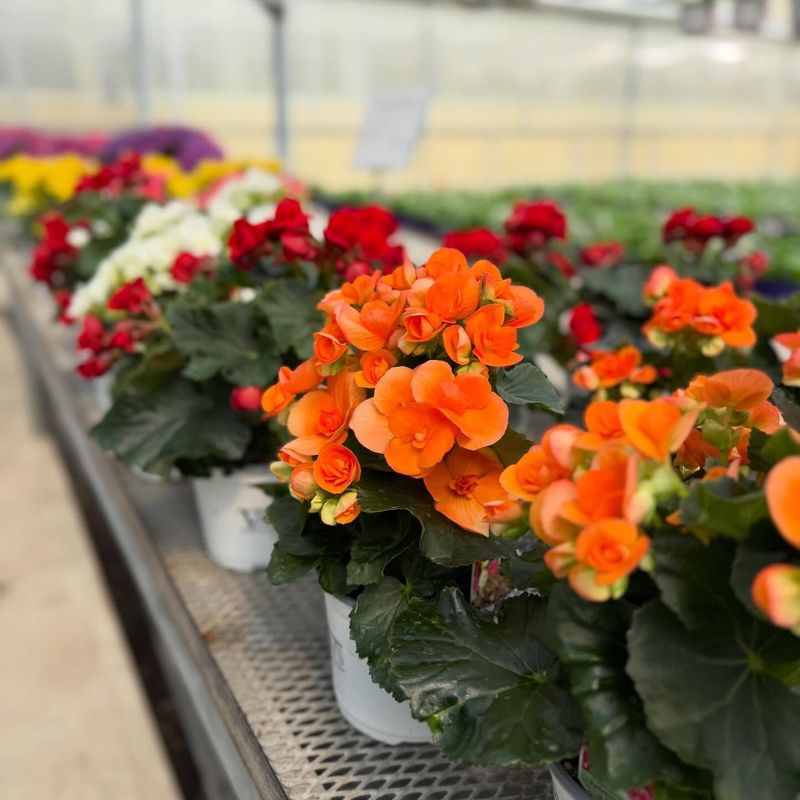
Life in a commercial greenhouse is pampered. Growers carefully control light, warmth, and humidity, so plants arrive at the store looking flawless.
Then comes the trip home. A cold parking lot, a car that warms up slowly, and a living room with totally different conditions can all happen within an hour.
That shock is a common reason new plants drop buds or a few leaves in their first week or two.
Protect your begonia on the way out of the store. Keep it in its sleeve or a bag on cold days, and don’t leave it waiting in a chilly car while you run errands.
Once home, choose its spot right away and leave it there. Moving it from room to room while you decide where it looks prettiest only adds more stress.
Expect a little shedding even when you do everything right. A few lost buds during the adjustment period are normal and not a sign of trouble.
Give it some patience. After the plant adapts, new growth and remaining buds usually carry on.
I like to think of this phase as the plant unpacking its suitcase and getting comfortable.
5. Soggy Or Bone Dry Potting Mix Leads To Shedding Buds
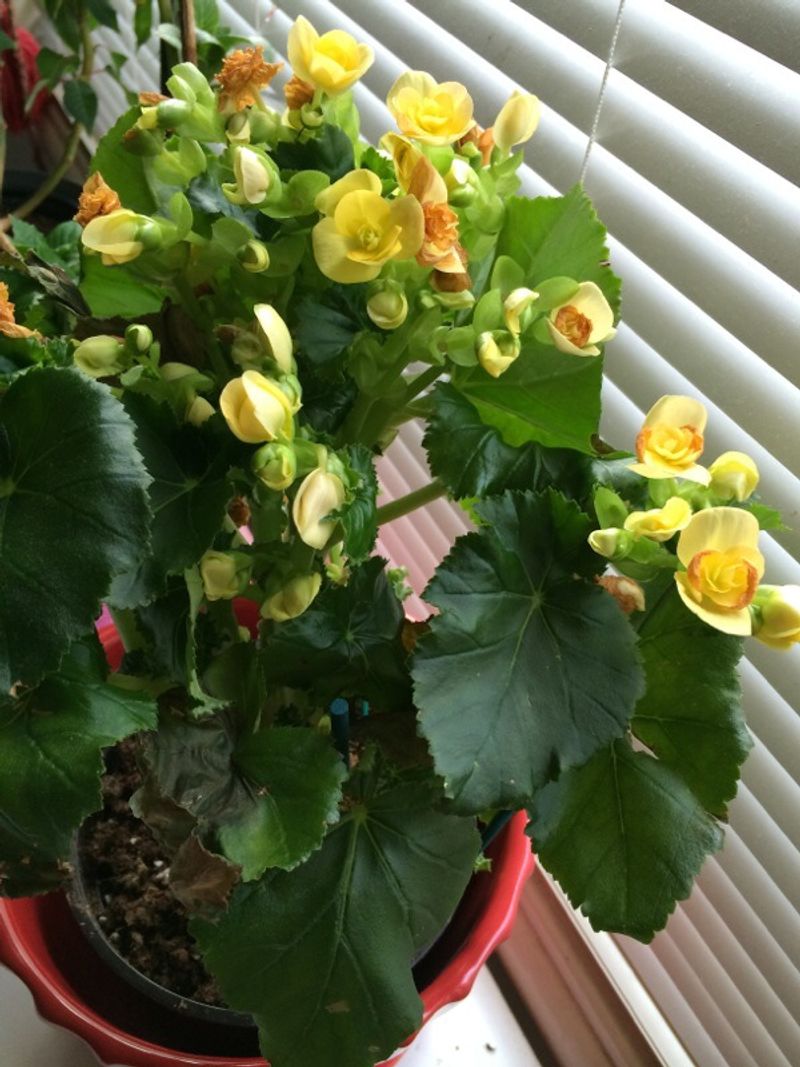
Water mistakes rank right behind temperature. Christmas begonias like soil that stays lightly moist, but they really dislike sitting in a soggy pot.
A simple finger test works well. Push a finger into the mix, and when the top inch feels dry, water thoroughly until a little drains out the bottom.
Then empty the saucer so roots aren’t left standing in water.
Too much water is often the bigger danger. Wet, airless soil invites root rot, and struggling roots can’t support flowers.
Stems may go soft at the base, and buds fall.
Letting the plant wilt hard between drinks also causes problems. A begonia that swings from parched to drenched gets stressed just like one facing temperature swings.
Heated homes dry pots faster than you might guess. Check every few days rather than following a strict calendar.
Watch for decorative foil wrappers too. Those shiny sleeves look festive, but they often trap water at the bottom.
Poke holes in them or slip the pot out when watering.
Fun fact for you. Rieger begonias trace back to crosses between tuberous begonias and Begonia socotrana, a species from the island of Socotra, so they come by their fussy nature honestly.
6. Dry Winter Air Can Shrivel Begonia Buds Before They Open
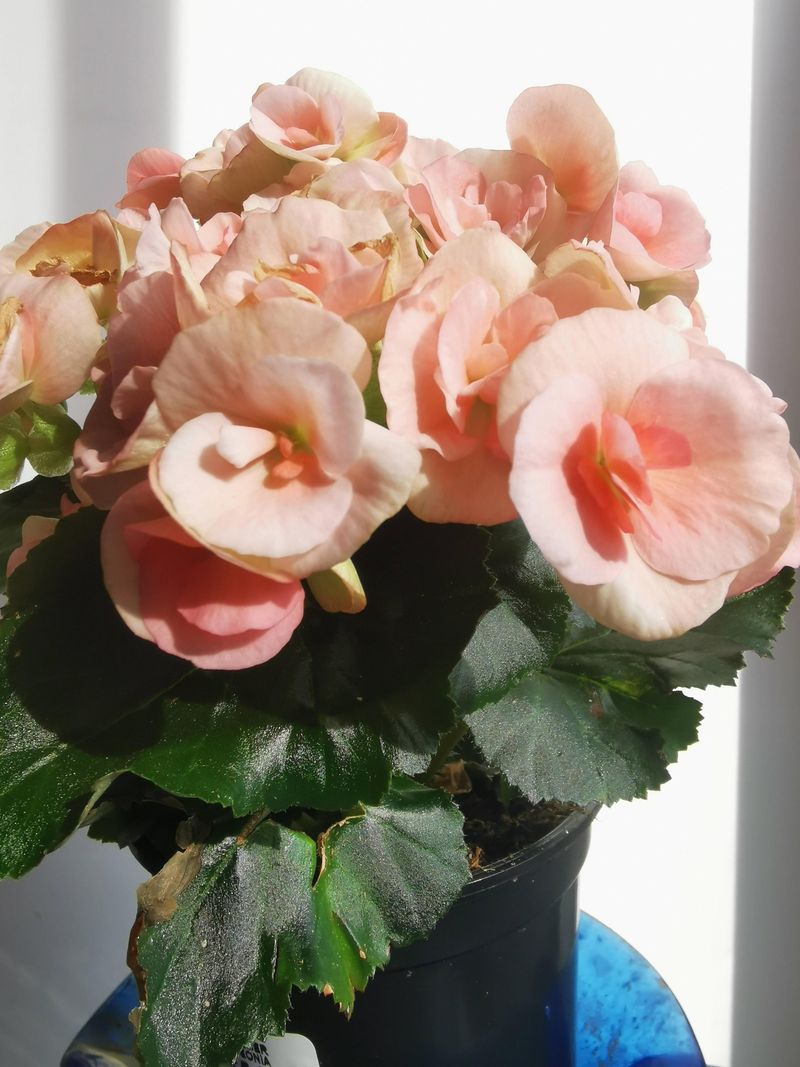
Furnaces don’t just warm the house. They also dry out the air, sometimes to levels well below what these plants enjoy.
Christmas begonias do best with moderate humidity, roughly around 50 percent or a bit higher. Bone-dry air can leave buds crispy around the edges, and some will simply drop before they color up.
A pebble tray is an easy fix. Fill a shallow tray with gravel, add water just below the top of the stones, and set the pot on it.
As the water evaporates, it raises moisture right around the plant.
Grouping houseplants together helps a little too. A small room humidifier works even better if you already have one running for your own comfort.
Skip misting the leaves, though. Begonias are prone to powdery mildew, and wet foliage without good airflow can invite fungal spots.
Keep moisture in the air, not sitting on the leaves.
Airflow matters as much as humidity here. Give the plant a little room so air moves gently around it.
I find it funny that the same dry air making my lips chap is bothering my begonia. Fix one, and you often help both.
7. A Bright East Window Gives Christmas Begonias Just Enough Light
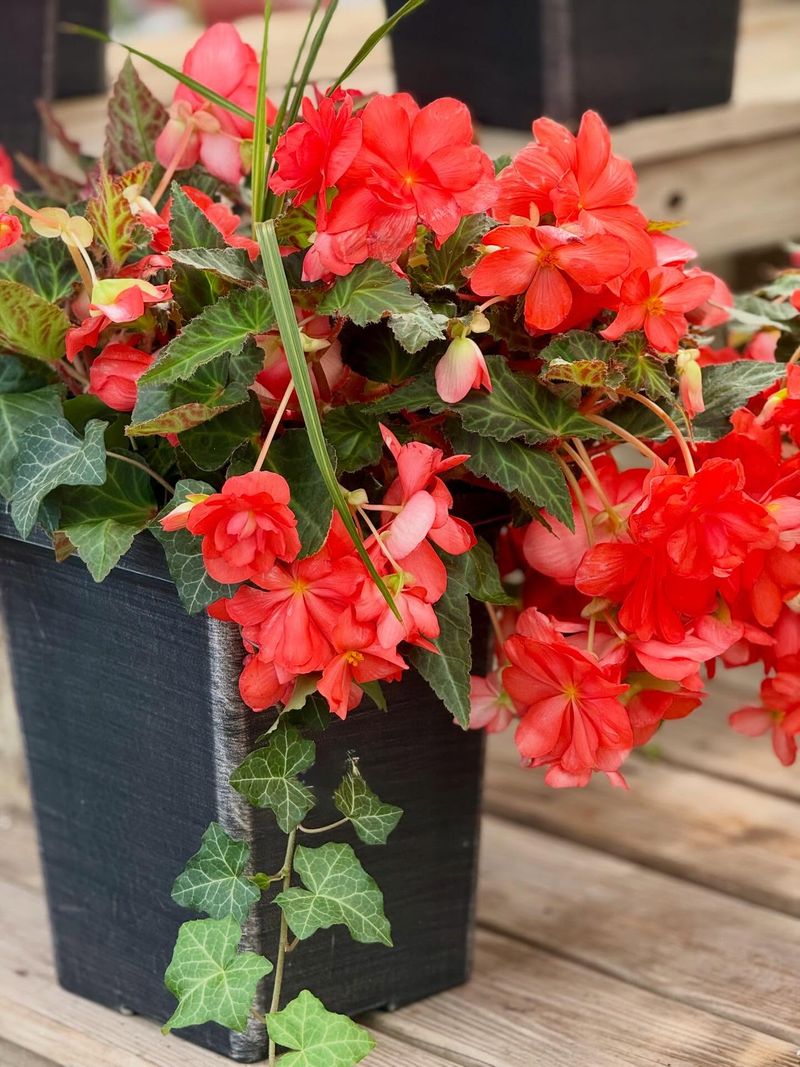
Light keeps the flower factory running. Without enough of it, buds may stall, fade, or fall before opening.
Christmas begonias prefer bright, indirect light. An east-facing window with gentle morning sun is often perfect.
A south or west window can work too, especially with a sheer curtain to soften the glare.
Short winter days in Georgia mean less natural light indoors than in summer. A plant tucked into a dim corner may look fine for a week, then start dropping buds as it runs low on energy.
On the flip side, harsh direct sun can scorch leaves and petals. Hot glass also raises the temperature right next to the plant, which brings us back to the heat issue.
So aim for the sweet spot. You want a room that feels bright enough to read in comfortably without a lamp during the day.
Turn the pot a quarter turn every week or so. Doing that keeps growth even, so one side doesn’t lean toward the window.
If your home is dark, a simple LED grow light a foot or so above the plant can make a real difference in winter.
8. A Simple Rescue Routine Keeps Your Begonia Blooming Through Winter
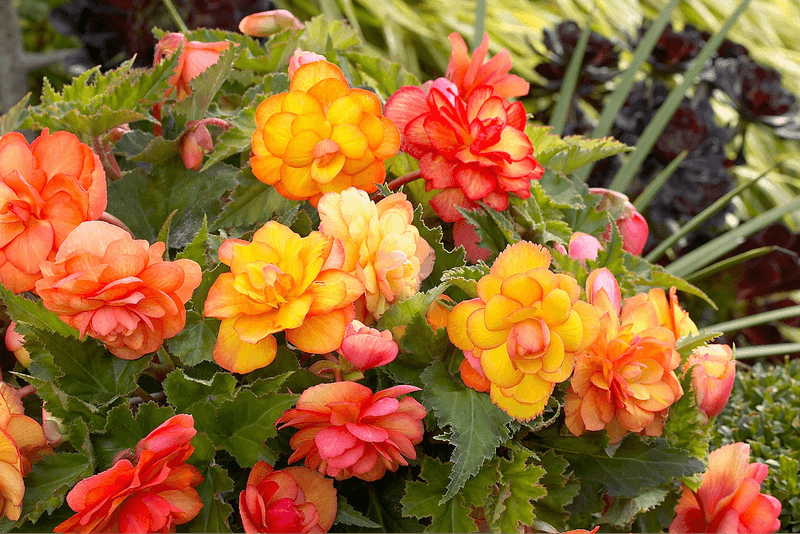
Bud drop rarely means the end of the show. Most begonias bounce back once their surroundings settle down.
Start by moving the plant somewhere mild and steady, ideally in the 60s, away from vents and drafts. Make sure it gets bright, indirect light.
Then check the soil and water only when the top inch feels dry.
Pinch off spent flowers and fallen buds. Cleaning them up looks nicer and lowers the chance of gray mold, which likes decaying petals.
Look under the leaves while you’re at it. Mealybugs, aphids, and whiteflies can stress plants too, so rule them out.
Don’t rush to fertilize a plant in bloom that is already stressed. Feeding won’t fix temperature or water problems.
Once it steadies and keeps growing, a diluted houseplant fertilizer every few weeks can help.
Keep realistic expectations. Many Rieger begonias are grown as seasonal plants and can be tricky to rebloom, so enjoying them for several weeks or months is a fine result.
My best advice is to change one thing at a time. Then watch for a week.
You’ll learn what your plant likes, and your home will stay colorful longer.