Picking Up A Pretty Feather In Your Indiana Yard Isn’t As Harmless As It Seems
A single blue jay feather sitting on your porch rail can be illegal to keep. Not going to lie, that one surprised me more than any garden pest ever has.
The rule comes from a federal law passed in 1918, back when fancy hats were trimmed with whole birds. Millions of herons, egrets, and songbirds were taken just for their plumes.
I used to keep a little jar of found feathers on my potting bench in Indiana. Cardinal red, robin orange, a striped hawk feather I was weirdly proud of. I had no clue the law covered feathers that simply dropped to the ground.
So which feathers are fine to pocket, and which ones belong back in the grass? The answer depends on the bird, and a few common backyard visitors might surprise you.
That Bright Cardinal Feather Comes With Strings Attached
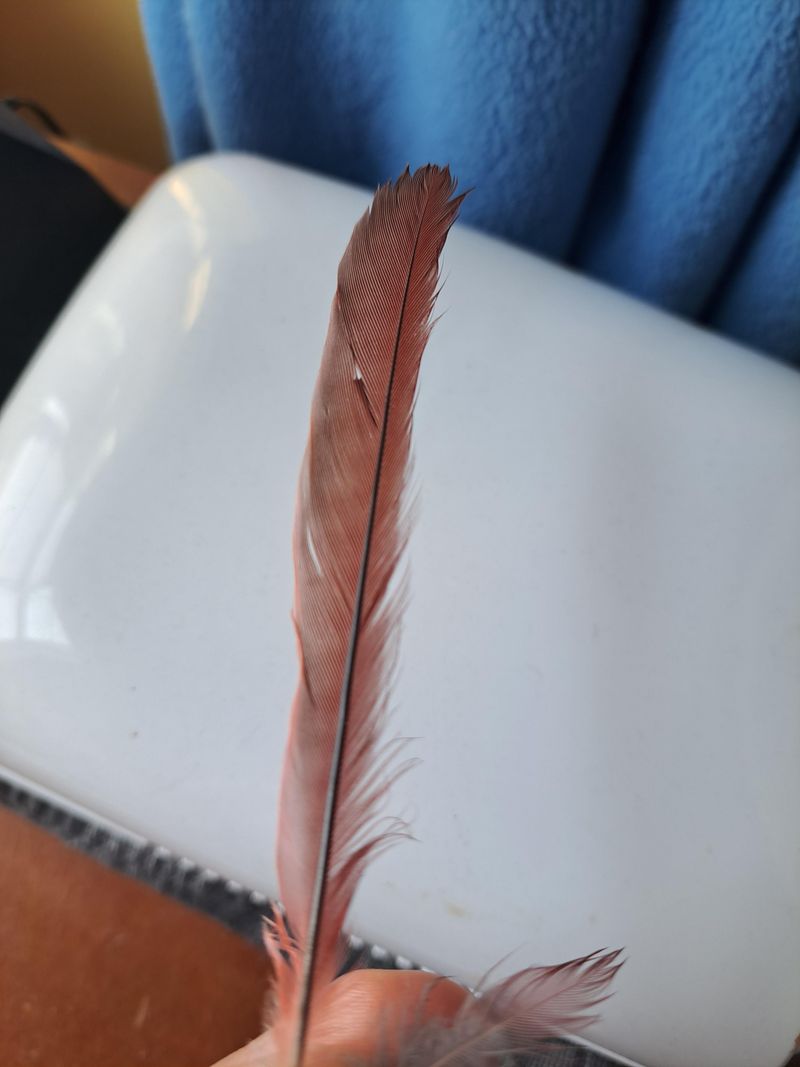
My first lesson came from a cardinal. I found a perfect scarlet feather under my bird feeder and tucked it into a seed packet without a second thought.
Turns out, keeping that feather breaks federal law. The northern cardinal is protected under the Migratory Bird Treaty Act, even though most cardinals stay in Indiana all year. The law covers the bird itself, plus its nests, eggs, and any part of its body, including feathers.
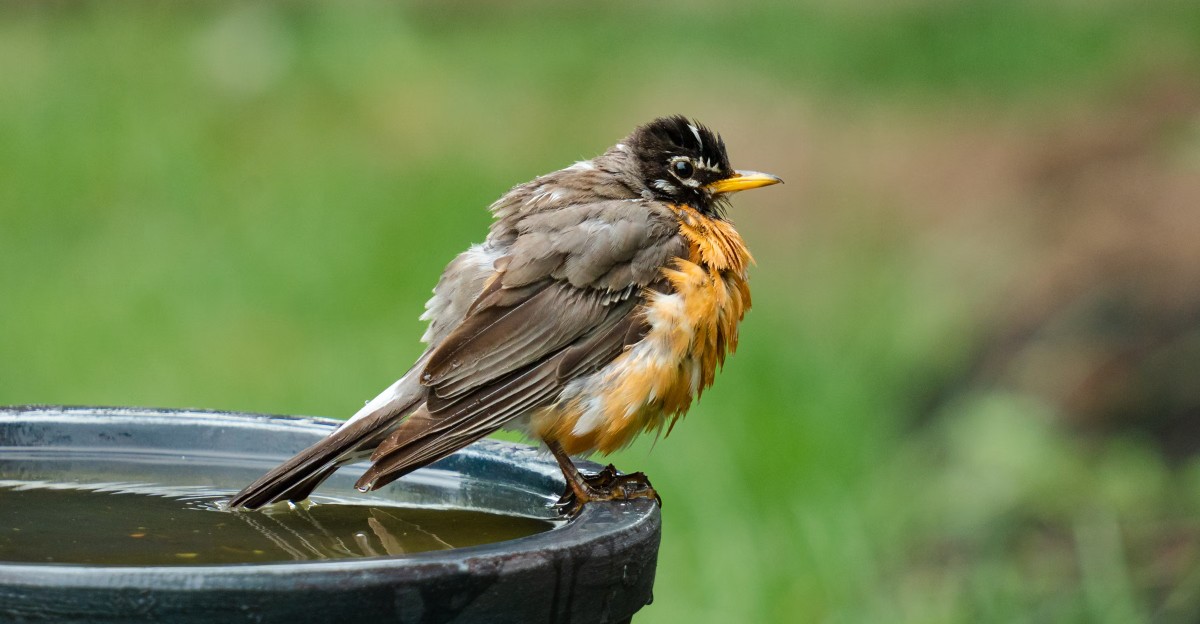
Plenty of folks assume the rule only applies to rare or endangered birds. In reality, it covers the everyday visitors you see at your feeder each morning. Robins, blue jays, chickadees, goldfinches, and woodpeckers all fall under the same protection.
Here is what surprises gardeners most. How you got the feather does not matter. A feather that floated down during a summer molt is treated the same as one taken from a bird.
Enforcement against casual backyard finders is rare, and wildlife officers usually focus on selling, trading, and poaching. Still, rare does not mean allowed. Knowing the rule helps you make an honest choice the next time a flash of red catches your eye near the flower bed.
A 1918 Law Born From Feathered Hats Still Protects Your Songbirds
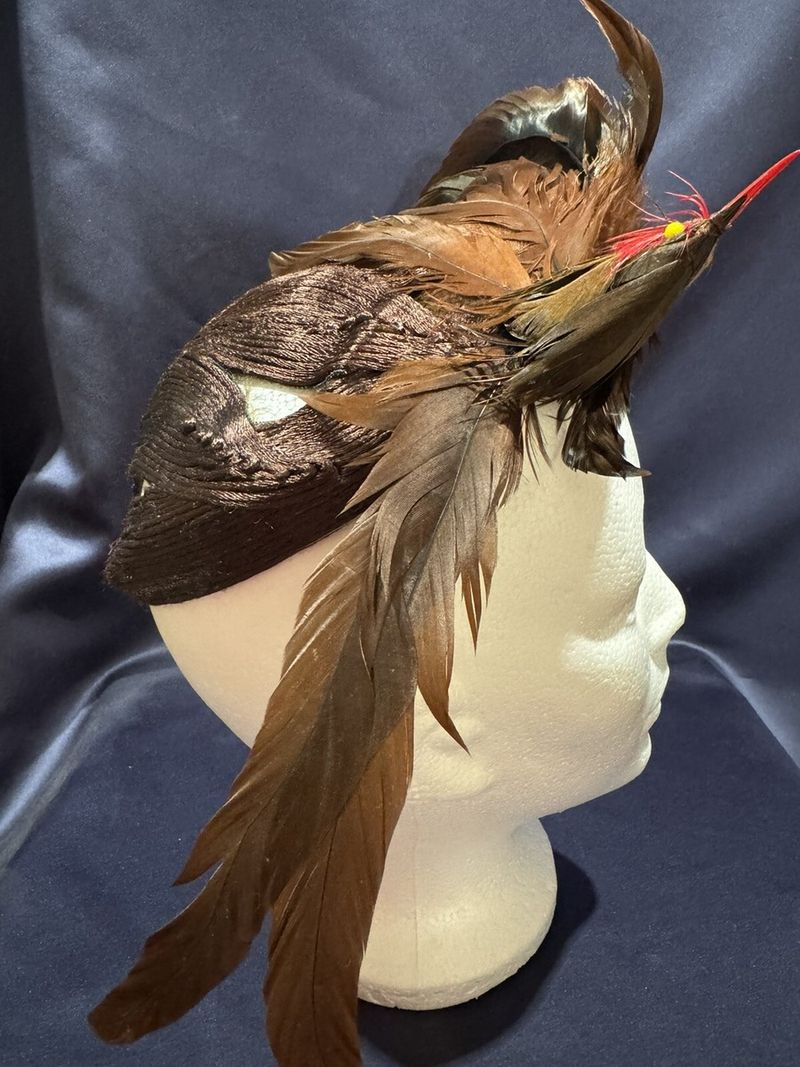
Back around 1900, a lady’s hat could carry an entire stuffed songbird. Egret plumes were worth more than their weight in gold at one point, and hunters wiped out whole nesting colonies to supply the fashion trade.
People got fed up. Early bird lovers, including the founders of what became Audubon societies, pushed hard for change. In 1918, Congress passed the Migratory Bird Treaty Act, built on a 1916 treaty with Great Britain on behalf of Canada.
Mexico, Japan, and Russia later signed similar agreements. Today, the U.S. Fish and Wildlife Service enforces the law and keeps an official list of protected species.
The act makes it unlawful to take, possess, sell, buy, barter, or transport protected birds or their parts without a permit. That word possess is the one that catches feather collectors off guard.
I find this history oddly comforting. Those snowy egrets and great blue herons wading in Indiana wetlands bounced back largely because of this law. Each time I leave a feather in the grass, I like remembering it connects to one of the earliest wildlife conservation wins in the country.
Why Officers Can’t Tell A Molted Robin Feather From A Poached One
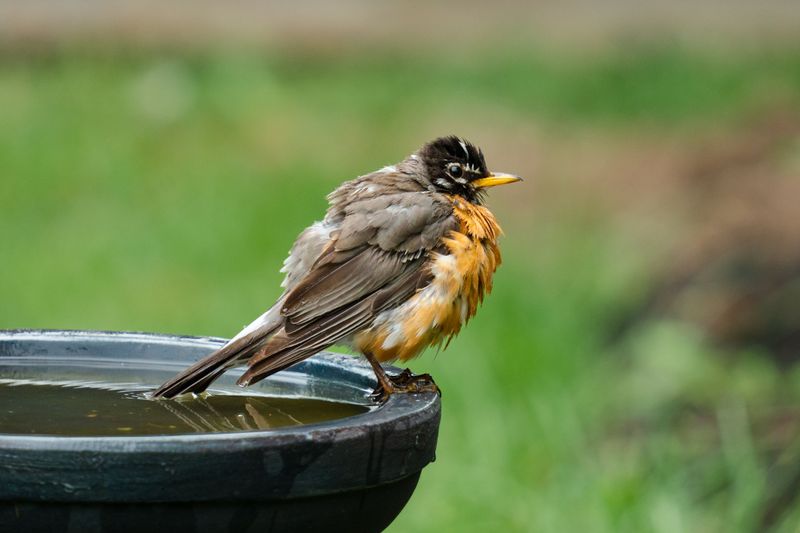
Fair question time. If a robin drops a feather naturally, who gets hurt when you keep it?
Nobody, honestly. The trouble is proof. A wildlife officer looking at a feather in your drawer cannot tell whether it fell during a normal molt or came from a bird someone harmed on purpose.
That gap is exactly what the law was written to close. If molted feathers were legal, anyone caught with illegal bird parts could simply claim they found them on the ground. A blanket rule removes that excuse and makes the illegal feather trade much harder to hide.
Birds shed feathers all the time, so you will find plenty. Most songbirds go through a major molt in late summer after nesting season wraps up. That is why August and September yards can look like a pillow fight happened overnight.
I get the frustration, because it feels unfair to the honest gardener. Still, the logic holds up once you see it from an enforcement angle. Think of it like a store policy that applies to every customer, even the polite ones who would never cause trouble.
Hawk And Eagle Feathers Carry The Heaviest Penalties
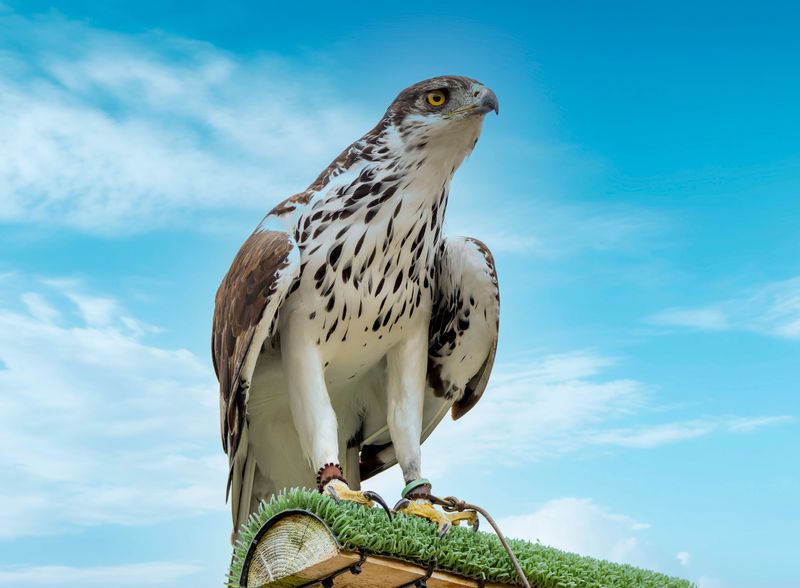
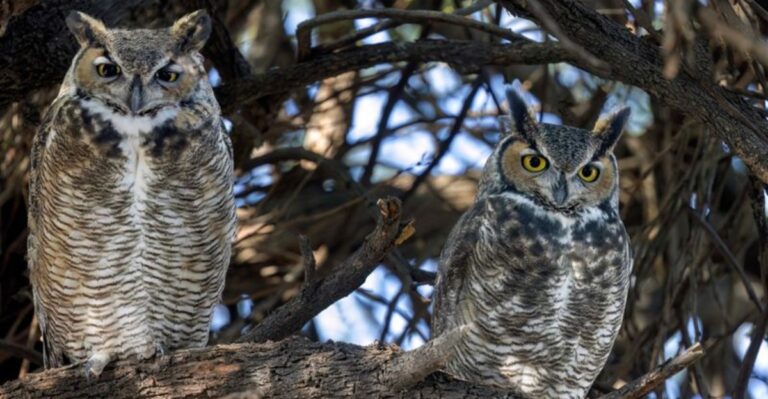
Raptor feathers are the showstoppers. A banded red-tailed hawk tail feather or a striped owl feather is hard to walk past.
Unfortunately, those are among the riskiest to keep. Hawks, owls, falcons, and vultures are all covered by the Migratory Bird Treaty Act. Under federal law, a misdemeanor violation can bring fines up to $15,000 and up to six months in jail, though penalties vary by case.
Eagles sit in a stricter category. Bald and golden eagles are also protected by the Bald and Golden Eagle Protection Act of 1940. A first offense can mean fines up to $100,000 for an individual and up to a year in prison.
Bald eagles have made an impressive comeback in Indiana, nesting near rivers and reservoirs across much of the state. More eagles means more chances to stumble on a giant brown feather near the water.
Members of federally recognized tribes can request eagle feathers for religious use through the National Eagle Repository in Colorado. For everyone else, admiring is the only legal option. Snap a photo, note the spot, and let that impressive feather stay right where the bird dropped it.
Starling, House Sparrow, And Pigeon Feathers Are Fair Game
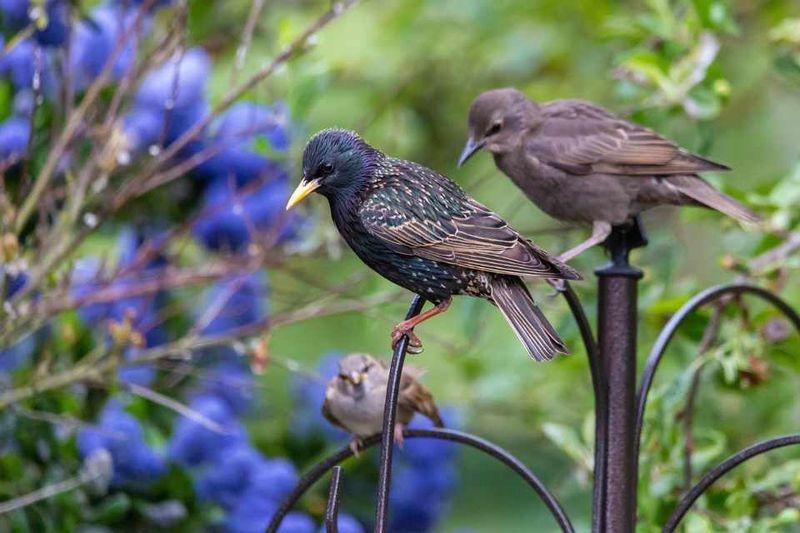
Guilty as charged, I celebrated a little when I learned this part. A few feathers really are legal to collect.
The Migratory Bird Treaty Act protects native species. European starlings, house sparrows, and rock pigeons were brought here from overseas, so they are not covered. Their feathers are fair game for your craft box.
Starling feathers are prettier than people expect. Up close, they shimmer purple and green, and winter feathers carry tiny white spots like a starry sky.
Domestic birds are fine too. Chicken, duck, and turkey feathers from a backyard flock are not protected by the act, so you can use them freely.
Wild game birds work differently. Wild turkeys and ring-necked pheasants taken legally during an Indiana hunting season can usually be kept by the licensed hunter. Selling those parts may be limited, so check state rules before listing anything online.
The catch is identification. A starling feather and a native blackbird feather can look alike, and a mourning dove feather resembles a pigeon feather. If you are not sure which bird dropped it, treat it as protected. Guessing wrong is not worth the headache.
Piles Of Bird Feathers Under Your Feeder Mean Wash Your Hands
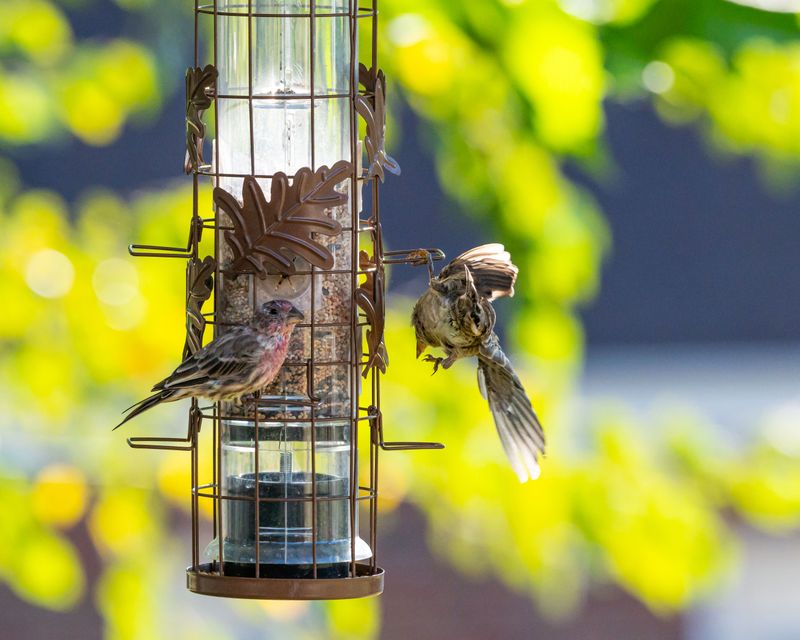
Legal trouble is only half the story. Feathers can also carry germs and tiny pests.
Birds can harbor feather mites and lice, and droppings on feathers may carry bacteria like Salmonella. Avian influenza has also been reported in wild birds across Indiana in recent years. Health officials advise against handling sick or deceased wild birds with bare hands.
One loose feather is low risk, especially if you wash up afterward. A big pile of feathers is a different scene.
That fluffy circle under your feeder usually means a Cooper’s hawk or sharp-shinned hawk caught a meal. Hawks pluck their prey before eating, which leaves a dramatic ring of feathers behind. It looks alarming, but it is normal predator behavior.
If you spot several sick or deceased birds in one area, report it. The Indiana Department of Natural Resources tracks wildlife health and has an online reporting tool.
A few simple habits help. Wear gloves when cleaning feeders, scrub them with a diluted bleach solution every couple of weeks, and keep kids from tucking feathers into pockets. A quick soap-and-water scrub after garden chores goes a long way.
Snap A Photo Of That Blue Jay Feather Instead Of Pocketing It
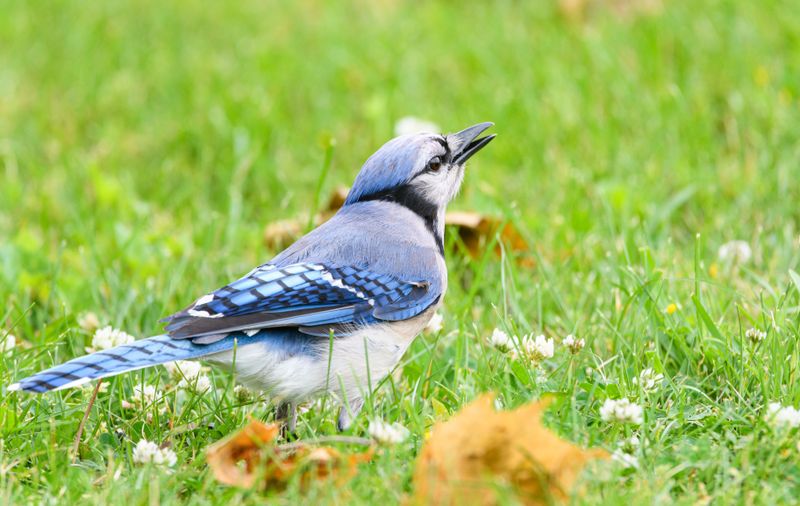
Every fall, I now keep a feather journal on my phone. It scratches the same itch as a jar on the windowsill, with zero legal worries.
Start by photographing feathers right where they land. Place a coin or ruler beside each one for scale. Those details make identification much easier later.
The U.S. Fish and Wildlife Service Forensics Lab runs a free online Feather Atlas. You can match colors, sizes, and patterns to figure out which bird dropped it. Kids love turning this into a backyard detective game.
Want more birds dropping feathers near you? Plant native shrubs and perennials like serviceberry, purple coneflower, and black-eyed Susan. They offer seeds, berries, and insects that local songbirds need.
A shallow birdbath helps too, especially during hot July stretches. Clean water draws robins and bluebirds in for regular visits.
If you already have a stash of native feathers, the simplest move is returning them outdoors. Scattering them in a garden bed lets them break down naturally.
Leaving a feather behind can feel like a small loss. Trust me, watching the bird it came from return to your yard each spring feels much better.