Why Feeding Deer In Your Virginia Backyard Could Help Spread “Zombie Deer” Disease
A deer can look sleek and healthy for over a year while quietly shedding infectious proteins in its saliva. Those proteins can cling to soil for years, and scientists still have no vaccine or cure to stop them.
Virginia confirmed its first case in Frederick County back in 2009, and the map has grown since then. Wildlife biologists now track positive deer across a growing list of counties, so the problem is close to home.
I used to toss apple cores and a scoop of corn past my tomato beds for the does at dusk. Watching them tiptoe in felt like a sweet reward for a long day of weeding in my Virginia garden.
After I read what wildlife agencies say about backyard feeding, that cozy habit started to look very different. So what could a harmless pile of snacks possibly have to do with a slow, creeping deer illness?
Backyard Deer Feeders Pack Herds Into Tiny Spaces
A pile of corn under my maple once drew eleven deer, and they jostled like shoppers at a sale. Noses bumped and ears flicked, and nobody seemed to care about personal space around that golden heap.
Wild deer usually spread out to browse, nibbling acorns and twigs across a wide home range each day. A feeder flips that pattern by pulling many animals into one small patch of ground for hours.
Chronic wasting disease spreads through direct contact, and saliva is one of the main ways infectious prions move between deer. When animals sniff noses and share the same mouthfuls, each visit becomes a chance for that transfer.
Mothers and fawns already share close quarters, but feeders add neighbors from other family groups into the mix. That means one sick doe could pass prions to deer she would rarely meet out in the woods.
My advice is simple, so skip the corn and let deer find natural food scattered across the landscape. Plant native shrubs like serviceberry farther from your house, and you still get lovely views without crowding.
You may see fewer deer at one time, yet that spacing helps the whole herd stay healthier over the years. Honestly, a single doe drifting past at sunrise feels more magical to me than a crowd.
Prions Can Linger In Backyard Soil For Years
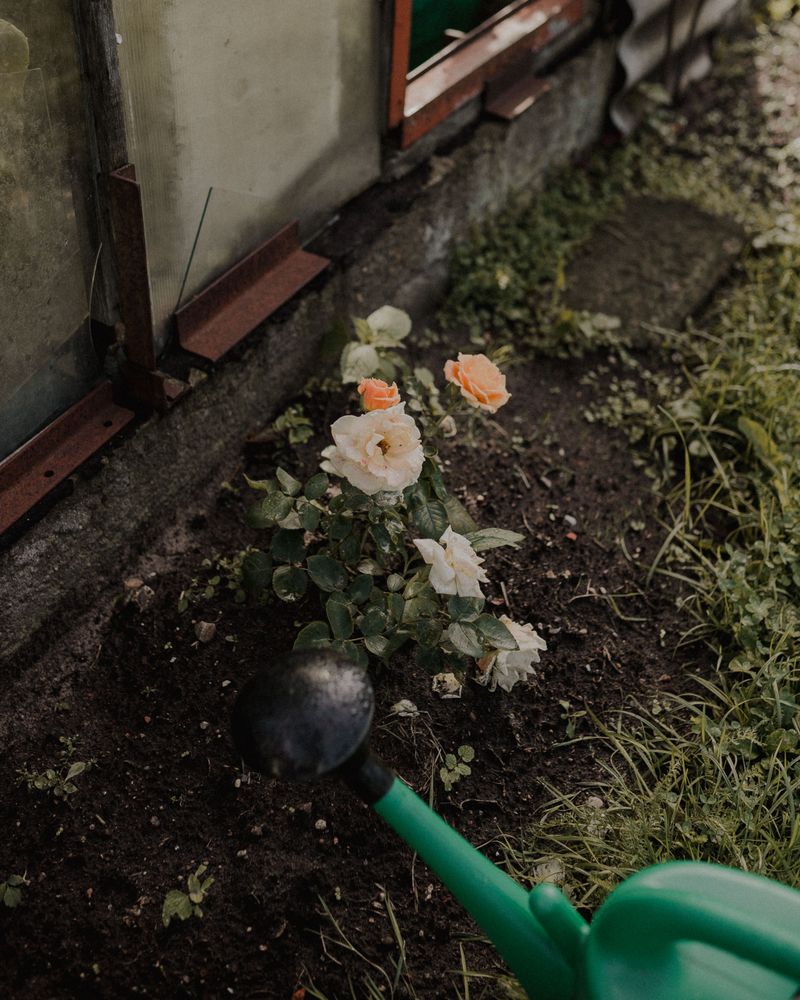
Soil in a garden bed usually feels like a fresh start every spring, but prions do not follow that schedule. These misfolded proteins bind tightly to clay and other soil particles, and they can stay infectious for years.
Scientists studying wild herds believe contaminated ground helps explain why the illness keeps showing up in the same areas. Deer swallow small amounts of dirt while grazing, so a former feeding spot can quietly expose new animals.
Lab studies have even shown that grass plants can take up prions from tainted soil and hold them in leaves. That research came from controlled experiments, so scientists are still learning how often it happens outdoors in real yards.
I find this humbling as a gardener because I trust my soil to heal almost anything with time. Compost and patience fix a lot of problems, yet they do not reliably break down these stubborn proteins.
That is the main reason experts urge prevention instead of cleanup once prions have reached a site. Keeping deer from gathering on one patch day after day limits how much material builds up there.
If you have hosted a feeder for years, consider turning that spot into a fenced pollinator bed instead. You still get beauty and buzzing bees, while deer lose their reason to keep returning to that ground.
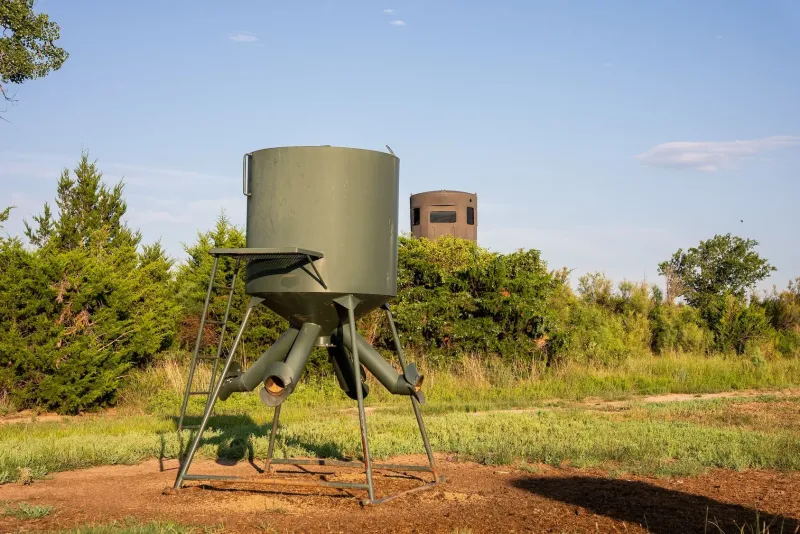
Saliva And Droppings Turn Deer Feeders Into Germ Hotspots
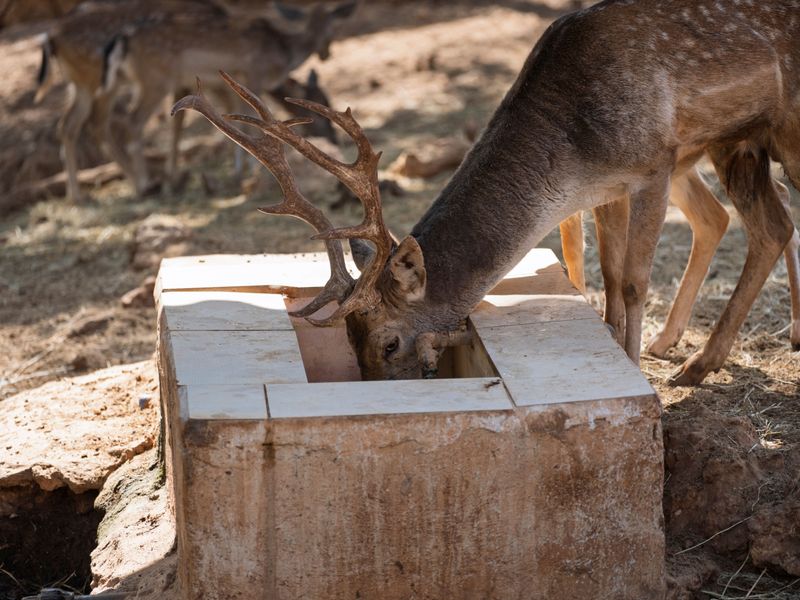
Every drool-slicked kernel left in a feeder tray can carry something far worse than a little deer spit. Researchers have found that infected deer shed prions in saliva and waste, often long before any symptoms appear.
Those prions settle onto the feed itself and the ground around it, where the next hungry visitor arrives. A healthy deer only needs to nibble the wrong kernel or lick the wrong spot to pick them up.
Unlike many germs, prions shrug off sunshine and ordinary cleaning, so a feeder can stay risky for a long time. Even after an infected deer wanders away, what it left behind keeps waiting quietly at the feeding spot.
I find that part unsettling because the deer at my feeder looked perfectly fine every single evening. Infected animals can appear healthy for months, so you simply cannot judge risk by watching them eat.
If you already have a feeder, take it down and bag any leftover feed for the trash. Wear gloves while you work, and rake up spilled grain so deer stop checking the old spot.
Then give the area a rest and let grass or native groundcovers fill in over the coming months. Your birds and pollinators will still find plenty to enjoy without a crowd of deer licking the tray.
Salt Licks And Mineral Blocks Become Shared Contamination Sites
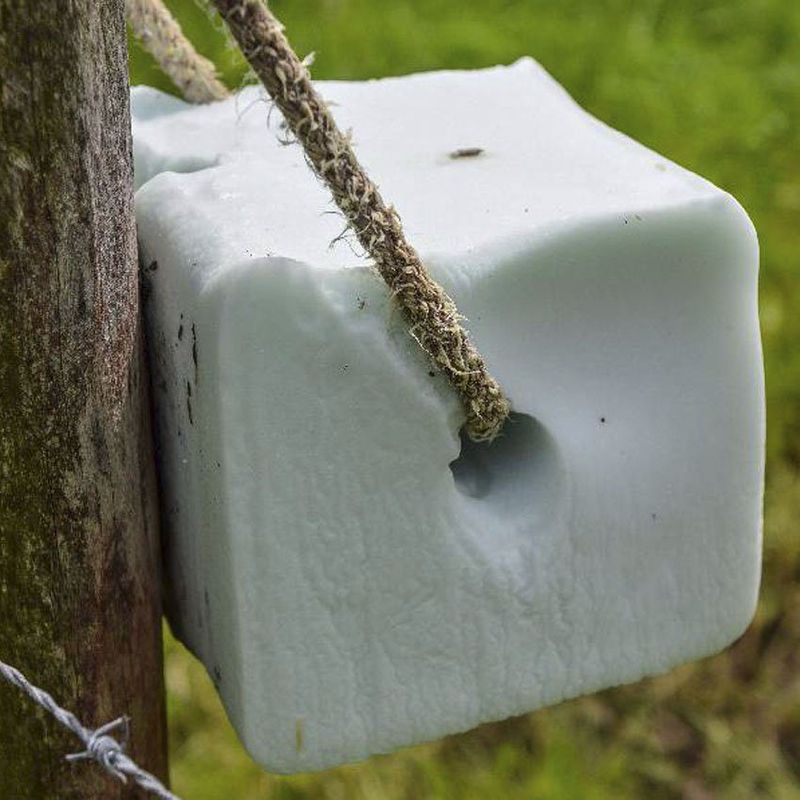
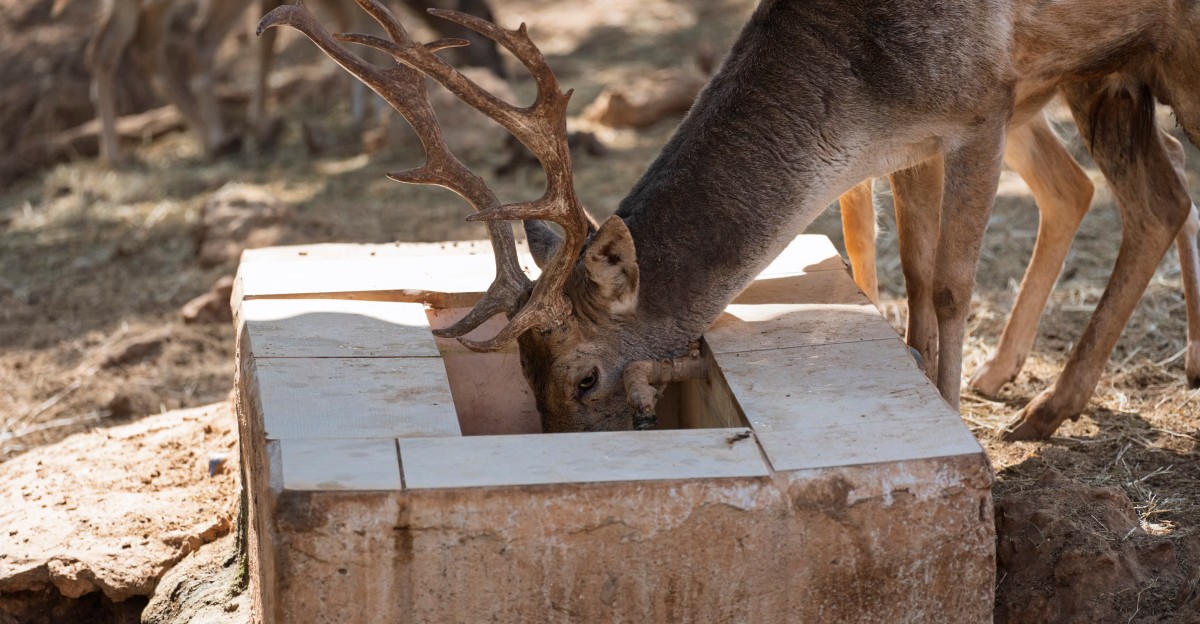
Deer adore a salt block so much that they will dig craters into the soil beneath it. I once watched a buck lick the same muddy hollow for ten straight minutes, clearly hooked on minerals.
Unfortunately, that eager habit makes mineral licks one of the riskiest kinds of backyard deer feeding around. A Wisconsin study detected prions in soil and water at natural and man-made mineral licks in an infected area.
Mineral sites concentrate saliva in one spot because every visitor licks and slurps the same surface. Some researchers also suspect certain minerals in soil may help prions bind and stay infectious longer.
Virginia includes salt and mineral products in its deer feeding restrictions, which surprises many well-meaning homeowners. Those blocks sold beside birdseed at farm stores may look harmless, yet the rules treat them like corn.
If you have an old lick, remove the block and scrape away the stained soil underneath it. Bag that material for the trash rather than spreading it in your garden beds or compost pile.
Deer can usually meet their mineral needs from natural browse, especially when habitat offers plenty of variety. Planting diverse native shrubs far from the house supports them without inviting a crowd to one muddy hole.
Scavengers Like Crows And Coyotes May Carry Prions Farther
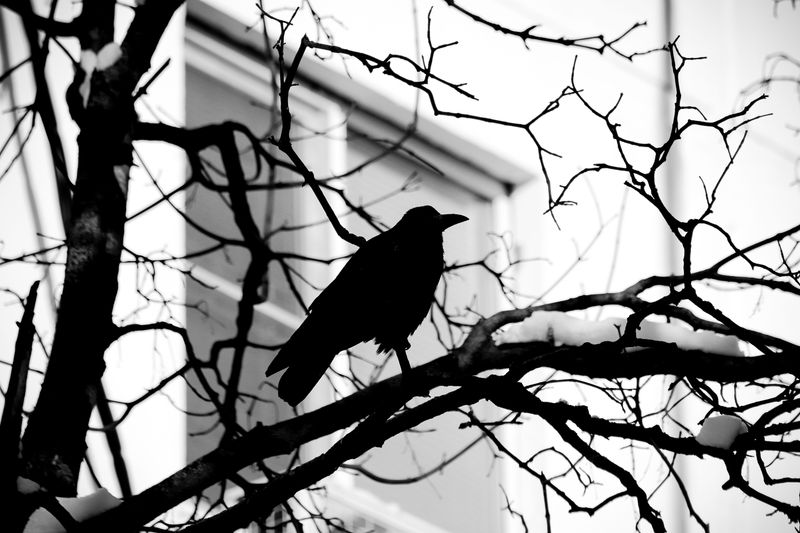
Crows cruising over a feeder look harmless, but they may play a sneaky supporting role in this story. Feeders draw plenty of extra visitors, including raccoons at midnight and coyotes slipping along the fence line.
These animals do not appear to catch the illness themselves, which might make them seem unimportant here. Studies found that crows and coyotes fed infected tissue later passed infectious prions in their droppings.
That means a scavenger could pick up prions in one place and leave them somewhere new. Scientists still debate how much this matters in the wild, so treat it as a possibility rather than certainty.
I appreciate that honesty, because nature rarely fits into neat little boxes with simple and tidy answers. Still, it makes sense to avoid creating busy buffets that pull many species into the same spot.
Spilled corn also attracts rodents, and those can bring their own headaches into sheds and garages. Keep birdseed tidy with catch trays, and store any feed in sealed metal cans inside the garage.
A quieter yard means fewer surprise visitors and fewer chances for prions to hitch a ride elsewhere. Your garden can still feel wonderfully lively, just with songbirds and butterflies stealing the show each day.
Hand Fed Deer Lose Their Natural Wandering Habits
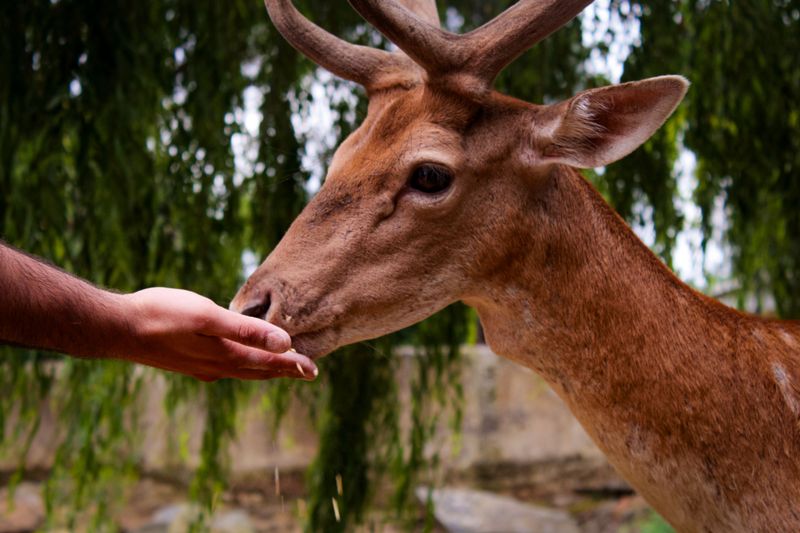
Deer are wonderfully picky browsers, sampling an enormous menu of plants as the seasons slowly change around them. Their stomachs adjust gradually to new foods, which is why a sudden pile of corn can upset digestion.
Wildlife agencies warn that large helpings of corn in winter can cause a serious illness in deer called acidosis. So that generous scoop might hurt a deer even before you think about prions at all.
Feeding also changes where deer travel, encouraging them to stick close to houses instead of spreading out naturally. Different family groups end up mixing at the same feeder, creating contact that normally happens far less often.
Bigger, tighter groups make it easier for any illness to move quickly from one animal to the next. Deer that hang around yards also cross roads more often, which raises collision risks for drivers too.
I noticed my own visitors started showing up earlier each evening, waiting near the porch like regulars. Cute as that felt, it told me they were relying on my handouts instead of their natural instincts.
Let deer stay a little wild by offering habitat at the edges of your property, not snacks. A hedge of native arrowwood viburnum or a brushy corner gives them cover, and they still forage on their own.
Wildlife Biologists Are Working Hard To Slow Deer Disease
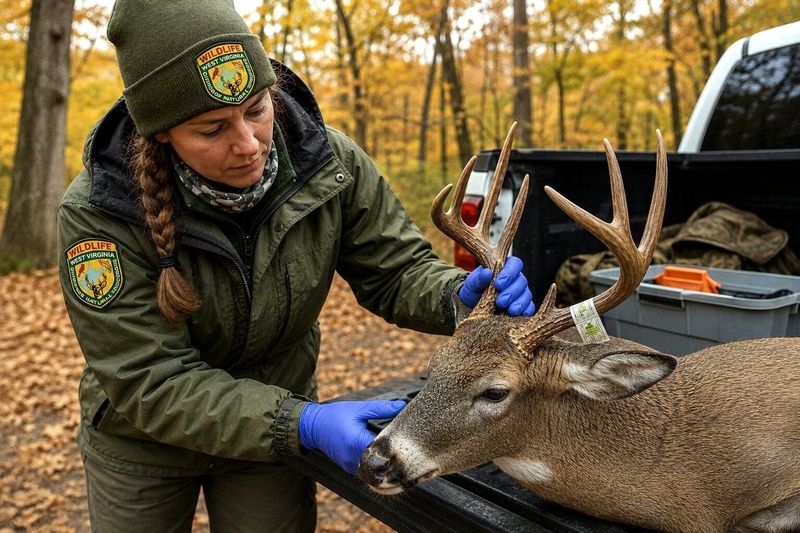
Behind every tested buck at a check station is a team of biologists hoping to slow this illness down. The Virginia Department of Wildlife Resources tests thousands of deer and maps where positive cases turn up.
Their plan leans heavily on keeping deer from crowding together, since crowding clearly boosts the chances of transmission. Backyard feeders do the opposite, pulling animals into tight groups that agencies work hard to discourage.
The department also limits moving deer carcasses out of affected areas so prions are not spread to clean ground. Every rule fits together like garden fencing, and one missing panel lets trouble wander right inside.
I like thinking of it as a neighborhood project rather than something only experts handle from afar. Hunters submit samples for testing, and homeowners help simply by putting away the corn bucket for good.
If you spot a deer that looks very thin and drools heavily, contact the agency rather than approaching it. Note the location and take a photo from a distance, because those reports help biologists track the spread.
Do not handle the animal yourself, and keep pets away from it until officials offer guidance. Small actions like that make a real difference when a whole state is working on the same problem.
Feeding Deer Can Break Virginia Law
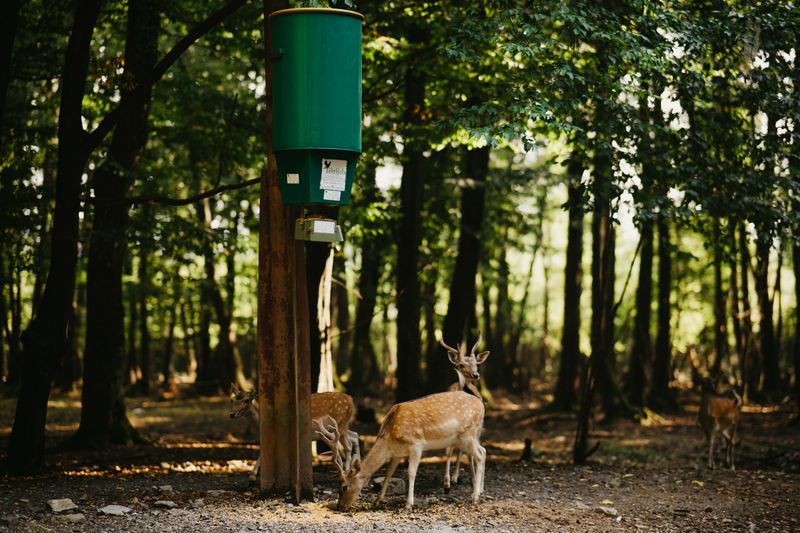
Surprise, that bag of deer corn at the farm store might land you a ticket in your own yard. Virginia bans feeding deer statewide from September 1 through the first Saturday in January every year.
Many counties with confirmed cases or nearby detections carry a year-round feeding ban for extra protection. The list has grown over time, so check the Department of Wildlife Resources website for your county’s current status.
The rules cover more than corn, including apples, pellets, and salt or mineral products put out for deer. Normal agricultural crops and planted food plots are generally exempt, though details are worth confirming with the agency.
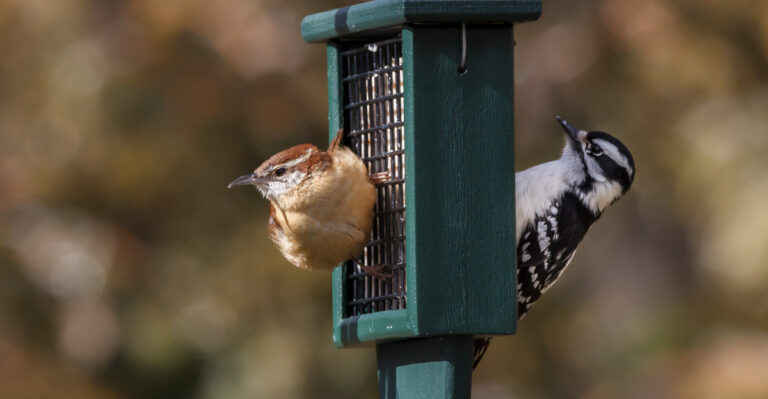
Bird feeders are generally allowed, but officials can ask you to remove them if deer keep raiding them. Hanging feeders higher and cleaning up spilled seed helps you stay on the right side of that line.
Honestly, I was shocked to learn my sweet evening ritual had been against the rules for months. Fines may be modest, yet the bigger cost is the risk to the herd we all enjoy watching.
The fix is easy and free, and your yard stays friendly to wildlife in quieter ways. Plant native flowers for pollinators, and enjoy deer from a respectful distance as they find their own supper.