8 Flowers Worth Saving Seeds From in New York This Fall
Seed Savers Exchange started in 1975 because one grandfather passed down a handful of seeds from his homeland. Today that small family gift has grown into one of the largest nonprofit seed collections in the country.
Those morning glory seeds traveled across an ocean, and their descendants still bloom on fences today. Funny thing is, the same simple magic works in a New York backyard with nothing fancier than paper envelopes.
Take it from someone who once tossed a whole bed of faded blooms straight into the compost pile. Those crispy brown heads were packed with next summer’s garden, and you can catch yours before the birds do.
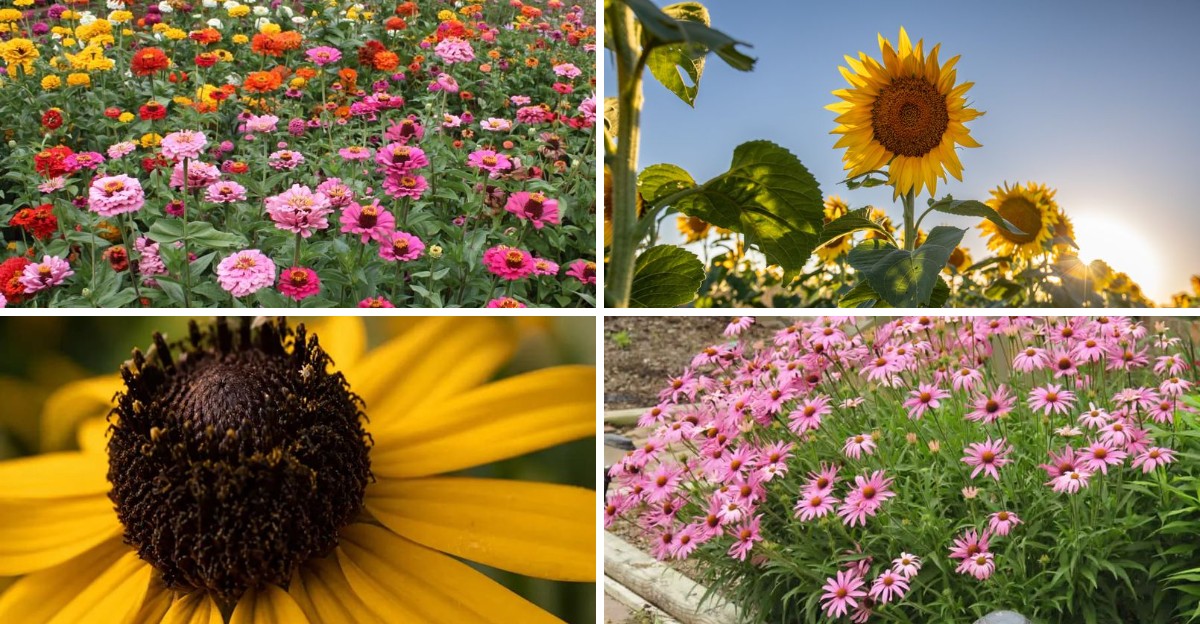
Autumn across New York hands us a short window, usually between the first cool nights and a hard frost. So which tired flowers in your own yard are quietly holding free plants for next year?
1. Calendula
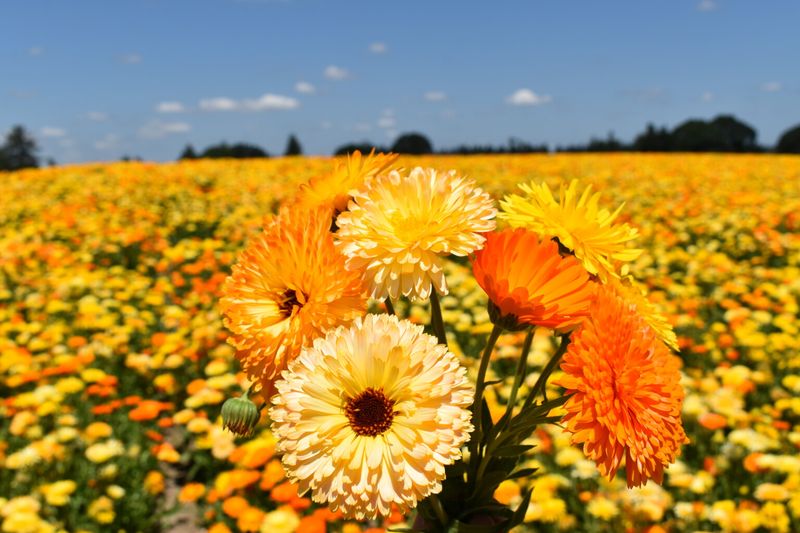
Calendula seeds look like tiny curled caterpillars, and the first time I saw them I laughed out loud. Those odd crescent shapes make this cheerful orange flower one of the easiest seed crops in any garden.
Calendula officinalis, often called pot marigold, is a cool-season annual that grows about one to two feet tall. It shrugs off chilly fall nights better than most annuals, so blooms often keep coming into late autumn.
Wait until a faded flower head turns brown and crispy while it is still attached to the stem. The seeds should feel hard and pull away from the center with a gentle nudge of your thumb.
Pick on a dry afternoon, since morning dew can add moisture that leads to mold in storage. Spread the seeds on a paper plate indoors and let them air dry for about a week.
Between you and me, calendula reseeds itself so happily that you might find volunteers popping up next spring anyway. Saving a stash still lets you choose where those sunny faces appear instead of leaving it to chance.
Store the dried seeds in a labeled paper envelope inside a cool, dark drawer or closet shelf. Properly stored calendula seed usually stays viable for several years, so a single harvest goes a long way.
Next spring, sow them in full sun or light shade with well-drained soil and average moisture. Bees and hoverflies visit the open blooms, which makes this humble flower a friendly neighbor for your vegetables.
2. Zinnia
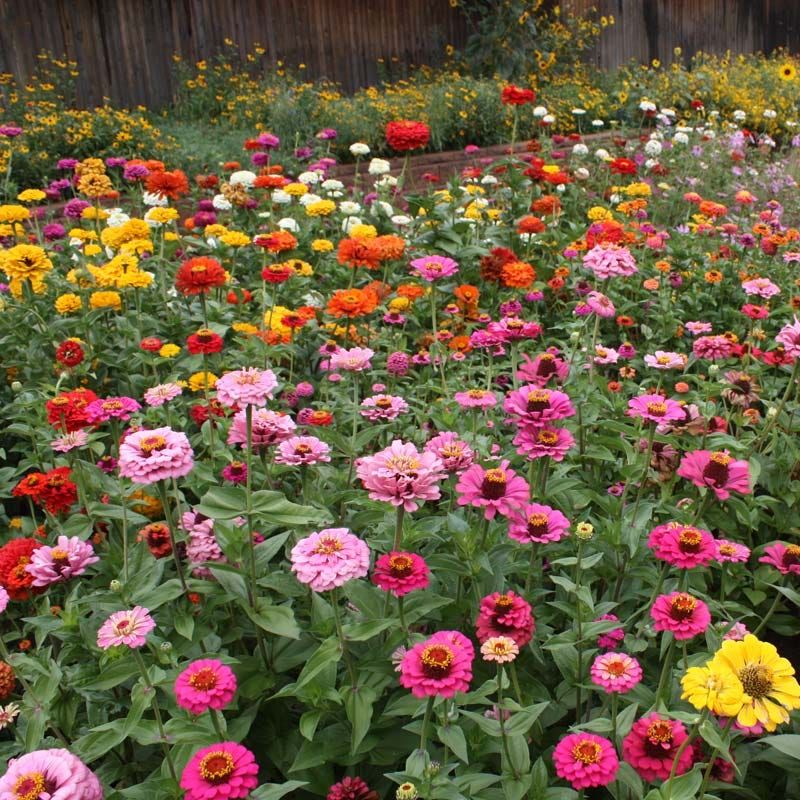
Zinnias taught me patience, because their best seed hides inside heads that look ready long before they are. Snip too early and you end up with flat, empty chaff instead of plump seed worth planting.
Zinnia elegans is a heat-loving annual from Mexico that blooms from midsummer until the first fall frost. Plants range from tidy one-foot dwarfs to cutting varieties that stretch past three feet tall.
Leave the heads on the plant until the petals feel papery and the center turns dark brown. The stem just below the flower should lose its green color before you reach for the snips.
Gently crumble each head over a bowl and look for the arrowhead-shaped seeds tucked at the base of petals. The good ones feel firm and slightly thick, while the duds are thin and flat as paper.
For what it’s worth, seeds from hybrid zinnias may not match their parent, since pollinators mix colors freely. I treat that as a fun surprise, though open-pollinated types give you more predictable results.
Let the seeds dry indoors on a screen or paper towel for a few weeks before packing them away. A sealed glass jar in a cool, dark spot keeps them in good shape until spring planting.
Zinnias resent cold soil, so wait until after your last frost date to sow them outdoors in full sun. Butterflies adore the flat landing pads, and you will have plenty of bouquets to share all summer.
3. Sunflower
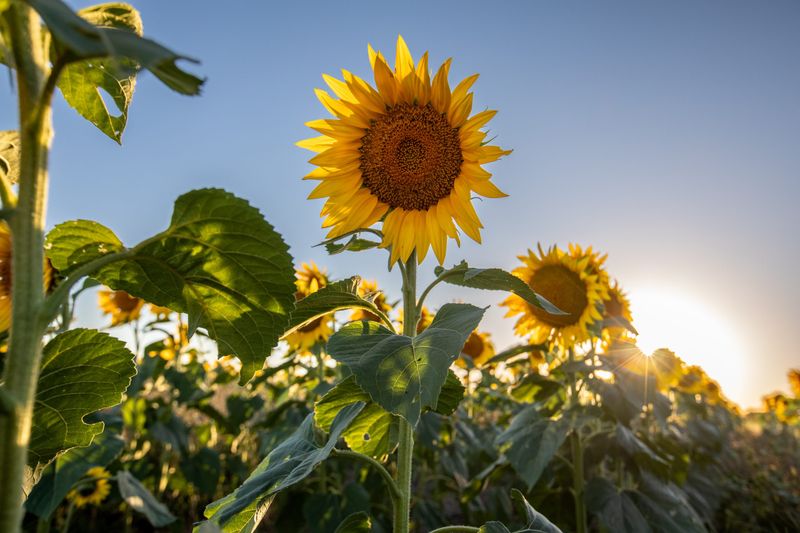
Squirrels in my yard seem to know the exact day sunflower seeds ripen, usually about one day before I do. That yearly race against furry thieves turns saving sunflower seed into a surprisingly exciting fall project.
Helianthus annuus is a native North American annual that ranges from two-foot dwarfs to giants over ten feet. A single large head can hold well over a thousand seeds, so one plant often supplies plenty.
Watch for the back of the head to turn from green to yellow and then brown. The petals will drop, and the seeds will look plump with their striped or dark coats showing clearly.
Slip a paper bag or a piece of mesh over the head once it starts to droop. That simple cover keeps birds away while still letting air move around the ripening seeds.
Cut the head with about a foot of stem and hang it somewhere dry with good airflow. After a week or two, rub your palm across the face and the seeds should pop loose easily.
Don’t make my mistake of storing them while slightly damp, because a whole jar turned fuzzy with mold that winter. Fully dry seeds should feel brittle rather than bendy when you press one firmly with your fingernail.
Plant next year after the soil warms, choosing a spot with six to eight hours of direct sun. Leave a head or two standing for goldfinches, since sharing a little feels like fair rent.
4. Nasturtium
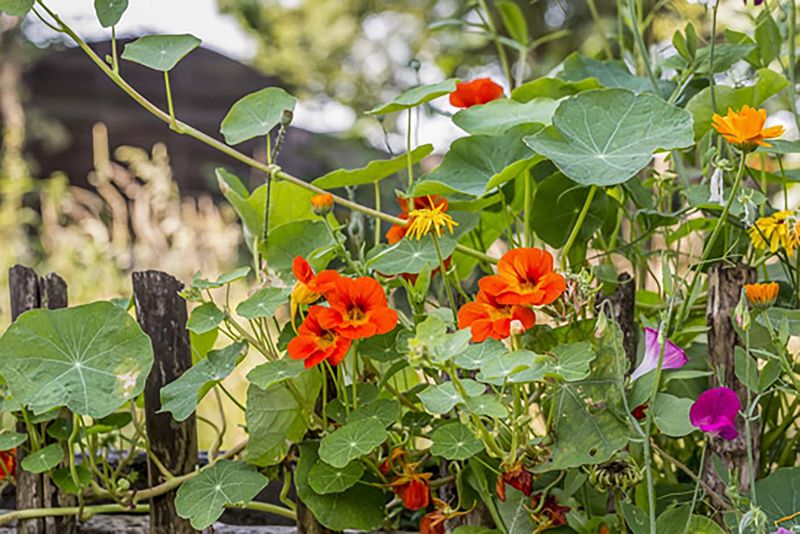
Nasturtium seeds look like wrinkled little brains, and kids love hunting for them under the sprawling leaves. They are big enough for small fingers, which makes this peppery flower a great family seed project.
Tropaeolum majus comes from South America and is grown as a tender annual here, since frost knocks it back fast. The round leaves and bright blooms are edible, with a pleasantly spicy bite similar to fresh watercress.
Seeds form in small clusters right after each flower fades, often sitting together in groups of three. Wait until they turn tan and drop to the ground on their own, or loosen with a light touch.
Green seeds can still ripen if you pick them close to maturity and set them somewhere warm and dry. In my own yard, I’ve noticed the best haul often hides beneath the foliage near the soil.
Because the seeds are large and fleshy, they need a long drying period of several weeks indoors. Spread them in a single layer and wait until they feel hard and rattle like tiny pebbles.
Store the cured seeds in a paper envelope in a cool spot, and they usually stay viable for several years. Before planting, many gardeners soak them overnight in water to soften the tough outer coat.
Sow them after your last frost in full sun to part shade with average or even lean soil. Rich soil tends to produce lush leaves with fewer flowers, so go easy and skip the extra fertilizer.
5. Cosmos
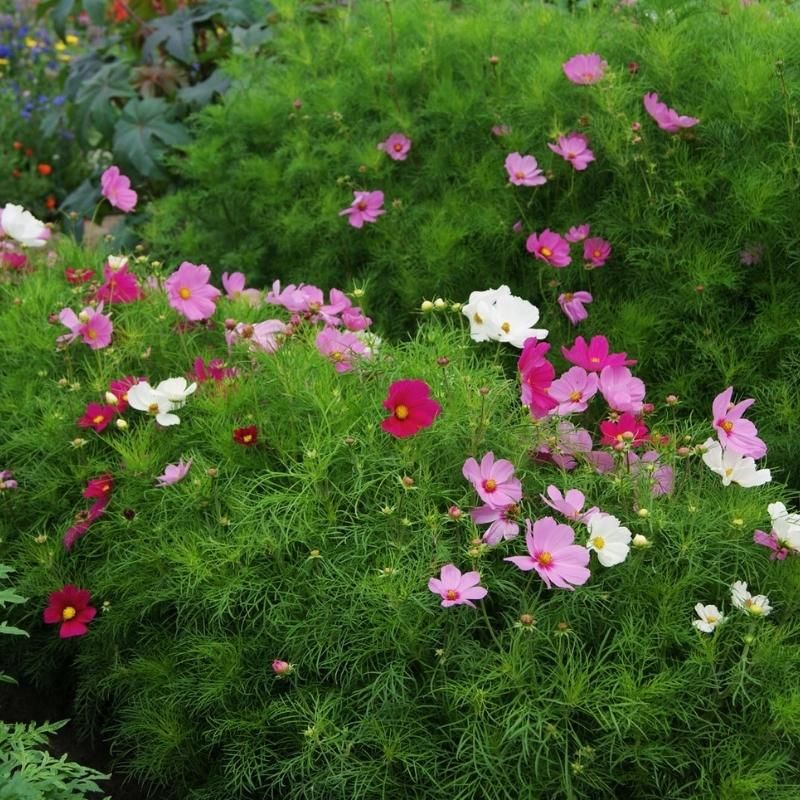
Cosmos seeds look like black needles, and they scatter so fast that a breezy afternoon can steal half your harvest. If you ask me, that eagerness to spread is part of what makes this flower so charming.
Cosmos bipinnatus is a Mexican annual with feathery foliage that can reach anywhere from two to six feet. It blooms from early summer until frost and thrives in lean soil that would frustrate fussier flowers.
Check plants every few days once the petals fall and the center stretches into a spiky brown cluster. Seeds are ready when they turn dark and pull away from the head with almost no effort.
A small paper bag held under the head catches strays as you snip, which saves plenty of crawling around. Some gardeners tie mesh bags over a few heads early, so the ripening seeds stay safely put.
Pick out any light, pale seeds, because those rarely sprout well compared with the darker, firmer ones. Let your keepers dry indoors on paper for a couple of weeks before storing them away.
Seeds from mixed colors often cross, so next year’s flowers might surprise you with new shades of pink. Honestly, those mystery blooms turned into some of the favorite cut flowers in my garden last summer.
Sow cosmos directly outdoors after frost in full sun, skipping fertilizer since rich soil leads to floppy stems. Bees and butterflies will find the open, daisy-like flowers within just a few days of the first bloom opening.
6. Black-Eyed Susan
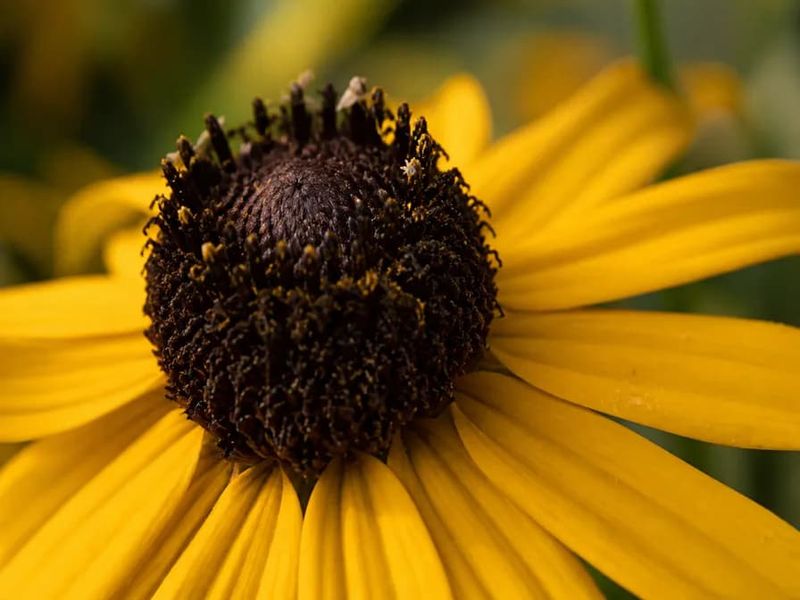
Those dark button centers on black-eyed Susans are really packed seed heads, holding dozens of slim seeds each. Native to much of North America, this sunny wildflower practically hands you its next generation every fall.
Rudbeckia hirta is a short-lived perennial or biennial that grows about one to three feet tall. It blooms from early summer into fall and handles dry, sunny spots that challenge many garden flowers.
Wait several weeks after blooming ends, until the cones turn dark brown or nearly black and feel dry. Across much of New York, mid-September through October is a typical window for harvesting these seeds.
Snip the cones into a paper bag and let them dry indoors for another week or so. Rubbing a cone between your fingers releases the tiny, four-sided seeds along with some fluffy bits of chaff.
Let’s just say this step gets messy, so I do it outside on a calm day over a tray. A fine kitchen sieve helps separate the seed from all that leftover debris without much fuss at all.
These seeds benefit from a cold period before sprouting, so scattering some outdoors in fall works beautifully. Press them onto bare soil without burying them deeply, because they need light to germinate.
Leave a few cones standing for hungry goldfinches, who happily pick through them on chilly autumn mornings. Give the plants full sun and well-drained soil, and pollinators will keep visiting them all season long.
7. Purple Coneflower
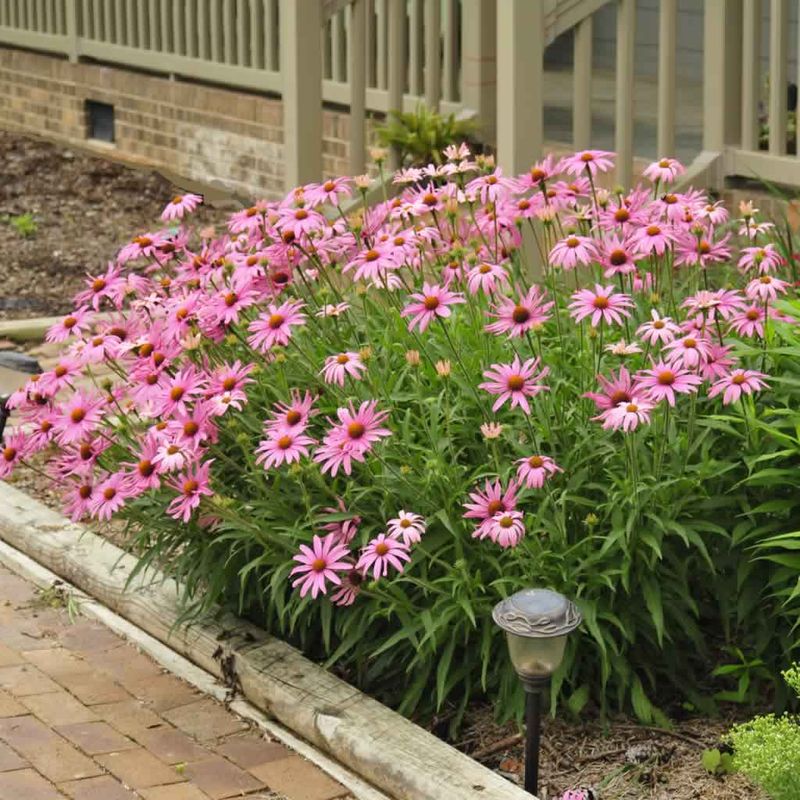
Touch a dried coneflower head and you will understand why Echinacea comes from the Greek for hedgehog. Those stiff, prickly spines guard the seeds, so a pair of gloves makes this harvest much more pleasant.
Echinacea purpurea is a sturdy native perennial that usually grows two to four feet tall in sunny spots. Its rosy purple petals droop around a coppery cone from midsummer well into the early weeks of fall.
Leave the heads on the plant until the cones turn dark brown and feel dry to the touch. Seeds sit deep between the spiky scales, so they rarely fall out on their own like cosmos seeds do.
Cut the heads, drop them in a paper bag, and let them dry indoors for a couple of weeks. Breaking the cone apart with gloved fingers or pliers exposes the small, wedge-shaped seeds tucked inside.
Fair warning, plants grown from saved seed can vary a lot, especially when fancy hybrid coneflowers grow nearby. Seeds from the straight species tend to stay true and give you those classic purple blooms again.
Coneflower seeds usually sprout best after a period of cold, moist stratification that mimics a natural winter. Sowing them in fall or chilling them in the fridge for about a month before spring both work well.
Leave some heads standing through winter for hungry finches, who cling to the cones and pick them clean. Plant your saved seed in full sun with well-drained soil, and expect flowers by the second year.
8. New England Aster
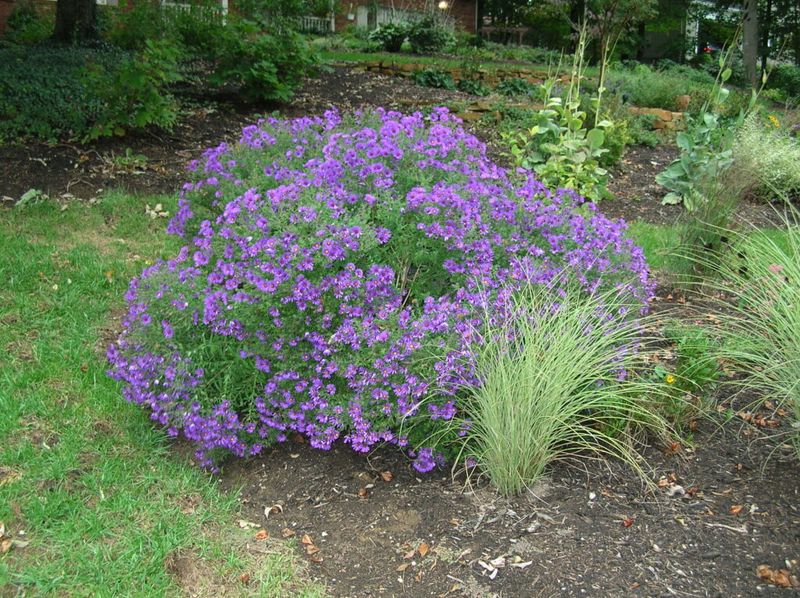
Monarchs heading south in fall often refuel on New England asters, and I have watched several crowd onto one plant. Saving seed from this late bloomer means you can feed those travelers in even more corners of your yard.
Symphyotrichum novae-angliae is native to New York and usually grows about three to six feet tall in open spots. Its purple rays and golden centers light up gardens from late summer into October, long after most flowers fade.
Because it blooms so late, the seeds ripen in late fall, often after the first frost has passed. Watch for the flower heads to turn into soft, fluffy puffs that look a bit like tiny dandelions.
Each tiny seed rides on a tuft of hairs, so a windy day can carry your harvest across the street. Snip the fluffy heads on a calm, dry afternoon and drop them straight into a paper bag.
Rub the heads gently between your palms to separate seeds from the fluff, though some fuzz will remain. Looking back, I should have worked indoors, because those wispy tufts drifted all over my porch.
Aster seeds need a cold, moist period to germinate well, so sowing them outdoors in late fall works nicely. You can also store them dry and give them a few weeks in the refrigerator before spring planting.
Plant them in full sun to light shade with moist, well-drained soil, and pinch stems back in early June. That simple trim keeps the tall stems sturdier and less likely to flop when the heavy blooms open.