7 Protected Animals Texans Can’t Legally Harm Or Collect
Scooping up a spiky little lizard from a Texas flower bed can actually earn you a fine. Nobody warned me that some of the friendliest garden visitors come with legal paperwork attached to their names.
State and federal laws shield certain reptiles, birds, bats, and amphibians that wander into ordinary backyards. Some are so rare that biologists count them one by one, while others nest above your patio chairs.
I have to admit my first instinct with surprise visitors used to be grabbing a bucket and a shovel. Learning the rules changed how I garden, and I suspect it might change how you garden too.
Across the Lone Star State, a few of these protected neighbors are hiding in plain sight right now.
1. Texas Horned Lizard
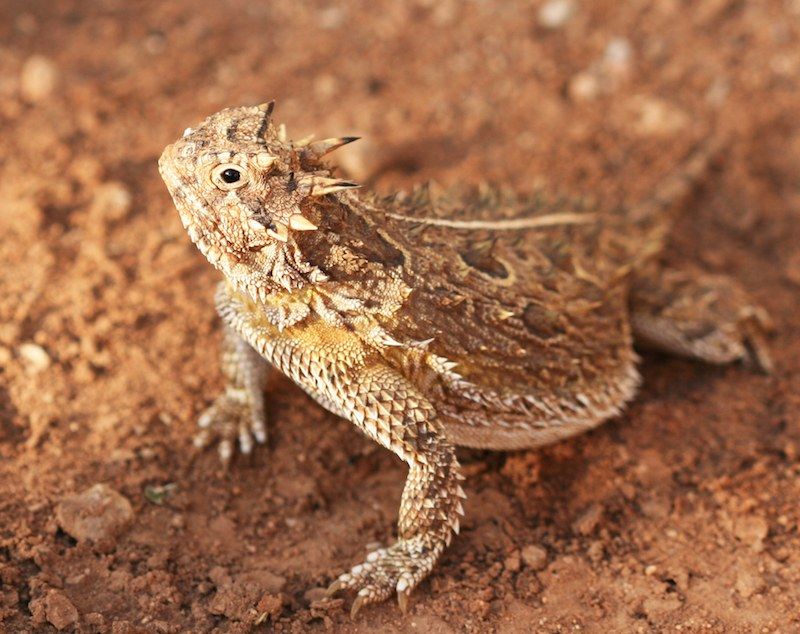
Few creatures can squirt blood from their eyes, yet the horned lizard pulls off that wild trick to scare predators. Spotting one sunbathing in loose soil feels like meeting a tiny dinosaur that wandered out of a storybook.
Known scientifically as Phrynosoma cornutum, this flat, spiny reptile is listed as threatened by state wildlife officials. Picking one up, keeping it, or selling it without a special permit is illegal, so admire from a distance.
Personally, I love how its brown, speckled body melts into sandy ground until it suddenly scurries away. Dark stripes radiate from its eyes, and a crown of horns makes it easy to recognize once spotted.
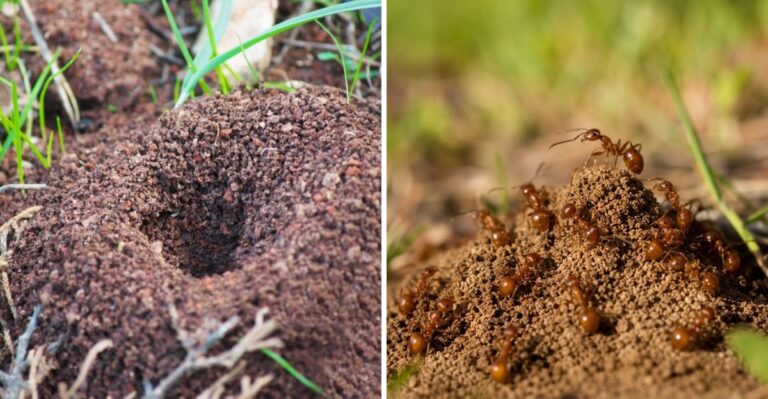
Harvester ants make up most of its diet, which means your ant-free lawn might leave it hungry. Leaving harvester ant mounds alone in a quiet corner gives these lizards a reliable snack bar nearby.
Pesticides and fire ants have both played a role in the decline across much of their former range. Spot-treating fire ant mounds instead of broadcasting chemicals across the whole yard is a gentler approach.
Open patches of bare, sandy soil matter too, because these lizards dig in to rest and hibernate. Sparse native grasses and low wildflowers give them plenty of sunny basking spots with quick cover nearby.
If one shows up in your garden, consider it a compliment to the habitat you have created. Snap a photo, share it with the state wildlife agency’s horned lizard watch program, and let it wander.
2. Texas Tortoise
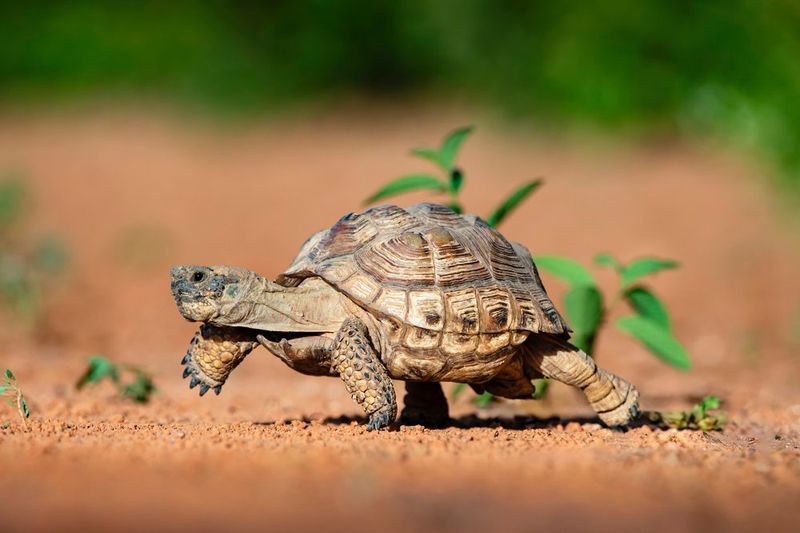
Slow, steady, and fond of prickly pear fruit, the smallest tortoise in North America calls the brush country home. I can’t imagine a more charming surprise than watching one nibble cactus pads beside a garden path.
Gopherus berlandieri is listed as threatened, and state law forbids collecting, keeping, or selling one as a pet. Many folks still try to adopt stray tortoises, but leaving them where they belong works best.
Adults usually reach about eight inches long, with a domed, yellowish-orange shell marked by bold growth rings. Unlike their burrowing cousins, they often scrape shallow resting spots called pallets beneath dense, thorny shrubs.
Most live in South Texas thornscrub, where heat and dry spells shape nearly every part of their routine. Warm months bring the busiest activity, especially after rain when fresh greens and cactus fruit appear.
Spotting one crossing a busy road lets you help by moving it gently toward the side it was heading. Keep it level, avoid turning it upside down, and set it in shade before walking away.
Gardeners in the region can support them by keeping native prickly pear and leaving brushy corners untouched. Skip clearing every thicket, since those tangled shrubs provide vital shade during the hottest summer afternoons.
Free-roaming dogs can harm tortoises, so keeping pets supervised outdoors helps more than you might expect. Honestly, a slow visitor like this reminds me that patience pays off in the garden and in nature.
3. Northern Cardinal And Other Native Songbirds
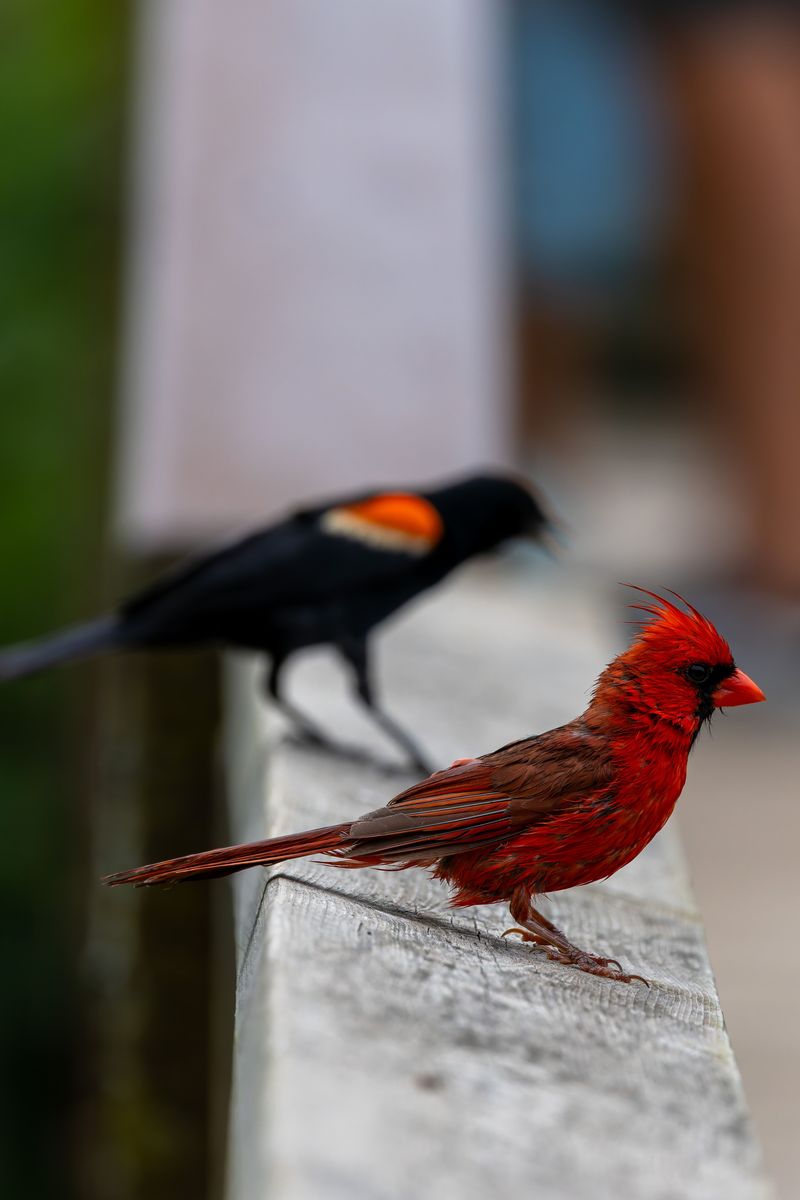
That flash of red at your feeder belongs to one of the most legally protected neighbors you have. Under the federal Migratory Bird Treaty Act, northern cardinals cannot be captured, kept, or harmed without permits.
Most other native wild birds share the same protection, including their nests, eggs, and even loose feathers. State law adds another layer, so that tidy nest in your hedge is off-limits once it is active.
Cardinalis cardinalis males sport bright red feathers, and a black mask frames their thick orange bill. Females wear softer tan plumage with reddish wings, and I think their subtle look is underrated.
Since cardinals stay year-round across most of the state, you can enjoy their whistled songs in every season. Pairs often raise two or more broods each year, tucking nests into dense shrubs or vine tangles.
Pruning hedges during nesting season can accidentally break the law if an active nest gets disturbed. Save heavy trimming for late fall or winter, and check branches carefully before you start cutting.
Some birds are exceptions, like house sparrows and European starlings, since both are non-native introduced species. Local ordinances may still apply to those, so checking city rules before acting is a smart move.
Planting native shrubs such as yaupon holly and American beautyberry gives cardinals cover alongside tasty berries.
A shallow birdbath refreshed every few days will turn your backyard into their favorite neighborhood hangout spot.
4. Brazilian Free-Tailed Bat
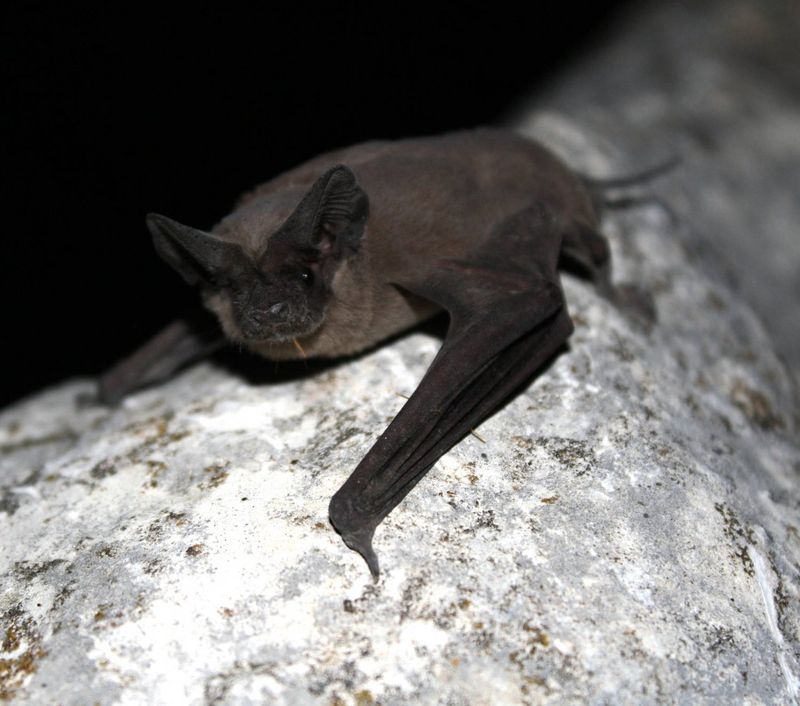
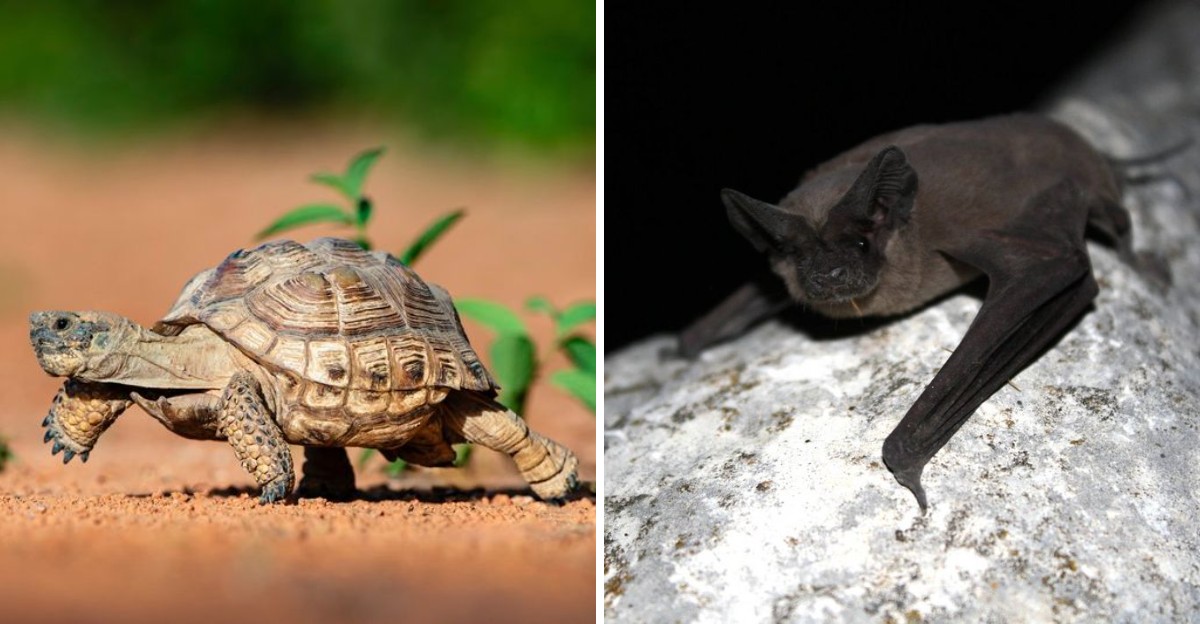
Austin’s Congress Avenue Bridge hosts roughly 1.5 million bats each summer, and their dusk departure looks like swirling smoke. I have watched it twice, and the soft rustle of wings overhead still gives me goosebumps.
Tadarida brasiliensis is the official state flying mammal, and state law protects bats from being hunted or sold.
Possessing or harming one is also illegal, which surprises many homeowners who find a few roosting under eaves.
Bats living inside or on a building are a special case, since owners may legally remove them. Humane exclusion with one-way devices is the accepted method, and harming the animals is not part of the plan.
Timing matters a lot, because flightless pups stay inside roosts during late spring and summer months. Most bat experts suggest waiting until the young can fly, usually by late summer or early fall.
Each bat can eat a huge number of insects nightly, including moths whose caterpillars damage farm crops. That free pest control helps gardeners too, especially anyone battling corn earworms or cutworms in vegetable beds.
Please avoid touching a grounded bat with bare hands, since a small percentage can carry rabies. Call a licensed wildlife rehabilitator instead, and keep children and pets well away from the animal.
Installing a properly built bat house on a sunny pole gives these flyers an alternative to your attic. Reducing pesticide use keeps their insect buffet healthy, which keeps them coming back night after night.
5. Houston Toad
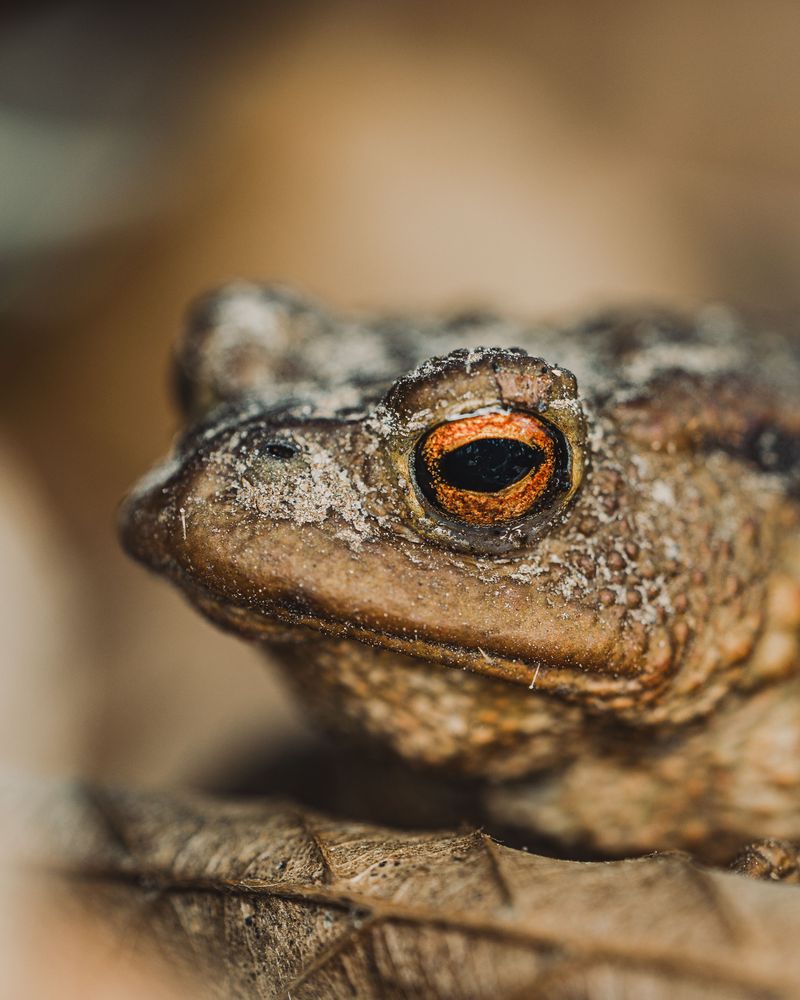
Back in 1970, the Houston toad became one of the first amphibians added to the federal endangered species list. Its breeding call sounds like a high, musical trill, a bit like someone softly shaking a tiny bell.
Anaxyrus houstonensis is protected by both federal and state law, so capturing or harming one is illegal. Even disturbing its habitat can bring trouble, which is why landowners in its range often consult wildlife biologists.
Adults stay small, usually two to three and a half inches long, with brown to purplish-gray skin. Some show faint green patches, and I love how their mottled coloring blends into pine needles.
Deep, loose sandy soil is essential, because these toads burrow underground to escape heat and cold. Most remaining populations live around the Lost Pines region near Bastrop, far from the city sharing their name.
Breeding happens mostly in late winter and early spring, when shallow rain-filled pools appear after storms. Those pools must hold water for weeks so tadpoles can transform into tiny toadlets before drying up.
Wildfires in 2011 hit their pine woodlands hard, and drought and development keep adding pressure today. Captive breeding programs at the Houston Zoo now release thousands of eggs back into protected wild habitat.
Gardeners near Bastrop can help by keeping native pines and leaving leaf litter where toads shelter.
Skipping chemical lawn treatments near seasonal puddles gives tadpoles a much better shot at reaching adulthood.
6. Ocelot
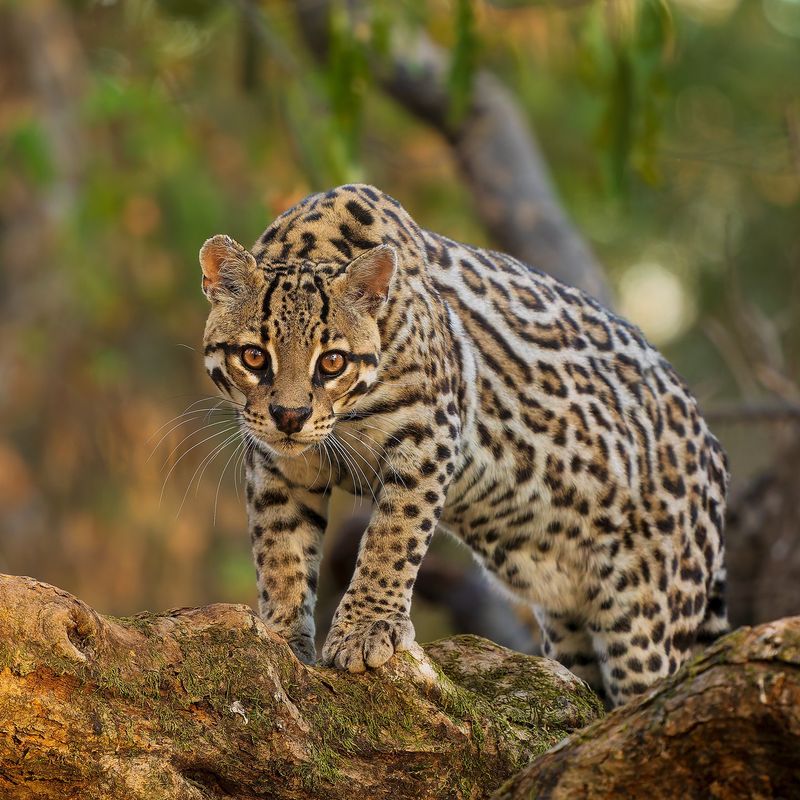
Fewer than 100 ocelots are thought to remain in the United States, and nearly all live in deep South Texas. Seeing one on a trail camera feels like winning a wildlife jackpot that few people ever experience.
Leopardus pardalis is listed as endangered by both federal and state agencies, giving it the strongest protection available.
Hunting, trapping, possessing, or selling an ocelot is illegal, and penalties under federal law can be steep.
These spotted cats are roughly twice the size of a house cat, with chain-like rosettes along their sides. Personally, I think their large eyes and striped cheeks give them a surprisingly sweet, curious expression.
Most of their activity happens at night, when they quietly hunt rabbits and rodents beneath thick brush. Dense thornscrub with plants like granjeno and brasil gives them cover for traveling and raising kittens.
Vehicle strikes are a leading threat, so wildlife crossings now run under several highways in the region. Slowing down at night on rural roads near the Laguna Atascosa refuge could truly help a rare cat.
Ranchers and rural landowners with brushy property can partner with conservation groups through voluntary habitat programs and agreements.
Keeping native thornscrub intact, rather than clearing it for lawn, makes a meaningful difference over time.
Most gardeners will rarely see one, yet planting native shrubs still supports the broader web they depend on. Mistaking an ocelot for a bobcat happens, so report any spotted cat sighting to wildlife officials.
7. Golden-Cheeked Warbler
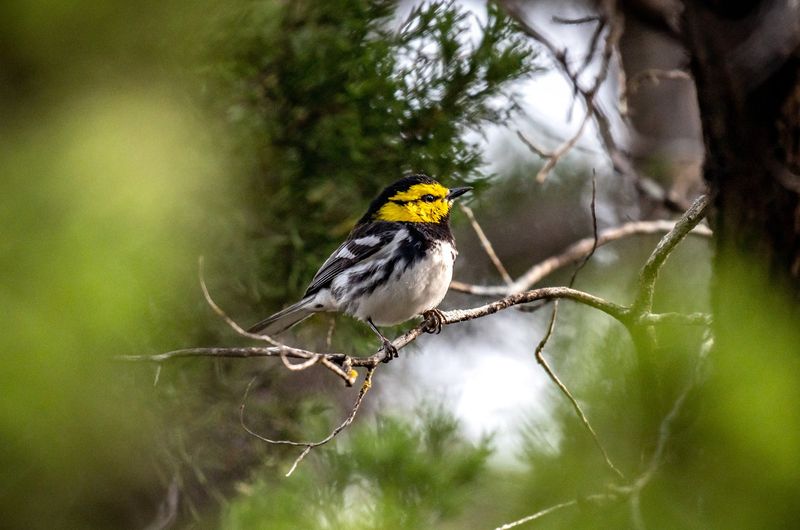
Every single golden-cheeked warbler on the planet hatched in Texas, since this bird nests nowhere else. Its buzzy spring song drifting through cedar hills is one of my favorite sounds of the year.
Setophaga chrysoparia has been federally endangered since 1990, so capturing, harming, or harassing one breaks federal law. Clearing occupied nesting habitat can also count as harm, which matters for landowners across the Hill Country.
Males flash bright yellow cheeks against a black throat, while a thin dark line crosses each eye. Females look a bit softer, with olive backs and less black, but their golden faces still shine.
These tiny warblers usually arrive from Central America in March and head south again by late summer. Their nests are built almost exclusively from strips of mature Ashe juniper bark held together with spider silk.
That means older juniper trees, often dismissed as messy cedar, play a starring role in this species’ survival. Before cutting large old junipers on wooded Hill Country property, I would talk with a wildlife biologist first.
Spring and early summer nesting season is the riskiest time for brush clearing near oak and juniper woods. Scheduling tree work in fall or winter reduces the chance of disturbing nests or violating federal rules.
Native oaks matter too, because caterpillars on their fresh leaves feed hungry nestlings throughout the busy breeding season.
Planting native oaks and keeping mature woodland patches connected gives these golden-faced singers a brighter future.