This Tiny Night Wanderer Is Slipping Into Louisiana Homes This November
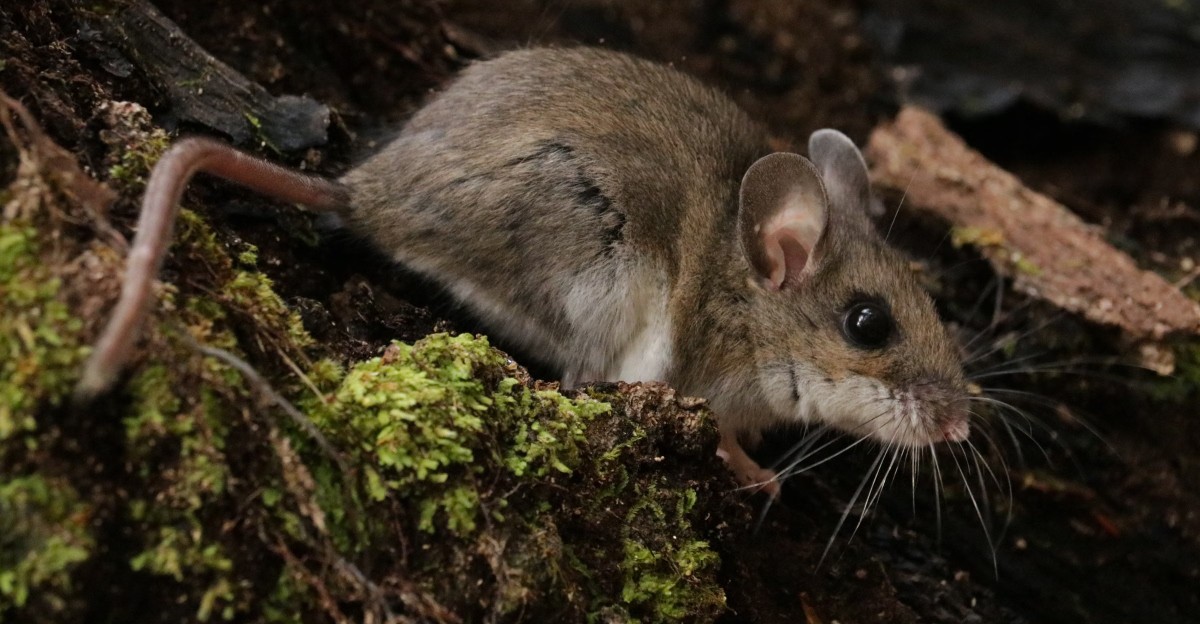
A native mouse in Louisiana got its name from historical reports of it lining nests with cotton fibers. Wait, a mouse with a farming history? I had to learn more.
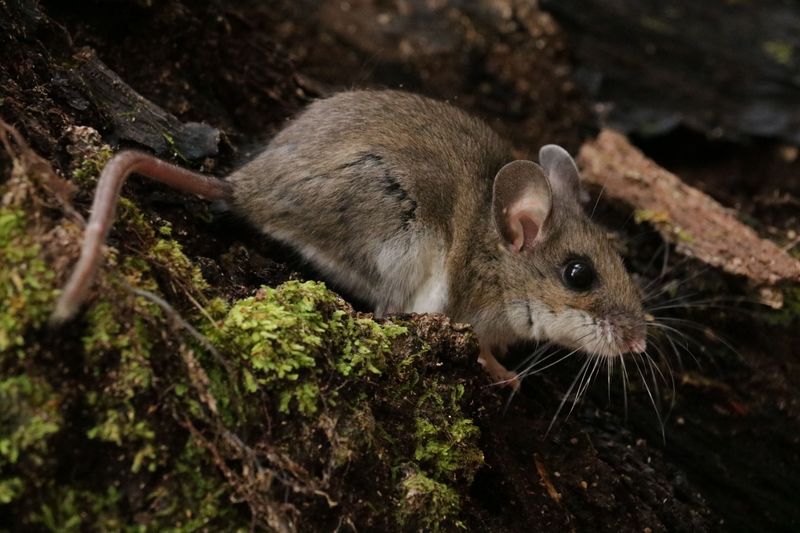
This little climber has big dark eyes, white feet, and a habit of exploring after sunset. It scrambles up tree trunks, tucks into hollow logs, and swims when floodwater rises.
Across Louisiana, cooler nights nudge it toward sheltered spots, and sometimes that means sheds, garages, and kitchens.
I found tiny tooth marks on a seed bag in my potting shed last fall. You might notice the same clues near a bird feeder or a woodpile. A little evidence gave me a whole new respect for how clever small wildlife can be.
Whatever is tapping inside your pantry wall at midnight, it found a way in, and now it’s time to find out how.
Those Soft Scratches Behind Your Pantry Wall Have a Furry Source
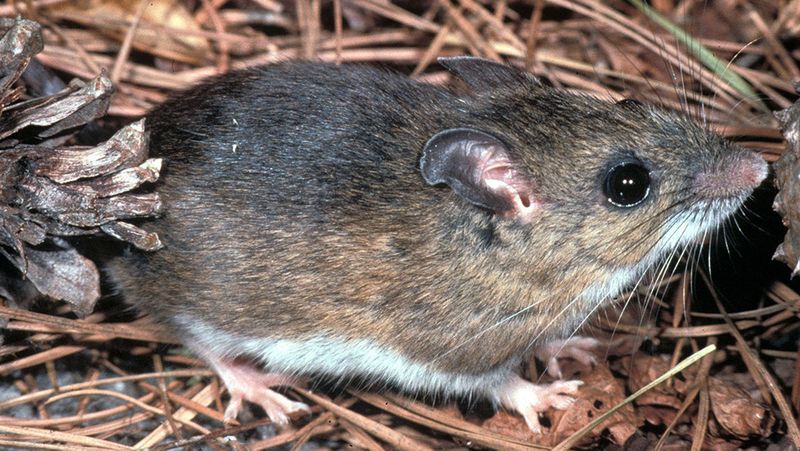
Late at night, a faint tick-tick-scratch inside the wall can make you sit up straight. I heard it myself one November evening and blamed the house settling.
A week later, a scattered pile of sunflower seed hulls behind the pantry told a different story.
Small rodents are busiest after dark, so those sounds usually start once the house goes quiet. Common hot spots include attics, wall voids near plumbing, the space under kitchen cabinets, and the area behind the fridge.
Light scurrying usually points to a mouse, while heavier thumps or rolling sounds suggest a rat or squirrel.
Other clues help confirm the culprit. Look for droppings shaped like dark rice grains, chewed corners on cereal boxes, shredded paper or insulation, and greasy rub marks along baseboards.
Gardeners often find the first signs in a shed, where seed packets and birdseed bags make easy targets.
Try a simple test tonight. Sprinkle a thin dusting of flour along a wall where you hear noises and check it in the morning for tiny tracks. You might be surprised how much a little white powder reveals about your midnight visitor.
Meet the Cotton Mouse, a Native With Big Eyes and White Feet
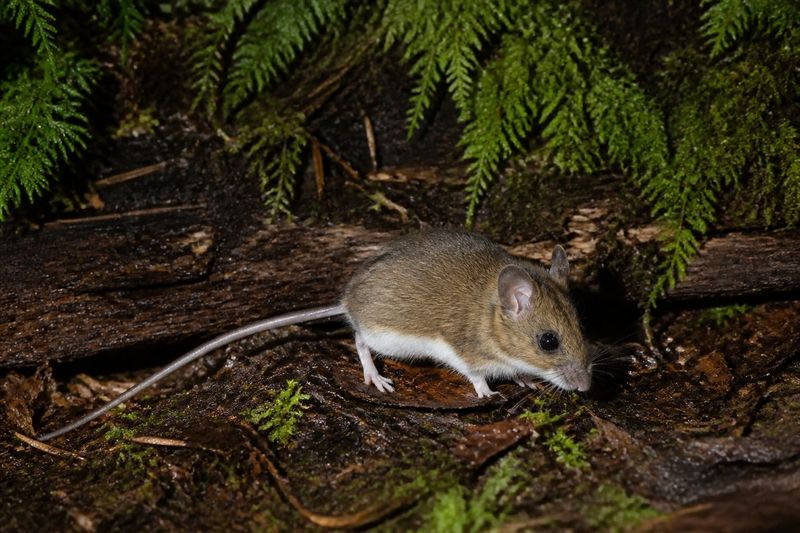
Few people realize the South has its own native mouse that looks like a storybook character. The cotton mouse, known to scientists as Peromyscus gossypinus, wears a warm brown coat on top and a creamy white belly underneath.
Its feet are white, and its eyes and ears look a bit oversized for its face. It is larger than the common house mouse, often reaching about 7 inches including the tail. The tail is shorter than the body and usually darker on top.
Compare that to the house mouse, which is gray-brown all over with a long, nearly hairless tail.
Cotton mice live across the Southeast, including bottomland hardwood forests, swamp edges, and brushy fields. They climb well and readily take to water. Their name comes from historical reports of nests built with cotton fibers.
Here is why identification matters. The house mouse is a non-native species that lives mostly around people, while the cotton mouse is a wild native that wanders in occasionally.
Knowing which one you have helps you understand whether you are dealing with a long-term indoor colony or a curious outdoor guest that slipped through a gap.
A Gap the Size of a Dime Can Let a Mouse Inside
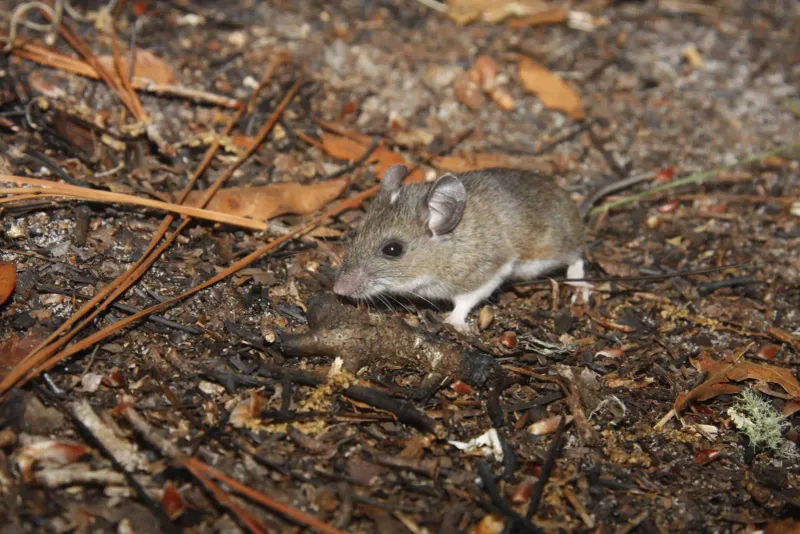
Hold up a dime and look at it for a second. Pest experts say a mouse can squeeze through a hole roughly that size, or a bit under three-quarters of an inch wide.
Their skulls are small and their bodies are flexible, so if the head fits, the rest usually follows.
That means the usual suspects on your house matter a lot. Check these common entry points: Gaps under exterior doors where the sweep has worn down. Openings around pipes, cables, and dryer vents.
Cracks in foundation slabs or crawl space vents with torn screens. Weep holes in brick and loose siding near the ground.
Cotton mice are skilled climbers too, so look higher than you expect. Gaps around soffits, roof lines, and attic vents can welcome a mouse that scrambled up a vine or nearby tree branch. Overhanging limbs act like a ladder straight to your roof.
Grab a flashlight and walk around your home at dusk. Shine the beam along the foundation and note any spot where light leaks through from inside or where you could slide a pencil. Those little openings are your to-do list for the weekend ahead.
Cooler Louisiana Nights Send Wild Mice Looking for Shelter
Our falls are mild, but November still brings a real change. Across Louisiana, nighttime lows often slip into the 40s and 50s, with north Louisiana getting cooler sooner than the coast.
Small animals notice that shift faster than we do. Cotton mice stay active year-round and do not hibernate. As temperatures drop, they spend more energy staying warm and look for snug nest sites.
Seed and insect supplies outdoors also shift with the season, so stored food in sheds and garages looks extra tempting.
Weather plays a part too. Heavy rain or rising water in low areas can push ground-dwelling wildlife toward higher, drier ground, and a house is about as dry as it gets.
Fall cleanup chores like clearing brush can also disturb nests and send residents searching for new homes.
To be clear, house mice remain the most frequent indoor rodent in most homes. There is no verified evidence of an unusual cotton mouse surge this year.
Seasonal movement indoors is a normal fall pattern, especially in homes near woods, fields, or bayous. Keep that in mind before assuming the worst about every nighttime noise.
Mouse Droppings Deserve More Caution Than You Might Expect
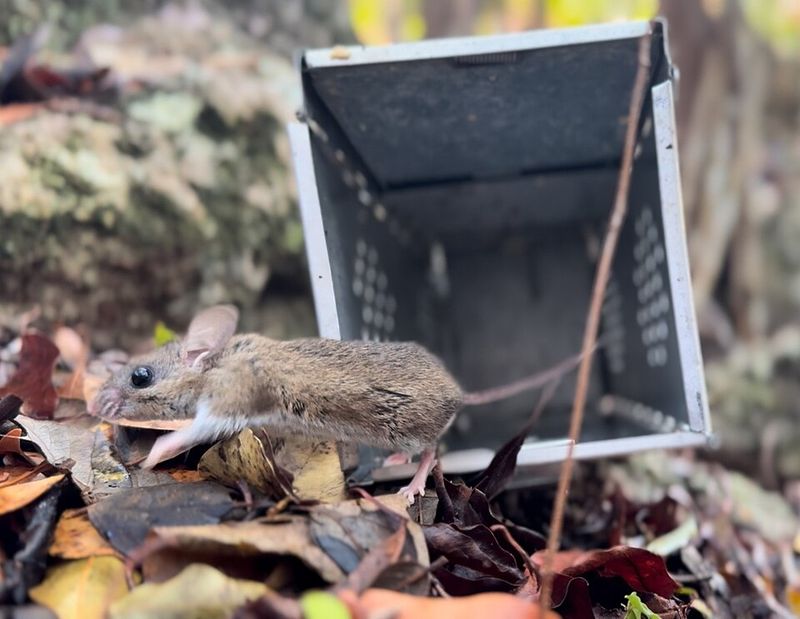
A tiny mouse can still cause big headaches. Rodents chew constantly to keep their front teeth trimmed, so wiring, insulation, stored seeds, and cardboard boxes all take a beating.
Chewed wires are a fire risk that many homeowners overlook. Health concerns matter even more. Mice can carry bacteria like Salmonella and leave droppings and urine on counters and food.
Peromyscus mice, the group that includes the cotton mouse, can also carry hantaviruses, which are rare but serious respiratory illnesses spread mostly through dust from rodent waste.
The CDC offers clear cleanup steps worth following: Open doors and windows for at least 30 minutes before cleaning. Wear rubber or plastic gloves.
Spray droppings and nesting material with a bleach solution or disinfectant and let it soak about 5 minutes. Wipe it up with paper towels and bag it for the trash.
Skip sweeping or vacuuming droppings, since that can stir particles into the air. Afterward, wash your gloved hands, then wash your bare hands well with soap.
Fleas, ticks, and mites can also hitch a ride on wild mice, so keep pets on regular parasite prevention too.
Steel Wool and Caulk Can Keep Small Rodents Out of Your House
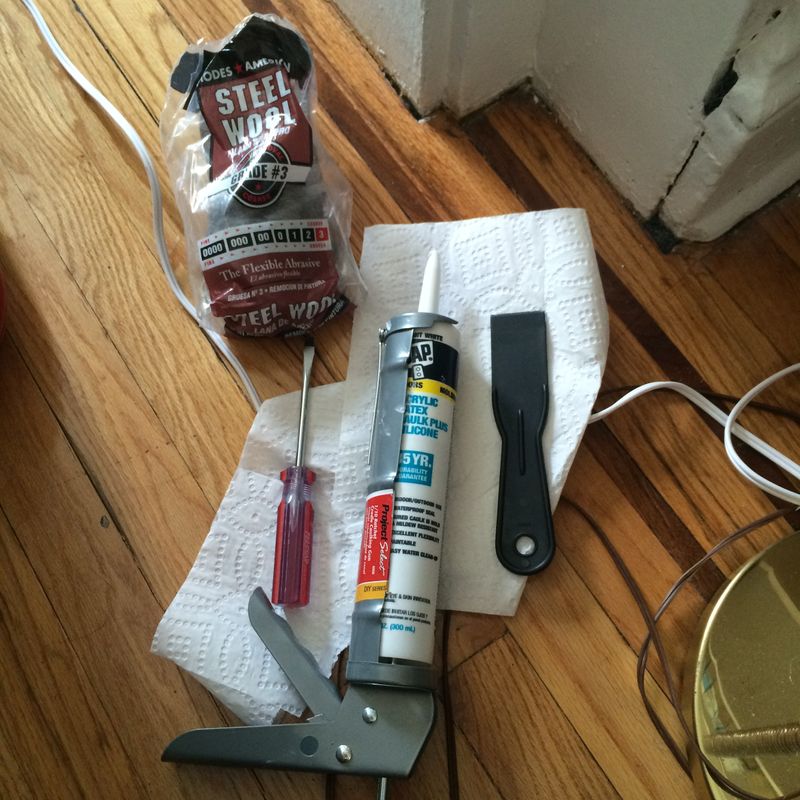
After I sealed the gaps around my shed, the nibbled seed packets stopped showing up. Exclusion, which simply means blocking entry points, is the most lasting fix for rodent trouble.
Traps help with mice already inside, but sealing keeps new ones from following. Pack small holes with steel wool or copper mesh, then seal over them with caulk. Mice chew through plain caulk, foam, and plastic, so the metal layer matters.
For bigger openings, use hardware cloth, sheet metal, or mortar. Doors need attention too. Install sturdy door sweeps on exterior and garage doors, and replace cracked weather stripping. Cover vents with quarter-inch metal mesh that still lets air flow.
For mice already inside, snap traps baited with a little peanut butter work well along walls. Place them in enclosed boxes or out of reach of kids and pets.
Many experts advise against poison baits indoors, since a mouse may hide in a wall afterward and create an odor problem.
Since the cotton mouse is a native species, many homeowners prefer to seal it out rather than trap it. Live traps are an option, though releasing animals elsewhere may be regulated, so check local rules first.
A Tidy Yard and Sealed Birdseed Bins Make Your Garden Less Inviting

Your garden habits can quietly roll out the welcome mat. Fallen birdseed, open feed bags, and pet bowls left outside offer easy meals right next to your walls.
A few small changes reduce that pull without hurting the wildlife you enjoy. Store birdseed, grass seed, and pet food in metal bins with tight lids. Rake up spilled seed under feeders, or use a tray to catch it.
Bring pet bowls inside at night, when these little wanderers come out to forage. Look at the landscape near your foundation too. Stack firewood on a raised rack at least 20 feet from the house.
Trim shrubs and vines so they do not touch walls, and keep a clear strip of mulch or gravel along the foundation.
Outdoors, cotton mice play a helpful role. They eat insects and seeds and feed owls, snakes, hawks, and foxes.
Leaving brush piles at the far edge of your property gives them a place to live away from your house.
Check your seals again in early spring and next fall. A quick seasonal walk-around keeps your home snug while the night wanderers stay happily outdoors.