What Ohio Law Says About Coyotes on Your Property
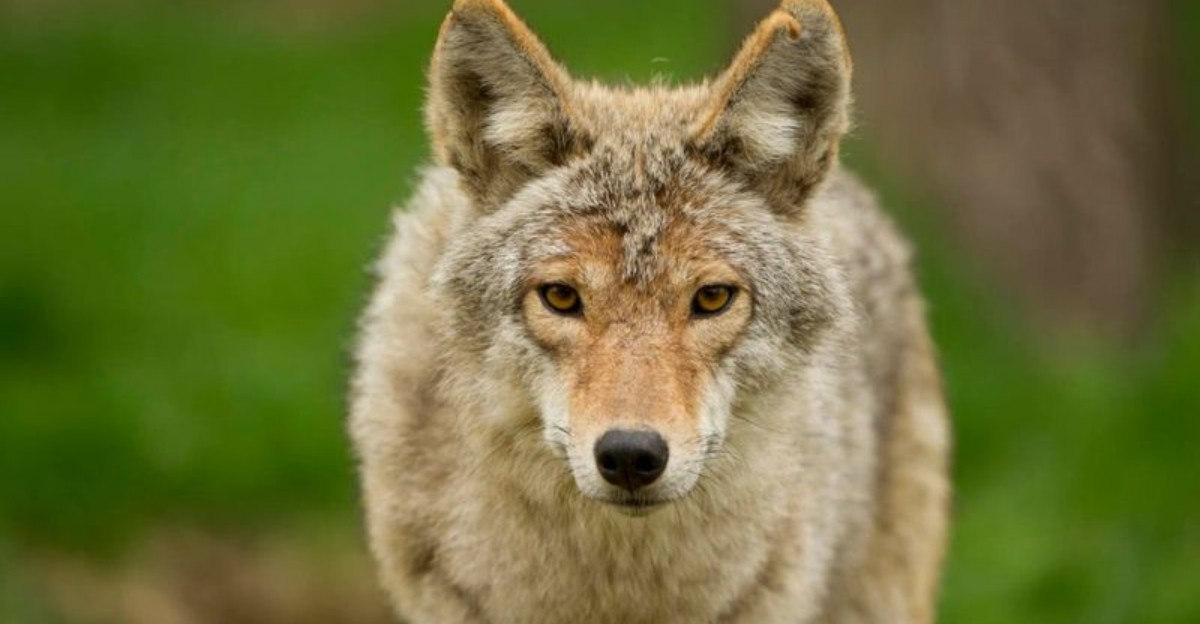
One wild animal now lives in every one of Ohio’s 88 counties, including busy suburbs. Some of them trot quietly past backyard gardens while most of us sleep.
I first noticed fresh tracks beside my raised beds one frosty morning. They were oval, tidy, and much neater than my dog’s sloppy prints.
Part of me felt thrilled, and part of me felt a little nervous.
You need to know your rights before that shadowy visitor gets bolder. Rules about feeding, relocation, and reporting can trip up even careful homeowners.
Some actions that seem kind are actually against the law.
What are you actually allowed to do when a sharp-eared, bushy-tailed guest starts using your yard as a shortcut? The answer is simpler than most people expect, with a few important rules attached.
1. Those Bushy-Tailed Coyotes Hold a Special Spot in the Rulebook
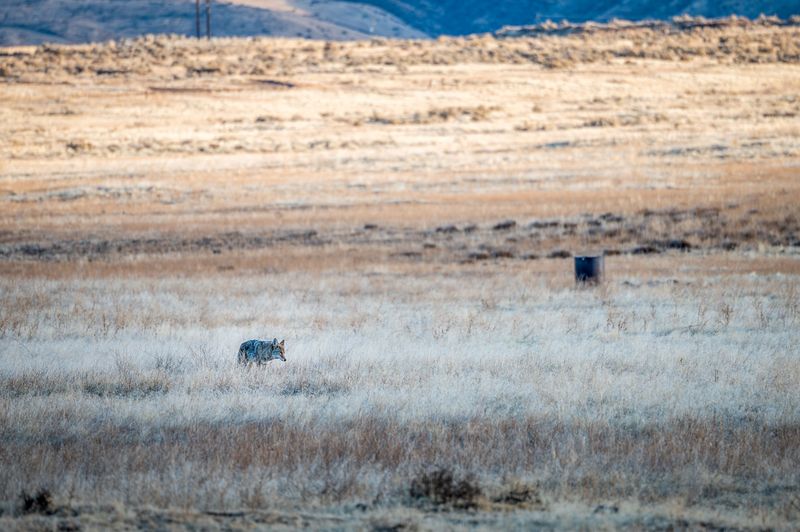
Few wild neighbors get treated quite like the coyote. Wildlife officials classify it as a furbearer, a group of mammals the state manages closely.
Coyotes are abundant, adaptable, and found in every county, from farm country to city parks.
Biologists say coyotes moved into the state on their own during the early 1900s. They filled the gap left after wolves disappeared from the region.
Today they are a normal part of the landscape, even in places like Columbus and Cleveland.
Spotting one near your tomatoes does not mean something is wrong. Most coyotes eat mice, voles, rabbits, insects, and fallen fruit.
Many gardeners never realize how often one passes through.
Before acting, make sure the animal really is a coyote. A loose dog with a similar look falls under the county dog warden, not wildlife rules.
Look for a narrow snout, upright pointed ears, and a bushy tail held low, often with a dark tip at the end.
2. Wild Coyotes Belong to the State, Not to Your Property
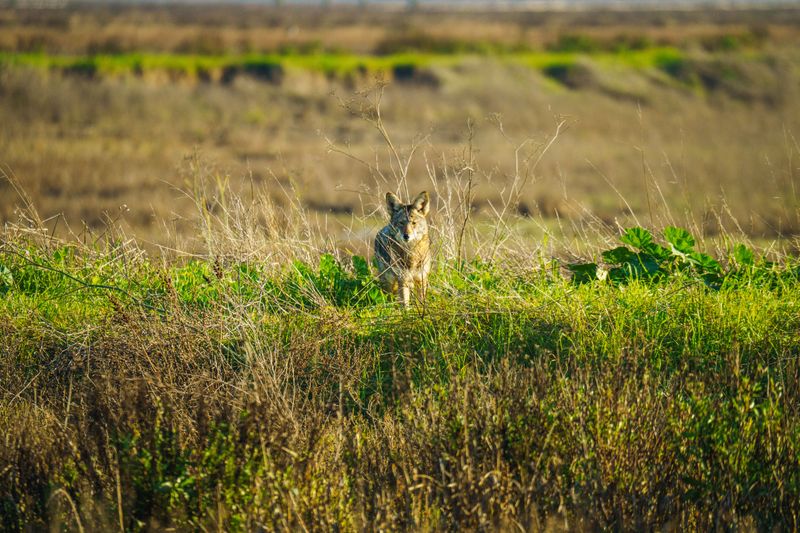
Here is a legal detail that surprises plenty of homeowners. A coyote crossing your backyard does not belong to you, even when it naps under your shed.
Ohio law says wild animals in the state are owned by the state itself, which holds them in trust for all residents. That rule sits in Ohio Revised Code Section 1531.02.
In practice, this means wildlife decisions are not purely private ones. The Ohio Division of Wildlife manages coyotes along with deer, foxes, and every other wild species.
It also means you cannot keep a wild coyote as a pet, pen one up, or sell one. Possessing wildlife generally requires a permit from the state.
I find this rule oddly reassuring. It reminds us that the animals passing through our gardens are part of a shared natural heritage, not just a personal headache.
Ownership by the state does not mean you are helpless, though. You can still protect your pets, secure your property, and discourage a coyote from hanging around.
Most of the smartest steps cost very little. Cleaning up food sources, adding fencing, and making noise are all legal and effective.
When questions come up, the Division of Wildlife is the right place to ask. Staff answer calls from homeowners every day.
3. Found Coyote Pups? Leave Them Be and Call for Advice
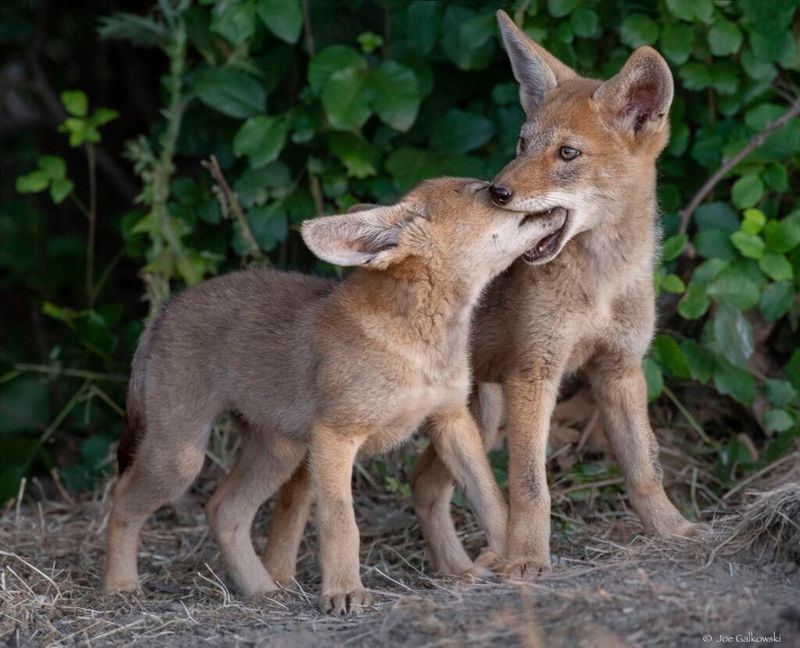
Spring brings a sweet surprise to some Ohio yards. Coyote pups are usually born in April or May, often in a den under brush, a woodpile, or an old burrow.
A litter of fuzzy, gray-brown pups can look lost and helpless. In most cases, they are not.
The parents are usually nearby, searching for mice and checking in throughout the day and night.
Please do not pick them up or carry them home. Taking wildlife into your house is generally illegal without a state permit, and pups raised by people rarely do well.
If a pup seems injured or truly abandoned, contact a licensed wildlife rehabilitator. Ohio permits trained rehabilitators to care for orphaned and injured wild animals, and the Division of Wildlife can help you find one.
Keep children and pets away from the den while the family uses it. A respectful distance lowers stress for everyone, coyotes included.
The good news is that this stage does not last long. Coyote families usually leave the den area by mid to late summer, as pups grow and start roaming.
Personally, I think watching from a window is the best seat in the house. You get a rare glimpse of wild family life without disturbing it.
4. A Coyote Bite Must Be Reported in Ohio
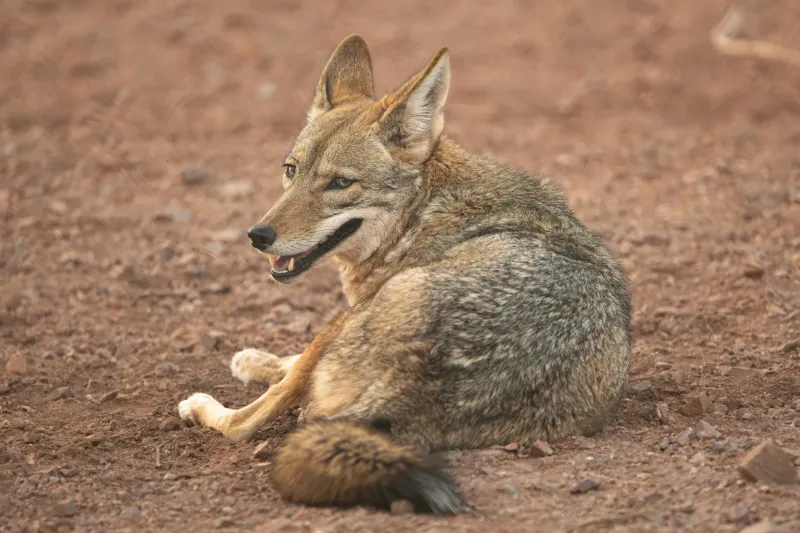
Coyote bites on people are very rare. Still, Ohio has clear rules for the unlikely moment one happens.
Coyotes are considered a rabies vector species, meaning they can carry and spread the virus. Because of that, any bite needs prompt attention.
Ohio rules require animal bites to be reported to the local health department within 24 hours. Doctors and health officials use those reports to decide whether rabies treatment is needed.
If a coyote bites you, wash the wound right away with soap and plenty of water. Then seek medical care as soon as possible, even if the bite looks small.
Pets need the same care. If your dog or cat tangles with a coyote, call your veterinarian quickly and mention the wildlife contact.
Up-to-date rabies vaccines matter here. Many Ohio communities require them for dogs, and vets strongly recommend them for cats too.
Keep notes on the time, place, and what the animal looked like. Those details help health officials respond faster.
A little preparation brings real peace of mind. Save your local health department’s number in your phone, and you’ll know exactly who to call.
5. Moving a Coyote to the Woods Is Against the Law
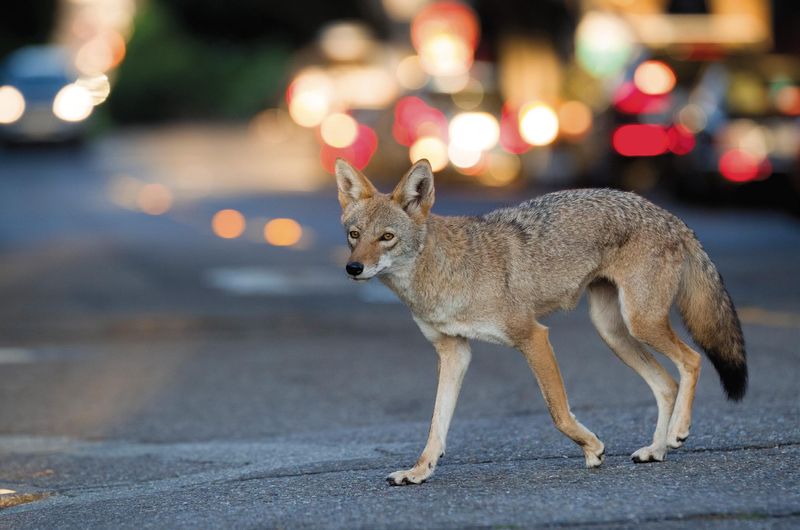
Plenty of kind-hearted people picture a happy ending. They imagine driving a coyote to a state forest and waving goodbye.
In Ohio, that plan breaks the law.
Ohio rules do not allow coyotes to be moved to new areas. Even licensed wildlife professionals cannot relocate them.
Coyotes are considered a rabies vector species, and moving them could spread disease to new areas. That concern alone explains a lot of the rule.
Wildlife agencies across many states follow similar thinking.
Relocation also tends to go badly for the animal. A coyote dropped into strange territory must compete with resident coyotes that defend their home ranges.
It often struggles to find food, water, and shelter.
There is another twist many people miss. Removing one coyote often opens space for another to move in.
That makes prevention the best plan for most homeowners. It is usually cheaper, easier, and more lasting.
6. City Limits Can Change What You Do About a Backyard Coyote
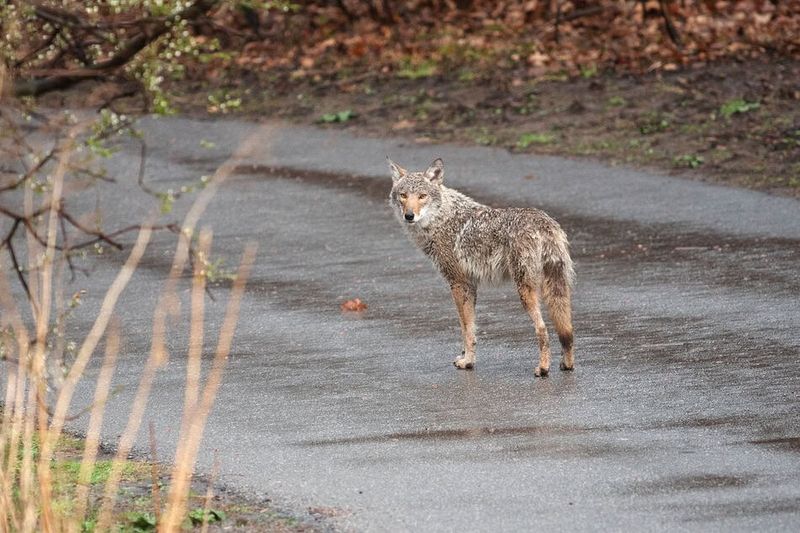
State law sets the big rules, but your town may add its own. That matters a lot for suburban gardeners.
Many cities, villages, and townships have their own rules about wildlife, pets, and nuisance animals.
A quick call to your local police department or village office clears up confusion fast.
Some cities have also passed wildlife feeding bans. Leaving out food that draws coyotes, deer, or raccoons can bring a warning or fine.
These rules exist because fed animals lose their fear of people.
Homeowner associations may have their own fence and lighting rules as well. Check them before installing a new barrier around your vegetable beds.
A permit might be needed for taller fencing.
Local rules vary widely from one community to the next. Rural townships tend to allow more options than dense suburbs.
When in doubt, ask first and act second, because a friendly phone call costs far less than a citation.
7. Clapping, Shouting, and Waving Arms Can Send a Coyote Packing
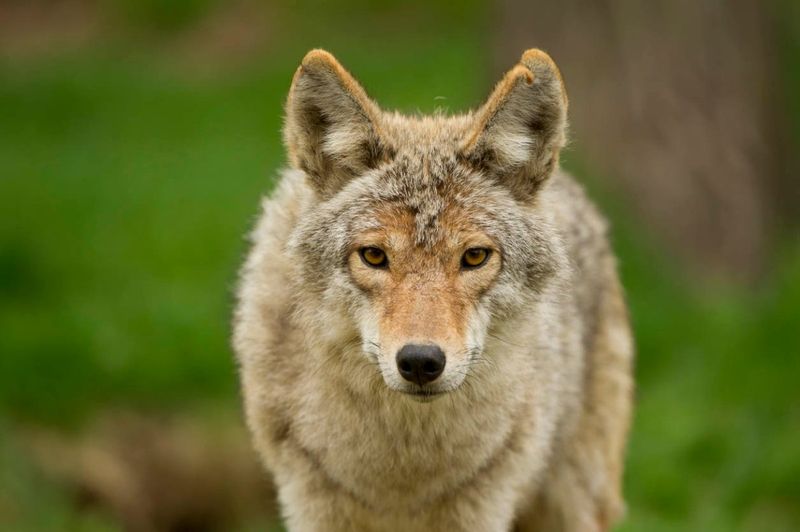
Honestly, my favorite tool costs nothing at all. A loud voice and a bit of drama work wonders on a curious coyote.
Experts call it hazing. When a coyote lingers, stand tall, wave your arms, clap, and shout firmly.
Banging a pot lid or shaking a can of coins adds extra punch.
If it still hangs around, toss a small object toward it, not at its face. A spray from the garden hose also does the trick.
Keep going until the animal leaves the area, so the lesson sticks.
Hazing is fully legal and highly recommended by wildlife officials. It helps coyotes keep their natural wariness of people.
Consistency from every neighbor makes the message even stronger.
Pair hazing with smart cleanup. Bring pet food indoors, secure trash lids, and pick up fallen fruit under trees.
Birdseed spills draw rodents, which then draw coyotes.
Fencing helps protect chickens and small pets. A solid fence about six feet tall with an outward lip works best.
Motion lights near sheds and compost bins add another layer.
Keep cats indoors and walk small dogs on short leashes, especially around dusk. Those habits matter most during spring pup season.
8. Wildlife Experts Can Help With Stubborn Coyote Visitors
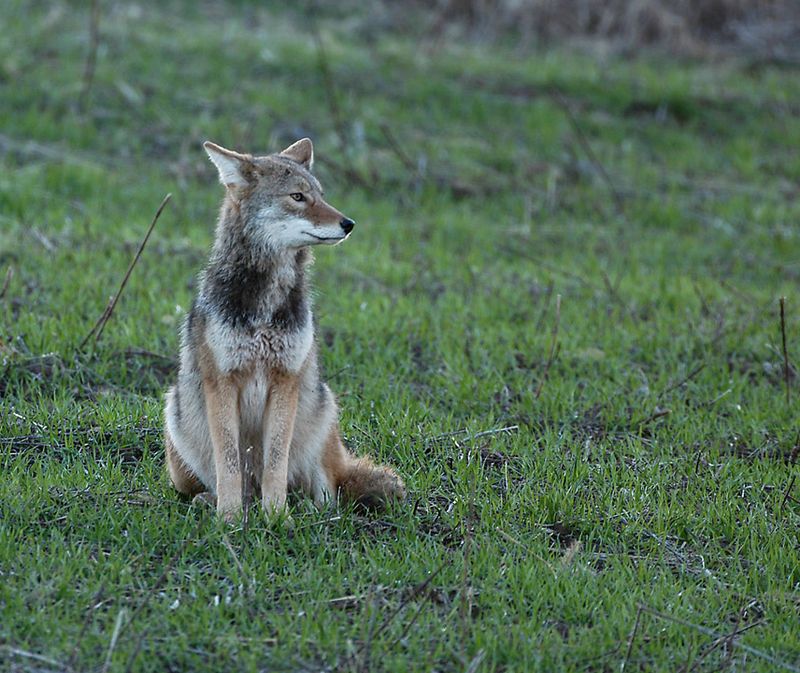
Some coyotes simply refuse to take the hint. When hazing and cleanup fail, it is time to bring in a pro.
The Ohio Division of Wildlife offers free advice, and the state also licenses professional wildlife control operators. These pros know state and local rules inside and out.
They can also spot den sites and travel routes you might miss.
To find one, call the Division of Wildlife at 1-800-WILDLIFE, which is 1-800-945-3543. Staff can share a list of licensed operators near you.
Ask about fees upfront, since private operators set their own prices.
Call right away if a coyote acts strangely. Stumbling, odd aggression toward people, or a lack of fear in daylight could signal illness.
Keep pets and kids inside and let professionals or local authorities respond.
A sighting alone is not an emergency. Coyotes passing through at noon are often just looking for mice or heading to another patch of cover.
The best takeaway is simple. Learn your rights, check local rules, and start with prevention.
Most backyard coyote problems shrink once food and shelter disappear, leaving you free to enjoy your garden again.