What Texas Law Says About Your Neighbor’s Leaves Blowing Into Your Yard
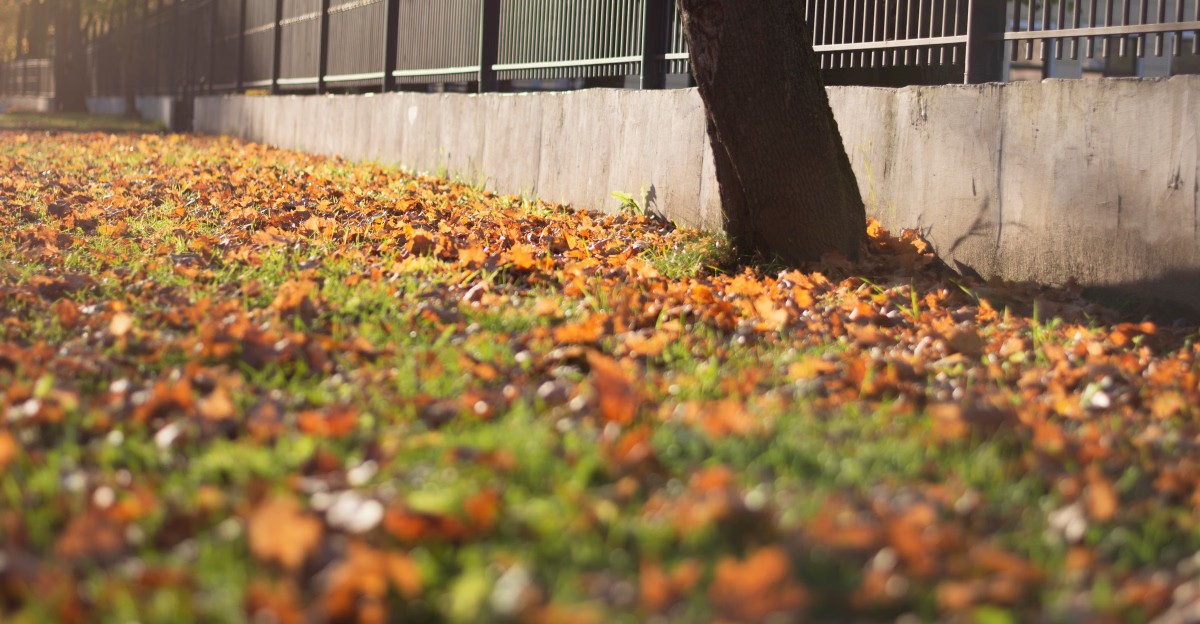
A single mature live oak can drop thousands of leaves in one spring flush, and none of them check the property line first. I learned that the hard way last March, rake in hand, glaring at a fence.
Turns out the law has opinions about this. Texas courts have spent decades sorting out who owns falling leaves, stray pecans, and branches that wander across fences.
You might notice your neighbor’s tree looks innocent from their side. From your side, it looks like a full-time job with no paycheck.
I dug into what attorneys, court rulings, and Texas A&M foresters actually say. Some answers made me laugh, and one made me put my leaf blower down fast. So who really owns that crunchy pile on your lawn?
That Pile Of Oak Leaves On Your Lawn Has A Legal Owner
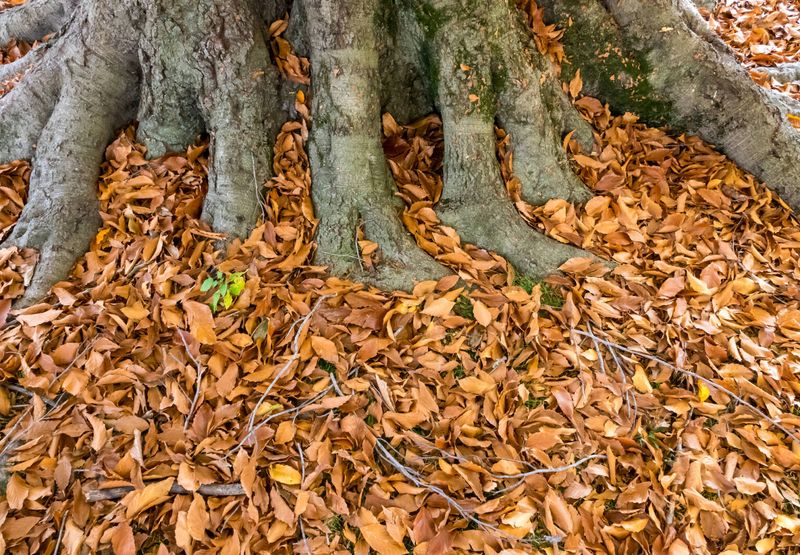
Spoiler alert from a fellow rake owner: the leaves on your grass are probably yours now. Texas follows a long-standing common-law idea that natural debris from a healthy tree is just nature doing its thing.
Leaves, acorns, pecans, and even that yellow oak pollen fall under this umbrella. Once wind carries them over the fence, the cleanup usually lands on whoever owns the ground they land on.
I grumbled about this for a whole weekend. Then I realized the rule cuts both ways, since my crape myrtle sheds blooms onto my neighbor’s patio every summer.
Courts treat falling leaves like rain or wind. Nobody controls them, and nobody planted the tree with a plan to bother you.
Holding a neighbor liable for something seasonal and unavoidable would flood the courts with fence-line squabbles.
Keep a few details in mind, though. The rule protects owners of healthy trees behaving normally. It does not cover someone who rakes or blows their pile into your yard on purpose.
Intentional dumping is a different story. That can count as trespass, since a person, not the wind, moved the debris onto your property.
So before you march next door with a bag of leaves, ask yourself one question. Did the breeze deliver them, or did a leaf blower?
Healthy Trees Dropping Leaves Rarely Count As A Nuisance
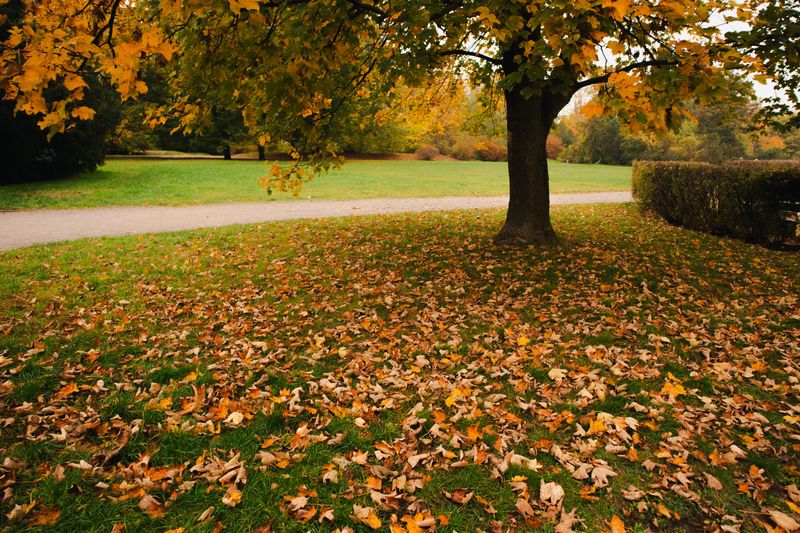
Leaves in the pool again? I feel that pain every spring when the live oaks shed. Many folks wonder if a steady leaf storm counts as a legal nuisance.
Texas does recognize private nuisance claims. The Texas Supreme Court, in a 2014 case called Crosstex Energy Services v.
Pro Plus, described nuisance as a substantial interference with the use and enjoyment of land that causes unreasonable discomfort or annoyance to a person of ordinary sensibilities.
Notice the words substantial and ordinary. Normal leaf drop from a healthy tree rarely clears that bar, even when it clogs your gutters or skimmer basket.
Judges look at what an average person would put up with. Raking leaves in a tree-filled neighborhood is generally seen as part of the deal.
A lawsuit over routine leaf fall would likely cost far more in time and fees than a season of yard bags. Most Texas real estate attorneys say the same thing.
My practical fix was simple and cheap. Gutter guards, a sturdy pool cover, and a leaf skimmer net turned a weekly headache into a ten-minute chore.
Save the legal energy for problems that actually damage your property. Leaves alone usually do not make the cut.
Overhanging Branches Can Be Trimmed Right At The Fence Line

Branches hanging over your fence give you a bit more power than loose leaves do. Texas generally allows a self-help remedy for limbs that cross onto your property.
You can trim those branches back, but only up to the property line. Stepping into your neighbor’s yard to cut them requires their permission, or you risk a trespass claim.
The cost usually falls on you, too. Since you chose to trim, you pay the arborist or sharpen your own loppers.
Here is where folks get into trouble. Cutting so hard that you seriously harm or topple the tree can make you liable for its value, and mature shade trees can be worth thousands of dollars.
Texas A&M Forest Service suggests avoiding heavy cuts on oaks between February and June. Fresh wounds during that window can attract beetles that spread oak wilt, a serious disease in Central Texas.
I always paint fresh oak cuts with wound dressing, which Texas foresters recommend specifically for oaks. It takes seconds and protects the whole neighborhood canopy.
Got a big limb near power lines? Call your utility company instead of climbing up there yourself.
A Sick Or Leaning Tree Next Door Changes The Rules
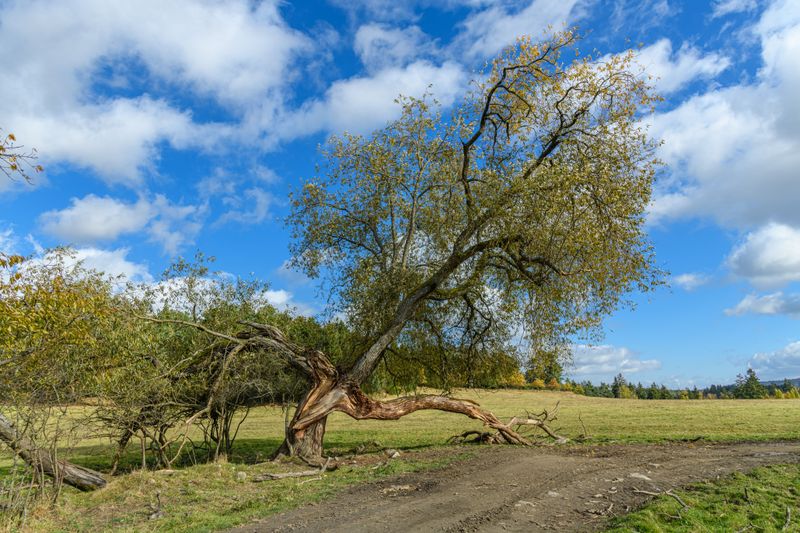
Things shift fast when the tree next door is unhealthy. A hollow trunk, a big crack, or a sharp lean can move responsibility back onto the owner.
Texas negligence law looks at whether the owner knew or should have known about a dangerous condition. If they did and ignored it, they may be liable when a limb crashes onto your roof or car.
Watch for warning signs I have learned to spot on my evening walks. Mushrooms at the base, peeling bark, bare branches in summer, and cracks in the soil around roots all deserve attention.
Documentation matters most here. Snap clear photos and send your neighbor a polite written note describing the concern, with the date included.
That letter can become very helpful later. It shows the owner was made aware, which strengthens any claim if damage follows.
Your homeowner’s insurance may also get involved after a storm. Many policies cover damage from a neighbor’s tree, and the insurer may pursue the neighbor if negligence is clear.
A certified arborist can assess a questionable tree for a modest fee. Sharing that report with your neighbor often settles the debate kindly and quickly.
Blowing Your Leaves Into The Street Can Earn You A Ticket
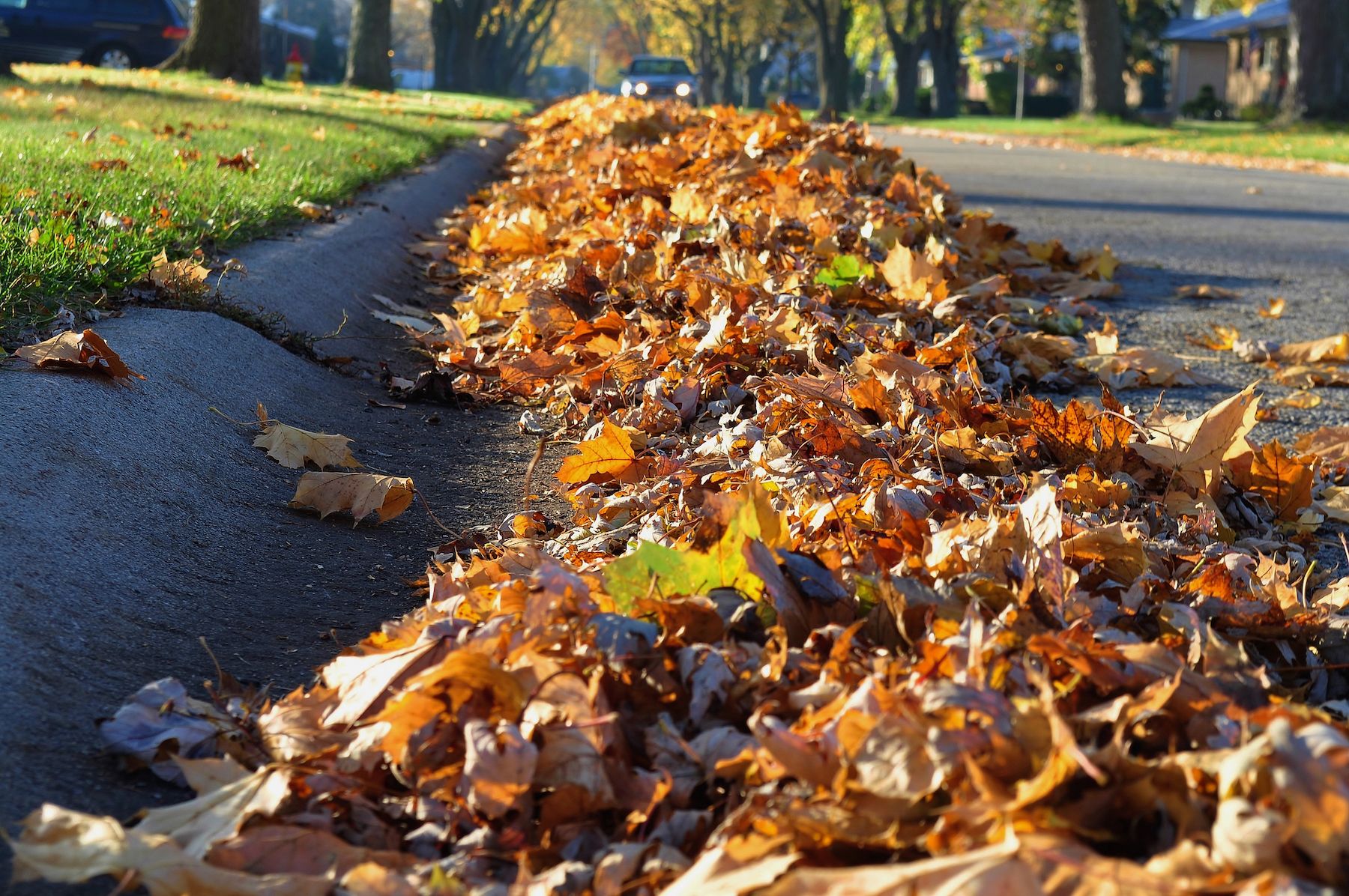
Funny how the leaf debate can flip on us. While we fuss about our neighbor’s leaves, many of us happily blast our own piles into the street.
That habit can cause real trouble. Many Texas cities, including Austin, Houston, and Dallas, prohibit blowing yard debris into streets or storm drains under local ordinances.
Leaves washing into drains carry nutrients into creeks and lakes. Those nutrients feed algae blooms, and piles can also clog drains and add to street flooding during heavy rain.
Penalties vary by city. Some violations are treated as Class C misdemeanors, which in Texas can carry fines of up to $500, so check your own city code.
Blowing your pile onto a neighbor’s lawn is also a bad idea. Moving debris onto someone else’s land on purpose can be considered trespass.
I switched to mulching my leaves with the mower, and I wish I had started years ago. Shredded leaves break down fast and feed your lawn.
Many cities also offer free yard waste pickup in paper bags. Your trash provider’s website will list the schedule and any bag requirements.
A Friendly Chat Over The Fence Is Better Than A Courtroom

Some of my best gardening friendships started with a complaint. A calm talk over the fence solves most leaf headaches long before lawyers enter the picture.
Plenty of neighbors have no clue their tree bothers you. Their view of the canopy looks lovely, while yours includes a gutter stuffed with leaves.
Be specific when you speak up. Saying a limb scrapes your roof gets better results than grumbling about leaves in general.
Offer ideas instead of demands. Splitting the cost of a professional trim, sharing a yard crew, or coordinating cleanup days can make everyone happier.
Your HOA might also have rules on tree upkeep and debris. Read your deed restrictions before the talk so you understand what applies on your street.
Texas also has dispute resolution centers in many counties. These programs offer low-cost or free mediation for neighbor disagreements.
Bring a plate of cookies if you want bonus points. I once traded a pecan pie for a promise to trim a branch, and it worked beautifully.
Keeping the peace matters because you will share that fence for years. Winning an argument rarely feels as good as a friendly wave each morning.
Turn Those Free Fallen Leaves Into Garden Gold
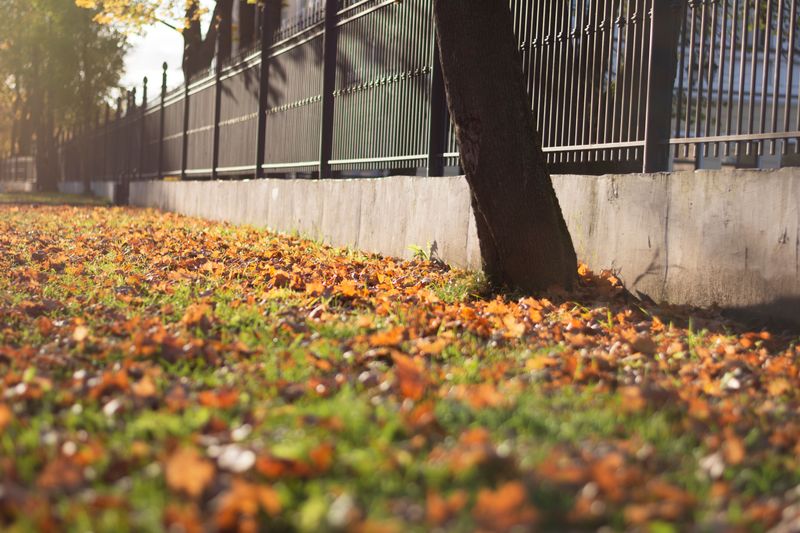
Here is my favorite twist on the whole story. Those annoying leaves are one of the best free soil builders a Texas gardener can get.
Texas A&M AgriLife Extension encourages homeowners to keep leaves out of landfills. Shredded leaves make excellent mulch and a rich ingredient for compost.
Run your mower over light layers and leave the bits on the grass. They break down quickly and return nutrients to the soil.
For thicker piles, rake leaves into a compost bin. Mix them with green material like grass clippings or kitchen scraps for faster breakdown.
Spread a few inches of shredded leaves around shrubs and perennials, too. That mulch holds moisture, cools roots in our hot, dry summers, and keeps weeds down.
Earthworms adore leaf mulch. I watched my clay bed turn crumbly and dark after just two seasons of leaf layers.
Know the legal basics, too. Clean up natural leaf fall yourself, trim only to the line, document hazards, and talk before you file anything.
So next time the wind sends your neighbor’s leaves over, grab a bag with a grin. Your garden just got a free delivery.