The Pint-Sized Guest Moving Into Minnesota Garages And Kitchens This November

A grown mouse can squeeze through a hole about the width of a pencil. I checked my Minnesota garage door seal after learning that, and I found three gaps.
Our November visitor has big black eyes, oversized ears, and a snowy white belly. It hoards sunflower seeds in boots, glove boxes, and old flower pots. Some Minnesota gardeners even find a whole winter pantry tucked inside a grill cover.
You might notice tiny droppings near the dog food first. Or maybe you hear soft scratching behind the stove after the furnace kicks on.
I spotted mine near the birdseed bin. This little guest is cute, clever, and a bit more complicated than an ordinary house mouse.
Its droppings can carry a rare but serious virus, so cleanup takes some care. Meet the deer mouse, the tiny tenant that treats your garage like a winter resort.
That Big-Eared Mouse on Your Garage Shelf Has a Name

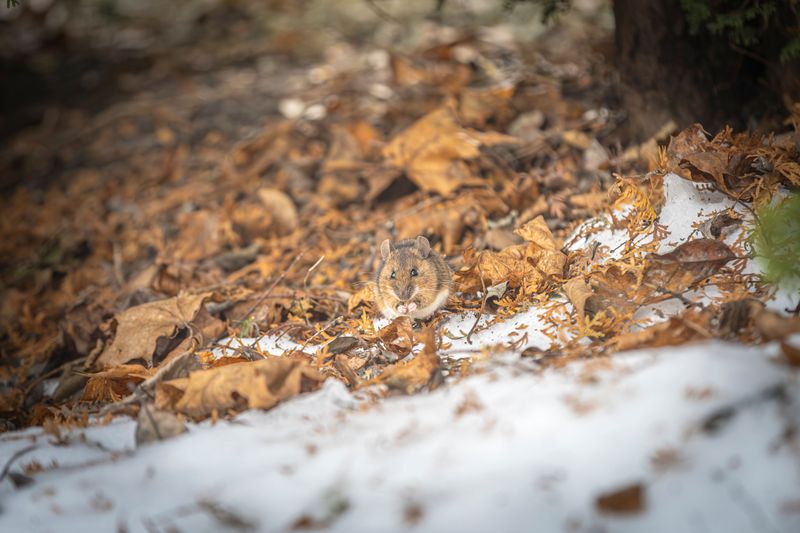
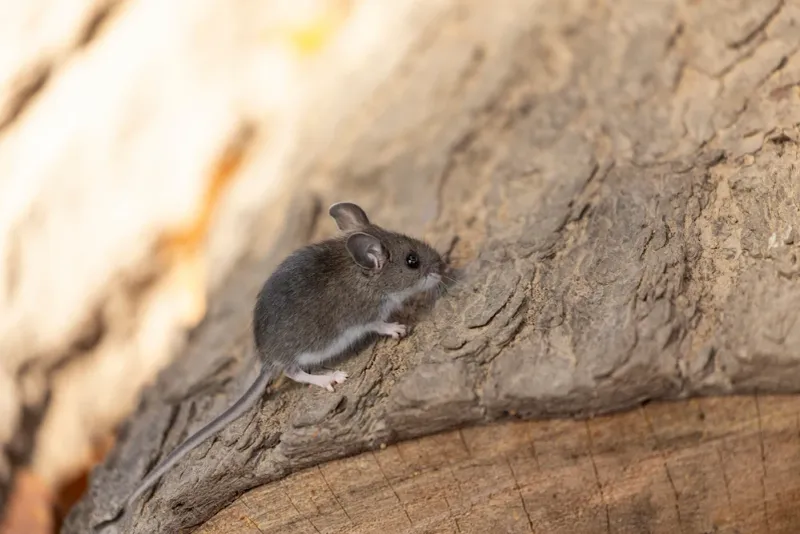
Those big dark eyes staring at you from the garage shelf belong to a deer mouse, or its near twin, the white-footed mouse. Both are native to Minnesota and look so alike that experts often check skulls to tell them apart.
You can spot one by its two-toned coat. The back is tan to reddish brown, while the belly and feet are bright white, like it stepped in fresh snow. The tail is also two colors, dark on top and pale underneath.
Compare that with the common house mouse. House mice wear a dull gray-brown coat from head to toe, with smaller eyes and a scaly, mostly hairless tail.
I like to call deer mice the country cousins. They spend summer in fields, woods, and brushy yards, eating seeds, berries, insects, and the odd garden snack. They are excellent climbers and jumpers too.
Knowing which mouse you have matters more than you might guess. Deer mice are the main carrier of hantavirus in North America, while house mice are not.
That one detail changes how you clean up after them, so take a careful look before you grab a broom.
Deer Mice Head Indoors When Minnesota Nights Turn Frosty
Every fall, my garage turns into a seasonal hotel, and the check-in rush peaks right around November. That timing is no accident.
As fields are harvested and frost knocks back the weeds, outdoor seed supplies shrink. Nights in much of the state drop well below freezing by mid-November, and northern Minnesota often sees steady snow cover by month’s end.
A mouse weighing less than an ounce loses body heat fast, so a sheltered spot becomes a big deal.
Deer mice do not hibernate. They stay active all winter, which means they need two things: a cozy nest and a nearby food stash. Garages, sheds, cabins, and the back corners of kitchens offer both.
They are also hoarders. A single mouse may tuck away piles of seeds, acorns, and pet kibble in drawers, boots, or insulation. You might find a mound of sunflower hulls where you least expect it.
Cabins and seasonal homes are favorite targets because nobody is around to notice. Rural and wooded properties tend to see more deer mice, while city kitchens are more likely to host house mice. Either way, the cold snap is the signal to start watching.
Put On Rubber Gloves Before Touching Those Mouse Droppings

Grabbing a broom is the natural reaction, but it is the one move health officials ask you to skip. Sweeping or vacuuming droppings can kick tiny particles into the air, and that is how people breathe in hantavirus.
Hantavirus infection is rare in Minnesota, with only a small number of cases reported since the 1990s, according to the state health department. It can still cause a serious lung illness, so a careful cleanup is worth the extra ten minutes.
Follow the CDC routine. Open doors and windows for at least 30 minutes first, then pull on rubber or plastic gloves.
Spray droppings and nesting material with a mix of 1 part bleach to 9 parts water, or a household disinfectant, and let it soak for about five minutes.
Wipe everything up with paper towels and toss them in a sealed bag with the household trash. Then disinfect the area again, wash your gloved hands, remove the gloves, and scrub your hands with soap.
I keep a cleanup kit on a garage shelf now, with gloves, a spray bottle, and a roll of paper towels. If you feel fever, aches, and breathing trouble within a few weeks after contact, mention the mouse exposure to your doctor.
A Dime-Sized Gap Is a Front Door for Deer Mice
Grab a pencil and walk around your garage. Any gap that a dime can slide into is more than wide enough for a mouse, since mice can squeeze through openings about a quarter inch across.
My own walk-around turned up a sagging garage door seal, a loose dryer vent flap, and a gap where the gas line enters the wall. Common trouble spots also include foundation cracks, spaces under siding, utility and cable holes, and the corners of garage doors.
Use materials mice cannot chew through. Stuff steel wool or copper mesh into small holes, then seal over it with caulk or expanding foam. Cover vents and larger openings with quarter-inch hardware cloth.
Garage doors deserve extra attention. Replace cracked rubber bottom seals and add brush or rubber sweeps to entry doors, especially the one leading from the garage into the house.
Timing helps too. Late summer and early fall are ideal for sealing, before mice start scouting for winter quarters.
Still, November is not too late, and any hole you plug today means fewer visitors by January. Check again in spring, since frost heave and settling can open new cracks.
Snap Traps Along the Baseboard Beat Poison Bait Indoors
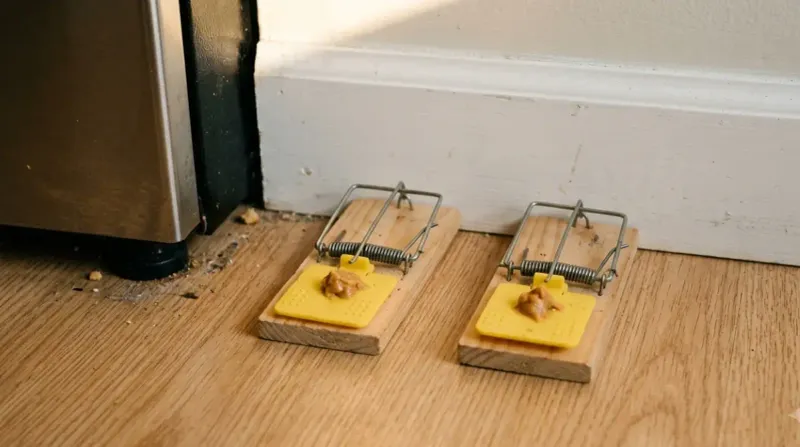
Old-fashioned wooden snap traps still earn top marks from University of Minnesota Extension. They are cheap, quick, and let you confirm that the problem is handled.
Placement is everything. Mice run along walls rather than across open floors, so set traps flush against baseboards with the trigger end facing the wall.
Put several traps a few feet apart in spots with fresh droppings or chewed packaging. Skip the cheese. A pea-sized dab of peanut butter, oatmeal, or a few sunflower seeds works far better.
Some folks tie a little cotton ball to the trigger, since nest-building mice love soft material in fall.
Poison baits are a different story inside the house. Mice that eat bait often crawl into wall voids before the poison works, leaving a smell that lingers for weeks.
Bait can also harm pets, children, and owls or hawks that catch weakened mice outside. Check traps every day while wearing gloves. Spray any caught mouse with disinfectant, seal it in a plastic bag, and place it in the trash.
The CDC discourages live traps for deer mice, since handling frightened mice raises your exposure risk.
Birdseed Bins and Dog Food Bags Make a Mouse Buffet
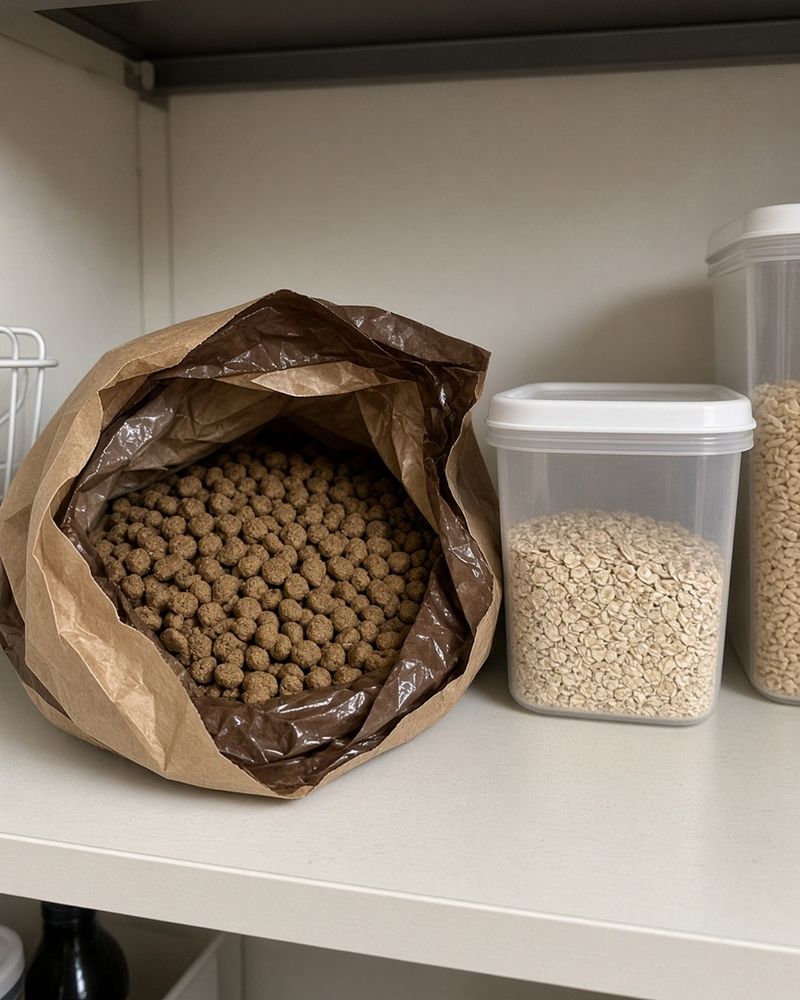
Confession time. The biggest mouse magnet in my garage was a forty-pound bag of black oil sunflower seed, leaning open against the wall for the whole bird-feeding season.
Deer mice are seed specialists, so birdseed, grass seed, and saved garden seeds rank near the top of their wish list. Pet kibble, cracker boxes in the pantry, and spilled crumbs under the toaster come in a close second.
Move all of it into hard containers with tight lids. Metal trash cans with snug covers work well for birdseed in the garage.
Heavy plastic or glass jars are better choices in the kitchen, since mice chew through cardboard and thin plastic bags in a single night.
Feed pets on a schedule and pick up leftover food before bedtime. Mice do most of their foraging after dark, when the house is quiet.
Clutter gives them cover, too. Cardboard boxes, piles of rags, and stacked newspapers are perfect nest material. Swap cardboard storage for lidded plastic bins and keep items off the floor when you can.
Outside, rake up spilled seed under bird feeders, and consider moving feeders a good distance from the house. Less food near the walls means fewer furry scouts looking for a way in.
Peek Under the Hood for Mouse Nests in Your Parked Car
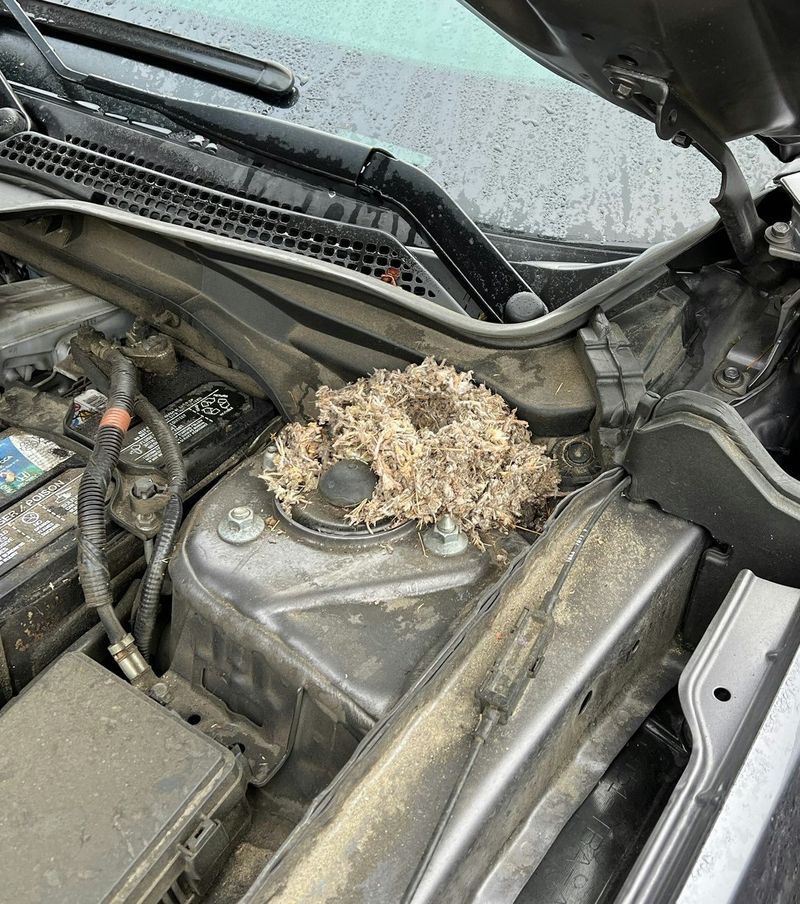
Mechanics across the Upper Midwest see the same surprise every winter. Someone pops the hood of a car parked in the garage for a few weeks and finds a fluffy nest of shredded insulation tucked beside the engine.
Deer mice love parked vehicles, campers, boats, and lawn tractors. Engine bays hold leftover warmth, and air filter boxes and cabin air intakes make snug little rooms. Some mice chew wiring, and that repair bill can sting.
Lift the hood every week or so during cold months. Look for droppings, acorn shells, chewed foam, or grass stuffed into corners.
Check the glove box and trunk, too, especially if you store snacks or a winter emergency kit inside.
Cars and boats stored for the season need extra steps. Remove any food, close windows tightly, and set snap traps around the tires on the garage floor, not inside the vehicle.
Some owners swear by peppermint oil or dryer sheets, but research shows little lasting effect from these scents.
If you do find a nest, use the same bleach-and-gloves cleanup as indoors. Replace the cabin air filter afterward so you are not breathing dust from that old nest every time the fan runs.
Native Deer Mice Belong in the Woodpile, Not Your Kitchen

For all the trouble they cause indoors, deer mice play a valuable role outside. They are a staple food for barred owls, red foxes, weasels, hawks, and snakes, and they help spread and bury seeds across woodlands and prairies.
That is why I aim for a firm boundary instead of a grudge. Mice can stay in the brush pile at the back of the yard. The house, garage, and shed are off limits.
A few habits keep that boundary clear. Stack firewood at least 20 feet from the house and off the ground.
Trim shrubs and tall grass away from the foundation, and keep a strip of gravel or bare ground along the walls so mice feel exposed.
Make a simple calendar note for next August or September to walk the perimeter, check seals, and set a few traps in the garage before the first hard freeze. That one hour of prevention beats weeks of cleanup.
Finally, keep an eye out all winter. Fresh droppings, gnawed boxes, or a faint musky smell mean a new gap has opened somewhere.
Catch it early, and your November guest stays a backyard neighbor instead of a kitchen roommate.