7 Pennsylvania Groundcovers That Look Expensive But Cost Almost Nothing
One of the classiest groundcovers in Pennsylvania wears a misspelled version of our state’s name, missing an n. French botanist Jean-Baptiste Lamarck gave it that Latin spelling in the 1790s, and nobody ever bothered fixing it.
I love that quirky story because it hints at something bigger about the plants growing wild in our woods. Many of the lushest carpets you admire in fancy landscapes started as humble locals or cheap little starter pots.
Personally, I used to walk right past the bargain bins at nurseries, until a tiny plug filled a whole bed. Nobody warned me that a little patience and a few free divisions could create a look worth hundreds of dollars.
You might notice that sunny slopes and shady corners each have their own perfect match on this list. So which bargain beauty will turn your bare patch of dirt into the envy of the whole block?
1. Pennsylvania Sedge
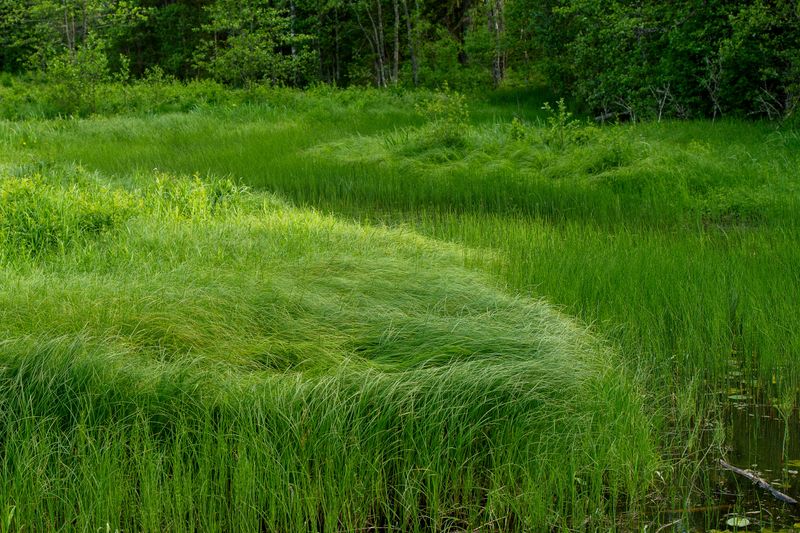
Run your fingers across this sedge and it feels like stroking the soft mane of a pony. The fine, arching blades flop over gently, creating a flowing green carpet that looks straight out of a magazine.
Native to eastern North America, it grows only six to twelve inches tall in dry woods and oak forests. It handles USDA Zones 3 through 8, so gardeners from Erie to Philadelphia can grow it with confidence.
Shade is where this plant shines, especially dappled light under trees where regular turf grass struggles to survive. Harsh afternoon sun can scorch the leaves, so morning light or bright shade suits it best.
I have to admit the slow spread tested my patience, since it creeps outward by short underground rhizomes. Planting plugs about eight to twelve inches apart helps them knit together into a lawn-like mat much faster.
Water regularly during the first season, then step back, because established clumps handle dry spells surprisingly well. Skip the fertilizer bag too, since this tough native rarely needs any extra feeding to look its best.
Mowing is optional, though some gardeners trim it to two or three inches once or twice a year. A quick haircut in late winter clears away tired, bronzed blades and makes room for fresh spring growth.
Birds like dark-eyed juncos eat the tiny seeds, and several moths and skippers use the leaves as caterpillar food. Deer and rabbits mostly ignore it, which means your elegant carpet stays tidy instead of becoming a snack bar.
2. Wild Ginger

Scratch the root and a spicy scent rises up, smelling surprisingly like the ginger in your kitchen. Despite that aroma, Asarum canadense has no relation to culinary ginger and should stay out of your stir-fry.
Its velvety, heart-shaped leaves overlap like green umbrellas, and fine hairs give them a soft, almost suede finish. Plants reach six to twelve inches tall, forming thick colonies that look like a pricey designer woodland planting.
Take a closer look under those leaves in April or May to spot odd maroon flowers sitting on the soil. These little brown jugs attract early flies and beetles, and ants later carry the seeds away to plant them.
Moist, rich soil full of leaf mold keeps this native happy, and deep shade suits it just fine. Afternoon sun scorches the foliage quickly, so tuck it beneath trees or along the north side of your house.
Unlike some groundcovers, it does not handle long droughts well, so water during hot, dry stretches of summer. The leaves disappear each winter, then return in spring, so mark the spot to avoid digging into sleeping roots.
Pipevine swallowtail butterflies use this plant as a caterpillar host, which adds a fun bonus for wildlife lovers. Slugs might nibble occasionally, but deer and rabbits usually pass it by without a second glance.
One caution matters here, because the plant contains aristolochic acids that can harm kidneys if anyone eats it. Keep it as an ornamental only, and wear gloves if your skin tends to react to garden plants.
3. Foamflower
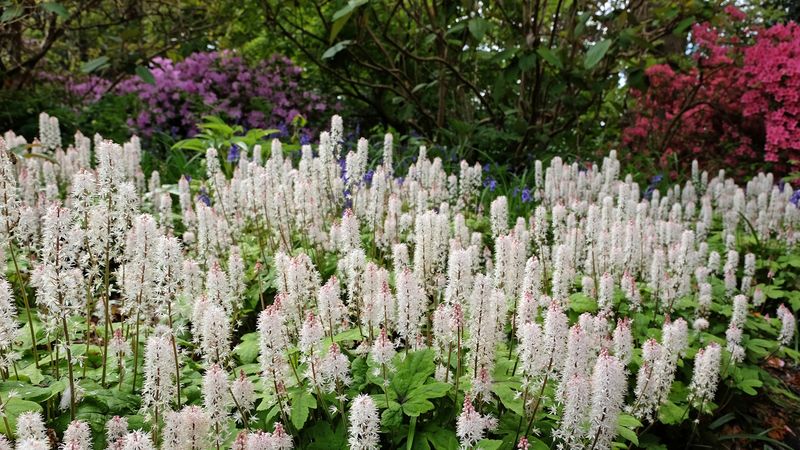
In spring, foamflower sends up fluffy white spikes that look exactly like sea foam drifting over a woodland floor. Long stamens create that frothy effect, and I think it rivals any fancy perennial sold in a glossy pot.
The heart-shaped leaves often have lobes like maple leaves, and some show striking burgundy markings along the veins.
Foliage stays mostly evergreen and often turns bronze or deep red during fall and winter, adding cozy color.
Blooms appear from early to late spring and can last four to eight weeks, which feels like a real bargain. Native bees and small flies visit the airy flowers when few other plants in the yard offer food.
Some types spread by runners, a lot like strawberries, while others stay in neat clumps that rarely wander. Check the plant tag, because runner types fill ground quickly while clumpers work better along edges and paths.
Rich, moist soil with plenty of compost suits it best, though soggy ground can cause rot problems. Space plants twelve to eighteen inches apart in partial or full shade, then add a thin layer of mulch.
Water often in dry spells, since foamflower is not a drought lover and leaves can crisp up fast. Snip off spent flower stalks and tattered leaves in late winter to keep the planting looking sharp.
Dividing clumps every few years gives you free plants, and that trick stretches your budget wonderfully far. Deer and rabbits tend to leave it alone, and it is not known to be toxic to pets.
4. Creeping Phlox
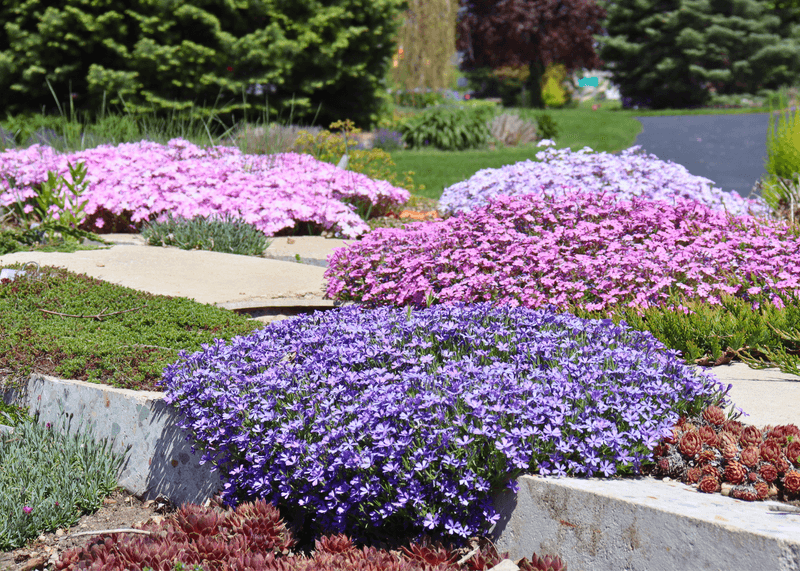
Every spring, entire hillsides along country roads suddenly turn hot pink, and creeping phlox is usually the reason.
Those blazing carpets look like someone spent a fortune on bedding plants, yet one clump spreads for years.
Phlox subulata is native to the eastern United States, including rocky slopes and open woods in Pennsylvania. It grows only four to eight inches tall but can stretch a foot and a half to three feet wide.
Starry flowers with notched petals cover the needle-like leaves for about three or four weeks in spring. Butterflies and early bees visit the blooms, giving your yard a busy buzz after a long, quiet winter.
Full sun brings the heaviest flowering, so aim for at least six hours of direct light each day. In too much shade, stems stretch out and get leggy, and the blossom show becomes thin and patchy.
Well-drained soil matters more than rich soil, since this plant actually prefers lean, sandy or gravelly ground. Soggy clay is its biggest problem, so try slopes, rock gardens or the top of a retaining wall.
After the flowers fade, shear plants back by about a third to keep mats dense and avoid woody centers. You can also root stem pieces that touch the soil, turning one nursery pot into a whole border.
Once established, it shrugs off most dry spells, needing water only during long stretches without rain. Deer and rabbits usually skip it, and it is listed as non-toxic to kids, cats and dogs.
5. Allegheny Spurge
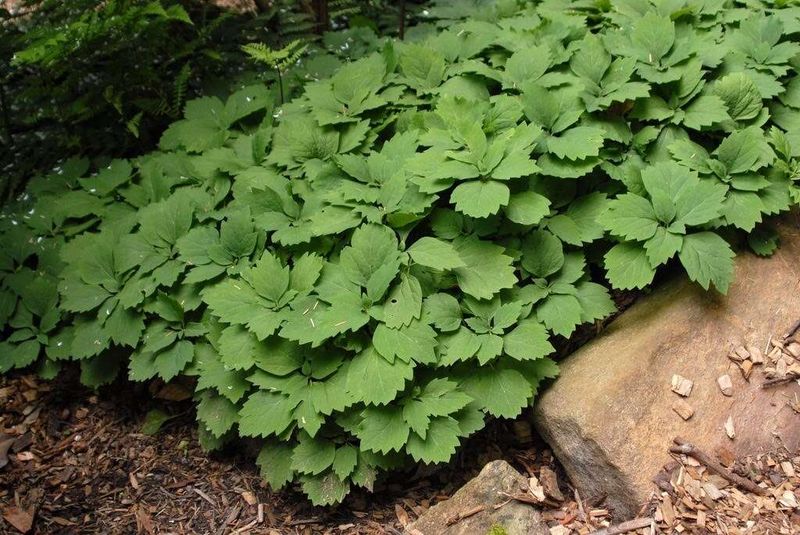
Most people know the shiny Japanese pachysandra, but its American cousin has a softer, more sophisticated look.
Allegheny spurge wears matte blue-green leaves, often mottled with silver or purple, that feel almost like designer fabric.
Pachysandra procumbens is native to the Southeast, and southeastern Pennsylvania marks the northern edge of its wild range.
Unlike Japanese pachysandra, which can escape into woods, this native spreads slowly and stays politely in place.
In early spring, fuzzy white flower spikes pop up before the new leaves, and they smell lightly sweet. Early bees and flies visit those blooms, so your shade garden starts buzzing sooner than you might expect.
Partial to full shade under big trees suits it best, since strong afternoon sun can bleach the leaves. It prefers acidic, organically rich soil that drains well, and a light mulch helps hold in moisture.
In colder parts of the state, older leaves can look ragged by late winter or drop after harsh cold. Simply trim the tattered foliage in early spring, and fresh mottled growth fills in within a few weeks.
Water regularly for the first year or two, aiming at the soil instead of the leaves to prevent blight. Established plants handle dry periods well, and a little compost each spring covers its modest feeding needs.
Patience pays off here, because slow growth means fewer plants at first but a classy carpet for years. The sap can irritate skin, and plants are listed as toxic to pets, so wear gloves while planting.
6. Bearberry
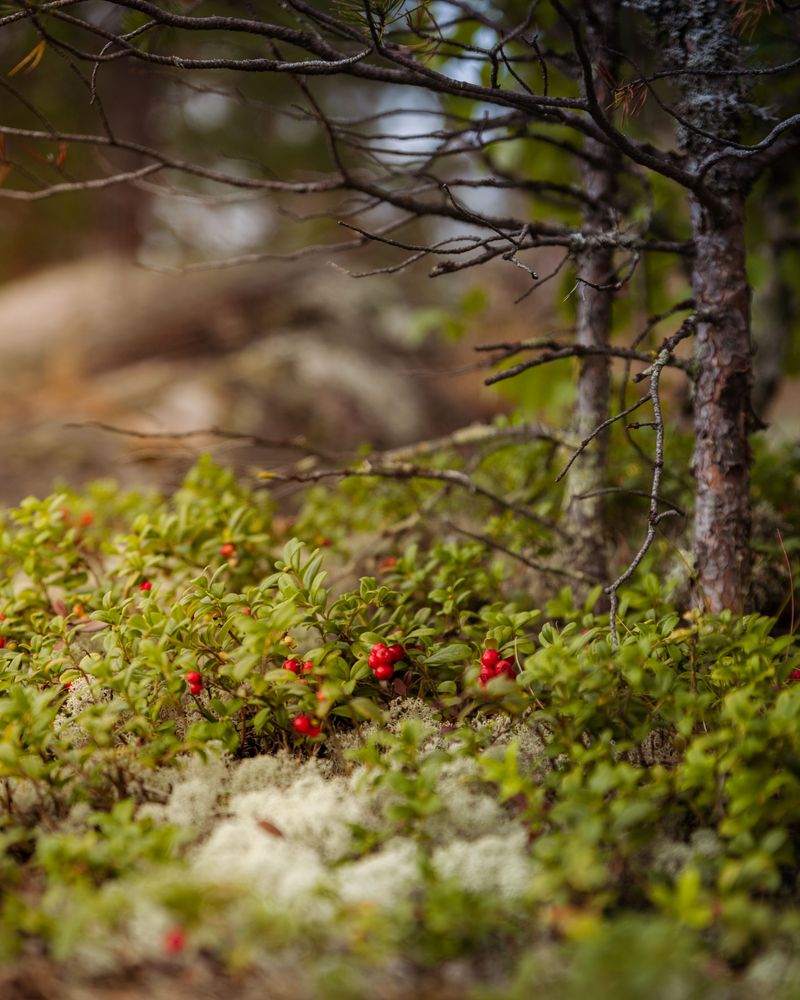
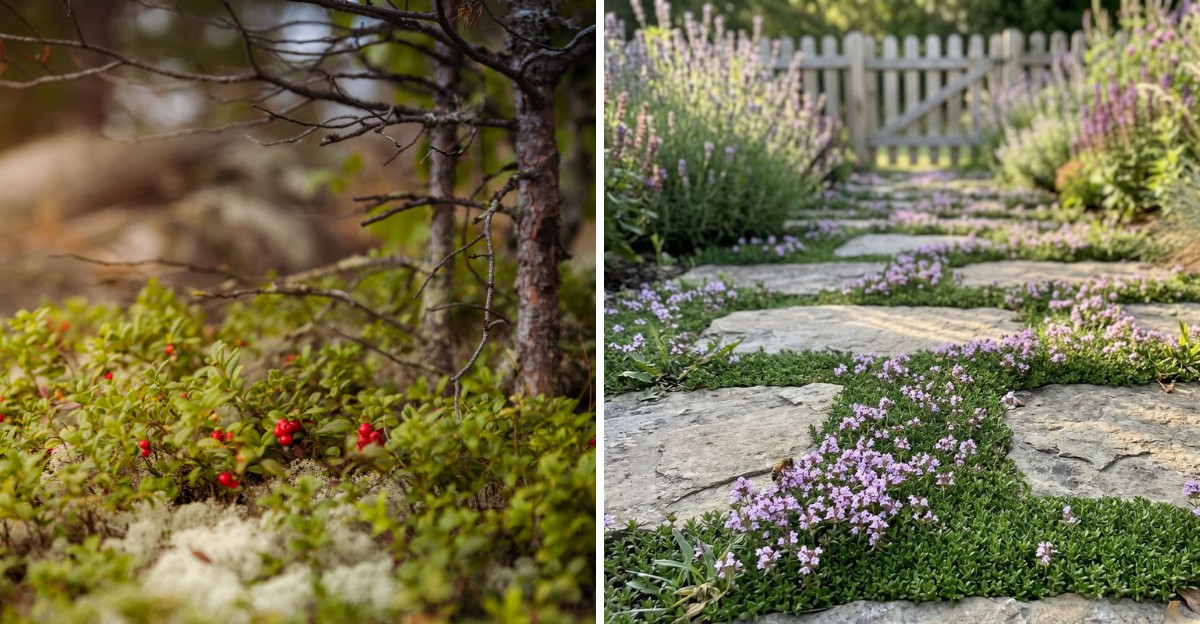
Bright red berries glowing on glossy green leaves in January make bearberry look like living holiday decor. Its other common name, kinnikinnick, comes from a Native American word, and it sounds fun to say aloud.
This woody native creeps along the ground, staying three to twelve inches tall while spreading several feet wide. It is rare in parts of Pennsylvania, so buy nursery-grown plants instead of digging any from the wild.
Bearberry loves the tough spots other plants hate, like sandy banks, rocky slopes and lean, gravelly soil. Rich, wet ground causes trouble, so skip the compost and let this rugged plant enjoy poor conditions.
Full sun gives the most flowers and berries, though it tolerates partial shade with a smaller crop. In spring, tiny bell-shaped flowers in white or pink hang in clusters, and bees happily visit them.
Those red berries ripen in late summer and often hang on through winter, feeding birds when food runs low. Leaves turn bronze or burgundy in cold weather, giving you a second show without lifting a finger.
I have to admit it grows slowly, so plant it in spring and water steadily during that first season. After that, it handles drought well and wants almost nothing from you, not even a dose of fertilizer.
Prune only to remove a few brown twigs or shape edges in late winter before new growth starts. Deer usually leave it alone, but keep the leaves away from curious kids, since they contain strong compounds.
7. Creeping Thyme
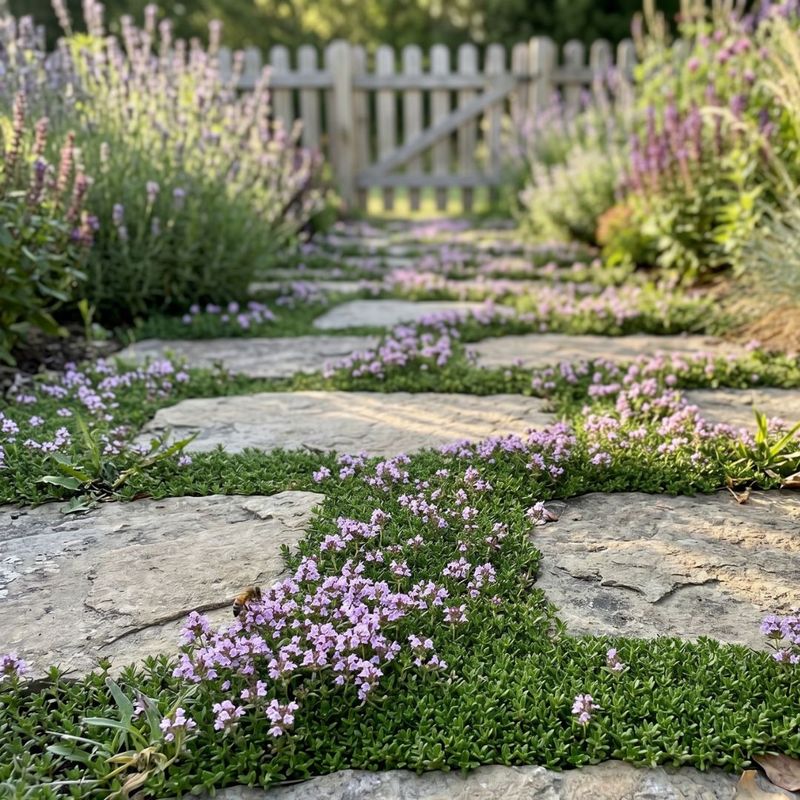
Step on creeping thyme and the air fills with a warm herbal scent, like walking through a fancy spa. I love placing it between stepping stones, where every footstep releases that fragrance and makes the path feel special.
Thymus serpyllum comes from Europe and Asia, so it is not native, but it is not considered invasive here. For a native-first garden, mix it with phlox or sedge, and keep it near paths where it behaves well.
Mats hug the ground at just one to four inches tall and spread about one to two feet wide. Tiny leaves stay evergreen in milder winters, though they may brown a bit during harsh cold snaps.
From late spring into summer, small pink, purple or white flowers cover the plant like sprinkles on frosting. Bees and butterflies crowd the blooms, so choose a different spot for paths where bare feet travel often.
Full sun and sharp drainage keep thyme dense, while heavy clay and wet roots cause rot fast. Mix in gravel or sand when planting, and space starter pots eight to eighteen inches apart.
Water new plants regularly until roots settle, then give extra water only during long dry spells. Skip the fertilizer, because lean soil actually encourages tighter growth and better flowering on this little herb.
Trim lightly after flowering to keep mats neat, and pull any stray grass early before it spreads. Deer and rabbits mostly avoid it, and it is listed as non-toxic to pets, which makes life easier.