Why November Is the Perfect Time to Edge Your Virginia Lawn
Tall fescue roots keep growing in cold soil long after the blades slow down, sometimes right up until the ground freezes. That quiet underground work is the secret behind one of my favorite late-season chores.
Most of Virginia’s lawns are cool-season grasses that grow hard in September and October. By November, top growth slows way down, yet the soil usually stays soft and workable.
That timing makes edging a real pleasure. You cut a clean line once, and it holds its shape for months instead of weeks, with less grass to fight, cooler air to work in, and no summer heat stressing the turf.
One tidy line can change the whole look of a bare winter yard. Why do so many of us wait until spring to grab the edger?
1. Slower Fescue Growth Keeps Fresh Lawn Edges Sharp Longer
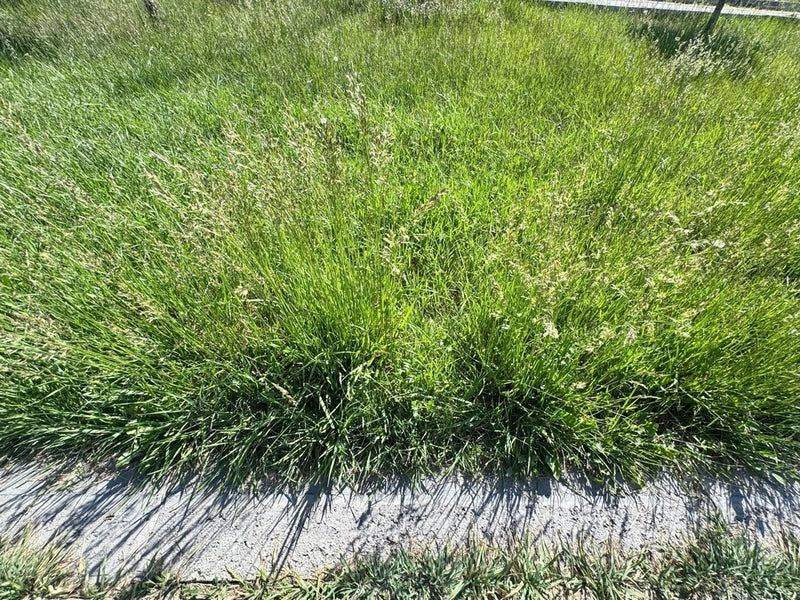
Grass blades slow down in November, and that small change makes a big difference for anyone holding an edger. Most lawns in Virginia are planted with cool-season grasses like tall fescue and Kentucky bluegrass.
Those grasses put on fast growth in early fall, then ease off as days shorten and temperatures drop.
Virginia Tech turf specialists note that cool-season grasses keep building roots in the cool soil of late fall. The roots stay busy, but the leaves above ground creep forward much more slowly.
That means a crisp edge you cut now stays crisp for a long time.
Compare that to edging in May. In spring, fescue can push new growth over a clean border in just a couple of weeks.
Many folks end up edging again and again from April through June.
A November cut works differently. The line you make before Thanksgiving often looks tidy well into late winter.
You get months of neat borders from one afternoon of work.
I like to think of it as working with the season instead of against it. The grass is resting up top, so your effort lasts.
Grab your edger after a dry spell, pick a mild day, and set that line once. Your future self will thank you every time you pull into the driveway.
2. Moist Fall Soil Lets a Half-Moon Edger Slice Clean Lines
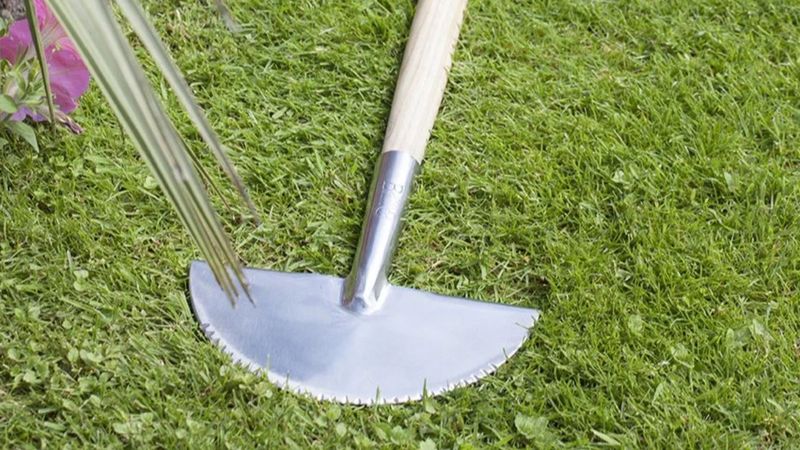
Anyone who has tried edging bone-dry clay in August knows the struggle. The tool bounces, the soil cracks, and your arms complain all evening.
November usually offers a much kinder experience.
Fall rains and cooler temperatures help Virginia soils hold steady moisture. Damp, not soggy, soil lets a half-moon edger or flat spade slide in smoothly.
You get a straight, clean cut with less effort and less tearing of grass roots.
Timing still matters, though. Right after a heavy downpour, clay soils in the Piedmont can turn sticky and smear instead of cutting.
Waiting a day or two after rain usually gives you that sweet spot.
Frozen ground is another thing to skip. Mountain areas in western Virginia can see hard frosts and frozen topsoil by late November.
Edging frozen soil chips tools and leaves ragged lines, so pick a mild afternoon instead.
Coastal and southeastern areas tend to stay workable longer into the month. Shenandoah Valley and Blue Ridge gardeners may want to edge earlier in November.
A quick squeeze test helps a lot. Grab a handful of soil, and if it crumbles apart gently instead of dripping or turning to powder, you are ready to cut.
3. Edging Fits Right In With Leaf Raking and the Last Mow
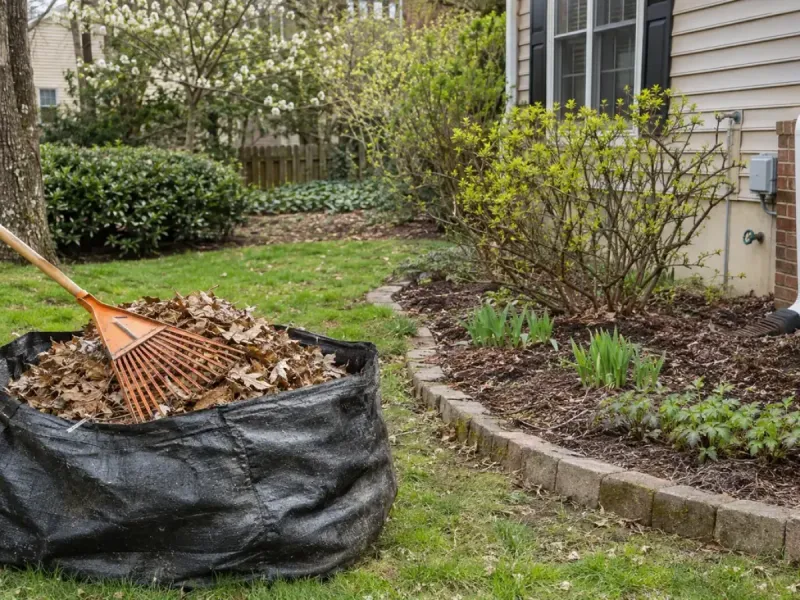
My favorite November weekend has a simple rhythm. Rake the leaves, mow one last time, then edge.
Everything ends up looking finished in a single afternoon.
Leaf removal is a big deal this month. Virginia Cooperative Extension advises against letting thick layers of leaves sit on turf, since they block light and can smother grass.
Mowing over light leaf cover to shred it works well too, and those bits feed the soil.
Once the leaves are cleared, the borders become easy to see. Overgrown edges hiding under maple and oak leaves suddenly show up.
That is the perfect moment to straighten them.
Doing these tasks together saves time and gas. You already have the tools out and your gloves on.
Blowing clippings and soil crumbs off sidewalks happens once instead of three separate times.
Keep your final mowing height around 3 to 3.5 inches for tall fescue, as extension guidance suggests. Then run the edger along driveways, walks, and beds while the grass sits at that tidy height.
The whole yard shifts from messy autumn chaos to calm, clean order. Honestly, few chores feel as satisfying as stepping back and seeing those sharp lines framing a freshly raked lawn.
4. A Crisp Trench Keeps Creeping Grass Out of Flower Beds
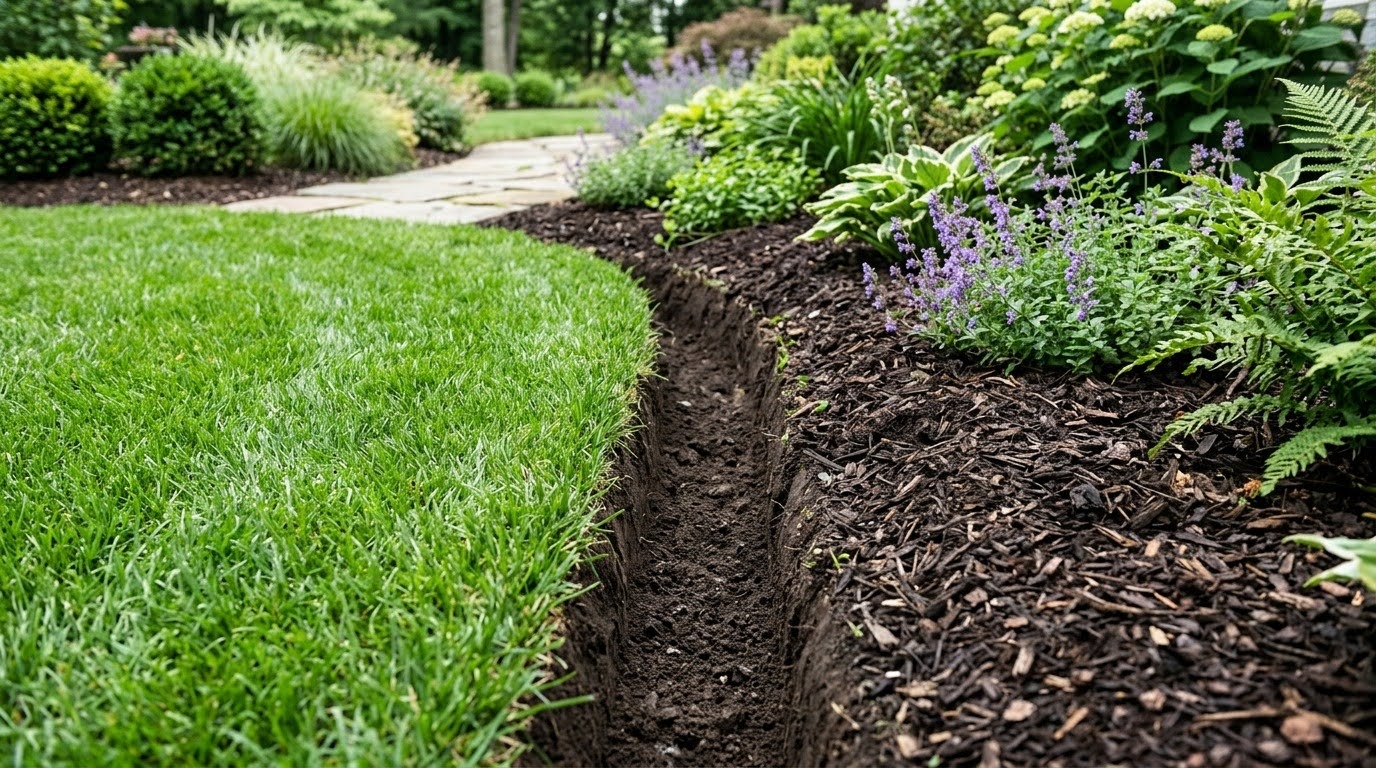
Grass is sneaky. Give it a few months, and it slips into mulch beds, around shrubs, and across the edges of your walkway.
Cool-season grasses like Kentucky bluegrass spread by underground stems called rhizomes. Many Virginia lawns also have patches of bermudagrass, which spreads by both runners and rhizomes.
Bermudagrass goes brown and dormant in cold weather, which actually makes its wandering runners easier to spot in November.
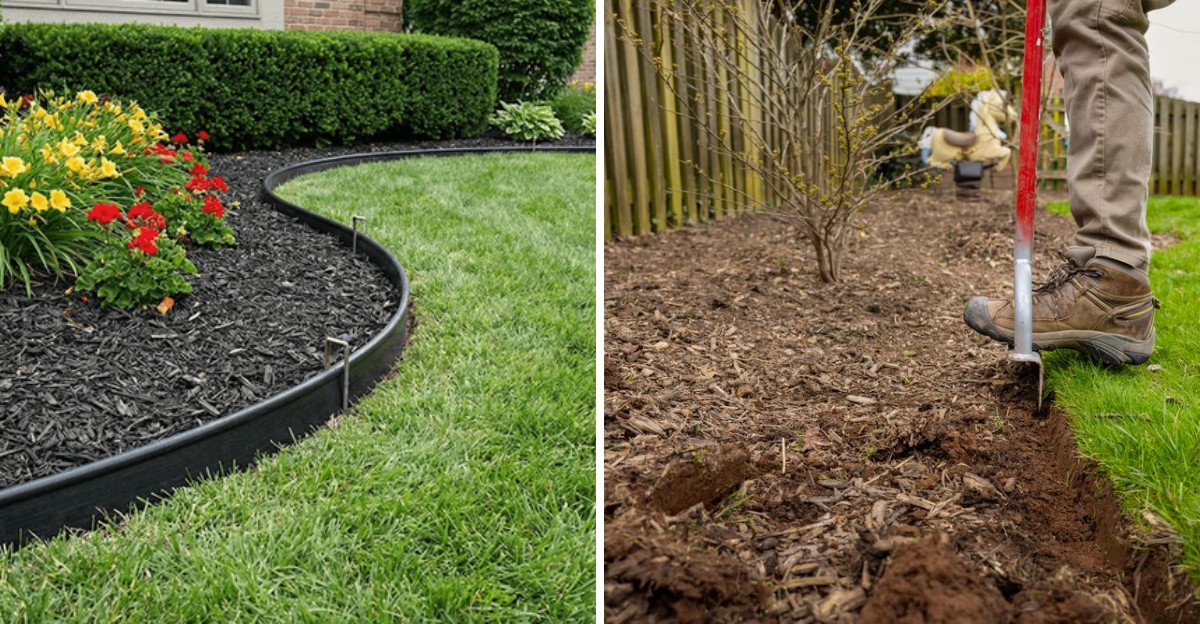
A clean edge creates a small gap that grass has trouble crossing. Many landscapers cut a shallow V-shaped trench, about 2 to 4 inches deep, between lawn and bed.
That little moat makes it harder for stems to reach the mulch.
Cutting now means you start spring with a head start. When growth picks up in March and April, those runners hit a clear boundary instead of an open path.
Pulling a few strays is far easier than digging out a matted tangle.
Bermudagrass is persistent, so expect to touch up its edges a few times next summer. For tougher spots, a buried plastic, metal, or stone edging strip adds extra protection.
Even a simple spade-cut trench helps, though. Your perennials and shrubs will have more room to breathe when the growing season returns.
5. Sharp Sidewalk Edges Keep Winter Mulch and Soil in Place
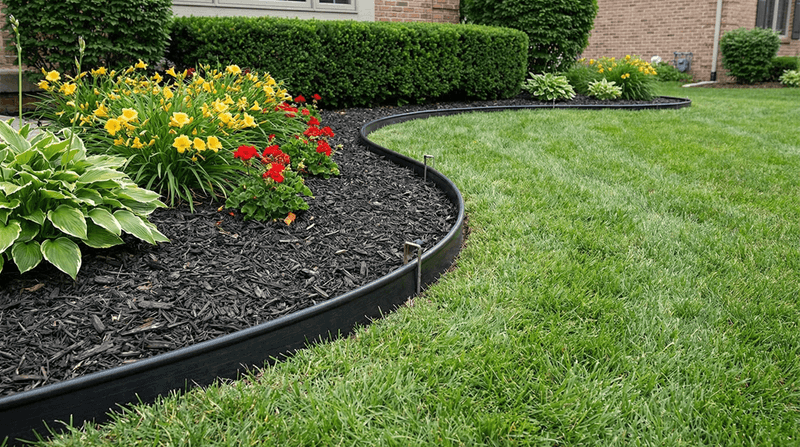
Winter storms in Virginia can be messy. Heavy rain, gusty wind, and the occasional snowmelt love to push mulch and loose soil right onto lawns and sidewalks.
A well-cut edge works like a tiny retaining wall. The lip of turf and the slight drop into the bed help hold mulch where it belongs.
Less mulch washes onto your concrete, and less soil smears across the grass.
Here’s something worth knowing. Mulch is a big help to plants through the cold months, since it moderates soil temperature and holds moisture.
Extension experts generally recommend keeping it about 2 to 3 inches deep and pulled back from tree trunks.
If your bed edges are flat and blurry, that protective layer drifts away over winter. You end up buying more mulch in spring just to replace what washed off.
A November trench helps keep that money in your pocket.
For sloped yards, the benefit gets even bigger. Water tends to rush downhill and carry loose material with it.
A deeper edge along the low side of a bed can slow that flow. Pair it with a fresh, even layer of shredded hardwood mulch, and your beds should look steady and neat even after a rough February storm.
6. Bare Winter Yards Look Better With Clean Lawn Borders
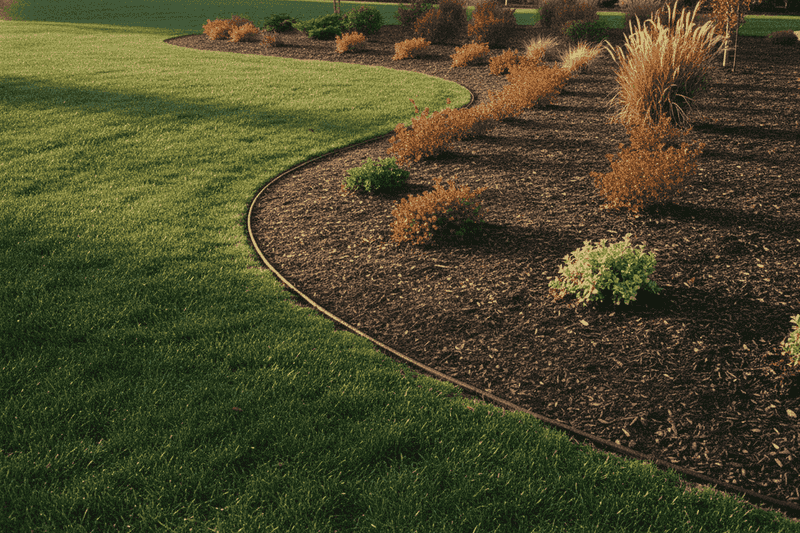
Winter strips a yard down to its bones. Flowers fade, leaves drop, and suddenly every messy line stands out.
That is exactly why clean borders matter so much this time of year. Landscape designers often talk about structure, meaning the lines, shapes, and edges that hold a yard together.
In summer, colorful plants distract the eye, but in winter, structure carries the whole show.
A crisp edge along a brick walk or curved bed gives the lawn a polished, cared-for look. Even with tan bermudagrass or slowed-down fescue, defined borders make the yard feel intentional.
Neighbors notice, and so do holiday guests.
I never get tired of seeing a frosty morning light up a sharp lawn line. The frost settles differently on grass than on mulch, and the contrast really pops.
It is a small, quiet reward for one afternoon of work.
Curb appeal also matters if you plan to sell. Real estate agents often stress tidy landscaping in listing photos, and winter listings have fewer blooms to lean on.
Clean edges help a property look maintained without spending money on plants. Add a few evergreen shrubs or winterberry holly, and your bare-season yard can look surprisingly handsome.
7. Grab Your Spade Edger Before December Frost Arrives
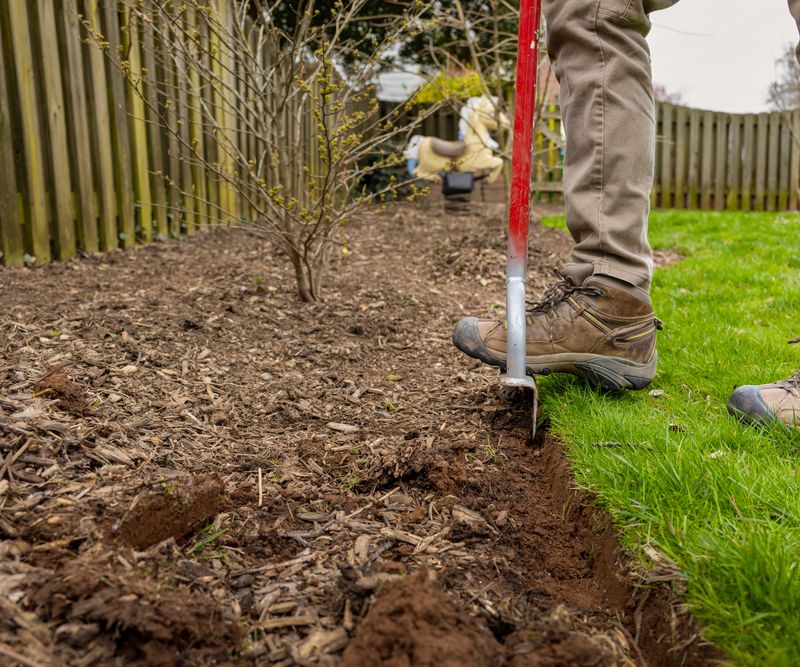
Ready to give it a try? A few simple steps make November edging smooth and quick.
Start by picking your day. Look for a mild, dry afternoon a day or two after rain, before any hard freeze settles in.
Gardeners in the mountains should aim for early November, while those in Hampton Roads often have until late in the month.
Next, mark your lines. A garden hose works great for laying out smooth curves, and a string tied between two stakes helps with straight edges.
Take a minute to step back and check the shape before you cut.
Use a half-moon edger or sharp flat spade and push straight down about 3 to 4 inches. Angle the bed side slightly to form a shallow V.
Lift out the cut sod and toss it in compost or use it to patch thin lawn spots.
Power edgers work well along concrete, but stay alert for buried cables and irrigation lines. Calling Virginia 811 before deep digging is a smart habit.
Finish by sweeping the walks and topping beds with fresh mulch. Then clean and sharpen your tools before storing them.
One focused afternoon now sets you up for a tidy, easy-care spring.