Smells That Help Drive Voles Away From Your California Lawn
A tiny lawn rodent in California can start having her own babies when she is barely one month old. That speed explains why a few grass runways can turn into a maze of brown trails within one season.
These furry nibblers chew grass stems and tender roots, and they stay busy through every month of the year. Their noses work overtime, sniffing out food and danger long before their small eyes notice anything at all.
I love how that sharp sense of smell can become a weakness that a clever gardener uses for protection. Personally, I would rather plant something fragrant and pretty than spread harsh chemicals across my California yard.
Scents will not solve every problem alone, but they can make your beds feel far less welcoming to visitors. So which fragrant plants deserve a spot near your lawn, and which popular tips should you skip?
1. Garlic And Onions Fill The Air With A Sulfur Punch
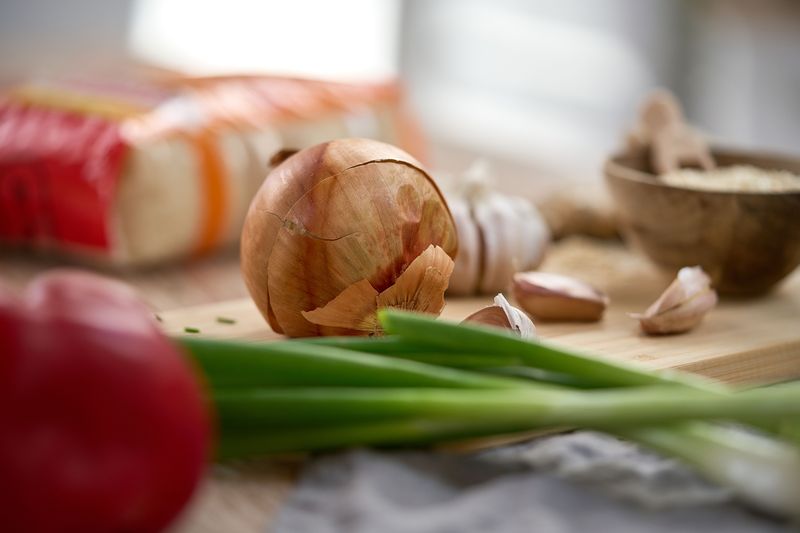
Slice one garlic clove in the kitchen, and you already understand why a sensitive rodent nose might back away. Plants in the Allium family release sulfur compounds when their leaves or bulbs get crushed or chewed.
I like tucking garlic and chives along lawn edges, where their sharp smell drifts across the nearby grass. Many gardeners also report that the strong taste discourages voles that try a nibble out of curiosity.
University experts in the state note that scent repellents give mixed results, so treat alliums as helpers. They work best alongside regular mowing and clearing away the thick cover that voles use for hiding.
Garlic grows well across much of California, especially when cloves go into the ground during fall. Give each clove full sun and loose, well-drained soil, then harvest the bulbs the following late spring or summer.
Chives are a lovely option for lazy gardeners like me because they return year after year in tidy clumps. Their purple pom-pom flowers also bring bees, which feels like a bonus prize for a simple kitchen herb.
Ornamental alliums add drama with tall stems topped by round flower heads in purple or white. You can plant them in borders where vegetables would look out of place but scent protection still matters.
Watch garlic chives closely, since they spread by seed and can form dense patches that shelter rodents. Snip the flowers before seeds ripen, and your smelly border stays helpful instead of turning into cozy cover.
2. Crown Imperial Bulbs Give Off A Skunky Warning
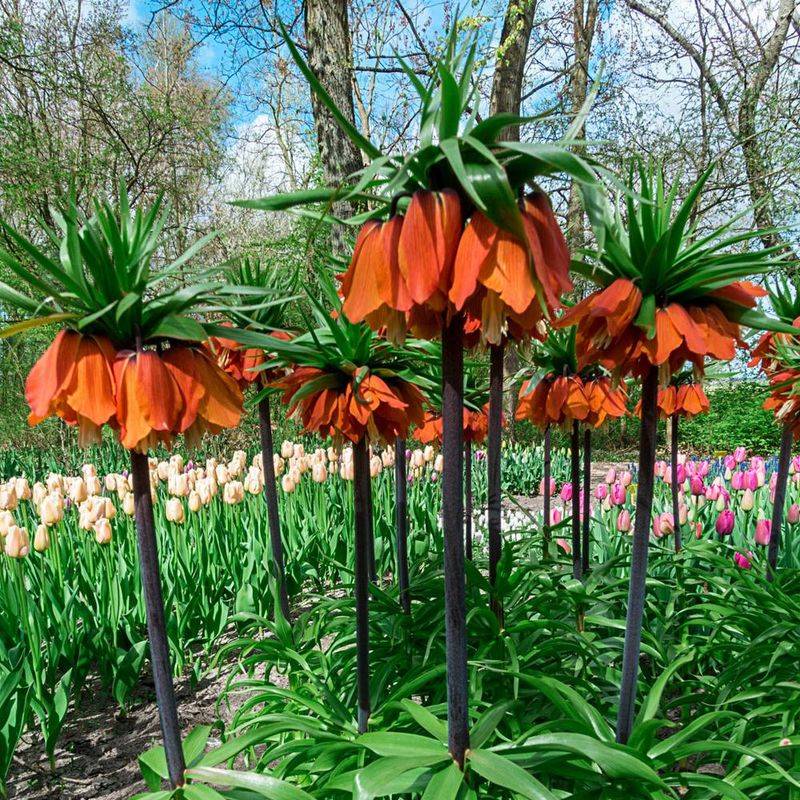
Brush against a crown imperial, and a musky, almost skunky odor rises from its leaves and bulb. Gardeners have joked about that smell for centuries, yet it may be the very thing that rodents avoid.
Fritillaria imperialis looks like it belongs in a royal painting, with hanging orange or yellow bells. A spiky green tuft sits on top like a little crown, and stems can reach about three feet.
Some people believe voles mistake the scent for a nearby predator, though that idea remains unproven. I have to admit the theory sounds fun, but I treat it as folklore rather than settled science.
This bulb prefers USDA zones 5 through 8, so cooler inland and mountain gardens suit it best. Mild coastal areas with warm winters often struggle to give the bulb enough chill for strong blooms.
Plant bulbs in fall in sandy, well-drained soil that stays fairly dry during the summer rest period. Set each bulb on its side at a slight angle, so water slides away from the hollow center.
Full sun or very light shade keeps the plant happy, and a sheltered spot protects those tall stems. After blooming in spring, the foliage yellows and fades, which is normal behavior for this dramatic bulb.
Every part of a crown imperial is poisonous, especially the bulb, so keep curious pets and kids away. Wear gloves while planting, and wash your hands afterward, because that musky smell lingers on skin too.
3. Cheerful Daffodils Guard The Edges Of Your Lawn
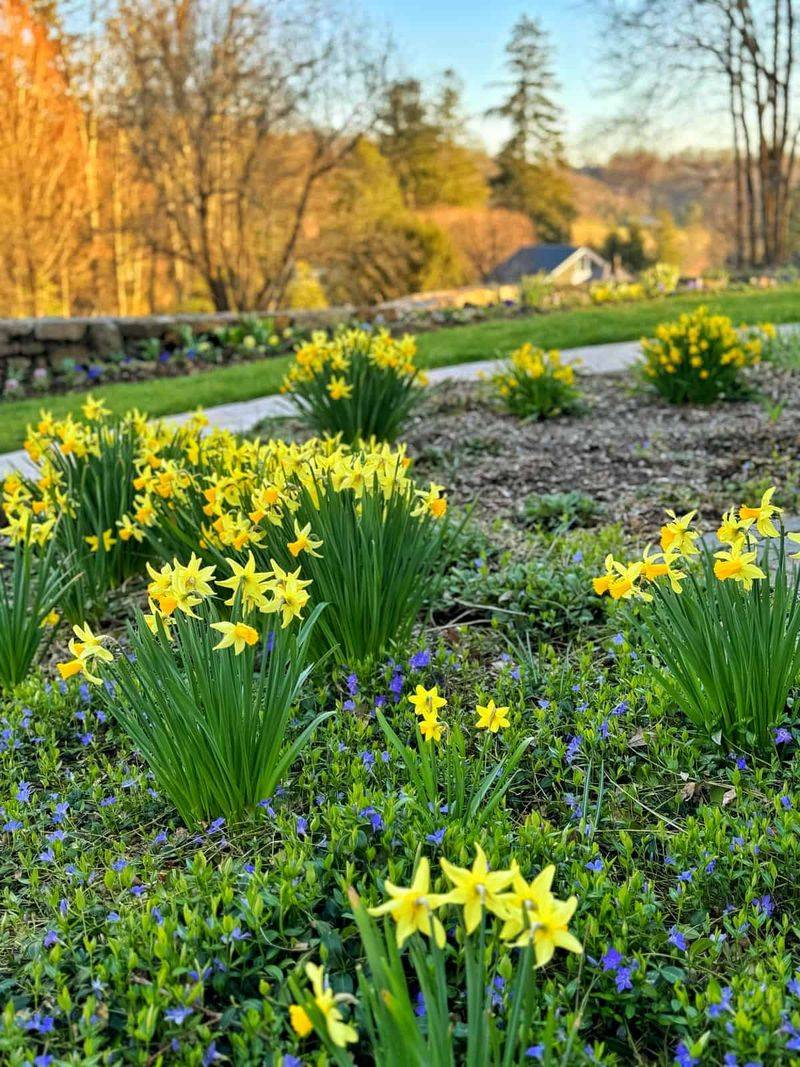
Daffodils might look sweet, but their bulbs carry bitter alkaloids that most digging rodents leave alone. I can’t imagine a sunnier bodyguard for a garden than a row of yellow trumpets nodding in spring.
Narcissus plants contain a compound called lycorine, which makes the bulbs taste awful and can sicken animals. That built-in defense explains why daffodils often keep blooming year after year while tulips quietly disappear underground.
Their protection comes mostly from taste and chemistry, not a strong perfume, so set expectations accordingly. Some varieties do smell lovely to people, but voles care far more about what happens when they bite.
Plant bulbs in fall, roughly two to three times as deep as the bulb is tall. Choose a sunny or lightly shaded spot with well-drained soil, because soggy ground causes bulbs to rot.
Daffodils handle much of California nicely, and many types bloom even where winters stay fairly mild. Gardeners in warm southern areas often succeed with tazetta types, which need less winter chill to flower.
You might notice the clever trick of mixing daffodils around tastier bulbs like tulips or crocus. A ring of bitter bulbs will not guarantee safety, yet it can make snacking a little less convenient.
After the flowers fade, leave the leaves standing for about six weeks so the bulbs can recharge. Keep pets from chewing them, since daffodil bulbs are toxic to dogs and cats as well.
4. Mint Pots Can Perfume The Border Without Taking Over
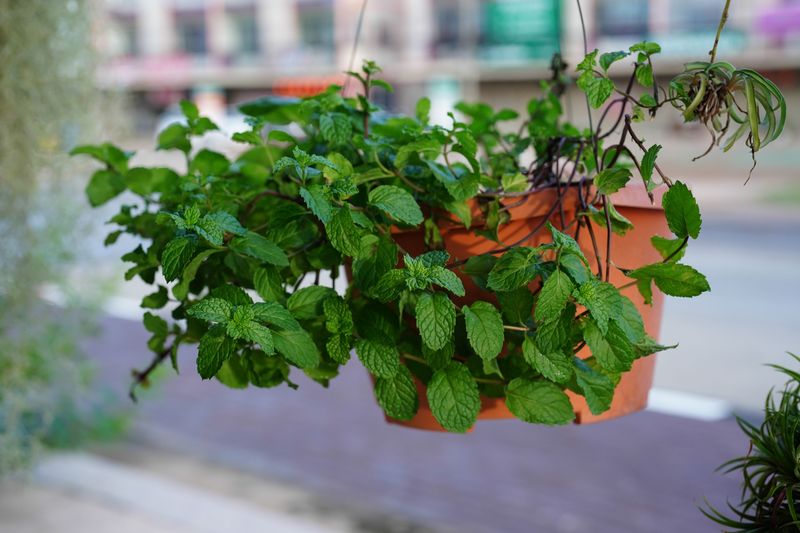
Crush a peppermint leaf between your fingers, and that cool blast of menthol hits you right away. Now think how strong that scent must feel to a small rodent with a nose built for sniffing.
Peppermint and spearmint both pack aromatic oils, and some research suggests mint scents can affect rodent behavior briefly. The effect seems short-lived, though, so think of mint as a nudge rather than a fence.
Personally, I learned the hard way that mint planted in open ground wanders far beyond its welcome. Its runners creep under edging and pop up in lawns, which sort of defeats the whole point.
Containers solve that problem nicely, whether they sit on a patio or get buried along bed edges. Leave the rim a couple inches above the soil so runners cannot sneak over the top.
Mint likes moist, well-drained soil and grows happily in full sun or partial shade across California. In hot inland valleys, afternoon shade and steady watering keep the leaves lush during summer heat waves.
Some folks soak cotton balls in peppermint oil and drop them into tunnels for a quick boost. Oils fade within days, so living plants usually provide a steadier scent with far less fuss.
Snip the stems often, because fresh cuts release more fragrance and keep the plant bushy and compact. Your iced tea gets an upgrade too, which makes this the tastiest pest strategy in the yard.
5. Rosemary Hedges Release Piney Scent Along Garden Paths
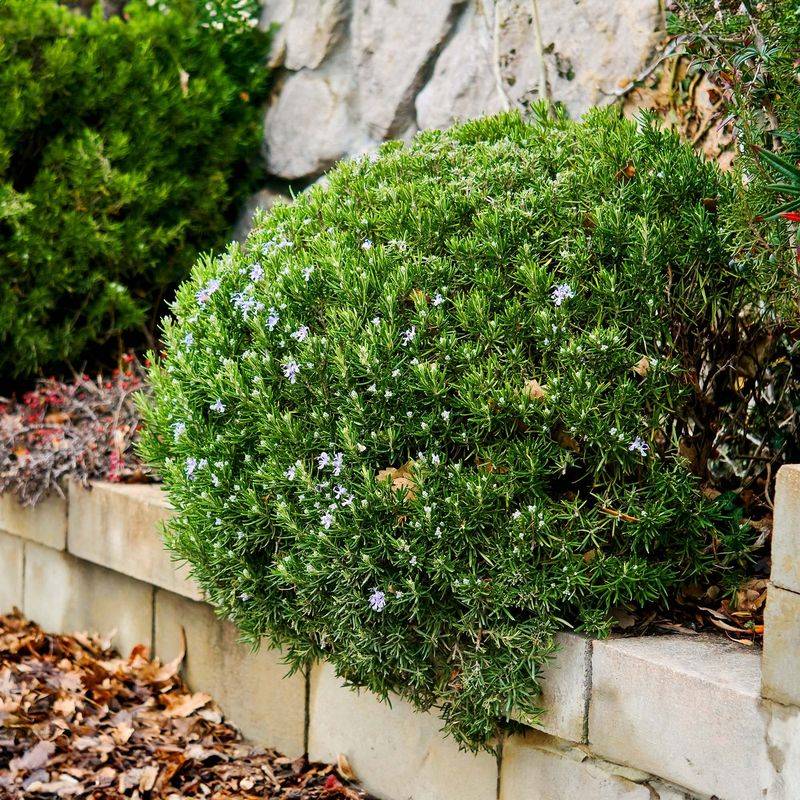
Walk past a rosemary hedge on a warm afternoon, and the piney fragrance practically follows you home. Those resin-rich needles are packed with aromatic oils that many gardeners credit with discouraging hungry voles.
Botanists recently moved this herb into the sage genus, so you may see it labeled Salvia rosmarinus. Older tags still say Rosmarinus officinalis, and both names point to the same tough Mediterranean shrub.
California summers feel a lot like its native home, which is why rosemary thrives here with little help. It wants full sun and fast-draining soil, and established plants handle dry spells like seasoned pros.
What surprises me most is how rarely rosemary needs fussing once its roots settle in after the first year. Overwatering causes more trouble than drought, so let the soil dry between drinks during that first season.
Upright varieties make handsome low hedges, while trailing types spill nicely over walls and sunny slopes. Small blue flowers appear in cooler months, giving bees a welcome snack when little else blooms.
One caution matters here, since a sprawling, dense rosemary mat can hide rodent runways underneath it. Trim lower branches up a few inches so you can spot tunnels and fresh chew marks quickly.
Scent alone rarely stops a determined vole, but pairing rosemary with tidy edges improves your odds. Plus, you get fresh sprigs for roasted potatoes, which feels like a pretty sweet reward for planting.
6. Shady Corners Love Lenten Roses That Voles Dislike
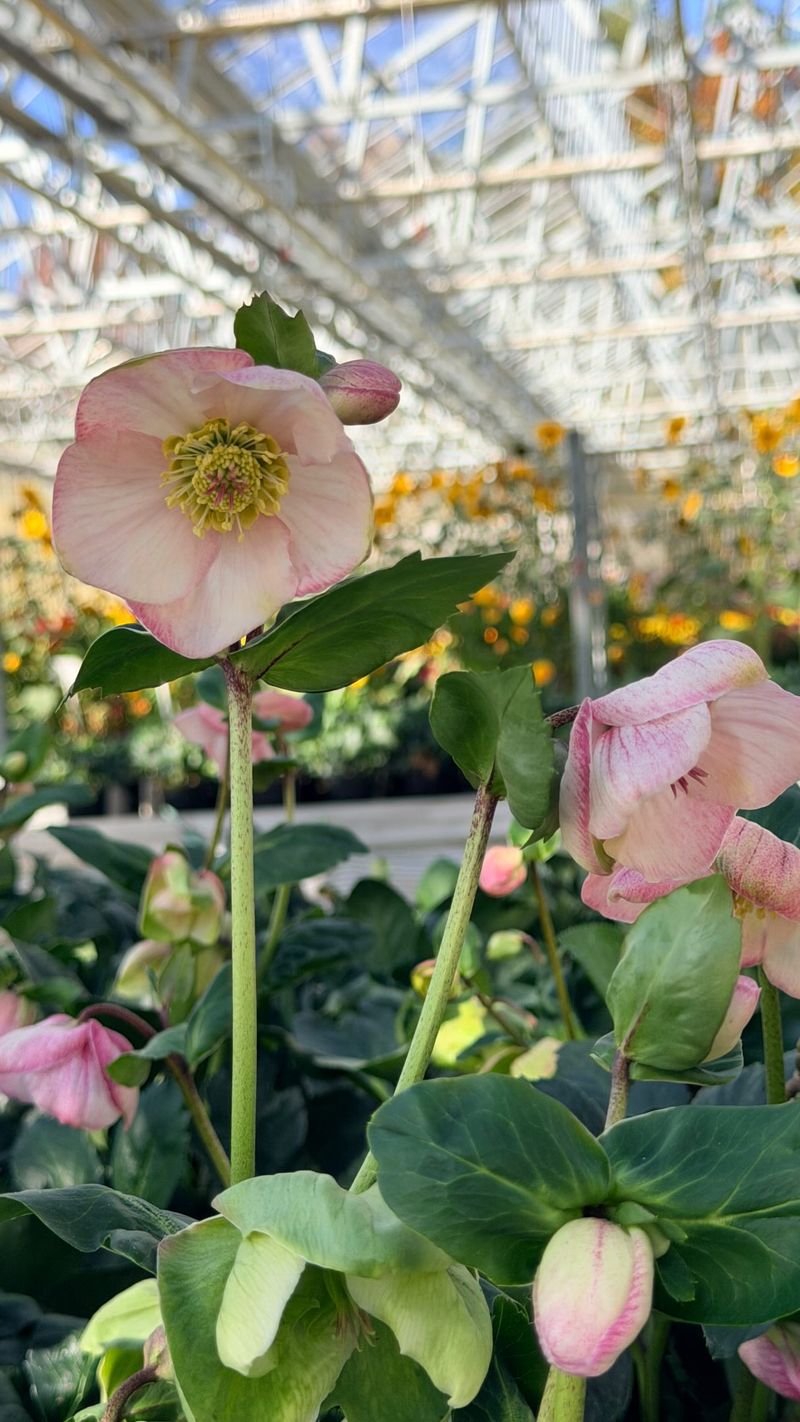
Shady spots under trees can feel like vole headquarters, yet Lenten roses bloom there when little else will. Their nodding cups open in late winter, adding soft color while the rest of the garden naps.
Despite the name, these hellebores are not roses at all, and they belong to the buttercup family. Helleborus orientalis and its hybrids contain bitter compounds that make the leaves and roots unpleasant to eat.
Honestly, their defense works more through taste than through smell, which I personally find oddly charming. Voles that sample a leaf tend to move along, leaving the clumps looking tidy for years.
Lenten roses handle USDA zones 4 through 9, which covers plenty of gardens across the Golden State. They prefer partial to full shade and rich, well-drained soil that stays evenly moist without turning soggy.
Fall planting gives roots time to settle before winter rains, which suits many parts of the state. Add compost at planting time, then mulch lightly to hold moisture during long, dry summer stretches.
Snip off tattered old leaves in late winter, so the fresh flowers shine without a ragged backdrop. Flower colors range from creamy white to deep plum, and many hybrids show speckled faces up close.
All parts are toxic if swallowed, and the sap may irritate skin, so gloves are a smart idea. Plant them where pets rarely roam, and enjoy a shade border that looks after itself most seasons.