7 Winter Vegetables in Arizona That Taste Better After a Light Frost
Some leafy plants quietly pack their cells with sugar on cold nights, like a homemade antifreeze for chilly weather. That sweet trick happens right in desert backyards, and it changes how your harvest tastes on the plate.
A light frost lands somewhere between 28 and 32 degrees, which sounds harsh for tender garden greens. Yet many cool-season crops shrug it off and come out tasting milder, rounder, and far less bitter.
I love how Arizona gardeners get a second growing season while the rest of the country shovels snow. You need just compost, a sunny bed, and a little patience to enjoy this cold-weather sweetness at home.
October is planting time, so your choices this month shape what lands in your salad bowl this winter. Which crops truly reward you after a frosty night, and which one surprises gardeners the most?
1. Kale
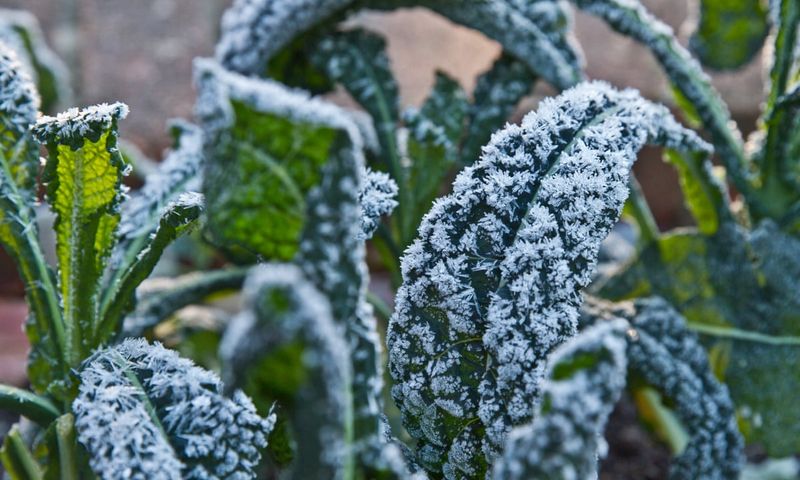
Kale tastes like a different plant after a frosty night, and I mean that in the best possible way. Its leaves shift stored starches into sugars, which softens that sharp, grassy bite many people dislike.
Scientists describe this sugar boost as natural antifreeze, because sugary cell fluids freeze at lower temperatures than plain water. You get a sweeter leaf, and the plant gets better protection when desert nights suddenly turn chilly.
In the low desert, you can sow or transplant kale from late September through November for steady harvests. October is a perfect month to start, since the soil still holds warmth while the air cools down.
Personally, I mix three or four inches of compost into the top foot of soil before planting anything. Desert soils lean alkaline, and that extra organic matter helps kale roots settle in and grow quickly.
Water deeply when the top few inches feel dry, but skip the summer habit of watering every single day. Pick outer leaves first and leave the center growing, so the plant keeps producing well into spring.
2. Spinach
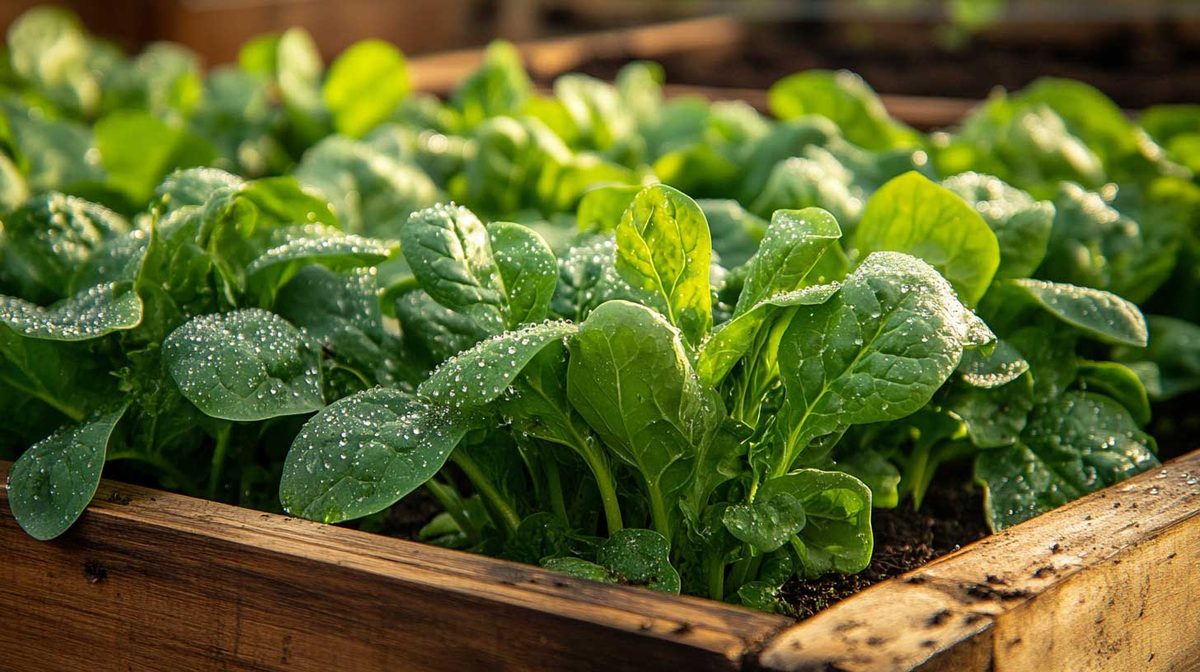
Spinach grows so fast in cool weather that it almost feels like cheating in a desert garden. A light freeze turns its tender leaves sweeter, trimming the slightly metallic edge that raw spinach sometimes carries.
What surprises me most is how quickly baby leaves appear once nighttime temperatures finally drop in fall. You can often snip your first small salad within a few weeks if the bed gets plenty of sun.
Spinach loves full sun during short winter days, so pick the brightest spot in your yard for it. A bed beside a south-facing wall can soak up extra warmth and light during those cooler afternoons.
Start sowing seeds in October, then add a new short row every few weeks for a steady supply. Fast crops like spinach can keep going in the ground through February in many low desert gardens.
Winter spinach needs far less water than you might expect after a long, scorching desert summer. Push a finger two inches into the soil, and water only when it feels dry to help prevent root rot.
3. Swiss Chard
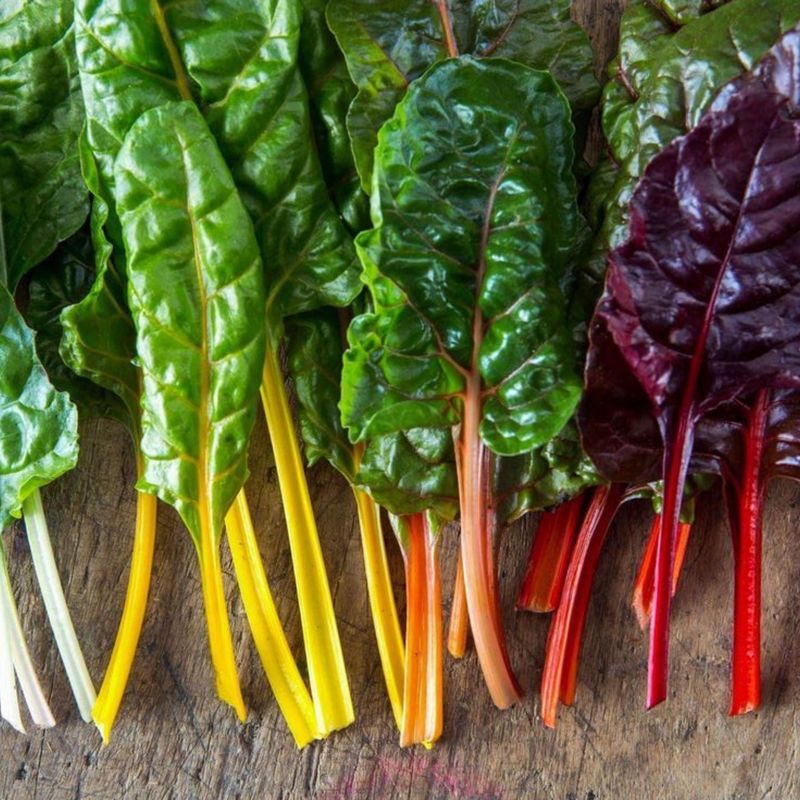
Swiss chard brings a rainbow to the winter garden with stems in ruby red, sunny yellow, and bright pink. Those colorful stalks look cheerful even on gray mornings, and the leaves taste milder after cold snaps.
As temperatures dip, chard converts stored starches into sugars that help protect its cells from frost damage. I have to admit the leaves turn wonderfully tender, almost buttery, once a few chilly nights pass.
Chard stands out because it handles frost and warm spring days better than many leafy greens in the region. That toughness stretches your harvest from late fall into spring, long after lettuce often starts to struggle.
Plant seeds or transplants from late September through November, giving each plant about a foot of space. Mature plants usually reach 18 to 24 inches tall, so keep them away from shorter crops that need sunlight.
Full sun works well, though light afternoon shade is fine if your yard has a few trees overhead. Snap off outer leaves regularly, and the plant rewards you with fresh growth for many months afterward.
4. Carrots
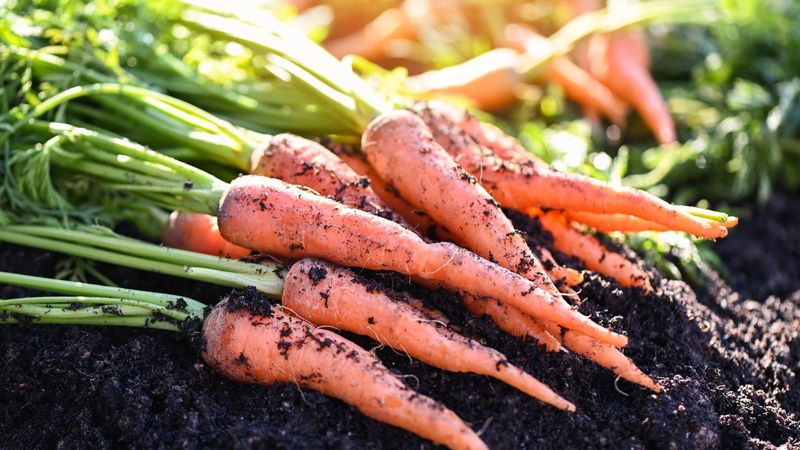
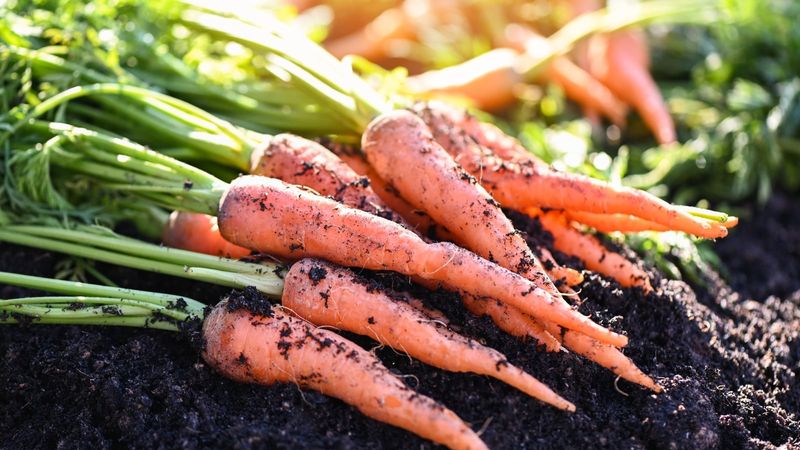
Pulling a carrot after a cold week feels like finding candy buried in the garden bed. Cool temperatures push the roots to store more sugar, and the crunch tastes noticeably brighter than summer carrots.
The soil acts like a cozy blanket, insulating the roots while chilly air settles over the leafy tops. That protection lets carrots keep building sweetness even when frost appears on the garden overnight.
Sow carrot seeds from late September through November, since these roots prefer cooler soil for steady growth. You can keep direct sowing into December, which gives you a staggered harvest through the early spring months.
Loose, crumbly soil matters more for carrots than for almost any other winter crop on this list. I like to remove rocks and work in compost, so roots grow straight instead of forking around obstacles.
A thick layer of mulch helps hold moisture and keeps soil temperatures steady during cold nights. Keep watering consistent so roots stay crisp, then harvest once they reach a useful size for your kitchen.
5. Beets
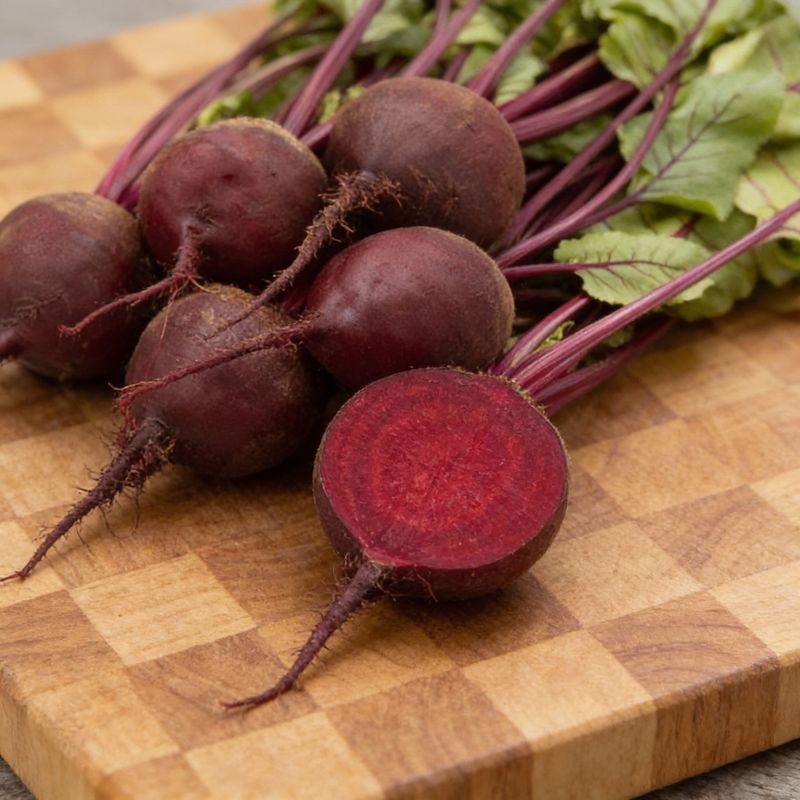
Beets give you two harvests from one seed, with earthy roots underground and tasty greens above the soil. Cold weather signals the plant to pack those roots with sugar, giving them a rich, sweet flavor.
I like how roasted winter beets taste almost like dessert compared with the woody ones found in summer. You might notice the color looks deeper too, especially when you slice into a fresh root.
Beets enjoy cool desert weather, and their roots thrive once soil temperatures settle down in autumn. Plant seeds in fall or early winter, and you can still direct sow or transplant beets in December.
Each wrinkled beet seed often holds several tiny seedlings, so thinning becomes an important chore after sprouting. Snip extra seedlings at soil level, then toss those baby greens into a salad instead of the compost bin.
Keep the soil evenly moist but not soggy, because waterlogged beds can cause roots to rot in winter. Mulch helps buffer temperature swings, and it keeps the top layer of soil from crusting over.
6. Broccoli
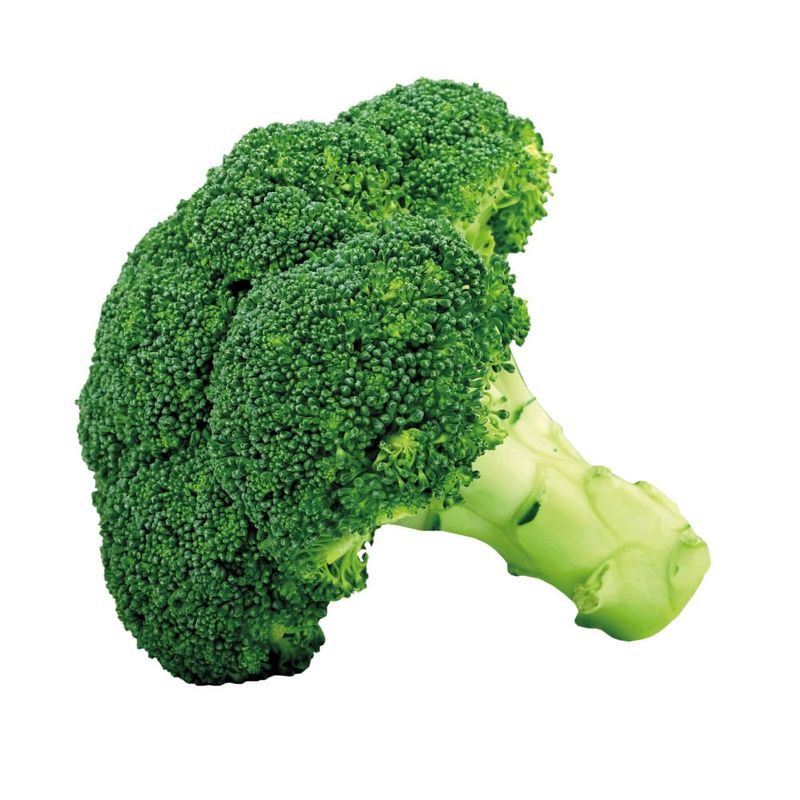
Broccoli grown through a cold desert winter tastes rounder and sweeter than most heads from the grocery store. Chilly nights convert starches into sugars, which softens the bitter notes in those tight green florets.
Patience pays off here, since broccoli usually needs about 80 to 100 days to reach harvest size. That long timeline is why I recommend starting with sturdy transplants instead of seeds sown directly in October.
Set transplants into the garden from late October through early November for heads around February or March. Broccoli handles frost quite well, so light cold snaps rarely cause trouble for established plants in your bed.
Timing matters because broccoli slows down once spring days regularly climb past the middle eighties. Finishing early keeps your heads tight and tender, rather than loose and yellow from sudden desert warmth.
After you cut the main head, side shoots keep popping up for several more weeks of harvests. Leave a plant or two to flower in spring, and you may notice bees visiting those bright yellow blooms.
7. Cabbage
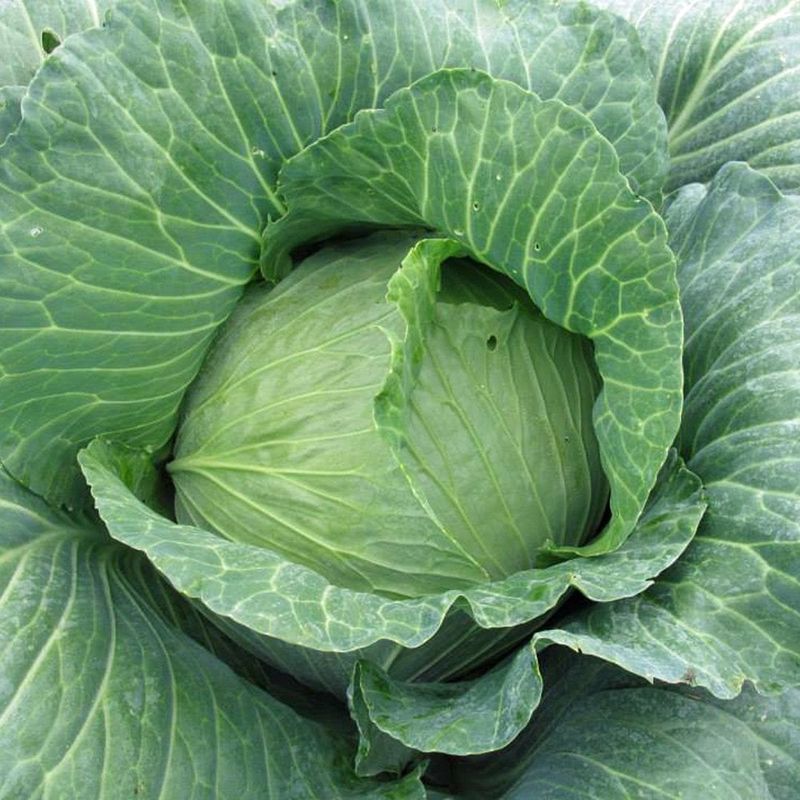
Cabbage wraps its leaves into a tight, heavy head that seems built for chilly nights in the garden. Cold weather sweetens those layers, turning the flavor mild enough for crunchy slaw or quick stir-fries.
What makes cabbage special is its toughness, since established heads handle frost without needing covers most nights. You can relax when forecasts dip, though young seedlings still appreciate frost cloth during sudden cold snaps.
Set cabbage transplants into the ground from late October through early November in the low desert. Like broccoli, cabbage needs about 80 to 100 days to mature, so October planning helps you stay on schedule.
Desert soils often run alkaline, so blend generous compost into your bed before setting out plants. Cabbage roots appreciate that rich, crumbly soil, and the heads grow larger with steady nutrition all season.
Water deeply but less often than in summer, checking moisture before each round with your finger. Watering before an expected frost helps too, because damp soil holds warmth better than dry soil overnight.