10 Copperhead Myths Southern Indiana Families Keep Believing
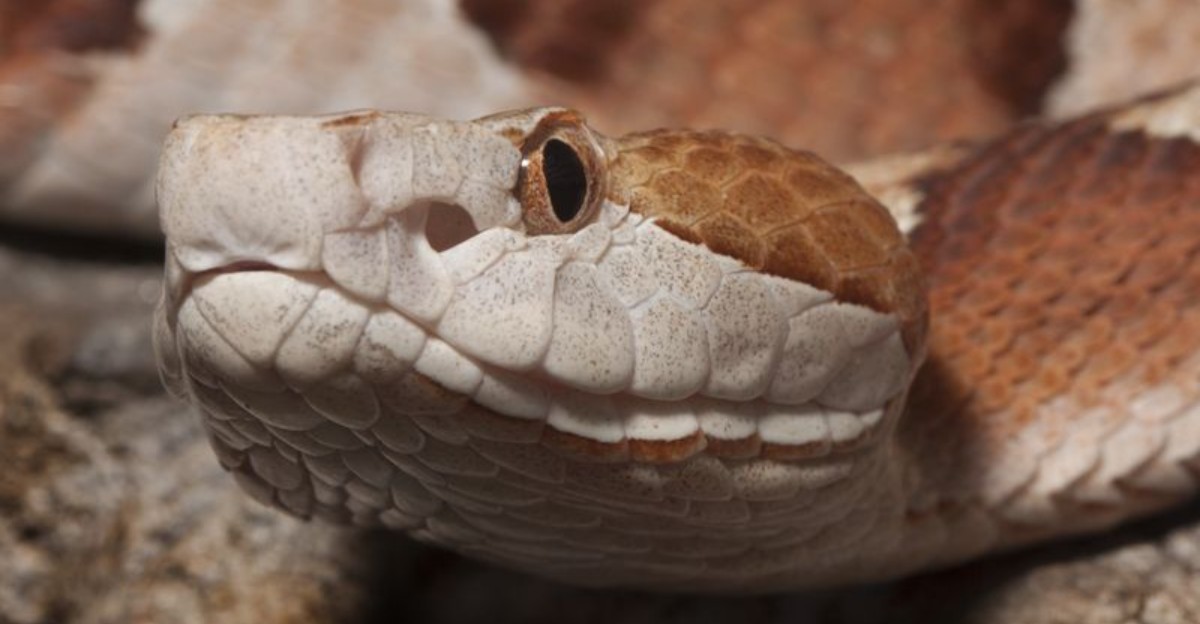
Baby pit vipers in our woods are born with bright yellow tail tips that wiggle like tiny caterpillars. Hungry frogs and lizards wander close for a snack, and then the little hunter strikes from the leaves.
Grown snakes of this kind wear a pattern of hourglass bands that melts right into fallen oak leaves. Across southern Indiana, they cause plenty of jittery moments, yet serious harm from their bites is quite rare.
I used to believe half the stories I heard at family cookouts, and some still make me grin. You have probably heard a few yourself, maybe from a grandpa who swore he smelled cucumbers by the woodpile.
Truth is, plenty of Indiana gardeners still trust advice that does more harm than good in the yard. So which of those old warnings hold up, and which ones belong in the compost pile?
1. Copperheads Do Not Chase People Across The Yard
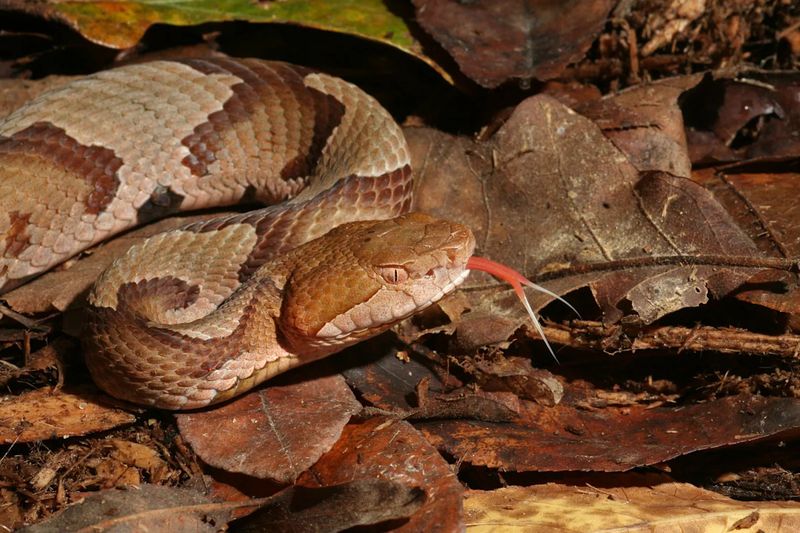
My heart jumped the first time a copperhead froze beside my tomato cage, but the snake just stayed put. It did not lunge or follow me, and after a long minute it slid quietly under the fence.
Freezing is the main defense for Agkistrodon contortrix, because those copper and tan bands hide it so well among leaves. The snake trusts its camouflage first, and it usually bites only when someone steps on it or grabs it.
Wildlife experts describe copperheads as shy animals that prefer to slip away whenever they get the chance. A snake moving toward you is usually heading for cover that happens to sit right behind your feet.
Most bites happen to hands and feet, often when people reach into brush or walk barefoot at dusk. Gloves and sturdy shoes make a huge difference while you pull weeds or move firewood on summer evenings.
If you spot one, back away slowly and give it several feet of room to leave on its own. Calling a wildlife professional is smarter than poking at the snake with a rake or a long shovel.
I learned that patience works better than panic, and the snake seemed to agree with me that day. We both went our separate ways, and my tomatoes kept ripening without any more drama at all.
2. Baby Copperheads Are Not More Dangerous Than Adults

Newborn copperheads arrive in late summer or early fall, and each one measures roughly seven to ten inches long. Mothers give birth to live young instead of laying eggs, so a whole litter can appear near one rock pile.
An old story says babies cannot control their venom, so they supposedly inject every drop with each bite. Researchers have not found good evidence for that idea, and adult snakes carry far larger venom glands anyway.
A bigger snake can deliver more venom in one bite, which makes adults the heavier hitters overall. Still, any bite from a youngster deserves a trip to the hospital, because small doses can cause real pain.
You can spot young copperheads by the bright yellow or greenish tip on the end of their tails. They wiggle that tip to lure frogs and lizards close, a clever hunting trick called caudal luring.
The color fades as the snake grows, usually during its first few years of life in the woods. Kids should learn this marking early, since curious hands often reach for tiny snakes before grownups notice.
I tell my nieces to admire any small banded snake from a distance and fetch an adult right away. That simple rule protects children and snakes alike, and it costs nothing but a little patience and attention.
3. Copperhead Snakes Do Not Travel In Pairs
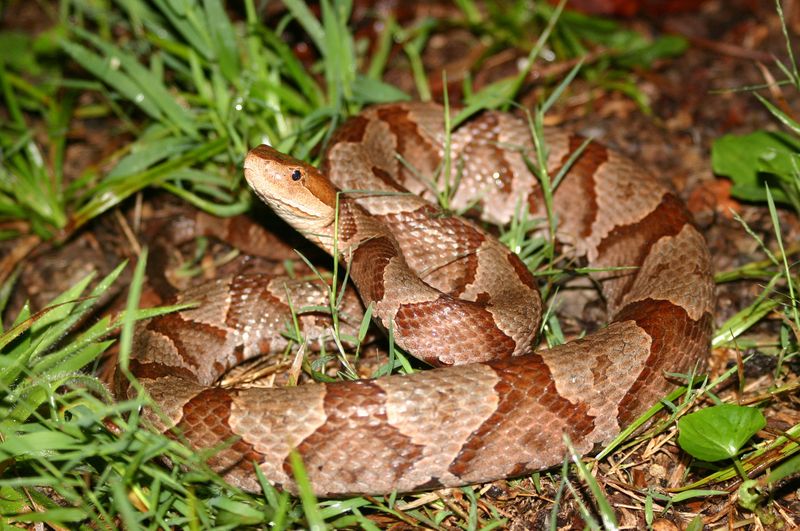
Grandma used to say that if you find one copperhead, its partner is waiting nearby to get even. It makes a spooky campfire tale, but copperheads live mostly solitary lives outside of mating season.
They do not hunt together or guard each other, and they certainly do not seek revenge for anything. Each snake spends its days searching for mice and cicadas on its own schedule, with no buddy system involved.
So why do people sometimes find two or three in one spot near the garden shed or barn? Good habitat attracts more than one snake, especially where food and hiding places are easy to find.
In fall, copperheads may gather near rocky dens to spend winter, sometimes alongside other snake species too. Spring and late summer bring mating activity, so seeing a pair together for a short time is possible.
Clearing piles of boards and brush near your house is the best way to make things less inviting. Fewer mice around bird feeders also means fewer reasons for a snake to linger close to your porch.
I moved my woodpile twenty feet away from the back door, and the surprise encounters dropped off quickly. Think of it as changing the real estate listing rather than worrying about snake couples planning payback.
4. Copperheads Can Bite Underwater Along Creek Banks
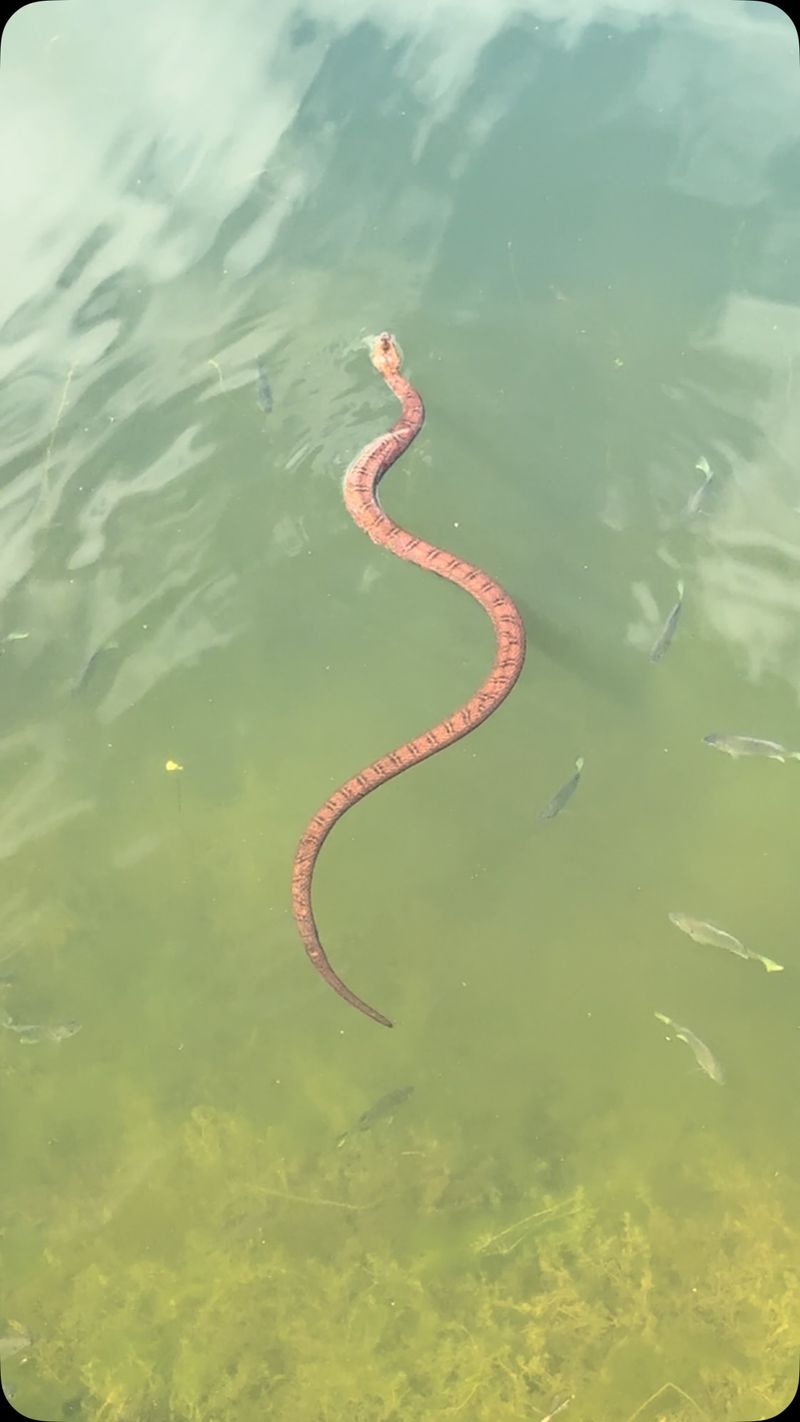
Copperheads are not true water snakes, but they swim well and often hunt frogs along creek banks. In southern Indiana, rocky streams near wooded hillsides make perfect summer hangouts for these patterned reptiles.
Some folks believe a snake must lift its mouth above water to bite, or else it would choke. That idea does not hold up, because snakes can close off their airway and bite just fine below the surface.
Plenty of snakes catch fish and tadpoles underwater every day, so their jaws clearly work in creeks. A swimming copperhead usually floats with much of its body on top, which helps it glide across ponds.
When you wade a creek or clear cattails from a pond edge, keep your eyes open for movement. Water shoes or boots offer better protection than bare feet on slippery rocks where snakes may rest.
Many snakes you see swimming in our area are harmless northern watersnakes, which often get mistaken for something worse. Giving any swimming snake extra space is still the wisest choice until you know exactly what it is.
My kids love catching crayfish, so we now flip creek rocks with a stick instead of bare hands. That one small habit keeps fingers safe and lets everyone enjoy the cool water without nervous glances.
5. That Cucumber Smell Is Not A Copperhead Alarm
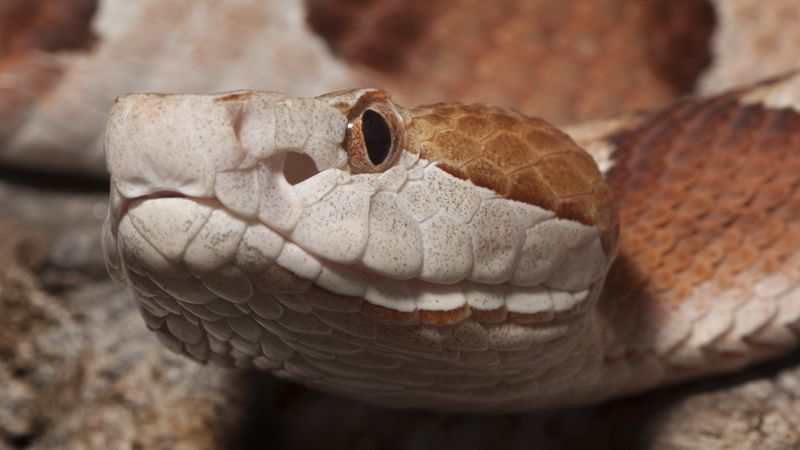
Ask around any Indiana family reunion, and someone will swear copperheads smell like fresh cucumbers on hot days. It is a charming piece of folklore, but scientists have not found solid evidence to back it up.
Many snakes release a musky odor from glands near the tail when they feel threatened or get handled. That smell is usually strong and unpleasant, and people describe it in all sorts of different ways.
Some people describe copperhead musk as smelling like cucumber, but there is no reliable evidence that scent can identify a copperhead. Some people did notice a smell, but it rarely matched the crisp garden aroma from the old stories.
A calm snake resting quietly under leaves probably gives off no noticeable odor at all to passing gardeners. Cucumber plants and certain stink bugs can create similar green smells, which only adds to the confusion.
Relying on your nose could make you careless about watching where you step in the garden beds. Your eyes are a much better tool, especially when you check mulch piles and stone walls before reaching in.
I still sniff the air near my cucumber vines from habit, and it makes me laugh a little. Then I look down carefully at the mulch, because that is where the real answer usually hides.
6. Mothballs Around The Porch Will Not Repel Copperheads
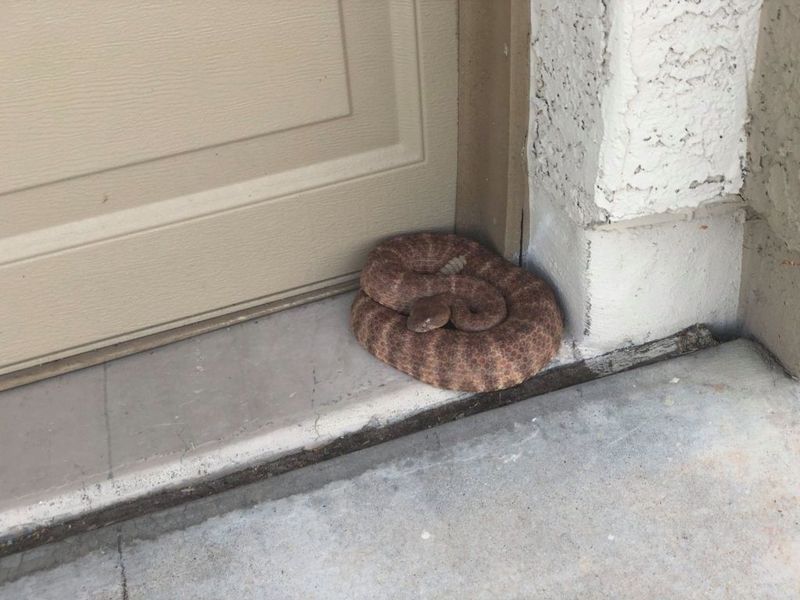
A ring of mothballs around the garden smells strong enough to scare anything, yet snakes barely seem to care. Plenty of families still scatter them under porches, hoping the sharp odor will send copperheads packing.
Mothballs are pesticides, and their labels do not allow outdoor use as snake repellents in yards or gardens. Using them outside can harm pets and children, while doing very little to change how snakes behave.
Sulfur powder and store-bought granules get similar praise, but studies have shown weak or no results at all. Snakes read chemical cues with their tongues, yet these products rarely stop a hungry one from passing through.
Habitat changes work far better than smells, because snakes visit your yard for food and shelter first. Keep grass short near the house, and store firewood on racks raised well off the ground.
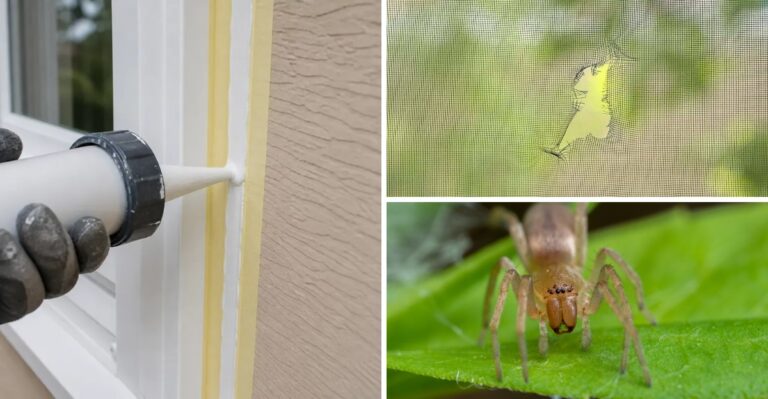
Seal gaps under sheds and doors with hardware cloth or weatherstripping to block easy hiding spots for snakes. Clean up spilled birdseed too, since it draws mice, and those mice draw hungry copperheads close.
I wasted two summers on smelly powders before switching to tidier beds and fewer rock piles near the house. The difference showed up fast, and my porch finally stopped smelling like an old cedar closet.
7. A Triangle Shaped Snake Head Does Not Prove Venom
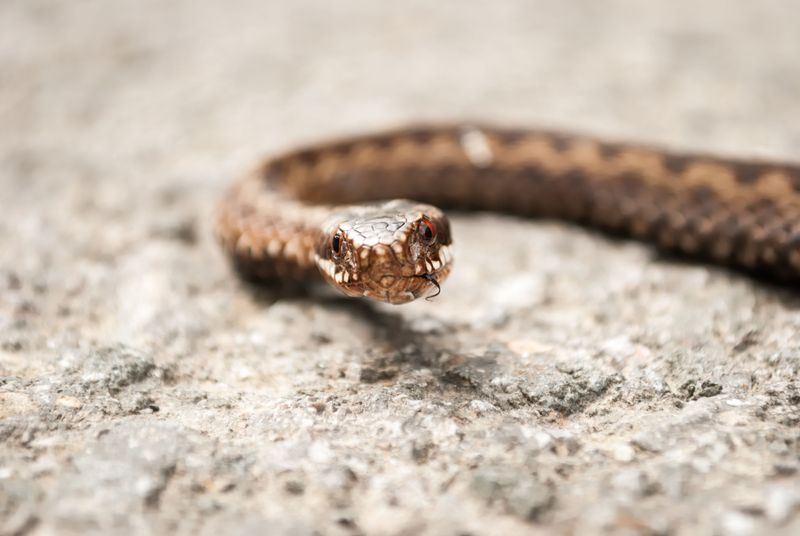
Head shape is the trick everyone repeats, yet harmless snakes can flatten their heads to look tough. Northern watersnakes and eastern hognose snakes both puff up this way when they feel cornered by people.
Copperheads do have broad heads because of their venom glands, but that clue alone can fool you. A better feature is the pattern, with dark hourglass bands that look narrow on top and wide on the sides.
Pupils help too, since copperheads have vertical slit pupils like a cat instead of round ones. Still, getting close enough to check eyes is not smart, so use binoculars or a zoomed phone photo.
Pit vipers also carry a small heat sensing pit between each eye and nostril on their faces. That pit helps them find warm prey at night, which explains why they hunt so well after sunset.
The Indiana Department of Natural Resources offers snake identification resources that are worth bookmarking on your phone. Comparing photos side by side teaches your brain to spot differences quickly when a surprise shows up.
I keep a laminated card in my garden shed with clear pictures of common local snakes on it. It has rescued more than a few harmless watersnakes from panicked neighbors swinging long garden hoes over the years.
8. That Banded Pond Snake Is Probably A Northern Watersnake
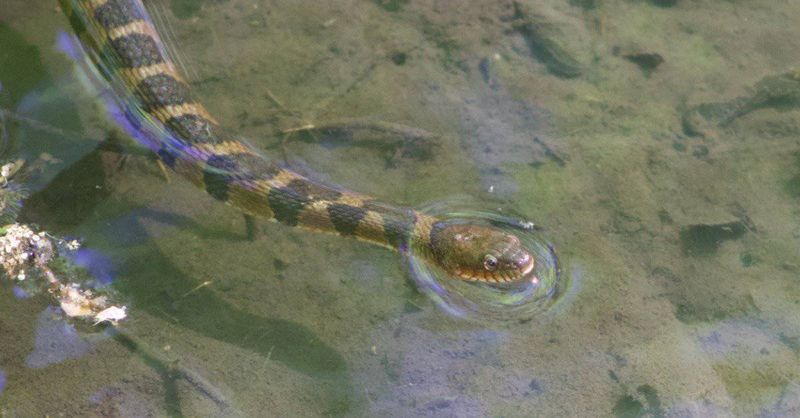
Here in the southern counties, people often shout cottonmouth whenever a dark banded snake swims past the dock. The cottonmouth is extremely rare in Indiana and limited to a few southwestern counties, so that scary name usually belongs to a harmless snake.
Most of the time, the swimmer is a northern watersnake, a nonvenomous species that bites mainly when grabbed. Its bands can look a lot like copperhead markings, which explains plenty of mix ups at farm ponds.
Watersnakes have round pupils and lack the heat sensing pits found on copperheads and other pit vipers. They also tend to be grumpy when handled, so admire them from a distance without trying to pick them up.
These harmless snakes eat fish and frogs, which helps keep pond and creek life in healthy balance. Sadly, many get harmed simply because worried folks confuse them with their venomous cousins along the shore.
Learning the difference protects useful wildlife around your property and saves you a lot of needless worry. A quick photo shared with a local nature center can settle most identification debates within a few minutes.
I once spent an entire afternoon convinced a cottonmouth lived in my soggy little rain garden. It turned out to be a watersnake hunting tadpoles, and I felt pretty silly for weeks afterward.
9. A Copperhead Bite Needs The Hospital Not Home Remedies
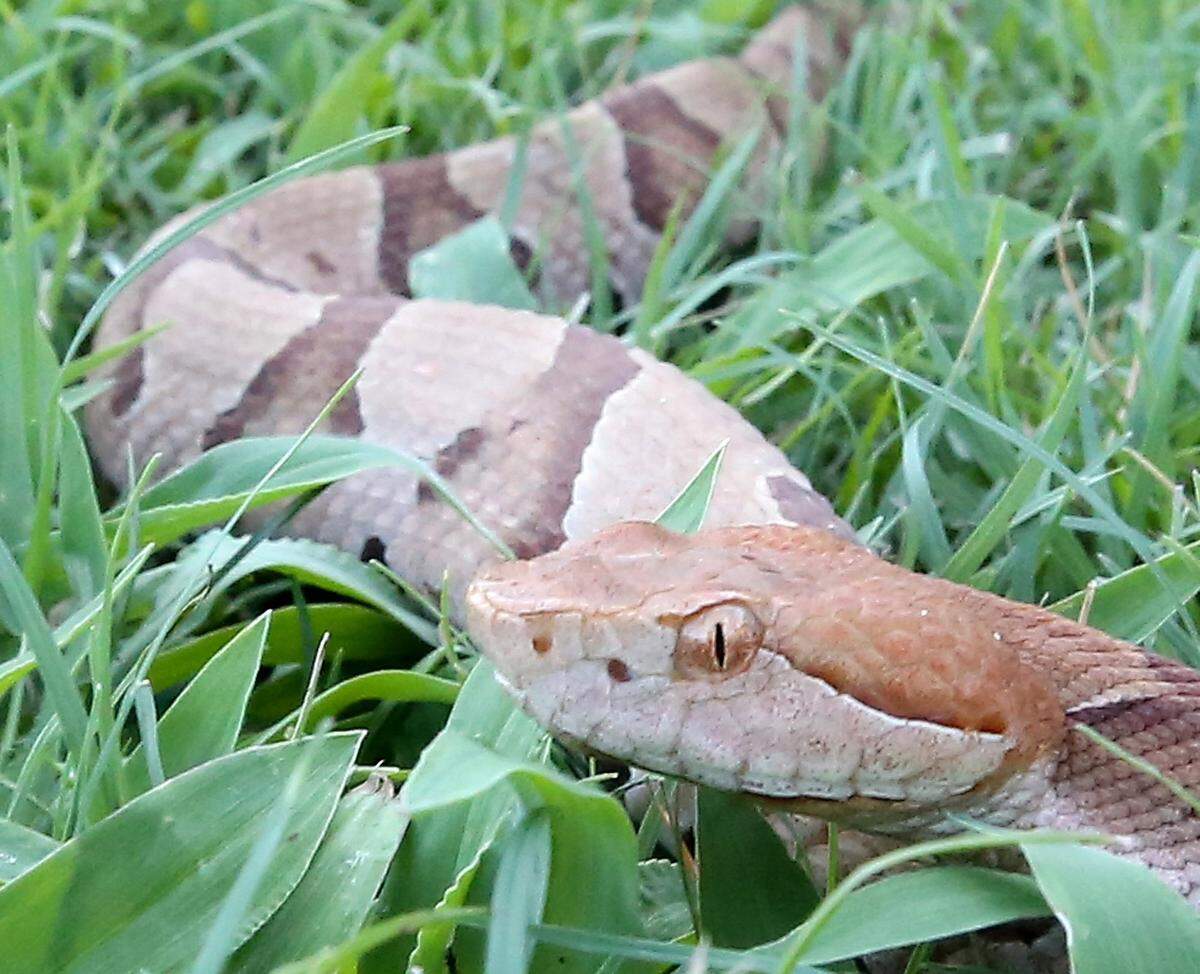
Copperheads cause many venomous snake bites in the United States, yet their venom ranks among the mildest pit vipers. That does not make a bite harmless, because swelling and pain can be intense for days or weeks.
Serious outcomes are rare, especially for healthy adults who get prompt medical treatment at a hospital. Some bites are dry, meaning little or no venom enters the wound, but only doctors can judge that.
Old advice like cutting the wound or sucking out venom does more harm than good, according to medical experts. Tourniquets and ice packs are also discouraged, since they can worsen tissue damage around the bite area.
Instead, stay calm, remove rings or tight clothing, and keep the bitten limb roughly at heart level. Call 911 or head to an emergency room, and note the time of the bite if you can.
Antivenom is available, and doctors decide whether you need it based on symptoms and how swelling spreads. Poison control at 1-800-222-1222 can also offer fast, free guidance while you travel toward medical care.
I keep that number taped inside my garden shed door right beside my gloves and pruners. It feels silly until the day you need it, and then it feels very smart indeed.
10. Copperheads Stay Active In Autumn Leaf Piles
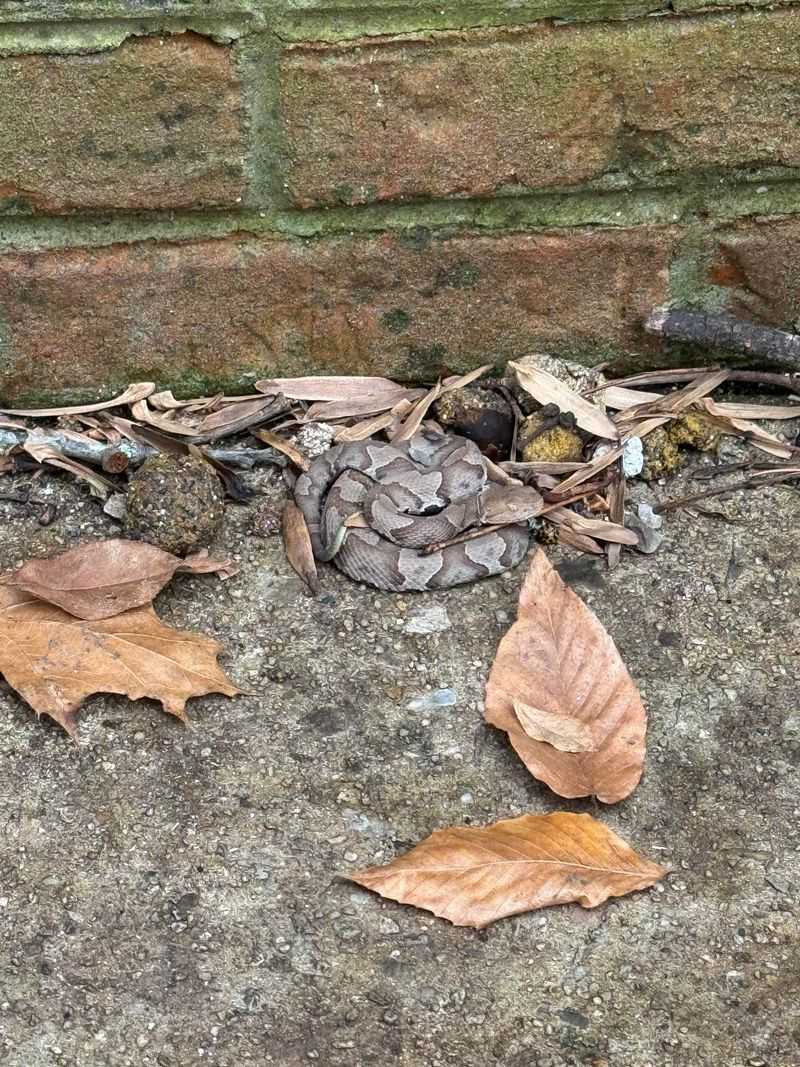
Cool fall mornings fool many gardeners into thinking snakes have already tucked themselves away for winter. Copperheads in southern Indiana often stay active well into October, basking on warm rocks during sunny afternoons.
Fall is busy for them, because they travel back toward winter dens on rocky hillsides and old foundations. Newborn snakes from late summer litters may also be wandering around, looking for their very first meals.
Raking leaves into big piles can create cozy hiding spots right where you plan to work next. Use a rake rather than your hands, and wear gloves when bagging leaves or stacking firewood for winter.
Warm spells in late fall or even early spring can bring snakes out briefly to soak up sunshine. They move slowly when chilly, so watch your step around stone walls and south facing garden slopes.
Once steady cold arrives, copperheads settle into dens below the frost line until spring warms the ground again. Many share those dens with other snake species, which is a surprising bit of neighborly behavior.
I used to drop my guard after the first frost, but now I stay careful through Thanksgiving. A little caution in the leaf pile is a small price for peaceful gardening all year long.