8 Low-Chill Peach and Apple Trees That Actually Fruit in Phoenix and Tucson
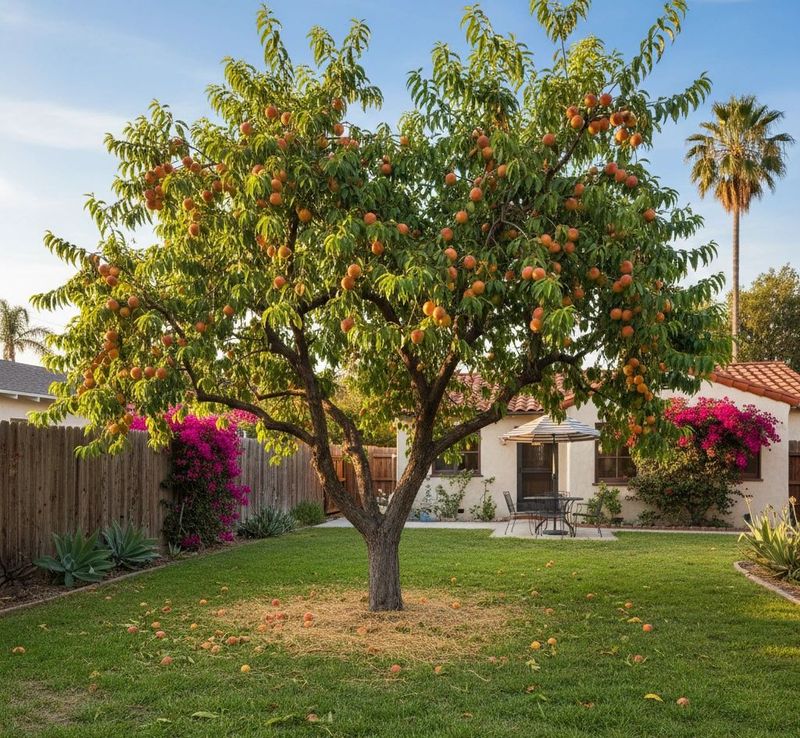
Some fruit trees in Mesa backyards bloom with as few as 150 hours of winter cold below 45 degrees. Classic orchard varieties up north may need a thousand hours, which our low desert simply cannot deliver.
Breeders in Florida and Israel developed trees that wake up and flower after barely any winter at all. Arizona gardeners grabbed those discoveries, and now homegrown summer fruit hangs in yards around Phoenix and Tucson.
I have to admit my first attempt went badly because I bought a pretty tree from a chain store. It leafed out late and sulked for three summers, so you need to check chill hours before buying.
October is the perfect month to plan, since bare-root season in Arizona arrives with the new year. So which eight trees truly earn a sunny corner of your yard and a spot on your shopping list?
1. Flordaprince Peach
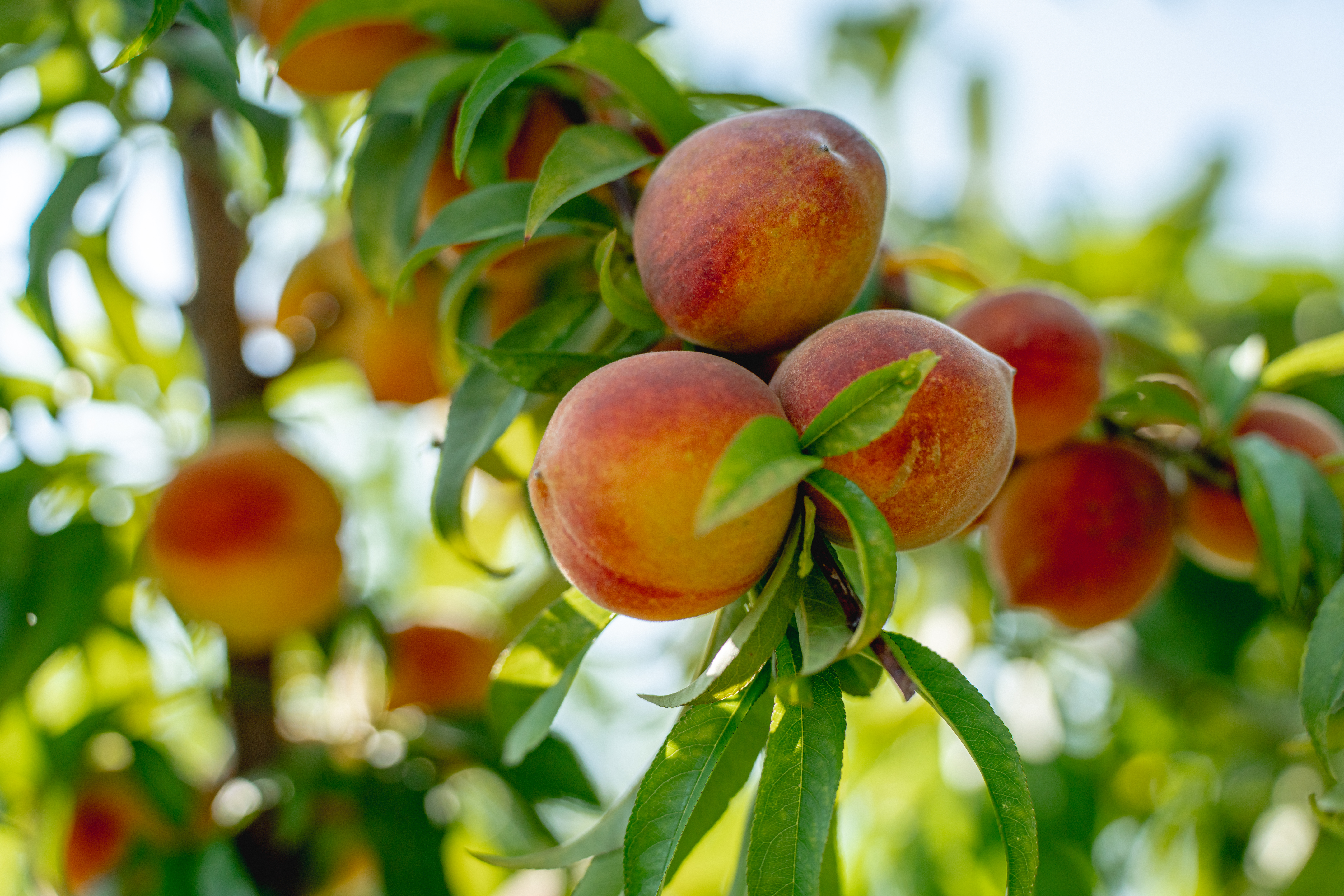
Few peaches anywhere ripen earlier than this Florida-bred tree, which often hands you fruit by late April or May. I love biting into a juicy yellow peach before the thermometer even flirts with 110 degrees on my patio.
Flordaprince needs only about 150 chill hours, so even the mildest winters in central Phoenix usually satisfy it. The fruit is medium to large with a heavy red blush and firm, sweet flesh that clings slightly.
One tree is enough, because the variety is self-fertile and sets fruit without a second pollinator nearby. Bees still visit the pink spring blossoms eagerly, and their visits help the crop set more evenly.
Our blazing sun scorches bare bark, so paint the trunk with diluted white latex paint after planting. Deep, slow watering beats frequent sprinkles, since peach roots prefer moisture that soaks two or three feet down.
October is a smart time to stretch out irrigation as leaves yellow and the tree slows down. Save heavy pruning for January, then thin young fruit in spring so each peach sits about six inches apart.
Expect a modest first crop in year two or three, with bigger harvests arriving as branches mature. Personally, I think it is the easiest starter peach for anyone new to desert fruit growing.
2. Tropic Snow Peach
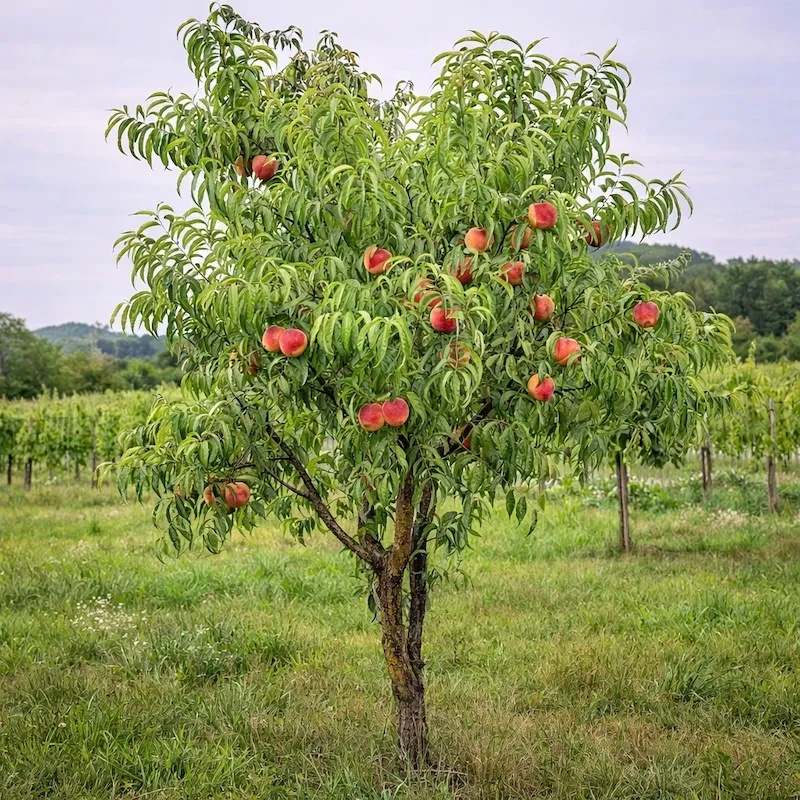
White peaches taste like honey with the sharp edges sanded off, and this one nails that mellow sweetness. Low acid means kids usually grab a second one before the juice finishes dripping off their elbows.
Tropic Snow comes from Florida breeding work and needs roughly 200 chill hours each winter to bloom well. That number fits Tucson and Phoenix nicely, where winter nights dip cool without staying cold for long.
The fruit is freestone, so the pit pops out cleanly when you slice peaches for cobbler or freezing. Harvest usually lands in May, which beats the brutal June heat that can soften fruit on the branch.
Spring blossoms show up early and smell lovely, drawing native bees and honeybees into your yard within days. I like planting a few desert marigolds nearby so those pollinators have extra food after the petals drop.
Spread three inches of wood mulch across the root zone, keeping it a hand’s width from the trunk. Mulch cools the soil noticeably and cuts water loss, which matters a lot during our dry autumn.
Heavy crops can snap limbs, so thin young fruit in spring and prune an open center each winter. For now, enjoy the fading leaves and let the tree rest while cooler October evenings settle in.
3. Desert Gold Peach
With a name like Desert Gold, you would expect a tough customer, and this peach lives up to it. It has been a reliable favorite in warm-winter regions for decades, and Arizona nurseries stock it widely.
Chill needs run roughly 200 to 350 hours, so it suits most low desert gardens and many Tucson yards. Fruit ripens around early to mid-May, offering yellow flesh with a classic, old-fashioned peach flavor and plenty of juice.
The peaches are semi-clingstone and medium sized, which makes them perfect for eating straight off the branch. Desert Gold is self-fertile, so a single tree in a small backyard can still produce generous crops.
You might notice yellow leaves with green veins, a sign of iron chlorosis common in alkaline desert soil. Chelated iron applied to the soil helps, and steady organic mulch slowly improves the root zone.
Give it full morning sun, though young trees appreciate a little relief from blasting late afternoon rays. Fallen leaves this October can harbor fungal spores, so rake them up and toss them in the green bin.
Personally, I think Desert Gold is the sentimental pick, the tree many longtime desert gardeners grew first. Plant one this winter, and you might be sharing bags of peaches with neighbors in a few springs.
4. Earligrande Peach
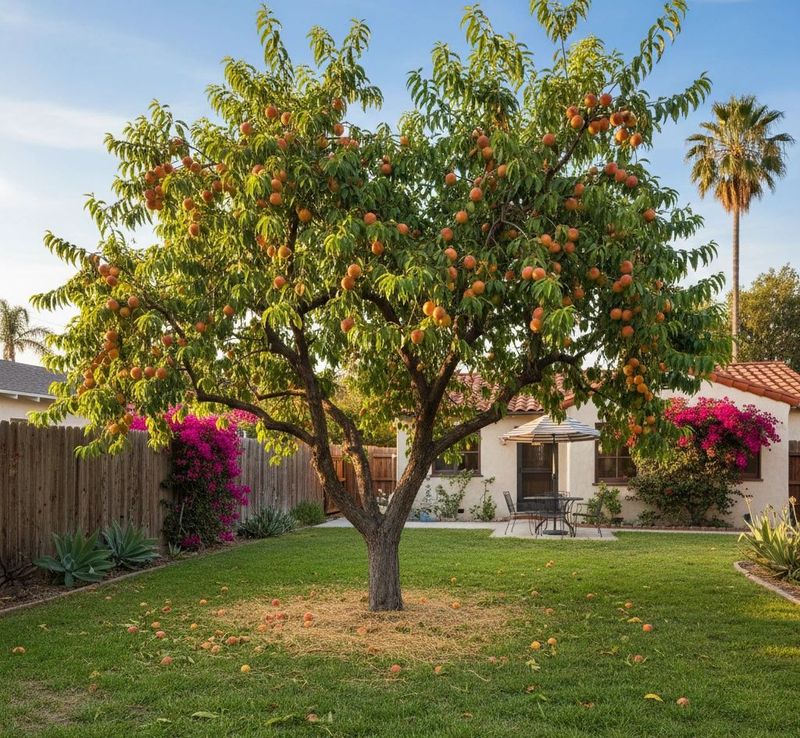
Texas A&M breeders released this peach in the 1970s, and it handles scorching dry summers with surprising grace. I love how its fruit arrives right as triple-digit afternoons start showing up in the forecast every year.
Earligrande needs around 200 to 300 chill hours, which fits the warm winters across the Valley of the Sun. Its medium yellow peaches are semi-freestone, with firm flesh and a gentle tang balancing the sweetness very nicely.
Fragrant pink flowers open in late winter, so a surprise frost in Tucson can occasionally nip blossoms. Draping frost cloth over small trees on cold nights protects the crop without much effort at all.
Full sun and well-drained soil keep roots happy, while soggy clay invites root rot surprisingly quickly in summer. If your yard sits on caliche, dig wide and break through that layer before you plant.
October is caliche-busting season, since cooler mornings make digging far more pleasant than August ever allowed. Prepare the hole now, then set your bare-root tree in January when nurseries restock their fruit selections.
Self-fertile and vigorous, Earligrande rewards yearly pruning that keeps branches low enough to pick without a ladder. Honestly, I can’t imagine a desert orchard without one, especially for anyone who loves baking peach pies.
5. Anna Apple
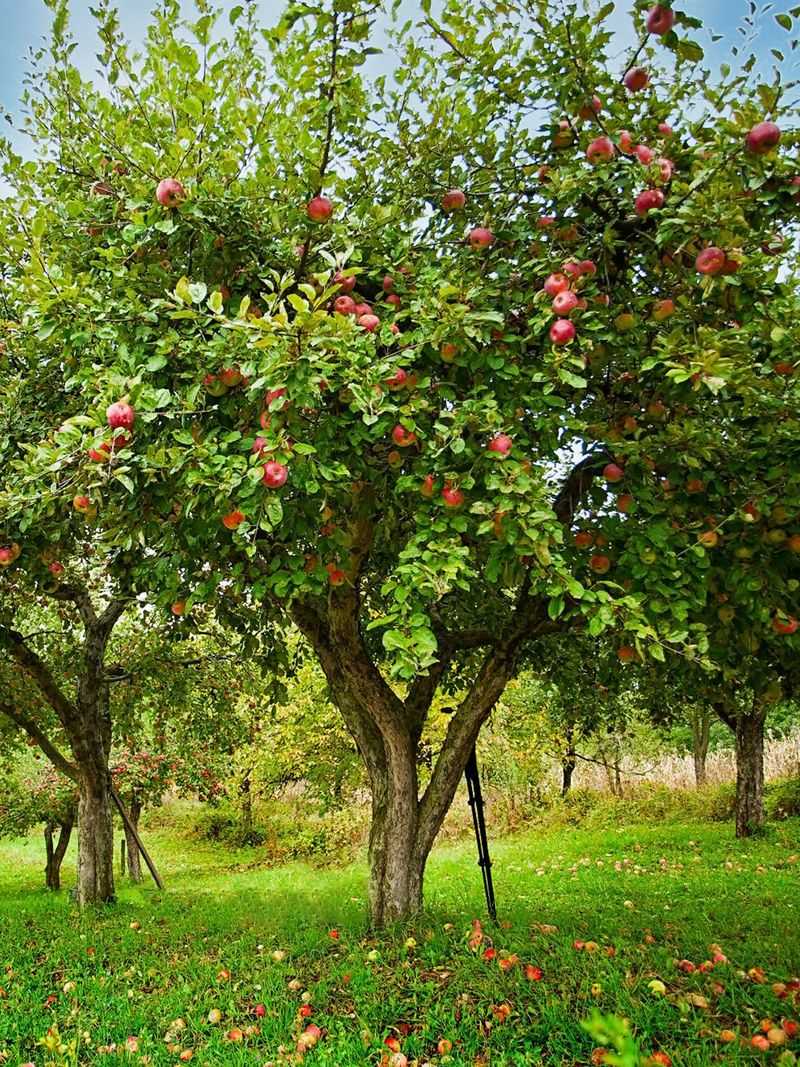
An apple tree from Israel feels like an unlikely hero for Phoenix, yet Anna has fed desert families for decades. Bred on a kibbutz in the 1950s, it needs only about 200 to 300 chill hours.
The apples look like a sunset, with a red blush washed over pale green or yellow skin. Flavor runs sweet with a light tartness, and the crisp flesh tastes best straight from the tree.
Anna sets more fruit with a partner, and Dorsett Golden blooms at the same time for perfect timing. Plant the pair within about fifty feet so bees can shuttle pollen easily between the two trees.
Harvest typically comes in June, so the fruit escapes the fiercest heat of July and August. Apples do not store as long as cold-climate types, so enjoy them fresh or turn them into applesauce.
Afternoon shade from a wall or taller tree helps prevent sunburned fruit and cracked bark in summer. In October, ease back on watering and watch for a scattered second bloom, which happens sometimes after hot summers.
I believe Anna is the easiest apple for beginners here, since it bears young and forgives small mistakes. Many trees produce a real crop by their third year, which feels quick for an apple.
6. Dorsett Golden Apple
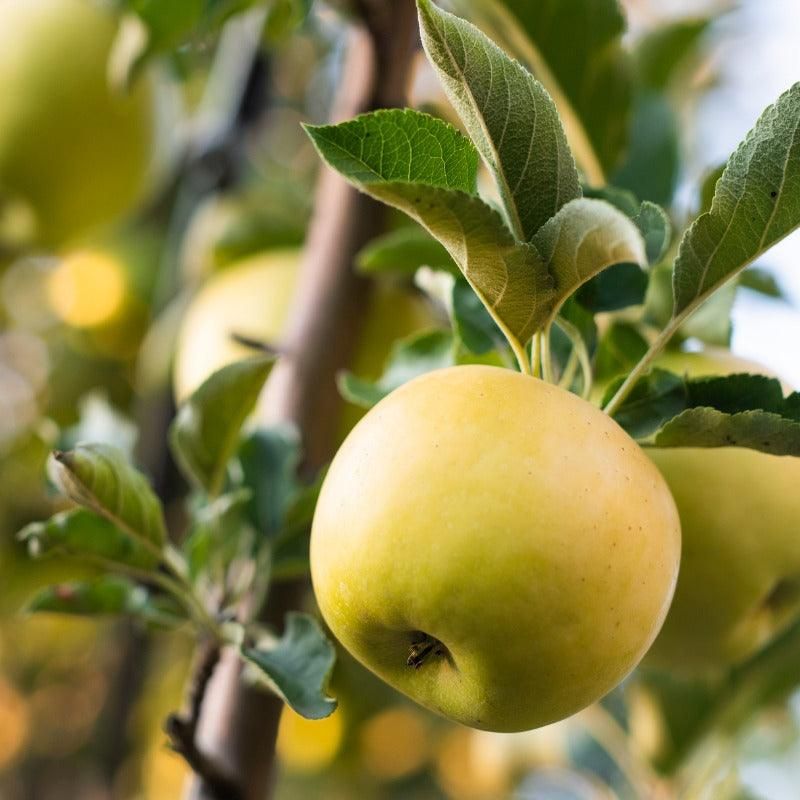
Irene Dorsett found a chance seedling in Nassau, Bahamas, during the 1950s, and gardeners still thank her. You’re in for a big surprise, because it needs as little as 100 chill hours to bloom.
That makes it one of the lowest-chill apples available, a lifesaver for warm pockets in central Phoenix. The golden skin sometimes carries a faint pink cheek, and the flesh tastes sweet with mild tang.
Many growers compare the flavor to Golden Delicious, though the texture feels a little softer in the heat. Fruit ripens in June or early July, perfect timing for cool salads on long summer evenings.
Dorsett Golden is mostly grown as the pollen partner for Anna, and the two trees bloom together nicely. Planting both usually means heavier crops on each tree, so skip the solo approach if space allows.
Its white spring flowers feed early bees, and a row of these trees doubles as a lovely screen. Birds also snack on fallen fruit, which brings curious thrashers and quail wandering through your yard.
During October, mark a sunny planting spot and test drainage by filling a test hole with water. If the water lingers longer than a day, choose a raised bed or a different location instead.
7. Ein Shemer Apple
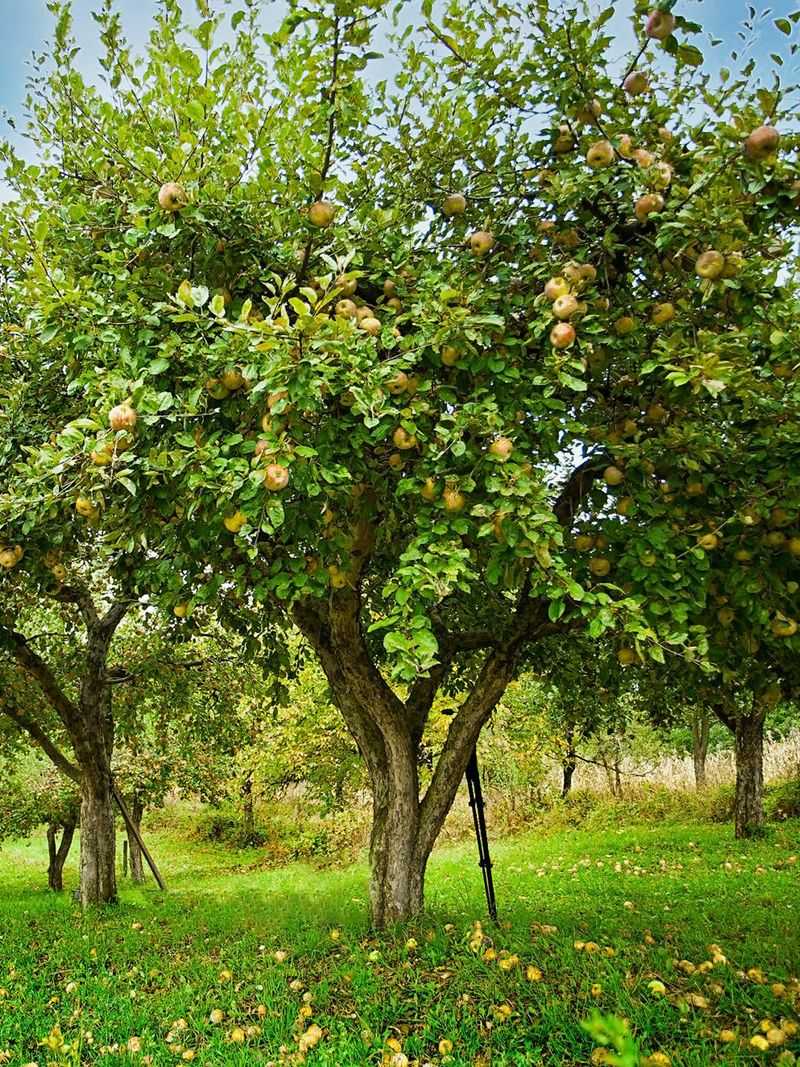
Named after the Israeli kibbutz where it was bred, Ein Shemer is Anna’s crisp, pale yellow cousin. I like how its bright, slightly tart bite wakes up your taste buds on a hot June morning.
Most sources list its chill needs between about 300 and 400 hours, a bit higher than Anna’s. Cooler pockets of Tucson and outlying Phoenix suburbs give it the best shot at a full bloom.
Fruit usually ripens in early summer, and the yellow skin softens to gold when it is ready. Pick promptly, because ripe apples drop quickly and the texture turns mealy in the desert heat.
Ein Shemer is considered partly self-fertile, but crops improve noticeably with Anna or Dorsett Golden nearby. A three-tree apple corner sounds ambitious, yet semi-dwarf rootstocks keep everything manageable in a typical yard.
Slow, deep soaks every week or two in summer suit it far better than daily shallow drips. Now that October has arrived, stretch those intervals as nights cool and the leaves begin to fade.
Winter pruning should remove crossing limbs and open the canopy, letting light reach the inner fruiting spurs. What surprises me most is how sweetly it pairs with sharp cheddar on a cool evening snack plate.
8. Gordon Apple
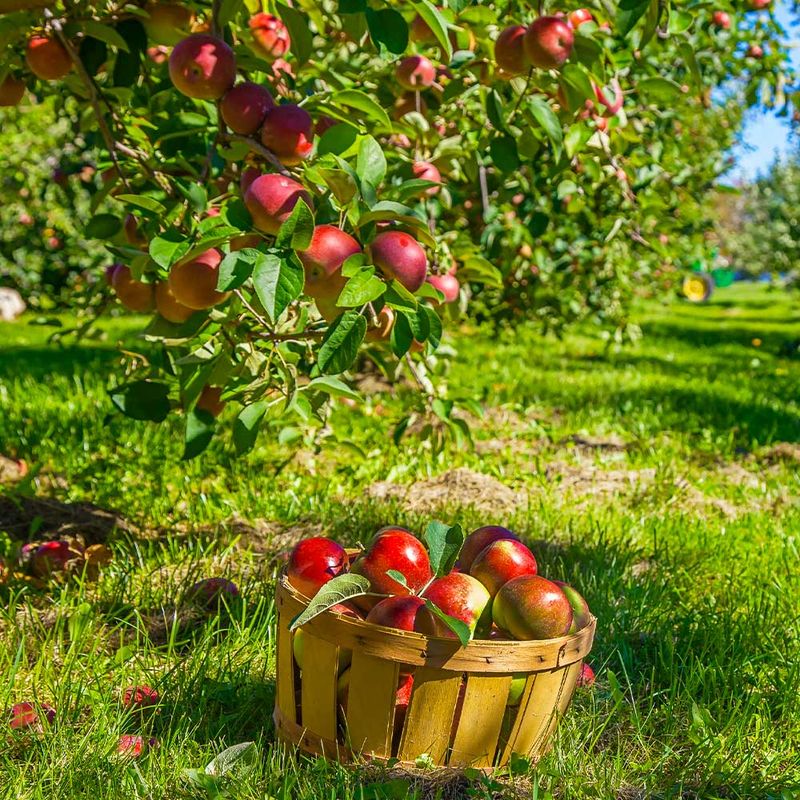
Gordon is the late bloomer of this list, and its flowers keep opening for weeks instead of days. That long bloom window helps it dodge a single cold snap that might ruin a shorter flowering season.
Bred in Southern California, it needs around 300 to 400 chill hours, so cooler yards suit it best. Tucson gardeners and folks in higher Arizona towns usually have better odds than growers in central Phoenix.
The apples are large with green skin washed in red stripes, and the flesh stays crisp and juicy. Harvest stretches from late summer into fall, so you might still be picking a few right now.
I have to admit the sweet-tart flavor makes outstanding pie, and slices hold their shape when baked. Gordon is partly self-fertile, though Anna or Dorsett Golden can overlap with its lengthy bloom and boost yields.
Give it rich, well-drained soil and shelter from scorching late afternoon sun, especially while the tree is young. Consistent water during the first two summers builds deep roots that carry it through later heat waves.
Pick up dropped apples this month, since rotting fruit attracts fruit flies and hungry wasps near your patio. Then sit back and enjoy a homegrown apple pie that most of your neighbors assumed was impossible here.