The Self-Seeding Flowers That Keep Coming Back In Arizona Gardens
There is something genuinely magical about walking out to your Arizona garden after a good rain and finding tiny seedlings popping up exactly where last year’s flowers used to be. You didn’t plant them.
You didn’t plan them. They just showed up and decided to make themselves at home, and honestly it’s one of the best things a garden can do.
Self-seeding flowers are basically nature’s way of rewarding Arizona gardeners who resist the urge to tidy everything up too soon.
Leave those seed heads in place, ease up on the fall cleanup, and let plants complete their full cycle, and some of them will come back year after year without you lifting a finger.
Arizona’s unique mix of winter and summer rain creates the perfect rhythm for certain flowers to do exactly that. Eight of them are particularly good at it.
1. Desert Marigold Reseeds Easily In Sunny Beds
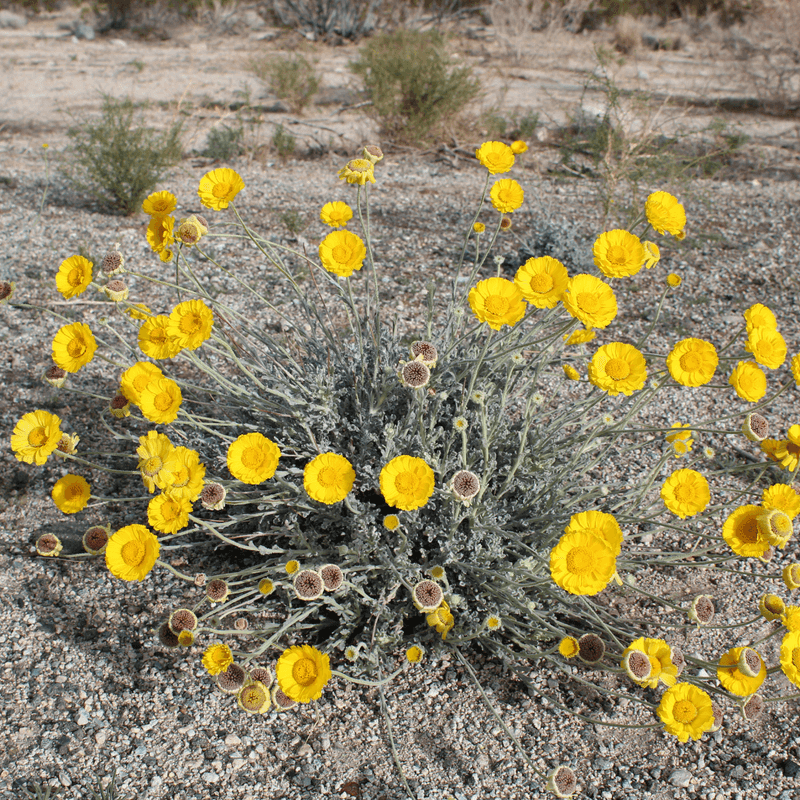
Sunny gravel beds in Arizona almost seem made for desert marigold. This cheerful yellow wildflower blooms heavily from spring into fall, and when conditions line up well, it can reseed generously across open ground.
Leaving spent flower heads in place rather than deadheading everything gives seeds a chance to mature and fall where they may sprout the following season.
Desert marigold grows well in full sun and tolerates poor, rocky, well-drained soil, which makes it a comfortable fit for low-water front yards, dry washes, and native plant borders.
It tends to stay compact, usually reaching about one to two feet tall, so it works nicely along walkways or between larger shrubs without crowding things out.
One thing worth knowing is that reseeding is not a guarantee. Soil disturbance, heavy mulch, and over-irrigation can all reduce the chances of seedlings establishing.
Birds also eat the seeds, which can limit how many make it to the soil. If you want to encourage reseeding, try leaving a few patches of bare or lightly raked soil near mature plants in late summer or fall.
In Arizona, desert marigold is considered a short-lived perennial, meaning individual plants may only last a few years, so allowing some reseeding helps keep the color coming back without replanting from scratch every season.
2. Desert Globemallow Returns In Low-Water Gardens
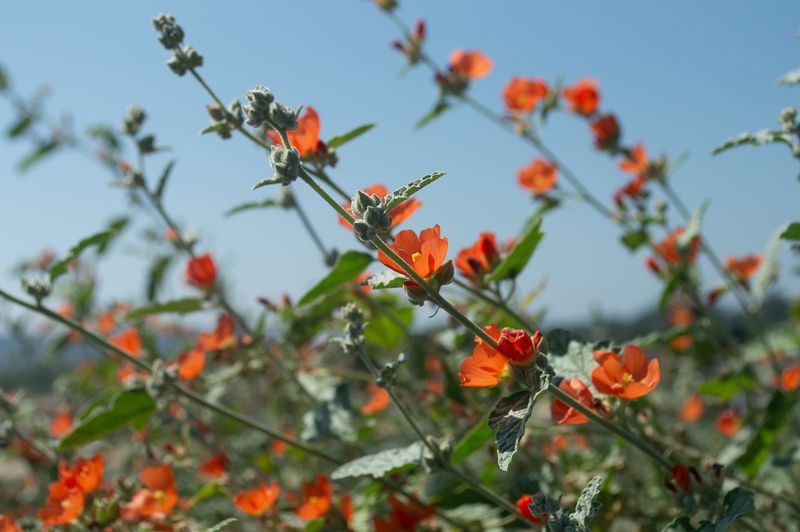
Few sights in an Arizona low-water garden are as warm and welcoming as a cluster of desert globemallow in full bloom.
The soft orange, coral, or occasionally pink cup-shaped flowers appear in late winter and spring, drawing native bees and other pollinators while adding bright color to dry borders and native plant corners.
Globemallow is a tough plant that handles heat, drought, and rocky soil with ease. It often grows as a short-lived perennial or woody subshrub, and while individual plants may not last forever, reseeding helps fill in gaps over time.
Letting blooms finish and set seed before trimming the plant back gives the best chance for new plants to appear nearby.
Seed germination in Arizona tends to happen after winter or monsoon moisture, depending on when seeds mature and fall.
Your Arizona Garden Changes Every Week. Your Plan Should Too.
Gardening in Arizona changes quickly throughout the season. Every Friday you’ll receive a simple weekly plan showing exactly what to plant, prune, fertilize, harvest, and protect so you never miss the right timing.
Gardeners who want globemallow to spread naturally should avoid thick gravel mulch over bare soil near the plants, since seeds need contact with the ground to sprout.
Light soil disturbance around mature plants in fall can sometimes help. Keep in mind that seedling survival depends on moisture timing, temperature, and whether birds or insects get to the seeds first.
In naturalized garden corners or along dry wash edges, globemallow can slowly expand its footprint over several seasons, rewarding patient gardeners with reliable seasonal color in an otherwise low-maintenance planting area.
3. California Poppy Comes Back After Cool-Season Bloom
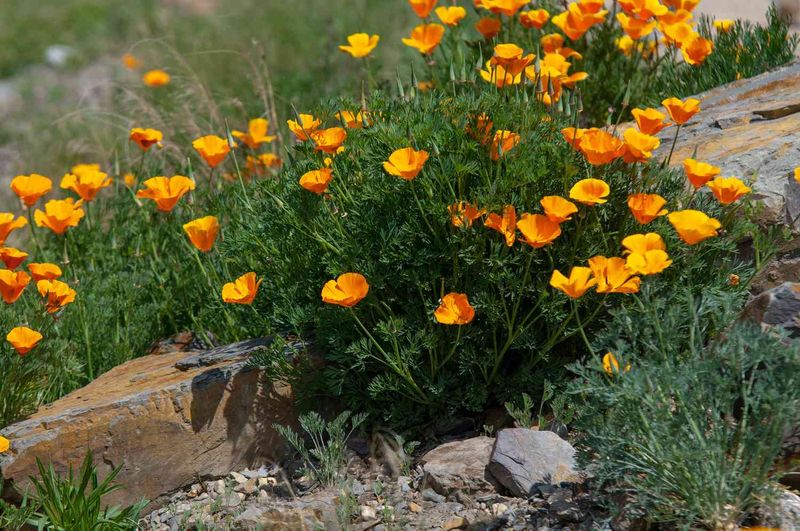
Watching California poppies return after a good cool season feels like a small reward for resisting the urge to clean up the garden too early.
These vivid orange flowers thrive during Arizona’s cooler months, typically blooming from late winter into spring before the heat arrives and the plants fade back.
California poppy is an annual or short-lived perennial that reseeds when conditions cooperate. The key is letting the long, slender seed pods ripen and split open naturally before removing plants from the garden.
Once seeds fall, they can lie dormant in the soil until cool, moist conditions trigger germination, often during Arizona’s winter rain season.
For home gardeners, this flower works well scattered across gravel beds, patio edges, and open wildflower patches. It prefers full sun and well-drained soil, and it tends to struggle if given too much water or planted in heavy clay.
Overwatering is one of the most common reasons California poppies underperform in Arizona landscapes.
Reseeding success varies from year to year and depends heavily on winter rainfall, seed maturity, and how much the soil gets disturbed after cleanup. Leaving a section of the bed undisturbed through summer gives fallen seeds the best chance of staying in place.
In favorable years, Arizona gardeners may find generous clusters returning with little effort beyond some patience and a lighter hand with fall tidying.
4. Desert Bluebells Reappear When Winter Moisture Cooperates
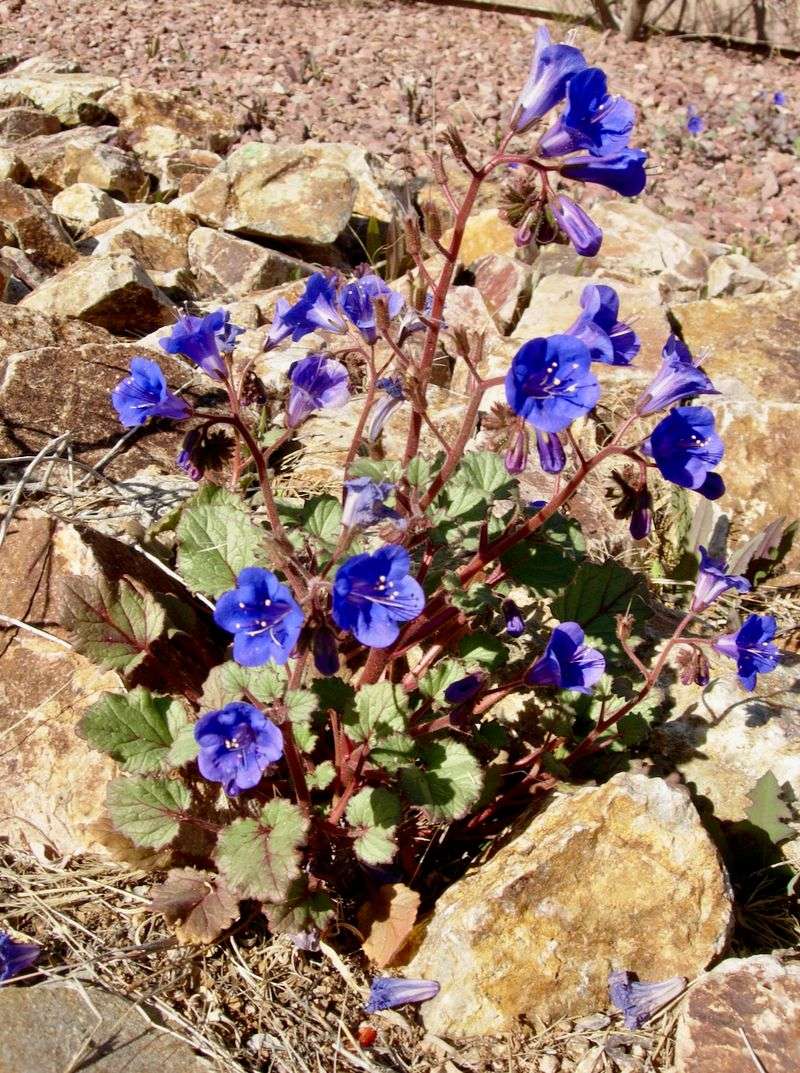
Coming across a patch of desert bluebells in bloom is one of those Arizona garden moments that feels almost unexpected.
The soft blue-purple, bell-shaped flowers appear in late winter and early spring, often popping up in spots where seeds landed the previous year and quietly waited for moisture to arrive.
Desert bluebell is a cool-season annual, meaning it completes its entire life cycle within a single growing season. It sprouts with winter rains, blooms in late winter or early spring, sets seed, and then fades as temperatures climb.
For it to return the following year, seeds need to mature fully before the plant is removed, and the soil should not be heavily disturbed over summer.
In Arizona, this flower tends to do best in open, sunny spots with loose, well-drained soil. It fits nicely in naturalized wildflower patches, dry washes, and native plant borders where the ground is not heavily mulched.
Thick gravel or bark mulch layers can prevent seeds from making good soil contact, which reduces germination.
Reseeding is not something gardeners can count on every single year, since winter moisture in Arizona is unpredictable. In drier winters, seeds may remain dormant rather than sprout.
But in years with decent winter rain, desert bluebells can return in generous numbers, creating soft drifts of cool-toned color that contrast nicely with the warm tones common in desert landscapes.
5. Owl’s Clover Fits Naturalized Wildflower Patches
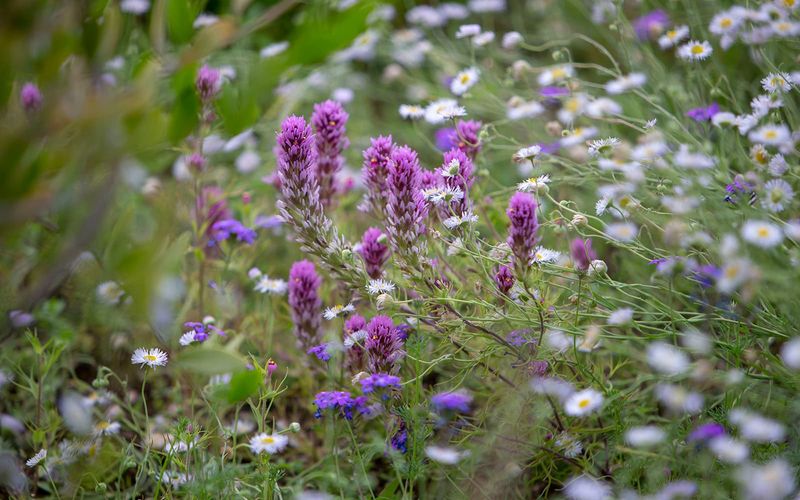
Wildflower patches in Arizona have a character all their own, and owl’s clover is one of the plants that helps give them that layered, natural look.
The rosy pink bracts and small white flowers create a soft, textured appearance that blends well with other cool-season wildflowers like poppies, desert bluebells, and phacelia.
Owl’s clover is a cool-season annual and a hemiparasite, meaning it draws some of its nutrients from the roots of neighboring grasses and plants. This makes it a better fit for naturalized settings than for tidy, isolated garden beds.
It tends to grow lower to the ground and works well as a filler between taller wildflowers in open, sunny areas.
For reseeding to happen, plants need to set seed fully before the bed is disturbed or cleared. In Arizona, owl’s clover blooms from late winter into spring, and seed maturity follows shortly before the heat shuts the plant down for the year.
Avoiding early spring cleanups and leaving some bare or lightly covered soil helps seeds find their way into the ground.
This flower is not always easy to establish from scratch, but once it appears in a wildflower patch, it may return in subsequent years if conditions are favorable.
Winter moisture, minimal soil disturbance, and avoiding over-irrigation during the cool season all contribute to a better chance of seeing it come back naturally across an Arizona wildflower planting.
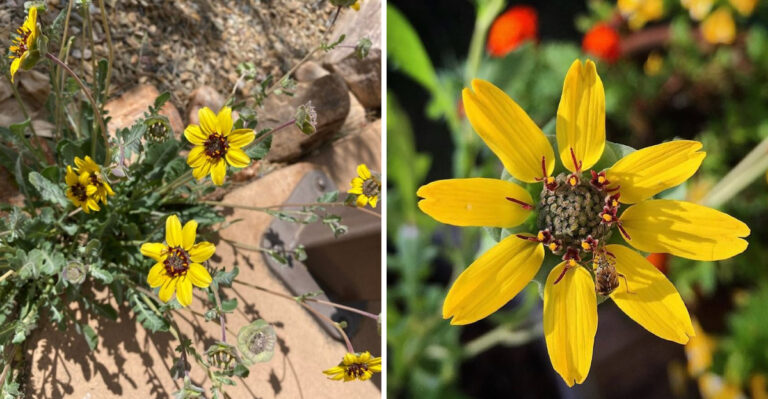
6. Arizona Poppy Responds To Summer Rain
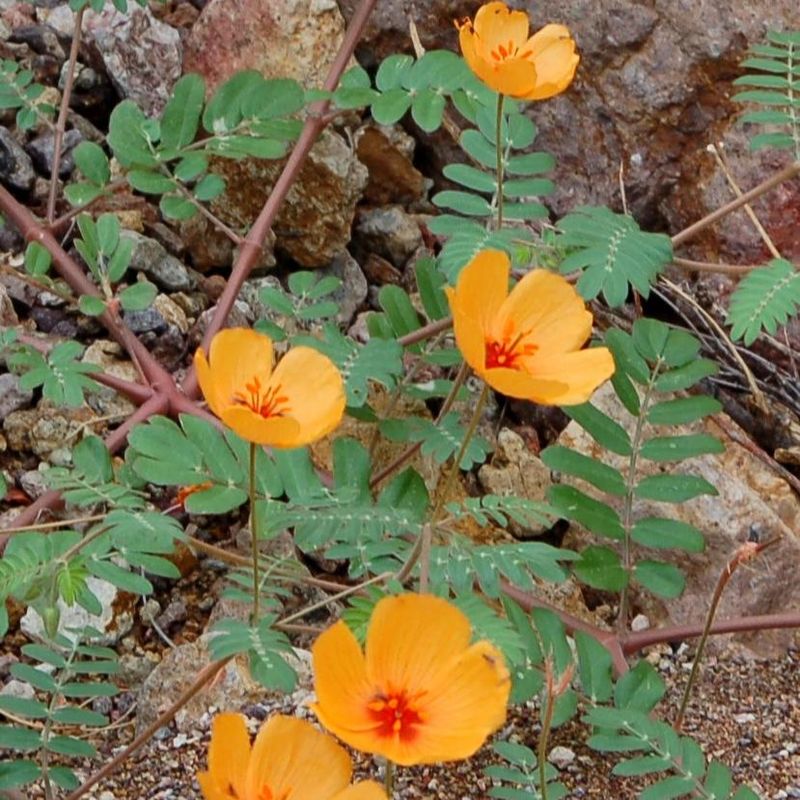
Most reseeding wildflowers in Arizona are cool-season plants, but the Arizona poppy breaks that pattern in an interesting way.
This warm-season annual responds to monsoon moisture, sprouting and blooming during the summer rainy season when many other plants are simply trying to survive the heat.
The bright yellow-orange flowers appear on low, spreading plants that hug the ground in open desert washes, gravelly flats, and sunny garden areas. Arizona poppy is native to the Sonoran Desert region, and its timing is closely tied to the monsoon cycle.
When summer rains arrive consistently, plants sprout, bloom, and set seed within a relatively short window.
For gardeners hoping to see it reseed in home landscapes, the approach is similar to other self-seeding annuals: let blooms finish, allow seed pods to mature, and avoid disturbing the soil heavily after plants fade.
Since this flower relies on summer rain rather than winter moisture, irrigation timing matters.
Supplemental watering that mimics monsoon conditions can sometimes help seeds germinate in years when natural rainfall is light.
Arizona poppy works well along dry wash edges, in naturalized gravel beds, and in open garden corners where summer sun is intense. It tends to stay low and spread outward rather than growing tall, so it fills in ground-level gaps nicely.
In a good monsoon year, it can create patches of warm color that feel genuinely connected to the Arizona desert landscape surrounding it.
7. Lupine Brings Spring Color From Seed
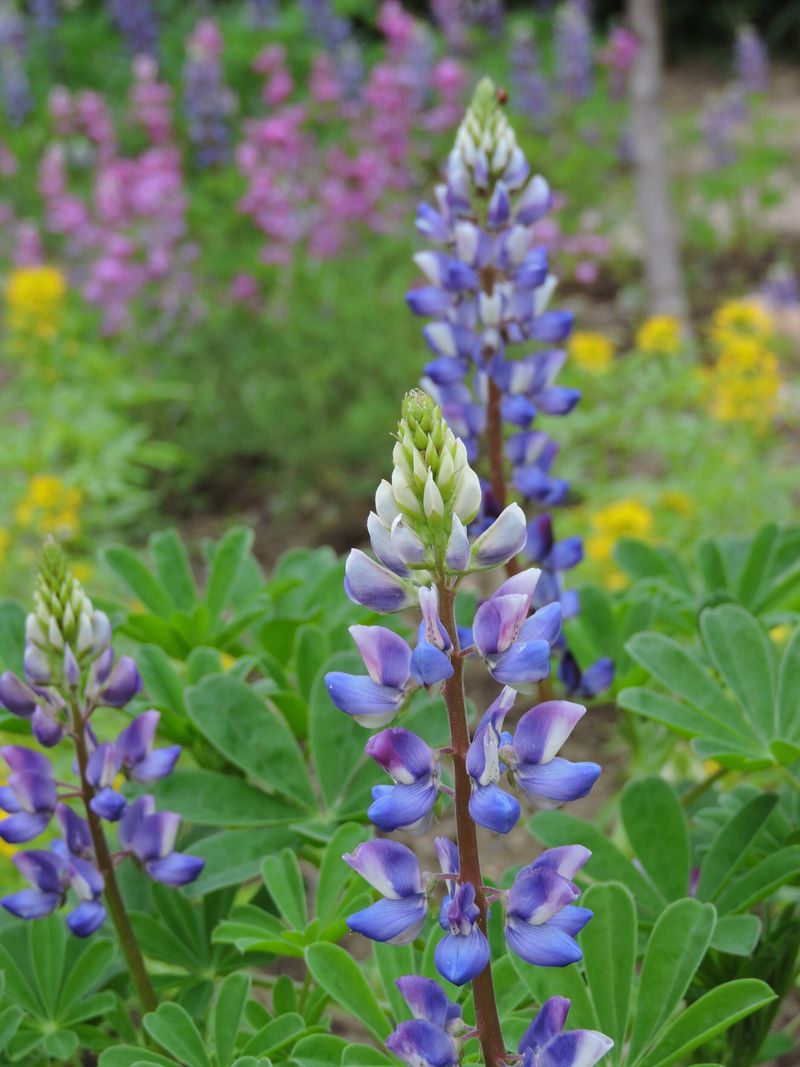
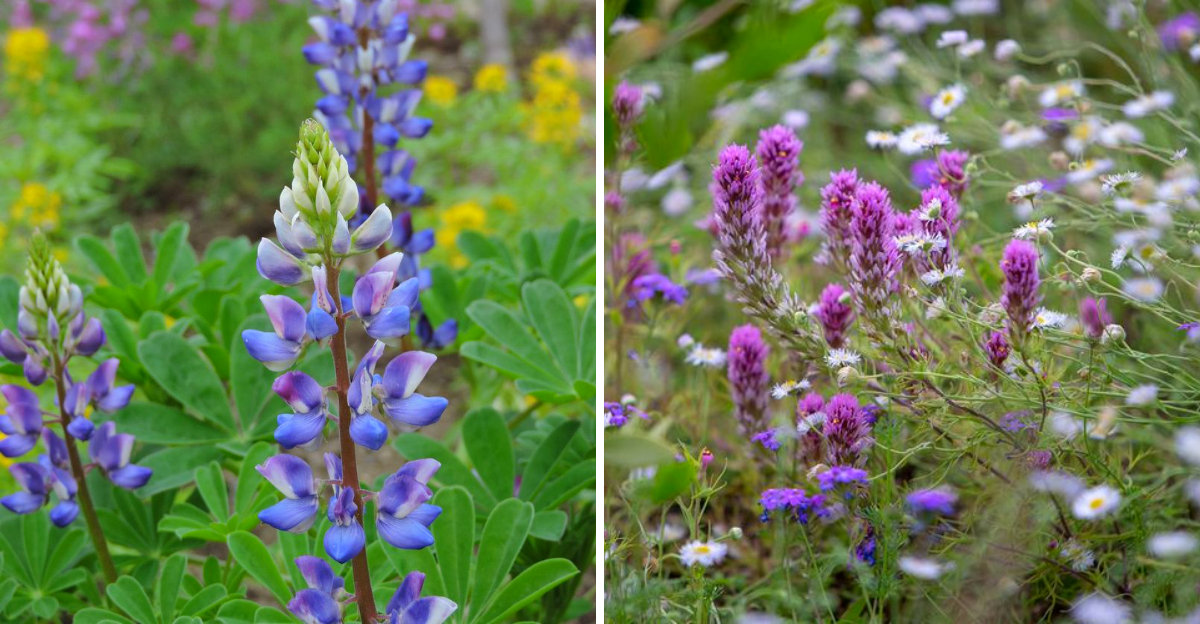
Few things announce the arrival of spring in Arizona quite like a stand of lupine in full bloom. The tall spikes of blue-purple flowers are hard to miss, and they bring a vertical element to wildflower patches that many low-growing annuals cannot provide.
Arroyo lupine and Arizona lupine are among the species that may be found or cultivated in Arizona gardens.
Lupine is a cool-season annual in most Arizona growing zones, blooming from late winter into spring before summer heat ends the season. Like other self-seeding annuals, it needs to finish its full cycle, including setting mature seed, before plants are removed.
The seed pods dry out and can split open with some force, scattering seeds a short distance from the parent plant.
Lupine seeds have a hard seed coat that can benefit from scarification or soaking before planting, and this same quality means seeds can remain viable in the soil for more than one season.
Some gardeners find that lupine reseeds more reliably in sandy, well-drained soil with minimal irrigation during the cool season.
In Arizona home landscapes, lupine fits well in open wildflower areas, along dry wash banks, and in native plant borders where it gets full sun and good drainage.
It tends to prefer lower elevations in the warmer parts of Arizona but can also appear at mid-elevation sites.
Letting a few plants go to full seed each year is the most practical way to encourage natural return.
8. Desert Chia Works In Wildflower-Style Plantings
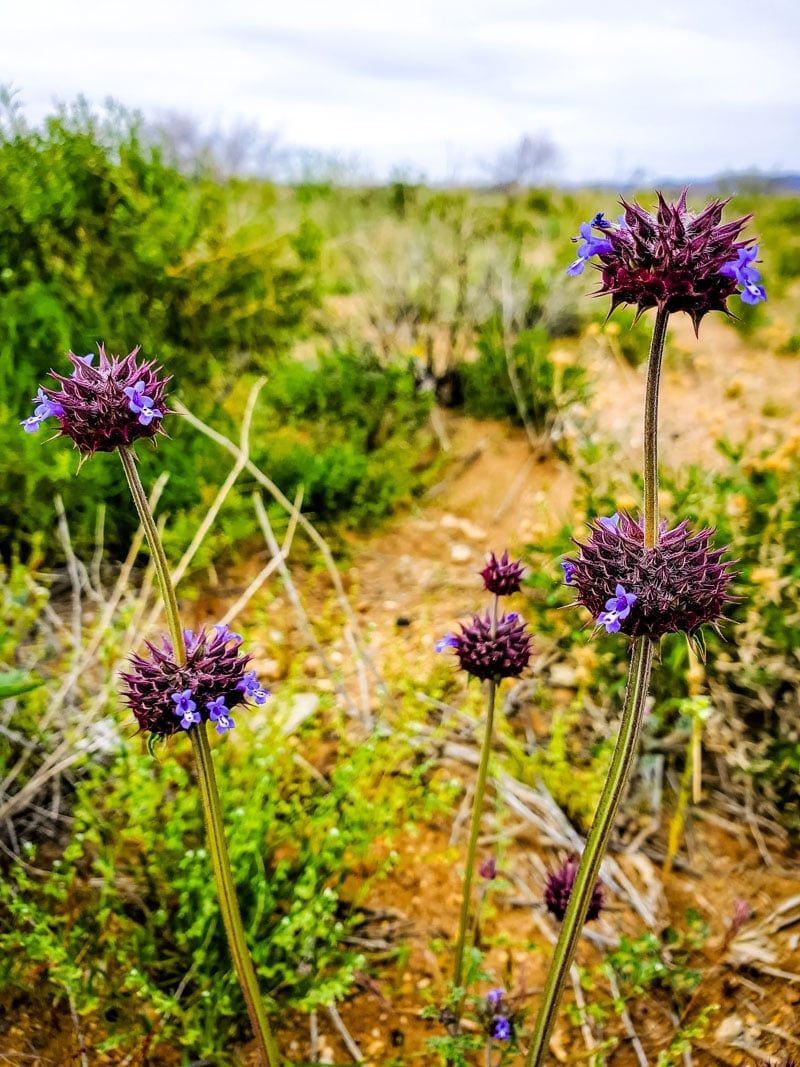
Not every self-seeding flower in Arizona makes a dramatic visual statement, and desert chia is a good example of a plant that earns its place through quiet reliability rather than showiness.
The small, pale purple flower whorls appear on upright stems in spring, and the plant has a subtle, textured look that fits naturally into wildflower-style plantings and native garden areas.
Desert chia is a cool-season annual native to the Sonoran and Mojave Desert regions. It grows in open, sunny spots with dry, well-drained soil, and it tends to appear in disturbed areas, roadsides, and open desert flats.
In garden settings, it can work well as a filler plant between showier wildflowers or as part of a naturalized seed mix.
The seeds, which are the same type used as a food source, are nutritious and attractive to birds. This means that while the plant can reseed in favorable conditions, bird activity may reduce how many seeds stay in the soil long enough to germinate.
Gardeners who want to encourage reseeding might consider leaving some areas slightly protected or shaded by other plants to help seeds avoid heavy bird foraging.
For Arizona home landscapes, desert chia is a low-fuss option that requires minimal care once established. Avoiding irrigation after seeds have matured helps keep the plants on their natural cool-season schedule.
In a relaxed wildflower planting, it can quietly reappear year after year when conditions cooperate, adding texture and native character without demanding much attention.