New York’s Endangered Grassland Owl Comes Out at Dusk, and Winter Is When to Look
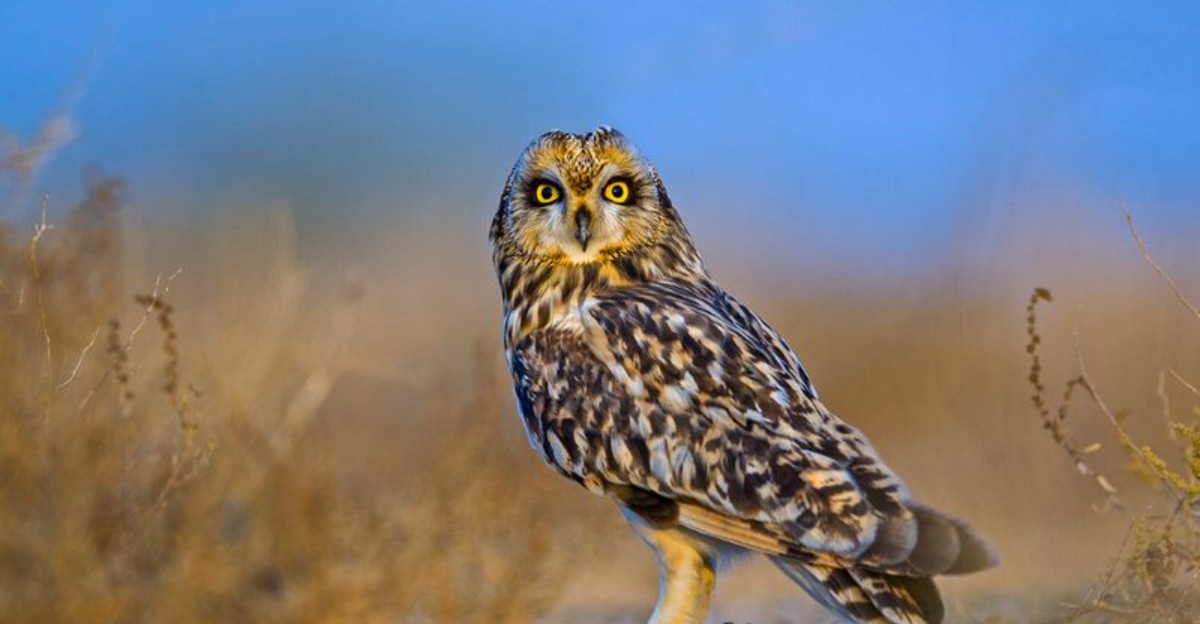
An owl that hunts in daylight, nests on bare ground, and flaps like a giant moth sounds made up. It isn’t. It lives in New York, where it is listed as Endangered.
Not going to lie, I spent years assuming owls belonged to deep woods and midnight. Then I stood at the edge of a frozen hayfield one January afternoon. A tan bird drifted low over the grass, tilted, and dropped like a dropped glove.
Truth is, these birds were once among the most common winter owls around here. Fields turned into houses, forests, and row crops, and the owls slipped away with them.
So what makes a cold field at sunset the best seat in the house? And why should a gardener with a backyard meadow care one bit?
That Floppy Low-Flying Owl Over Winter Fields Isn’t Lost
Most folks expect owls to hoot from a pine at midnight. The Short-eared Owl ignores that script. It lives in wide, flat grasslands and marshes, and it often hunts while the sun is still up.
New York lists this bird as Endangered. Globally it’s rated secure, but here it ranks as imperiled, and nesting birds in particular have declined sharply. Not long ago, it was one of the easiest owls to find in winter.
So why does it show up in cold months? Many of the owls you see here breed farther north in Canada. When fall arrives, they move south looking for open land packed with voles, and parts of New York fit the bill nicely.
A small number also nest here in summer, mostly in big grasslands in the northern and western parts of the state. Those breeding birds are the rarest of all.
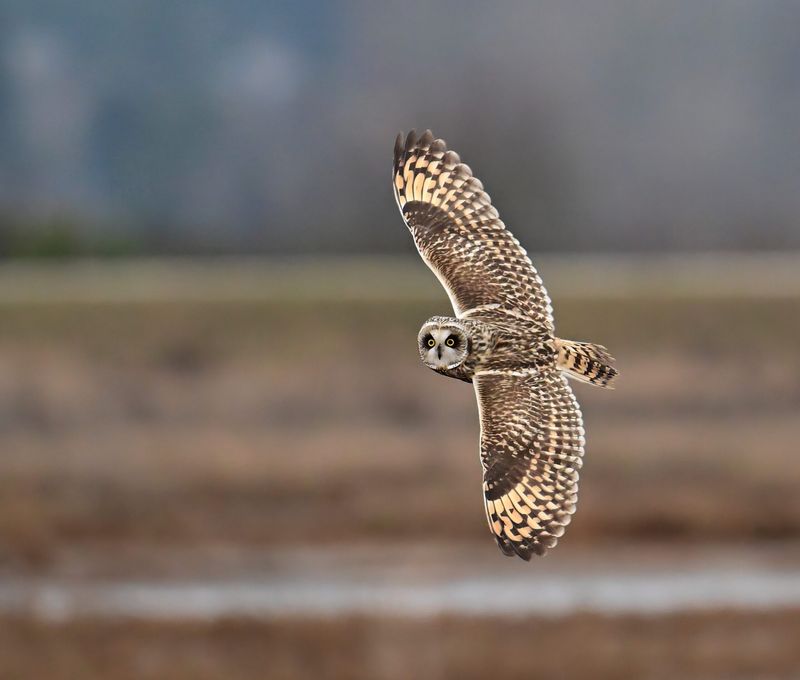
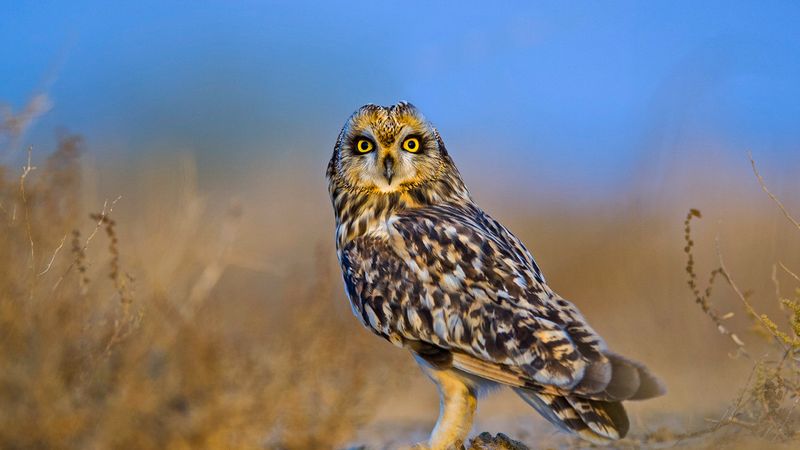
Here’s what surprised me most. These owls have tiny ear tufts you almost never see, which is why the name feels odd at first. Look instead for a buff, streaky body, pale belly, and bold dark patches near the wrist of each wing. Once you spot those markings, the bird is hard to forget.
The 90 Minutes Before Sunset Belong to the Short-eared Owl
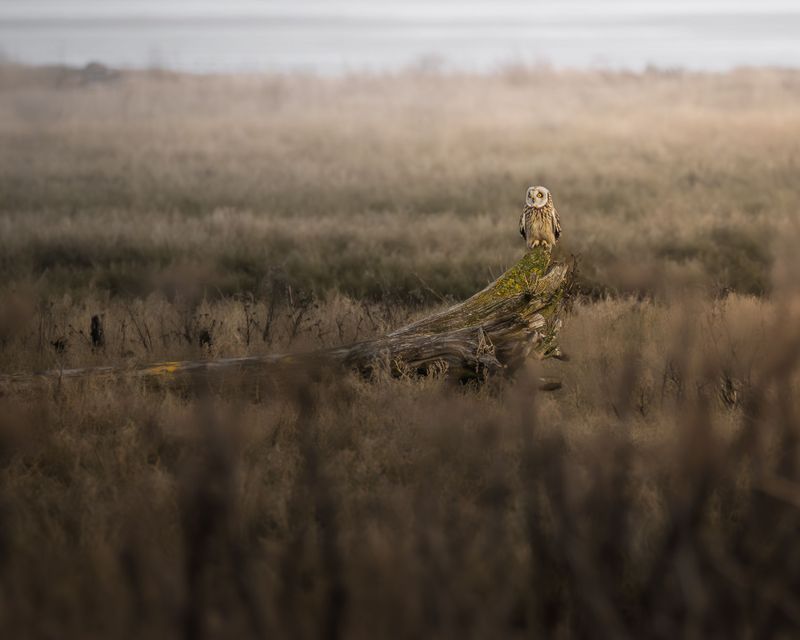
Timing is the whole game with this bird. Arrive at noon and you’ll likely see empty grass and a few crows. Show up about 90 minutes before sunset, and the field can wake up fast.
Short-eared Owls are active in daylight more than most owls, but late afternoon and dusk are their busiest hours. They also hunt around dawn, though fewer people enjoy standing in a frozen field at 6 a.m. I sure don’t.
Winter is the best season for a simple reason. Migrating owls from the north join the few local birds, so your odds go up from roughly November through March. On a short December day, that sweet spot might start before 3 p.m.
My advice is to check sunset times before you leave home. Get to your spot early, settle in, and give it until it’s too dark to see color.
Calm, clear evenings tend to feel more productive than windy ones, though that’s my experience more than hard science. Bring hand warmers, a thermos of cocoa, and patience. Some nights you’ll see nothing, and other nights a pair will float past close enough to make you forget your cold toes.
Watch for Moth-Like Wingbeats and Sudden Grassland Dives
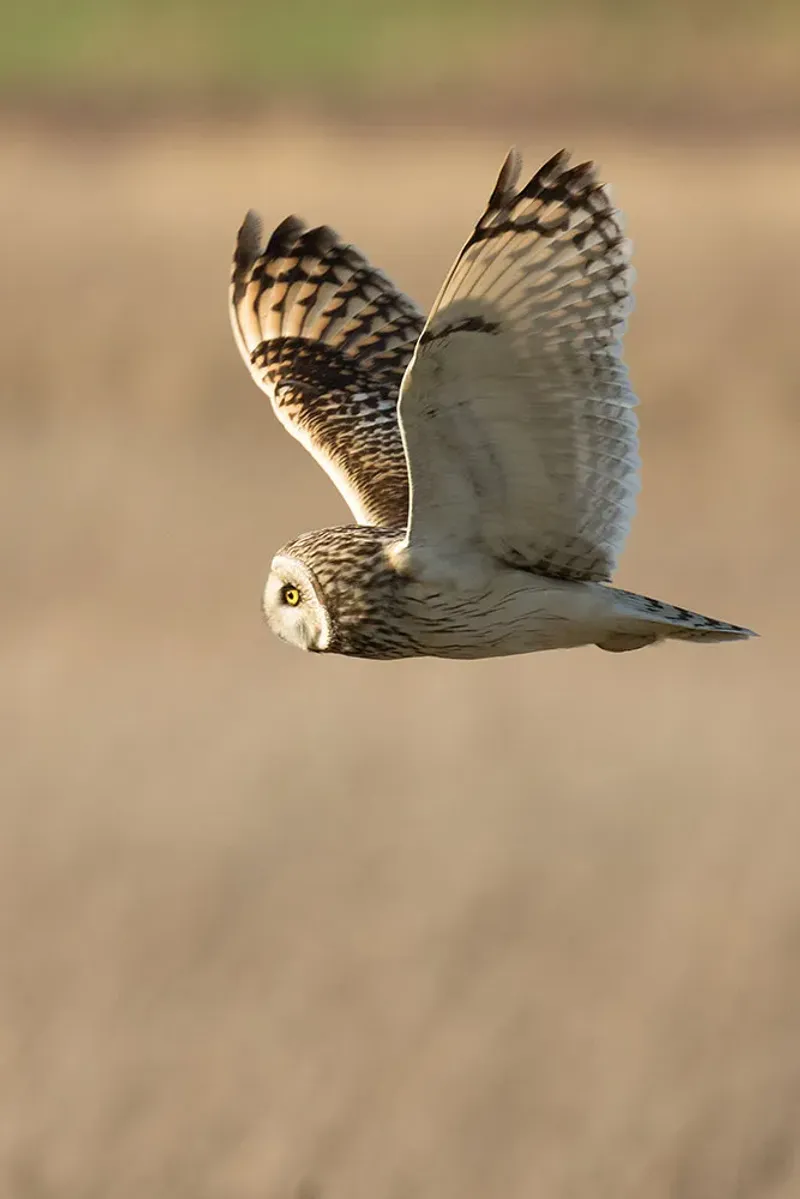
A harrier, a gull, or a big moth? That’s the confusion many first-timers feel. The Short-eared Owl flies with loose, bouncy wingbeats that people often call moth-like or bat-like.
It cruises just above the grass, tilting side to side. Then it may hover in place for a moment before dropping straight down, feet first. That sudden plunge usually means a vole is about to have a bad day.
Hearing does most of the work. The flat, round facial disk acts like a satellite dish, gathering faint sounds toward the ears. A flexible neck helps the owl swivel and pinpoint tiny rustles, even under a layer of snow.
One look-alike to know is the Northern Harrier, a hawk that hunts the same fields. Harriers have a white rump patch and tend to hunt earlier in the day. Fun twist, the two species sometimes squabble over the same meal as the light fades.
Around dusk, owls may also gather and chase each other in the air. Listen for short, sharp barking or yip-like calls during these flights. Those sounds are a good sign you’re in the right place, and they give me goosebumps every time.
Washington County Grasslands Top the List of Owl-Watching Spots
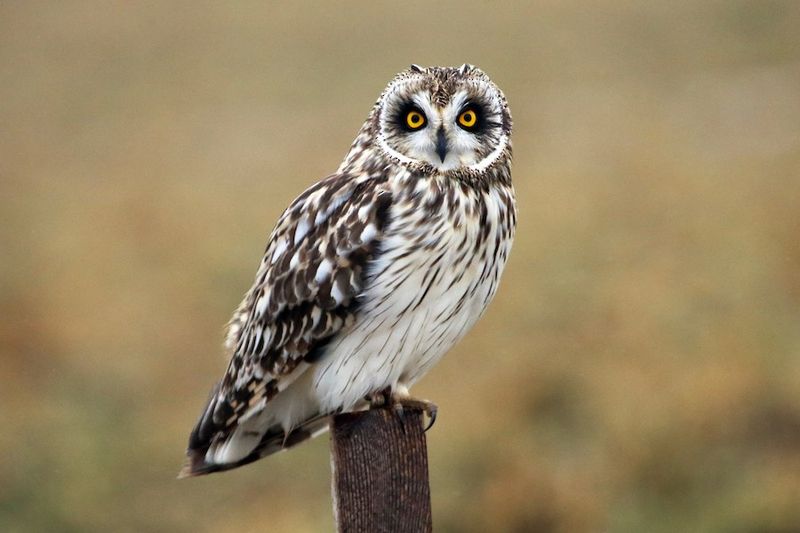
Some of the best owl country in the state looks like plain old farmland. The Washington County Grasslands Important Bird Area, near Fort Edward, is considered especially vital for wintering Short-eared Owls.
Other good regions include the Lake Ontario Plains, the Great Lakes Plains, and Iroquois National Wildlife Refuge in western New York. The St. Lawrence and Lake Champlain valleys host owls too. Downstate, marshes along Long Island’s south shore can draw them in winter.
What do these places share? Huge stretches of flat, open ground, often hayfields, fallow fields, or marsh. Even landfills and reclaimed sites sometimes attract owls when voles are plentiful there.
Fair warning, a lot of this land is private. Stay on public roads, pull fully off the shoulder, and use your car as a viewing blind. Owls often tolerate a parked car better than a person walking toward them.
Before heading out, check recent sightings on eBird or with your local Audubon chapter. Numbers shift from year to year based on food supply, so last winter’s hotspot might be quiet now. A little homework saves a lot of driving in the dark.
Voles Under the Snow Keep These Owls Fed All Winter
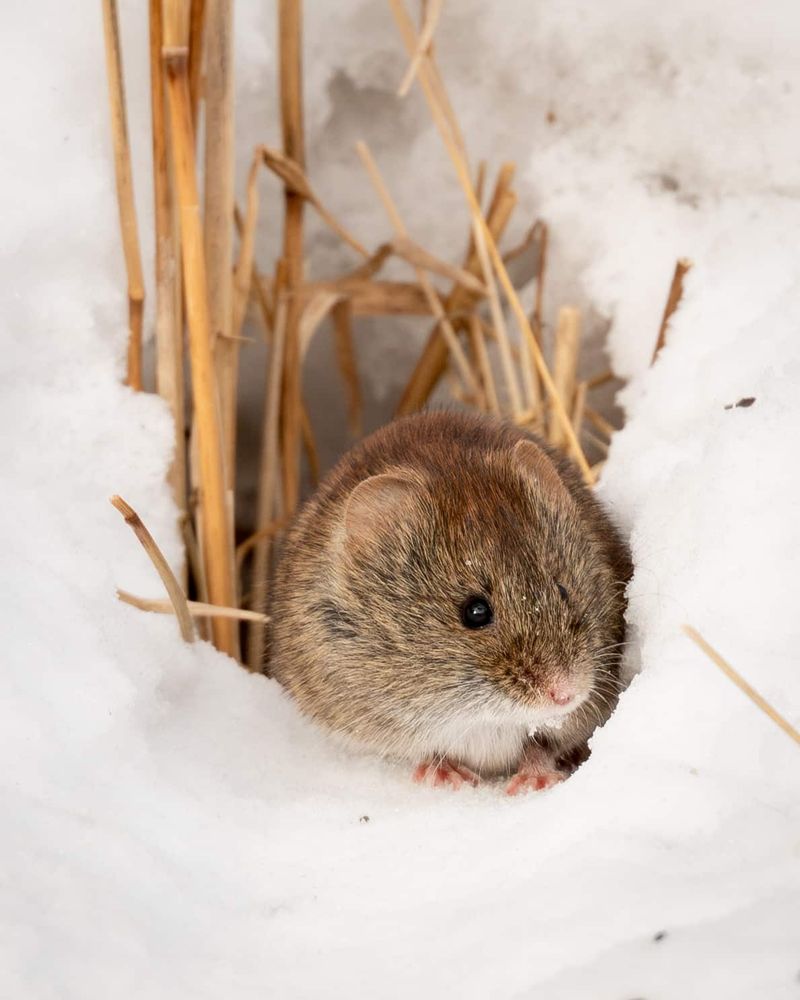
Ask any gardener about voles and you might get an eye roll. Those chunky little rodents chew bulbs and girdle young trees. To a Short-eared Owl, though, they’re the main course.
Voles, sometimes called meadow mice or field mice, make up most of this owl’s diet. The owls also eat other mice and occasionally small birds, rabbits, or insects. Still, vole numbers mostly decide how many owls show up in a given field.
Voles stay active all winter, scurrying through tunnels beneath the snow. That steady supply is why the owls can survive New York winters at all. In boom years, owls may crowd into one area, sometimes roosting together in conifers or grassy tussocks.
Deep snow or a hard crust of ice can change everything. When prey gets harder to reach, owls may leave a wintering area and move on. So a field full of owls in December could be quiet by February.
I’ve started to see the voles in my meadow edge a little differently. They’re annoying, sure. They’re also part of a food chain that feeds one of the rarest birds in the state.
Rat Poison in Your Barn Can Reach a Hunting Owl
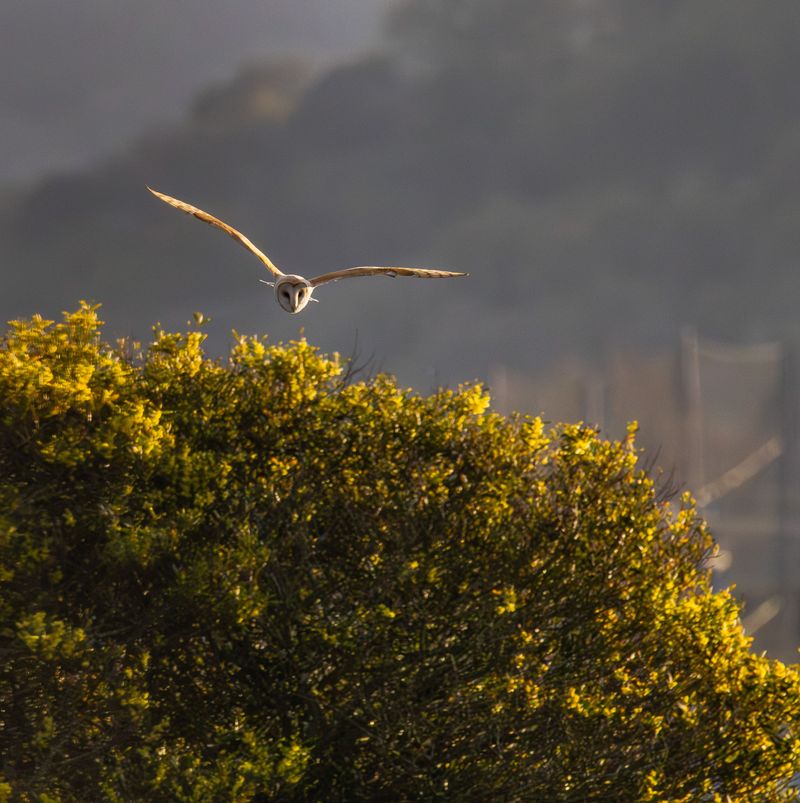
I’ll admit it. Years ago I tossed rodent bait in the shed without a second thought. Learning about secondary poisoning changed my mind fast.
Here’s how it works. A mouse or vole eats rodenticide, then wanders around sluggish before it succumbs. That slow, easy target is exactly what a hunting owl grabs, and the poison passes right along to the bird.
Raptors of many kinds, including Short-eared Owls, face this risk. For an endangered species with so few birds left, every loss matters.
So what can you do instead? Snap traps placed inside closed boxes or sheds work well and don’t spread toxins. Sealing gaps around foundations and storing feed in metal bins cuts down on rodent problems from the start.
In the garden, hardware cloth around bulbs and tree guards around young trunks reduce vole damage. Keeping mulch pulled a few inches from tree bases also helps, since voles love hiding under it.
Better yet, think of owls, hawks, and foxes as free pest control. A healthy predator population keeps rodents in check without a drop of poison. That trade feels like a pretty good deal to me.
Hold Off Mowing Your Meadow Until Ground-Nesting Season Ends
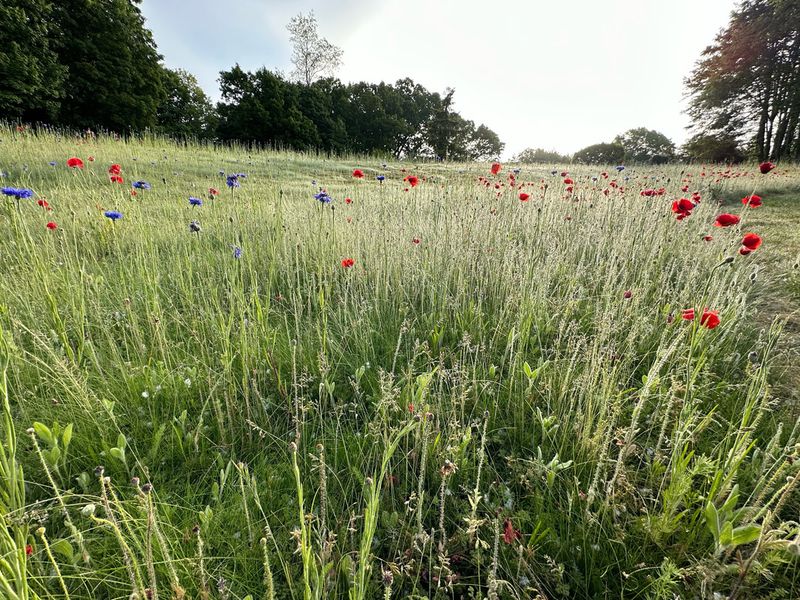
Ground nests are easy to miss and even easier to mow over. Short-eared Owls lay eggs in a simple scrape on the ground, lined with grass and feathers. No tree, no box, just a hollow tucked in tall vegetation.
In New York, breeding season runs roughly from early May through mid-July. Mowing, plowing, or heavy activity during those weeks can wreck nests of owls and other grassland birds like bobolinks and meadowlarks.
The recommended approach is to wait until after August 15. Late mowing still keeps fields from growing back into shrubs and woods, which these birds can’t use. Prescribed burning by trained crews and rotational plowing can serve the same goal.
Got a big property? Larger open fields help most, since grassland birds need big, unbroken stretches of open ground. Smaller lots still help pollinators and smaller birds, so don’t feel left out.
Planting diverse native grasses and wildflowers adds insects and seeds to the mix. Think little bluestem, switchgrass, and native goldenrods. Pull or manage invasive plants as they show up, since they crowd out the good stuff over time.
Give the Owls Space and Help Protect Open Grasslands
Excitement can make good people do silly things. I’ve watched folks march into a field for a closer photo and flush every owl in sight. Please don’t be that person.
Disturbance costs these birds energy they need to survive cold nights. Stay on roads or marked trails, keep voices low, and skip the drones. Respect private property and posted signs, because angry landowners don’t help conservation.
Bigger change happens at the land level. Habitat loss from development, reforestation, drained wetlands, and shifts from hay to row crops is the main threat. Protecting large open parcels is the core of every recovery plan.
Landowners can tap programs that help. The USDA Conservation Reserve Program and the State Acres for Wildlife Enhancement program offer guidance and incentives to create grassland habitat. Your county Soil and Water Conservation District is a smart first call.
Not a landowner? Report sightings to eBird, support land trusts, and talk up these owls with friends. Every winter evening spent watching them builds a few more fans. And honestly, once you see one tilt over a snowy field at sunset, you’ll be hooked for good.