The Elusive Cat New Jersey Brought Back From The Edge
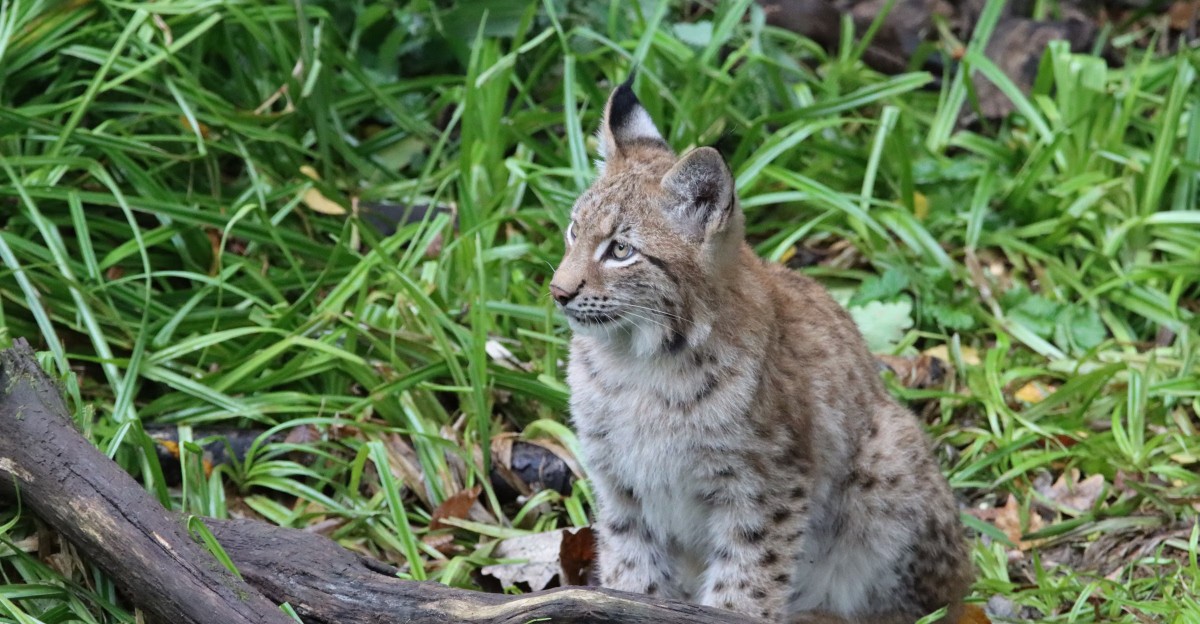
Two dozen wild cats from Maine rode into New Jersey decades ago, and their descendants still slip through our northern woods today. I still get goosebumps reading that.
By the 1970s, this spotted hunter had nearly disappeared from the state. Old forests had been cut, and farms and towns filled the gaps.
Few people expected a comeback in such a crowded place as New Jersey. I never get tired of stories where patience pays off. Biologists tracked, protected, and waited for years.
In early 2025, the news finally shifted in a hopeful direction for the state’s bobcats. You might notice a shy shadow near a stone wall at dusk and wonder what it was.
Your rabbit-nibbled lettuce could even connect you to this story. Somewhere past the edge of your garden, a bobcat is hunting while you sleep.
A Spotted Wildcat With Tufted Ears Is Back in the Woods
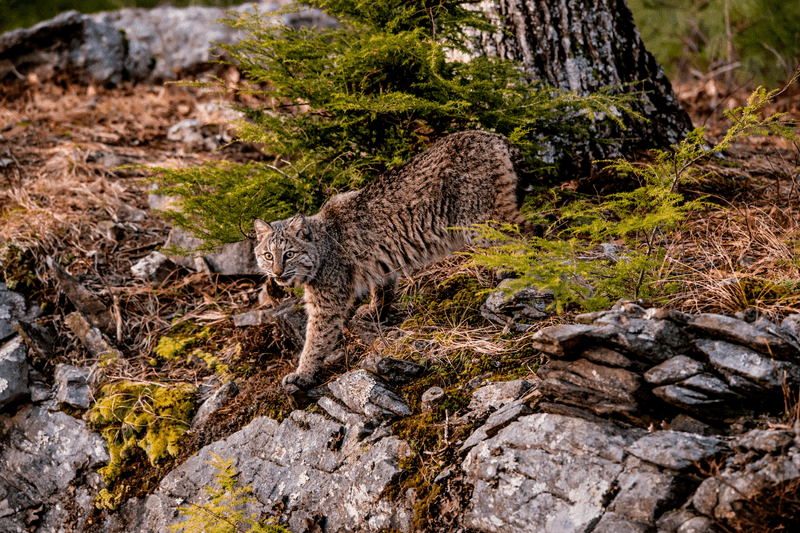
Few comeback stories in the Garden State feel as wild as this one. The bobcat, a native cat with tufted ears and a stubby tail, once roamed most of the region.
Things went downhill fast in the late 1800s and early 1900s. Loggers cleared huge forests, and farms and roads chopped the remaining woods into small pieces. Bounties and hunting added even more pressure on the cats.
By the 1970s, biologists believed only a tiny number remained, mostly hidden in the rugged northwest. Many people assumed the species was gone from the state for good.
In 1972, New Jersey closed bobcat hunting and trapping. Then in 1991, the state officially listed the bobcat as endangered.
That label gave the cat strong legal protection and pushed wildlife experts to study it closely.
I find it amazing that such a secretive animal survived those lean years at all. Small pockets held on in thick, rocky country where people rarely went.
You can thank those quiet survivors, plus some careful human help, for the bobcats spotted today. Their story shows how a species can slip toward the edge and still find its way back home.
Twenty-Four Maine Bobcats Gave the Comeback a Running Start
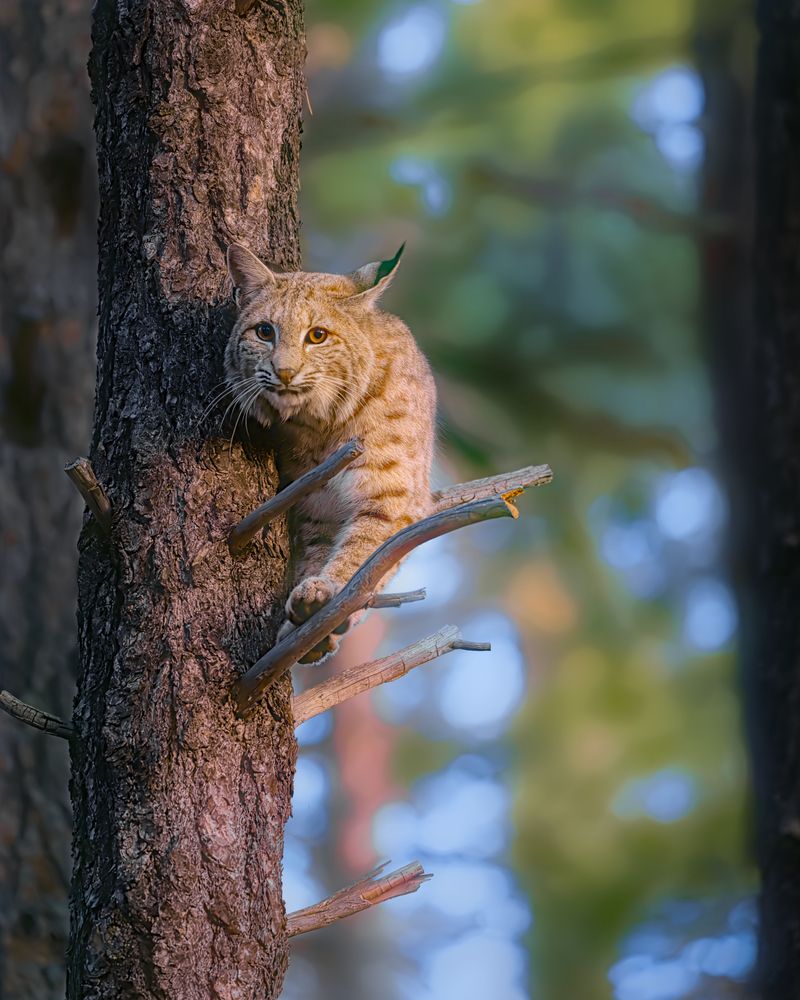
Between 1978 and 1982, the New Jersey Division of Fish and Wildlife pulled off a bold plan. Biologists released 24 bobcats captured in Maine into remote areas of northern New Jersey.
Those newcomers did not arrive to an empty stage. A small remnant population was still hanging on, and some cats likely wandered in from New York and Pennsylvania too. Together, these groups formed the base for a slow recovery.
Progress took decades, not months. Bobcats raise small litters, usually two or three kittens each spring, so numbers climb gradually.
Here comes the exciting part. In January 2025, the state changed the bobcat’s status from endangered to threatened. That change reflects steady growth in the bobcat population, mainly in the north.
Bobcats still need protection as a threatened species, since far fewer live in central and southern New Jersey. So the job is only partly done.
I love that this success came from patience and science rather than luck. Researchers used radio collars, trail cameras, and DNA from scat to track the cats. If you enjoy a good underdog tale, this one checks every box.
That Short Black-Tipped Tail Gives a Bobcat Away
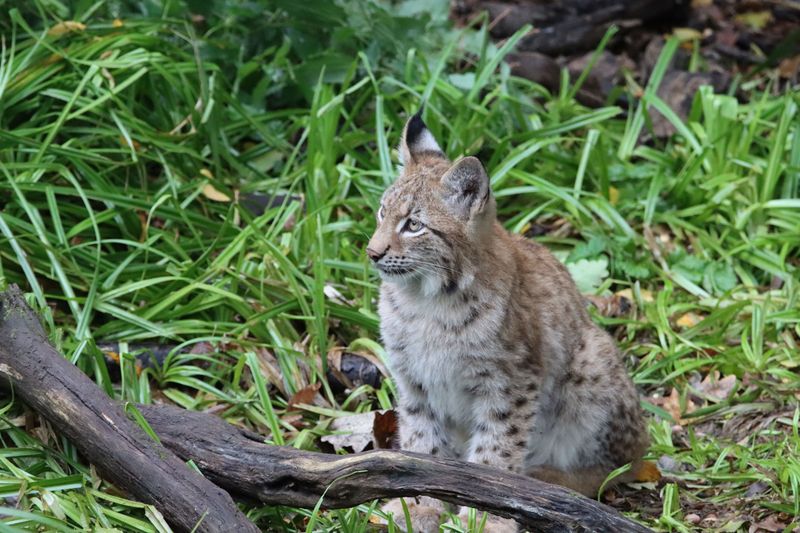
Plenty of folks mistake a big orange tabby for a bobcat, and the reverse happens too. A few clues help you tell them apart quickly.
Size comes first. Bobcats run about twice as large as a house cat. Females often weigh 18 to 25 pounds, while males may reach 35 pounds or a bit more.
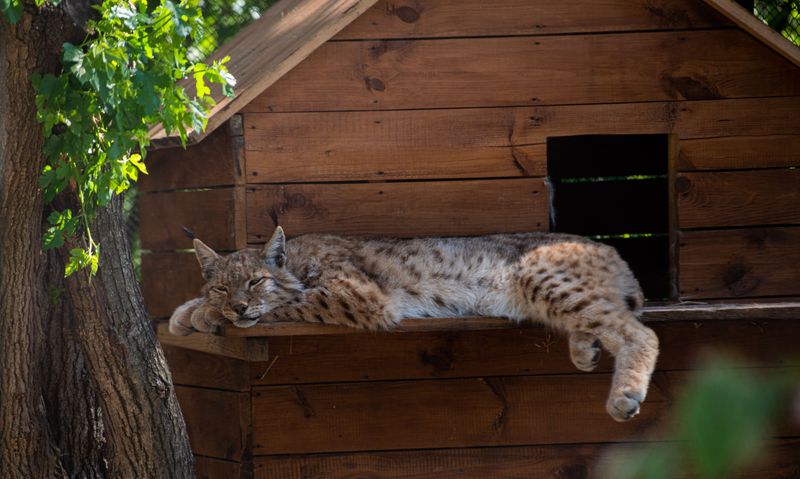
Next, check the tail. A bobcat’s tail is only about four to seven inches long, with a black tip on top and white underneath. That short, “bobbed” look gave the animal its name.
The coat ranges from yellowish brown to reddish brown, sprinkled with dark spots or stripes. Long legs, a ruff of fur on the cheeks, and slightly tufted ears complete the picture.
Fun fact for you. The white spots on the backs of bobcat ears may help kittens follow their mother through tall grass.
Bobcats are most active around dawn and dusk. Their camouflage works so well that you could pass within yards of one and miss it. If you spot one, grab a photo from a respectful distance and enjoy a rare moment.
Rocky Ridges in Sussex and Warren Make Perfect Bobcat Country
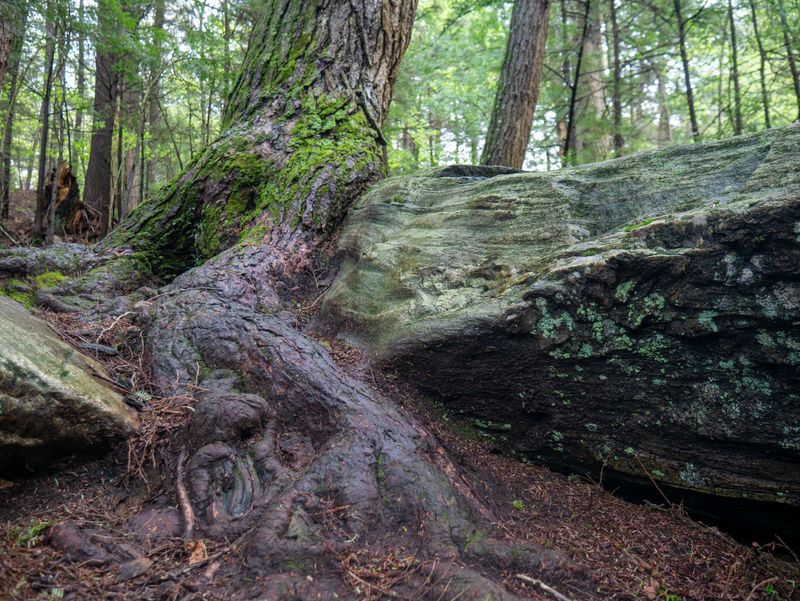
Head to the far northwest corner of the state and you enter prime bobcat territory. Sussex, Warren, Passaic, and Morris counties hold most of the population.
These cats love a patchwork landscape. Thick forest gives them cover, while nearby fields, young woods, and brushy edges serve up plenty of prey.
Biologists note that bobcats use openings in hardwood forests and recently cut areas less than about ten years old. Fallow fields next to woods also draw them in.
For dens, mothers pick secure spots. Rock crevices, hollow logs, piles of brush, and dense tangles all fit the bill. The rugged ridges of the Kittatinny Mountains and Highlands offer endless hiding places.
Gardeners near these areas might recognize the scene. Stone walls, wooded slopes, and overgrown edges around rural yards look a lot like bobcat habitat.
Bobcats tend to keep large home ranges, often several square miles. A single cat could cross your property and many others in one night. That roaming style is why sightings feel so random and so special when they happen.
Rabbits Munching Your Lettuce Might Attract a Bobcat Visitor

Funny how a garden full of nibbling bunnies can set the table for a wild predator. Bobcats are skilled hunters, and cottontail rabbits rank high on their menu.
They also eat mice, voles, squirrels, chipmunks, and birds. Their sharp eyes and keen hearing help them stalk prey, then pounce from a short, silent rush.
Now and then a bobcat takes a fawn or a weak deer, though small mammals make up most meals.
A bobcat eats roughly two to three pounds of food at a sitting. With larger prey, it may cover the leftovers with leaves and return later.
For gardeners, this can be a quiet bonus. Fewer voles and rabbits could mean less damage to tender plants and bulbs.
Bobcats patrol territories, so a good hunting yard may bring repeat visits. I would happily trade a few rodents for a glimpse of those spotted legs.
Still, keep realistic expectations. A passing bobcat will not solve a serious pest problem by itself.
Protect small pets and backyard chickens, especially around dawn and dusk. Secure coops with sturdy hardware cloth and a solid roof.
Bring cats indoors at night. Feed pets inside so leftover food does not lure wildlife close to your doorstep.
Busy Roads Are a Big Hurdle for Young Bobcats
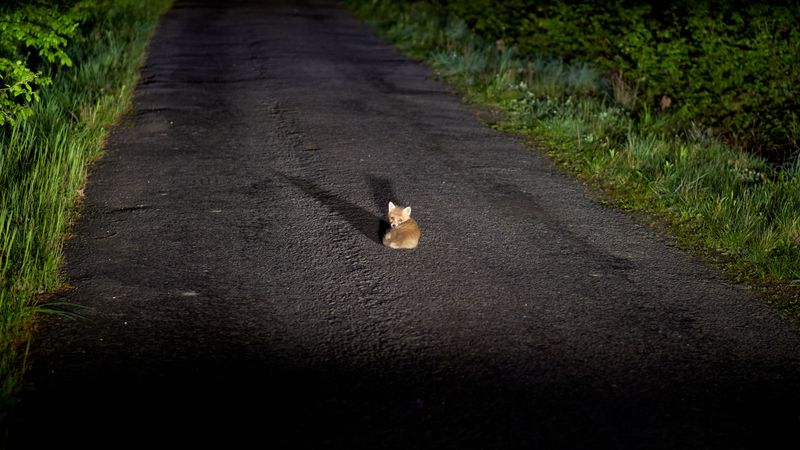
Sadly, cars remain one of the biggest threats these cats face. State data shows that more than 70 percent of bobcats struck by vehicles are under two years old.
Young bobcats leave their mothers to find territory of their own. That journey often forces them across busy highways that slice through the woods.
Planners have stepped in with smart solutions. The Connecting Habitat Across New Jersey project, called CHANJ, maps the best places to link wild areas and guide new crossings.
The Nature Conservancy has worked on a stretch known as “Bobcat Alley.” This corridor connects the Kittatinny Ridge with the Highlands, giving cats a safer route between big blocks of forest.
Wildlife underpasses and culverts help too. Fencing nudges animals toward these passages instead of onto the pavement.
Together, these tunnels and barriers turn a deadly gamble into a safe path, and they protect drivers as well as wildlife.
You can do your part behind the wheel. Slow down on rural roads at dawn and dusk, when bobcats, deer, and foxes move most.
Scan the shoulders and watch for glowing eyes near trees. A few extra seconds of caution could help a young cat reach its new home safely.
Your Bobcat Sighting Report Can Help Scientists
Got a blurry photo of a mysterious cat by the woodpile? Biologists genuinely want to see it. New Jersey Fish and Wildlife asks residents to report bobcat sightings through the NJ Wildlife Tracker tool. Include the date, location, and any photos or trail camera clips you have.
Every report adds a dot to the map. These records help experts track where bobcats are spreading, especially in central and southern areas where they remain endangered.
Trail cameras make this easy and fun. I set one along a wooded edge, and every check feels like opening a surprise package.
Mount it about knee high, facing a path or stone wall. Your yard can support the bigger picture too. Plant native shrubs, keep a brushy corner, and leave some fallen logs where safe.
These features shelter the small animals bobcats depend on. Please keep your distance and do not feed wildlife. A wild bobcat should stay wary of people.
Support land trusts and conservation groups working on habitat links. Small actions from many neighbors keep this comeback rolling for future generations.