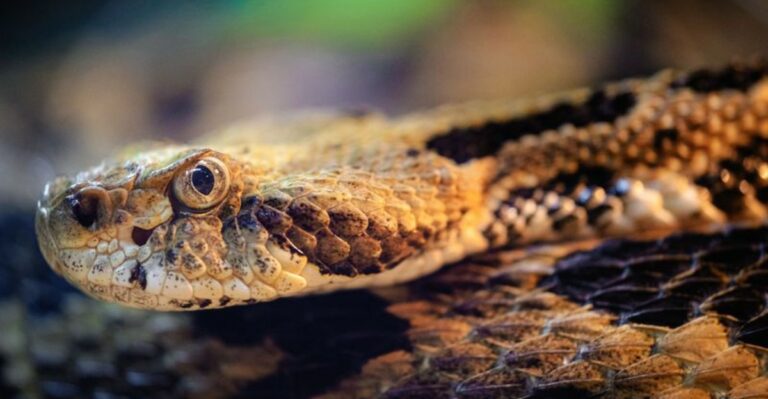
10 Shrubs Deer Will Eat to the Ground in a Virginia Winter
Deer have no upper front teeth, so every twig they eat ends with a ragged, torn edge. That shredded tip is how I first learned who had been snacking in my Virginia yard all winter.
Rabbits leave a neat angled cut, while deer leave something that looks like a frayed piece of rope. Hungry deer can also reach about six feet high, carving that tidy browse line across foundation plantings.
I once called a hedge deer-proof, because that label means very little in February. Once acorns run out and snow covers the ground, many favorite landscape shrubs suddenly become the easiest meal around.
Some of the plants on this list may already be growing near your Virginia front door right now. So which familiar shrubs are deer most likely to chew down to bare stems before spring arrives?
1. Arborvitae
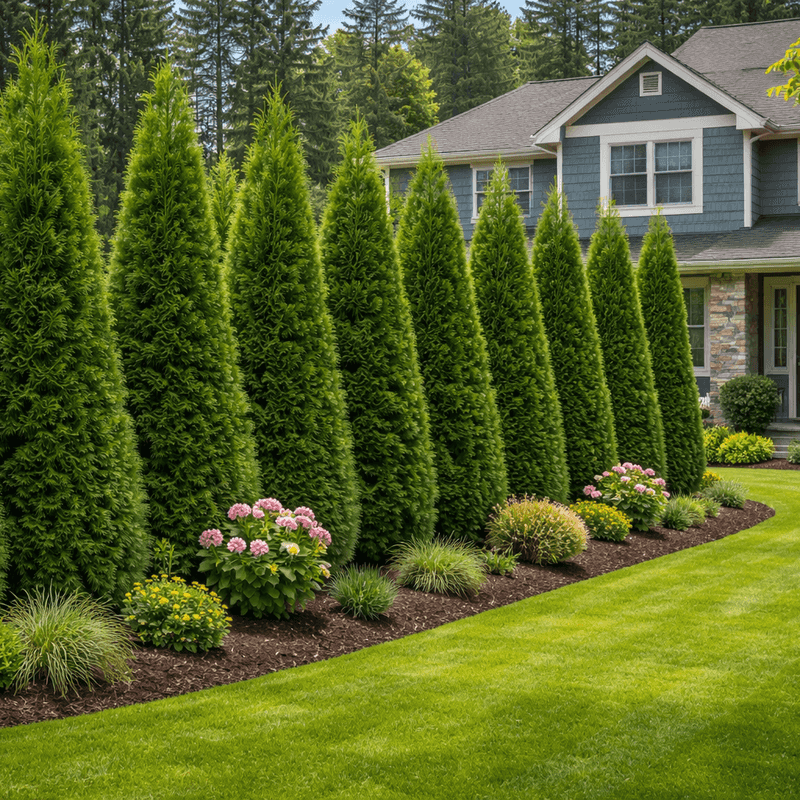
Walk past a suburban privacy hedge in late winter, and you may spot arborvitae shaped like giant green lollipops. Deer strip everything they can reach, leaving bare brown trunks below and fluffy foliage up top.
Rutgers University rates eastern arborvitae as frequently severely damaged, which puts it near the very top of the menu. In northern states, deer even gather in cedar swamps during winter because this soft foliage feeds them well.
Between you and me, I understand the appeal, because those flat sprays smell sweet and feel tender. Fast growth and a narrow shape make it a favorite screen plant for small lots across the region.
The trouble comes once branches are chewed back to bare wood, since arborvitae rarely pushes new growth from old stems. A browsed lower half often stays bare for years, so prevention matters much more than repair.
Wrap young plants loosely in burlap or deer netting from late fall until new growth starts in spring. Tall fencing works best for long hedges, and eight feet is the height most extension services recommend.
Repellent sprays can help too, but rain and melting snow wash them away faster than most people expect. Reapply after heavy weather, and rotate between scent and taste products so deer do not get comfortable.
If you are planting a new screen, consider mixing in plants deer browse less, like American holly. A mixed hedge also gives birds more variety, and one hungry herd cannot flatten the whole row.
2. Yew
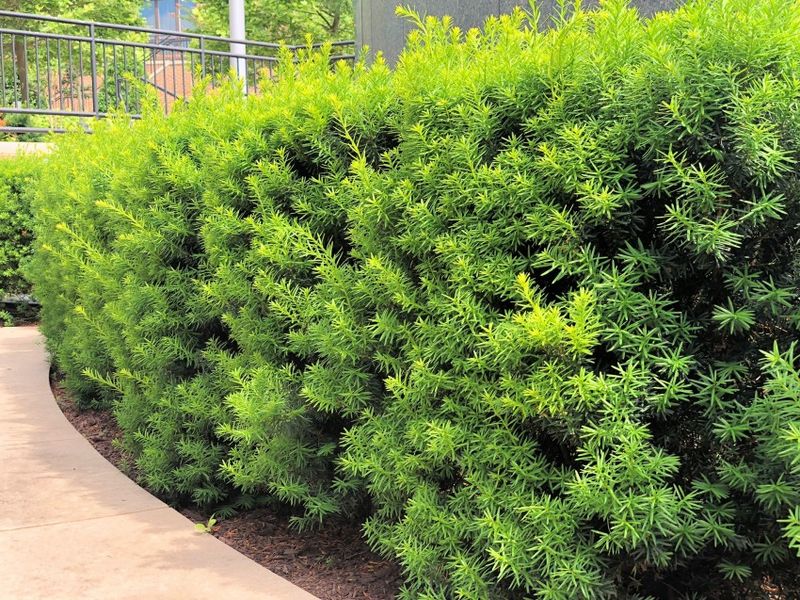
Few shrubs surprise me more than yew, because nearly every part of it is toxic to people and pets. Deer munch it anyway, often stripping foundation yews so hard that only woody skeletons remain by March.
Rutgers places yew in its most frequently damaged category, right alongside arborvitae and several popular rhododendrons. Deer seem to handle the compounds better than horses or cattle, though cases of deer poisoning occasionally get reported.
For what it’s worth, yew earns its spot in landscapes because it tolerates shade better than most evergreen shrubs. That shade tolerance puts it right beside porches and walkways, where deer browse quietly after dark.
Fortunately, yew can sprout from older wood, so a chewed shrub often fills back in over a few seasons. Wait until late winter or early spring before pruning ragged stems, and cut just above healthy buds.
Keep fallen clippings picked up, because the needles stay toxic to curious dogs and children even after drying. The bright red arils look tempting too, though the seed inside carries most of the danger.
Physical barriers work well for small groupings, and a simple frame wrapped in netting goes up quickly. Remove the netting once fresh spring growth emerges, giving the shrub full sunlight and airflow again.
Looking back, I should have planted boxwood instead along my front steps, since deer usually walk right past it. Boxwood stays green all winter and handles light shade, which makes it a solid substitute for yew.
3. Azalea
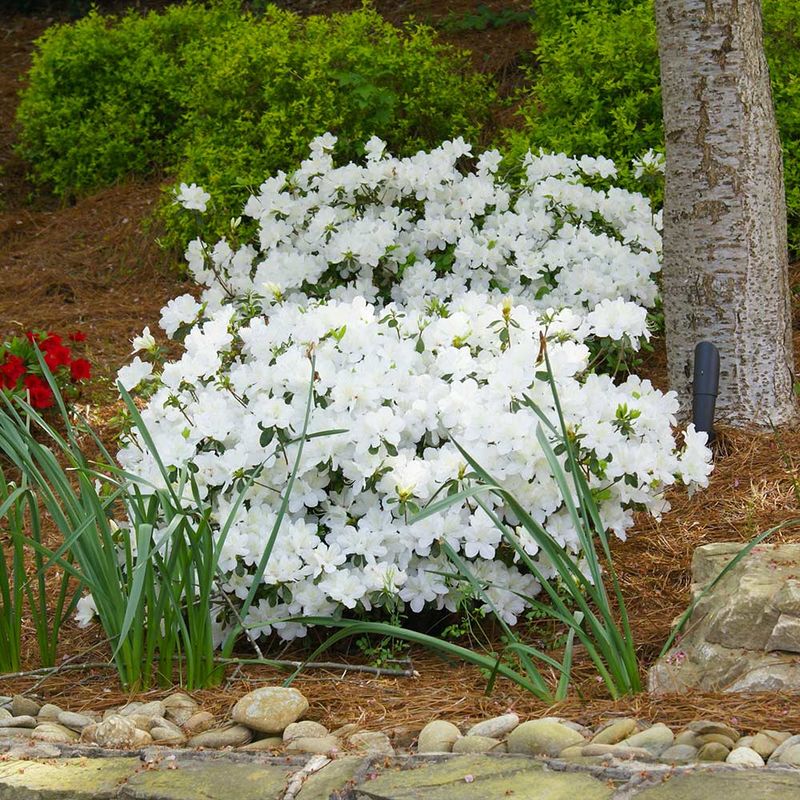
Every swollen flower bud on an azalea in January holds a spring bloom, and deer seem to know it. One night of browsing can erase weeks of April color before the plant even wakes up.
Rutgers lists azaleas among the shrubs most often severely damaged by deer across the eastern United States. Those tender leaves and plump buds stay within easy reach, especially on compact varieties planted along foundations.
Most azaleas set next year’s flower buds in summer, so winter chewing removes blooms you already earned. That is why pruning after flowering matters, and why winter browsing hurts so much more than summer nibbling.
Funny thing is, azaleas are toxic to many animals, yet deer keep coming back for seconds. Their digestive system seems better suited to these plants than the stomachs of goats or sheep.
A light frame of stakes and netting keeps deer away without crushing the buds or breaking brittle twigs. Install it after leaves drop on nearby trees, when deer start shifting their attention toward evergreen browse.
Spray repellents on a mild, dry day above freezing, since many formulas need time to stick and set. Cover the buds carefully, because those are the parts that deer go after first in most yards.
If browsing becomes a yearly fight, consider moving prized azaleas inside a fenced backyard or near the house. Deer often hesitate near busy doorways and motion lights, giving your best plants a slightly safer home.
4. Rhododendron
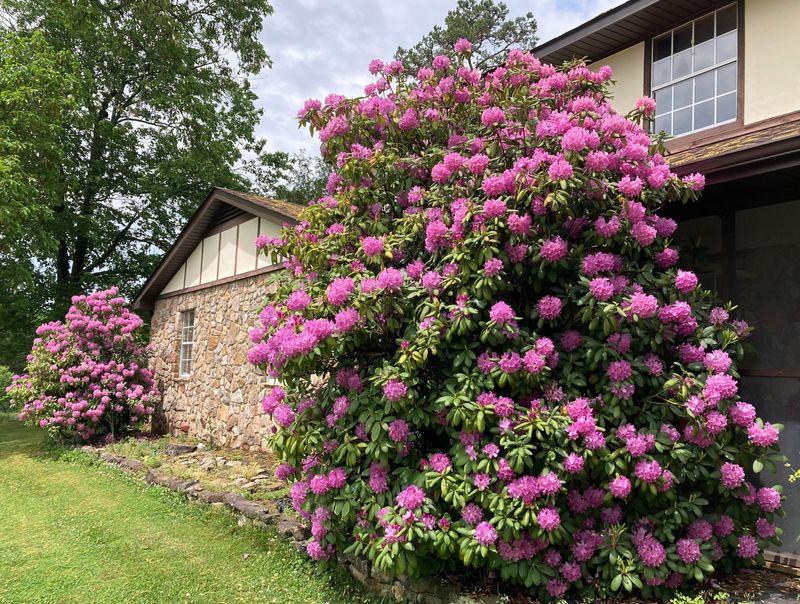
Big leathery rhododendron leaves look tough enough to resist anything, but deer treat them like winter lettuce. In deep snow, a herd can strip a mature shrub of every leaf it can reach.
The rosebay rhododendron, Rhododendron maximum, grows wild in the Virginia mountains and often shows heavy deer browse there. Forest studies in the Appalachians show deer browsing can strongly shape which understory plants manage to persist.
Rhododendrons form their flower buds the summer before blooming, and those fat buds sit right at the branch tips. When deer nip those tips in winter, the shrub stays green but skips most of its spring show.
In my own yard, I’ve noticed curled leaves on cold mornings, which is the plant protecting itself from moisture loss. Curled leaves are normal, but leaves missing in ragged chunks usually point straight to hungry deer.
Water rhododendrons deeply in late fall if the soil is dry, since stressed plants recover slowly from browsing. A two to three inch layer of shredded bark mulch helps keep their shallow roots cool and moist.
Netting draped over the canopy and pinned near the ground offers the most reliable winter protection for single shrubs. Larger plantings benefit from fencing, especially in neighborhoods where deer travel the same paths every night.
Avoid heavy pruning to remove browse damage until after the plant would normally finish blooming in late spring. Cutting earlier only removes more buds, and a patient approach usually gives you a fuller shrub next year.
5. Hydrangea
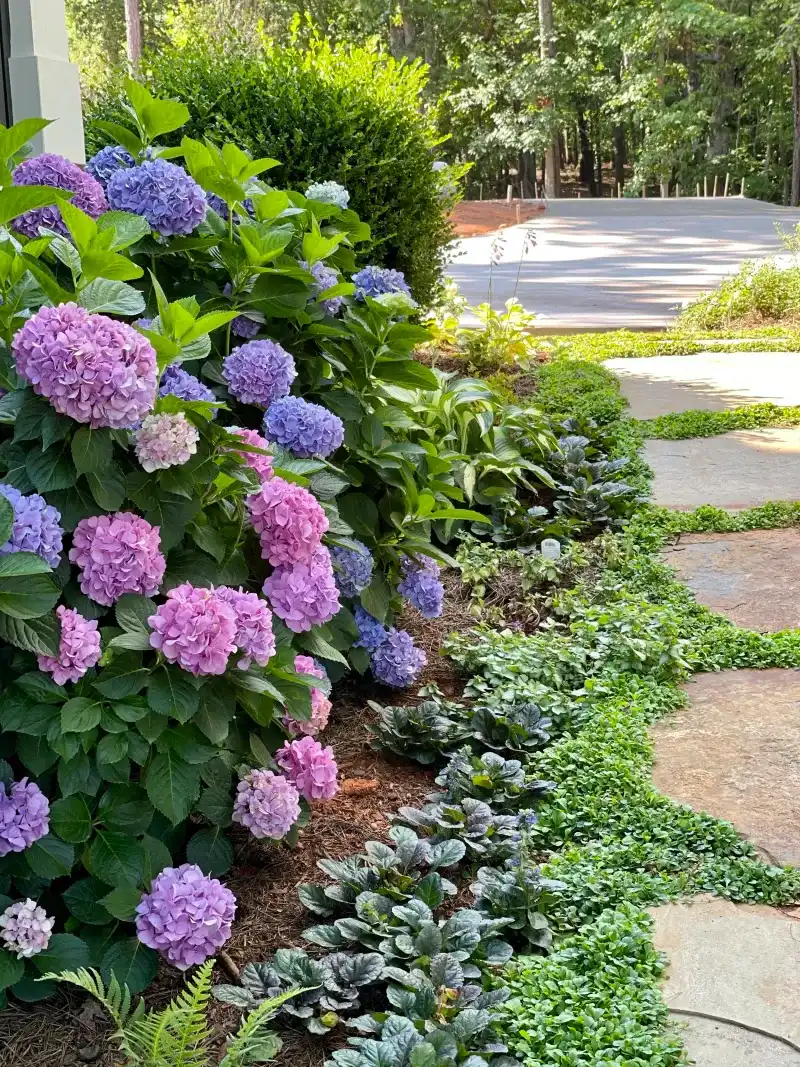
Those dried mophead flowers rattling in the wind look lovely, yet the real treasure sits lower on each stem. Bigleaf hydrangeas tuck next summer’s flower buds into those bare-looking canes, and deer happily nibble them all winter.
Rutgers rates hydrangeas as occasionally severely damaged, which matches what many gardeners report during harsh, snowy winters. Hungry deer browse the stem tips first, and those tips hold the buds on many older varieties.
Let’s just say I learned this the hard way when my blue hydrangeas produced lush leaves and zero flowers. The plants looked healthy all summer, but every bloom had been eaten months earlier during a January cold snap.
Reblooming types like the Endless Summer series flower on new wood too, so they bounce back better after browsing. Smooth hydrangea and panicle hydrangea also bloom on new growth, giving them a real advantage in deer country.
Oakleaf hydrangea is native to the Southeast and offers great fall color, but deer still browse it at times. Its peeling cinnamon bark adds winter interest, so protecting those stems keeps the shrub attractive year round.
Leave old flower heads on bigleaf types through winter, since they shelter the buds just below from cold. Combine that habit with netting or a chicken wire cage, and your odds of summer flowers improve quickly.
Prune bigleaf hydrangeas only after flowering, removing spent blooms rather than cutting stems back hard in spring. Smooth and panicle types can be trimmed in late winter, because they will form fresh buds on new shoots.
6. Rose
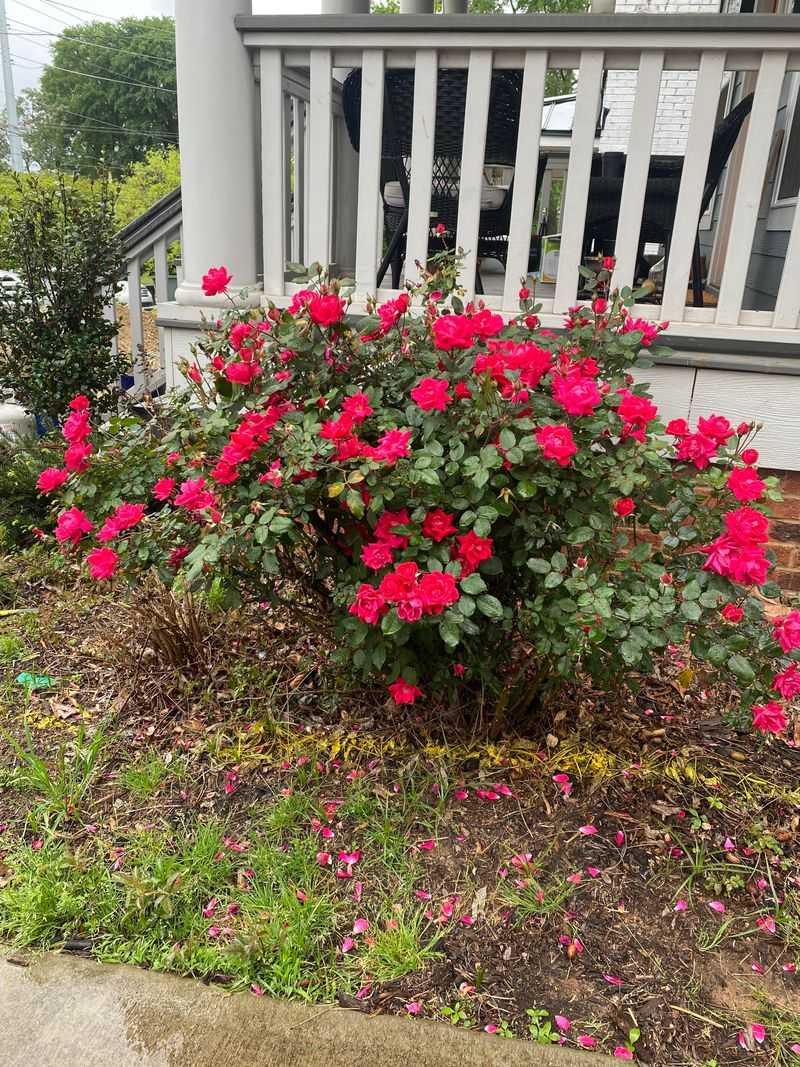
Thorns sound like perfect armor, yet deer nibble rose canes with surprising care, plucking buds between the prickles. Their tough mouths and flexible lips help them work around sharp spots that would send most of us running.
Rutgers lists roses as frequently severely damaged, so even a thorny climber offers little winter defense in deer country. Deer eat tender canes in winter, and they come back for the flower buds once spring growth arrives.
My garden taught me that shrub roses near the street get hit first, since deer love easy access. Plants tucked against the house or inside a fence usually fare better through the coldest stretch of winter.
Most roses bounce back from winter browsing because they sprout from the base, especially own-root varieties. Grafted roses can lose their prized top growth, leaving only the rootstock to send up less attractive canes.
Wait until forsythia blooms to prune, which is a classic signal that hard freezes are mostly finished. Remove chewed tips back to a healthy outward-facing bud, and the plant will push fresh growth quickly.
Please skip multiflora rose, since it is listed as invasive in Virginia and spreads aggressively through fields and woods. Native Carolina rose and Virginia rose make lovely substitutes, though deer will happily browse those as well.
Cages made from welded wire work beautifully around individual rose shrubs, and they blend into winter beds well. Pull them off once canes leaf out in spring, then rely on repellents during the growing season.
7. Highbush Blueberry
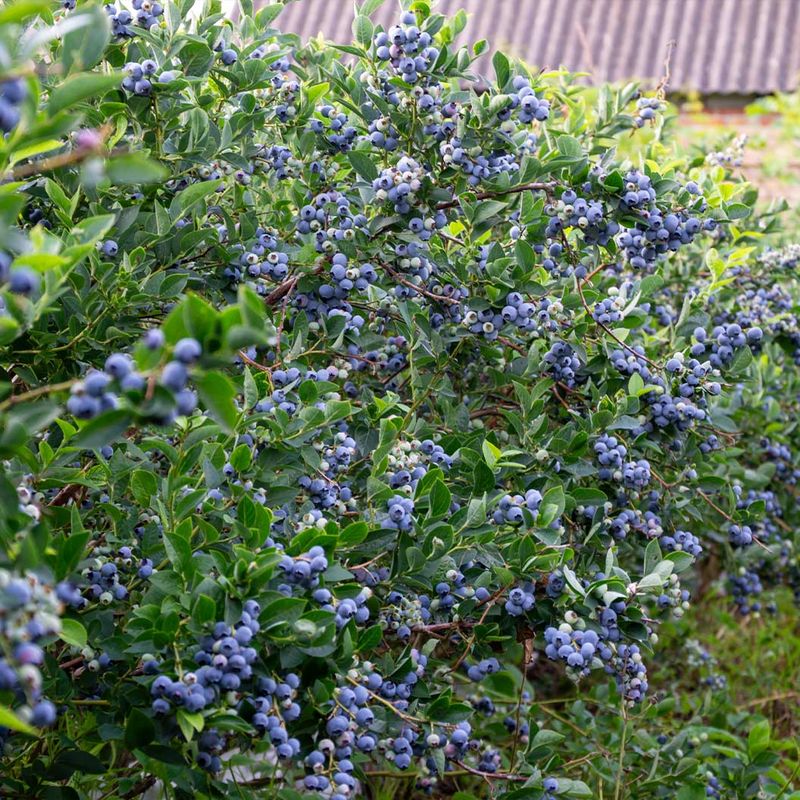
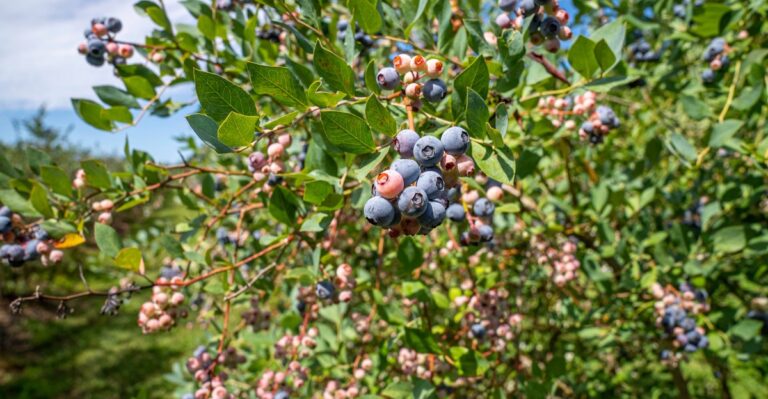
Those reddish winter twigs on a blueberry bush look bare, but each one carries plump flower buds for summer berries. Deer find those buds in January, and a single visit can cut your future harvest down to a handful.
Fruit growers across the eastern states list deer as one of the toughest winter pests for young blueberry plantings. Browsing removes the tips where flower buds form, so damaged bushes push leaves instead of fruit the next season.
Highbush blueberry is a native shrub that loves acidic soil, which many parts of the state offer naturally. Aim for a soil pH between 4.5 and 5.5, and test before planting rather than guessing.
If you ask me, blueberries deserve a fence more than almost any other shrub in the yard. Birds will raid the summer fruit anyway, so a single enclosure with netting solves two problems at once.
Young bushes need the most protection, because deer can chew them down to stubs within one hungry winter. Older plants with thick canes recover better, though heavy browsing still delays fruit for at least a season.
Prune blueberries in late winter while they are dormant, removing weak or broken canes along with browse damage. Clean cuts heal faster than torn stems, and they help the plant direct energy into strong new shoots.
Mulch with pine bark or wood chips to hold moisture, since blueberries have shallow, fibrous roots near the surface. A healthy, well-watered shrub handles browsing stress far better than a struggling one in dry, compacted soil.
8. False Cypress
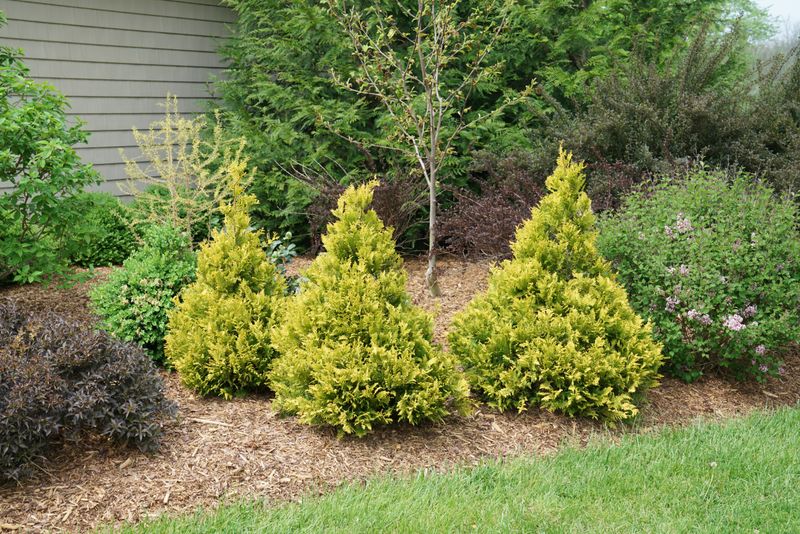
Thread-leaf false cypress looks like a mop of golden yarn, and deer occasionally treat it like a snack bar. It ranks lower on their wish list than arborvitae, yet snowy weeks can change their opinion quickly.
Extension deer ratings usually place Chamaecyparis in a middle category, meaning damage depends on how hungry local herds become. In crowded suburbs with little natural cover, that middle category can feel a lot closer to frequent.
Like many conifers, false cypress rarely sprouts from bare interior wood once its green foliage is chewed away. Lost lower branches tend to stay bare, which leaves an awkward gap at the base of the shrub.
Don’t make my mistake of skipping protection because a plant tag says deer resistant in bold letters. Those labels describe average behavior, and hungry deer in late winter rarely follow the average rules.
Plant false cypress in full sun to light shade, with moist but well-drained soil and good airflow. Wet clay can lead to root rot, so raise the planting area slightly if drainage seems slow.
Shear lightly in spring, keeping cuts within the green foliage rather than reaching back into brown wood. That habit protects the shrub’s shape, and it mirrors the kind of trimming deer unfortunately do not practice.
A loose wrap of deer netting from December through March protects smaller cultivars without much effort at all. Larger specimens benefit from repellent spray on the lower branches, since that zone takes the heaviest browsing.
9. American Beautyberry
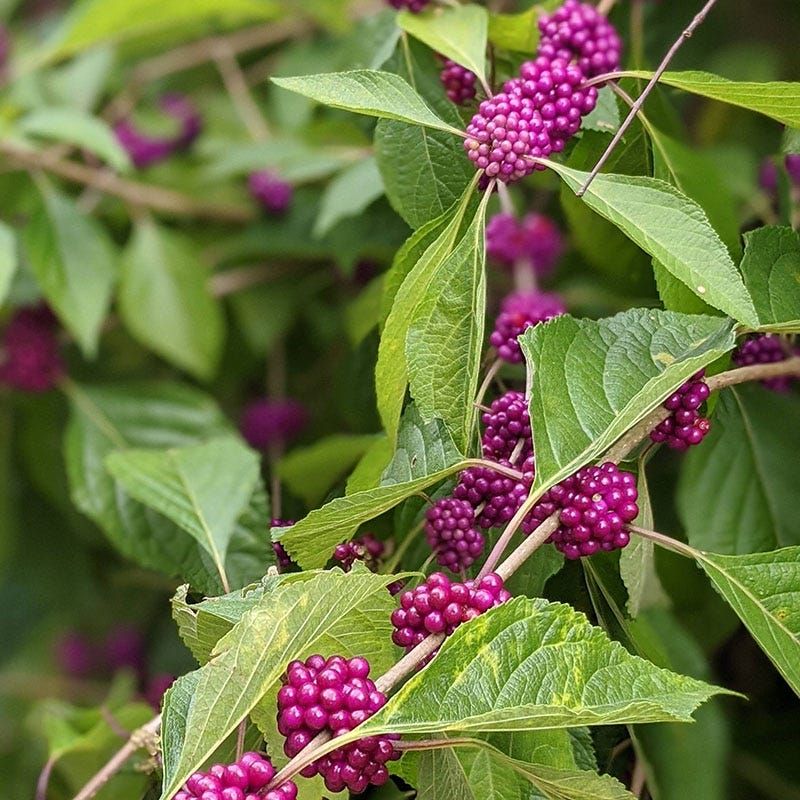
Clusters of neon purple berries hugging bare stems make beautyberry look almost artificial in a fall garden. Deer browse its leaves and twigs, and some hungry ones nibble the stems right down near the ground.
Wildlife biologists in the Southeast consider beautyberry a valuable deer browse plant, especially its tender summer leaves. Mississippi State and other southern universities note that deer seek out the foliage, which is fairly high in protein.
Funny thing is, this heavy browsing rarely bothers the shrub, because it blooms and fruits on new wood. Even after being chewed close to the ground, it usually regrows and still produces berries the same year.
Many gardeners cut beautyberry back to about a foot tall in late winter on purpose anyway. Deer simply do the job for you, though their pruning looks far messier than a clean cut.
Birds like mockingbirds and robins eat the berries through fall and into winter when other food runs short. Leaving a few shrubs untrimmed until late winter gives those birds a reliable pantry during cold months.
American beautyberry grows in Virginia’s southeastern counties and handles sun or part shade with average soil. It tolerates both dry spells and occasional wet feet, making it an easygoing choice for low-maintenance borders.
Skip the Asian Callicarpa species sold in some nurseries, since some have escaped cultivation in parts of the eastern United States. The native species gives local wildlife more value, and it is the one that deer readily browse anyway.
10. Red Osier Dogwood
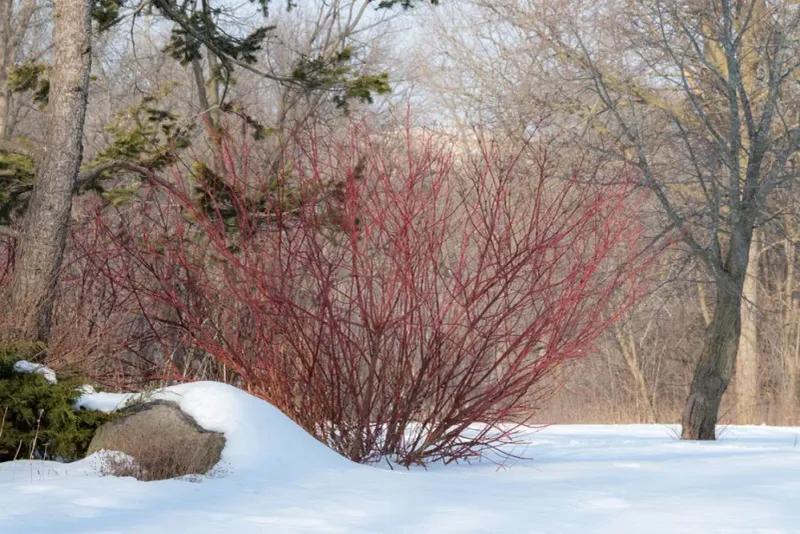
Few sights brighten a gray February like red osier dogwood stems glowing against snow, and deer notice them too. They browse the young twigs heavily, often trimming a whole shrub down to stubby knee-high stumps.
Wildlife managers across northern states list red osier dogwood among the most preferred winter browse plants for deer. Its stems stay fairly tender and nutritious, so deer return to the same shrubs again and again.
This shrub thrives in USDA zones 3 through 7, so it prefers the cooler western mountains of Virginia. Gardeners in hot, humid lowland areas often see leaf spot and canker problems during long summers.
Between you and me, browsing does not ruin red osier dogwood, because it sprouts eagerly from the base. The brightest red color appears on young stems, so regrowth after browsing can still look surprisingly vivid.
Many gardeners remove about one third of the oldest stems each late winter to keep fresh color coming. Others cut the whole shrub low every few years, which mimics the hard trimming deer love to provide.
Plant it in moist soil and full sun for the deepest stem color, since shade dulls that red glow. It handles wet spots and rain gardens nicely, and its spreading roots help hold soil along stream banks.
Protect a few showpiece stems with a wire cage, and let deer browse the rest if you like watching wildlife. That compromise keeps your winter color intact while still sharing a little of the garden with neighbors.