Why Michigan Oak Trees Should Only Be Pruned in Winter
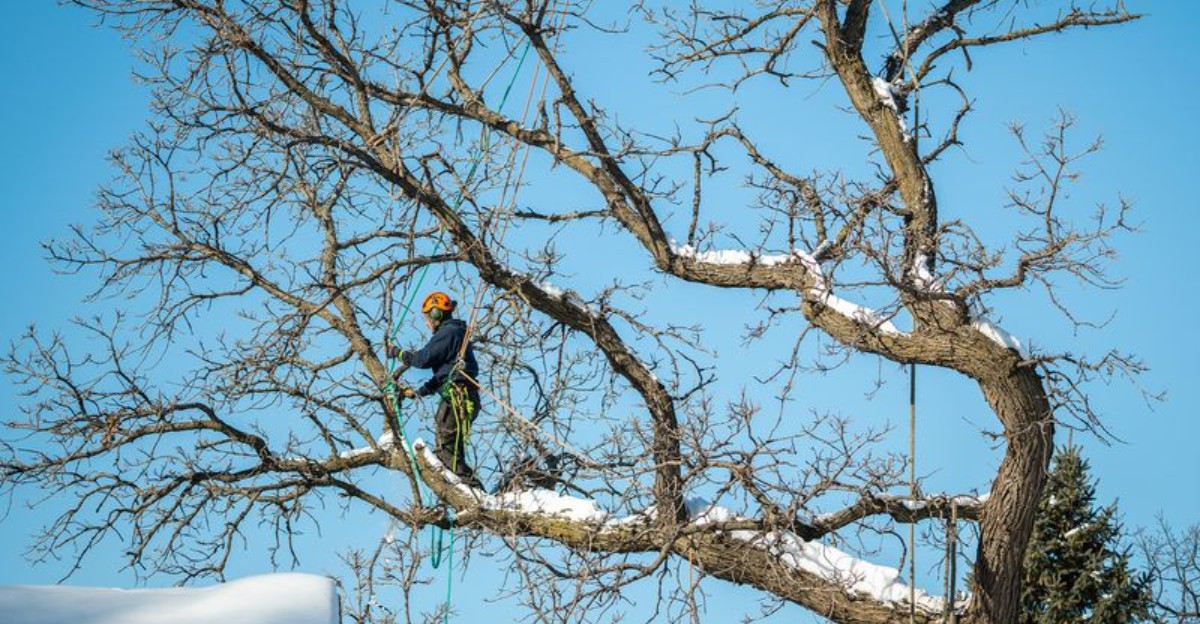
A single spring cut on the wrong tree can let a fungus spread through its sap highway in just a few weeks. Some trees that pick up this infection lose most of their leaves by midsummer.
The delivery system is what makes it so fascinating. Tiny beetles, smaller than a grain of rice, can smell fresh sap from surprising distances and land on open wounds within days.
Here in Michigan, foresters take this problem seriously. State experts even publish a calendar of high-risk months, and many tree crews follow it closely.
It’s remarkable how much a simple date on the calendar can protect a tree that has stood for a century or more.
Trimming branches might seem like it’s just about tidy shapes and clear sidewalks, but timing matters far more than most people realize. Could the cold, quiet months be the best friend your big shade tree has?
1. Those Little Sap Beetles Are Behind the Whole Oak Pruning Rule
Oak wilt is the reason for the winter rule. It’s caused by a fungus called Bretziella fagacearum, and it blocks the water-carrying tubes inside an oak.
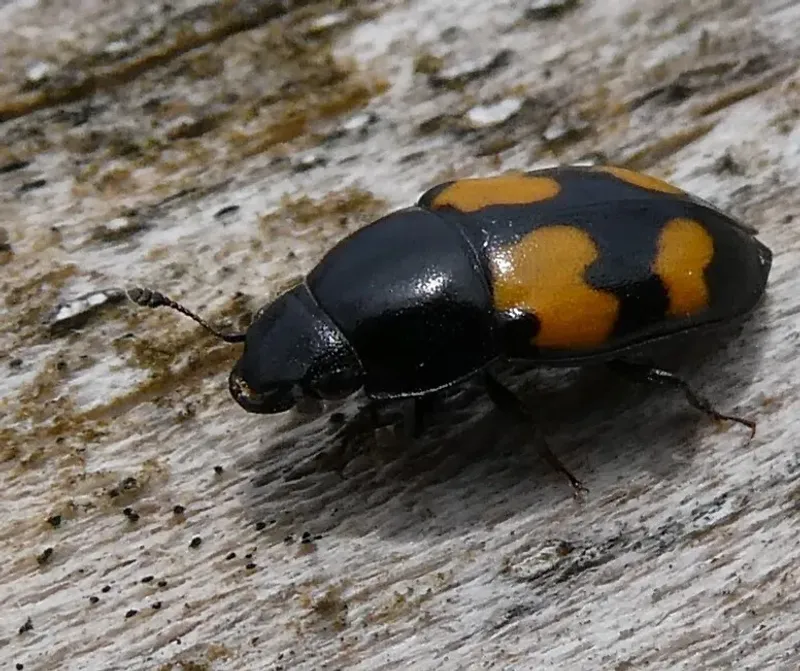
The sneaky part is how it travels. Small sap beetles, often called picnic beetles, are drawn to the sweet smell of fresh wounds on oak bark.
If a beetle has visited an infected tree first, it can carry fungus spores on its body.
Spores spread mainly when these beetles land on new cuts. A storm scrape, a lawnmower bump, or a careless pruning cut can all become an open doorway.
Fresh wounds attract beetles most in the first few days after the cut.
I find it amazing that something so tiny can cause such big trouble. These beetles are not out to harm anything.
They simply follow their noses to food.
Once inside, the fungus clogs the tree from within. Leaves wilt, turn bronze or brown from the edges, and drop early, sometimes while still partly green.
Knowing the beetle connection makes the winter rule click. Cold weather keeps these insects quiet, and fungal spore mats are rarely active, so a fresh cut has far less chance of meeting trouble.
2. Mark April 15 to July 15 as No-Cut Season for Your Oaks
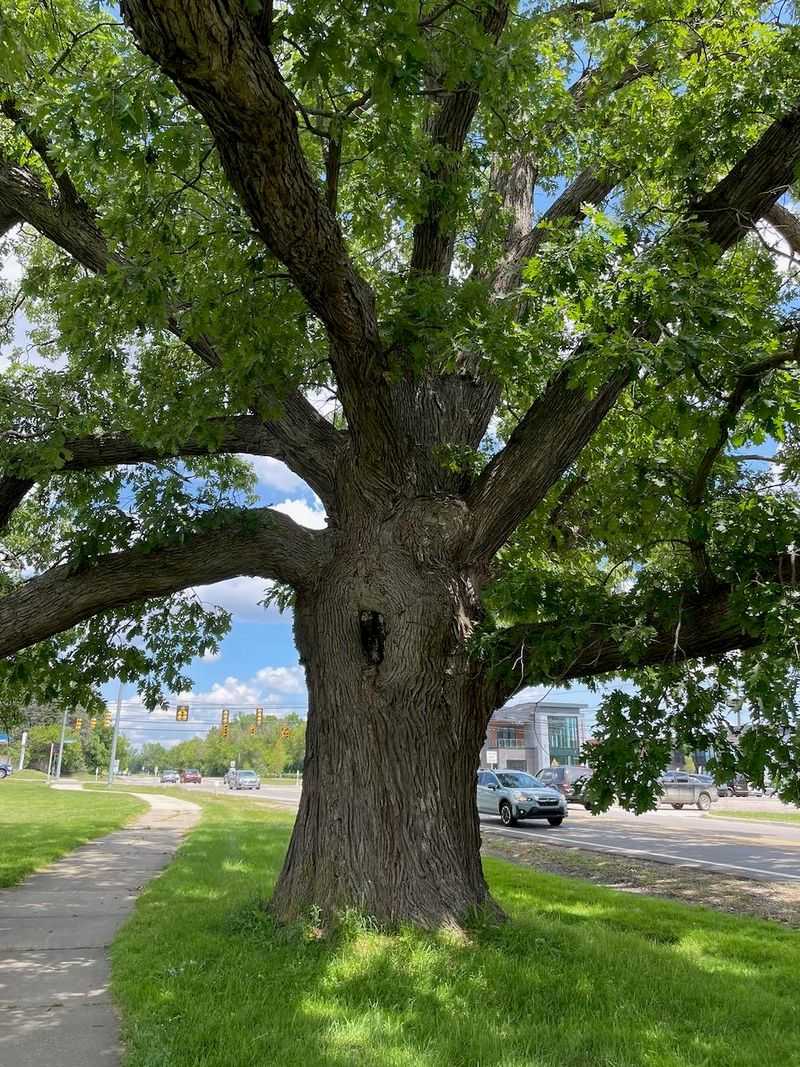
Mark your calendar now. Michigan State University Extension and the Michigan Department of Natural Resources call April 15 through July 15 the highest risk period for oak wilt.
During those weeks, sap beetles are busy, and fungal spore mats are forming under the bark of infected trees. That pairing creates the perfect setup for spreading the disease.
Many experts suggest going further. Some recommend skipping oak pruning from April through the end of summer whenever you can, since some risk lingers into warm months.
A friendly tip from my own routine: I write the dates on the garage calendar right next to my mower maintenance reminders. It keeps anyone in the family from grabbing the loppers on a nice May afternoon.
Hiring a tree service? Ask about their oak policy before signing anything.
Reputable arborists in the state know these dates well and should happily schedule oak work for later in the year.
Spring tree jobs on maples, lindens, or birches are a different story. The strict timing rule applies to oaks because of this specific disease, so you can still tackle other trees without the same worry.
3. Bare Winter Oak Branches Make the Safest Pruning Window
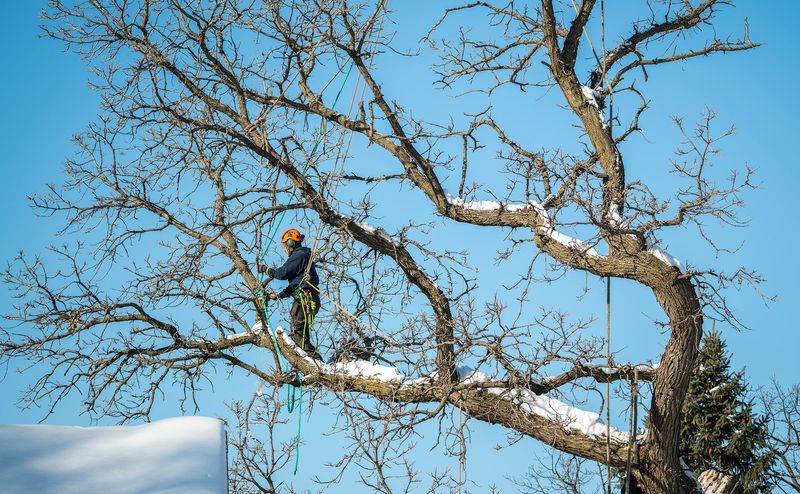
Snow on the ground means good news for your oak. Once the tree goes dormant and the air turns cold, beetle activity drops to almost nothing.
Many guides point to roughly mid-October through mid-March as the safer pruning stretch. Late fall can work, but deep winter offers the lowest risk of all.
Watch out for warm spells, though. A strange 60-degree day in March could wake insects early, so it helps to finish pruning before spring temperatures settle in.
I love winter pruning for a practical reason too. Bare branches show the full shape of the tree, so spotting rubbing limbs, weak forks, and broken stubs becomes much easier.
Without leaves blocking the view, you can see exactly where each cut will go. That means cleaner work and fewer second guesses.
Make your cuts just outside the branch collar, the slightly swollen ring where a branch meets the trunk. Leaving that collar intact helps the oak seal off the wound naturally.
Dress warmly, keep tools sharp, and enjoy the quiet. A crisp January morning with a hand saw can feel surprisingly peaceful.
4. Red Oaks Like Pin and Black Oak Face the Biggest Risk
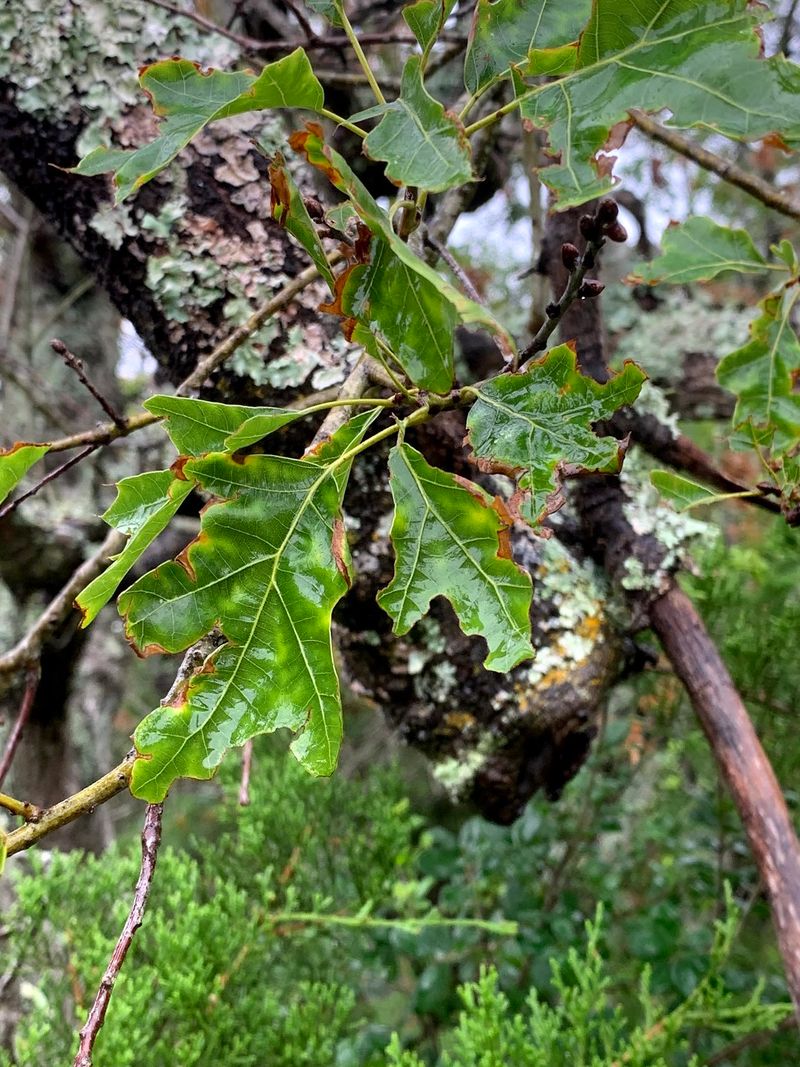
Not every oak handles this disease the same way. Trees in the red oak group, including northern red oak, pin oak, and black oak, are hit the hardest.
An infected red oak can lose its leaves within a few weeks and often fails within a single season. Recovery is rare.
White oaks, bur oaks, and swamp white oaks tend to resist the fungus better. They often decline slowly over years, and some survive with care, but they still deserve the same winter-only pruning habit.
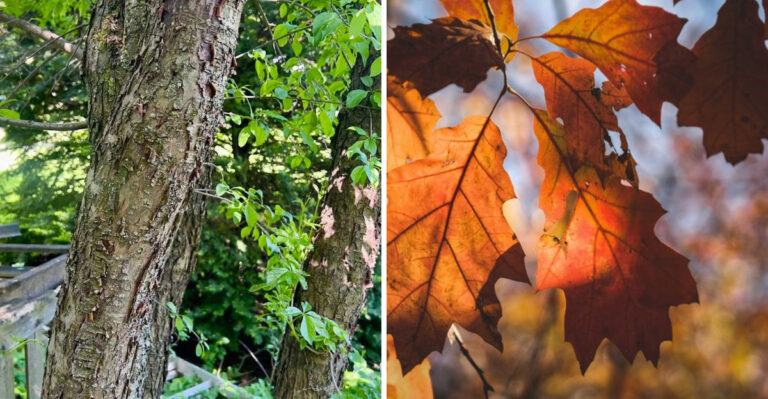
Telling the groups apart is easier than you’d think. Red oak leaves have pointed lobes with tiny bristle tips, while white oak leaves have smooth, rounded lobes.
I always encourage people to walk their yard in summer and identify each oak. Knowing which trees belong to the red group helps you decide where to be extra careful.
Red oaks can also pass the infection to neighbors through grafted roots underground. Connected roots let the fungus spread tree to tree without any beetle at all, which is why one sick tree can lead to a cluster of trouble.
5. A Storm-Snapped Oak Limb in Summer Needs Quick Paint
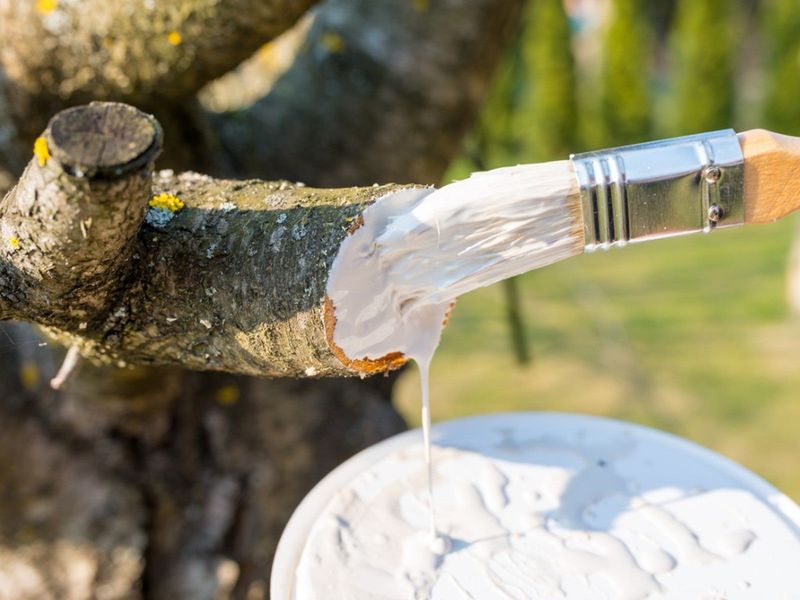
Storms don’t care about pruning calendars. A June thunderstorm can tear a limb off your oak in seconds, leaving a raw wound right in the risky season.
Act fast when this happens. Experts recommend cleaning up the jagged break with a smooth cut, then covering the wound right away with tree-wound dressing or ordinary latex paint.
Speed matters here. Beetles can find fresh sap within minutes to hours, so try to cover the spot the same day.
Painting oak wounds is a special exception. For most trees, arborists skip wound dressings, but for oaks in warm months, a thin coat creates a barrier that discourages beetles.
Keep a small can of latex paint and an old brush in the shed during summer. I call it my oak emergency kit, and it takes up hardly any space.
Dangerous hanging limbs over roofs, driveways, or play areas should come down whenever needed. Safety comes first, so remove the hazard and seal the wound promptly afterward.
6. Wilting Bronze Oak Leaves in Summer Could Signal Trouble
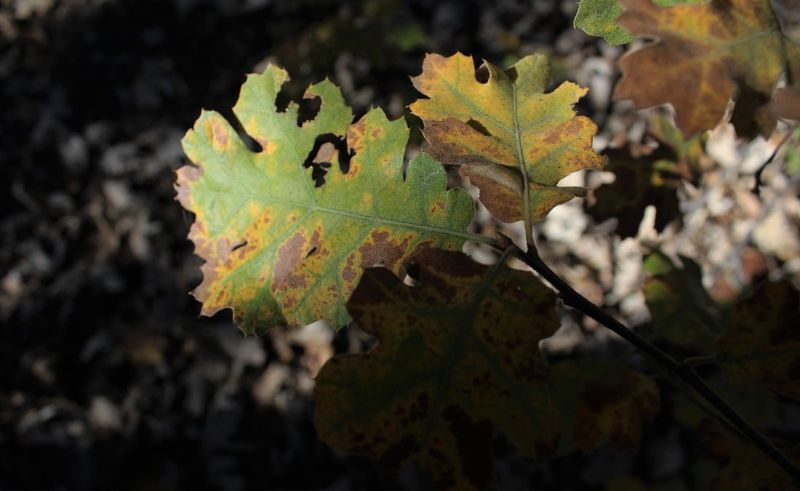
Something feels off when an oak drops leaves in July. Healthy oaks hold their foliage until fall, so early leaf drop deserves a closer look.
Classic oak wilt symptoms on red oaks start near the top of the crown. Leaves turn dull green, then bronze or brown from the tips and edges inward, and many fall while still partly green.
White oaks show it more slowly, often one branch at a time. The changes can look like drought stress at first.
Other problems can mimic these signs, including two-lined chestnut borer, drought, and leaf diseases like anthracnose. That’s why a guess from the porch is not enough.
Michigan State University’s Plant and Pest Diagnostics lab can test branch samples. A certified arborist can also help collect the right material.
I’d rather send a sample and learn it’s nothing than wait and watch a whole stand decline. Early confirmation gives you time to protect nearby oaks through root trenching or other treatments professionals use.
7. Oak Firewood From Infected Trees Can Carry the Fungus
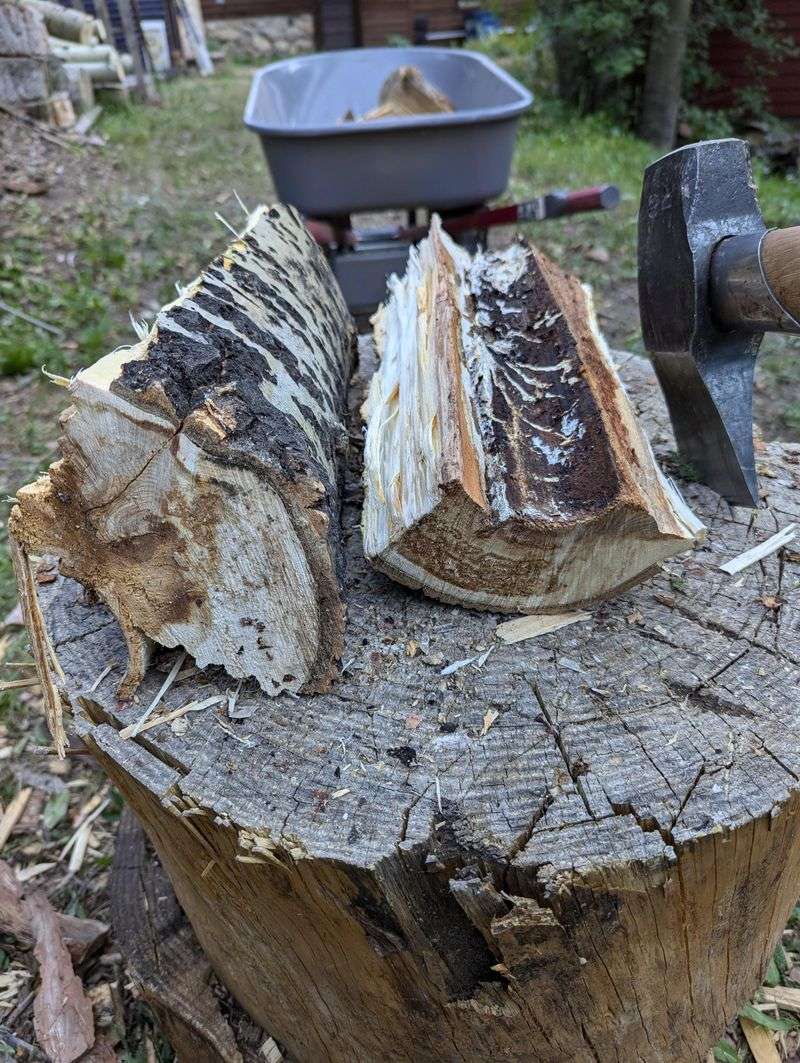
Firewood seems harmless, but it can move this disease across counties. Wood from a freshly infected oak can grow spore mats under the bark the following spring.
Beetles visit those mats, pick up spores, and fly to new wounds nearby. A woodpile in your backyard could quietly become a source of trouble.
Michigan officials encourage people to buy firewood locally and avoid hauling oak wood long distances. The saying is simple: burn it where you buy it.
If you have wood from a confirmed infected tree, experts suggest a few options. You can burn it before spring, chip it, or cover the pile with thick plastic sealed at the edges until the bark loosens.
A tight tarp keeps beetles from reaching any mats underneath. Bury the edges with soil so nothing crawls in.
I was surprised to learn this one. Most of us think of firewood only as fuel, not as a way diseases travel, but being careful here helps protect oaks far beyond your own property line.
8. A Winter Pruning Plan Keeps Your Old Oak Thriving
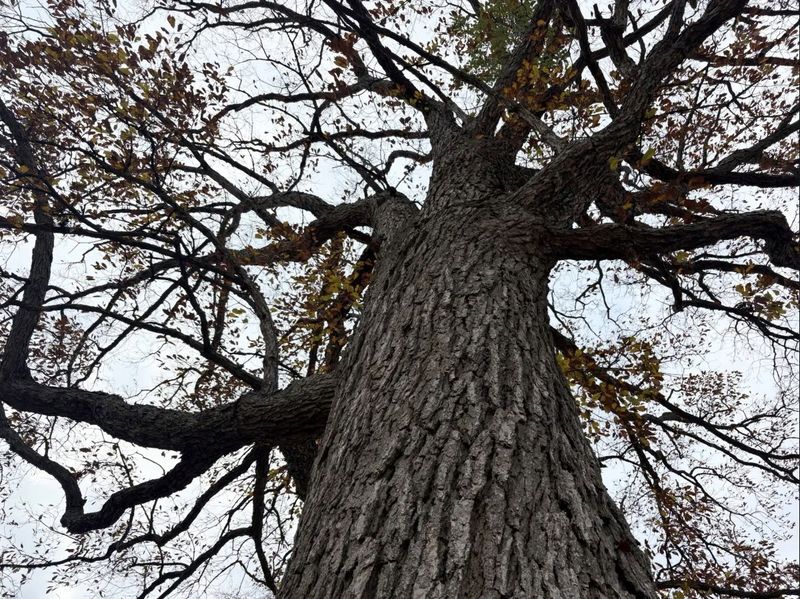
Long-lived oaks reward patience. A big one can shade your home for generations, so a little planning each year pays off.
Start in fall by walking around each oak and noting branches that cross, rub, or hang low. Snap a few photos so you remember them when winter arrives.
Then schedule pruning between roughly December and early March. Book a certified arborist early, since winter oak slots fill fast in many Michigan towns.
Keep cuts minimal. Removing more than about a quarter of the canopy at once stresses any tree, and smaller wounds close faster.
Protect the root zone all year. Avoid piling soil, parking cars, or digging trenches under the canopy, because damaged roots invite weakness.
Frozen ground in winter also helps here. Equipment rolling across hard soil causes less compaction than on soft spring lawns.
The way I see it, winter pruning is a small habit with a huge payoff. Pick a cold day, grab sharp tools, and give your oak the care that keeps it standing tall.