The One Thing You Must Do to Hydrangeas in Michigan Before the Snow
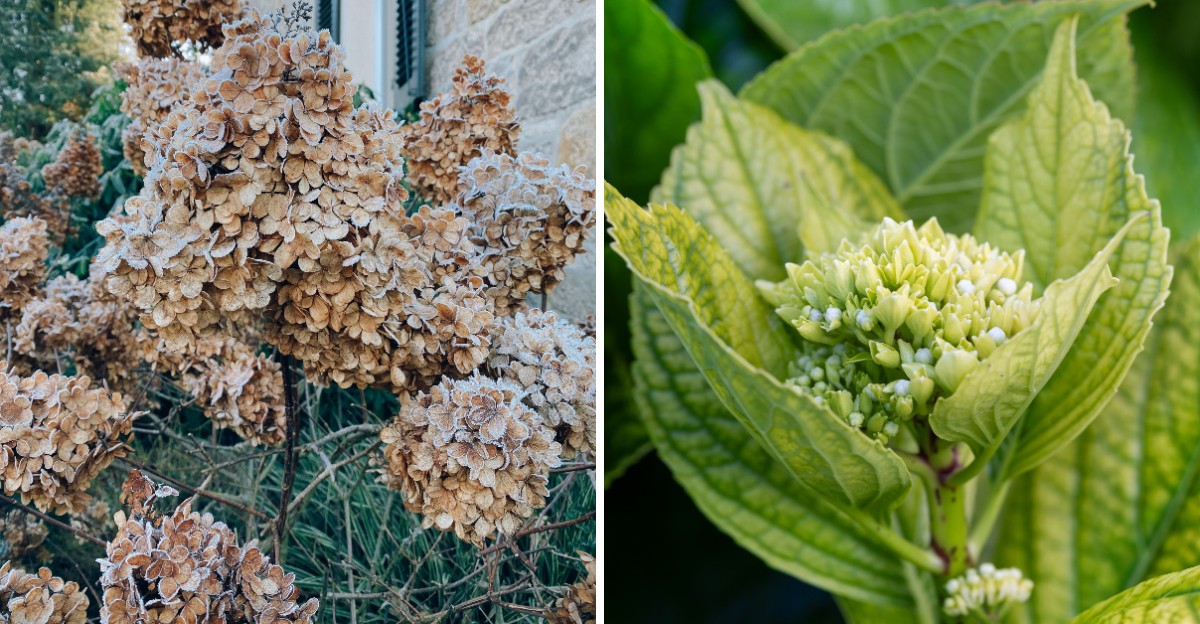
Those big blue flower heads you want next July are already sitting inside the stems right now. Bigleaf types set their buds in late summer and fall. One hard Michigan winter can quietly ruin them before spring arrives.
I learned this the sad way. My shrub came back lush and green but gave me zero flowers. You’re in for a big surprise when you see how simple the fix really is.
Gardeners across the Mitten State lose blooms this way every year. The plant looks fine, so nobody suspects the cold. Personally, I think it is the most frustrating garden mystery around.
A little effort in late fall can change your whole summer. So what do the smartest growers do before the first real snow?
1. Those Hidden Hydrangea Buds Are Already Waiting for Spring
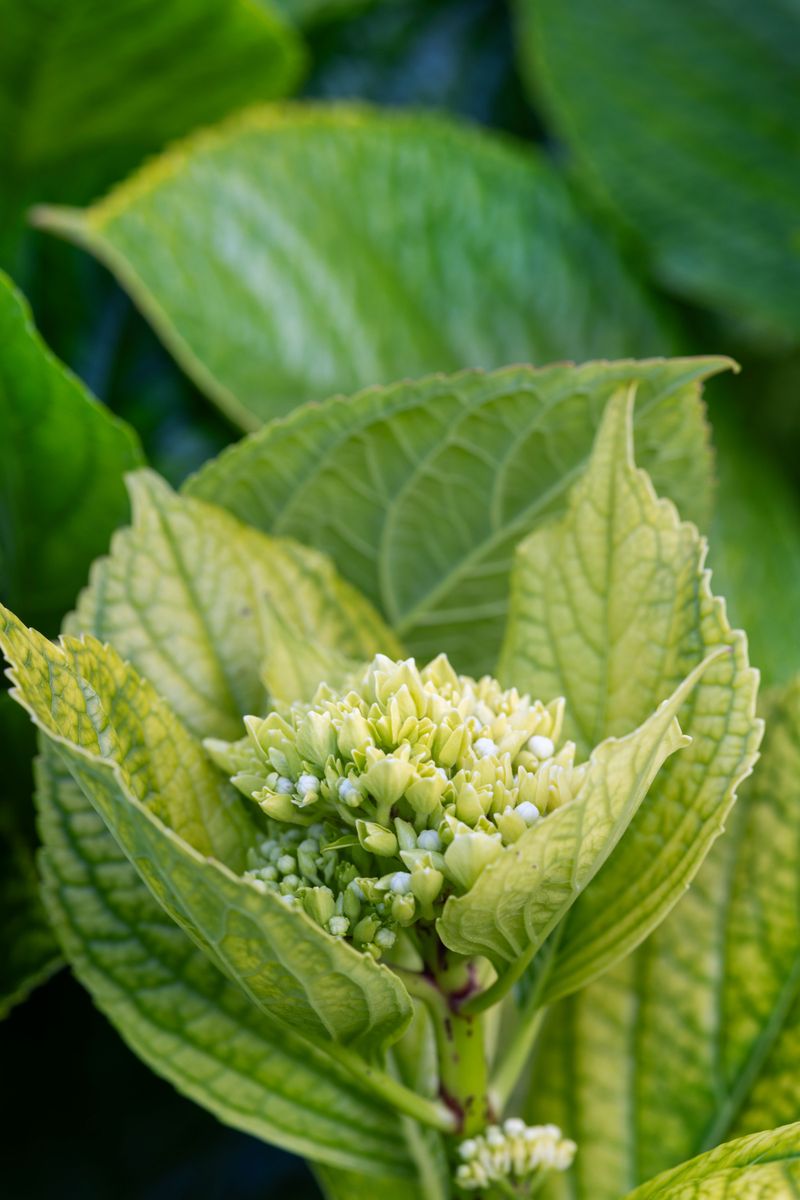
Take a close look at a bigleaf hydrangea stem in November. Those fat, pointed buds near the tips hold next summer’s flowers. They formed back in August and September, long before the leaves dropped.
Bigleaf and mountain hydrangeas bloom on what gardeners call old wood. That means the flowers come from buds made the year before. If winter damages those buds, the plant may still leaf out nicely, but you get few or no blooms.
Michigan winters are tough on these buds. Many bigleaf types are hardy to Zone 5 at the roots, yet the buds can struggle when temperatures drop well below zero. Sharp winds and wild swings between thaw and freeze make things worse.
Spring can bring trouble too. A warm April day might coax buds to swell. Then a late frost arrives and nips them.
So the plant itself often survives just fine. The flowers are the real casualty. Many gardeners blame poor soil or bad fertilizer, but cold-damaged buds are a common cause of a bloomless summer.
Knowing where those buds sit changes how you care for the shrub. Once you see them, you understand why protecting the stems matters so much before snow covers the yard.
2. Wrap Your Bigleaf Hydrangea in a Cozy Leaf-Filled Cage
Here is the big secret. Insulate the stems of your old-wood hydrangeas so the buds stay protected all winter. A simple wire cage stuffed with leaves does the job beautifully.
Start by pushing three or four stakes into the ground around the shrub. Wrap chicken wire or hardware cloth around the stakes to form a circle. Leave a few inches of space between the wire and the branches.
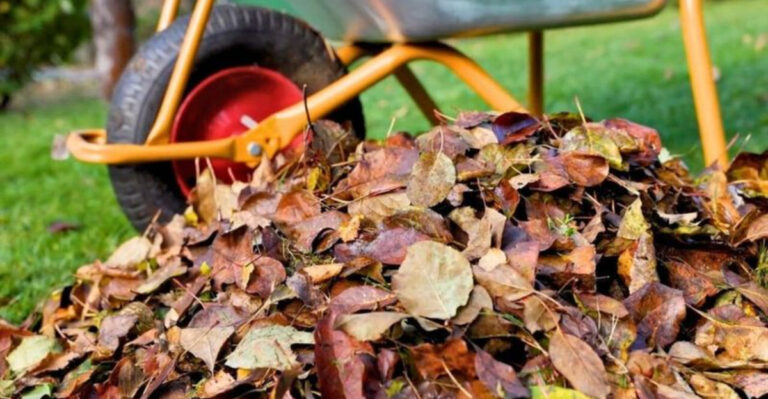
Next, fill the cage with dry, shredded leaves or clean straw. Oak leaves work well because they resist matting down. Pack the material loosely all the way to the top so the stem tips are buried.
Why does this help? The fluffy leaves trap air, and trapped air holds steadier temperatures. It also blocks drying winds that can scorch buds on exposed stems.
Michigan State University Extension often suggests this kind of cover for tender bigleaf types. It costs very little, especially if you already rake leaves each fall.
A few gardeners add a loose burlap wrap around the outside for extra wind protection. Skip plastic, though. Plastic holds moisture and heat on sunny days, which can encourage rot. One afternoon of work can give you a summer full of color.
3. Grab These Simple Supplies Before the First Hard Freeze
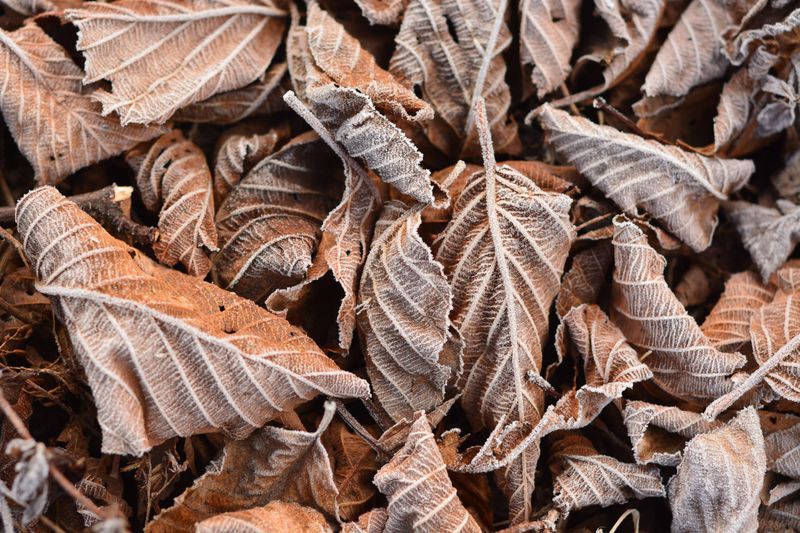
My garage looks like a scarecrow’s workshop every November. Burlap, stakes, and bags of leaves pile up by the door. Gathering it early saves a frantic scramble when the forecast turns icy.
You need only a handful of items. Grab sturdy stakes made of wood, bamboo, or metal. Pick some chicken wire or hardware cloth, plus zip ties or garden twine to hold it together.
For filling, shredded leaves are the star. Run your mower over dry leaves to chop them. Chopped leaves settle less and stay airy. Clean straw is a fine backup if your yard has few trees.
Burlap is helpful for windy spots. It breathes, sheds snow, and blocks harsh gusts coming across open lawns or lakeshores. A few other tools come in handy:
Gloves protect your hands from wire edges. A rubber mallet drives stakes into firm soil. A tarp makes carrying leaves much easier.
Some garden centers sell ready-made hydrangea covers or plant protection kits. These work, though homemade cages are cheap and sturdy.
Keep everything stored together after spring. Next fall, you can set up the whole system in under an hour per shrub.
4. Wait Until Your Hydrangea Leaves Drop Before Covering Up
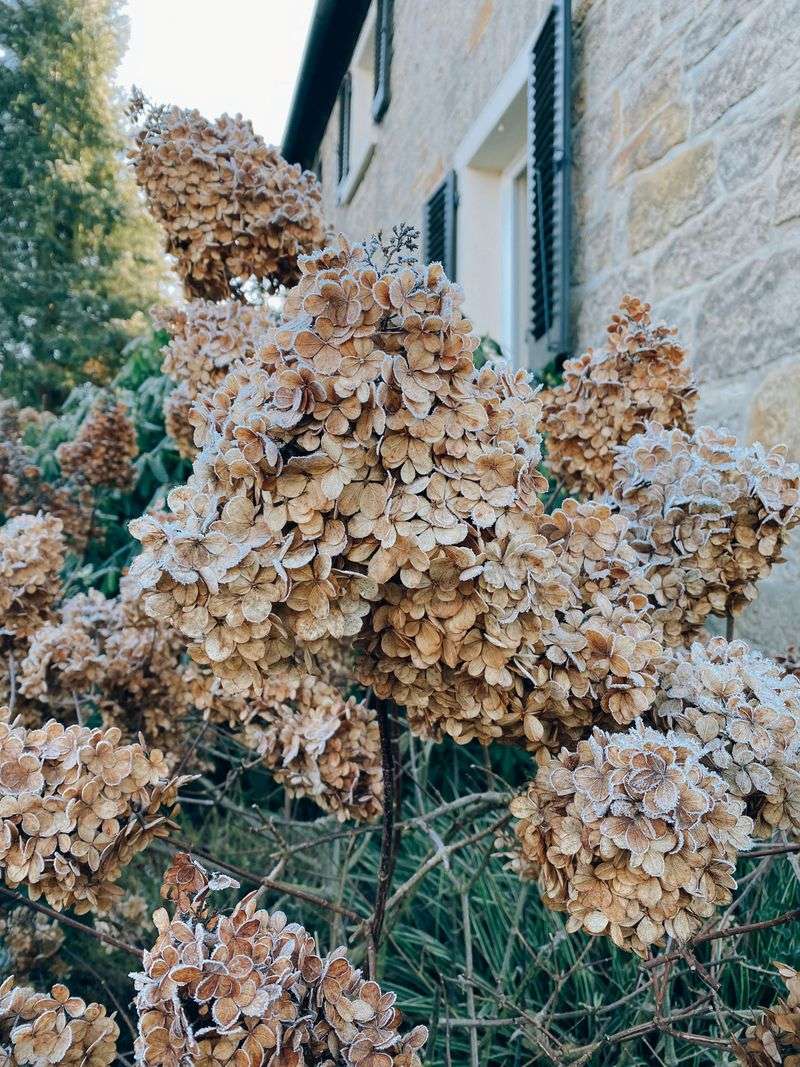
Patience pays off with this job. Cover too early, and you may trap warmth and moisture around a plant that is still active. That can invite mold and soft growth.
The best time is after the shrub goes dormant. Watch for the leaves to drop or turn brown after a few hard frosts. Soil temperatures should be cooling steadily too.
In much of Michigan, that window lands in mid to late November. The Upper Peninsula and northern Lower Peninsula may reach it in late October or early November. Southern counties near the Indiana and Ohio borders can sometimes wait a bit longer.
A good rule is to act before temperatures regularly dip into the teens. Buds are vulnerable once deep cold sets in.
Removal timing matters just as much. Take the cover off gradually in spring, often around mid April in southern areas. Pull away some leaves first, then the rest a week or so later.
Keep an eye on the forecast after uncovering. If a late frost threatens, toss an old sheet over the shrub for the night. Getting both ends right gives those precious buds their best shot.
5. Put Down the Pruners and Give Those Roots a Deep Drink
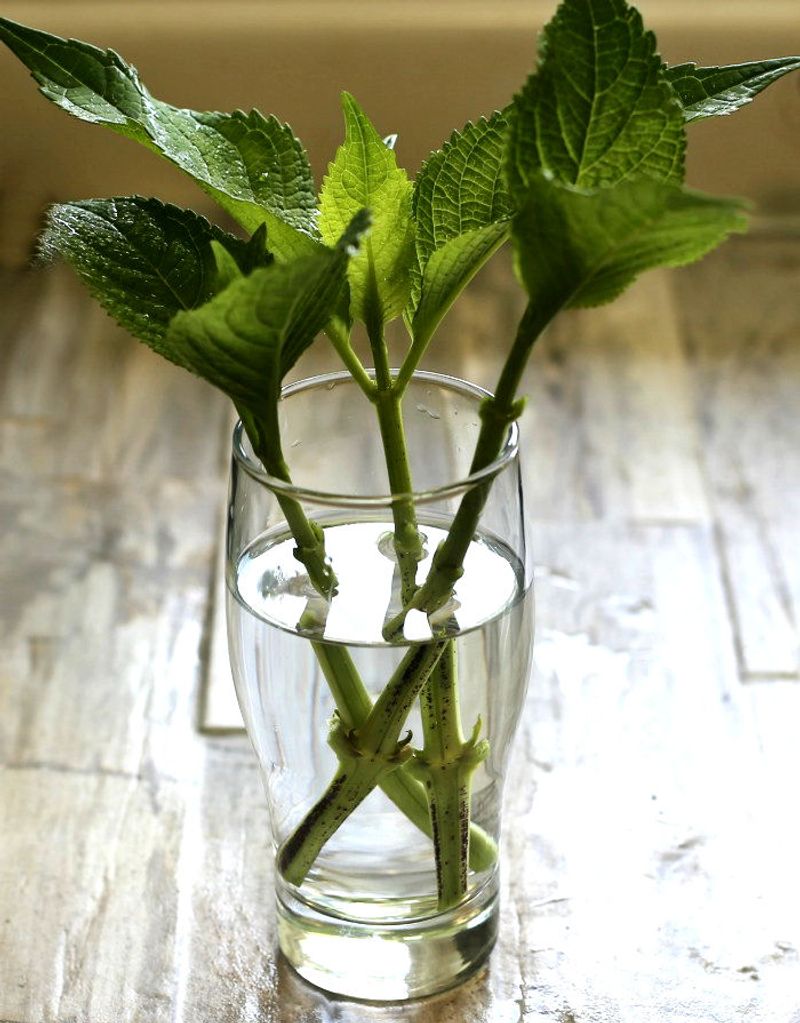
Fall cleanup fever is real. You want everything tidy, so you reach for the shears. Hold that thought if your hydrangea blooms on old wood.
Cutting bigleaf or oakleaf stems in fall removes the very buds you are trying to save. Leave the old flower heads on too. Many gardeners enjoy how they catch snow, and they offer a little shelter for the tips.
Watering is the next smart move. Dry soil heading into winter can stress roots and stems. Give your shrub a slow, deep soak every week or so when rain is scarce, right up until the ground freezes.
Mulch adds another layer of comfort. Spread two to four inches of shredded bark or leaves over the root zone. Keep it a few inches away from the base of the stems.
Skip fertilizer from late summer onward. Feeding late can push tender new growth that struggles once cold weather hits.
A quick checklist helps: Water deeply until freeze-up. Mulch the roots. Leave stems and spent blooms alone. These small habits support the main protection job and keep the whole plant stronger through winter.
6. Not Every Hydrangea Variety Needs Winter Wrapping
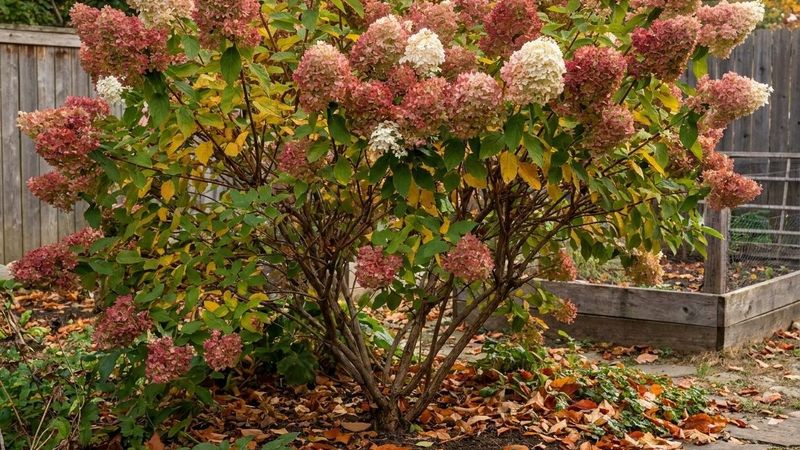
Good news for busy gardeners comes from the plant tag. Some hydrangeas shrug off Michigan cold with little fuss.
Smooth hydrangeas, like the classic Annabelle, bloom on new wood. So do panicle types such as Limelight and Quick Fire. Their buds form in spring on fresh growth, so winter cannot steal them.
These tough shrubs are hardy into Zone 3 or 4. You can even cut them back in late winter without losing flowers.
Bigleaf and mountain hydrangeas are the ones to wrap. Oakleaf hydrangeas also bloom on old wood and may need some shelter in colder parts of the state.
What about reblooming types? Series like Endless Summer can flower on both old and new wood. They often still bloom after a rough winter, but protecting them gives you an earlier and fuller show.
Not sure what you have? Look at the flowers. Mophead or lacecap blooms in pink or blue usually signal a bigleaf.
Cone-shaped clusters point to a panicle. Round white snowballs often mean a smooth hydrangea.
Knowing your variety saves effort. Wrap only the shrubs that truly benefit, and let the hardy ones handle winter on their own.
7. Your Reward Shows Up as Big Blue Hydrangea Blooms Next Summer
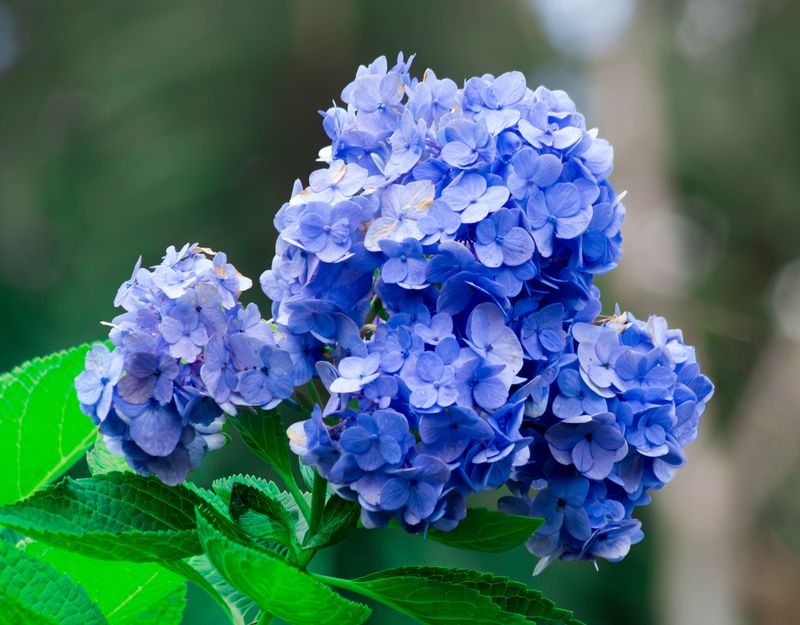
Last July, my neighbor across the street stopped her car just to ask about my shrub. It was loaded with blue mopheads the size of dinner plates. That show started with a pile of leaves the November before.
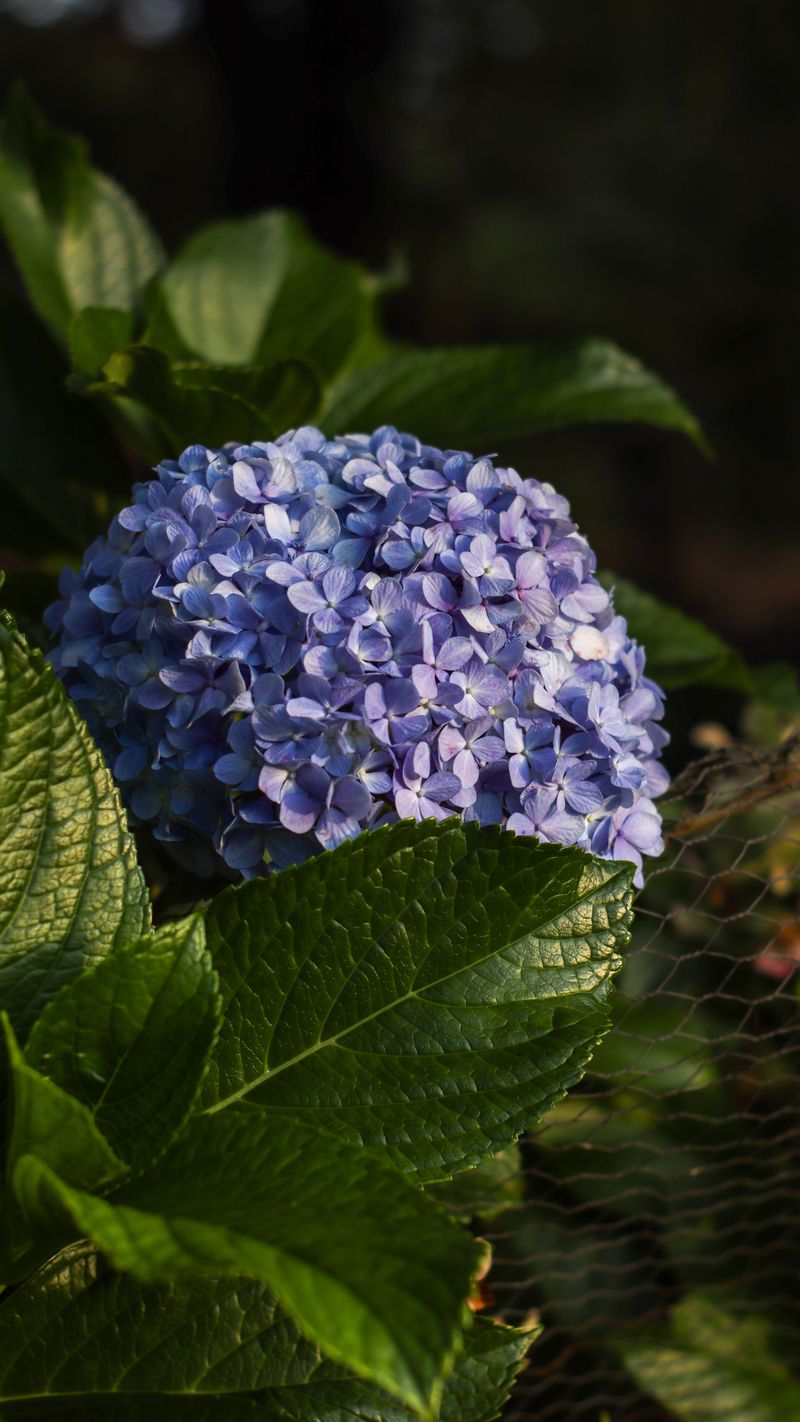
Protected buds open into full flower clusters from early to mid summer. Instead of a green bush with a few sad blooms, you get a shrub packed with color.
Expect a few things in spring. Uncovered stems may look gray and bare at first. Be patient. Leaves often appear in May, and buds swell soon after.
Wait to prune until new growth shows. Then trim only stems that stay brown and brittle above the green buds.
Bloom color depends on your soil. Acidic soil tends to give blue flowers, while alkaline soil leans pink. Many Michigan yards have neutral to alkaline soil, so pink is common.
Keep notes each year. Jot down when you covered, when you uncovered, and how the blooms turned out.
Over time, you will learn exactly what your yard needs. That small fall chore becomes a happy tradition with a gorgeous payoff.